Valdez Waterfalls: Exploring Keystone Canyon’s Natural Wonders

Keystone Canyon is one of Valdez’s hidden gems, packed with natural beauty, rich history, and adventure. Its towering rock walls are home to some of the most stunning waterfalls in Alaska, including Bridal Veil Falls and Horsetail Falls. Located just 14 miles from Valdez on the Richardson Highway, this canyon draws visitors year-round. In this guide, I’ll walk you through everything you need to know about exploring the Valdez waterfalls—how to get there, the best spots to stop, and all the activities that make this place a must-visit.
This article may contain affiliate / compensated links. For full information, please see our disclaimer here.
Discovering Keystone Canyon: A Waterfall Wonderland
Location and Getting There
Exploring Keystone Canyon, just 14 miles from Valdez, is one of the best things to do in Valdez. This short stretch of the Richardson Highway (mile 14 to 17) features dramatic rock walls, lush green landscapes, and some of Alaska’s most impressive waterfalls.
If you’re driving from Valdez, head north on the Richardson Highway, and you’ll enter the canyon within minutes. If you’re getting to Valdez from Anchorage or Glennallen, the stunning canyon is impossible to miss along the highway.
Why We Love Keystone Canyon
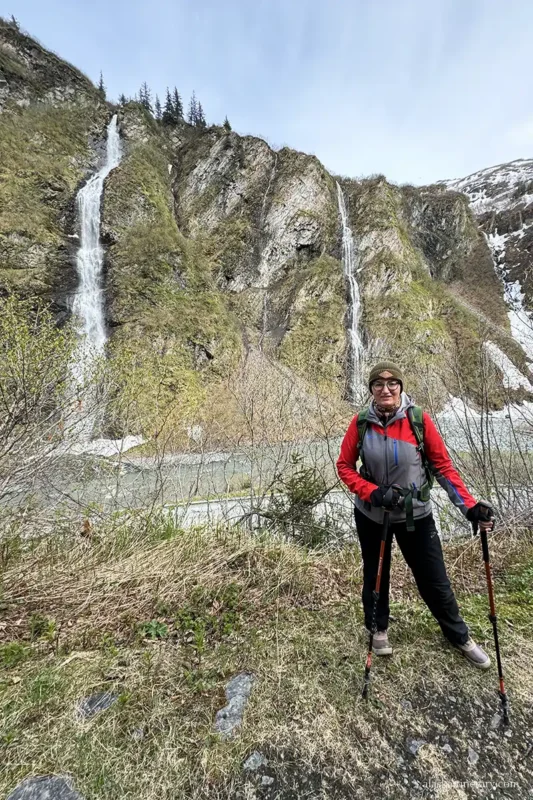
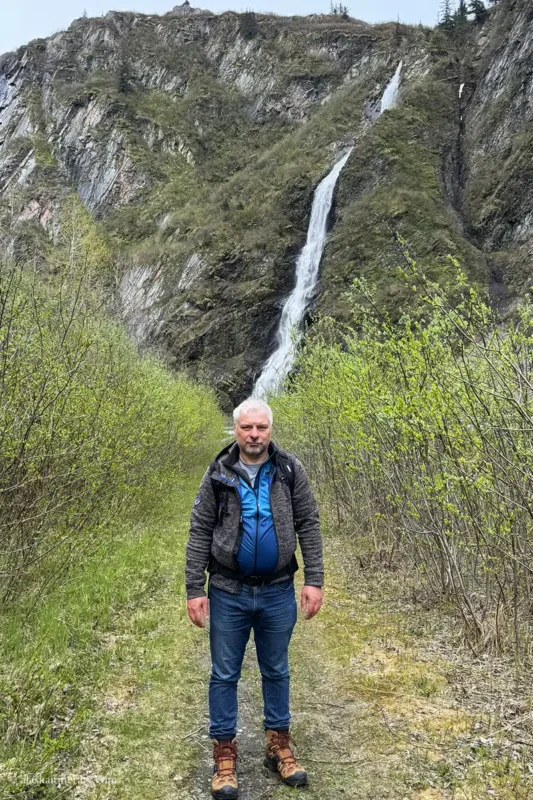
Chris and I have explored this canyon many times. As hiking enthusiasts and waterfall photographers, we find something new with each visit. The towering waterfalls—Bridal Veil Falls and Horsetail Falls—are a sight you don’t want to miss. Keystone Canyon offers one of the best hiking trails in the Valdez area.
We’ve spent countless hours hiking the nearby trails and capturing the beauty of these falls. In this guide, we’ll share the best tips to help you explore this incredible canyon. From easy pull-offs to hidden spots, we’ve got you covered for your next adventure in Valdez.
If you plan a trip to Valdez, make sure to read our complete Valdez travel guide based on our firsthand road trip experiences.
Main Valdez Waterfalls in Keystone Canyon
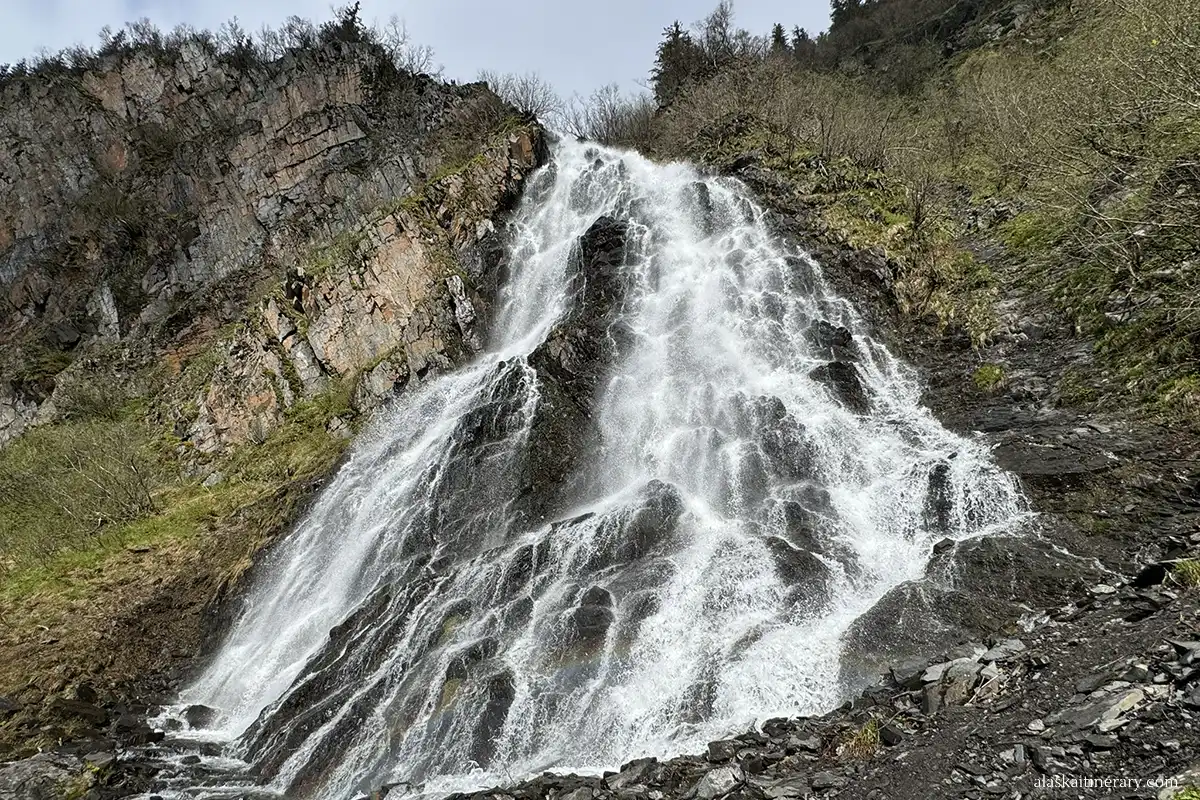
Keystone Canyon is home to some of the best waterfalls in Alaska, and they are among the top reasons to visit Valdez.
Bridal Veil Falls in Valdez
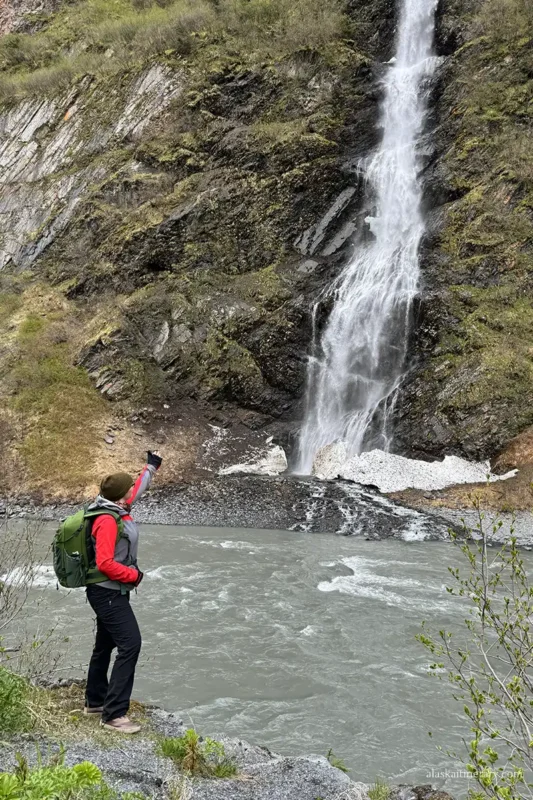
Bridal Veil Falls is the tallest and most famous waterfall in Keystone Canyon, standing at an impressive 600 feet. Located at mile 13.5 on the Richardson Highway, this waterfall tumbles down the steep canyon walls, creating a dramatic scene.
During the spring melt, the falls are at their peak, fueled by the melting snow from the surrounding mountains. There’s a convenient pull-off on the highway where you can park and get a clear view of the falls.
For those wanting a more adventurous experience, the Keystone Canyon Pack Trail offers a birds-eye view of Bridal Veil Falls from above, perfect for hikers and photographers alike.

Horsetail Falls in Valdez
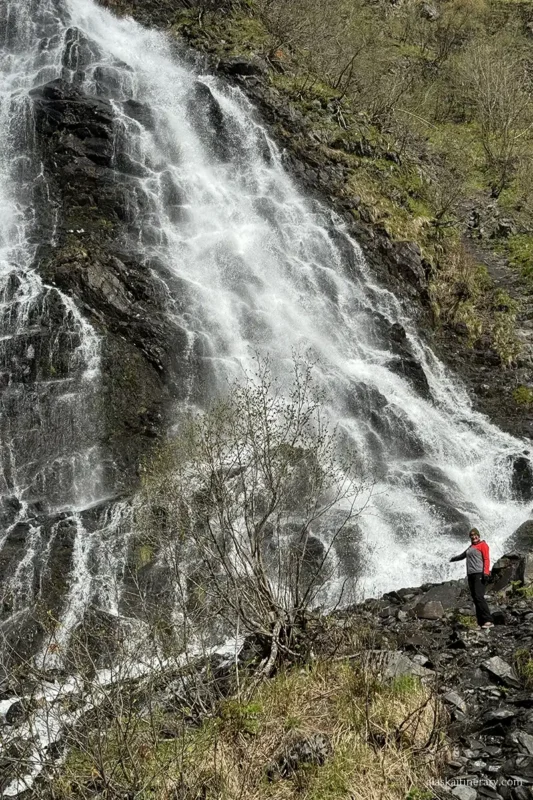
Just a mile down the road at mile 14.5, you’ll find Horsetail Falls. While not as tall as Bridal Veil, Horsetail Falls stands around 300 feet and is just as captivating. The water fans out as it drops down, resembling the flowing strands of a horse’s tail. It’s easily accessible from the highway, with a pull-off that lets you get close enough to feel the mist from the falls.
Horsetail Falls is also most impressive in the spring, but it flows year-round, making it a popular stop for travelers. If you’re into photography, early mornings and late afternoons offer the best light for capturing this natural wonder.

Rudleston Falls and Other Hidden Waterfalls
Rudleston Falls, though smaller than the more famous Bridal Veil and Horsetail Falls, adds to the charm of Keystone Canyon. This waterfall can be seen after heavy rains or during the spring melt, along with several other unnamed falls that appear on the canyon walls.
Rudleston Falls is located between miles 15 and 16 on the highway and is often missed by those rushing through. These smaller falls are part of what makes Keystone Canyon a waterfall paradise, especially in late spring and early summer when water levels are high.

Best Ways to Explore the Valdez Waterfalls
Drive Through Keystone Canyon
The easiest and most convenient way to explore the waterfalls is by driving through Keystone Canyon on the Richardson Highway. Bridal Veil Falls and Horsetail Falls are both located right off the road, with dedicated pull-offs for parking and easy viewing. Bridal Veil Falls is at mile 13.5, while Horsetail Falls is just a mile further at mile 14.5.
Both waterfalls are visible year-round, though they’re at their peak during the spring melt. Make sure to bring your camera, as the pull-offs provide fantastic photo opportunities. For a quick stop, this is the best way to enjoy the beauty of Keystone Canyon without needing any gear or planning.

Hike the Keystone Canyon Pack Trail
- Length: 1.8 miles (one-way)
- Difficulty: Moderate
- Time Required: 1.5 to 2 hours round-trip
- Trailhead: The trailhead is located near mile 13.5 on the Richardson Highway, close to Bridal Veil Falls. There’s a small pull-off area for parking.
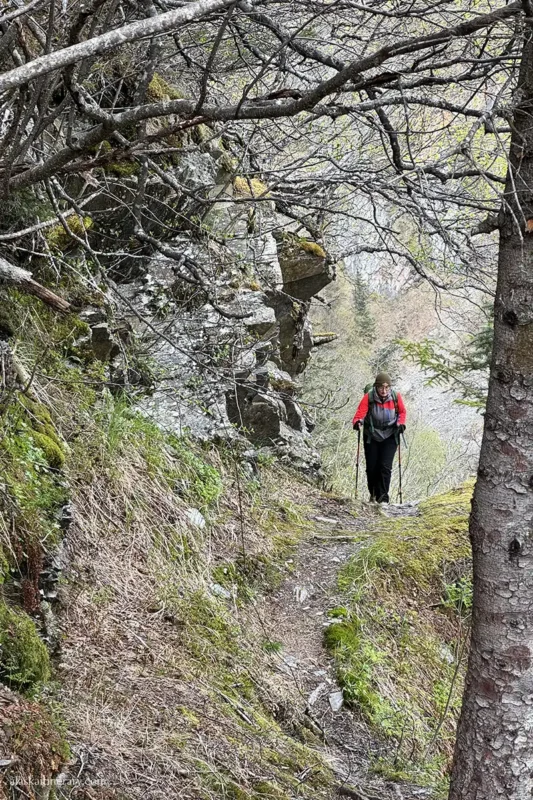
For a more immersive experience, the Keystone Canyon Pack Trail is a must. This 1.8-mile trail begins near Bridal Veil Falls and offers an elevated view of the canyon and its waterfalls. The trail takes you above the canyon walls, giving hikers a unique perspective of the falls from above.
This trail is well-marked, and it’s accessible for most hikers, though sturdy shoes are recommended. The trail offers excellent photo opportunities of the falls, the surrounding canyon, and the Lowe River below. It’s a great way to explore the area if you have a couple of hours to spare.

Hike The Valdez Goat Trail (Pack Trail of 1899)
- Length: 2 miles (one-way)
- Difficulty: Moderate
- Time Required: 2 to 3 hours round-trip
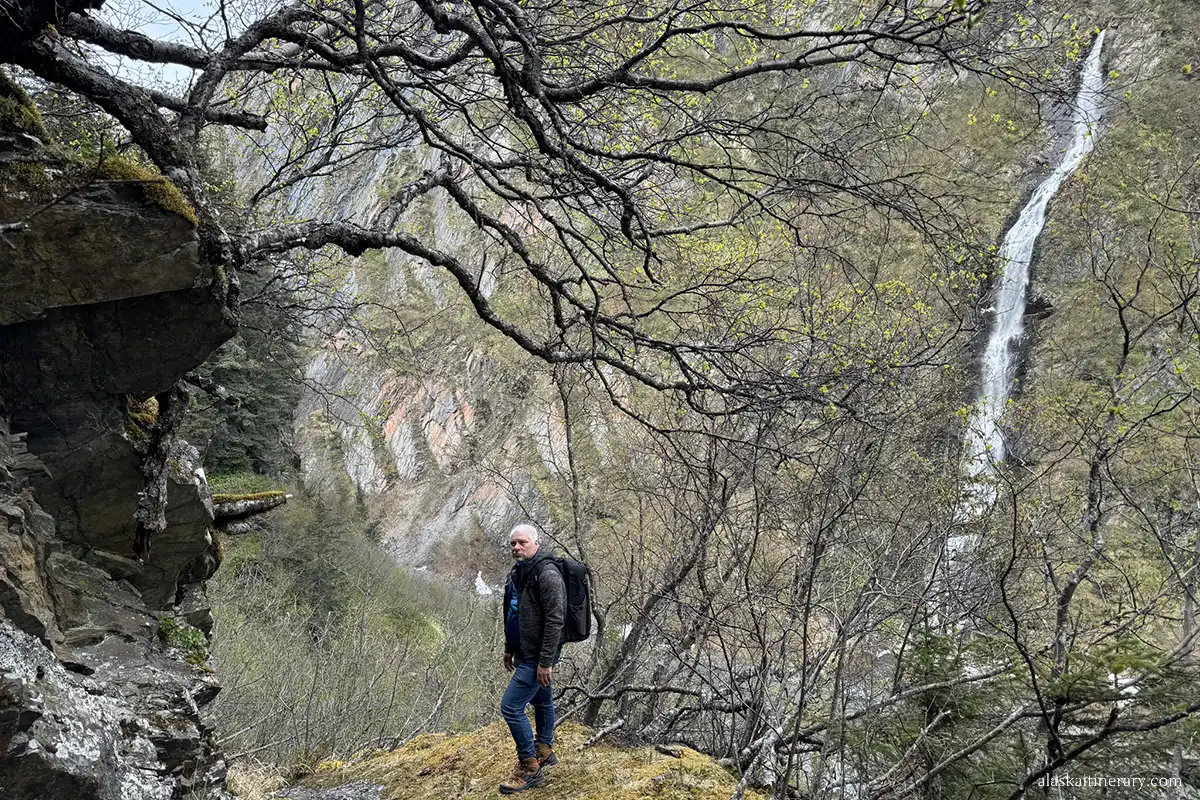
- Trailhead: The trailhead of Valdez Goat Trail starts near mile 13.5 on the Richardson Highway, at the same location as the Bridal Veil Falls turnout. There is ample space for parking, and the trail follows an old pack route from 1899 that prospectors once used.
The Valdez Goat Trail offers more elevation gain and a rugged hiking experience compared to the Keystone Canyon Pack Trail. Hikers will pass above the canyon walls and enjoy stunning views of the surrounding cliffs, waterfalls, and the Lowe River. It’s one of the best trails for history lovers, as it follows the same route used during Alaska’s Gold Rush era.

Raft or Kayak the Lowe River
If you’re looking for a bit more adventure, kayaking or rafting the Lowe River is one of the most thrilling ways to experience Keystone Canyon’s waterfalls. Local tour operators offer guided rafting trips that take you right past Bridal Veil Falls, giving you a front-row seat to its powerful spray.
The river is calm enough for beginner rafters but offers enough excitement for experienced adventurers. Kayaking is another option, providing a more intimate experience on the water. Rafting and kayaking tours typically run from late spring to early fall, depending on water levels, and give you a completely different view of the waterfalls from below.

Winter Exploration: Ice Climbing
In the winter, the waterfalls freeze into towering ice formations, making Keystone Canyon a hub for ice climbers. The frozen Bridal Veil and Horsetail Falls are popular climbing spots, drawing climbers from around the world. If you’re not into climbing, simply visiting during winter to see the frozen waterfalls is a unique experience. T
he annual Valdez Ice Climbing Festival is held in Keystone Canyon each February, offering workshops and competitions. The canyon is also a beautiful spot for winter photography, with the icy falls creating a surreal landscape.

Photography Tips for Capturing the Valdez Waterfalls
Timing is Everything
The best time to photograph the waterfalls in Keystone Canyon is during the late spring and early summer when the snowmelt is at its peak. Bridal Veil Falls and Horsetail Falls are at their most powerful during this time, offering dramatic shots with heavy water flow.
Early mornings and late afternoons provide the best lighting conditions, with soft, diffused light that reduces harsh shadows. Avoid midday when the sun is directly overhead, as it can create overexposed highlights in your photos.
Use a Tripod for Long Exposures
To capture the silky, flowing effect of the water, use a slow shutter speed on your camera. For this, you’ll need a sturdy tripod to avoid camera shake. A shutter speed of around 1/4 to 1/15 of a second is ideal for waterfalls. If it’s a bright day, use a neutral density (ND) filter to limit the light entering your camera, allowing for longer exposures without overexposure.
Find Unique Angles
Most visitors photograph the waterfalls from the roadside pull-offs, which offer great views. However, for more unique shots, hike the Keystone Canyon Pack Trail or the Valdez Goat Trail. These trails offer elevated perspectives of the waterfalls, allowing you to capture them from above. If you’re feeling adventurous, consider booking a rafting trip on the Lowe River for an up-close shot from the water.
Capture the Canyon’s Scale
Keystone Canyon’s towering rock walls make the waterfalls appear even more dramatic. To highlight this, include a person, car, or another object in your shot to give a sense of scale. This technique emphasizes the grandness of the falls against the rugged canyon backdrop.
Be Mindful of Mist
Bridal Veil Falls, in particular, creates a lot of mist, which can get on your camera lens. Keep a microfiber cloth handy to wipe your lens regularly. If the mist becomes too heavy, consider using a lens hood to shield your lens or step back to avoid the spray.

Historical Significance of Keystone Canyon
Keystone Canyon is known not only for its stunning waterfalls and rugged beauty but also for its rich history, which dates back to Alaska’s early days of exploration and settlement. This canyon has witnessed significant events, including the infamous railroad war and its role in Alaska’s gold and copper mining era.
The Railroad War of 1907
In the early 1900s, two rival railroad companies fought for control over the right-of-way through Keystone Canyon. The area was seen as a crucial passage to connect Valdez with the copper-rich interior of Alaska, particularly to the Kennecott Copper Mines.
The dispute between the Alaska Home Railroad and the Guggenheim-owned Copper River and Northwestern Railway escalated into a violent confrontation. In 1907, a gunfight broke out between the two groups as they tried to claim control of the canyon. Although no one was killed, the “Battle of Keystone Canyon” is remembered as a defining moment in the early development of Alaska’s railroads.
The Abandoned Railroad Tunnels
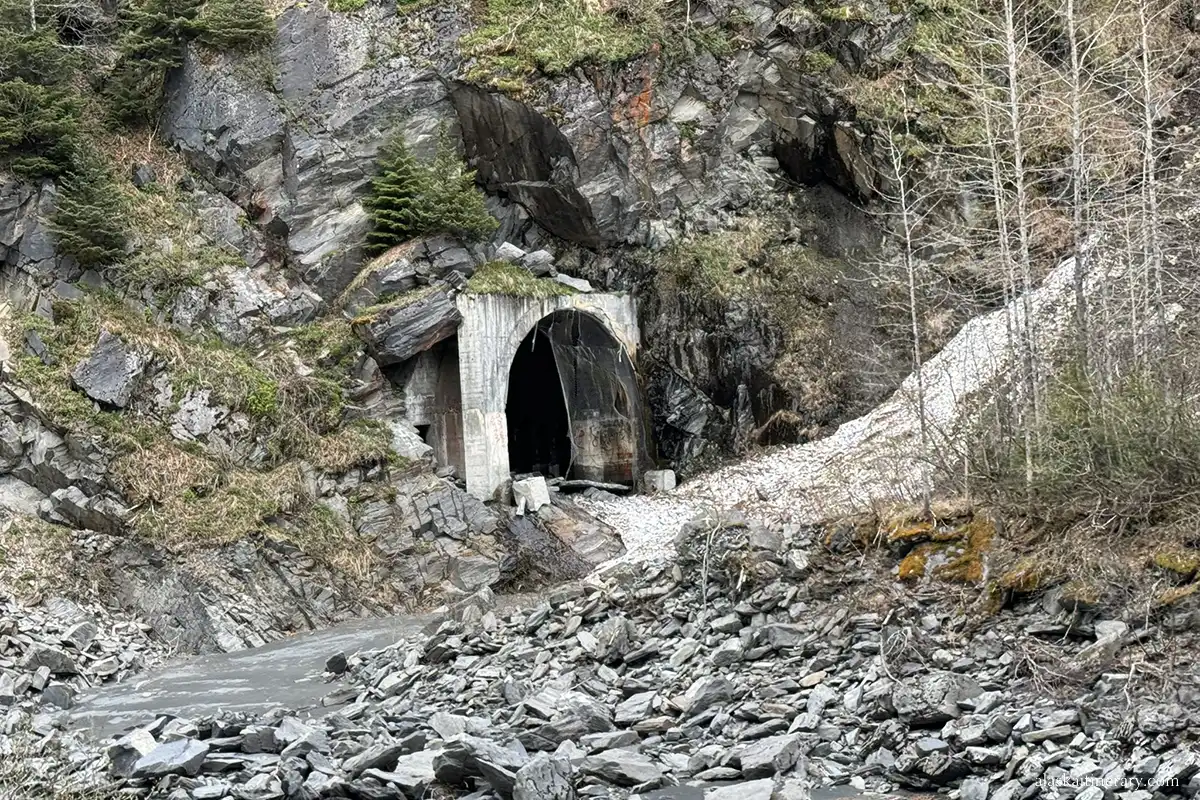
As part of the effort to build a railroad through Keystone Canyon, a tunnel was partially constructed but never completed due to the rivalry and later abandonment of the project. Today, the remnants of this tunnel can still be seen along the canyon walls. The tunnel stands as a historical relic of the ambitious attempts to open Alaska’s interior to mining and trade.
Mining and Transportation in the Early 1900s
Keystone Canyon was also a key passage during Alaska’s gold and copper rushes. Miners used the canyon to transport supplies from Valdez to the interior mining camps. The canyon was part of the Valdez-to-Eagle Trail, a crucial supply route used by gold prospectors heading to the Klondike. The rough terrain and harsh conditions made the journey through Keystone Canyon treacherous, but it remained one of the main routes for those seeking their fortune.
Final Thoughts: Why Keystone Canyon Is a Must-See in Valdez?
Keystone Canyon is truly one of the best attractions in Valdez. Its towering cliffs, lush greenery, and spectacular waterfalls make it a place of incredible natural beauty.
The canyon’s waterfalls—especially Bridal Veil and Horsetail Falls—offer unforgettable views. The rich history adds another layer of depth, with remnants of an unfinished railroad and tales of Alaska’s Gold Rush era scattered throughout the landscape.
It’s a must-see for adventurers, history buffs, photographers, and anyone looking to experience the raw beauty of Alaska. So, when you’re planning your trip to Valdez, make sure to add Keystone Canyon to the top of your list. You won’t be disappointed!
Do You Like It? Pin It For Later!