
Planning a trip to Alaska is not like planning a trip anywhere else in the United States. Distances are longer, seasons are shorter, weather changes fast, and logistics matter more than most travelers expect. A small planning mistake in Alaska can cost time, money, or an entire experience.
This page brings together our most useful Alaska travel resources and tips in one place. It focuses on timing, costs, transportation, packing, wildlife awareness, and realistic travel expectations. Everything here is designed to help you plan smarter and make informed decisions.
All guides are based on our firsthand experience traveling across Alaska in different seasons, by car, RV, train, and cruise. This page is meant to serve as a reliable reference you can return to as your Alaska plans take shape.
Our Experiences Planning Alaska Trips
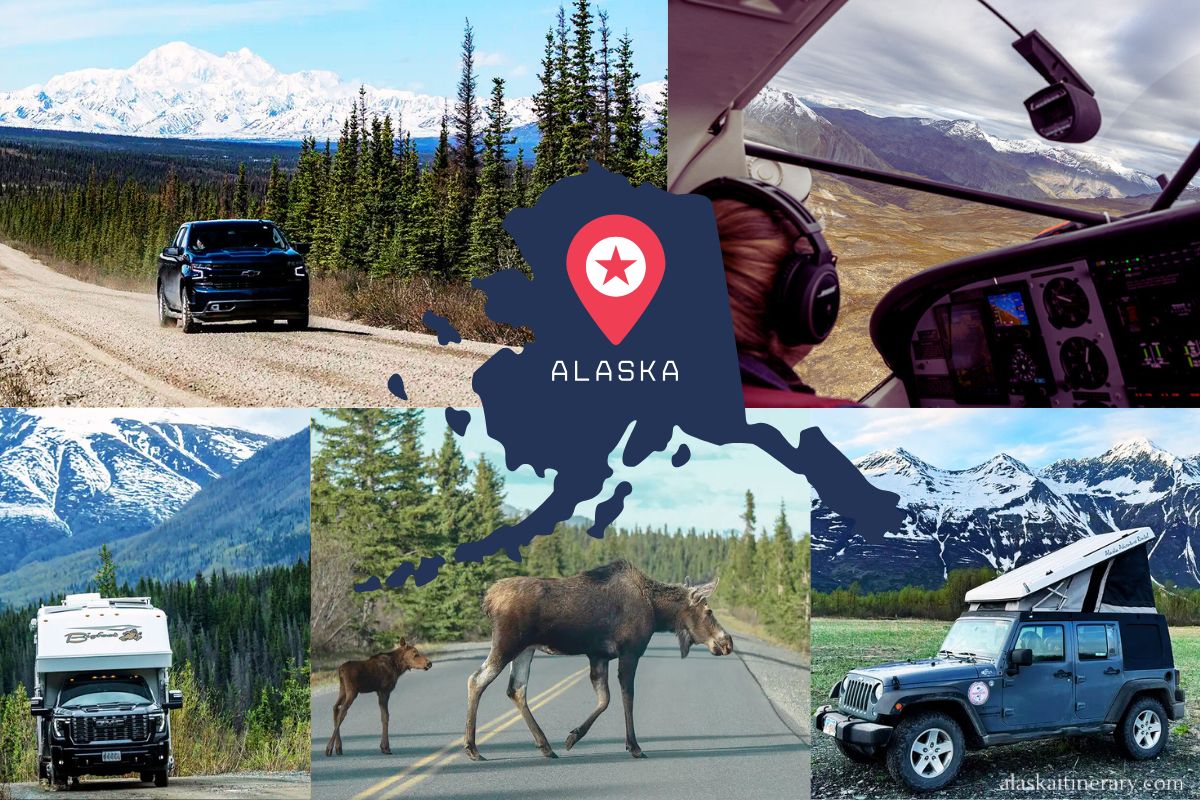
We’ve spent years traveling across Alaska in very different ways and across very different regions. Our trips include long road journeys, RV travel, train routes, cruises, and winter travel. We’ve planned Alaska trips months in advance and also learned the hard way what happens when distances, weather, or timing are underestimated.
Over time, we’ve explored all of Alaska’s travel regions and visited all eight Alaska national parks. We’ve traveled through major cities, small towns, and remote communities that are only accessible by plane. Some trips followed paved highways, some gravel restricted roads. Others required ferries, bush flights, or careful coordination around limited access and seasonal services.
Along the way, we made plenty of planning mistakes. We underestimated driving times. We tried to fit too much into one day. We packed the wrong layers. We booked key logistics too late. Each of those mistakes shaped how we plan now — and how we write.
This page is not about selling tours or telling you exactly where to go day by day. It’s about planning knowledge. The kind you only gain after traveling across Alaska repeatedly, in different seasons and travel styles, and seeing firsthand how small decisions affect the entire trip.
Everything here reflects what we’ve learned from being on the ground in Alaska — so you can plan with clearer expectations and avoid mistakes we’ve already made.
Start Here: The Alaska Trip Planning Order
Alaska trips often fall apart when planning happens in the wrong order. Flights get booked first. Then lodging. Only later do travelers realize the season is wrong, distances are too long, or transportation does not work the way they expected.
This simple planning order helps avoid those mistakes.
Step 1: Choose Your Season Based on Your Main Goal
Before you look at routes, towns, or prices, decide what you want most from your Alaska trip.
In Alaska, season controls access. It affects road conditions, tour availability, daylight hours, wildlife activity, and prices. Choosing the wrong season for your expectations is one of the most common Alaska planning mistakes.
Step 2: Pick One or Two Regions That Match That Season
Alaska is divided into regions for a reason. Not everything connects easily, and not every region works well in every season. Some areas rely on ferries or flights. Others are road-based and flexible.
Weather also varies a lot by region. Coastal Southeast Alaska has very different conditions than the Interior, even in the same month. Those differences affect driving, packing, and what activities are realistic.
Choosing regions that match both your season and your expectations helps avoid long travel days, rushed itineraries, and disappointing surprises.
Step 3: Decide How You Will Get Around
Transportation shapes nearly every part of an Alaska trip.
A rental car offers flexibility but often means long driving days. An RV adds freedom but requires more planning and slower travel.
Trains reduce driving stress but follow fixed routes. Flights and bush planes solve distance problems but increase costs.
Cruises simplify logistics but limit time on land.
This decision should come early. Transportation determines which regions you can realistically visit, how many nights you need, and where it makes sense to stay.
Step 4: Build a Realistic Route and Daily Pace
Once your season, regions, and transportation are clear, build your route around distance and time, not just attractions.
In Alaska, Google Maps drive times are usually the minimum. Road construction, wildlife, weather, photo stops, and fuel breaks all add time. Planning fewer stops with more breathing room almost always leads to a better experience.
Step 5: Book the Limited Pieces First
Some parts of Alaska travel sell out quickly. Others do not.
Priority bookings often include rental cars and RVs during peak season, lodging in small towns, popular train routes, and tours tied to short seasonal windows. Once the limited items are secured, filling in lodging nights and smaller activities becomes much easier.
If you want the full walkthrough that ties all of these steps together, start here:
👉 Related guides on Alaska Itinerary:
Now, let’s focus on detailed Alaska travel resources and tips which help you prepare your own adventure.
When Is the Best Time to Visit Alaska? Seasons and Weather Explained
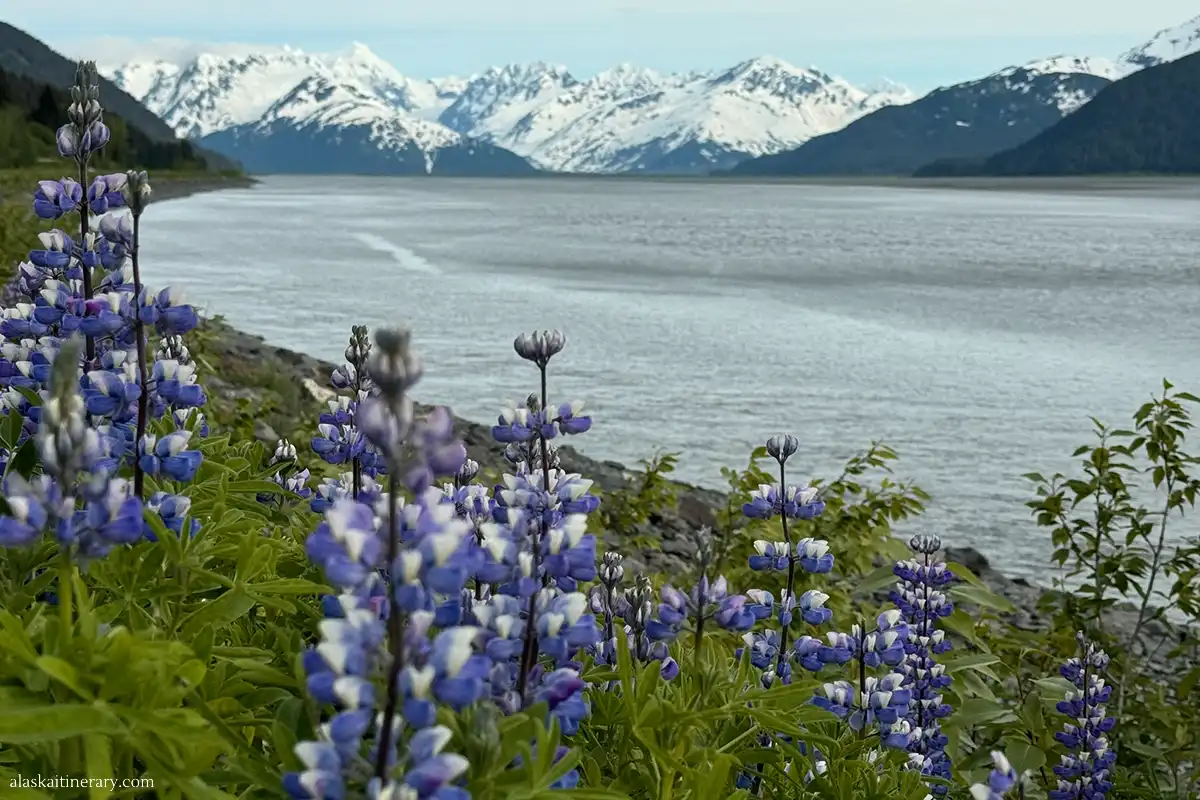
Timing matters more in Alaska than in most destinations. The month you choose affects weather, daylight, road access, wildlife activity, prices, and even which regions are realistically reachable.
There is no single “best” time to visit Alaska. There is only the best time for your travel goals.
Summer is the most popular season for a reason. From June through August, most roads are open, services run at full capacity, and daylight can last well into the night. Daytime temperatures often range from 55°F to 70°F, but cooler days, rain, and sudden weather changes are still common, especially in coastal regions.
Shoulder seasons bring more variability. In May and September, daytime temperatures often range from the 40s to low 60s, depending on region. Crowds thin out and prices drop, but some tours reduce schedules or shut down, and weather becomes less predictable. Fall also brings rapidly shortening daylight, which affects driving and sightseeing.
Winter is a completely different Alaska. From roughly October through April, travel shifts to snow-based activities and Northern Lights viewing. Temperatures vary widely by region, but Interior Alaska can see extended cold spells well below freezing. Roads, daylight, and transportation options require careful planning, but winter trips can be deeply rewarding when expectations match reality.
Rain is part of Alaska travel in every season. Coastal areas, especially Southeast Alaska, see frequent precipitation, while the Interior is generally drier. Planning for variable weather is essential, no matter when you visit.
Understanding Alaska’s seasons and weather patterns before booking flights or building routes helps avoid disappointment and unrealistic expectations.
👉 Related guides on Alaska Itinerary:
- Best Time to Visit Alaska for Different Travel Goals
- Alaska Seasons Explained: Summer, Shoulder Season & Winter
- Alaska Weather by Region: What to Expect
- Alaska Northern Lights Season: Month-by-Month Guide
- Alaska Cruise Season: Month-by-Month Guide for Cruise Travelers
- Alaska in summer
- Alaska in Winter: Best Places, Things to Do, and Planning Tips
- Alaska in spring
- Alaska in fall
Where to Go in Alaska: Start With Regions, Not Towns

Choosing where to go in Alaska works very differently than in most U.S. destinations. This is not a state where you can casually connect cities by car or squeeze multiple regions into a short trip.
Alaska is divided into travel regions because access is not uniform.
For example, Southeast Alaska — home to the state capital, Juneau — has no road connection to the rest of Alaska. You cannot drive to Juneau from Anchorage or Fairbanks. Travel happens by plane or ferry, and most visitors arrive by cruise ship. That single fact alone changes how you plan routes, transportation, and trip length.
By contrast, Southcentral Alaska and the Interior are road-based. This is where most Alaska road trips happen. Regions like Southwest Alaska or the Far North often require flights, and in some cases, bush planes. These areas are not add-ons to a road trip. They are destinations in themselves.
This is why deciding where to go in Alaska starts with regions, not towns.
Most first-time visitors are best off focusing on one or two regions maximum. Trying to connect Southeast Alaska with the Interior, or combine road-based travel with fly-in regions in a short trip, usually leads to long travel days, high costs, and rushed experiences.
Regions also behave very differently by season. A region that works well in summer may be impractical in shoulder season or inaccessible in winter. Transportation options, weather patterns, daylight, and available services all change depending on both where and when you travel.
Understanding Alaska’s regional structure helps you:
- choose areas that are realistically reachable
- avoid assuming road access where none exists
- plan transportation correctly from the start
- build routes that match your trip length and season
Once you understand how Alaska’s regions work, choosing specific towns, parks, or experiences becomes much easier — and far less overwhelming.
👉 Related guides on Alaska Itinerary:
How Much Does an Alaska Trip Cost? What to Expect and Where You Can Save
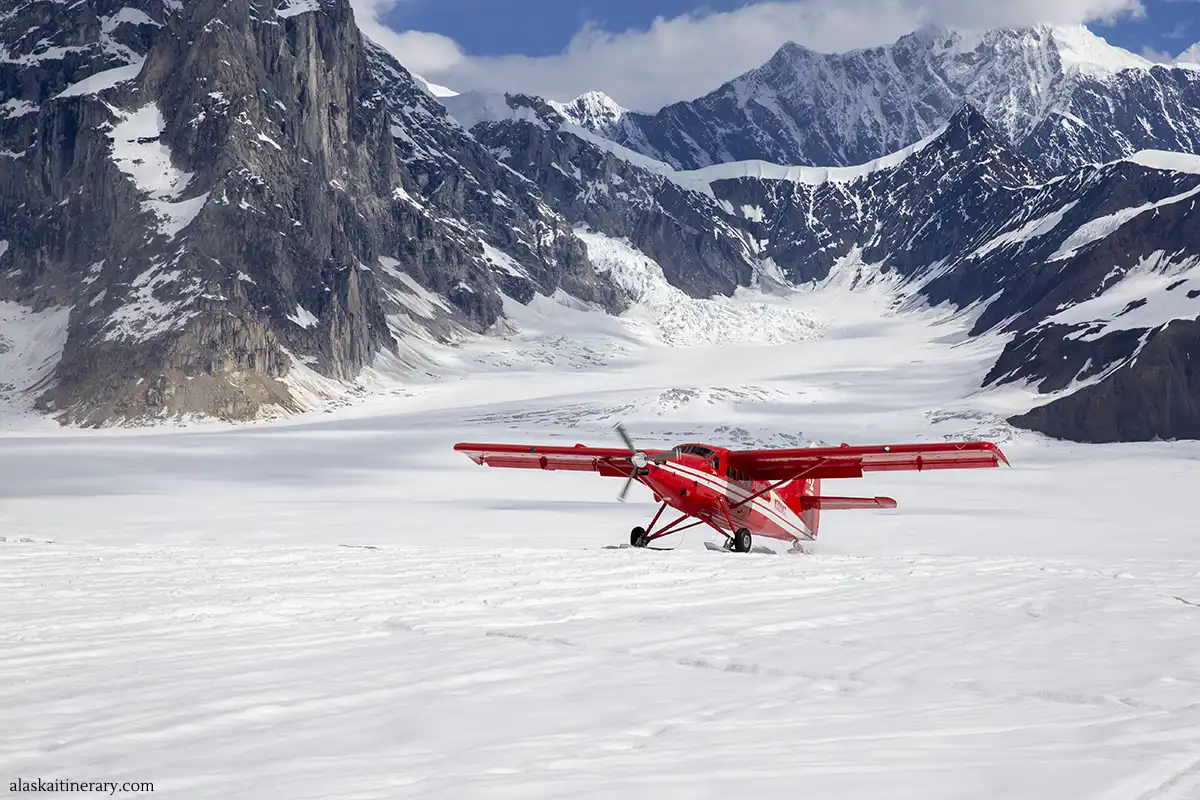
Alaska has a reputation for being expensive, but the real issue is how costs stack up when planning is rushed or unrealistic. Many travelers focus only on airfare or cruise prices and underestimate daily expenses, transportation logistics, and seasonal pricing.
The cost of an Alaska trip is shaped by a few key factors.
Season matters.
Peak summer brings higher prices for lodging, rental cars, RVs, and tours. Shoulder seasons can be more affordable, but come with limited availability and fewer services.
Winter trips often cost less overall, but require specialized gear and different transportation planning.
Transportation matters even more.
Driving Alaska means paying for fuel over long distances. RV travel adds campground fees and higher fuel costs.
Flying between regions or booking bush flights increases the budget quickly. Cruises simplify logistics but concentrate costs into a shorter time frame.
Where you go matters.
Road-based regions tend to be more budget-friendly than fly-in areas. Small towns have limited lodging, which drives prices up in peak season.
Remote regions and national parks are not “add-ons” — they are major budget commitments.
One of the most common mistakes we see is planning based on headline prices alone. A cruise fare or cheap flight looks reasonable, but daily expenses like food, transportation, and last-minute bookings push the total much higher than expected.
Planning with realistic cost expectations from the start helps avoid stress and disappointment later.
Where You Can Save Money in Alaska (Without Ruining the Trip)
Saving money in Alaska is less about cutting experiences and more about making smart planning choices early.
Traveling just outside peak summer can reduce costs significantly, especially for lodging and rental vehicles. Focusing on one region instead of trying to cover too much also saves money on fuel, flights, and one-way transportation fees.
Self-driving in road-based regions is often cheaper than flying between destinations, and choosing lodging with kitchen access can lower daily food costs in remote areas. Booking key items early helps avoid expensive last-minute options, which are common in Alaska.
The biggest savings usually come from good planning, not from skipping what makes Alaska special.
👉 Related guides on Alaska Itinerary:
Getting Around Alaska: Transportation & Logistics
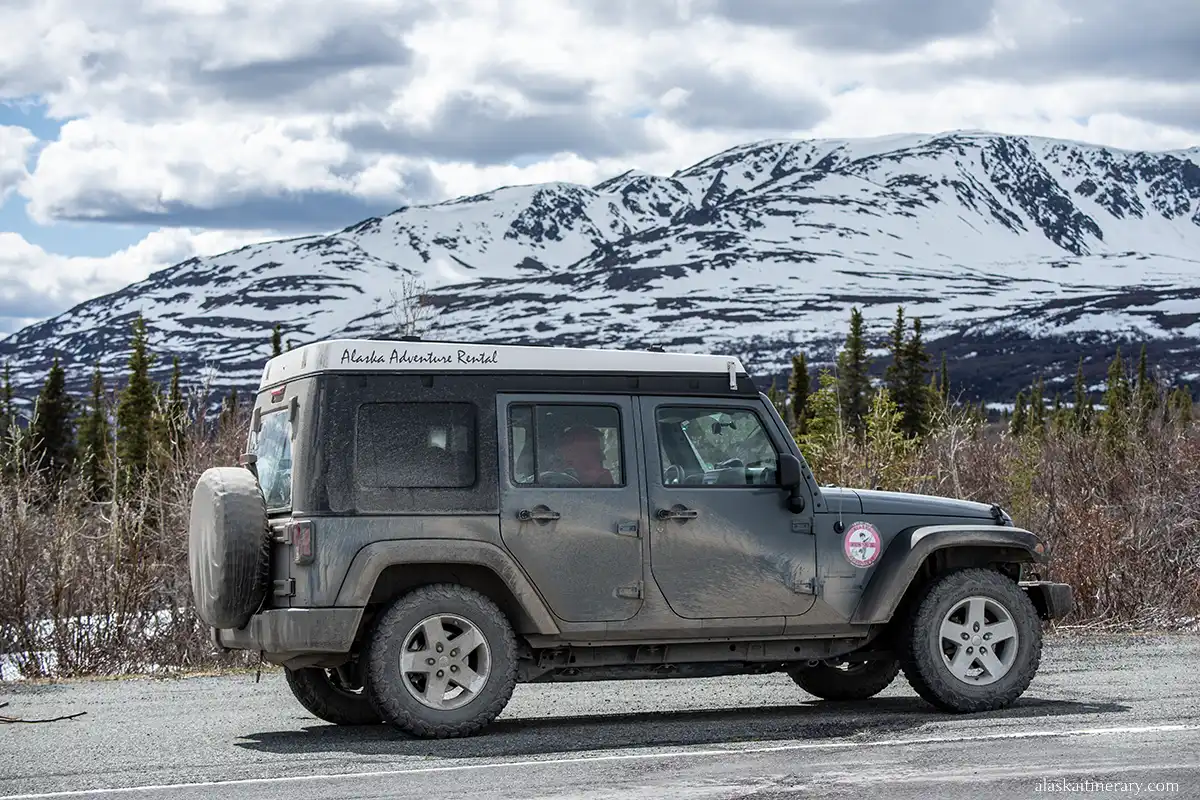
Transportation is one of the most important planning decisions in Alaska. Distances are long, public transportation is limited, and not every road goes where travelers expect. How you get around affects your daily pace, your budget, and what you can realistically see.
Many first-time visitors assume Alaska works like the Lower 48. It doesn’t.
Some regions are fully road-based and easy to explore independently. Others require ferries or flights. Certain routes are paved and suitable for standard rental cars, while others are gravel and come with rental restrictions. Understanding these differences early helps avoid unrealistic itineraries and costly mistakes.
Rental cars offer the most flexibility for road-based regions like Southcentral Alaska and the Interior. Major highways such as the Seward Highway, Glenn Highway, Parks Highway, and Richardson Highway are fully paved and well maintained during the summer season.
RVs and camper vans add freedom but require more planning. Travel is slower, fuel costs are higher, and campground availability matters, especially in peak summer.
Trains offer incredible scenery and a relaxed pace, but they follow fixed routes and schedules. They work best as part of a mixed transportation plan, not as a full replacement for a car.
Flights and bush planes are essential for reaching many parts of Alaska. Regions like Southwest Alaska and the Far North are not road-trip add-ons. Flying saves time but increases costs and requires careful scheduling.
Cruises simplify transportation along the Inside Passage and handle logistics between ports, but they limit time on land and do not replace independent travel for inland regions.
Rental restrictions are another critical reality. Not all rental companies allow driving on iconic routes like the Dalton Highway, Denali Highway, or McCarthy Road. Driving a restricted road can void insurance coverage or lead to penalties. Choosing the right vehicle and rental company is just as important as choosing the route itself.
The Alaska Marine Highway ferry system connects some coastal towns and regions, but routes are limited, schedules are not daily, and advance planning is essential.
Transportation decisions should come before booking accommodations or building daily plans. Once transportation is clear, the rest of the itinerary usually falls into place.
👉 Related guides on Alaska Itinerary:
- Alaska Railroad Guide: Routes, GoldStar vs. Adventure, Prices & Planning Tips
- Tips for Renting a Car in Alaska
- Guide to Renting an RV in Alaska: Tips for a Perfect Adventure
- Alaska Auto Rental Review: Essential Tips for Your Road Trip
- Alaska Adventure Car and Camper Van Rental Review
- Driving in Alaska in Winter: Safety Tips, Road Conditions & What to Expect
Alaska Packing List: What to Wear and How to Prepare

Packing for Alaska requires a different approach than most U.S. trips. Weather can change quickly, conditions vary by region, and many activities happen outdoors. What you bring affects comfort, safety, and how much you enjoy each day.
One of the biggest mistakes travelers make is packing for temperature alone. In Alaska, layers matter more than heavy clothing. Rain protection is often more important than warmth, especially in coastal regions. Wind, sudden showers, and changing conditions are common, even in summer.
Footwear choices are another frequent issue. Many Alaska experiences involve walking on uneven ground, wet surfaces, docks, trails, or gravel. Comfortable, supportive shoes matter far more than fashion. Poor footwear can turn a great day into an uncomfortable one.
Preparation goes beyond clothing. Long drives, limited services, and spotty cell coverage are normal in many parts of Alaska. Having offline maps, basic supplies, and weather awareness helps prevent unnecessary stress. Packing well also saves money, since outdoor gear and last-minute essentials can be expensive or hard to find in small towns.
Packing needs also change depending on how you travel. Cruise travelers face different conditions than road trippers. Winter trips require specialized gear and a different mindset entirely. Planning for your travel style and season makes a noticeable difference.
These guides focus on realistic packing advice based on firsthand Alaska experience, not generic lists copied from other destinations.
👉 Related guides on Alaska Itinerary:
Alaska Wildlife Safety and Travel Reality Checks
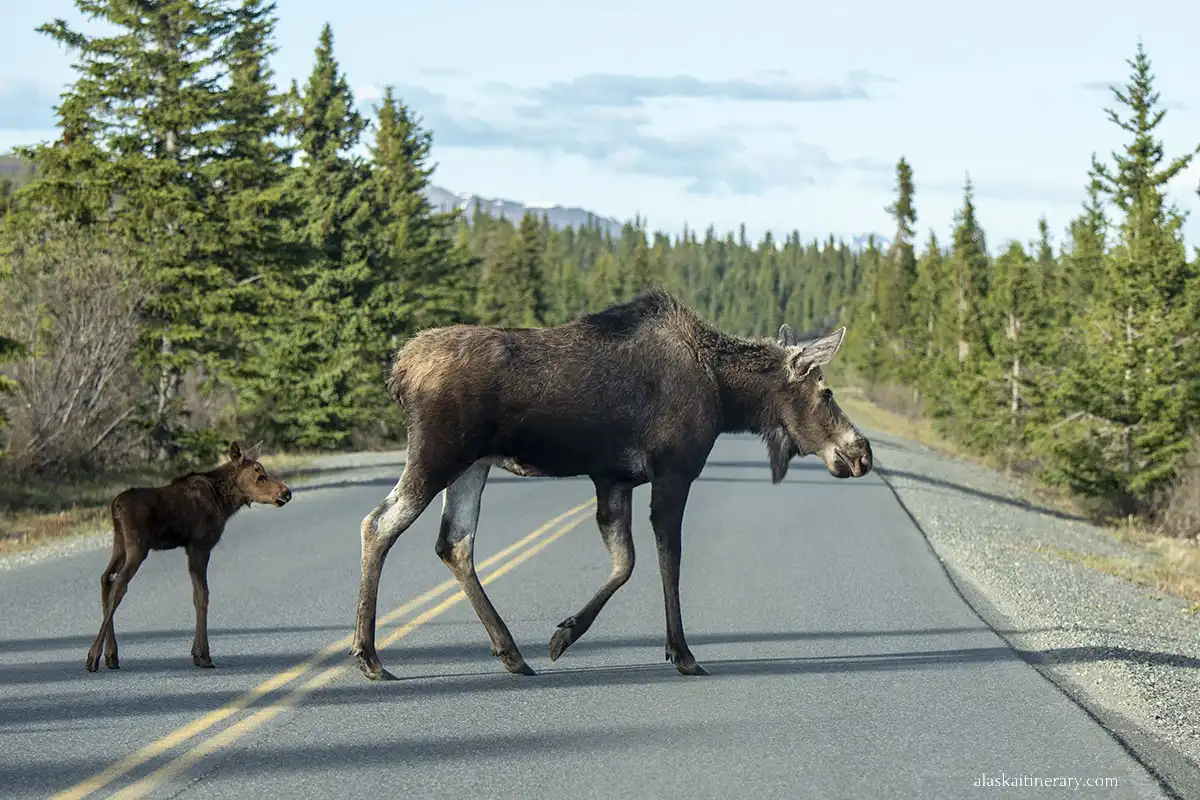
Alaska is wild, but it is not dangerous when travelers understand how to move through it responsibly. Most problems happen when visitors underestimate wildlife, ignore basic safety rules, or assume Alaska works like other destinations.
Wildlife encounters are common, not rare. Bears and moose live close to roads, trails, campgrounds, and even towns. Seeing wildlife does not mean something is wrong — it means you are in Alaska. Knowing how to behave, how to give animals space, and how to react calmly is essential, especially if you plan to hike, camp, or explore independently.
Moose cause more injuries than any other large animal in Alaska. They are fast, unpredictable, and often encountered near roads and trails. Bears are powerful but usually avoid people when given space and proper food management. Understanding animal behavior matters more than fear or bravado.
There are also non-wildlife realities many first-time visitors underestimate.
Cell service can be limited or nonexistent outside towns. Help may be far away. Weather can change quickly. Long driving days, wildlife on roads, construction delays, and limited services are normal in many regions. These are not problems — they are part of traveling in Alaska.
Planning with these realities in mind means:
- carrying offline maps
- allowing extra time for driving
- staying alert on highways and trails
- respecting posted warnings and closures
Alaska rewards awareness and patience. Travelers who prepare properly tend to have safer, calmer, and more enjoyable trips.
👉 Related guides on Alaska Itinerary:
- Guide to Moose Safety in Alaska
- Guide to Bear Safety in Alaska
- Wildlife Viewing in Alaska: What to Expect (coming soon)
- Is Alaska Safe for Tourists? (coming soon)
Alaska Northern Lights Planning Resources

Planning a Northern Lights trip to Alaska is very different from planning a summer visit. Northern Lights viewing in Alaska is seasonal and location-dependent.
The aurora season runs roughly from late August through mid-April, when nights are dark enough to see activity. From mid-May through early August, continuous daylight makes aurora viewing impossible, even if solar activity is high.
Location matters just as much as timing. Interior Alaska offers the best viewing conditions due to darker skies, less coastal cloud cover, and more frequent geomagnetic visibility.
Coastal regions, including Southeast Alaska, experience more cloud cover and lower viewing reliability, even during peak season.
Aurora sightings are never guaranteed. Activity depends on solar storms, cloud cover, and darkness, all working together. Moon phase and local weather can significantly affect visibility on any given night. This is why planning around conditions, not just dates, is critical.
Successful Northern Lights trips focus on:
- traveling during the true aurora season
- basing yourself in regions with higher viewing odds
- tracking forecasts for solar activity and clouds
- preparing for long nights and cold temperatures
These guides explain how to plan realistically, track conditions, and decide if a Northern Lights trip fits your goals before committing to winter flights or lodging.
👉 Related guides on Alaska Itinerary:
Alaska Facts, History, and Cultural Context

Understanding Alaska’s background helps explain why travel here feels so different from the rest of the United States. Geography, history, and land management all shape how Alaska works today — including access, infrastructure, and travel limitations.
Alaska is by far the largest U.S. state, covering more land than the next three states combined. Despite its size, it has a relatively small population, and many communities are not connected by roads. This is why flights, ferries, and limited services are normal parts of Alaska travel, not exceptions.
Land ownership is another key factor. A large portion of Alaska is managed as federal land, including national parks, preserves, wildlife refuges, and public lands. This affects development, road access, and what visitors can and cannot do in certain areas. Many regions remain intentionally remote and protected.
Alaska’s modern travel landscape is also shaped by relatively recent history. Alaska became a U.S. state in 1959, and major land protection laws passed in 1980 permanently preserved vast areas of wilderness. These decisions continue to influence tourism, conservation, and access today.
Alaska Native cultures are central to the state’s identity. Indigenous peoples lived here for thousands of years before Alaska became part of the United States, developing deep knowledge of the land, wildlife, and seasons. Their presence is reflected in place names, cultural centers, museums, and living communities across the state.
Understanding this context adds depth to your trip. It helps explain why some places are remote, why access is limited in certain regions, and why Alaska feels less developed — by design.
👉 Related guides on Alaska Itinerary:
- Alaska Native Heritage: Places, People, and Traditions
- The Alaska Purchase: History, Cost, and Legacy
- Russian Colonization of Alaska: A Simple Timeline
- December 2, 1980: How ANILCA Changed Alaska Forever
- Discovering Alaska: Numbers and Facts That Explain the Last Frontier
- A Traveler’s Guide to Indigenous Peoples’ Day in Alaska
Alaska Travel Inspiration and Bucket List Ideas
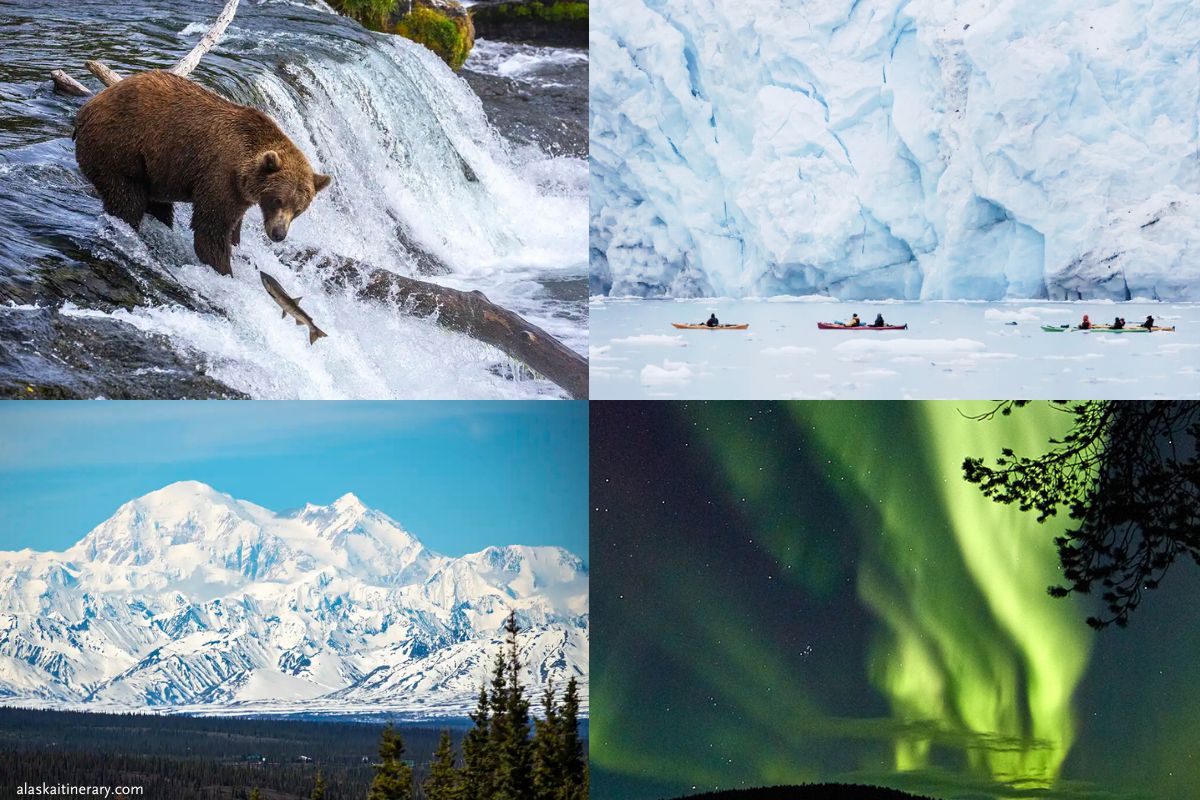
Before choosing routes, regions, or daily plans, it helps to understand what kind of Alaska experience excites you most. Alaska offers very different types of travel, and inspiration plays an important role early in the planning process.
Some travelers are drawn to glaciers, wildlife, and dramatic landscapes. Others are motivated by remote adventures, small towns, or cultural history. Alaska also appeals to photographers, hikers, cruise travelers, and people looking for once-in-a-lifetime experiences they can’t find elsewhere in the United States.
This section is meant to help you explore what’s possible in Alaska without locking you into a specific itinerary. These guides focus on ideas, themes, and experiences rather than exact routes or schedules. Use them to narrow down what interests you most, then return to the planning sections above to build a realistic trip around those goals.
If Alaska is still a blank slate in your mind, this is the right place to start imagining your trip — before dates, transportation, or lodging decisions come into play.
👉 Related guides on Alaska Itinerary:
- Alaska Bucket List: 55 Unforgettable Adventures in the Last Frontier
- Cinematic Alaska: Movies That Shaped How We See the State
- Haunted Alaska: Stories, Legends, and Ghost Towns
- Best books set in Alaska
- Best TV Shows Based In Alaska
Official Travel Resources Worth Bookmarking
While this guide focuses on practical planning based on firsthand experience, some parts of Alaska travel are best verified through official sources. These official Alaska travel resources are especially useful for checking current schedules, regulations, and safety information. Use them as a reference layer alongside your planning.
Alaska Marine Highway System. The official ferry system connecting many coastal towns, especially in Southeast Alaska. Schedules are limited and change seasonally, so checking routes and availability early is essential.
National Park Service – Alaska. Official information for Alaska’s national parks, including access rules, seasonal road openings, shuttle bus systems, and current alerts.
Alaska Department of Fish and Game. The most reliable source for wildlife safety guidance, fishing regulations and licences, bear awareness, and seasonal wildlife activity information.
Alaska Railroad. Official schedules, route maps, and service updates for passenger rail travel between Anchorage, Fairbanks, Denali, Seward, and Whittier.
NOAA Space Weather Prediction Center. The primary source for aurora forecasts, solar activity, and geomagnetic storm alerts used by serious Northern Lights travelers.
Alaska Department of Transportation & Public Facilities (DOT&PF) .Official updates on Alaska road conditions, construction zones, seasonal closures, and travel advisories. Essential for planning road trips and checking access before and during your trip.
Alaska Travel Resources: How to Start Planning Your Alaska Trip?
Planning an Alaska trip becomes much easier once you stop trying to decide everything at once. The key is to move step by step and let each decision narrow the next one naturally.
Start by choosing when you want to go based on your main goal. Season affects everything in Alaska, from road access and daylight to wildlife activity and costs. Once timing is clear, decide where to focus by narrowing your trip to one or two regions that make sense for that season.
Next, choose how you will get around. Transportation determines your daily pace, budget, and what is realistically reachable. Only after transportation is set does it make sense to think about lodging areas and route planning.
From there, focus on:
- building a realistic daily pace
- packing for Alaska’s conditions, not assumptions
- booking limited items early
- preparing for wildlife and remote travel realities
If you’re still feeling overwhelmed, start with one planning guide and work outward. Alaska rewards travelers who plan deliberately and avoid rushing decisions.
This page is designed to be your reference point. Use it to check assumptions, revisit decisions, and connect to deeper guides as your plans take shape. Alaska is an incredible destination, but it works best when expectations match reality.
With the right preparation, Alaska doesn’t feel complicated — it feels intentional.
Helpful Alaska Planning Resources
Once you’ve worked through the basics of timing, regions, transportation, and costs, these planning hubs help you take the next step based on how you want to experience Alaska.
- Alaska Itineraries and Route Planning Guides
Ready to go itineraries, by car, RV, or by train. Step-by-step routes and planning help that connect distances, driving times, and realistic pacing. - Things to Do in Alaska
A curated guide to Alaska’s top experiences, including wildlife viewing, bear viewing, Northern Lights tours, outdoor adventures, flightseeing tours, and scenic drives. - Alaska National Parks Travel Guides
Practical planning information for visiting Alaska’s national parks, with a focus on access, seasonality, and logistics to each park. Complete guide to all 8 parks. - Alaska Cruise Planner: Step-by-Step Guide
A dedicated planning hub for travelers considering an Alaska cruise, from choosing the right season to understanding routes and ports. - Alaska Destinations: Where to Go and How to Choose
A complete guide to Alaska’s main regions, cities, towns, and travel hubs to help you decide where to go based on your travel style, time, and interests.
With the right travel resources and a clear planning framework, Alaska becomes less overwhelming and much more enjoyable to prepare for.
If you prefer personalized help or don’t have time to plan every detail yourself, we also offer custom Alaska itinerary planning based on your travel style, timing, and priorities. This option is designed for travelers who want expert guidance without booking through a travel agency.