
Juneau Accessibility Guide for Alaska Cruise Passengers

Juneau is one of the easiest Alaska cruise ports to explore with a wheelchair or scooter. The town is compact, the waterfront is flat, and many attractions sit close to the ship. But every traveler has different mobility needs, and not all areas of Juneau are equally accessible. This Juneau accessibility Guide guide shows you what to expect the moment you roll off the ship, from sidewalks and dock layouts to shuttles, terrain, and accessible things to do.
This article may contain affiliate / compensated links. For full information, please see our disclaimer here.
Our Experiences with Juneau and Accessibility
Chris and I have visited Juneau many times during our Alaska cruises and independent trips. Each visit, we paid close attention to the details that matter most for travelers with mobility challenges.
Although we don’t use wheelchairs or scooters ourselves, many of the families we help plan custom trips for include someone who does. Working with these travelers taught us which ports feel comfortable and which ones can become overwhelming.
In Juneau, we walk the same routes that wheelchair and scooter users take. We note surfaces, curb cuts, slopes, crosswalks, and narrow spots. We also check how smooth the sidewalks are, how crowded the waterfront feels on busy cruise days, and how far it truly is from each dock to downtown. In addition, we pay attention to shuttle stops and how easy it is to board buses for popular attractions like the Mendenhall Glacier.
We’ve also watched how other passengers move around Juneau—families pushing manual wheelchairs, seniors using scooters, and slow walkers navigating the waterfront. These real-life observations help us understand what works well and what does not.
Is Juneau a Good Port for Travelers with Limited Mobility?
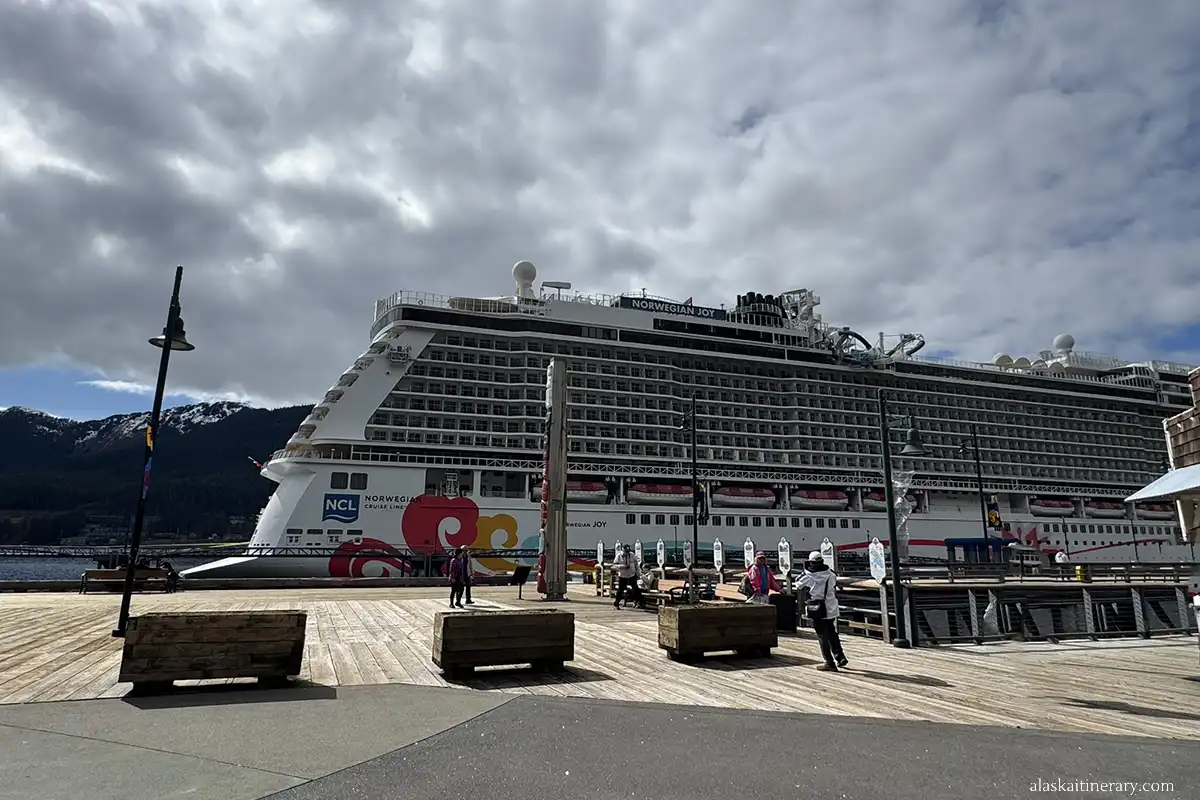
Yes. Juneau is one of the most accessible cruise ports in Alaska, especially for wheelchair and scooter users. The town is compact, the waterfront is flat, and many of the main attractions sit close to the ship. Most sidewalks near the docks are paved, well maintained, and have curb cuts at key intersections.
If you have only one day in Juneau, it’s still easy to enjoy an active and comfortable visit, even with mobility challenges.
For many travelers with limited mobility, Juneau feels easier and more comfortable than other ports on a typical Inside Passage itinerary.
But like every Alaska ports of call, Juneau has a few things you should know before arriving. Some docks are closer to town than others. Side streets can slope uphill. Rain can make metal, painted surfaces, or older boardwalks slippery.
And many tours require a short bus ride, which may include a few steps unless you book an accessible vehicle in advance.
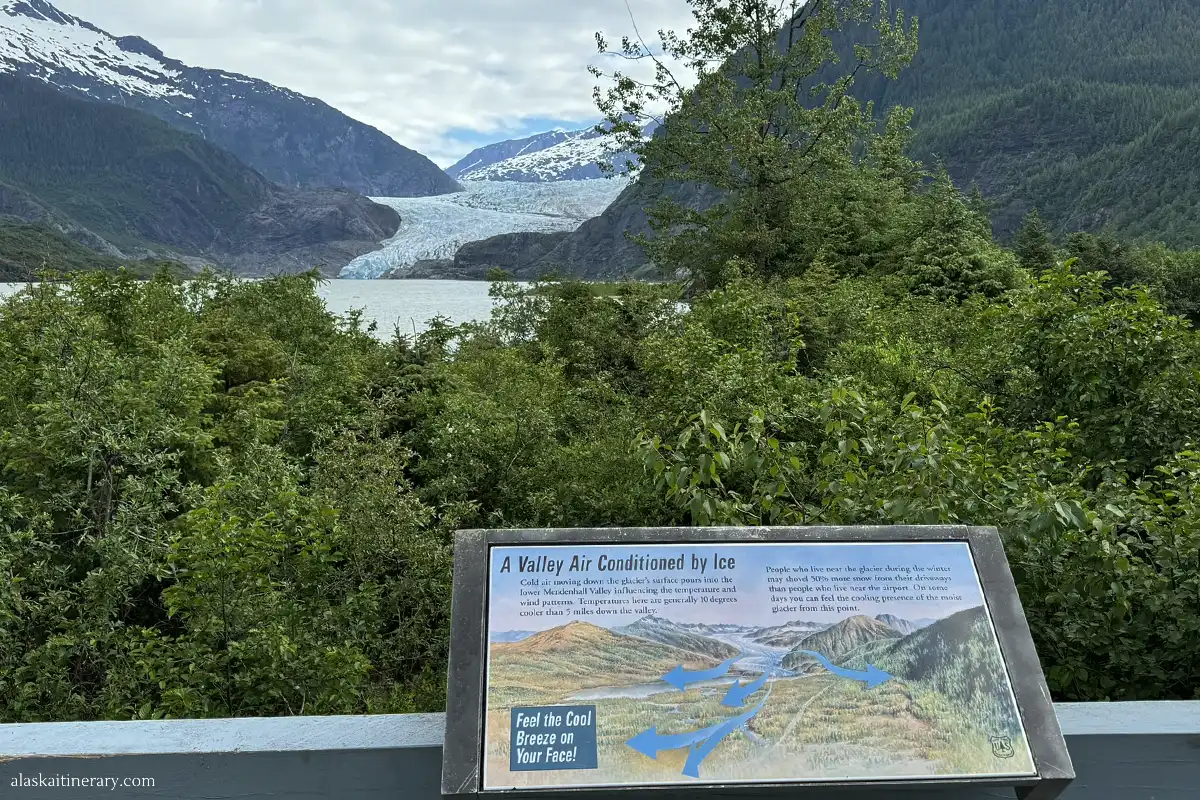
Here are the main pros and cons to help you set clear expectations:
Why Juneau works well for wheelchairs and scooters
- flat, paved waterfront directly next to the main cruise berths
- short distances to shops, museums, and the Mount Roberts Tramway
- curb cuts and crosswalks close to the docks
- easy navigation for scooters and power chairs
- accessible options for visiting Mendenhall Glacier
- reliable transportation, including shuttles and accessible city buses
What can be more challenging
- AJ Dock is farther from downtown and requires a shuttle or a long roll (20 minutes)
- hills begin as soon as you leave the waterfront area
- rain can make surfaces slick
- some independent shuttles and tour buses have steps
- certain excursions require walking on gravel or uneven ground
Overall, Juneau is a great port for travelers with mobility concerns. It offers many accessible solutions for-visitors with special needs. With a bit of planning—and knowing which areas to focus on—you can enjoy a comfortable and stress-free day ashore.
Agnes’ Advice: Check out related articles:
Easy & Accessible Alaska Shore Excursions for Seniors & Travelers with Limited Mobility
Sitka Accessibility Guide for Alaska Cruise Passengers

Understanding Juneau’s Cruise Docks and Getting Into Downtown
Juneau Cruise Port is one of the easiest Alaska ports to navigate with a wheelchair or scooter because most ships dock right on the downtown waterfront.
The main berths (CT1, CT2, and the Marine Park area) near the Mount Roberts Tramway sit only 2–5 minutes from shops, cafés, shuttles, and tour meeting points. The ground is flat and paved, sidewalks are smooth, and curb cuts are available at key intersections.
The only exception is AJ Dock, located about one mile from downtown. The path into town is paved and level, but it feels long in rain or heavy crowds. For most travelers with limited mobility, the cruise-line shuttle is the most comfortable option. The ride takes about 5 minutes, while rolling or slow walking takes around 20 minutes. Shuttle accessibility varies, so check with your ship before arrival.
Tendering in Juneau is extremely rare, but berth assignments can change. If you use a wheelchair or scooter, it’s always good to confirm docking details before your cruise.
Once you reach the downtown waterfront, navigation becomes very easy. The area is compact, flat, and designed with smooth sidewalks, clear crosswalks, and short distances between major points of interest.

Terrain, Sidewalks, and Surfaces in Downtown Juneau
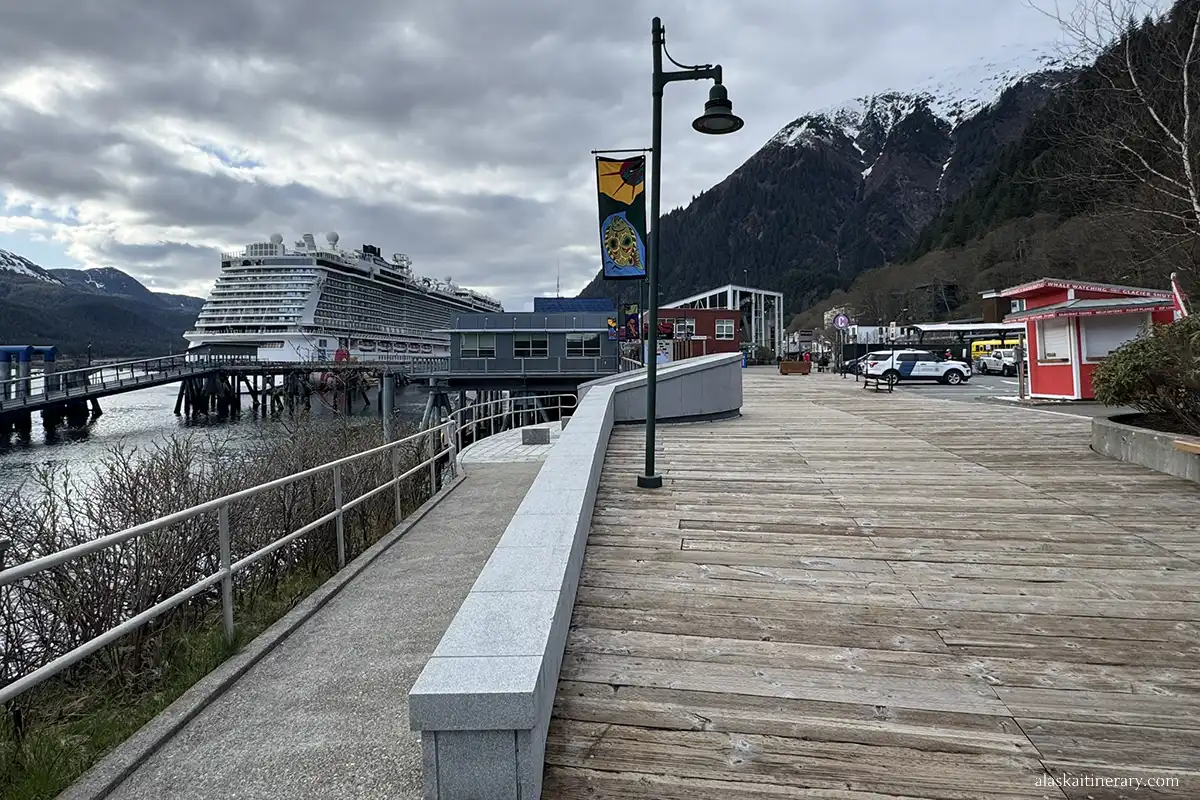
Downtown Juneau is one of the flattest and easiest areas to navigate in Alaska’s Inside Passage. Most of the places cruise passengers visit—the waterfront, the tram area, shops, museums, and tour meeting points—sit on level ground with smooth, paved surfaces.
- Along the waterfront: Sidewalks are wide, even, and well maintained. Curb cuts are available at most intersections. This entire section is friendly for wheelchairs, scooters, walkers, and slow walkers. Most attractions sit right along the waterfront, which makes them easy to reach with a wheelchair or scooter.
- Side streets: Once you move away from the waterfront, streets begin to slope. Some older areas have uneven pavement, tight sidewalks, or small steps at entrances. If you prefer minimal hills, staying close to the waterfront is the most comfortable option.
- Weather considerations: Juneau gets a lot of rain. Painted crosswalks, metal plates, wooden surfaces, and ramps can feel slick when wet. Many wheelchair and scooter users slow down in these spots, especially near the tram base or dockside ramps.
Overall, the main visitor areas are smooth and manageable. Juneau’s terrain becomes challenging only when you move uphill or step away from the central waterfront district.
Accessible Transportation in Juneau
Juneau offers several transportation options that work well for travelers using wheelchairs, scooters, or walkers. The key is knowing which services are fully accessible, which require steps, and which ones need advance arrangements.
Capital Transit (City Bus)
Juneau’s public buses are wheelchair accessible and include lifts or ramps. The main stop at the Downtown Transit Center is located near the waterfront, but it still takes about 10–15 minutes to reach it from most cruise docks.
With only one day in port—and if mobility is limited—the city bus is usually not the most convenient option. It works best for travelers who move comfortably or want to reach areas outside the main visitor zone.
Accessible Taxis and Private Transfers
Juneau has a few taxi companies that can accommodate mobility needs. The main operators are Juneau Taxi, Capital Cab, and Evergreen Taxi. Juneau Taxi participates in a program run by Southeast Alaska Independent Living (SAIL) that offers a wheelchair-accessible taxi.
Availability is limited, so you should call ahead. Capital Cab and Evergreen Taxi can take passengers with folding wheelchairs or walkers, but not all vehicles can fit large scooters. Always confirm space and ramp access before booking.
Tour and Excursion Shuttles
Most Juneau shore excursions , like whale-watching and Mendenhall Glacier tours use shuttle buses. Some vehicles have lifts, while others have two or three steps and may require assistance.
If you use a wheelchair or scooter, it’s important to confirm accessibility directly with the tour company or book with your cruise line, which may offer lift-equipped vehicles for accessible tours.

Mendenhall Glacier Accessibility for Cruise Passengers
Mendenhall Glacier is one of the most visited places in Juneau, and it is accessible for many travelers with limited mobility.
The key is choosing the right transportation and knowing which areas around the visitor center are paved, smooth, or manageable with a wheelchair or scooter.
Getting from the Ship to Mendenhall Glacier
Every visit starts with a transfer from the cruise docks to the Mendenhall Glacier Recreation Area.
Here is what you should know:
- Cruise-line tours offer the most reliable option for wheelchair users. Some excursions use lift-equipped buses, but availability is limited and must be requested in advance.
- Independent shuttle buses to the glacier almost always have 1-2 steps and are not suitable for scooters or power chairs.
- Taxis or private tours work well if you can secure a vehicle with enough space for your mobility device. Pre-booking is essential.
- City buses do not go directly to the glacier. The closest stop is about 1.5 miles away, which is too far for most travelers with mobility issues.
For wheelchair or scooter users, booking through the cruise line is usually the easiest and safest option.
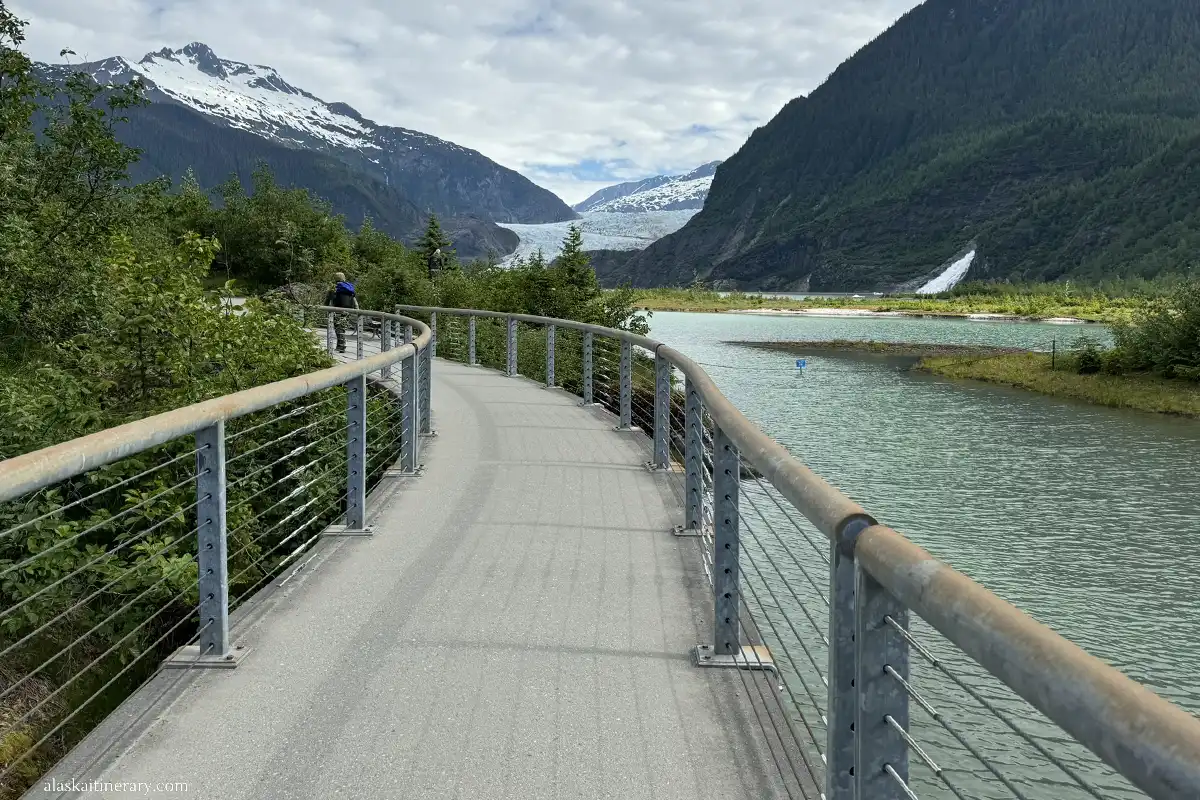
Visitor Center Accessibility
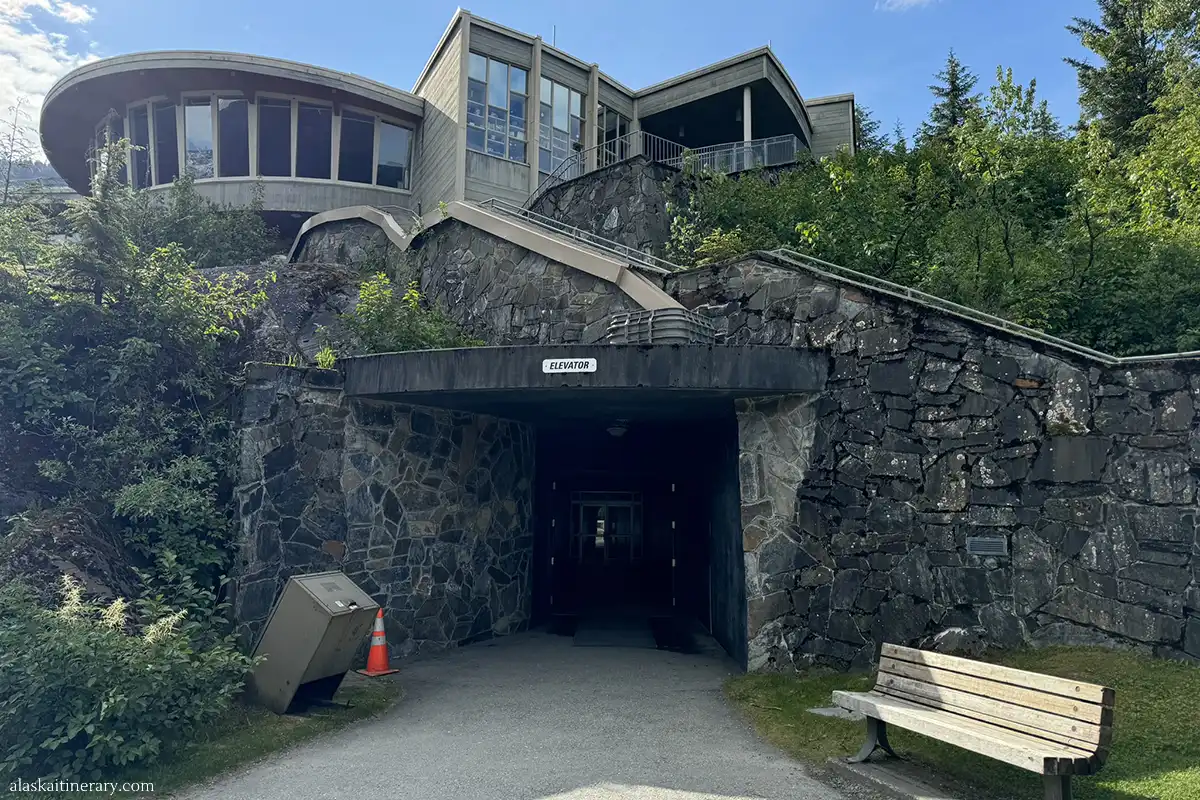
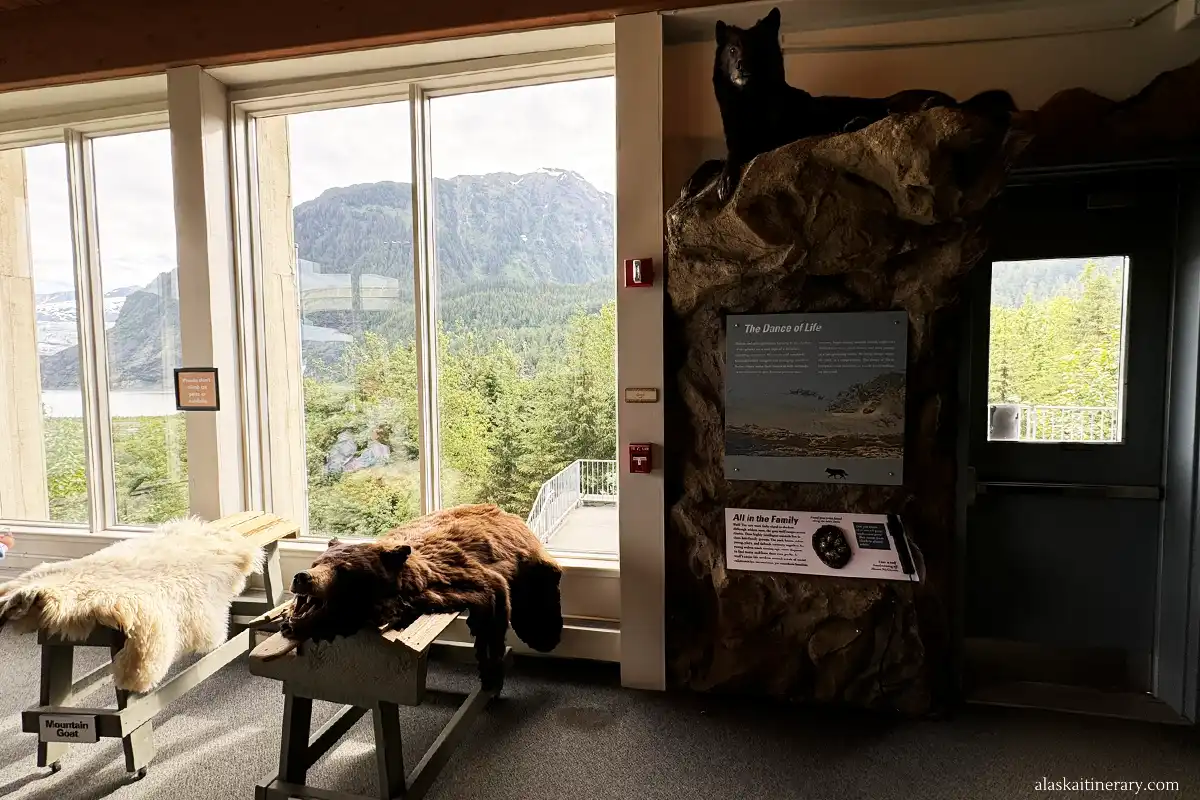
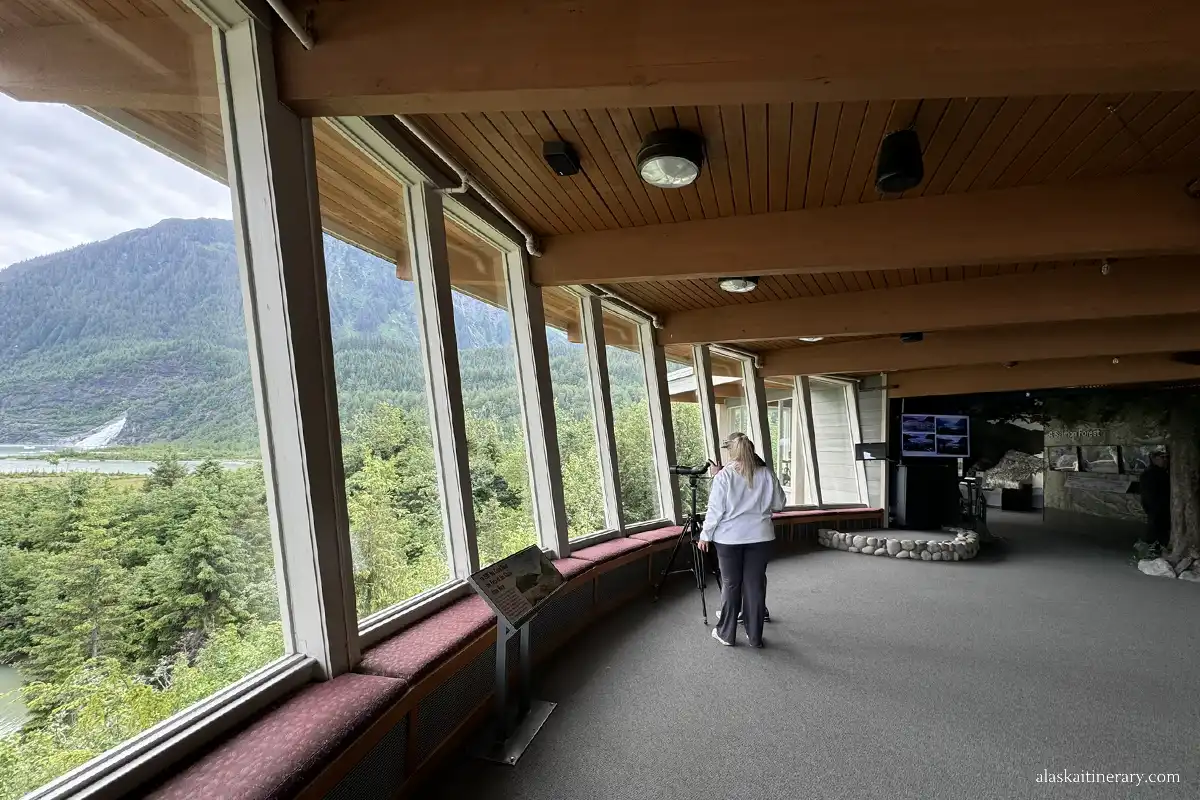
The Mendenhall Glacier Visitor Center is one of the most accessible National Forest Service facilities in Alaska.
- The building has a ramp and elevator access.
- Viewing platforms inside are flat and spacious.
- Railing heights are manageable for seated visitors.
- Restrooms are accessible and located near the main entrance.
On busy days, crowds can slow movement inside, but the space is still workable for mobility devices.
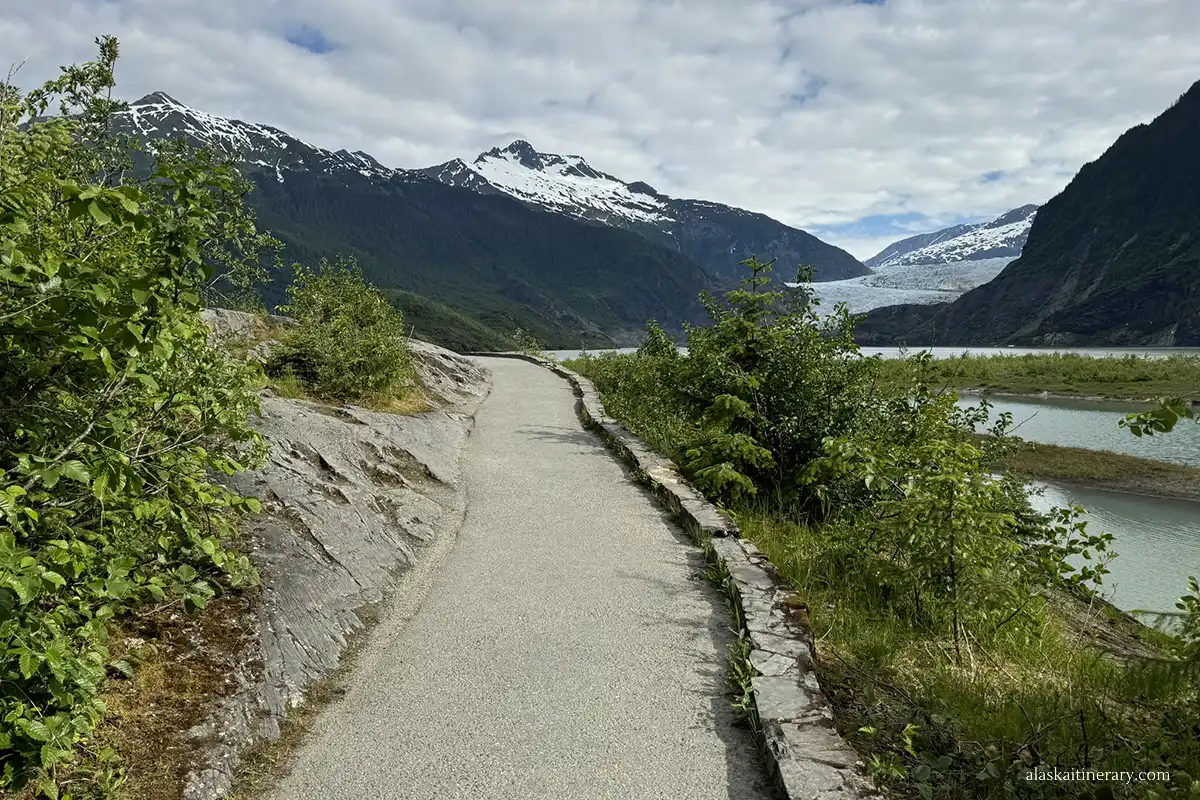
Accessible Mendenhall Glacier Viewing Areas
You can get excellent glacier views without hiking long distances.
Paved areas include:
- the main path from the bus drop-off to the visitor center
- the short walkway to the outdoor viewing platform
- the paved overlook with a clear line of sight to the glacier
These areas offer reliable surfaces for both manual wheelchairs and power scooters.
Photo Point Trail
Photo Point Trail is paved and wheelchair friendly. It offers one of the best frontal views of Mendenhall Glacier. Rain can make some sections slick, but the path itself remains smooth and level.
Nugget Falls Trail
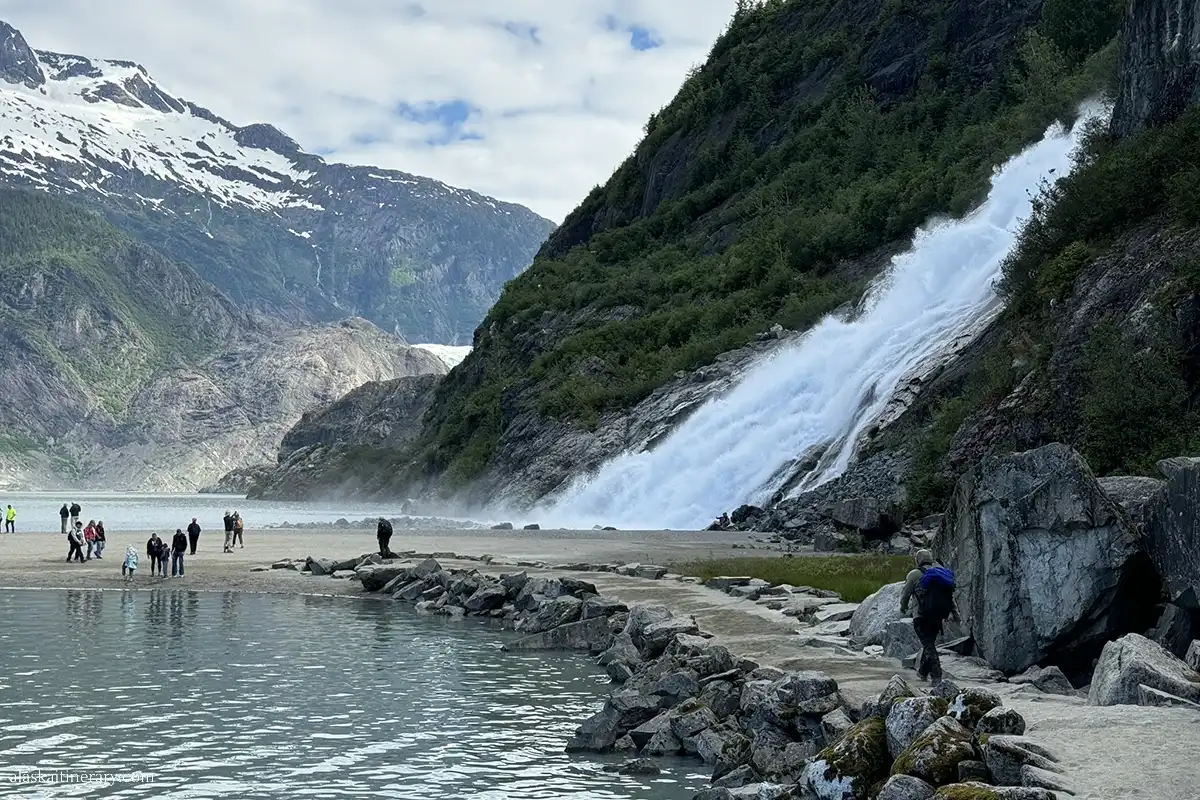
Nugget Falls Trail is a flat, hard-packed gravel path that leads to the base of the waterfall. The trail is about 0.8 miles one way, or 1.6 miles round trip. Most visitors walk it in 40 minutes to one hour (go and back), depending on pace and stops.
The path is wide and level, which makes it a good option for many seniors. Good-quality mobility scooters with wider tires usually manage the gravel well. Manual wheelchairs may need some assistance, especially near the waterfall where the gravel becomes softer. Power chairs vary depending on wheel size and weight.
The view at the end is fantastic, but travelers using wheelchairs or scooters should consider the distance and gravel surface before starting.
We only recommend this trail if you know your mobility device handles gravel well and you feel comfortable with the distance.
Weather and Crowds
Rain changes the experience:
- Gravel becomes softer.
- Wooden surfaces get slippery.
- Crowds can limit turning space near the visitor center.
Starting early in the morning or visiting late in the afternoon helps avoid the biggest crowds.
Mendenhall Glacier is accessible when you choose the right transportation and focus on the paved, well-maintained areas. Many travelers using wheelchairs or scooters enjoy this port highlight without needing to hike long distances.
Accessible Things to Do Near the Juneau Cruise Docks
Juneau’s waterfront offers several easy, enjoyable activities for travelers using wheelchairs, scooters, walkers, or anyone who prefers short, flat routes. Most attractions sit within a few minutes of the main cruise berths, so you don’t need long transfers or challenging terrain.
Stroll or Roll the Waterfront
The downtown waterfront is one of the smoothest areas in Juneau. Sidewalks are wide, paved, and level, with plenty of space to move at a comfortable pace. You can enjoy harbor views, shops, photo spots, and benches without leaving flat ground.
This is a great option for travelers with limited mobility who want a relaxed, scenic start to their day.
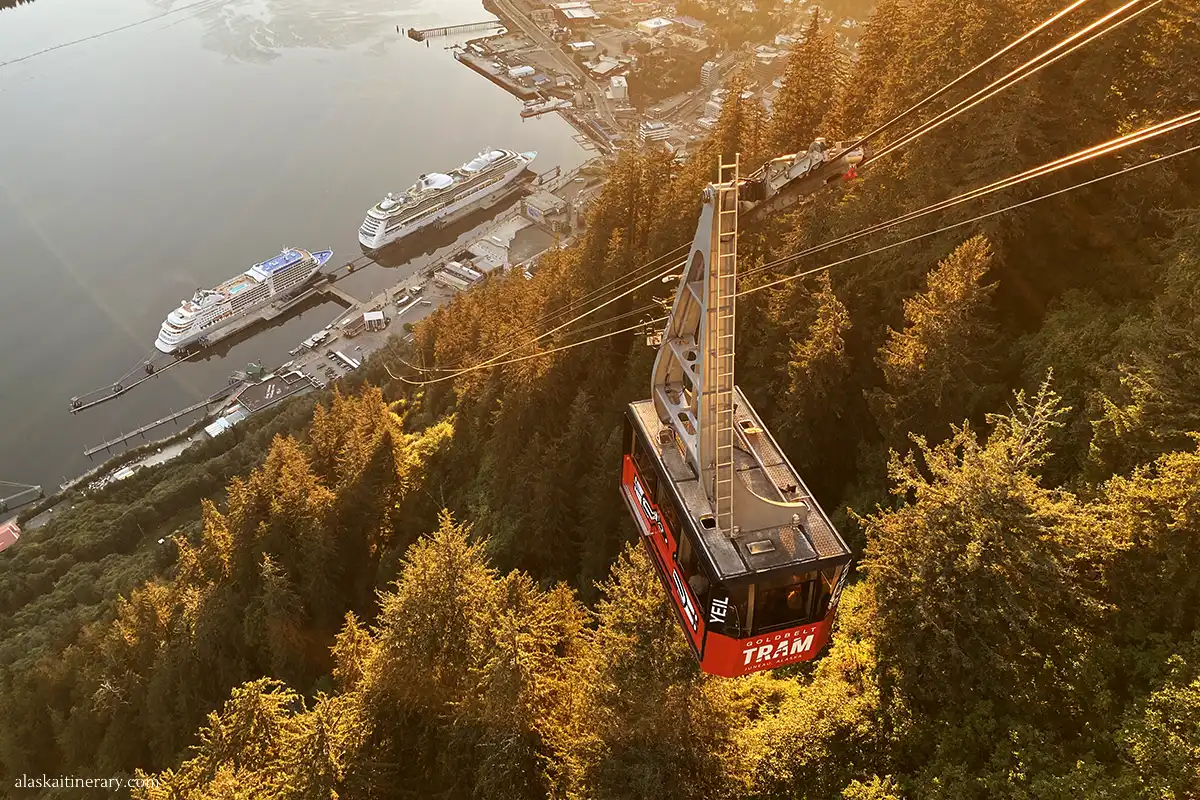
Visit the Mount Roberts Tramway Base
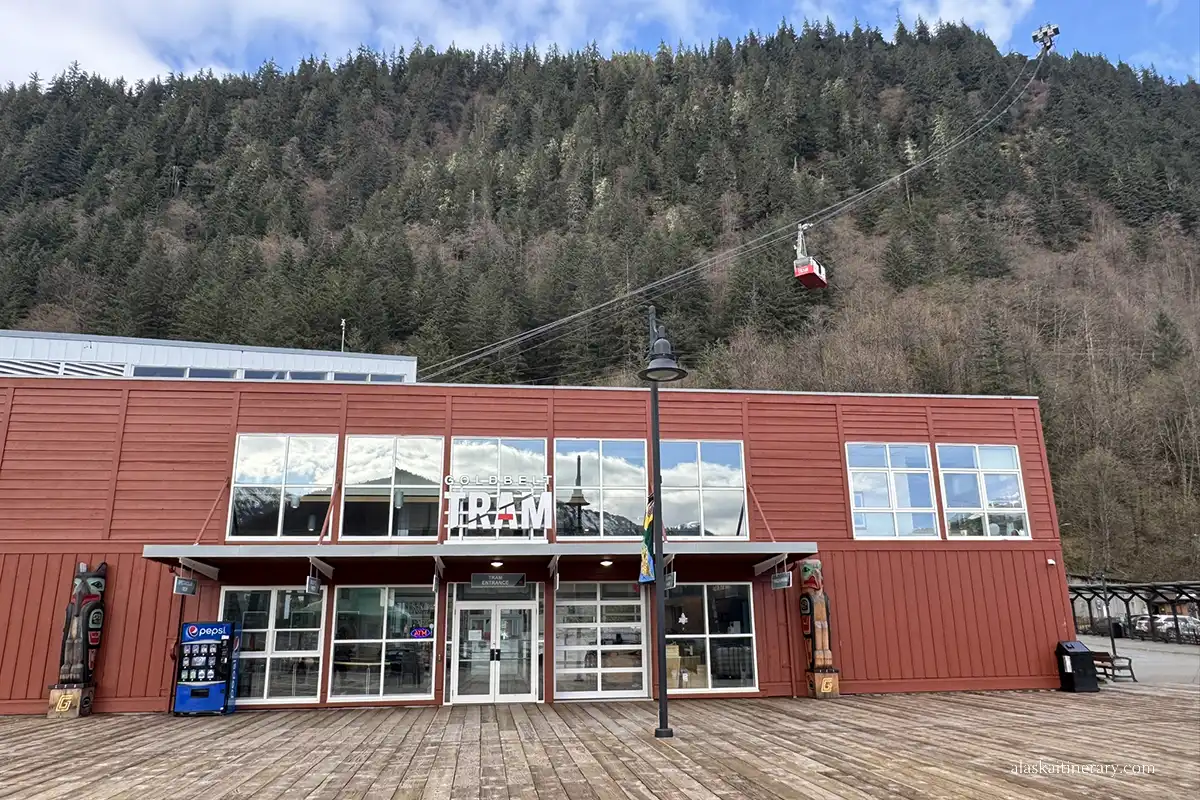
The tram base is only a short roll from the docks. The lower station is accessible and easy to reach on paved ground. Many visitors with mobility challenges enjoy coming here for photos, a snack, or a gentle walk around the area—without taking the tram itself.
The Goldbelt Tram is temporarily closed. If someone does want to ride the tram: the cabins are accessible, and the view from the top is stunning. The main building at the upper station is also accessible, so you can sit inside the restaurant and enjoy the panoramic view of Juneau and the port. The outdoor areas include slopes and uneven surfaces, so staying near the upper deck and overlook is the safest choice.
Relax by Marine Park
Marine Park sits right next to the cruise pier. It is flat, open, and easy to navigate with mobility devices. The views of the harbor and mountains make it a nice spot for photos or a short rest before joining an excursion.
Enjoy the Juneau Seawalk (short section)
Only a small part of the Seawalk is near the main cruise area, but this first section is paved, wide, and wheelchair friendly. It’s perfect if you want a smooth, quiet place for a short roll without going far from your ship.
Easy Indoor Activities and Cultural Stops
Juneau offers several ADA-friendly indoor attractions within a short, flat roll from the cruise docks. These are great options on rainy days or for travelers who prefer predictable distances and smooth surfaces.
• Juneau-Douglas City Museum
The museum sits only a few minutes from the waterfront. Entrances are level, and exhibits are easy to navigate with a wheelchair or scooter. It’s a small, manageable stop with local history, mining displays, and Alaska heritage exhibits.
• Sealaska Heritage Arts Campus (SHI Arts Campus)
Located close to the docks, this modern cultural space is fully accessible. It often hosts Indigenous art demonstrations, carving lessons, weaving presentations, and short cultural workshops. Surfaces are smooth, and doors are wide.
• Sealaska Heritage Institute – Walter Soboleff Building
Another accessible cultural center near the tram base. It offers indoor exhibits, Native art, and short educational programs in a building designed with accessibility in mind.
• Juneau Arts & Humanities Council (JACC) Exhibits
This small gallery space hosts rotating local-art shows. It is easy to enter with a mobility device and located on flat ground.
• Shops and Galleries Along South Franklin Street
Most shops near the tram base have level entrances or low thresholds. Many visitors enjoy browsing local crafts, jewelry, or small art galleries without needing to walk long distances.
All of these attractions sit close to the main cruise berths and require only short, flat rolls from the ship.

Excursions in Juneau for Travelers with Limited Mobility (Overview)
Juneau offers several shore excursions that work well for travelers using wheelchairs, scooters, walkers, or anyone who prefers short, easy walks. However, accessibility varies widely between operators. Some tours use lift-equipped vehicles, while others require climbing a few steps.
Because of that, it’s important to choose excursions carefully and check every detail before booking.
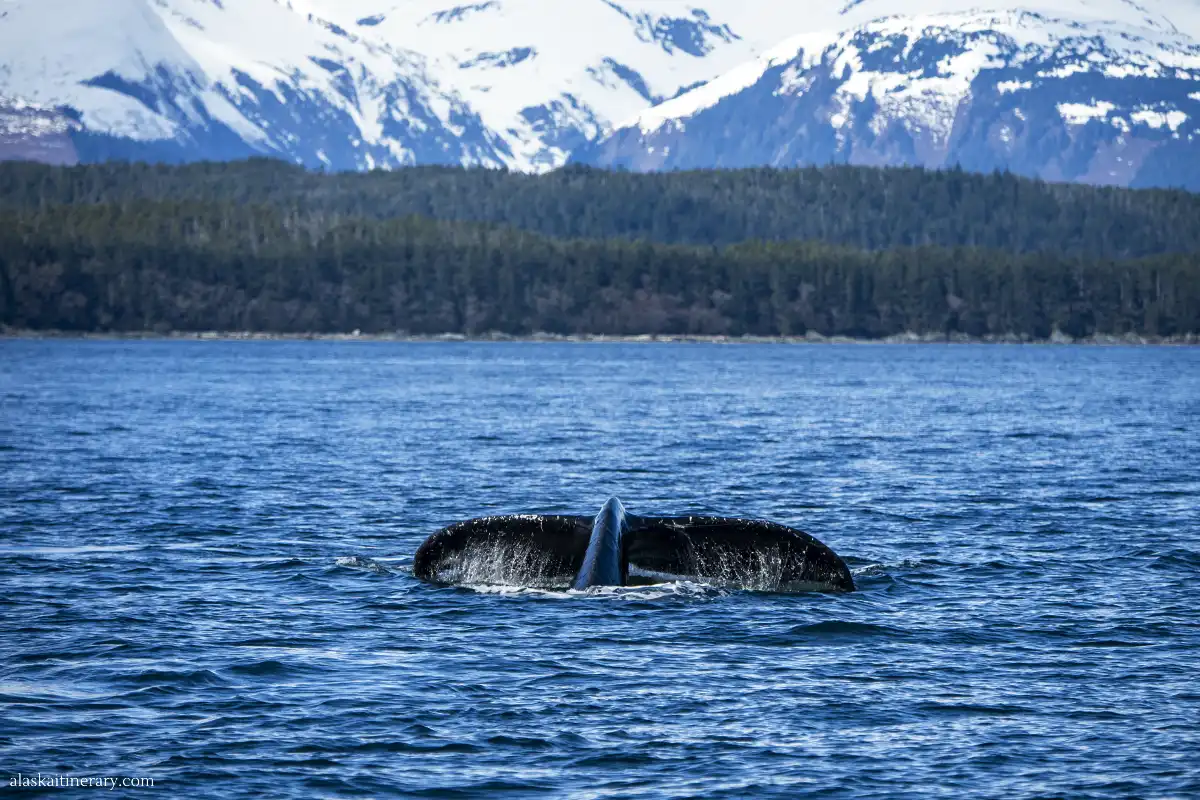
Whale Watching on Larger Boats
Whale-watching is one of the most popular activities in Juneau, and many travelers with mobility challenges enjoy it. Larger vessels have indoor heated cabins, wide seating areas, and big windows for viewing. Most have accessible restrooms. The ride is usually calm because it stays in protected waters.
The main challenge is the shuttle bus to the harbor. Some cruise-line tours use lift-equipped vehicles. Independent operators often use standard buses with two or three steps. Once you reach the harbor, boarding ramps are usually manageable, but you may still need to step onto the deck.
This excursion works well for slow walkers and many seniors. Wheelchair and scooter users should confirm transportation access before booking.
City and Glacier Combo Tours
Bus-based city tours paired with a short visit to Mendenhall Glacier are another good option. These tours involve minimal walking, and most of the highlights are viewed from the vehicle or from paved areas near the visitor center.
The key is the type of bus the company uses. A few cruise-line tours offer lift buses, but space is limited. Independent operators often have steps. If mobility is a concern, it’s best to secure an accessible vehicle through your cruise line.
Mendenhall Glacier: Visitor Center Access
A visit to Mendenhall Glacier works well for many travelers with limited mobility. The visitor center is accessible, and the paved viewpoint and Photo Point Trail offer excellent glacier views without long walks. Nugget Falls Trail is longer and on gravel, but some seniors and travelers with sturdy scooters manage it comfortably.
Weather, Crowds, and Other Accessibility Challenges in Juneau
Juneau is one of the easiest Alaska ports for mobility, but a few conditions can make movement more difficult.
- Rain. Juneau sees frequent rain, even in summer. Wet surfaces can become slick, especially painted crosswalks, metal plates, ramps, and wooden walkways near the docks. Wheelchairs and scooters may need a slower pace on these surfaces.
- Tidal Ramps. Gangway angles change with the tide. At low tide, ramps can be steep. Cruise staff usually assist passengers with wheelchairs and scooters, but it still may feel uncomfortable.
- Crowds. On days with multiple ships, sidewalks near the tram and shops can get congested. Narrow spots fill quickly, making it harder for mobility devices to pass through. Visiting early in the morning or later in the afternoon helps avoid the worst crowding.
- Surface Changes. Downtown is mostly paved, but a few areas include brick pavers, raised thresholds, or older sidewalks. These spots are manageable but may require extra attention.
- Distances at AJ Dock. If your ship docks at AJ Dock, the paved route into town is long for many travelers. Most people with mobility concerns choose the shuttle instead.

Practical Tips for Using Wheelchairs and Scooters in Juneau
A few simple strategies can make your day in Juneau much easier and more comfortable.
- Stay near the waterfront. This area is flat, paved, and has the smoothest surfaces. Most attractions are located here.
- Plan around rain. Use indoor stops (museums, cultural centers, cafés) when surfaces get slick. Bring a rain cover for scooters or battery compartments if possible.
- Avoid peak crowds. Start your day early or explore after the main excursion departures. Sidewalks are clearer and easier to navigate.
- Check docking location before arrival. If you are assigned to AJ Dock, plan to take the shuttle. Rolling the full mile is possible but long and tiring.
- Confirm accessibility for tours. Shuttles to whale watching and Mendenhall Glacier vary. Ask about lifts, ramp width, and scooter capacity before booking.
- Watch your battery range. Juneau is compact, but scooters still use power on slopes, wet surfaces, and longer rolls. Bring a charger if you plan a full day ashore.
- Use curb cuts whenever possible. They are widely available along the waterfront but less consistent on uphill side streets.
These tips help ensure a smoother, safer visit and allow you to enjoy Juneau at a relaxed, comfortable pace.
FAQs – Juneau Accessibility for Cruise Passengers
Here are the most common questions travelers with wheelchairs, scooters, walkers, or limited mobility ask about visiting Juneau. Each answer is simple, specific, and based on accurate, up-to-date information.
Is Juneau wheelchair friendly?
Yes. Juneau is one of the most accessible cruise ports in Alaska. Most attractions near the docks sit on flat, paved ground with wide sidewalks and curb cuts. The waterfront is the easiest area to navigate.
Will my ship use tenders in Juneau?
Almost never. Juneau usually assigns ships to fixed piers. Tendering is extremely rare. However, berth assignments can change, so check with your cruise line before arrival.
How far is it from the ship to downtown?
From the main berths (CT1, CT2, Marine Park), it’s only a 2–5 minute roll into downtown.
From AJ Dock, the paved path is one mile. Most travelers with mobility issues choose the shuttle instead.
Are whale-watching tours accessible?
It depends on the operator. Larger boats are easy to move around, but the shuttle bus to the harbor is the main challenge. Cruise-line excursions offer the best chance of getting a lift-equipped vehicle. Independent operators often use standard buses with steps.
Is the Mount Roberts Tram accessible?
Yes. The tram cabins are accessible, and staff assist as needed. The upper building is accessible and offers great views. Outdoor trails at the top are not wheelchair friendly.
Can I get to Mendenhall Glacier with a wheelchair or scooter?
Yes. The visitor center and paved viewpoints are accessible. Photo Point Trail is paved and easy. Nugget Falls Trail is flat but gravel; many senior travelers and some scooter users complete it comfortably.
Are downtown museums and cultural centers accessible?
Yes. These include the Juneau-Douglas City Museum, Sealaska Heritage Arts Campus, and the Walter Soboleff Building. All have level entrances and smooth floors.
Are the sidewalks crowded?
They can be. On busy cruise days, the area near the tram and shops gets congested. For a more relaxed experience, go early or later in the afternoon.
Is rain a problem for mobility devices?
It can be. Juneau gets frequent rain. Metal ramps, painted crosswalks, and wooden walkways can become slick. Slow down on wet surfaces and consider a rain cover for scooters.
Can I bring my mobility scooter into shops?
In most cases, yes. Shops near the waterfront usually have wide entrances or low thresholds. Side streets can be narrower and less predictable.
Are taxis accessible?
Juneau Taxi operates one wheelchair-accessible vehicle through the local SAIL program. Other companies (Capital Cab, Evergreen Taxi) can take folding wheelchairs but usually cannot fit large scooters. Always call ahead.
What excursions should I avoid?
Helicopter tours, ziplining, kayaking, canoe trips, and long hikes. Small-boat wildlife tours may also be difficult due to multiple steps and limited space.
Is Juneau a good port for wheelchair users?
Yes. Juneau is flat, compact, and full of easy, accessible activities. With the right planning, it offers one of the smoothest experiences in the Inside Passage.

Final Thoughts
I hope this Juneau Accessibility Guide helps you prepare for a smooth, enjoyable day in port. Juneau is compact, mostly flat, and filled with easy-to-reach attractions, which makes planning much simpler for travelers using wheelchairs, scooters, walkers, or a slower pace.
With the right information in hand, you can explore the waterfront, visit nearby museums, enjoy scenic viewpoints, and join accessible activities without feeling rushed or stressed.
As you plan your Alaska cruise, use this guide as a helpful starting point for organizing your time in Juneau. Clear expectations and a few simple strategies make it easier to enjoy everything this beautiful port offers—at a pace that works for you.
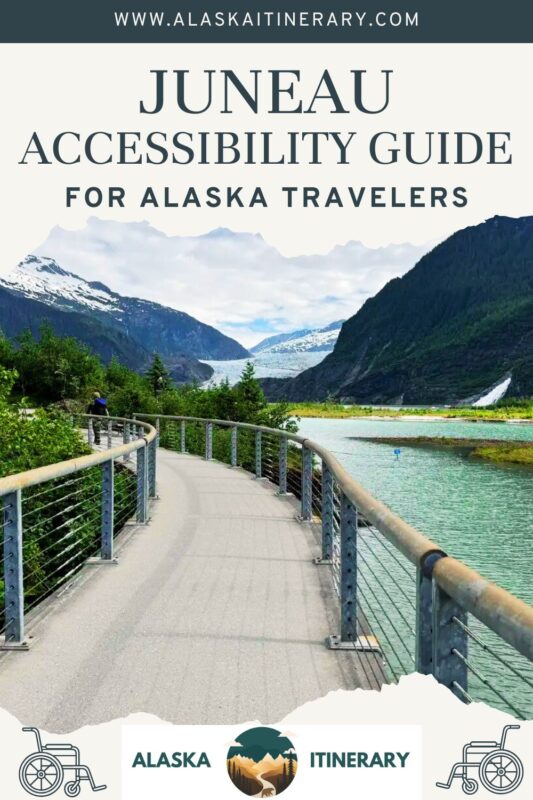
Do You Like It? Pin It For Later!


I just finished reading this Juneau Accessibility Guide from start to finish, and it’s honestly one of the most helpful resources I’ve come across for travellers with limited mobility. I really appreciate how clearly everything is laid out — from what the terrain is actually like around the cruise docks to which parts of downtown are easy and flat to navigate. The breakdown of accessible transport, plus the honest notes about challenges at places like Mendenhall Glacier and Mount Roberts Tramway, felt genuinely practical rather than sugar-coated. It’s reassuring to see such detailed, real-world advice all in one place. This is definitely a guide I’d share with anyone planning an accessible trip to Juneau.