Exploring the Unique Musk Ox Farm in Palmer

Have you ever wondered about the majestic muskoxen of Alaska? The Musk Ox Farm in Palmer offers an extraordinary opportunity to get up close with these ancient creatures. Whether you’re an avid wildlife enthusiast or simply seeking a unique Alaskan experience, this farm is a must-visit. Here’s what you need to know about this remarkable place.
This article may contain affiliate / compensated links. For full information, please see our disclaimer here.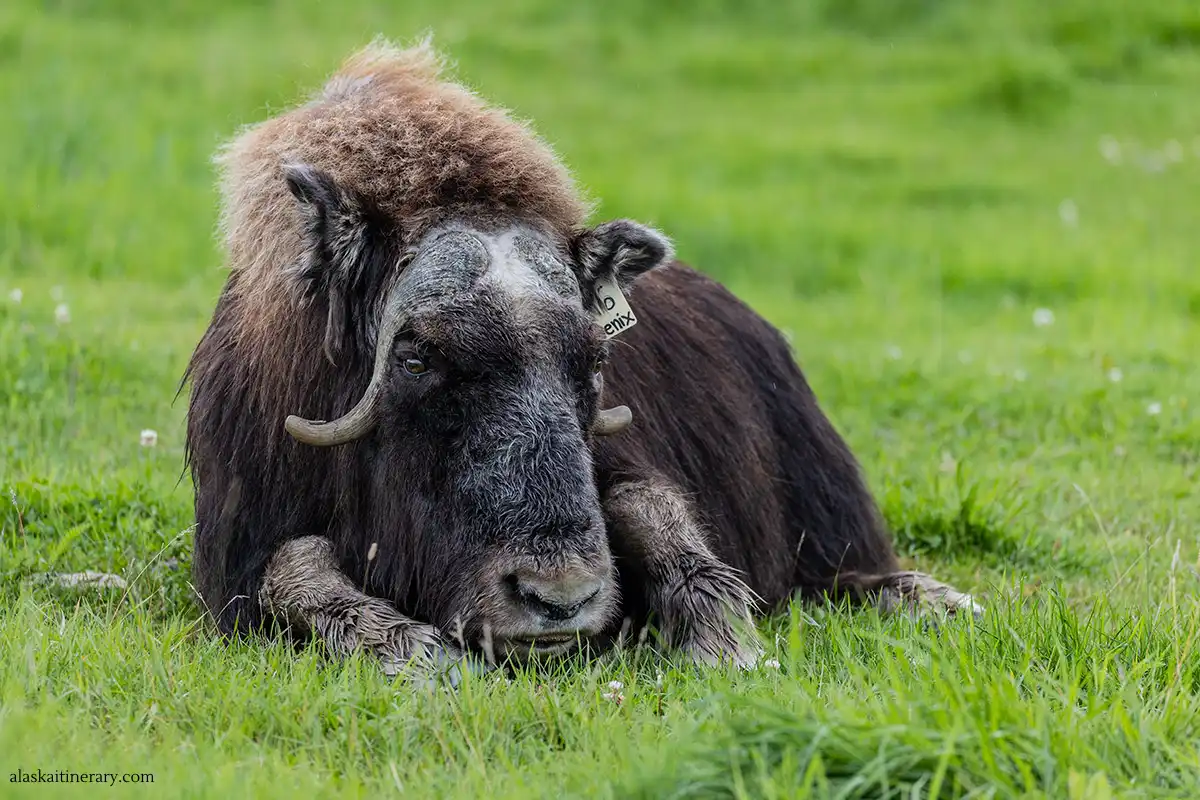
Our Unexpected Journey to Musk Ox Farm
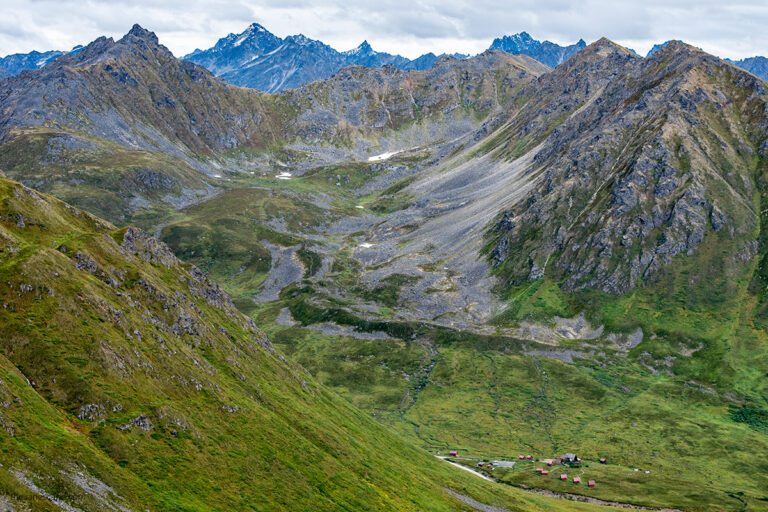
We never planned to visit the Musk Ox Farm during our latest Alaskan adventure. Our original goal was to spot these magnificent animals in the wild along the Dalton Highway near Happy Valley.
While we did glimpse muskoxen from a distance, our wildlife photography ambitions remained unfulfilled. But, as travel often teaches us, unexpected detours can lead to amazing discoveries.
Spotting a sign for the Musk Ox Farm while driving from Palmer to Hatcher Pass, we seized the chance to explore this unexpected find. It’s one of the best Palmer’s attractions.

What to Expect at Musk Ox Farm in Palmer?
The Musk Ox Farm is more than just a tourist attraction; it’s a nonprofit sanctuary focused on the conservation of muskoxen. Known in the Inupiaq language as “Oomingmak” or “The Bearded One,” these animals are not only a part of Alaska’s wildlife but also producers of qiviut, the world’s finest wool.
Visitors to the farm can enjoy guided tours, offering a rare chance to observe these Paleolithic ruminants in a serene setting. It’s one of the top farms to visit in Palmer—right next to the popular Williams Reindeer Farm—where you can meet reindeer, alpacas, horses, and more.
Driving Directions
The Musk Ox Farm address is 12850 E Archie Road, Palmer, Alaska, next to the Glenn Highway. They are open from 10 am to 6 pm from Mother’s Day to September. For other month’s opening hours, check on their website.
- From Anchorage: Just a 50-minute drive covering around 45 miles via AK-1 N (Glenn Highway). If you’re spending time in Anchorage, don’t miss our comprehensive Anchorage itinerary for more adventure ideas.
- From Wasilla: Take Parks Highway (HWY 3) south, then head East on HWY 1 towards Palmer/Glennallen. Continue through Palmer and turn left onto Archie Rd.
- From Talkeetna: Expect about 1 hour and 40 minutes of driving, covering approximately 84 miles via AK-3 S.
Our Tip: Combine your visit to the Musk Ox Farm with other local attractions like the Independence Gold Mine, hiking the Hatcher Pass, the scenic Hatcher Pass Drive, or exploring Matanuska Glacier for a full day of exploration.
Exploring Palmer and its area is a perfect idea for a day excursion from Anchorage.

Tours and Prices
Visiting the Musk Ox Farm is both affordable and enriching. The farm’s setting is picturesque, offering a unique blend of natural beauty and educational experience. It’s best to check the current prices and tour offers on the farm’s official website.
We paid $14 per person. The price for children aged 5-17 is $8, and for seniors 65+, the trip costs only $12.
Although walk-ins are accepted, booking a tour in advance during the high tourist season is a better idea. If you don’t make a reservation, you may be waiting in line for a tour. They also offer private tours and group tours.


What to Expect During Your Visit?
The farm, set against the stunning backdrop of the Chugach and Talkeetna mountains, features a large Alaskan-style barn and ample parking. Inside, you’ll find a gift store selling high-quality musk ox fur products, nature books, and souvenirs. You can buy a hat, a scarf or gloves. The store also has exciting coloring books for children, T-shirts, mugs, magnets, and more.
The bathrooms are spacious. In the room through which you go to the farm, there are also skeletons, musk ox furs, and exciting photos.
The tour, led by knowledgeable guides like Tom, lasts about 45 minutes, offering insights into musk oxen’s lives and the farm’s operations.


Is it worth visiting Musk Ox Farm in Palmer?
Yes, we recommend Musk-Ox Farm if you are in the Palmer area. Make sure to add this place to your Alaska itinerary. The farm tour has a very favorable price. Visiting this farm is an excellent idea, as it’s not easy to spot muskoxen in the wild. You will learn much about these extraordinary animals, their precious fur, and their meat.
If you’re planning your trip, take a look at our Palmer travel guide for a full overview of the best places and experiences.
Dressing Tips for the Musk Ox Farm Visit?
Prepare for an outdoor adventure with comfortable shoes, especially after rain when the paths can get muddy. Be careful not to step in musk ox droppings. Layered clothing and a rain poncho are advisable due to Alaska’s unpredictable weather. For more tips on what to pack for your journey, check out our comprehensive Alaska packing list, based on our extensive travel experience in the state

Fascinating Facts About Musk Oxen
An Ancient Relative of Sheep and Goats
Despite their formidable appearance, musk oxen are surprisingly close relatives of sheep and goats. These majestic animals boast an impressive profile: stocky and long-haired, with a characteristic shoulder hump and a short tail. What sets them apart is their impressive horn structure. Both males and females sport horns, but the bulls’ horns are noticeably larger and heavier.
Physical Characteristics
Standing tall in the Arctic landscapes, adult musk ox bulls reach about 5 feet in height and weigh between 600-800 pounds. The cows, slightly smaller, average around 4 feet tall, and tip the scales at 400-500 pounds. This size difference is one of the many fascinating aspects of these arctic dwellers.

A Journey Through Time and Space
Musk oxen have a history as intriguing as their appearance. Once widespread across northern Europe, Asia, Greenland, North America, and Alaska, their presence dwindled significantly by the early 20th century. Alaska, in particular, saw the disappearance of these animals by the 1920s.
The Remarkable Comeback
In a bid to revive their population, 34 muskoxen were relocated from East Greenland to Fairbanks in 1930. This group eventually found a new home on Nunivak Island in the Bering Sea. From a modest beginning, the herd flourished, growing to 750 by 1968. Today, Alaska is home to an estimated 4,000 muskoxen, a testament to successful conservation efforts.

Frequently Asked Questions
Are muskox good to eat?
Yes, musk ox meat is not only edible but also nutritious. Rich in protein, iron, and B vitamins, it’s a vital food source for communities that rely on traditional diets. While suitable for consumption, musk ox meat is part of a sustainable lifestyle in Arctic regions.
Are musk ox friendly to Humans?
Muskoxen generally tolerate human presence. However, it’s crucial to maintain a safe distance of at least 150 feet. These are, after all, wild animals. Special caution is advised near females with calves, and feeding them is a definite no-no to ensure both your safety and their well-being.
Are musk ox as big as bison?
While impressive, musk oxen are smaller than bison. Their bulky appearance is largely due to their thick hair, which acts as insulation against extreme cold. In the Bovidae family, they stand out for their size and distinctive coat.
Is musk ox fur valuable?
Absolutely. Musk ox fur, or qiviut, is highly prized for its softness and unique qualities. Fashion items made from musk ox wool are sought after for their warmth and insulating properties, making them a luxurious choice for winter wear.
Where can I see muskox in Alaska?
Alaska offers several spots for musk ox viewing. The Seward Peninsula is known for roadside sightings. These animals also inhabit Nunivak Island, Nelson Island, and areas in north-central and northeastern Alaska. The Dalton Highway near the Arctic National Wildlife Refuge is another prime location for spotting these majestic creatures.
How many musk ox are left in the world?
Estimates suggest that the global musk ox population ranges between 80,000 and 125,000. In Alaska alone, the population is about 4,000, reflecting successful conservation efforts to preserve these unique animals.
Do You Like It? Pin It For Later!