
Alaska Packing List for Summer: Guide + Free PDF Checklist

Planning a summer trip to Alaska and not sure what to pack? This Alaska packing list for summer covers exactly what you need—from cool coastal days to warm Interior afternoons. Based on our years of road trips, hikes, wildlife viewing, kayak trips, and national park visits across Alaska, we created a practical list that actually works. This guide covers travel from May through late September and includes a free, printable PDF checklist. Use it to pack smart, stay comfortable, and enjoy Alaska’s long summer days without overpacking.
This article may contain affiliate / compensated links. For full information, please see our disclaimer here.
Our Experience Building the Alaska Packing List for Summer
Chris and I have explored Alaska for years, traveling everywhere from the Arctic Ocean to Homer Spit. We’ve road-tripped, camped, stayed in RVs, and slept in simple cabins and budget hotels. Along the way, we’ve fished, hiked, kayaked, watched wildlife, and visited Alaska’s national parks in every kind of summer weather.
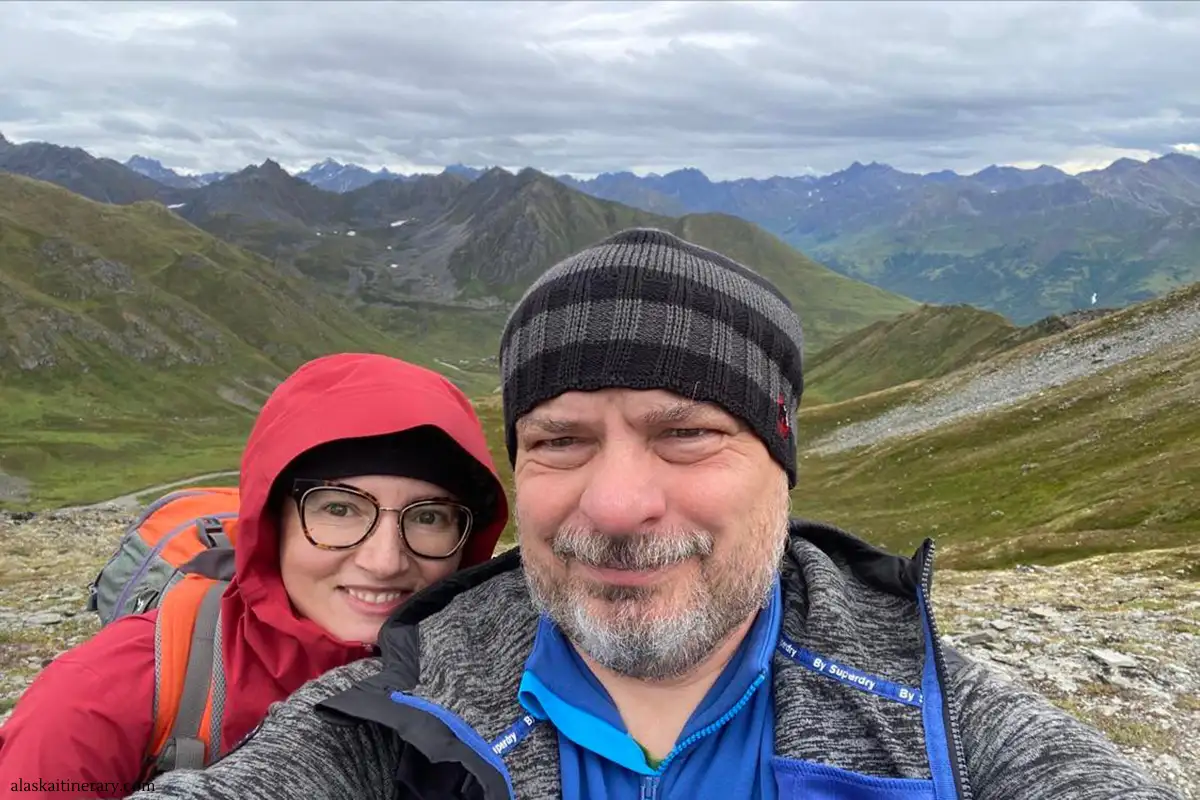
Those trips taught us one thing quickly: packing for Alaska is different. We’ve overpacked. We’ve forgotten key items. We’ve dealt with sudden rain, cold wind, and unexpected sunshine—all in one day. This Alaska packing list for summer is built from those real mistakes and lessons, so you don’t have to learn them the hard way.
This guide is designed for summer travel from mid-May through late September. It works for travelers staying in hotels, lodges, or RVs, and for those exploring Alaska by car or train.
Smart summer packing starts with understanding how Alaska travel works across different regions and seasons.
Inside this Alaska summer packing list, we organize items by purpose
Before you start packing, think about when you’re visiting and what you plan to do. Alaska’s summer weather is unpredictable. You can experience sunshine, rain, and even snow on the same day. The goal isn’t to pack everything—it’s to pack smart and be ready for changing conditions.
Inside this Alaska summer packing list, we organize items by purpose
- must-have essentials for every Alaska trip
- clothing layers that actually work in Alaska’s summer weather
- safety and navigation gear for remote areas
- optional items for wildlife viewing, hiking, or kayaking
We also include a free, printable Alaska packing list PDF to make planning easier. You can download it at the end of the article.
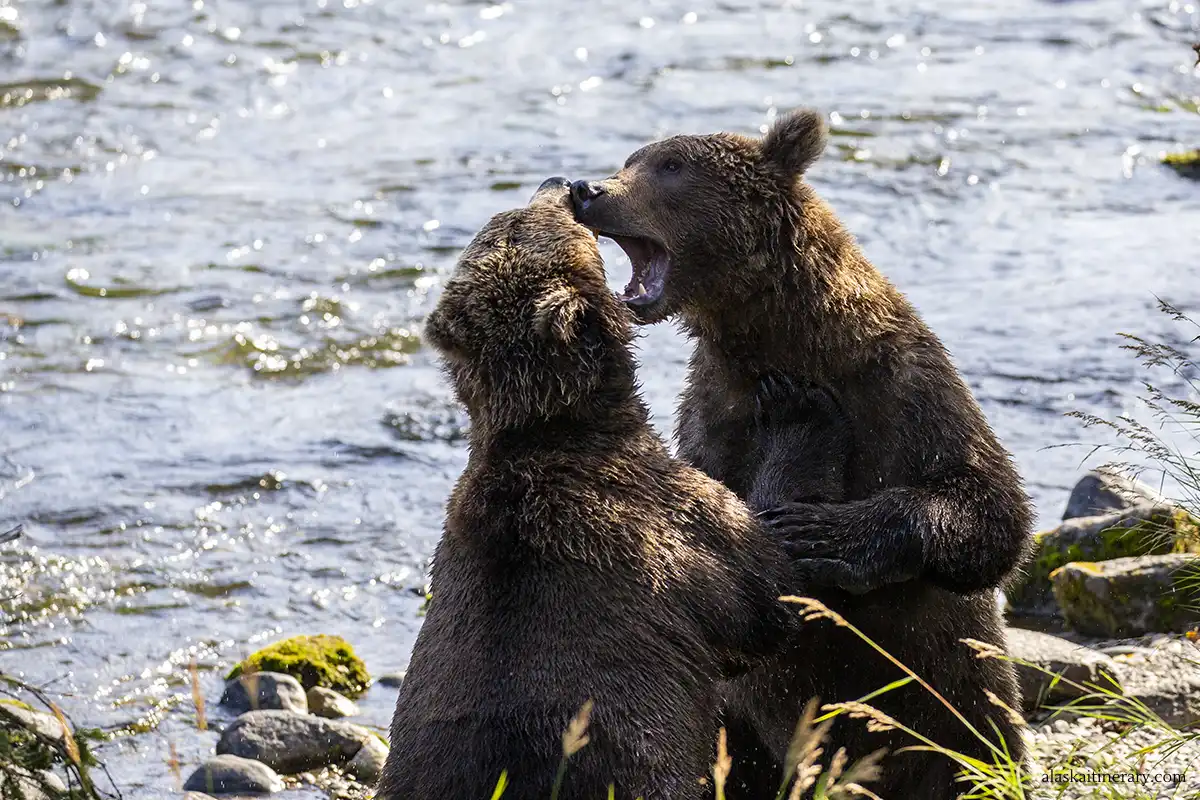
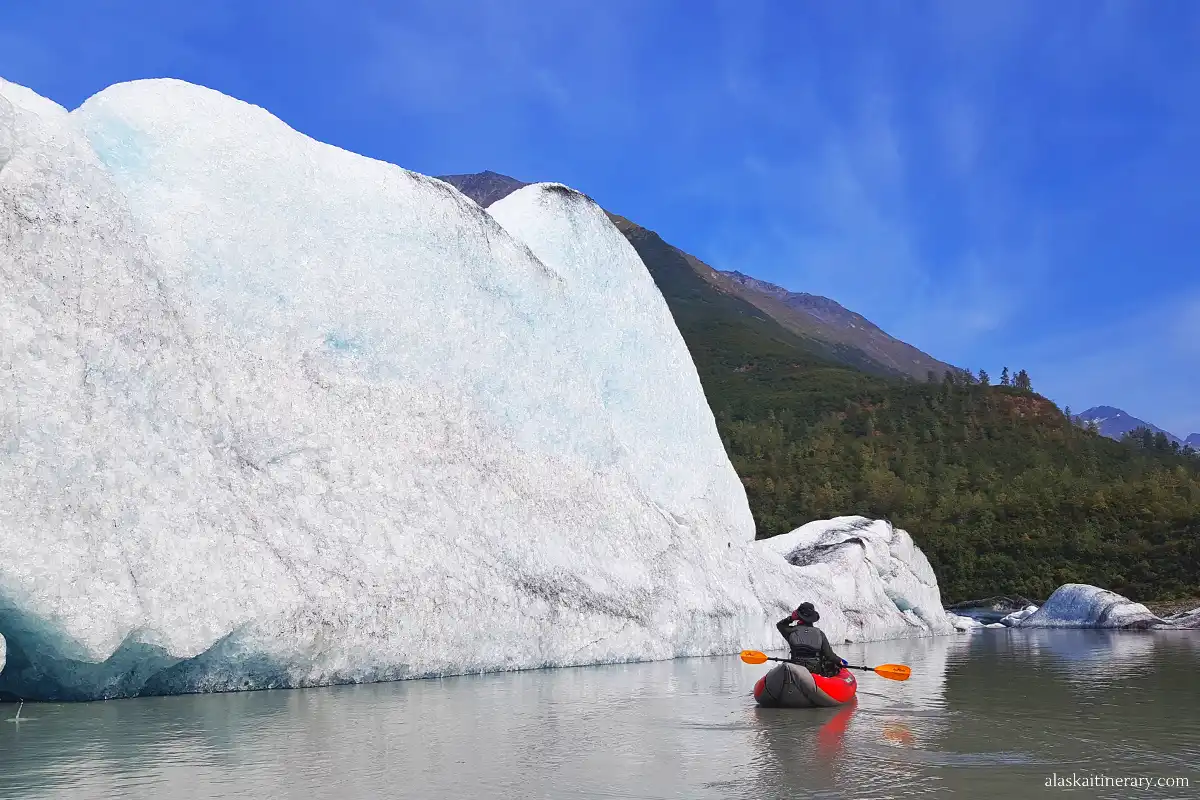
Many of the activities listed here come from our own trips, including bear-viewing tours, humpback whale watching, scenic flights over Denali, hiking at Hatcher Pass, exploring Denali, fishing or glacier kayaking. If any of these experiences are part of your summer itinerary, this packing list will help you prepare with confidence.
Tailoring Alaska Packing List to Your Alaskan Adventure
Not every summer trip to Alaska looks the same, and your packing list shouldn’t either. Alaska travel styles vary widely, from easy road trips with hotel stays to remote wilderness adventures. This Alaska packing list for summer is designed to be flexible, so you can adjust it based on how and where you travel.
This guide works best for travelers who:
- explore Alaska by rental car, travel by RV, or train
- stay in hotels, lodges, cabins, or campgrounds
- plan activities like hiking, wildlife viewing, boat tours, kayaking, or scenic drives
If your plans include camping or backpacking, you’ll need additional gear. For that, we recommend our dedicated Alaska camping essentials guide, which covers shelter, food storage, and backcountry-specific items.
If you’re visiting Alaska on a cruise, packing needs are different. Shore excursions, onboard dress codes, and limited luggage space all matter. We cover those details in our Alaska cruise packing list, which also includes a printable PDF checklist.
For trips between November and April, this list will not apply. Alaska winters require specialized clothing and gear. In that case, use our Winter Alaska Packing List with a separate PDF checklist built for extreme cold.
As you read through this guide, remember: you don’t need everything on this list. Focus on your travel dates, regions you’ll visit, and planned activities. Use the list as a planning tool, not a rulebook.

What to Wear in Alaska in Summer – Clothing for Every Layer
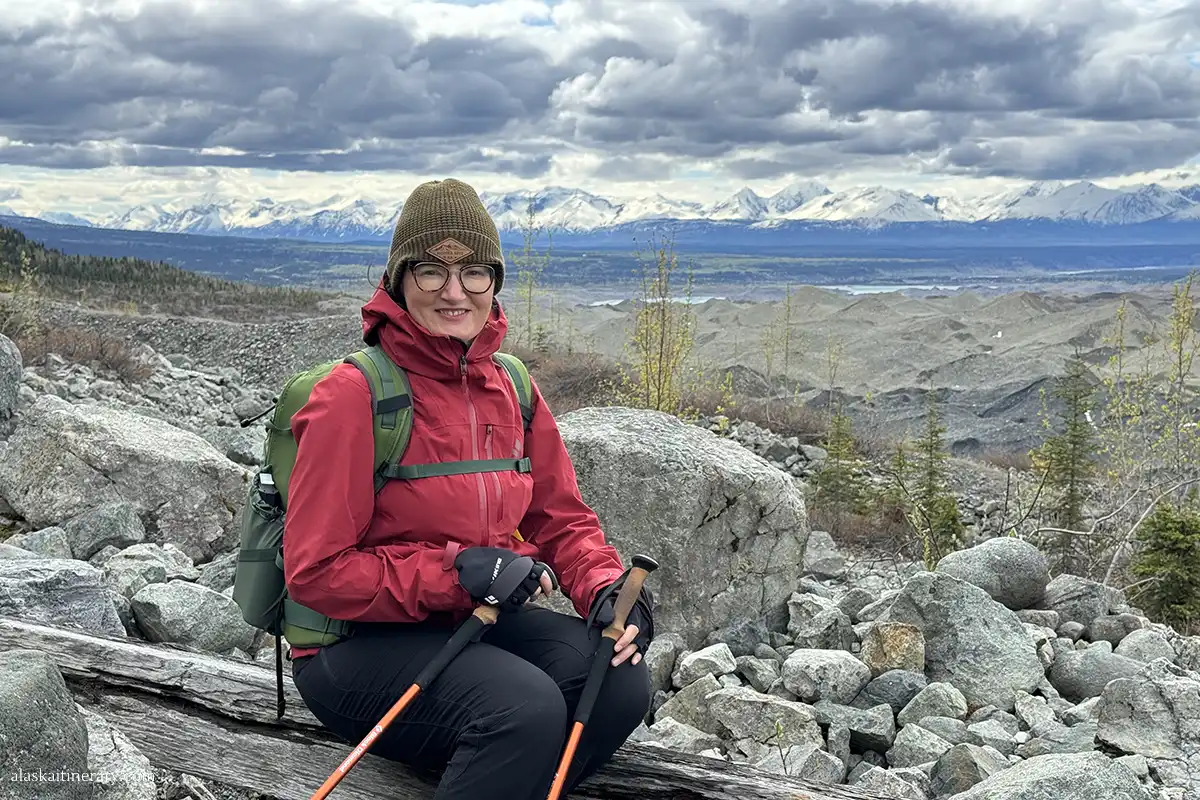
The key to staying comfortable in Alaska’s summer weather is layering. Conditions change fast. A sunny afternoon can turn cold and windy within minutes, especially near glaciers, on the coast, or at higher elevations. After years of summer travel across Alaska, this layered system is what works best for us.
Sturdy Footwear and Reliable Socks
Good footwear is one of the most important items on your Alaska packing list for summer. Waterproof hiking boots with solid traction are essential for uneven trails, muddy paths, glacier areas, and wet weather. Even short walks can involve slick surfaces.
Hiking boots with good traction matter more than the brand. Over the years, we’ve used models from Salomon, La Sportiva, and Keen that performed well on wet Alaska trails.
For river crossings, easy trails, or campground use, closed-toe sandals are very useful. We often pack them as a second option. Pair your shoes with moisture-wicking socks.
Merino wool performs best in Alaska. It keeps your feet warm when it’s cold, cool when it’s mild, and dries faster than cotton.


Base Layers and Underlayers
Quick-dry underwear and base layers make a huge difference on long days. Avoid cotton. It traps moisture and gets cold fast.
For summer, lightweight or mid-weight thermal base layers are ideal. We usually pack:
- lighter layers for mild days
- warmer base layers for chilly mornings, evenings, and boat tours
Merino wool works especially well because it regulates temperature and doesn’t hold odors. Our favourites are: LAPASA and Merino.tech.
Mid Layers and Jackets
A fleece or lightweight insulated jacket is a must, even in July. It’s perfect for cool mornings, evenings, and windy conditions.
We’ve had great results with fleece and lightweight insulated jackets from Patagonia, The North Face, and Columbia, paired with a waterproof rain shell for Alaska’s changing summer weather.
On top of that, you need a waterproof outer layer. Alaska summer means rain—sometimes light drizzle, sometimes heavy showers. A waterproof rain jacket with a hood is non-negotiable. Windproof materials are especially helpful near the coast and on boats.

Pants and Shorts
Durable hiking pants are far more practical than jeans. Look for quick-dry fabric with some stretch. They work better for hiking, wildlife viewing, and long driving days.
Shorts are optional. On warm days, they’re comfortable. On cooler or buggy days, you may never use them. Many travelers bring one pair and decide day by day.
Protecting Extremities
Even in summer, Alaska can feel cold. Pack:
- a warm beanie
- lightweight gloves
- a sun hat
Gloves are especially useful on glacier cruises, wildlife boats, and early mornings. Sunglasses are important too—the sun can be intense, especially near water or snow.
Swimwear
A swimsuit belongs on your Alaska packing list for summer. Hot springs, lakes, rivers, and hotel pools are common stops. Places like Chena Hot Springs near Fairbanks make swimwear more useful than many people expect.
Protection From Bugs and Sun
Mosquitoes can be intense in some areas, especially near lakes, rivers, and wetlands. Bring:
- strong insect repellent
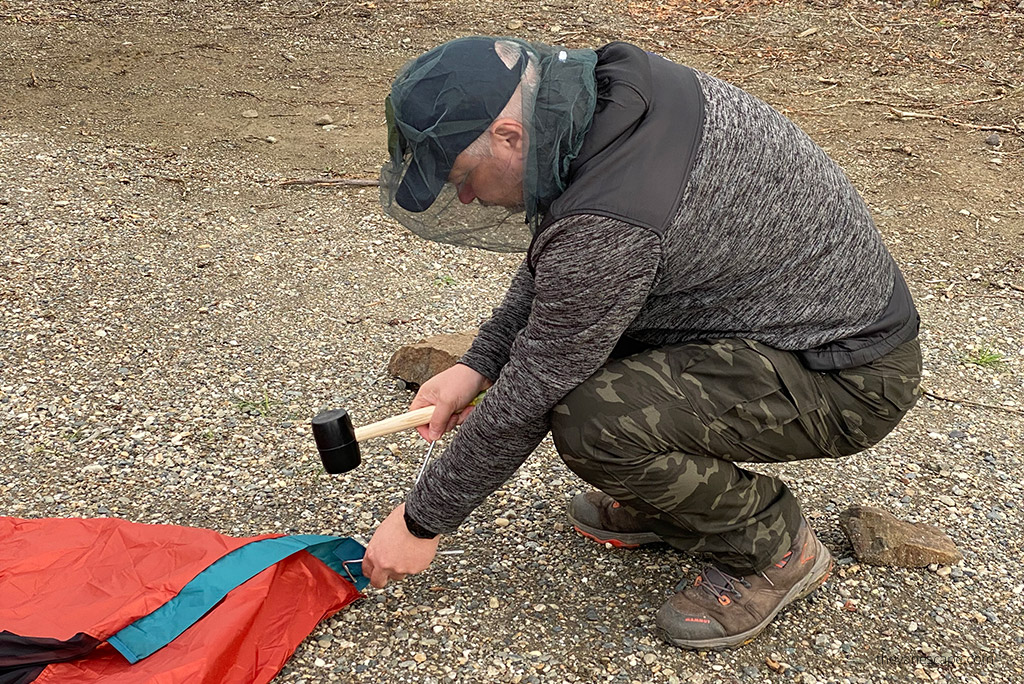
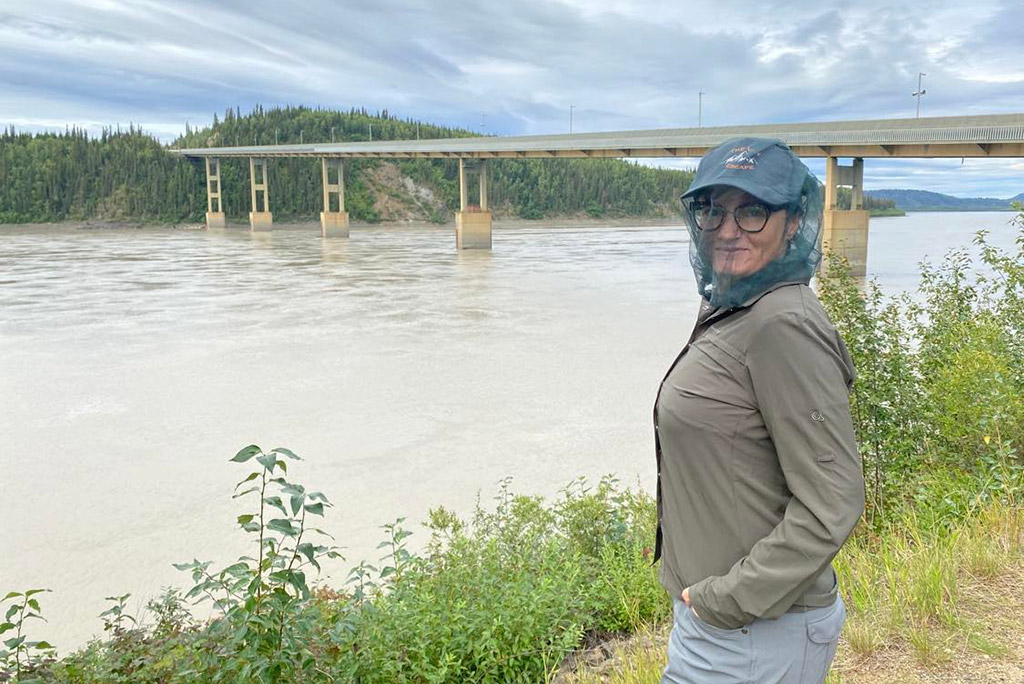
- a mosquito head net if you plan to hike or camp near water areas
Sunscreen is also important. Long daylight hours and reflective surfaces increase sun exposure, even on cooler days.
Essential Trekking Equipment To Pack Alaska
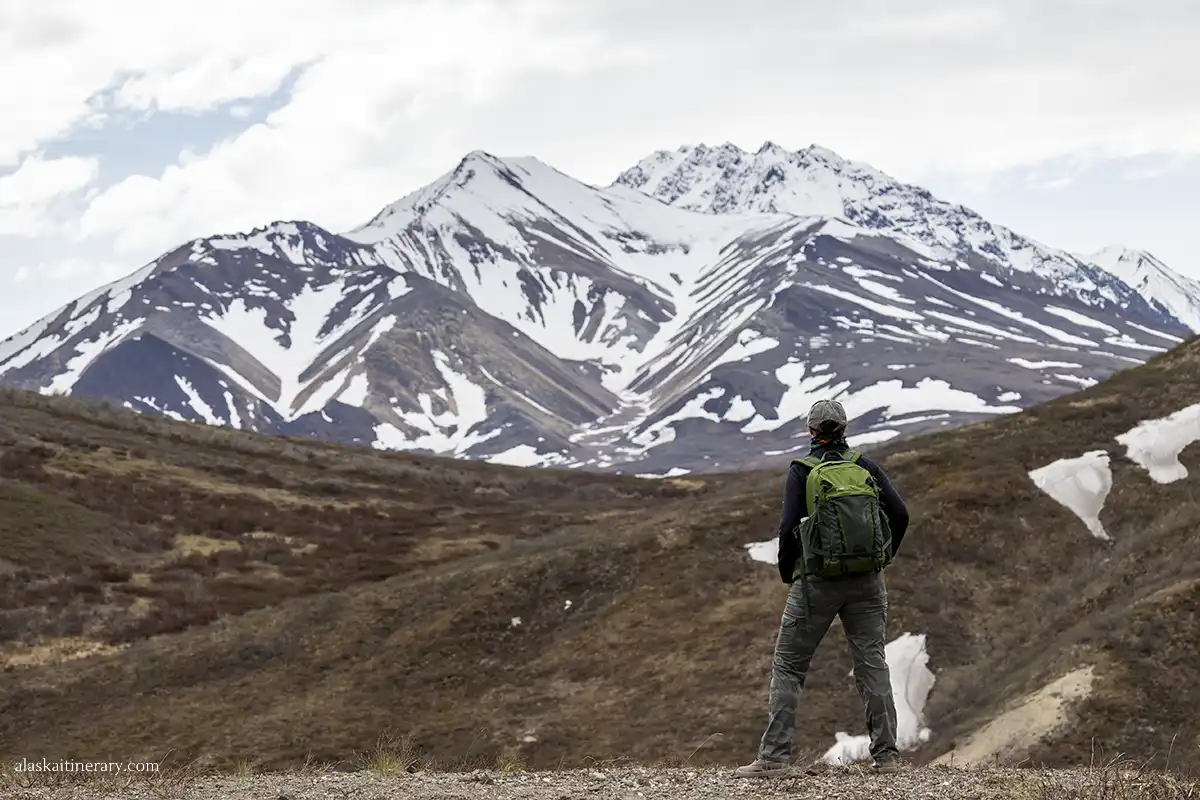
Trekking gear can make or break your Alaska experience. Trails are often uneven, muddy, wet, or rocky. Weather changes fast. Even short hikes can feel more demanding than expected. After years of hiking across Alaska, these are the trekking essentials we always carry in summer.
Trekking Poles
Trekking poles are one of the most useful items you can pack for Alaska. They improve balance on slippery trails, reduce strain on knees during descents, and help with river crossings. They’re especially helpful on longer hikes and in areas with loose gravel or mud.
Adjustable poles work best. They’re easy to pack, lightweight, and adapt well to different terrain.
Waterproof Leg Gaiters
Waterproof leg gaiters are incredibly useful in Alaska. They keep water, mud, snow, and debris out of your boots when hiking through wet grass, muddy trails, or shallow streams.
We often choose gaiters over rubber boots. They offer similar protection but are lighter and much easier to travel with, especially if you’re flying to Alaska.
Daypack or Hiking Backpack
A comfortable daypack is essential, even for short hikes. It should have enough space for extra layers, rain gear, snacks, water, and safety items. Look for a backpack with:
- good back ventilation
- adjustable straps
- room for a water reservoir or bottles
Many Alaska hikes are longer than they look on the map, so carrying essentials matters.
Hand and Foot Warmers
Even in summer, temperatures can drop quickly, especially at higher elevations or near glaciers. Hand and foot warmers take up very little space but provide instant warmth when needed. We always pack a few pairs as backup, especially for early mornings or windy hikes in May and September.

Wildlife Watching Essentials – Outdoor Adventure Gear Must Packing For Alaska
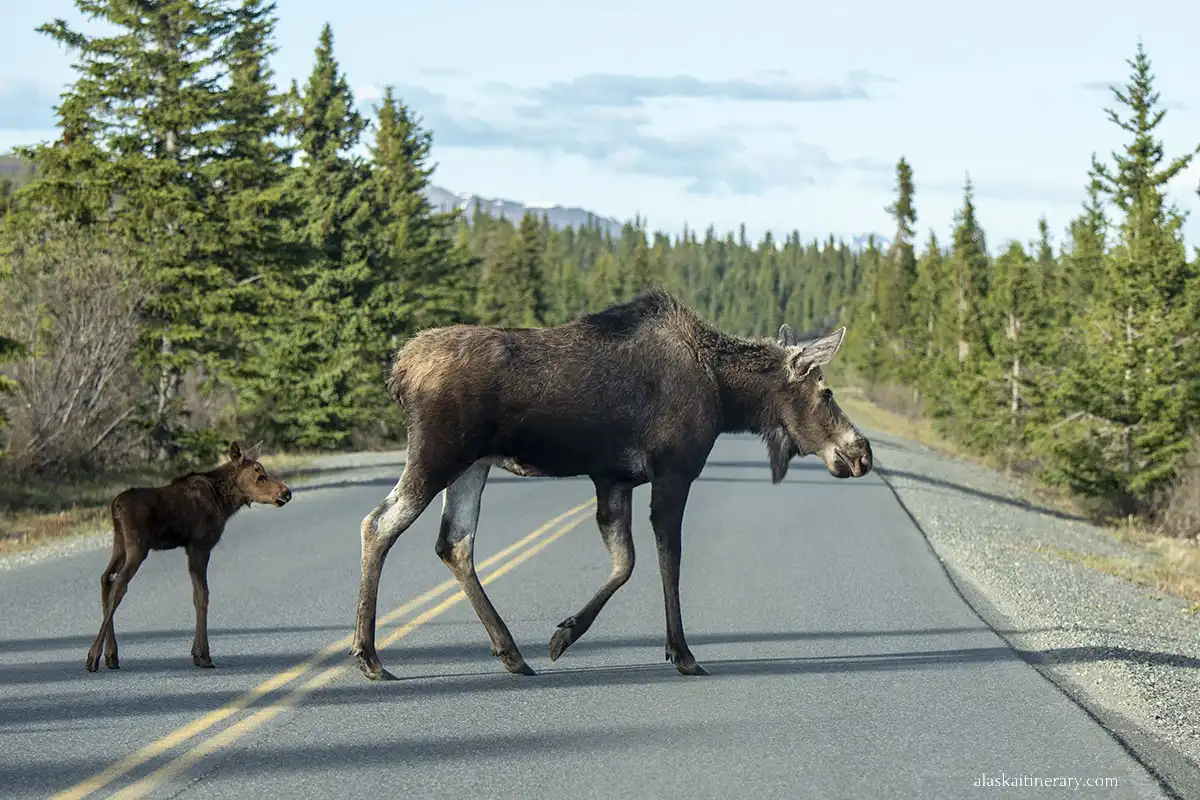
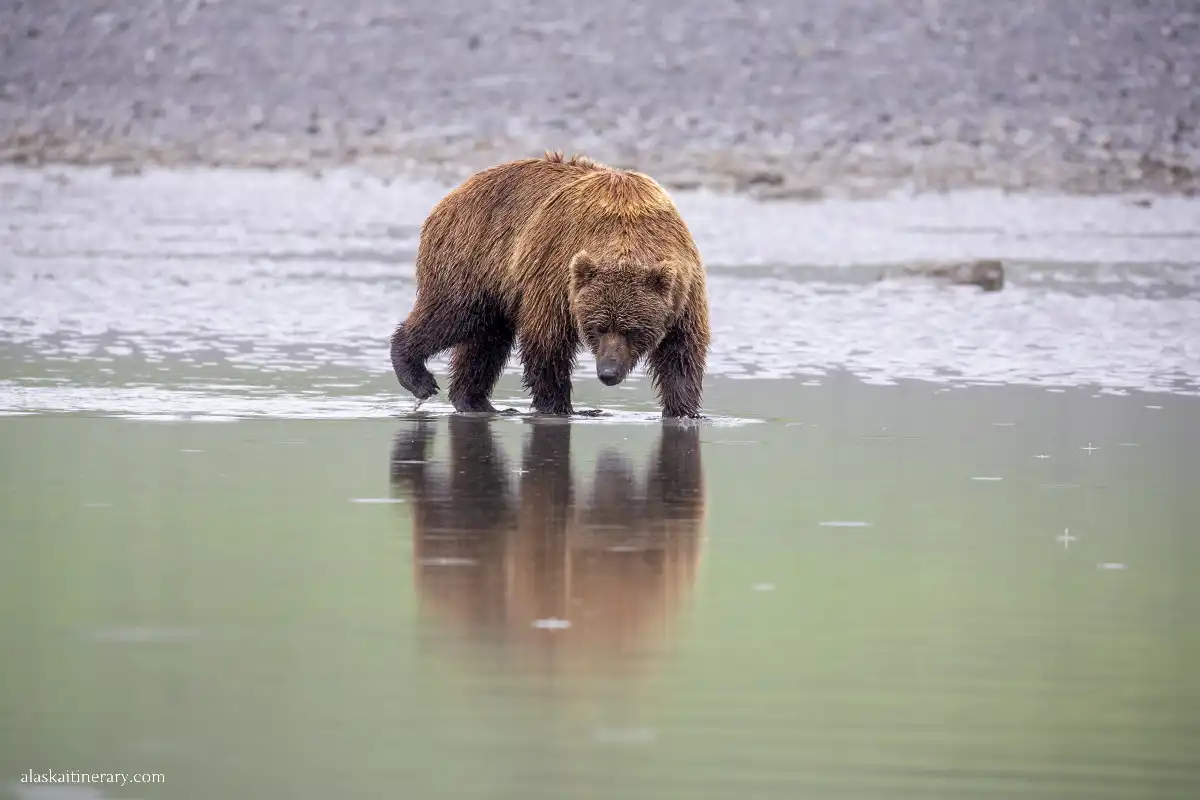
Wildlife encounters are one of the highlights of any Alaska summer trip. From moose along the roadside to whales offshore and bears feeding near rivers, Alaska offers incredible opportunities to observe animals in their natural habitat. Packing the right gear helps you enjoy these moments safely and responsibly.
Binoculars
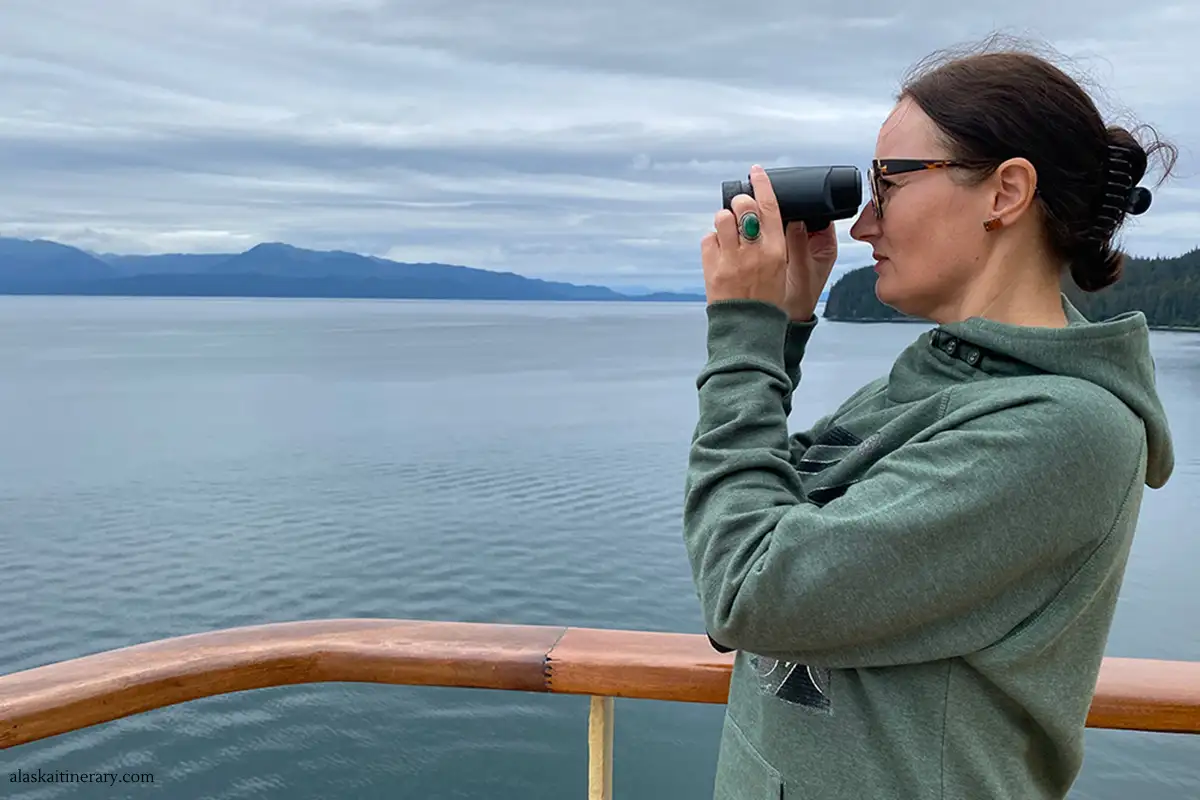
A lightweight pair of waterproof binoculars is one of the most valuable items on your Alaska packing list for summer. Wildlife is often visible from a distance, and binoculars allow you to observe animals without getting too close. This is especially useful for bear viewing, birdwatching, and spotting whales from shore or boats.
Camera With Zoom Lens
A camera with a zoom lens lets you capture wildlife without disturbing it. Zoom is far more important than wide-angle capability in Alaska. Weather can change quickly, so protect your camera with a waterproof cover or dry bag, especially on boat tours or rainy days.

Quiet, Neutral-Colored Clothing
Neutral-colored clothing helps you blend into the environment and reduces disturbance to wildlife. Avoid bright colors and loud fabrics. Soft, quiet layers work best, especially when watching animals on foot or near trails.
Headlamp or Flashlight
Early mornings and late evenings are prime times for wildlife activity. A headlamp or flashlight is useful even in summer, especially during cloudy days, shaded forest hikes, or when returning from evening walks near campgrounds or lodges.
Wildlife Field Guide or App
A small wildlife guidebook or offline wildlife app can help you identify animals, birds, and tracks you encounter along the way. It adds context to sightings and makes wildlife watching more engaging, especially for first-time visitors.
Notebook and Pen (Optional)
If you enjoy documenting your trip, a small notebook is great for recording wildlife sightings, locations, and dates. It’s a simple addition that many travelers appreciate long after the trip ends.
Bear Safety Essentials To Pack for Alaska Travel
If your summer plans include hiking, camping, or wildlife viewing, basic bear safety gear belongs on your Alaska packing list for summer. You don’t need to overpack, but a few essentials make a real difference.
Bear Spray
Bear spray is the most important safety item to carry in bear country. It’s lightweight, effective, and non-lethal. We always carry it when hiking or exploring areas with limited visibility. If you don’t want to purchase it, bear spray rentals are available in many Alaska towns.
Odor Control and Food Storage
Scent management is critical. Store all food, toiletries, and scented items in odor-proof bags. In campgrounds and backcountry areas, use bear-resistant containers when required and follow all local food storage rules.
Noise Awareness
Making noise while hiking helps avoid surprising wildlife. Simple habits like talking while walking or using a bear-bell attached to your pack can reduce the chance of close encounters.
For detailed guidance on wildlife behavior and safety strategies, read our in-depth guides:
These resources cover what to do before, during, and after encounters in much greater detail.


Navigation and Emergency Safety Gear Must Packing for Alaska
Alaska is vast, remote, and often unpredictable. Cell service is limited outside major towns, and help can be hours away. This is why navigation and emergency safety items are a critical part of any Alaska packing list for summer, even for travelers staying in hotels or driving paved roads.
Critical Documents and Trip Information
Always carry:
- a valid photo ID
- emergency contact information
- copies of accommodation details and travel insurance
Power and Charging Essentials
Phones and GPS devices drain faster in cold, wind, and remote conditions. A high-capacity power bank is essential, especially on long driving days or hikes. Don’t rely on finding outlets in remote areas.
First Aid and Emergency Basics
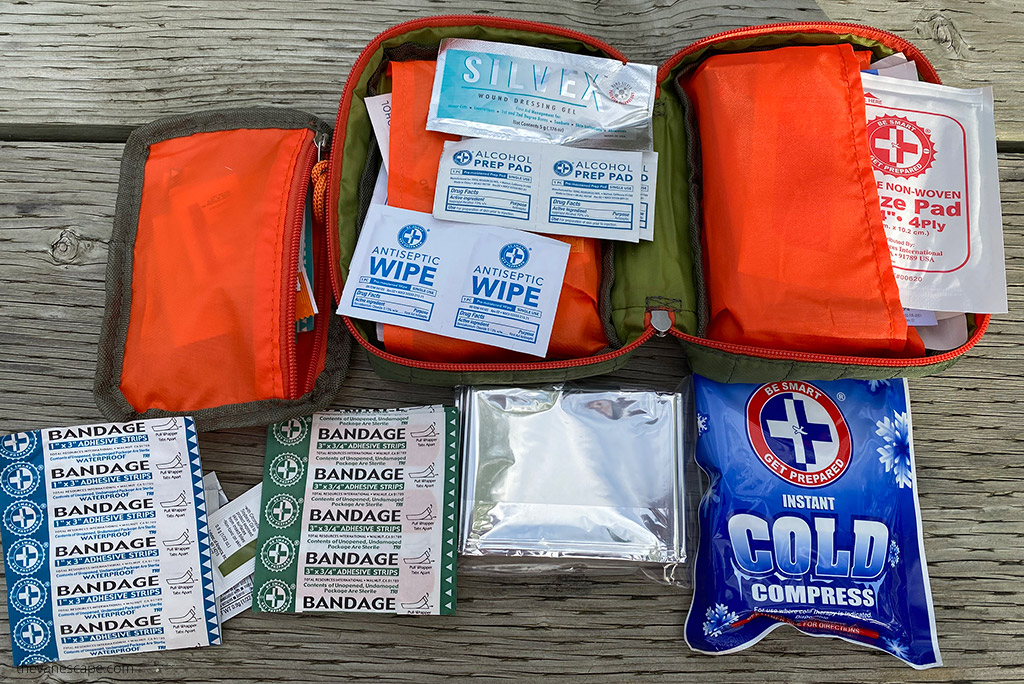
A compact but well-stocked first aid kit should be in your pack or vehicle. It should include bandages, gauze, blister care, pain relievers, and an emergency blanket. For longer or more remote trips, add:
- a lightweight medical splint
- a multi-tool
- a headlamp or flashlight
Even in summer, unexpected situations happen.
Navigation Tools You Can Trust
Do not rely on your phone alone in Alaska.
For road trips, we often carry a printed Alaska road guide or paper maps as a backup. They are especially useful in areas with no signal.
For hiking or remote travel:
- a basic compass is a reliable, battery-free backup
- GPS watches or handheld GPS devices are helpful for off-grid navigation
For serious backcountry travel, a satellite communicator can provide emergency SOS capability when there is no cell coverage.
On longer Alaska road trips, particularly when traveling by RV for several weeks or more, we always rely on The MILEPOST.

Emergency Signaling and Shelter
A few lightweight items can make a big difference, especially while hiking:
These items are small, but they provide critical protection if plans change or weather turns quickly.
Alaska Packing Essentials for Health and Cleanliness
Staying healthy and comfortable in Alaska often comes down to small items that are easy to overlook. Long driving distances, limited facilities, and outdoor activities make personal care and cleanliness an important part of your Alaska packing list for summer.
Hygiene and Leave No Trace Essentials
Always carry waste bags to pack out trash. Leaving food scraps or scented items behind can attract wildlife and damage fragile environments.
Hand sanitizer is essential when running water isn’t available. Alcohol-based options work best for quick cleaning on the road or trail.
Biodegradable wet wipes are extremely useful for freshening up, cleaning hands, or wiping down gear. Choose eco-friendly options whenever possible.
If you plan to spend time outdoors or away from restrooms, biodegradable toilet paper is a smart backup. A compact trowel is helpful for properly covering human waste in areas where it’s allowed.
Skin and Lip Protection
Alaska’s summer sun can be stronger than expected, especially near water or snow. Lip balm with sun protection helps prevent chapping from wind, sun, and cold air.
Sunscreen is important during long daylight hours, even on cooler or cloudy days.
Personal and Medical Items
Pack any personal medications you need, along with common pain relievers and blister treatment. These items can be difficult to find in remote areas.
For those who need them, menstrual products are essential. Always pack more than you think you’ll need, especially if traveling far from towns.
Staying Nourished and Hydrated in Alaska
Food and water planning matters more in Alaska than many travelers expect.
We always carry high-energy snacks such as trail mix, energy bars, dried fruit, and jerky. Gas stations and stores can be far apart, and not all stops have food available.
A durable water bottle or hydration system is essential. Refill whenever you can. If you plan to use natural water sources, carry a water filtration or purification method appropriate for wilderness travel.
For camping or backpacking trips, use a dedicated camping packing list that includes cooking equipment and food storage systems.
Free Alaska Packing List PDF Checklist (Printable)
To make planning easier, we’ve created a free Alaska packing list PDF checklist you can download and print. It’s designed for summer travel in Alaska and follows the same structure as this guide, so nothing important gets missed.
This printable checklist is especially helpful if:
- you’re packing over several days
- you’re traveling with a partner or family
- you want a clear, organized list you can check off
- you prefer a paper copy while packing
What’s Included in the Alaska Packing PDF
The Alaska summer packing checklist includes:
- clothing layers for changing weather
- footwear and accessories
- trekking and outdoor gear
- wildlife and bear safety essentials
- navigation and emergency items
- health, hygiene, and personal care items
The checklist is practical and flexible. You don’t need to pack every item listed. Use it as a planning tool and adjust it based on your itinerary, activities, and travel style.
Download Your Free Alaska Packing Checklist
You can download the Alaska packing list PDF directly and use it on your phone or print it at home. It’s a simple way to stay organized and avoid common packing mistakes, especially if this is your first trip to Alaska.
Alaska Packing List for Summer Adventures – Final Thoughts
Packing well makes a real difference in Alaska. Distances are long, weather changes fast, and even simple outings can turn into full-day adventures. A thoughtful Alaska packing list for summer helps you stay comfortable, safe, and flexible, no matter where the road or trail takes you.
This guide is built from our own years of traveling across Alaska—by car, RV, on foot, and on the water. It focuses on what actually works, not what looks good on a generic checklist. You don’t need to pack everything listed. Use this guide to choose what fits your travel style, destinations, and planned activities.
Even with a good forecast, always be prepared for changing conditions. Summer in Alaska can bring sun, rain, wind, and cold in a single day. Packing for variety, not perfection, is the key.
Travel responsibly, respect wildlife, and leave every place as you found it. Alaska rewards those who come prepared and tread lightly.
Do you like it? Pin it!


Great tips. I’m sure there are things for an Alaska summer packing list that I wouldn’t typically think to bring.
A really practical way to approach packing, by purpose makes so much sense for somewhere like Alaska, and especially in summer. I would never have thought I’d need to include essentials like bear spray and bear-proof food containers.
Hello! As the weather conditions are pretty much changeable, it is important not to forget warm clothes when travelling to Alaska in summer. Never know how the weather can change in one moment. Your package list covers most of the things tourists may need for different travel purposes. It looks super helpful, thank you!
Great tips. I can understand the importance of packing different layers, since the weather can vary greatly. I think it’s comparable to packing for Iceland. You can have all seasons in one day and need to pack accordingly.