
Alaska Winter Packing List With Tips and Free PDF Checklist

Are you wondering what to wear in Alaska in winter? This article provides the ultimate Alaska winter packing list, covering essential layers, the best jackets, and must-have affordable accessories for surviving the extreme cold. Whether you’re chasing the Northern Lights or exploring Alaska’s cities, you’ll find detailed tips to help you pack smart. Plus, grab a free printable PDF packing checklist to ensure you’re fully prepared!
This article may contain affiliate / compensated links. For full information, please see our disclaimer here.
Why Packing for Winter in Alaska is Different?
Packing for winter in Alaska isn’t like packing for any other winter destination. The cold here is intense, and the weather can change quickly. You’ll face extreme temperatures, icy conditions, and deep snow. The right gear is critical, not just for comfort but for safety. Whether you’re sightseeing, hiking, or viewing the Northern Lights, you need to stay warm and dry.
Winter packing decisions work best when made as part of broader Alaska travel planning, since cold temperatures, daylight, transportation, and activities are closely connected.
In Alaska, winter can mean temperatures dropping well below zero. Wind chills can make it feel even colder. Regular winter clothes won’t cut it. You’ll need layers that can handle both moisture and extreme cold. Your clothing must protect against snow, sleet, and freezing rain. And don’t forget, even city streets can be slippery and covered in ice.
But don’t worry—we’re here to help. In this guide, you’ll find a detailed list of what to bring for all types of winter activities in Alaska. Plus, we’ve included a free PDF checklist you can download and use while packing.
Get ready to enjoy Alaska’s stunning winter landscapes—without worrying about the cold!
Download Your Free & Printable Winter Alaska PDF Checklist
Your Alaska Winter Resources
Chris and I are experts when it comes to exploring Alaska. We’ve spent years navigating Alaska’s rugged landscapes, and our packing tips are based on our personal experiences. If you’re planning a winter trip to Alaska, make sure to check out our related articles:
- Alaska Winter Itinerary for 10 Days,
- 7 Nights Northern Lights Road Trip in Alaska,
- The Best Fairbanks Northern Lights Tours
- Top Northern Lights Tracking Apps,
- Northern Lights Season, and
- The Best Alaska Northern Lights Tours for more in-depth travel inspiration.
We have also detailed the Alaska cruise packing list and Alaska packing list for summer adventures if you plan to visit Alaska in other months.


Packing Tips Before Your Alaska Winter Trip
Packing for Alaska in winter requires careful planning. You’ll need to stay warm, dry, and prepared for varying weather conditions. Here are some essential tips before you start packing:
Consider Your Activities
Before packing, think about the activities you’ll be doing. Are you heading out for a Northern Lights viewing? Planning to hike or snowshoe? Packing for city exploration? We’ll give you specific tips for different activities in upcoming sections so you’ll know exactly what to bring for each adventure.
Wear Layers
Layering is the key to staying warm in Alaska’s winter. Start with a moisture-wicking base layer, add an insulating mid-layer, and finish with a waterproof outer layer. This will help you adjust to changing temperatures throughout the day.
Keep Your Head Warm
Heat escapes quickly from your head, so don’t forget a warm hat. Choose something made from wool or fleece that covers your ears. A good hat can make all the difference when you’re out in the cold.
Keep Your Hands and Fingers Warm
Cold hands can make outdoor activities miserable, especially in Alaska’s winter. Always pack insulated gloves or mittens, and consider bringing a second pair in case they get wet. For extra warmth, pack hand warmers, which can be easily tucked inside your gloves or pockets.
Keep Your Feet Dry
Wet feet can ruin your trip fast. Invest in insulated, waterproof boots, and bring plenty of merino wool socks or consider insulated heated thermal socks. Cold, damp feet are not only uncomfortable, but they can also lead to frostbite in extreme conditions.
Check the Weather
Always check the weather forecast for the places you plan to visit. It will help you pack appropriately.
Winter weather in Alaska varies greatly depending on where you’re going, as this state is huge. For example, temperatures in Fairbanks can drop to -30°F (-34°C) or lower during winter. The Arctic Circle is even much colder. In contrast, Anchorage tends to be milder, with winter temps hovering between 5°F and 20°F (-15°C to -6°C).
Prepare for Sudden Weather Changes
Alaska’s winter weather can shift quickly, especially in coastal regions like Seward, Homer or Whittier. It might be sunny one moment and snowing the next. Pack gear that allows you to layer up or down as needed, like a packable down jacket or extra gloves in your bag.
If you’re traveling to Alaska in winter or know someone who is, explore our collection of thoughtful Alaska gift ideas — from cozy gear to travel essentials they’ll actually use.

Must-Have Alaska Winter Gear: Affordable Accessories to Keep You Warm
When exploring Alaska in winter, having the right accessories can make a world of difference. These extras might seem small, but they can protect you from the harsh cold and keep you comfortable during your trip. The best part? Most of these are affordable, and we’ve used them in other cold destinations like Yellowstone and Badlands National Park in winter, where they proved just as useful.
Warmers
Toe Warmers, Foot Warmers, and Hand Warmers. These disposable heat packs are life-savers in freezing temperatures. Simply shake them, and they’ll provide hours of warmth. Slip them into your gloves, boots, or pockets to stay toasty while standing still or exploring in sub-zero conditions.
Our Pick: Toe Warmers, Foot Warmers, and Hand Warmers
Thermal & Insulating Liners for Boots
Adding insulating liners to your boots gives you an extra layer of protection against the cold. They trap heat inside and keep your feet warmer for longer, especially when you’re out walking in the snow or standing still for extended periods.
Our Pick: Little Hotties Thermal Insole
Mittens
When it comes to keeping your hands warm, mittens are a step up from gloves. By keeping your fingers together, mittens allow you to retain more heat. Choose waterproof and insulated mittens for maximum warmth, especially when exploring outdoors in Alaska’s winter chill.
Our Pick: KastKing ThermoGrip Mittens for Women & Men
Heated Vest with Battery
A heated vest is a game-changer for winter trips. Powered by a rechargeable battery, it delivers consistent warmth to your core, which helps regulate your overall body temperature. Lightweight and easy to wear under layers, these vests are perfect for long days of winter activities in the Alaskan wilderness.
Our Pick: Venustas Men’s Heated Vest with Battery Pack and Venustas Women’s Heated Vest with Battery Pack
Neck Gaiters or Balaclava Ski Mask
Neck gaiters or balaclava ski mask are perfect for sealing off cold air from entering your jacket. They also provide extra warmth for your face and neck, areas that are often exposed to the wind. In extreme cold, a balaclava ski mask protects against frostbite and windburn.
Our Pick: Winter Fleece Neck Warmer and Fleece Balaclava Ski Mask
These gadgets not only help protect you from the cold, but they’re also easy to pack and affordable. Whether you’re watching the Northern Lights or hiking through snow-covered trails, these winter accessories will keep you warm and comfortable throughout your adventure. We love using them in Alaska and other cold-weather destinations!

Essential Layers: What to Wear in Alaska in Winter
When it comes to staying warm in Alaska’s winter, layering is your best defense against the cold. Each layer plays a specific role in keeping you comfortable, whether you’re hiking, sightseeing, or viewing the Northern Lights.
The key is to wear moisture-wicking, insulating, and weather-resistant fabrics that can be adjusted to fit the changing conditions. Each layer serves a purpose, and together they provide the ultimate protection from the cold.
Base Layer (Moisture-Wicking Fabrics)
The base layer is your first line of defense. Its job is to wick away sweat and moisture, keeping you dry. Choose materials like merino wool or synthetic fabrics designed to pull moisture away from your skin.
Cotton is a no-go—it traps moisture, making you feel colder. A good base layer should be snug but comfortable, ensuring that it can regulate your body temperature throughout the day.
Our Pick: For Women: Merino Wool Base Layer Women Set
For Men: Merino Wool Base Layer Mens Set
Mid-Layer (Insulating Layer)
The insulating layer is where you generate warmth. Warm fleece, down jacket, or synthetic insulated jackets work best for this purpose. Fleece is breathable and suitable for active outings, while a down jacket provides superior warmth for more static activities like viewing the Northern Lights.
Synthetic insulation is excellent if you expect wet conditions, as it retains heat even when damp. But for winter in Alaska, the best choice is a warm fleece or down jacket (with goose down) as a mid-layer. This layer should be thick enough to keep you warm but not so bulky that it limits your movement.
Our Pick: For Women: Warm Fleece, Down Jacket, Insulated Jacket
For Men: Warm Fleece, Down Jacket, Insulated Jacket
Outer Layer (Waterproof and Windproof)
Alaska’s winter weather can be unpredictable, with snow, sleet, and strong winds. That’s why your outer layer needs to be both waterproof and windproof. Look for longer jackets with Gore-Tex or similar materials, which will shield you from the elements while allowing sweat to escape. Parka will also be a great choice. This layer should have a hood, adjustable cuffs, and zippers to help seal out wind and moisture. It should be roomy enough to fit over your insulating layer without feeling tight.
Our Pick: For Women: Warmest Waterproof Synthetically Insulated Parka or Arctic Insulated Parka
For Men: Windproof Thicken Parkas or Men’s Alpha LIFAloft Jacket

Winter Pants for Alaska: Staying Warm and Dry
Choosing the right pants is just as important as your jacket and boots when packing for Alaska’s winter. You’ll need pants that keep you warm, block out wind, and protect you from snow and moisture.
Insulated Snow Pants
If you’re planning outdoor activities like snowshoeing, skiing, or even extended time outside for Northern Lights viewing, insulated snow pants are essential.
These pants come with built-in insulation and are typically waterproof, providing both warmth and protection against the snow. Look for snow pants with adjustable waistbands and leg openings for a comfortable, customizable fit.
Our Pick: For Women: Omni-Heat Snow Pants or Snowboarding Winter Waterproof Pants
For Men: Winter Snowboarding Pants or Snow Gun Pant
Fleece-Lined Pants
For less intense outdoor activities, like city exploring or driving between scenic spots, fleece-lined pants offer warmth without the bulk of snow pants. These pants are great for casual use but still provide the insulation needed for cold temperatures.

Winter Jackets for Alaska: The Right Outerwear for Extreme Cold
Choosing the right winter jacket is essential for surviving Alaska’s extreme cold. Your jacket is your shield against freezing temperatures, biting winds, and heavy snow. It needs to provide warmth while still being functional for outdoor activities. Here’s what you should look for in a winter jacket for Alaska.
Choosing a Parka or Winter Coat
When selecting a winter coat, opt for a parka or heavy-duty winter jacket designed for cold climates. Look for jackets filled with down or synthetic insulation, as these offer the best warmth-to-weight ratio.
Down jackets are excellent for keeping you warm in dry, cold conditions, while synthetic insulation works better in wet environments. Features like a high-fill power (600 or more; we have 800) indicate higher-quality down, meaning more warmth with less bulk.
Key Features to Look For
- Waterproof and Windproof Materials: Your outer layer must protect you from snow, sleet, and wind. Jackets made from Gore-Tex or similar waterproof materials will keep you dry while also allowing moisture from your body to escape, preventing sweat buildup.
- Insulated Hood: A jacket with an insulated hood will help you retain heat. Look for hoods that are adjustable and come with fur or synthetic trim to block out wind.
- Length and Fit: Longer jackets, like parkas, offer more protection by covering your hips and upper legs. Choose a fit that allows you to comfortably layer underneath without being too tight.
- Adjustable Cuffs and Zippers: Cuffs that seal tightly around your wrists and high-quality zippers with storm flaps will keep cold air out.
Best Brands for Alaska Winter Coats
Some brands are known for their superior performance in extreme conditions. Patagonia, Cotopaxi, The North Face, Canada Goose, and Arc’teryx offer reliable options for cold-weather gear. These brands specialize in outdoor jackets that balance warmth, breathability, and weather resistance—exactly what you need in Alaska’s harsh winters.

Footwear: The Best Boots for Alaska’s Winter Conditions
When packing for winter in Alaska, choosing the right boots is just as important as your jacket. Your feet will face deep snow, icy trails, and freezing temperatures, so having the right footwear is essential. Here’s what to look for when picking boots for Alaska’s winter.
Insulated Boots for Maximum Warmth
Insulation is key when it comes to winter boots in Alaska. Look for boots with thermal insulation like Thinsulate or synthetic down, which will keep your feet warm even in sub-zero temperatures. Good winter boots should be rated for extreme cold, ideally down to -25°F (-32°C) or lower.
Brands like Kenetrek, Carhartt, Timberland, Sorel, and Baffin offer excellent options for winter boots that combine warmth with durability.
Our Pick: For Women: Caribou Waterproof Boot, or Mountain Extreme Insulated Hiking Boot, or Icefield Women’s Boots.
For Men: Mountain Extreme 400 Insulated Hiking Boot or Waterproof Pac Boot or Caribou Waterproof Winter Boots.
Waterproof Protection
Keeping your feet dry is crucial in Alaska’s snowy and wet winter conditions. Opt for boots made from waterproof materials such as Gore-Tex, rubber, or treated leather. Waterproof boots will ensure that snow and slush don’t soak into your shoes, preventing cold, damp feet that can lead to frostbite.
Traction for Icy Conditions
Alaska’s winter roads and trails can be slick with ice. Boots with good traction are non-negotiable. Look for deep, rugged soles made from rubber or Vibram, which provide superior grip on icy surfaces. For extra safety, consider bringing ice cleats or crampons that you can attach to your boots when walking on ice or snow-packed trails.
Winter Socks and Gaiters for Extra Warmth
Your boots are only part of the equation. Wearing thermal, moisture-wicking socks made from wool or synthetic materials will keep your feet warm and dry. Avoid cotton, as it traps moisture.
Gaiters can also be a lifesaver, especially if you’re hiking or walking through deep snow. They act as a barrier, keeping snow from getting inside your boots.
Essential Toiletries and Extras for Winter in Alaska
Extras
- Hats And Gloves. Keeping your head and hands warm is crucial in Alaska’s freezing winter temperatures. When it comes to your hands, mittens are usually warmer than gloves since your fingers can share warmth.
- Sunglasses or Snow Goggles. While Alaska’s winter may seem all about the cold, the sun reflecting off snow can be blinding. A good pair of polarized sunglasses or snow goggles will protect your eyes from the intense glare and UV rays.
- Ice Cleats or Crampons. Alaska’s icy sidewalks and trails can be treacherous, so ice cleats or crampons are a must-have accessory. These slip-on attachments for your boots provide extra grip, helping you navigate slippery surfaces safely.
- Snowshoes and Trekking Poles. They might be helping if you plan some winter hiking in Alaska. However, is also possible to rent snowshoes in most tourist places.
- Reusable Water Bottle (Insulated). Staying hydrated is important, even in cold weather. Bring a reusable insulated water bottle to keep your water from freezing during outdoor activities. Many insulated bottles can also keep beverages warm, which is a nice bonus on cold days.
- Portable Chargers and Spare Batteries. Cold temperatures drain batteries quickly, so make sure to pack portable chargers for your phone, camera, or any other electronic devices you’ll be using.
- Swimsuit, if you plan to visit the Chena Hot Springs Resort or Alyeska Girdwood Resort.
Toiletries
- Moisturizers for Skin and Face. Alaska’s cold, dry air can cause your skin to dry out quickly. Make sure to pack a rich moisturizer for your face and body to prevent chapping and cracking.
- Lip Balm with SPF. Just like your skin, your lips are vulnerable to cold and wind.
- Sunscreen. The sun reflecting off snow can cause sunburn, especially if you’re out for long hours.
- Hand Cream. The cold weather can be particularly rough on your hands, causing them to dry and crack. Carry a travel-size hand cream with you to use throughout the day, especially if you’re outdoors or frequently taking off your gloves.
- Tissues and Wet Wipes. Cold weather can often bring runny noses, and tissues are a must. Keep a small pack of tissues handy for outdoor activities. Wet wipes are also useful for quick cleanups.

What to Pack for Specific Winter Activities in Alaska?
Alaska offers a wide range of winter activities, from Northern Lights viewing to outdoor adventures like snowshoeing and skiing. Each activity requires a slightly different packing approach to ensure you stay warm, comfortable, and ready for the conditions. Here’s what you need to pack for some of the most popular winter activities in Alaska.
Northern Lights Viewing
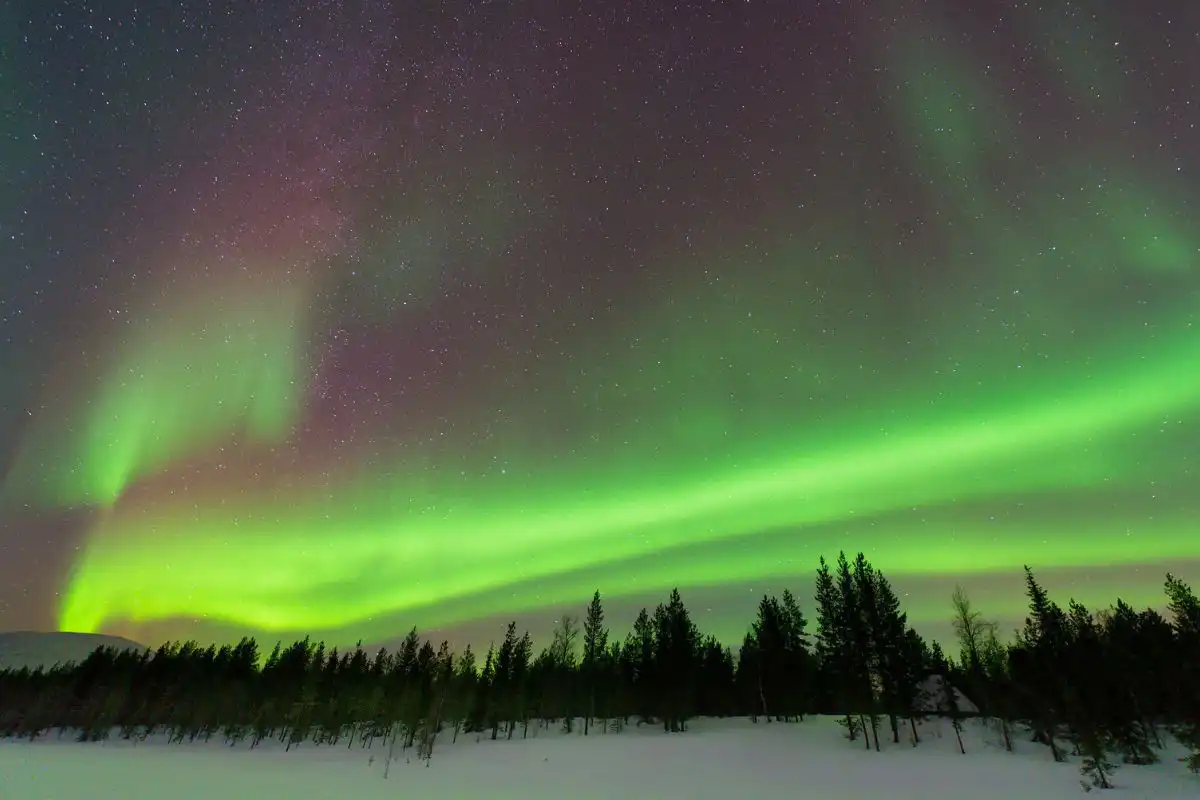
Watching the Northern Lights means long periods of standing or sitting outside in freezing temperatures, often at night. Here’s what you’ll need to stay warm:
- Heavy Insulated Coat: Choose a down or synthetic-insulated parka with a hood to retain heat.
- Thermal Layers: Wear a base layer, mid-layer, and outer layer to trap warmth.
- Hand and Foot Warmers: Use these to keep extremities warm during long exposure to the cold.
- Thick Socks and Waterproof Boots: Opt for wool socks and insulated boots to keep your feet dry and warm.
- Blanket or Heated Seat Pad: If you’ll be sitting outside for extended periods, bring an insulated blanket or heated pad for extra comfort.
Dog Sledding or Snowmobiling
These thrilling activities, like dog sledding and snowmobiling, require full-body protection from wind, snow, and extreme cold:
- Full Winter Suit or Snowmobile Suit: If possible, rent or bring a full-body insulated suit that blocks wind and keeps you warm.
- Windproof Gloves and Face Mask: High-speed winds can cause windburn, so a face mask or balaclava, along with windproof gloves, is a must.
- Snow Goggles: Protect your eyes from snow and glare with goggles designed for snow sports.
- Extra Layering: The cold is more intense while riding in the open air, so ensure you have extra warm layers beneath your suit.

Hiking and Snowshoeing
For those planning to explore Alaska’s winter landscapes on foot, whether hiking or snowshoeing, it’s important to stay warm while also considering moisture and breathability:
- Waterproof Boots: Insulated boots with good traction are essential for hiking through snow.
- Breathable Layers: While you need warmth, avoid overheating by wearing breathable materials like fleece for your mid-layer.
- Waterproof Outer Layer: A windproof and waterproof jacket will protect you from snow and wind while on the trails.
- Gaiters: To keep snow out of your boots, wear gaiters, especially if trekking through deep snow.
- Ice Cleats or Crampons: These are essential for hiking on icy paths and trails to prevent slips and falls.


Skiing and Snowboarding
For skiing and snowboarding in Alaska, you’ll need specific gear that combines warmth, flexibility, and protection from the elements:
- Insulated Ski Jacket and Pants: Choose ski-specific gear that’s insulated, waterproof, and designed for movement.
- Thermal Layers: Use moisture-wicking base layers and fleece or down mid-layers for warmth.
- Ski Gloves or Mittens: Waterproof and insulated, ski gloves are essential to keep your hands warm and dry.
- Goggles: Snow glare can be intense, so pack a good pair of snow goggles with anti-fog lenses.
- Helmet and Ski Socks: Protect yourself with a helmet and wear thick, moisture-wicking ski socks to keep your feet warm and comfortable on the slopes.

City Exploration and Day Trips
If you plan to explore Anchorage, Fairbanks, or other Alaskan towns during the winter, you’ll want to dress for warmth while remaining comfortable for walking and sightseeing:
- Waterproof Winter Boots: Insulated boots that are comfortable for walking on icy sidewalks.
- Down Jacket or Insulated Parka: Choose a jacket that’s warm yet not too bulky, allowing for easy movement while walking.
- Light Gloves and Hat: Opt for a less bulky pair of gloves and a hat for milder days in the city.
- Casual Thermal Layers: A thermal shirt or lightweight fleece under your jacket is enough for casual sightseeing.

Free Printable Winter Alaska Packing Checklist (PDF)
To make your Alaska winter packing stress-free, we’ve created a comprehensive packing checklist in PDF that covers everything you need. Whether you’re heading out for Northern Lights viewing, a hike in the snow, or simply exploring Alaska’s charming cities, this list has you covered.
The best part? It’s available as a free printable PDF so you can easily check off items as you pack! Simply click the link to download the checklist, print it out, and use it while packing. As you pack each item, check it off to make sure you don’t forget anything important.
Get ready for your trip to Alaska with confidence, knowing you’ve packed everything for any winter condition. Click the link below to download your free Printable Alaska Winter Packing Checklist (PDF) and start preparing for your unforgettable adventure!

What To Wear in Alaska in Winter: Final Thoughts
Packing for an Alaskan winter adventure doesn’t have to be overwhelming. By layering smartly, choosing the right outerwear, and bringing essential accessories, you’ll be prepared for whatever Alaska’s winter throws your way. From Northern Lights viewing to outdoor hikes and city explorations, having the right gear will make your trip more enjoyable and comfortable.
Chris and I hope this guide helps you feel confident and prepared as you pack for your winter trip to Alaska. We’ve shared all our favorite tips and gear recommendations based on our own experiences, so you can focus on enjoying your adventure without worrying about the cold.
If you found this article helpful, we’d love to hear from you! Leave a comment below or share it with others planning their own Alaskan winter adventure. Safe travels, and enjoy every moment in the stunning beauty of Alaska’s winter wonderland!
Do You Like It? Pin It For Later!


This is such a helpful and detailed guide! I have never been to Alaska but I can imagine that winter is extremely cold and dressing well is vital. I’ve never heard of most of the things here like toe warmers and the vest with a battery. But they are essential to getting through a vacation or adventure in Alaska. I have a Canada Goose jacket and they are so warm!
Alaska is definitely in my bucket list! Thank you for this detailed helpful guide on what to pack in Winter. Layers and keeping the hands and feet and head warm and getting the right boots are great tips. It’s interesting that battery operated warmers are available. I am bookmarking your blog post for future reference. 🙂