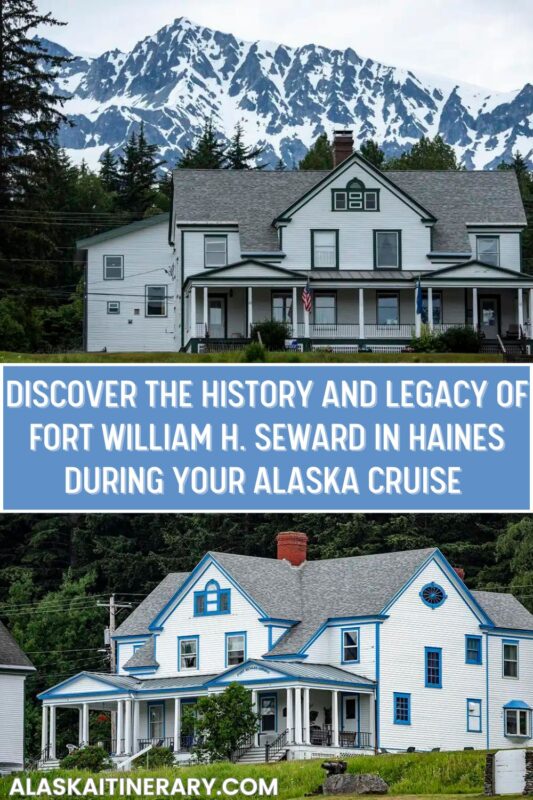
Discover the History and Legacy of Fort William H. Seward, Haines

If you’re visiting Haines, Alaska, Fort William H. Seward is a must-see historical landmark. Built-in 1902, this former military post played a key role during the Klondike Gold Rush and stood as Alaska’s only active military installation for decades. Today, it offers visitors a chance to step back in time while enjoying the scenic beauty of the surrounding mountains and Lynn Canal. If you love history or enjoy peaceful walks through charming towns, explore Fort William H. Seward. It’s free, open year-round, and offers a fascinating glimpse into Alaska’s past against a stunning scenic backdrop.
This article may contain affiliate / compensated links. For full information, please see our disclaimer here.
Is Fort William H. Seward Worth Visiting?
Absolutely! Fort William H. Seward, Alaska’s first permanent military installation, played a key role during the Klondike Gold Rush and in securing U.S. borders. The historic buildings and stunning views of Lynn Canal and the mountains make it a must-see.
During our last Alaska cruise, Chris and I had the chance to explore Fort William H. Seward. In our opinion, it’s one of the best free attractions in Haines.
Walking along the historic buildings, you’ll understand the military history that shaped this town. Plus, the views of the surrounding mountains and water are breathtaking. It’s a short walk but a trip through Alaska’s rich past.


The fort is within walking distance from the cruise ship port, and you can reach it in 5 to 10 minutes on foot. So, if you are getting to Haines on a cruise ship or via the Haines-Skagway Fast Ferry, you will see the fort from your vessel.
If you only have one day in Haines during your cruise, make sure to visit this historic landmark. If you have more time, check out the top Haines shore excursions, including wildlife viewing.

Tips for Visiting Fort William H. Seward
- Wear Comfortable Shoes. The fort is easily accessible from the cruise port (just a 5-10 minute walk), but you’ll be walking along streets and paths with historic buildings. Good footwear will make your visit more enjoyable.
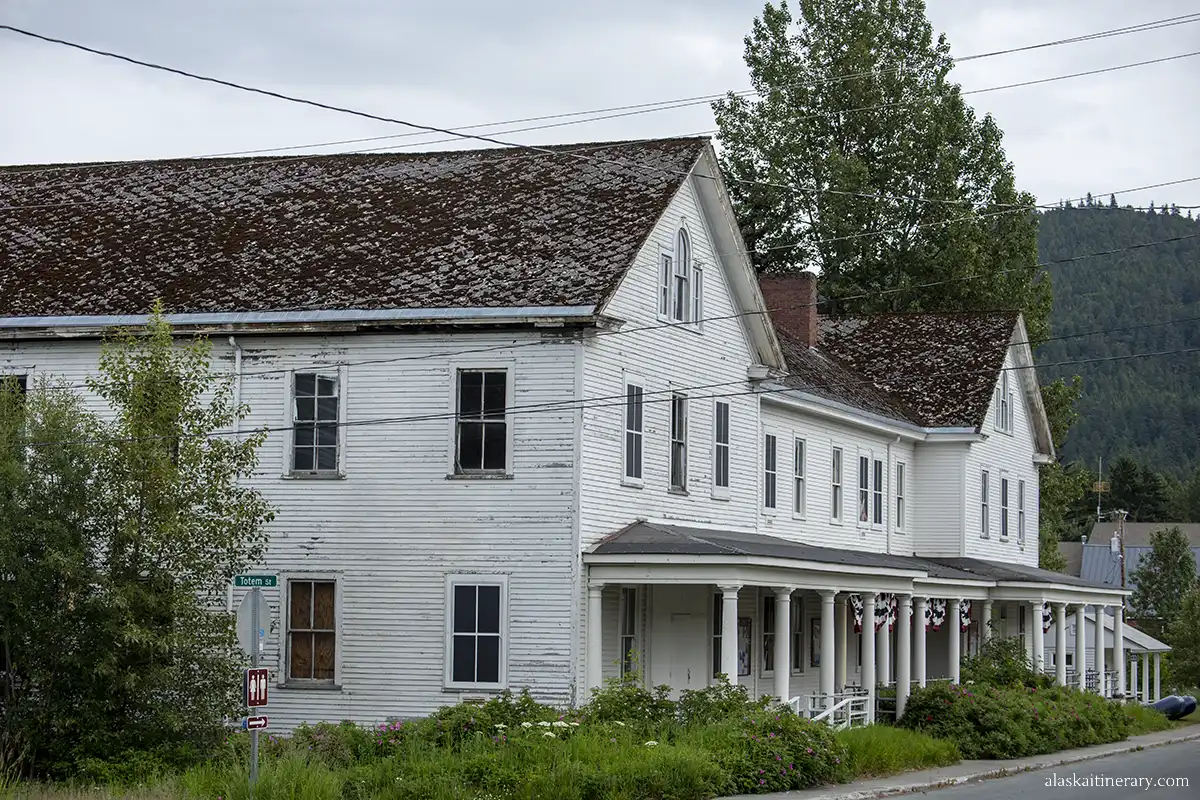
- Admire from the Outside. While the fort’s buildings are beautiful and historic, most of them are not open to the public. Visiting Fort William H. Seward is more like a walk along the streets to admire the exterior architecture and learn about the area’s history.
- Free and Budget-Friendly. One of the great things about visiting Fort William H. Seward is that there is no entrance fee. It’s a budget-friendly activity that’s perfect for families or solo travelers looking for a low-cost way to explore Alaska’s history.

- Open Year-Round. The fort is accessible throughout the year, so no matter when you visit Haines, you’ll be able to explore the grounds and take in the historic atmosphere.
- Explore the Arts and Culture. A few buildings have been repurposed into public spaces, such as the Chilkat Center for the Arts and the Port Chilkoot Distillery. Make sure to check out these stops for a deeper look at local culture.
- Great for Photography: With the stunning backdrop of the mountains and Lynn Canal, the fort provides excellent photo opportunities, especially if you’re capturing the historic architecture and beautiful views.
- Combine It with Other Attractions: Since Fort William H. Seward is near other landmarks like the Haines Sheldon Museum, the Hammer Museum, and downtown Haines, consider planning at least a half day of exploration in the area.

Key Historic Buildings at Fort William H. Seward
Here are some of the most important buildings you can see at Fort William H. Seward today:
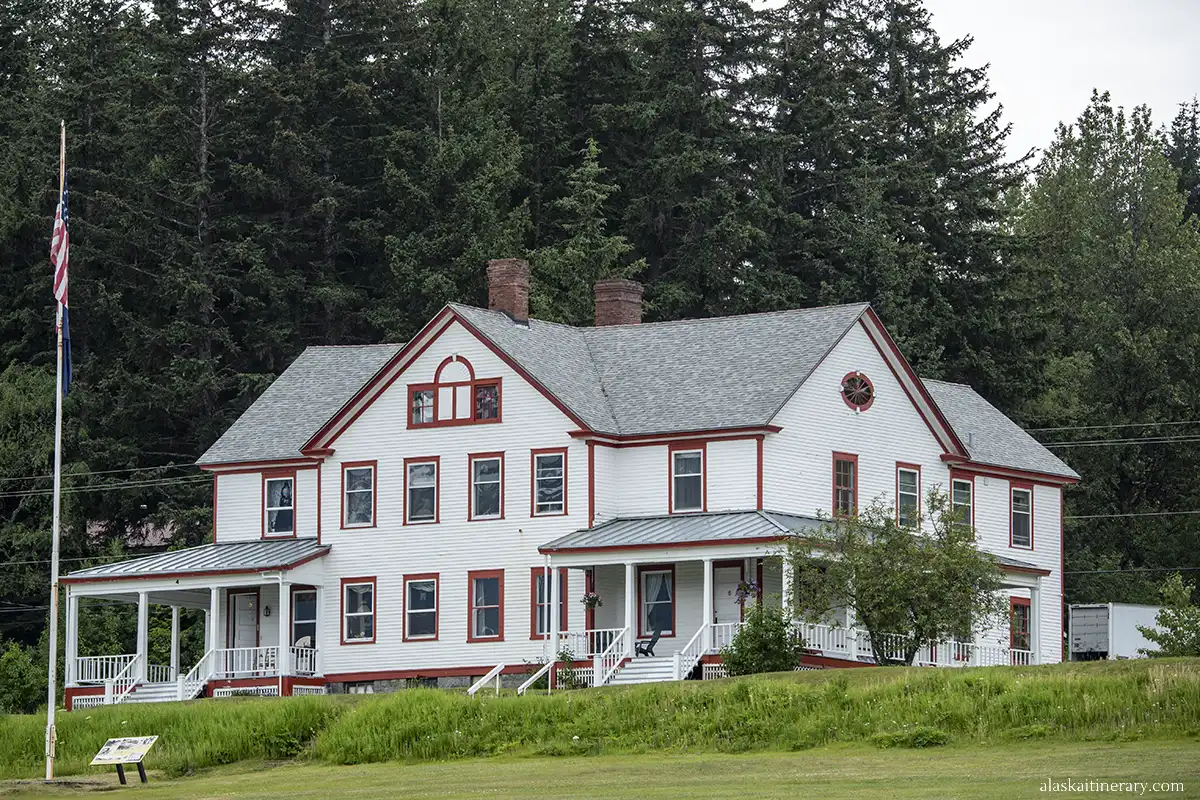
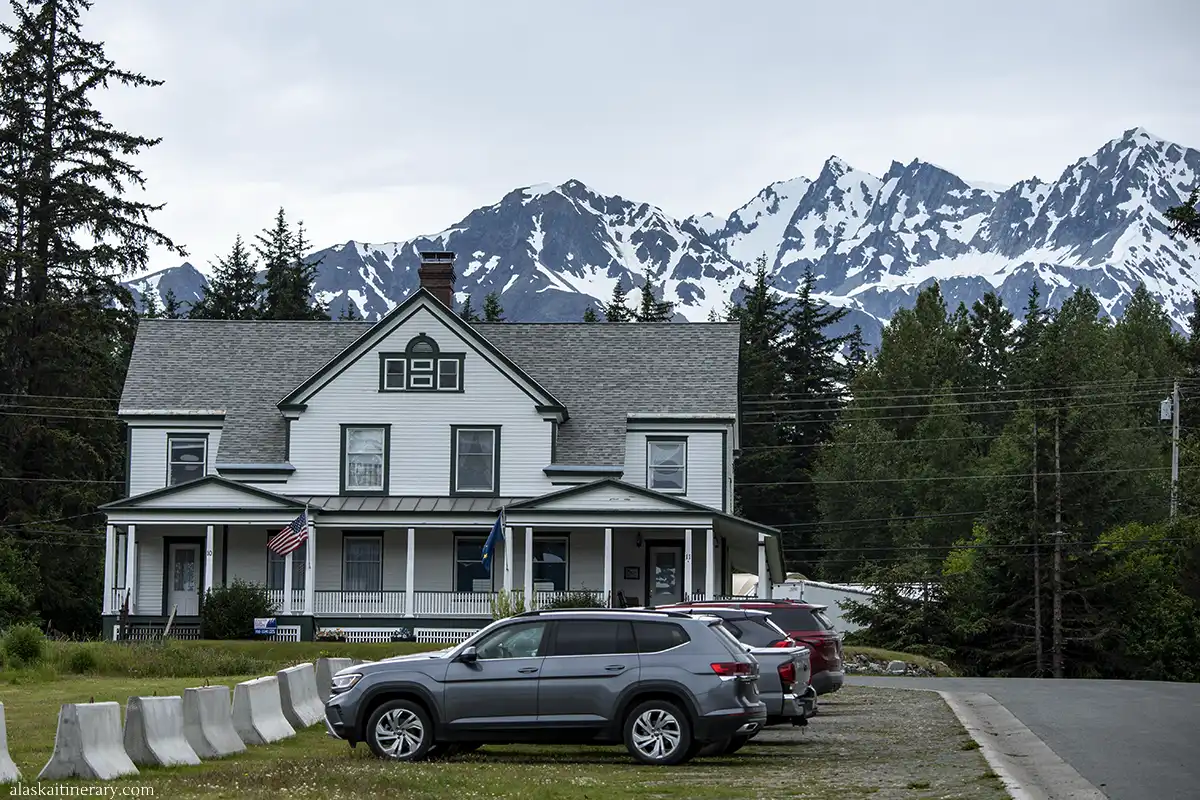
- Officer’s Row: These historic homes once housed the fort’s officers and their families. Today, some are private residences or operate as bed and breakfasts, offering visitors a glimpse into the fort’s past.
- Parade Grounds: This large, open space was where soldiers conducted drills and ceremonies. Now, it’s a peaceful area for visitors to walk and enjoy the historic surroundings.
- Fort Seward Fire Station Tower: The distinctive white fire station tower served as a lookout to spot fires, a crucial task for protecting the wooden buildings of the fort. It remains a prominent feature of the fort today.


- Barracks: One of the original barracks still stands, giving a sense of the living quarters for enlisted men stationed at the fort. The barracks are an important part of understanding daily life at Fort Seward.
- Chilkat Center for the Arts: Originally the fort’s hospital, this building has been repurposed as an arts and cultural center. It now hosts performances, art exhibits, and community events.
- Port Chilkoot Distillery: Located in one of the historic bakery buildings, this distillery offers visitors a taste of locally made spirits while exploring a piece of the fort’s history.
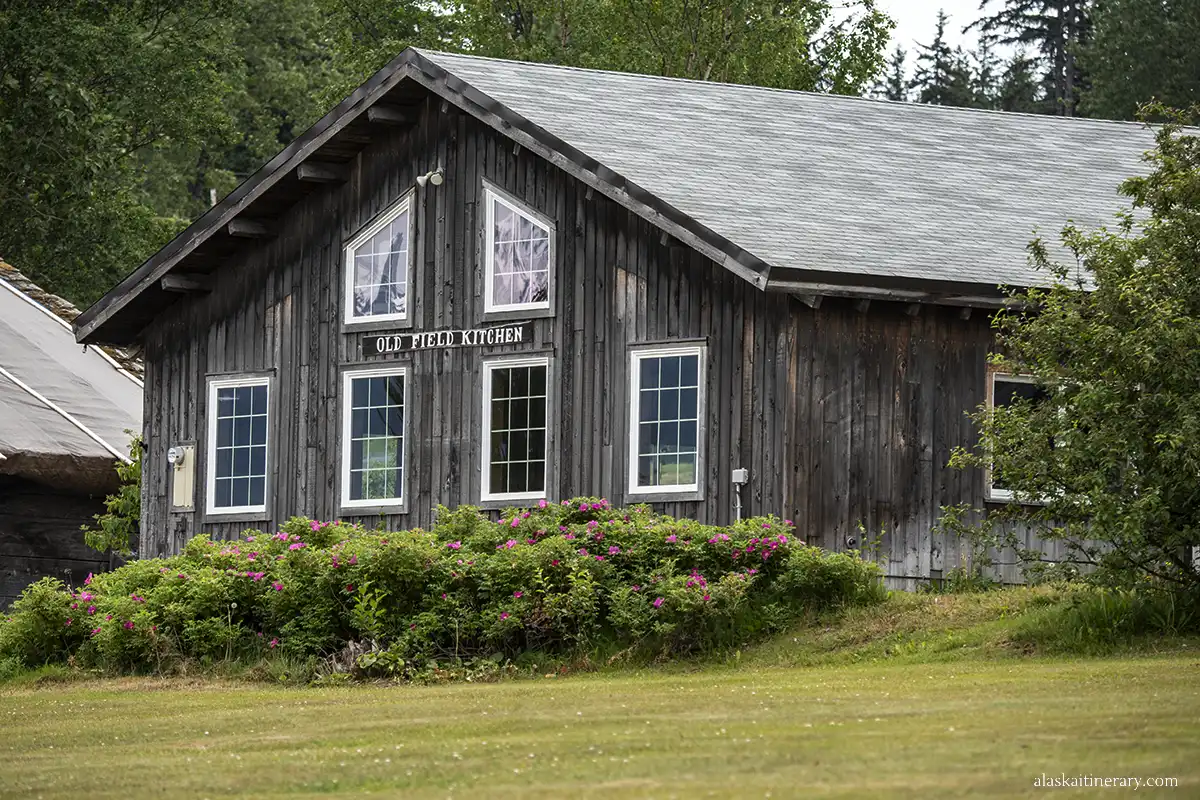
- Field Kitchen: This historic kitchen was used to prepare meals for the soldiers during their service at the fort. It offers a look into the more practical side of military life, showing how food was prepared and served in a military setting.

History of Fort William H. Seward in Haines
Fort William H. Seward was founded in 1902 as Alaska’s first permanent U.S. military installation. The strategic purpose behind its establishment was to protect the region’s resources and stabilize the Alaska-Canada border during the height of the Gold Rush.
The fort served as a symbol of the U.S. government’s presence and control in this remote, resource-rich area. Positioned in Haines, along the Lynn Canal, the fort’s location provided easy access to vital trade routes and other military outposts.
Located just 17 miles from Skagway, Fort William H. Seward also allowed the Army to monitor traffic heading inland over key routes such as the White Pass, Chilkoot, Chilkat, and Dalton trails.
These trails were heavily used during the Klondike Gold Rush, which began in 1897 and drew as many as 100,000 prospectors north in search of fortune. While some stampeders opted for the more expensive Yukon River route, most traveled overland through these critical trails near Haines and the Canadian border.
The Army’s presence at the fort helped maintain order among the unruly waves of gold seekers and reinforced U.S. control in Alaska, especially during ongoing boundary disputes with Canada. Completed in 1904, Fort William H. Seward was the last of twelve Gold Rush-era military posts built in Alaska, marking the end of a crucial period in the region’s development.

The Name and the Importance of William H. Seward
The fort was named after William H. Seward, the U.S. Secretary of State who played a vital role in the purchase of Alaska from Russia in 1867. This deal, often referred to as “Seward’s Folly” at the time, proved to be a critical move in securing vast natural resources for the United States.
The Renaming to Chilkoot Barracks
Originally named Fort William H. Seward after the U.S. Secretary of State responsible for the purchase of Alaska, the fort’s name was changed to Chilkoot Barracks in 1922 to avoid confusion with the town of Seward in southern Alaska.
From 1925 until 1940, Chilkoot Barracks was the only active military installation in Alaska, playing a critical role in maintaining order and stability in the territory. The place is also known as Haines Mission.
Construction Details: Italian Stone Masons and Local Materials
The construction of the fort was impressive for its time. Italian stone masons were brought in to shape local granite for the fort’s foundations, creating durable structures that have stood the test of time.
The fort’s buildings were crafted with cedar siding over pine boards, showcasing a blend of traditional European stonework and Alaskan wood. This use of local materials gave the fort its distinctive appearance, which still draws visitors today.
Life at the Fort: 1900s to WWII
Soldiers stationed at Fort William H. Seward enjoyed a relatively calm and comfortable life compared to other military installations. They performed routine drills and training exercises, but they also had time for hunting, fishing, and even social gatherings.
The fort had extensive gardens to supply fresh produce, and the parade ground was often the center of social and military events. The fort’s population included both soldiers and their families, making it a tight-knit community.
Although Fort William H. Seward did not see direct combat during World War I or World War II, it played a significant role in housing soldiers and supporting U.S. military efforts in Alaska. During these periods, the fort’s operations ramped up, with more personnel stationed there to monitor and protect Alaska’s coastlines from potential threats.
Transition to Civilian Use
After its deactivation in 1945, following World War II, the fort was sold to the Port Chilkoot Company. The buildings were preserved and repurposed, transforming Fort William H. Seward into a cultural and residential area.
Over time, art galleries, restaurants, and local businesses have taken over the once military-focused area, breathing new life into the historic site.
If you’re a history buff, you might be interested in visiting another former military site in Alaska. Consider cruising to Whittier, where you can see the Buckner Building, a massive structure once referred to as the “city under one roof.” Built during World War II, the Buckner Building served as a self-contained military complex, and though it’s now abandoned, it remains a significant piece of Alaska’s military past. It’s beautifully located at Prince William Sound. Here, you can check out our Whittier itinerary for cruise passengers.

Fort Seward’s Designation as a National Historic Landmark
In 1972, Fort William H. Seward was officially listed on the National Register of Historic Places, marking it as a site of historical importance.
Six years later, in 1978, it was designated a National Historic Landmark. These designations not only highlight the fort’s significance in Alaska’s history but also ensure its preservation for future generations to appreciate. As a National Historic Landmark, Fort William H. Seward offers both a look back into Alaska’s military past and a vibrant cultural experience for visitors.
To learn more about this place, it would be best to visit the Sheldon Museum in Haines, as well.


Accommodations at Fort William H. Seward
Accommodations are available within the Fort William H. Seward area in Haines. Many of the historic buildings have been repurposed into inns, bed and breakfasts, and guesthouses. For example:
- Fort Seward Lodge – This lodge is located within the historic grounds of the fort and offers a unique stay surrounded by history.
- Halsingland Hotel – This hotel occupies two of the original officers’ quarters at Fort William H. Seward, giving guests an authentic and historic experience while providing modern comforts.
If you are looking for lodging options, check out our detailed article: Where to stay in Haines (it covers hotels and campgrounds). These accommodations offer guests a chance to stay in historic surroundings while enjoying modern amenities.
Being within the fort’s grounds, they are also conveniently located close to the attractions and activities in Haines. If you’re planning a visit, it’s a good idea to check availability and services directly with these accommodations before booking.

Final Thoughts
Visiting Fort William H. Seward offers a unique blend of history, culture, and scenic beauty. As you stroll through the fort, you’ll step back into a time when Alaska was on the brink of great change during the Klondike Gold Rush. The well-preserved historic buildings, set against the backdrop of towering mountains and Lynn Canal, make this a truly memorable experience.
Whether you’re a history buff or just looking for a peaceful, budget-friendly activity, the fort is a must-see when in Haines. With no entrance fee and open year-round, it’s easy to include this fascinating site in your Alaska adventure. So, take the time to explore Fort William H. Seward and discover why it remains one of Haines’ most cherished landmarks.
Do You Like It? Pin It For Later!