
Homer Travel Guide: Gateway to Kachemak Bay and Coastal Alaska

Homer is one of the most unique destinations in Alaska—and it feels very different from places like Seward or Anchorage. Located at the end of the Sterling Highway on the Kenai Peninsula, this coastal town sits above Kachemak Bay, with wide views of mountains, glaciers, and open water. Known as the “Halibut Fishing Capital of the World,” Homer attracts travelers for its fishing charters, wildlife tours, and access to remote parts of the bay. Homer also has a strong arts scene, a laid-back atmosphere, and one of the most distinctive waterfront areas in Alaska—the Homer Spit. Whether you’re planning a fishing trip, a bear viewing tour, or time exploring Kachemak Bay, this town offers a mix of outdoor adventure and relaxed coastal living. In this Homer travel guide, we share our firsthand experiences, practical tips, and how to plan your visit.
This article may contain affiliate / compensated links. For full information, please see our disclaimer here.
Our Experience in Homer
We’ve visited Homer countless times over the years and spent weeks here during different trips. We’ve experienced it in peak summer, shoulder season, late fall, and even winter. It’s one of those places we keep coming back to, especially for its relaxed coastal atmosphere and wide-open views over Kachemak Bay.
Most of our time was spent around the Homer Spit, a narrow strip of land extending into the bay. We’ve camped here right by the water, stayed in nearby accommodations, and returned many times just to walk the shoreline and watch boats move in and out of the harbor. The setting feels very different depending on the season—from busy summer days to quiet, wind-swept evenings later in the year.
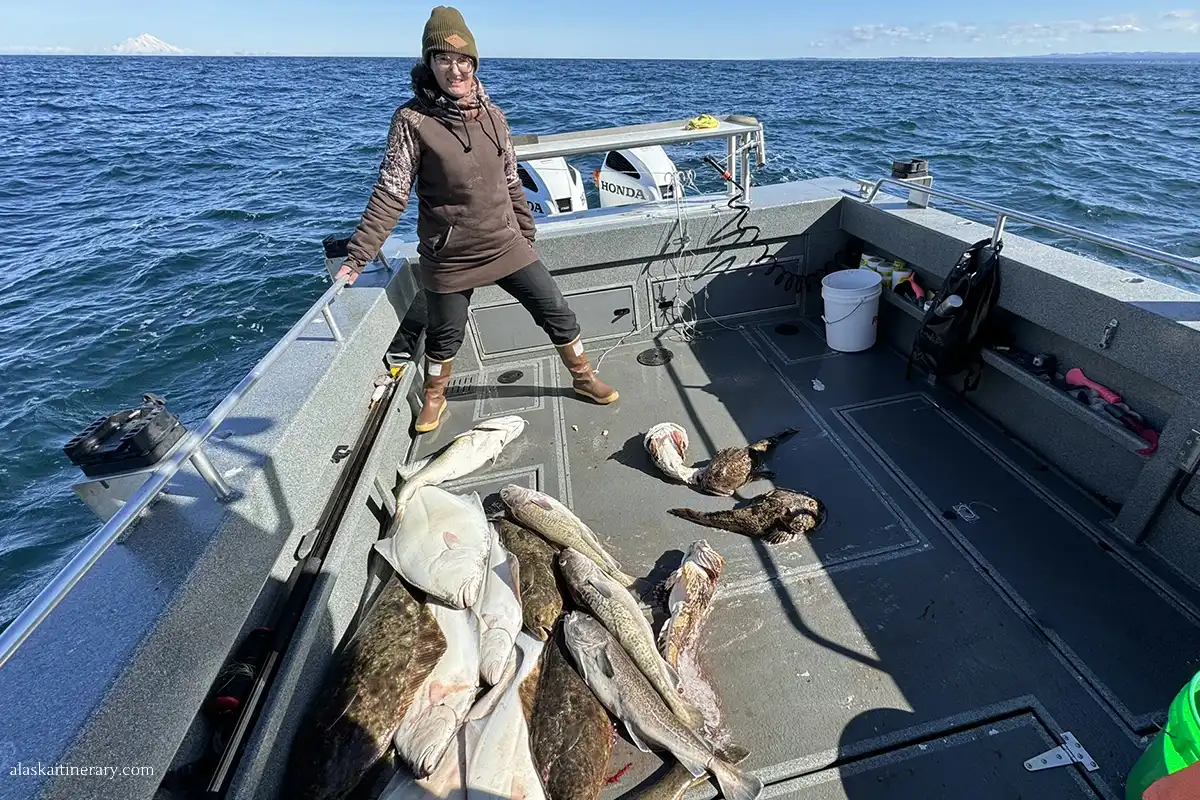
Homer is also where we had one of our most memorable Alaska experiences—halibut fishing. Spending a full day on the water and bringing in a catch in what’s known as the “Halibut Fishing Capital of the World” is something we won’t forget.

We also spent time exploring beyond the Spit. Hiking along the coast and taking a Kachemak Bay wildlife tour gave us access to areas you simply can’t reach by road. It’s a great option if you’re short on time but still want to experience the bay and its wildlife.
At the same time, Homer is not just about activities. We’ve had visits where we did very little—walking the beaches, stopping at local galleries, and enjoying the slower pace. Compared to other Alaska destinations, Homer feels less structured and more relaxed.
All of these experiences shaped how we approach this Homer travel guide and how we recommend planning your time here.

Where Is Homer (And Why It Matters)
Homer is located on the southwestern edge of Alaska’s Kenai Peninsula, about 220 miles south of Anchorage by road. It sits above Kachemak Bay, with wide views of mountains, glaciers, and protected coastal waters.
Homer marks the end of the Sterling Highway—there’s no road beyond it. This “end of the road” position shapes how people travel here. It’s not a pass-through destination. Most visitors come with a plan and stay for a few days.
Homer also functions as a transport hub for the southern Kenai Peninsula and nearby coastal areas.
- The harbor on the Homer Spit is a departure point for fishing charters, water taxis, and wildlife tours.
- Ferries and boats connect Homer with nearby communities like Seldovia, which has no road access. You can also reach Seldovia and other remote areas by small plane or boat.
- Homer is one of the few places on the Kenai Peninsula with connections toward Kodiak Island, typically by ferry (Alaska Marine Highway System) or air.
In summer, Homer is also visited by smaller and expedition-style cruise ships, though it’s not a major cruise port like Seward or Whittier.
Homer’s location provides direct access to Kachemak Bay State Park and surrounding wilderness. Many areas across the bay have no road access and are reached by water taxi, boat, or small plane.
Because of this location, Homer plays a different role than places like Seward or Anchorage. It’s not just a stop—it’s a base for exploring coastal Alaska and nearby communities that you can’t reach by road. If you’re not sure whether to include Homer in your route, our best Alaska destinations guide helps you understand where it fits and what kind of trip it suits.

Why Homer Is Worth Visiting
Homer stands out because it offers a very different Alaska experience than places like Seward or Denali. It’s less about rushing between major attractions and more about combining coastal scenery, wildlife access, and a slower pace in one place.
- One of the biggest advantages is access to Kachemak Bay. From Homer, you can reach remote areas by boat within a short time, including beaches, hiking trails, and wildlife-rich coastlines that are not accessible by road. This makes it one of the most efficient places in Alaska to experience coastal wilderness without complex logistics.
- Homer is also one of the top locations in Alaska for fishing. Charter boats leave directly from the harbor, and the area is especially known for halibut and salmon. Whether you’re an experienced angler or trying it for the first time, this is one of the easiest places to add fishing to your itinerary.
- Another key reason to visit are bear viewing tours from Homer. Bear viewing tours from Homer typically take you to places like Brooks Falls in Katmai National Park or coastal areas in Lake Clark National Park, where you can observe brown bears feeding and moving in the wild.
- At the same time, Homer has a strong local character. The town is known for its small galleries, local food scene, and relaxed atmosphere. You can combine outdoor activities with time spent exploring the town itself, which adds variety to your stay.
If your goal is to experience coastal Alaska at a slower pace while still having access to major activities, Homer is one of the most rewarding places to include in your itinerary.


Top Experiences in Homer (Quick Overview)
Homer offers a mix of coastal activities, wildlife encounters, and slower-paced experiences. You don’t need to do everything—focus on a few highlights that match your travel style.
- Exploring the Homer Spit — walk along the 4.5-mile stretch into Kachemak Bay, visit the harbor, shops, and waterfront restaurants
- Halibut and salmon fishing charters — one of the best places in Alaska to get out on the water and fish
- Kachemak Bay boat tours and water taxis — access remote beaches, wildlife areas, and trails across the bay
- Bear viewing tours from Homer — fly or boat to nearby areas to see brown bears in the wild
- Hiking and beach walks — easy coastal walks or more advanced trails across the bay
- Local art galleries and small-town atmosphere — explore Homer’s creative side and slower pace
Agnes’ Advice: For a full breakdown of activities, including tours, hikes, and local tips, see our things to do in Homer guide.

Where to Stay in Homer
Homer is spread out, so location matters. The main areas are the Homer Spit, the bluff above town, and downtown near Pioneer Avenue.
- Homer Spit – best for waterfront stays, close to harbor, fishing charters, and tours. More exposed and windier.
- Bluff area – best views over Kachemak Bay, quieter, most airbnbs are here.
- Downtown – practical location with restaurants, shops, and services.
Camping is very popular, especially on the Spit, with waterfront sites and RV parks. Book early in summer, as availability is limited.
Agnes’ Advice: For a full breakdown, see our guide to where to stay in Homer: best hotels and cabins and best RV and tent campgrounds in Homer.

Homer Spit and the Waterfront
The Homer Spit is the defining feature of Homer. This narrow strip of land extends about 4.5 miles (7.2 km) into Kachemak Bay and is where most visitor activity is concentrated.
Here you’ll find:
- the small boat harbor with fishing charters and tour departures
- restaurants, seafood shacks, cafés and famous Salty Dawg Saloon
- local shops and galleries
- campgrounds and RV parks right by the water
The Spit is more exposed than the town above the bluff—windier, cooler, and surrounded by water on both sides. On clear days, you get wide views across Kachemak Bay toward glaciers and mountains.
We’ve spent a lot of time here walking the beach and watching boats come and go. It’s also the best place to see Homer’s fishing culture up close.
Most halibut fishing charters and Kachemak Bay tours depart from the harbor, which makes the Spit one of the most practical places to stay if you have early morning trips.
Keep in mind that the Spit is only one part of Homer. The town above the bluff is quieter, with different views and a more local feel.area, the town above the bluff offers a quieter perspective with different views and a more local feel.

Fishing and Bear Viewing from Homer (What to Know Before You Book)
Homer is one of the most practical places in Alaska to organize both fishing and bear viewing, but these are not simple, last-minute activities. Timing, location, and logistics matter.
Fishing Charters: What to Expect
Most charters depart from the harbor on the Homer Spit and head either into Kachemak Bay or farther into the Gulf of Alaska.
- Halibut fishing is the main draw (peak: May–September)
- Full-day trips (8–10 hours) are the standard for larger catches
- Shorter trips stay inside the bay and are less exposed to rough seas
Well-known operators in Homer include:
- North Country Charters
- Bob’s Trophy Charters
- O’Fish’ial Charters of Alaska
- Alaska Ocean Pros
- Homer Halibut Hunters
- Inlet Charters
Seas in the Gulf of Alaska can be rough. If you’re sensitive to motion, consider a shorter in-bay trip or take medication.

Bear Viewing: Where You Actually Go
Bear viewing trips from Homer don’t happen in Homer itself. You’ll travel to remote coastal areas where bears feed naturally.
Most tours go to:
- Katmai National Park (famous for high bear density)
- Lake Clark National Park (often closer, good early-season viewing)
- Chinitna Bay (part of the Lake Clark; accessible by boat from Anchor Point, 20 miles north of Homer)
Depending on the tour, you’ll reach these areas by:
- small plane (most common)
- boat (less common, weather-dependent; you can get to Chinitna Bay by boat from Anchor Point near Homer)
Well-known operators include:
These trips are expensive (often $800 by boat tour, and –$1,550+ per person by plane tour), weather-dependent, and frequently sell out months in advance.
Agnes’ Advice: Before booking your trip, see our best bear viewing tours from Homer guide for detailed tips and what to expect.

What Most Travelers Get Wrong
- Trying to book last-minute in July → often no availability
- Not planning buffer days → weather cancellations happen
- Underestimating how long trips take (often full-day)
When It Makes Sense
Fishing and bear viewing are worth adding if:
- You stay at least 2–3 nights in Homer
- You’re building your trip around experiences (not just sightseeing)
- You’re prepared to book early and stay flexible
Kachemak Bay and Across-the-Bay Adventures
Kachemak Bay is where Homer turns from a coastal town into a true wilderness base. There are no roads connecting Homer to the far side of the bay, so access is only by water taxi, boat, or kayak. That’s what keeps this area remote and far less developed than most places on the Kenai Peninsula.
Getting Across the Bay (Water Taxis)
Most hikers and independent travelers use water taxis to reach trailheads and remote cabins. Reliable operators include:
Trips typically take 30–60 minutes, depending on the destination (Kachemak Bay is about 4–10 miles wide). Most companies offer scheduled drop-offs and pickups, but you need to plan timing in advance.

Kachemak Bay State Park: What You Can Actually Do
Kachemak Bay State Park is Alaska’s first state park, and it’s best explored on foot once you cross the bay. Here are some of the most popular hikes:
- Grewingk Glacier Lake Trail
- Distance: ~3.5 miles (5.6 km) round trip (depending on route)
- Difficulty: Easy to moderate
- Highlights: glacier lake, icebergs, beach access
- Access: most commonly via water taxi to Halibut Cove Lagoon
- Saddle Trail (Grewingk area loop option)
- Distance: ~4–5 miles loop (combined with Glacier Lake Trail)
- Difficulty: Moderate
- Highlights: elevation gain, wide views over the bay and glacier valley
- Lagoon Trail (Halibut Cove area)
- Distance: ~2–3 miles
- Difficulty: Easy
- Highlights: forest, coastal views, quieter alternative to main trails
- China Poot Lake Trail (north side of the bay)
- Distance: varies, typically 3–6 miles
- Difficulty: Easy to moderate
- Highlights: salmon runs in season, wildlife viewing
Trails are not connected by road, so each hike requires a planned drop-off and pickup.
Kayaking and Guided Access
Kayaking is one of the best ways to experience the bay at a slower pace. Guided kayak trips usually operate in protected coves and shoreline areas, where conditions are safer.
You can expect:
- sea otters, seabirds, and occasional seals
- calm sections near the coast (conditions vary daily)
- half-day or full-day guided trips
Unless you have experience with cold water and changing tides, guided tours are the safest option.
What to Know Before You Go
- Weather changes fast — wind and fog can delay pickups
- Schedules matter — missing your water taxi pickup is a real risk
- No services across the bay — bring food, water, and layers
- Plan buffer time — don’t schedule tight same-day connections
Kachemak Bay is one of the few places in Alaska where you can reach remote wilderness in under an hour—but it requires planning. If you want to go beyond the Homer Spit, this is where the real experience begins.

Best Time to Visit Homer
Homer has a coastal climate, which means milder temperatures than Interior Alaska but more wind, clouds, and changing weather. In general, the best time to visit Homer is from June through August, when all major activities are available and tours are fully operating.
Summer (June–August): Best for Full Experience
This is the main season in Homer.
- Average daytime temperatures: 55°F to 65°F (13°C to 18°C)
- Nights: 45°F to 55°F (7°C to 13°C)
- Daylight: up to 18–19 hours in June
This is the best time for:
- halibut and salmon fishing
- bear viewing tours
- Kachemak Bay water taxis, kayaking, and hiking
- exploring the Homer Spit and waterfront
Expect:
- higher prices and limited availability
- busy harbor and Spit area
- frequent wind and occasional rain
Even in summer, Homer rarely feels warm. Wind off Kachemak Bay can make temperatures feel much colder, especially on the Homer Spit and during boat trips. Always bring layers, including a waterproof jacket.
Shoulder Season (May & September): Quieter but Limited
These months offer fewer crowds but more limitations.
May:
- Temperatures: 45°F to 60°F (7°C to 16°C)
- Start of fishing season
- Increasing wildlife activity
September:
- Temperatures: 45°F to 55°F (7°C to 13°C)
- Fall colors and quieter atmosphere
- Many businesses begin to close for the season
Bear viewing tours usually end early in September—often no later than the second week—so plan accordingly. After that, Homer becomes much quieter, but it’s still a great time for exploring at a slower pace.
Winter (October–April): Quiet and Local
Winter in Homer is very different from summer.
- Temperatures: typically 20°F to 35°F (-7°C to 2°C)
- Daylight: about 5–6 hours in December
What to expect:
- most tours and fishing charters are not operating
- limited services, especially on the Homer Spit
- snow, wind, and changing coastal conditions
This is not a typical tourist season, but it can be rewarding if you’re looking for solitude and a local feel.

Getting to Homer
Homer sits at the end of the Sterling Highway on the Kenai Peninsula, and most travelers arrive from Anchorage.
- Driving from Anchorage is the most common option. The distance is about 220 miles, and the drive takes 4.5 to 5 hours without stops.
- Flights from Anchorage are available and take about 40 minutes. The main scheduled carrier on this route is Aleutian Airways, offering regular service to Homer.
- Shuttle service is a practical option if you don’t want to drive. Alaska Bus Company operates summer routes between Anchorage and Homer, with fares around $139 per person and a travel time of about 5 hours.
- Private transfers are also available. Red Eye Rides LLC offers connections between Anchorage and Homer with fares around $150 per person.
- Ferry connections are limited but important. The Alaska Marine Highway System connects Homer with Kodiak Island, though sailings are not frequent and require advance planning.
There is no train service to Homer, so your main options are driving, flying, or using shuttle/transfer services.
Getting Around Homer
Homer is spread out, and getting around is not as simple as in smaller Alaska towns.
- Car is the best option. The town stretches between the bluff, downtown, and the Homer Spit (4.5 miles long). A car gives you the most flexibility.
- Car rental (local option). Adventure Alaska Car Rental offers local rentals if you don’t arrive with a vehicle. They also offer one way car rentals: Anchorage to Homer – Homer to Anchorage. The second local rental is Pioneer Car Rentals.
- Taxis are available but limited. Bayside Taxi operates locally, but availability can be limited, especially outside peak season.
- Bike rentals are a great option. Renting a bike works well, especially on the Homer Spit and for short distances in good weather.
- Water transport is essential for across-the-bay travel. To reach places like Seldovia or trails in Kachemak Bay State Park, you’ll need a boat or ferry. The Seldovia Bay Ferry provides regular service between Homer and Seldovia. Water taxi operators: Mako’s Water Taxi, Sunrunner Water Taxi, Coldwater Alaska.
- Tours often include transport. Fishing charters, bear viewing tours, and many boat trips depart directly from the harbor on the Spit.
- The Kachemak Bay Ferry takes you to Halibut Cove, one of the most scenic communities across the bay.
- Local air charter companies like Smokey Bay Air and Beryl Air also offer flightseeing, bear viewing tours and private charter flights.

How Many Days Do You Need in Homer?
Homer is not a quick stop. Distances are long, activities take time, and weather can affect your plans. How long you stay should depend on what you want to include.
1 Day (Very Limited)
With one day in Homer, you need to choose carefully.
- Walk the Homer Spit and harbor
- Short beach walk or quick stop in town
If you arrive very early at 6 am (or the evening before), it’s still possible to fit one major activity:
- a halibut fishing charter
- a bear viewing tour
- a shorter kayak tour or Kachemak Bay wildlife tour
However, both fishing and bear viewing are full-day and weather-dependent, so they’re risky for a short visit. If conditions change or tours are canceled, you may miss your only opportunity.
For a one-day stay, it’s usually better to focus on Homer itself and keep your plans simple.
2 Days (Good Balance)
Two days give you time to experience Homer beyond a quick stop.
- Explore the Spit and town at a relaxed pace
- Add one major activity:
- halibut fishing or bear viewing
- Kachemak Bay boat or kayak tour
- Enjoy time by the water without rushing
3 Days (Best Experience)
Three days allow for a more complete visit.
- Include one or two full-day experience (fishing, bear viewing)
- Add time across the bay or extra hiking
- Build flexibility in case of weather changes
If you’re planning fishing or bear viewing, give yourself extra time, plan at least 2 days—Homer is one place where flexibility really matters.

Where to Eat in Homer
Homer has a strong food scene for a small town, with a focus on fresh seafood and casual dining. You’ll find the best concentration of restaurants on the Homer Spit and around Pioneer Avenue in town.
Some of our go-to spots:
- Captain Pattie’s Fish House – one of the most popular seafood restaurants near the harbor, known for halibut and chowder
- Fresh Catch Café – casual spot on the Spit with fresh seafood and quick service
- Two Sisters Bakery – excellent for breakfast, coffee, and baked goods in a quiet garden setting
- Fat Olives Restaurant – good option for pizza and Italian food if you want something different from seafood
Most places focus on local specialties like halibut, salmon, and fish tacos. During peak summer months, restaurants get busy in the evening, especially on the Spit, so expect wait times or plan ahead.
Practical Tips for Visiting Homer
A few details can make a big difference when planning your time in Homer.
- Book early in summer. Fishing charters, bear viewing tours, and waterfront accommodations fill up quickly from June to August.
- Plan around weather. Many activities depend on conditions. Wind, fog, and rain can affect fishing, flights, and boat trips.
- Allow extra time for key experiences. Bear viewing and fishing are often full-day activities and may require flexibility in your schedule.
- Expect wind on the Homer Spit. It often feels colder and windier than the town above the bluff, even in summer.
- Driving takes longer than expected. The trip from Anchorage is scenic, but with stops, it often takes 6 hours.
- Town is more spread out than it looks. The Spit, downtown, and bluff are separate areas. Having a car makes it easier to get around.
- Pack layers and rain gear. Even in summer, temperatures stay cool, and weather can change quickly.

Final Thoughts on Visiting Homer
Homer is one of those places that feels different from the rest of Alaska. It’s not about rushing between major landmarks. It’s about combining a few key experiences—time on the water, coastal views, and a slower pace.
What makes Homer stand out is how much you can do from one base. Fishing, bear viewing, and exploring Kachemak Bay all start here, without long transfers or complicated logistics. At the same time, it’s a place where you can step back, walk the beach, and enjoy the scenery without a packed schedule.
It also fits naturally into a Kenai Peninsula itinerary. Many travelers continue here after Seward or Anchorage, but Homer rewards those who stay longer and build flexibility into their plans.
If you’re deciding whether to include Homer, the answer depends on your travel style. If you want high-energy sightseeing, other destinations may feel more dynamic. But if you’re looking for a mix of real Alaska experiences and time to slow down, Homer is one of the most rewarding places to visit.
If you’re planning a longer trip, explore our Alaska destinations guide to see how Homer fits into a complete itinerary.
Do You Like It? Pin It For Later!


Very detailed and interesting as always!
Excellent post and stunning photos! Made me want to visit right away.
Homer has been on my list of spots in Alaska to visit since a friend moved there years ago. Such beautiful scenery in the area!
I love the images of the otters! This detailed post will be very helpful on my fall trip to Alaska.
I love the Salty Dawg Saloon! I was already surprised to see the houses on stilts at the water’s edge. I wonder why they don’t just move them up the shore a bit? Or is this so they fish from inside their home?
Homer looks absolutely breathtaking! The gateway to Kachemak Bay and coastal Alaska is such a special place—full of incredible scenery, wildlife, and unforgettable adventures.