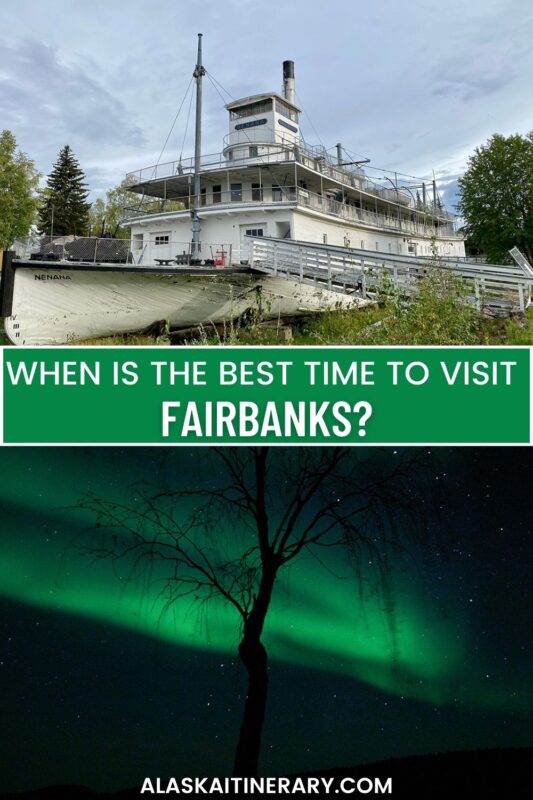
Best Time to Visit Fairbanks, Alaska (Month-by-Month Guide)

Fairbanks is not a place you visit randomly. Timing changes everything here. In winter, temperatures can drop below -30°F, but the Northern Lights dance overhead. In summer, the sun barely sets, hiking trails stay open late into the night, and wildlife is active across Interior Alaska. So when is the best time to visit Fairbanks? The answer depends on what you want to experience — Aurora Borealis, Midnight Sun, wildlife, lower prices, or winter adventures. Chris and I have visited Fairbanks in multiple seasons. We’ve chased the Northern Lights in March, photographed fall colors in September, and explored Denali under the Midnight Sun in June. In this guide, we break down Fairbanks month by month, using real climate data and firsthand experience to help you decide when to go.
This article may contain affiliate / compensated links. For full information, please see our disclaimer here.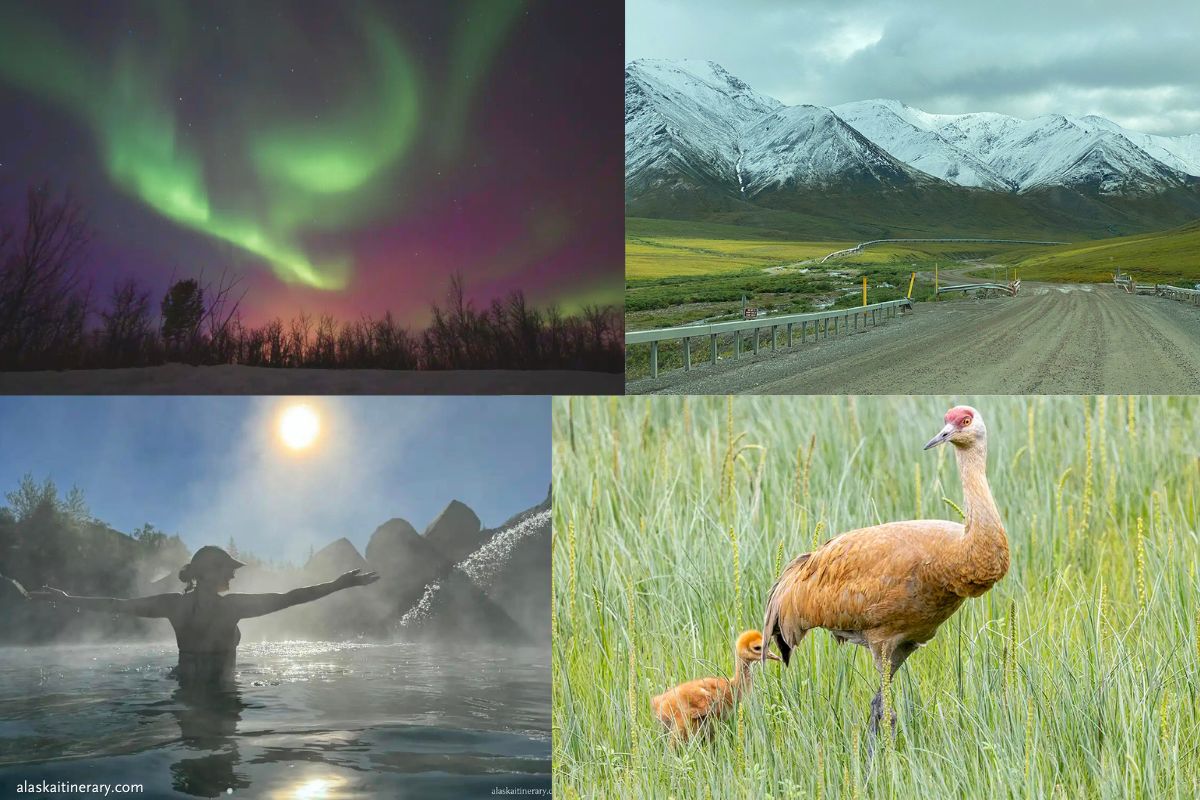
Our Experience Visiting Fairbanks Throughout the Year
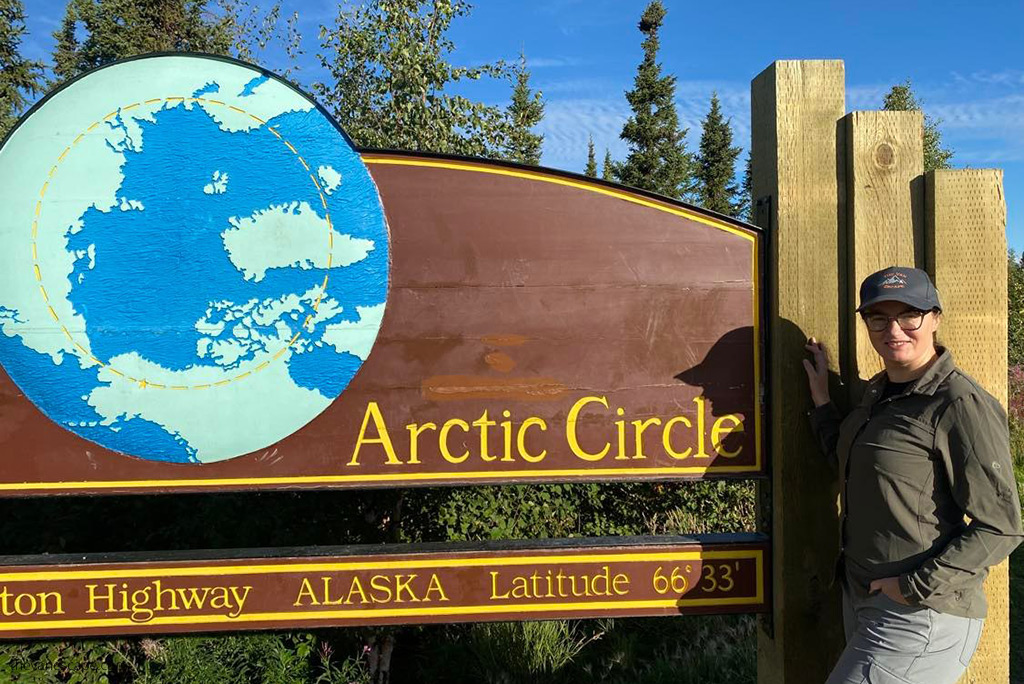
We’ve used Fairbanks as a base for very different types of trips. In late August, we drove the Dalton Highway toward the Arctic Circle and caught our first fall auroras under darker skies.
In winter, we joined guided Northern Lights tours outside the city and spent evenings soaking at Chena Hot Springs while temperatures dropped well below zero.
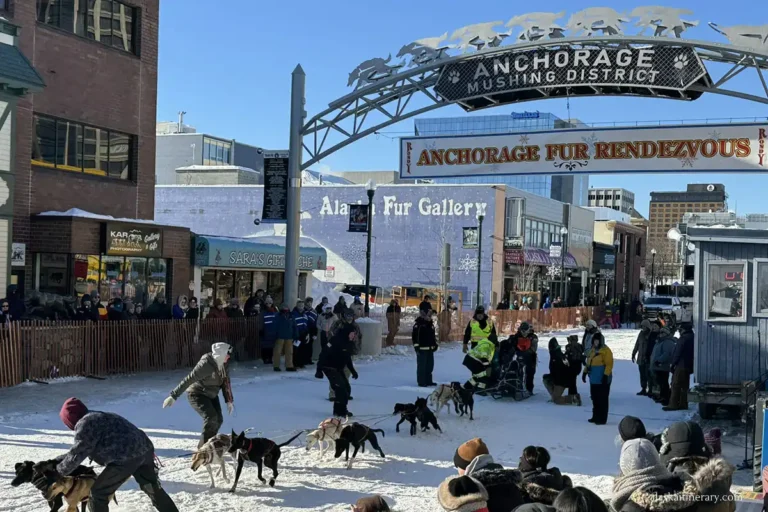
March gave us the best balance of winter adventure and daylight. We went dog sledding, explored snowy trails, and still had excellent aurora activity at night. Summer felt completely different. Long daylight hours made it easy to explore without rushing, and Fairbanks became a convenient hub for road trips deeper into Interior Alaska.
We’ve seen how dramatically conditions shift from one month to another. That’s why timing matters here more than in most destinations. Below, we break down Fairbanks month by month so you can match your travel goals with the right season.
Deciding the perfect time to visit Fairbanks, Alaska, hinges on what you’re looking to experience. From the ethereal Northern Lights to the endless daylight of the Midnight Sun, each season in Fairbanks brings its own magic. Here’s a breakdown to help you align your trip with your interests.
Agnes’ Advice: If you’re just starting to plan your trip, take a look at our detailed Fairbanks Travel Guide. It covers logistics, transportation, where to stay, seasonal activities, and practical tips for exploring Fairbanks and the surrounding Interior region.
Quick Answer: Best Time to Visit Fairbanks by Travel Goal
Not sure when to go? Here’s the short version based on what you want to experience:
- Best time to see the Northern Lights in Fairbanks: Late August through mid-April. For the best balance of darkness and manageable temperatures, choose March or late September.
- Best time for winter activities (dog sledding, snowmobiling, ice fishing): Late February and March are the best months to experience winter activities in Fairbanks, with excellent snow conditions and much longer daylight hours than in mid-winter.
- Best time for the Midnight Sun and long daylight: June. Around the summer solstice (June 21), Fairbanks experiences nearly 24 hours of daylight.
- Best time for hiking and outdoor adventures: June through early September. Trails are accessible, wildlife is active, and temperatures are comfortable.
- Best time for fall colors and fewer crowds: Late August and September. You may also catch the first Northern Lights of the season.
- Best time for lower prices and fewer tourists: Late April, early May, and October. Be aware that spring mud season can limit some outdoor activities.
- Best time for wildlife viewing: June through September. Denali National Park and surrounding areas offer the most activity during these months.
| Travel Goal | Best Months |
|---|---|
| Northern Lights | September–March (Best: March) |
| Winter Activities | February–March |
| Midnight Sun | June |
| Hiking & Road Trips | June–August |
| Fall Colors + Aurora | Late August–September |
| Lower Prices | April, May, October |
There is no single “perfect” month for Fairbanks. The best time depends entirely on whether you’re chasing auroras, hiking under the Midnight Sun, or embracing full Arctic winter.
Agnes’ Advice: If you’re planning a broader Alaska trip beyond Fairbanks, you may also want to read our guide to the best time to visit Alaska based on travel goals.
Weather in Fairbanks by month
Fairbanks sits in Alaska’s Interior region, which has a far more extreme climate than coastal areas like Anchorage or Juneau. Winters are colder, summers are warmer, and overall precipitation is much lower than in Southeast Alaska.
The table below gives a quick overview of Fairbanks’ average monthly temperatures, daylight hours, snowfall, and rainfall.
After that, we break the year down month by month so you can decide exactly when to visit based on your travel goals.
Fairbanks Weather by Month (Climate Normals):
| Month | Avg High (°F) | Avg Low (°F) | Snowfall (in) | Precipitation (in) | Avg Daylight (hrs) |
|---|---|---|---|---|---|
| January | 1 | -17 | 10.2 | 0.61 | 3–6 |
| February | 12 | -11 | 10.0 | 0.52 | 6–10 |
| March | 25 | -3 | 6.5 | 0.40 | 10–13 |
| April | 46 | 22 | 3.1 | 0.34 | 14–17 |
| May | 62 | 39 | 0.9 | 0.54 | 18–21 |
| June | 72 | 50 | 0 | 1.48 | 21–24 |
| July | 73 | 53 | 0 | 2.26 | 19–22 |
| August | 66 | 48 | 0 | 2.10 | 15–18 |
| September | 55 | 36 | 2.3 | 1.35 | 12–15 |
| October | 34 | 18 | 8.2 | 0.76 | 8–10 |
| November | 12 | -4 | 12.5 | 0.74 | 4–6 |
| December | 4 | -13 | 10.9 | 0.57 | 3–4 |
What This Data Tells You:
Fairbanks has one of the most extreme seasonal swings in the United States. Here’s what stands out from the data:
- July is the warmest month in Fairbanks.
- July and August are the wettest months, but rainfall totals remain low compared to Southeast Alaska.
- November typically sees the most snowfall.
- December and January have the shortest daylight hours, with fewer than four hours around the winter solstice, and they are also the coldest months of the year.
- June experiences nearly 24 hours of daylight around the summer solstice (no real darkness).
Below, we break down each month, including temperatures, daylight hours, road conditions, and the best activities for that time of year.
January in Fairbanks: The Coldest and Darkest Month
January is typically the coldest month of the year in Fairbanks. It offers some of the darkest skies of the winter season, but it also demands serious preparation.
Weather in January
- Average high: about -3°F (-19°C)
- Average low: about -19°F (-28°C)
- Daylight: roughly 3.5 to 6 hours, slowly increasing
- Snowpack: deep and stable
Cold snaps below -30°F are common. When temperatures drop further, outdoor time becomes limited and mechanical issues with vehicles are possible.
What January Is Best For
- Travelers prioritizing maximum darkness for aurora viewing
- Visitors who want a true Arctic winter experience
- Photographers comfortable working in extreme cold
What to Consider
- Very short days limit sightseeing hours
- Road conditions can be icy, especially outside town
- Engine block heaters are essential for rental vehicles
- Outdoor activities require proper winter gear
January is not the best month for combining multiple long outdoor activities in one day. It’s better suited for focused experiences, such as aurora viewing or a single guided winter excursion.
If you want winter scenery with more daylight and slightly better comfort, February and especially March are often easier months to manage.
February in Fairbanks: Brighter Days, True Arctic Winter
February still delivers deep winter conditions, but daylight increases noticeably compared to January. That extra light makes a real difference for sightseeing and winter activities.
Weather in February
- Average high: about 1°F (-17°C)
- Average low: about -15°F (-26°C)
- Daylight: around 6 to 9 hours, increasing steadily
- Snow cover: deep and reliable
Extreme cold is still possible, but temperatures are often slightly more manageable than January.
What February Is Best For
- Strong Northern Lights chances
- Combining aurora viewing with daytime winter activities
- Experiencing the early Ice Art events
- Visitors who want winter scenery but slightly more daylight
With longer days, you can realistically enjoy a winter activity during daylight and still head out at night for aurora viewing.
What to Consider
- Still very cold — proper winter gear is essential
- Rental cars must be winter-equipped
- Outdoor exposure time remains limited during cold snaps
February is a strong choice for travelers who want a full Arctic winter experience but don’t want the extreme darkness of January.
If you want the best balance of winter conditions and comfortable daylight, March often becomes the top pick.
March in Fairbanks: The Best Winter Balance
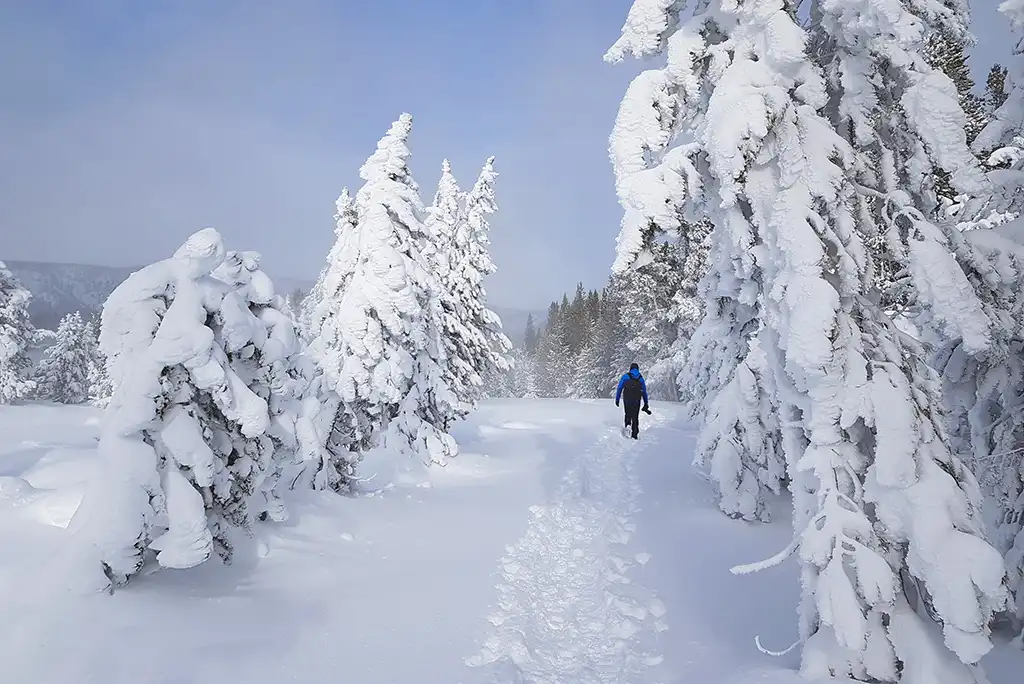
March is often the most recommended winter month to visit Fairbanks. You still get strong Northern Lights activity and full winter scenery, but daylight hours increase significantly and temperatures become more manageable. March is the best month to visit Fairbanks for winter activities.
Weather in March
- Average high: about 16°F (-9°C)
- Average low: about -3°F (-19°C)
- Daylight: around 10 to 13 hours by late March
- Snow cover: still deep and stable
Cold snaps are still possible, but prolonged extreme temperatures are less common than in January or early February.
What March Is Best For
- Northern Lights viewing with more comfortable conditions
- Dog sledding, snowmobiling, and other winter excursions
- The World Ice Art Championships
- Travelers who want winter without extreme darkness
Longer daylight hours make it much easier to combine daytime activities with evening aurora viewing. You’re no longer limited to just a few usable daylight hours.
What to Consider
- Snow begins softening toward late March
- Popular winter tours book up faster than in January
- Prices may be slightly higher than mid-winter
March gives you winter landscapes, reliable aurora darkness, and practical sightseeing hours in one trip. For many visitors, it offers the best overall balance of comfort and experience.
If your goal is winter activities plus aurora viewing without extreme cold, March is often the strongest choice.

April in Fairbanks: Shoulder Season & Breakup Time
April is one of the most transitional months in Fairbanks. Winter fades, but summer has not arrived. It can be unpredictable and messy — especially during the spring thaw. April is often considered one of the least optimal months for a first-time visit, since it sits between full winter conditions and the start of summer access.
Weather in April
- Average high: about 40°F (4°C)
- Average low: about 23°F (-5°C)
- Daylight: around 14 to 17 hours
- Snowfall: decreasing rapidly
By mid to late April, temperatures often rise above freezing during the day. Snow begins to melt, creating muddy roads and soft trails.
What April Is Best For
- Fewer tourists
- Lower hotel prices
- Experiencing river breakup
- Seeing the final weeks of aurora season (early April only)
Early April can still offer Northern Lights opportunities, but as daylight increases and nights shorten, viewing windows become limited.
What to Consider
- “Mud season” is real in Interior Alaska
- Hiking trails may be muddy or icy
- Some winter tours stop operating
- Many summer activities have not yet started
- Road conditions can be slushy outside town
April is not ideal for a first-time Fairbanks trip if your goal is either full winter or full summer experiences. It sits in between.
However, if you don’t mind transitional conditions and want fewer crowds, early April can still work — especially for budget-conscious travelers.
May in Fairbanks: Longer Days & A Fresh Start
May marks the true beginning of the warmer season in Fairbanks. Snow is mostly gone, daylight expands rapidly, and outdoor access improves. It’s a transitional month, but much more comfortable than April.
Weather in May
- Average high: about 60°F (16°C)
- Average low: about 37°F (3°C)
- Daylight: around 18 to 21 hours by late May
- Precipitation: relatively low
Temperatures can vary widely. Early May may still feel cool, while late May often feels like early summer.
What May Is Best For
- Long daylight without peak summer crowds
- Lower prices before high season
- Fewer mosquitoes compared to June and July
- Scenic road trips as mountain passes reopen
- Visiting Denali as park services begin operating
By late May, Denali National Park typically begins opening road access and bus services, though full access depends on seasonal conditions.
What to Consider
- Early May can still feel quiet and slow
- Some seasonal businesses may not yet operate at full capacity
- Wildlife viewing is improving but not at peak summer levels
May is a strong option for travelers who want long daylight, moderate weather, and fewer visitors. It offers a calmer atmosphere before the busy summer season begins.
If you want full summer energy and maximum access, June delivers more. But if you prefer lighter crowds and comfortable temperatures, late May can be a smart choice.

June in Fairbanks: Midnight Sun & Peak Outdoor Season
June is one of the best months to visit Fairbanks. The Midnight Sun brings nearly 24 hours of daylight, and most summer services are fully operating.
Around the summer solstice (June 21), the sun barely dips below the horizon. Even at “night,” it stays bright enough to read outside without a flashlight.
Weather in June
- Average high: about 71°F (22°C)
- Average low: about 45°F (7°C)
- Daylight: up to 22–24 hours around solstice
- Rainfall: light to moderate
Temperatures are generally comfortable, though cool evenings are common.
What June Is Best For
- Experiencing the Midnight Sun
- Hiking and long outdoor days
- Visiting Denali National Park
- Wildlife viewing
- Scenic road trips
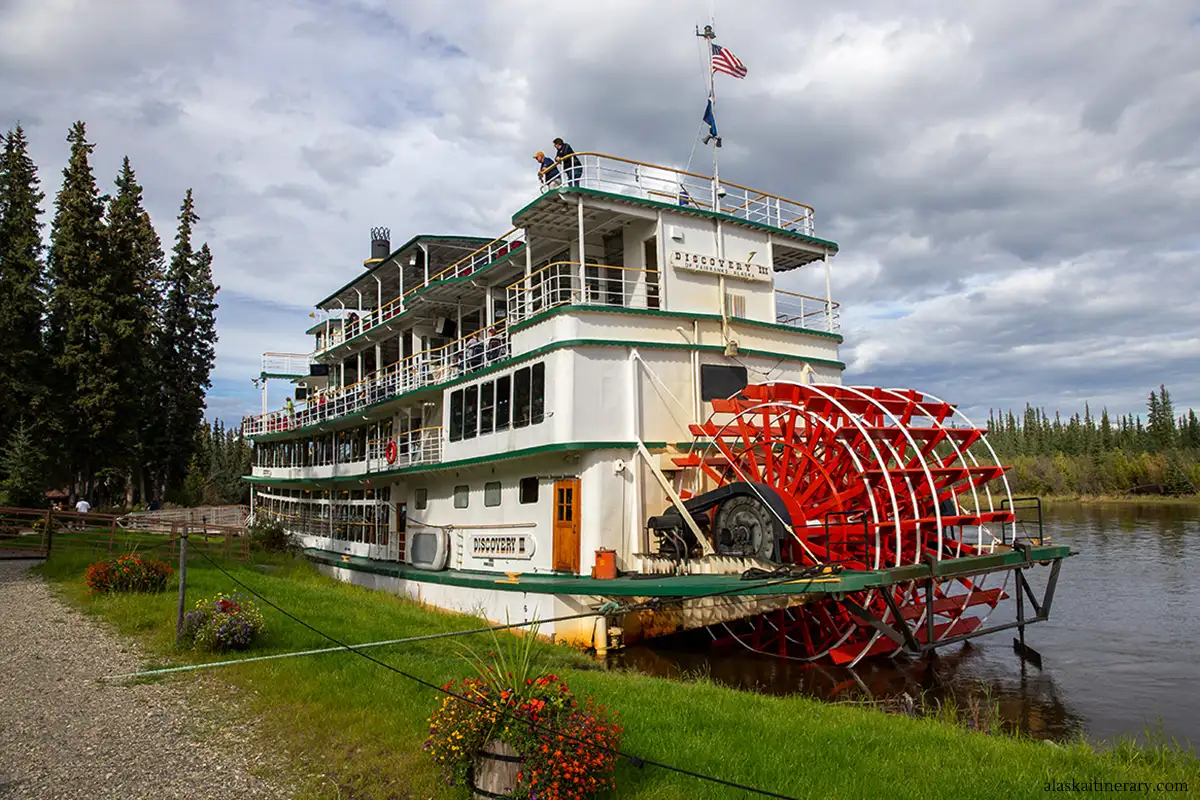
- Seasonal tours: Riverboat Discovery Cruise, Gold Dredge 8, Arctic Circle tours
With nearly unlimited daylight, you can explore late into the evening without worrying about darkness. It’s ideal for photographers and active travelers.
What to Consider
- Mosquito season begins (especially near wetlands and forests)
- Higher hotel prices compared to May
- More visitors, especially late June
- No Northern Lights (too much daylight)
June is one of the best months for travelers who want maximum daylight, full access to parks, and comfortable temperatures.
If your goal is hiking, road trips, and wildlife viewing — June is hard to beat. If you are chasing the aurora, however, this is not the right season.
July in Fairbanks: Warmest Weather & Full Summer Access
July is typically the warmest month of the year in Fairbanks — and also one of the wetter months of summer. Daylight remains extremely long, outdoor access is at its peak, and nearly all seasonal services operate at full capacity.
While the sun technically sets again after late June, nights are still very bright.
Weather in July
- Average high: about 74°F (23°C)
- Average low: about 51°F (11°C)
- Daylight: around 19–21 hours
- Rainfall: highest of the summer months (around 1.7–1.8 inches on average)
Although July is the wettest month in Fairbanks, rainfall totals are still modest compared to weather in other Alaska regions. Fairbanks averages around 10–11 inches of precipitation per year, while Southeast Alaska cities like Juneau receive more than 55 inches annually, and Ketchikan often exceeds 140 inches. Summer showers in Interior Alaska are usually brief and rarely cancel full-day plans.
What July Is Best For
- Warmest hiking conditions
- Maximum Denali road access
- Scenic road trips to the Arctic Circle
- River activities and outdoor festivals
- Extended camping trips
Wildlife viewing remains strong, especially in Denali and along major rivers.
What to Consider
- Peak mosquito season
- Higher accommodation prices
- More tour bus traffic and cruise-land visitors
- No Northern Lights (skies remain too bright)
July is ideal if you want warm temperatures and full access to parks and highways. It’s the easiest month for road-based exploration.
If you prefer fewer crowds and are willing to accept slightly cooler conditions, late August may feel more relaxed.
August in Fairbanks: Late Summer & the Return of Darkness
August is a transitional month in Fairbanks. Early August still feels like summer, but by late August, nights begin to darken enough for the first Northern Lights of the season.
For many travelers, this month offers one of the best combinations of conditions.
Weather in August
- Average high: about 66°F (19°C)
- Average low: about 46°F (8°C)
- Daylight: around 16–19 hours, decreasing steadily
- Rainfall: moderate, generally lower than July
Temperatures are comfortable for hiking and road trips. Nights become noticeably cooler by late August.
What August Is Best For
- Hiking and camping without peak July crowds
- Wildlife viewing in Denali and surrounding areas
- Scenic drives, including the Dalton Highway
- First Northern Lights sightings (late August)
- Fall colors beginning at higher elevations
- Bird-watching during Tanana Valley Sandhill Crane Festival
By the last two weeks of August, true darkness returns for several hours each night. Aurora visibility improves quickly as the month progresses.
What to Consider
- Mosquitoes are still present early in the month
- Daylight decreases rapidly
- Aurora viewing is possible but not guaranteed early in August
Late August is one of our favorite times to visit Fairbanks. You still have summer access to parks and highways, but you also regain the possibility of seeing the Northern Lights.
If you want both outdoor adventure and a chance at aurora viewing in the same trip, late August is one of the strongest months to choose.
September in Fairbanks: Fall Colors & Strong Aurora Chances
September is one of the most dynamic months to visit Fairbanks. Summer access is still available early in the month, but fall colors arrive quickly and darkness returns in full.
For many travelers, September offers one of the best overall balances of comfort, scenery, and aurora visibility.
Weather in September
- Average high: about 57°F (14°C)
- Average low: about 37°F (3°C)
- Daylight: around 12–14 hours, decreasing steadily
- Rainfall: generally lower than midsummer
Early September often feels mild and crisp. By late September, mornings can dip below freezing.
What September Is Best For
- Strong Northern Lights viewing
- Fall foliage in Interior Alaska
- Fewer visitors compared to June and July
- Wildlife activity before winter
- Comfortable hiking temperatures
Darkness returns in full, making aurora viewing much more reliable than in August. Skies are often clearer and more stable than midsummer months.
What to Consider
- Rapid temperature drops late in the month
- Some seasonal services begin closing by late September
- Fall colors are brief and peak quickly
September is one of our favorite months in Fairbanks. You get golden landscapes, manageable crowds, and strong aurora potential — all in one trip.
If you want a combination of scenery, photography opportunities, and realistic Northern Lights chances without extreme cold, September is one of the best moths to visit Fairbanks.

October in Fairbanks: Early Winter & Growing Darkness
October marks the true shift from fall into winter in Fairbanks. Daylight decreases quickly, temperatures drop steadily, and snow becomes more common toward the end of the month.
It’s a quiet, in-between period.
Weather in October
- Average high: about 37°F (3°C)
- Average low: about 20°F (-7°C)
- Daylight: around 9–11 hours, decreasing rapidly
- Snowfall: begins increasing through the month
Early October may still feel like late fall. By late October, winter conditions often start settling in.
What October Is Best For
- Strong Northern Lights visibility
- Fewer tourists
- Moody fall-to-winter landscapes
- Lower accommodation prices
Dark nights return fully, making aurora viewing very reliable when skies are clear.
What to Consider
- Trails may be muddy, icy, or snow-covered
- Limited winter activities early in the month
- Summer services are mostly closed
- Variable road conditions outside town
October can feel unpredictable. It does not offer full summer access or fully developed winter conditions.
For aurora-focused travelers who don’t mind transitional weather, October can work well. For activity-based trips, March or September are usually easier months.
November in Fairbanks: Dark Skies & Early Deep Winter
November is when winter begins to take hold in Fairbanks. Snow cover becomes more consistent, daylight hours drop sharply, and temperatures settle well below freezing.
It’s one of the darkest months of the year.
Weather in November
- Average high: about 17°F (-8°C)
- Average low: about -2°F (-19°C)
- Daylight: around 5–7 hours, decreasing toward December
- Snow cover: typically established
Cold conditions return, though extreme January-level cold is less common early in the month.
What November Is Best For
- Excellent Northern Lights visibility
- Very few tourists
- Lower hotel prices
- Quiet, snowy landscapes
Long nights mean extended aurora viewing windows. If skies are clear, November can offer strong displays.
What to Consider
- Very short days
- Limited daytime sightseeing hours
- Winter activities may not be fully ramped up early in the month
- Roads can be icy outside the city
November is ideal for travelers whose primary goal is aurora viewing and who don’t need long daylight hours.
If you want a more festive atmosphere or additional winter events, December and March usually offer more variety.
December in Fairbanks: Deep Winter & the Shortest Days
December is the darkest month of the year in Fairbanks. Around the winter solstice, daylight drops to just a few hours, and full winter conditions are firmly established.
Snow typically blankets the landscape, and temperatures remain consistently below freezing.
Weather in December
- Average high: about 1°F (-17°C)
- Average low: about -12°F (-24°C)
- Daylight: about 3–4 hours around the solstice
- Snow cover: stable and consistent
Cold is constant, though prolonged extreme cold often arrives in January.
What December Is Best For
- Long aurora viewing windows
- Snow-covered winter scenery
- Holiday atmosphere
- Visiting Santa Claus House in North Pole
- Quiet travel before peak March tourism
The long nights create extended opportunities for Northern Lights viewing, especially around new moon phases.
What to Consider
- Very limited daylight
- Outdoor exposure requires serious winter gear
- Driving conditions can be icy
- Some businesses operate on reduced holiday schedules
December works well for travelers who want a classic Arctic winter experience and strong aurora potential.
If you prefer more daylight for daytime exploration, March offers a better balance.

Best Time to See the Northern Lights in Fairbanks
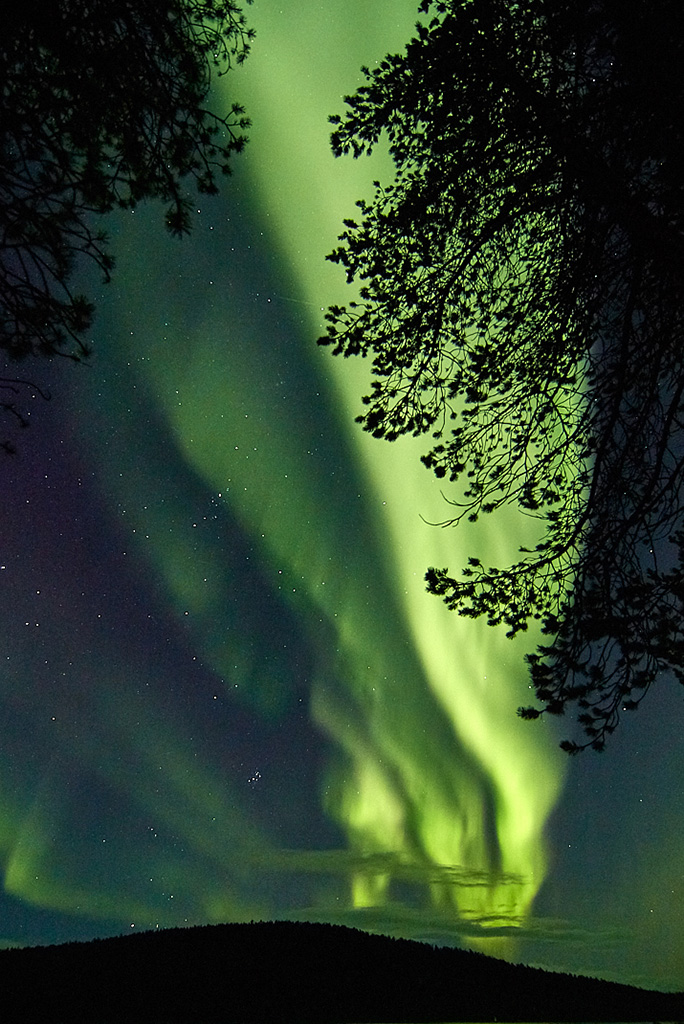
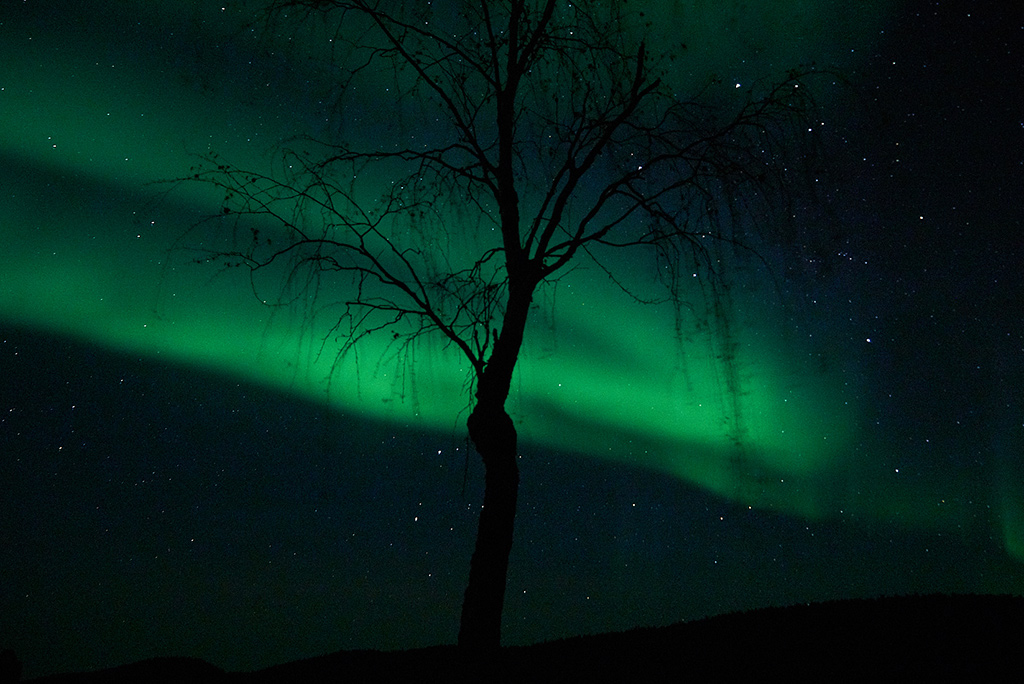
Fairbanks is one of the most reliable places in the world to see the Northern Lights, thanks to its location under the auroral oval.
Aurora Season in Fairbanks
The aurora viewing season generally runs from late August through mid-April, when nights are dark enough for visibility.
You cannot see the Northern Lights in summer because the sky never becomes fully dark.
Best Months for Northern Lights in Fairbanks
While the season spans several months, the most balanced and reliable months are:
- March – Strong aurora activity, longer daylight hours, and more comfortable temperatures
- September – Dark nights return, temperatures are mild, and fall scenery adds visual appeal
- February – Deep winter conditions with improving daylight
January and November offer very dark skies, but extreme cold and short days can limit daytime exploration.
Is Winter the Only Good Time?
No. Late August and September offer excellent viewing opportunities without extreme cold.
Winter (December–February) offers the longest viewing windows but requires preparation for subzero temperatures.
If you want the best overall balance of comfort and aurora visibility, March is often the strongest choice.
For a full breakdown of viewing locations, forecasts, and tour options, see our detailed guide to the best Northern Lights tours from Fairbanks.
Best Time for Wildlife Viewing in Fairbanks
Wildlife activity around Fairbanks changes dramatically with the seasons.
If your goal is animal viewing, summer offers the most reliable opportunities.
Best Months for Wildlife
- June through September – Highest overall wildlife activity
- Late August and September – Animals actively feeding before winter
- May – Moose and other animals become more visible as snow melts
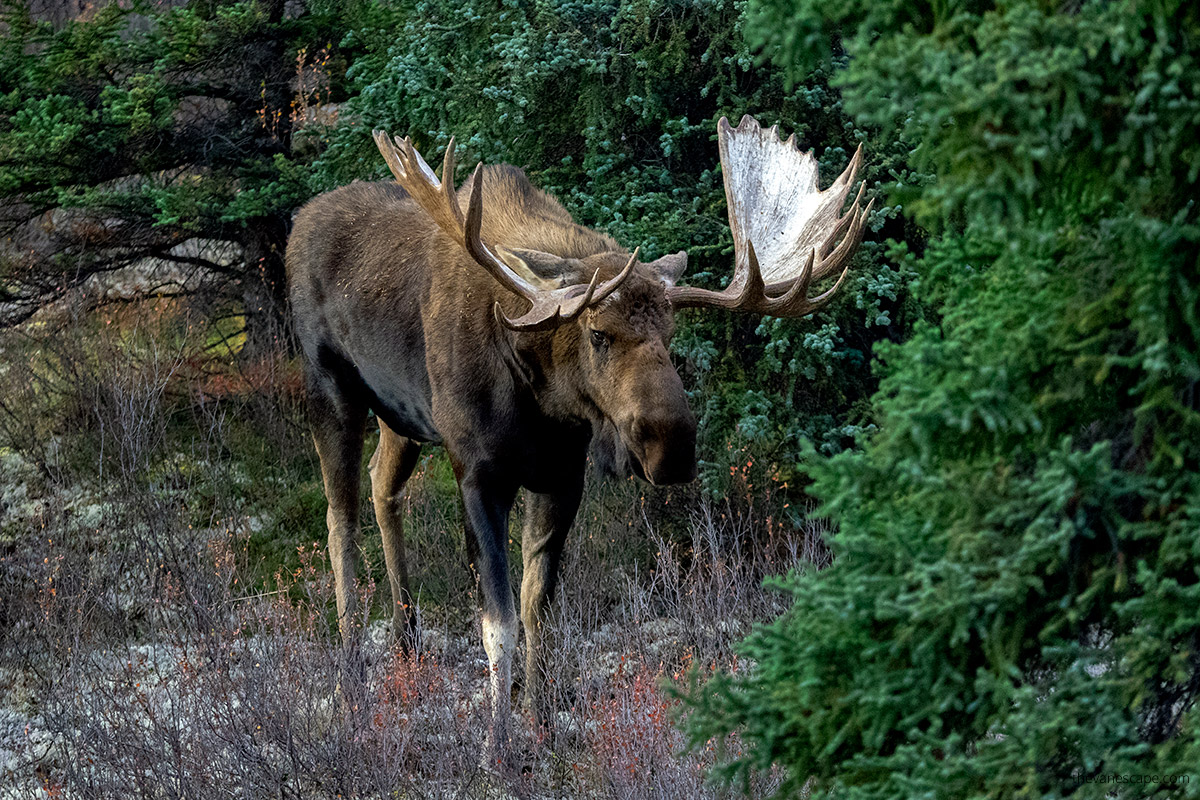
Denali National Park, located about two hours south of Fairbanks, offers the best chance to see large mammals such as grizzly bears, moose, caribou, Dall sheep, and wolves during summer months.
Spring and fall migration periods are also strong for birdwatching, especially at Creamer’s Field Migratory Waterfowl Refuge.
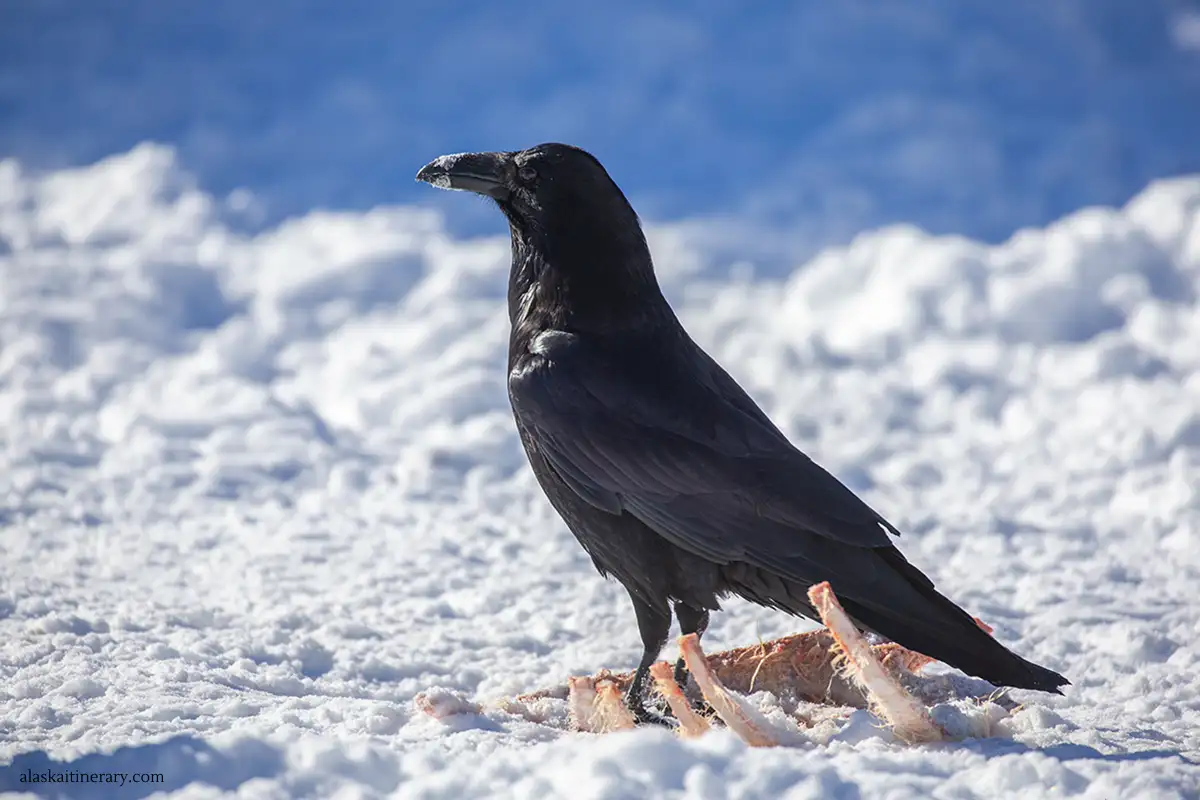
Winter wildlife viewing is limited but possible. Moose, foxes, and certain birds remain active year-round.
If wildlife is your top priority, plan your trip between June and early September, when access, daylight, and animal activity align best.

So, When Is the Best Time to Visit Fairbanks?
Fairbanks is a destination where timing truly shapes the experience.
If you want deep winter, long aurora nights, and snow-covered landscapes, late February and March offer the best balance of darkness and daylight.
If you prefer hiking, wildlife, and nearly endless daylight, June and July deliver the fullest summer access.
If you’re looking for fewer crowds, fall colors, and strong Northern Lights potential without extreme cold, late August and September stand out.
There isn’t a single “perfect” month — only the month that fits your travel style. The key is understanding what each season realistically offers before you book your flights.
We’ve visited Fairbanks in freezing March nights and golden September evenings, and the city felt completely different each time. Choose your month carefully, pack accordingly, and Fairbanks will reward you.
Do You Like It? Pin It For Later!