
Alaska Northern Lights Season: Month-by-Month Guide and How to Improve Your Odds

Seeing the Northern Lights in Alaska is on many travelers’ bucket lists. But knowing when to go makes all the difference. The aurora is not visible year-round, and your chances change with the seasons. In summer, the sky never gets dark enough. In winter, nights are long, but cold and clouds can be a challenge. This article is your guide to the Alaska Northern Lights season. You will learn the best months to see the aurora, why equinox months often stand out, and which regions give you the highest odds. I’ll explain what time of night works best, how clouds and moonlight affect your chances, and why planning several nights is key.
This article may contain affiliate / compensated links. For full information, please see our disclaimer here.
What “Alaska Northern Lights Season” Really Means
If Northern Lights viewing is a priority when planning an Alaska trip, choosing the right travel dates is essential, as aurora visibility is highly season-dependent.
The Northern Lights are not visible in Alaska all year. Summer nights are too bright, even when solar activity is strong. From late April to mid-August, the midnight sun keeps the sky lit, so there is no true darkness.
The official aurora season in Alaska runs from August 21 to April 21. This is when skies are dark enough for viewing. Within that window, chances vary by month, region, and weather.
Fairbanks and Interior Alaska have some of the best odds in the world. On clear nights, the aurora can appear several times per week. Southcentral Alaska, including Anchorage and the Kenai, sees fewer displays, but strong activity still brings great shows.
Planning your trip within aurora season is the first step. From there, knowing the best months and times of night will improve your chances even more.
Chris and I have spent many nights chasing the aurora. Sometimes we saw spectacular shows, other times only clouds. From those experiences, we know how important timing is. That’s why we created this detailed guide—to help you plan smarter, avoid wasted nights, and make the most of your trip.
By the end, you’ll know exactly when the Northern Lights season happens in Alaska, which months are best, and how to prepare for your own aurora adventure.
Understanding the timing and conditions of the aurora is key to planning memorable northern lights experiences in Alaska.
Agnes’ Advice: If you’re excited about the aurora in Alaska, take a look at our related articles. They’ll help you plan an amazing trip:
– Where to see the Northern Lights in Alaska (top spots & hidden gems)
– DIY Alaska Northern Lights road trip itnerary,
– the best Northern Lights guided tours in Alaska,
– Fairbanks Northern Lights: Best Tours, Tips & When to Go
– the best aurora tracking apps,
– tips for photographing the aurora,
– what to pack for Alaska in winter, and
– Alaska winter road trip.
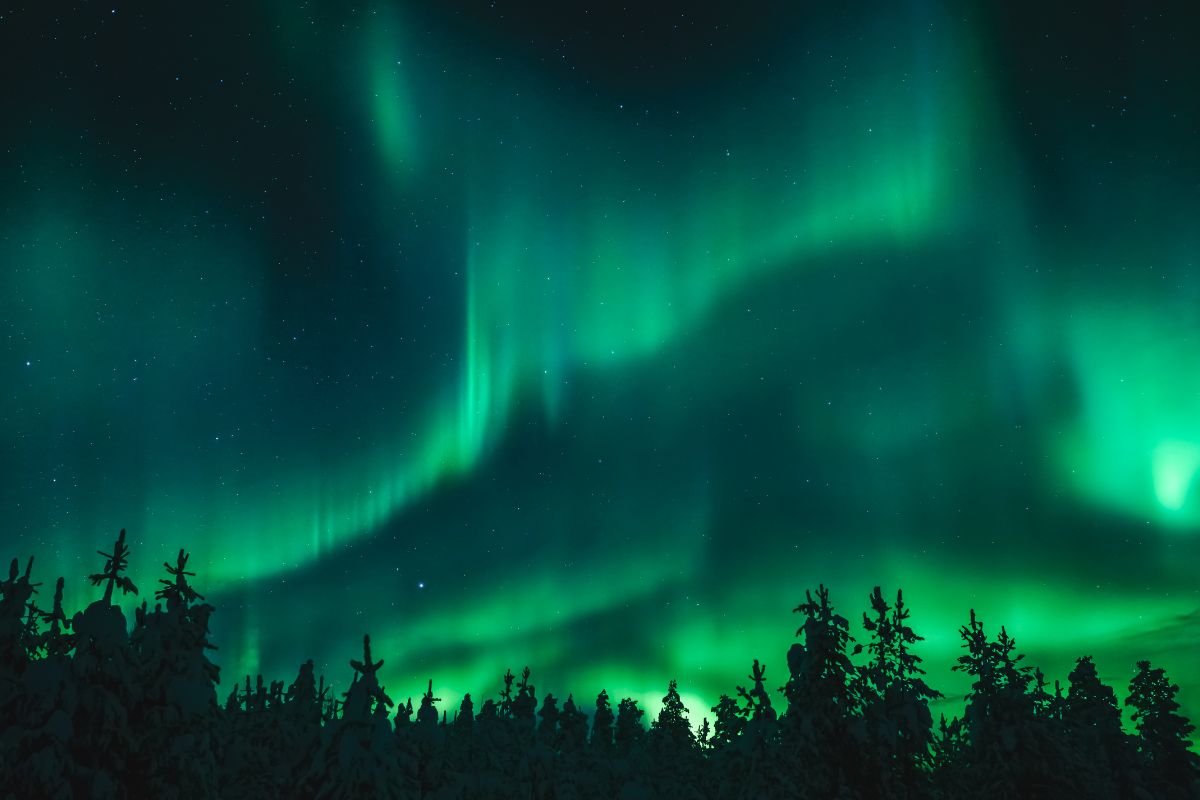
Best Months to See Northern Lights in Alaska
The aurora can be seen anytime between late August and mid-April, but some months are better than others.
March and September often stand out. Around the equinoxes, solar activity increases, and nights are dark for long enough. Scientists call this the “equinox effect.” For travelers, it simply means higher odds of strong aurora.
Winter months also offer great chances. December and January bring the longest nights of the year. In the Interior, you can have over 14 hours of darkness. The trade-off is extreme cold, often below zero.
October and November give a good balance. Nights are long, but not as bitterly cold as mid-winter. Skies can be cloudier in fall, but many travelers still enjoy successful aurora trips.
February and early April also work well. Nights are still dark, and by March, the weather often improves with clearer skies.
Each month within aurora season offers opportunities. The best choice depends on how much cold you can handle, how many nights you plan, and which region of Alaska you visit.
Agnes’ Advice: If Northern Lights viewing is only part of your plan, take a look at how Alaska travel seasons and the best time to visit Alaska by travel goal can shape the rest of your trip.
Month-by-Month Planner (August–April)
Late August–September
Aurora season begins around August 21. By late August, Fairbanks has about 13 hours of night. Temperatures are mild, usually 40–55°F (4–13°C). In Anchorage, nights are shorter, and you often need stronger activity (Kp 4 or higher). September is one of the most popular months.
The equinox often increases geomagnetic activity, giving better chances of strong shows. Fall colors peak in early to mid-September, so you can enjoy daytime hikes and evening aurora hunts. Cloud cover can be frequent, especially near the coast.
October–November
Darkness increases quickly. By late October, Fairbanks has nearly 15 hours of night. Temperatures drop below freezing, usually between 10–30°F (-12 to -1°C). Anchorage is a bit warmer, but also cloudier. Snow often arrives in October, turning the landscape white.
Aurora activity continues to be steady. November nights are long, and skies can be crisp and clear, especially inland. Travel conditions are usually good, though icy roads can appear late in the season.
December–January
These are the darkest months. Around the winter solstice (December 21), Fairbanks gets less than 4 hours of daylight. That means over 20 hours of darkness, giving many chances to see the aurora if skies are clear.
The trade-off is extreme cold. Temperatures in Interior Alaska often fall between -10 and -30°F (-23 to -34°C). Anchorage is milder, often 5–25°F (-15 to -4°C), but cloud cover is more common.
These months require proper winter gear, but they also offer stunning aurora opportunities against snowy landscapes.
February–March
This is one of the very best times for aurora in Alaska. In Fairbanks, nights are still long, with 12–14 hours of darkness.
Temperatures are cold but usually less severe, often ranging from -5 to 20°F (-20 to -7°C). Skies are often clearer, especially in March.
The spring equinox boosts geomagnetic activity, so auroras can be stronger and more frequent. Many travelers and photographers choose March for its balance: long dark nights, good activity, and improving weather conditions.
Early April
April marks the end of the season. By mid-April, Fairbanks still has about 10 hours of night, but days are getting longer. Anchorage gets even less darkness, so aurora viewing becomes harder.
Temperatures are milder, often 20–40°F (-6 to 4°C), which makes it easier to stay outside at night. Snow begins to melt in many areas, adding more accessibility for travelers.
While aurora activity continues, the shrinking window of darkness means early April is your last good chance before the midnight sun returns.

Where in Alaska Has the Best Odds?
Not every part of Alaska offers the same aurora chances. Location matters as much as season.
Far North and Arctic Alaska (Arctic Circle, Coldfoot, Utqiaġvik, Brooks Range)
This is one of the most reliable regions. In places like Coldfoot or Wiseman the aurora can appear almost every clear night. One of the best ways to experience the aurora in Alaska’s Far North is by joining an Arctic Circle tour from Fairbanks, since driving the Dalton Highway can be very challenging.
Utqiaġvik, the northernmost town in the U.S., also has high odds. The challenge is weather — Arctic storms and clouds can block views. Temperatures are also severe, so you must prepare for extreme cold and limited services.
Interior Alaska (Fairbanks, Chena Hot Springs, Denali area)
This is the heart of Alaska’s aurora zone. On clear nights, the Northern Lights are visible here about four out of five nights during the season.
In Denali or Fairbanks, even a Kp index of 2 or 3 is often enough. Many tours, lodges, and viewing spots are set up for aurora travelers. Chena Hot Springs Resort is popular because you can watch the lights while soaking in warm water.
Southcentral Alaska (Anchorage, Talkeetna, Kenai, Girdwood)
Aurora is visible here less often than in the Interior. Anchorage sits farther south and has more clouds. You usually need stronger activity, with a Kp of 4 or higher, to see a good display.
Talkeetna sometimes offers better chances because it is farther north and away from city lights. Still, if aurora conditions are strong, you can see them even from Anchorage’s outskirts.
Southeast Alaska (Juneau, Sitka, Inside Passage)
Aurora is rare here. This region is too far south and too cloudy. Displays are possible only during strong geomagnetic storms, which don’t happen often.
Travelers coming mainly for the Northern Lights should not plan on Southeast Alaska.

Best Time of Night
The Northern Lights can appear anytime when the sky is dark. In Alaska, the best hours are usually between 10 pm and 3 am.
Midnight often brings the strongest displays. Many travelers see the aurora peak between 11:30 pm and 1:30 am.
The aurora is unpredictable. Sometimes it shows up earlier in the evening or just before dawn. Apps and alerts help you catch those surprise appearances.
Activity can rise and fall quickly. A strong burst may last only 10 or 20 minutes. If you miss that window, the sky may go quiet again. Patience is important. Stay outside longer, or check the sky several times during the night.
Clear skies, darkness, and timing work together. Planning to be awake around midnight gives you the best odds.
Cloud Cover, Moonlight, and Light Pollution
Even during strong solar activity, you won’t see the aurora if the sky is blocked or too bright. Three factors matter most: clouds, moonlight, and light pollution.
Cloud Cover
Clouds are the biggest challenge in Alaska. Coastal areas like Anchorage and the Kenai Peninsula are often cloudy. Interior Alaska, such as Fairbanks, tends to have clearer skies, especially in winter. Always check cloud maps before heading out. Apps and local forecasts help you know where gaps in the clouds may open. Sometimes even a short clearing is enough for a great show.
Moonlight
A full moon can wash out faint auroras. The lights may still appear, but colors look weaker. A half-moon or less is better for contrast. However, some photographers enjoy moonlit nights because the landscape is brighter, creating stunning foregrounds.
Light Pollution
City lights make the aurora harder to see. In Anchorage, you may catch faint displays on the edge of town, but driving 20–30 minutes into darker areas improves your chances. In Fairbanks, you can step outside the city for darker skies, or visit designated viewing spots like Murphy Dome or Cleary Summit.
Clear, dark skies free of city glow give you the best backdrop. Always plan for both space weather and local weather.
Equinox Advantage, Solar Cycle, and What Kp Really Means
Aurora activity is not the same every night. Three factors often make the difference: equinox months, the solar cycle, and the Kp index.
Equinox Advantage
September and March are known for stronger auroras. Around the equinox, Earth’s tilt lines up in a way that makes solar particles interact more easily with our atmosphere. Scientists call this the Russell–McPherron effect. For travelers, it means better odds of strong displays in fall and spring.
Solar Cycle
The sun follows an 11-year cycle of activity. During solar maximum, auroras are stronger and more frequent. The current cycle (Solar Cycle 25) is rising toward its peak, expected around 2025–2026. This means the next few years are excellent for aurora viewing in Alaska.
Kp Index
The Kp index measures geomagnetic activity on a scale from 0 to 9. Higher numbers mean stronger auroras visible farther south. In Fairbanks, you can often see aurora with Kp 2–3. Anchorage usually needs Kp 4 or higher. Extreme storms (Kp 7–9) can push the lights down to the Lower 48 states.
Together, these three factors explain why some nights are brighter than others. Equinoxes, solar maximum years, and higher Kp levels give you the best odds.

How Many Nights Do You Need?
Seeing the Northern Lights is never guaranteed. Even during peak activity, clouds or poor timing can block your view. That’s why the length of your stay matters.
Most experts recommend at least three nights within the Alaska Northern Lights Season. This gives you multiple chances if one or two nights are cloudy. In Fairbanks, a three- to five-night stay raises your odds to around 80 percent on clear nights.
If you plan your trip to Anchorage or Southcentral Alaska, add extra nights. Clouds are more common there, and you need stronger activity. A five- to seven-night trip gives you a safer buffer.
The more nights you have, the better your odds. Spread them out across darker hours, and check aurora apps for real-time alerts.
One night is rarely enough. A three- to five-night stay in the Interior, or a longer stay in Southcentral, gives you the best balance of chances and comfort.
Tours vs. DIY
Travelers in Alaska can choose between guided Northern Lights tours or chasing the aurora on their own. Both have pros and cons.
Guided Tours
Tours are great if you don’t want to drive icy winter roads. Guides know the best dark-sky spots and track weather conditions for you. Many tours include warm cabins, yurts, or lodges where you can wait inside until the lights appear.
Some even provide hot drinks, photography help, or winter clothing. For first-time visitors, tours remove stress and increase comfort.
Agnes’ Advice: Read my article The Best Northern Lights Tours in Alaska.
DIY Aurora Chasing
Independent travel works well if you want flexibility. You can check apps, forecasts, and move at your own pace. Driving yourself allows you to pick your location, stay as late as you want, and try several nights.
But it also means you must prepare. Roads may be snowy or icy, and you’ll need a car with winter tires. Bring warm gear, snacks, and always check local conditions before heading out.
Agnes’ Advice: Read how to plan Northern Lights road trip on your own, and check out this winter itinerary.
Which to Choose?
Tours are best for short trips, nervous drivers, or those who want a stress-free experience. DIY is best for confident winter drivers and independent travelers who enjoy planning.
Both options can lead to unforgettable aurora sightings. The choice depends on your comfort level and travel style.

Use Apps + Nowcasts the Smart Way
Forecasts help, but real-time tools make the difference. Apps and nowcasts tell you what is happening in the sky right now.
Aurora apps send push alerts when conditions improve. They track the Kp index, solar wind speed, and the Bz value. Many also show cloud cover, which is just as important as activity levels.
The NOAA OVATION model is one of the best short-term tools. It updates every few minutes and shows aurora probability across the Northern Hemisphere. This forecast is most accurate for the next 30–90 minutes.
Agnes’ Advice: Check out my article about best northern lights tracking apps.
What to Pack for Night Watching (Quick List)
Aurora chasing in Alaska means standing outside at night, often in freezing weather. Packing the right gear makes the experience much easier.
- Warm Layers – Thermal base layers, fleece, insulated jacket, and windproof outer shell.
- Winter Boots – Insulated and waterproof boots with good traction.
- Gloves and Hat – Thick gloves or mittens, plus a warm hat that covers your ears.
- Hand and Foot Warmers – Disposable or rechargeable warmers help in subzero temperatures.
- Tripod – Essential if you want to photograph the aurora.
- Camera with Manual Mode – A DSLR or mirrorless camera works best. Many modern phones also capture aurora with night mode.
- Headlamp with Red Light – Red light protects your night vision and avoids disturbing other watchers.
- Snacks and Hot Drinks – Thermos with tea, coffee, or cocoa makes waiting more comfortable.
- Car Safety Kit – If you chase on your own, bring blankets, shovel, jumper cables, and extra fuel.
With these items, you’ll stay warm, safe, and ready to enjoy the Northern Lights.
Agnes’ Advice: Take a look at my detailed Alaska winter packing list with a PDF checklist.
Safety and Etiquette at Night
Aurora chasing is exciting, but it also brings risks. During the Alaska Northern Lights Season, nights are long, cold, and dark. A little preparation makes the experience safe and enjoyable.
- Dress for the Cold. Winter in Alaska can be extreme. Wear layers, insulated boots, gloves, and a hat. Bring hand warmers if you plan to wait outside for hours.
- Drive Carefully. Roads may be icy or snow-covered. Avoid sudden stops, and use pullouts or parking areas instead of the highway shoulder. Always check weather and road conditions before heading out.
- Respect Darkness. When parked, turn off your headlights. Use a red headlamp or dim light to protect night vision. This helps you and other travelers see the aurora better.
- Respect Others. Keep noise low and avoid shining flashlights into the sky. Many people are taking photos, so be mindful of where you walk.
- Watch for Wildlife. Moose, foxes, or even owls can appear at night. Give animals space and never approach them.
- Plan Your Exit. Know your route before leaving town. Cell service can be weak in rural areas, so save maps offline.
With the right care, the Alaska Northern Lights Season can be both magical and safe for everyone.

Final Thoughts
The Alaska Northern Lights Season runs from late August to mid-April. Within this window, your chances depend on timing, location, and preparation. September and March often bring stronger activity, while December and January offer the longest nights.
Fairbanks and the Interior give the best odds, but even Anchorage or the Arctic can deliver amazing shows under the right conditions.
Apps, forecasts, and clear skies are your best tools. Plan several nights, dress warmly, and be patient. With the right timing, the aurora will reward you with one of the most unforgettable sights on Earth.
The Alaska Northern Lights Season is not just about seeing green lights in the sky. It’s about experiencing the silence of winter nights, the glow of snow, and the thrill of catching a natural wonder.
Do You Like It? Pin It For Later!


I had no idea that the equinox increases geomagnetic activity! I would have just thought that the darker it is the more activity. Super interesting! Seeing the northern lights is high on my bucketlist and it would be awesome to see them in Alaska
This is always something I’ve wanted to do, but I hate being cold and I’m in bed by 10 everynight so I’d really have to mentally prepare for a trip like this! I’m on a mission to visit all 50 states though and I’d love to try to plan my trip to Alaska (haven’t been there yet) around the northern lights season. I can imagine it’ll be pretty expensive, staying 3-5 nights in high season, but worth the experience!
Seeing the Northern Lights in Alaska is such a dream! This guide will be so useful for when I finally get to experience it.
Seeing the northern lights is very much on my bucket list. But I would be nervous about a trip for specifically that purpose because what a disappointment if they don’t come out. I guess that’s why I still haven’t seen them~
We went all the way to Norway for Northern Lights. But Alaska is on our list for another view of this amazing phenomenon. Good to know that March and September are good months – and that they are not in the dead of cold winter. We should plan to visit the interior for a great chance of seeing the lights. And we learned the last time that the more nights we plan the greater the chance of catching them.
I hadn’t thought about using apps to determine where to see the northern lights. The NOAA app sounds like a great choice!
Hello! I’m surprised that the period, when the Northern Lights may come, lasts so long! You are lucky one to have a chance to observe such a unique phenomenon!
Gosh, how I remember seeing the Lights when I worked in Denali! The best time of the year, in my opinion, is September when true night returns, with the tundra in its autumn colors.
Northern Lights are high up on my wish list! It’s good to know that March and September are the months to visit. Of course, it’s not like a switch – we need to spend a few nights hoping that one of those nights will reward us with the view! Fairbanks in March with long dark nights seem to be the best choice! Thanks for good tips – watching out for wildlife, careful driving on icy roads and not shining torch light. Thanks for a comprehensive and detailed guide. 🙂
I had no idea Alaska had Northern Lights! Now that I know, I’d definitely be interested in taking a trip there to experience it. Thank you for sharing the best and worst times to see this beautiful phenomenon.
Wow, such an in-depth post. All this information is so helpful. I would hate to waste my chance of seeing the lights by being unprepared. I’m going to pin this post for when I finally get to Alaska.
This is such a bucket list thing for me and this guide is so comprehensive and helpful!
Would love to go Northern Lights chasing in Alaska. Would however do it with a tour, not so much on my own. I’ve seen the Northern Lights once, in Rovaniemi, Finland and it was magical.
Stunning photos and even better info! You truly are the Alaska experts! Bookmarking this site for my future trips!
I was fortunate to be in Alaska for two weeks this past February. During my time there I was blessed with seeing the Northern Lights many times. I can’t wait to come back and bring family and friends there in September 2027 for hopefully another beautiful show of Mother Nature!