
How to Visit Denali National Park: A Step-by-Step Planning Guide

Dreaming of visiting Denali National Park but feeling overwhelmed by the planning? Between bus routes, lodging locations, and transportation choices, it can be difficult to know where to start. We’ve visited Denali more than ten times, and we’ll help you put the pieces together. This guide explains how to visit Denali National Park independently, with practical advice from our trips. Chris and I have ridden different park buses, camped inside Denali, hiked its trails, and enjoyed glacier landings. Full-road bus service returns in summer 2027, bringing longer journeys into the park back into your planning options. Bus and campground reservations open December 1, 2026. We’ll explain when to visit, how many days you need, how to get there, and where to stay. You’ll also find help choosing a bus trip, understanding costs, and making reservations. We’ll show you how to fit wildlife watching, hiking, and other adventures into a realistic visit.
This article may contain affiliate / compensated links. For full information, please see our disclaimer here.
Our Experience Visiting Denali National Park
Chris and I have returned to Denali in different seasons, usually spending three to seven days on each visit. We’ve explored before the road closure and during the years when buses turned around at Mile 43.
We’ve used narrated tours for guided sightseeing, transit buses for independent exploring, and camper buses for overnight stays. Our camping experiences include Wonder Lake, Igloo Creek, and Riley Creek, each offering a different perspective on the park.
We’ve also driven to Savage River, watched moose along the road, hiked established trails, and attended sled dog demonstrations. Beyond Park Road, we’ve enjoyed flightseeing with glacier landings and ATV adventures near the entrance.
Those visits have taught us that where you stay and how you travel shape your entire Denali experience. A hotel shuttle schedule matters when you’re catching an early bus. Camping farther inside the park requires different arrangements from staying near the entrance.
Denali remains one of our favorite Alaska national parks. Here, we share the details we consider when planning our own return visits, helping you make informed choices for yours.


Understand Denali Before You Start Planning
Denali’s entrance, the mountain, and the places advertised as “near Denali” can be far apart. Understanding the geography helps you choose accommodation, transportation, and activities that work together.
The Park Entrance, Park Road, and the Mountain
The main road entrance sits at Mile 237 of the George Parks Highway, between Anchorage and Fairbanks. This is where most visitors begin exploring Denali National Park.
From the entrance, Denali Park Road runs approximately 92 miles west to Kantishna. Locations inside the park use mile markers measured from this entrance.
The visitor center, bus depot, and several trails sit near the beginning of the park entrance. Farther along, the road reaches open tundra, mountain viewpoints, Wonder Lake, and Kantishna.
During summer, private vehicles must stop at Savage River, Mile 15. To explore farther, most visitors use a narrated tour or transit bus.
The mountain itself stands deep inside the park. You won’t see Denali from the main visitor center. Clear weather and the right viewpoint are essential. Even a long bus journey cannot guarantee a mountain view. Later in this guide, we explain where to see Denali, including viewpoints inside and outside the national park.

Denali National Park, Denali State Park, and the Denali Highway
These names describe different places:
- Denali National Park and Preserve: The destination covered in this guide, with Park Road, sightseeing buses, hiking, and campgrounds.
- Denali State Park: A separate park south of the national park, with mountain viewpoints, hiking trails, and campgrounds.
- Denali Highway: A mostly gravel road connecting Cantwell and Paxson. It does not lead into Denali National Park. Don’t confuse it with Denali Park Road, the road inside the park used by sightseeing and transit buses.
Talkeetna is another separate destination, 150 miles south, known for scenic flights around the mountain. Staying in Talkeetna does not put you near the national park entrance. Consider it an additional stop on your Alaska route.
What the Full Park Road Reopening Means for Your Visit
Full-road bus service returns in summer 2027 following completion of the Pretty Rocks Bridge. This restores journeys beyond the former Mile 43 turnaround toward Wonder Lake and Kantishna at mile 92. The longest transit route and bus tour cover the entire Denali Park Road to Kantishna and operates June 8–September 16, 2027.
Bus and campground reservations open December 1, 2026, through the official Denali reservation website.
The reopening gives visitors more destinations and longer sightseeing options. However, it does not open the entire road to ordinary private-vehicle travel.
Individual bus routes, campground dates, and visitor facilities can have different operating schedules. We explain those distinctions throughout this guide. The NPS current conditions page provides the latest operational announcements.
Now, we’ll walk you through seven steps to plan your trip to Denali National Park, from choosing dates to making reservations.
Step 1: Choose When to Visit Denali
For a first visit focused on bus trips, wildlife, and hiking, choose June through early September. These months offer the broadest range of activities and accommodation.
Summer bus service generally begins around May 20 and continues into mid-September.
However, longer routes can start later (June 8–September 16, 2027), and individual tours have different operating dates. Match your dates to your preferred destination before booking flights.
Summer: Bus Trips, Hiking, and Camping
- Late May: A quieter start to the season, with lingering snow on higher trails. Check which bus destinations are available.
- June: Long daylight hours provide plenty of time for exploring. Choose later June for more hiking options as snow melts.
- July: A good choice for combining bus journeys, hiking, and camping. Expect busy departures and mosquitoes, especially around wet areas.
- August: Hiking and sightseeing remain excellent options. Days shorten, and tundra colors can begin changing later in the month.
- Early September: Fall colors, cooler temperatures, and wildlife watching make this one of our favorite periods. Plan around seasonal closing dates.
Don’t assume every destination becomes accessible when the first buses start running. This matters particularly when planning longer journeys toward Wonder Lake or Kantishna.
Spring, Fall, and Winter: Plan a Different Kind of Visit
April to mid-May suits travelers comfortable with very limited services and changing road conditions. Private vehicles may reach Teklanika River at Mile 30 after spring plowing. Snow can temporarily reduce that access.
After summer buses stop, private vehicles may again reach Mile 30, weather permitting. Restaurants, accommodation, and visitor services become more limited. Don’t plan a late-September trip expecting summer sightseeing options.
Winter visits focus on snow-covered scenery, skiing, snowshoeing, and other winter activities. The road usually remains plowed to headquarters at Mile 3. Around mid-February, access typically extends to Mountain Vista at Mile 13, conditions permitting.
Is Denali Open Year-Round?
Yes. Denali National Park remains open year-round, with no nightly entrance gate closure. However, visitor centers, buses, campgrounds, and businesses follow separate schedules.
Long summer daylight doesn’t mean facilities stay open all evening. Likewise, year-round park access doesn’t mean you can drive the entire road.
For monthly weather details, wildlife, and seasonal comparisons, see our best time to visit Denali National Park guide.
Step 2: Decide How Many Days You Need
We recommend three nights for a first visit, giving you two full days between arrival and departure. That allows a longer Park Road bus journey plus time for hiking, ranger programs, or another adventure.
Two nights can also work if your Alaska itinerary is tight. The important distinction is nights booked versus full days available.
| Length of Stay | What Realistically Fits |
|---|---|
| One day, without an overnight stay | A bus trip that fits your arrival and departure times, or entrance-area sightseeing and hiking. |
| One night | Entrance-area activities across two partial days. A longer bus journey requires an early arrival or late departure. |
| Two nights | One full bus day, with shorter walks or a sled dog demonstration on arrival or departure day. |
| Three nights | One full bus day and another day for hiking, flightseeing, rafting, or other activities. |
| Four nights or more | Additional bus journeys, longer hikes, camping farther inside the park, and more flexibility around weather. |
Allow a Full Day for a Longer Bus Journey
A trip to Wonder Lake or Kantishna occupies most of your day (12-13 hours). Don’t schedule another major excursion immediately afterward.
A shorter bus route leaves more time near the entrance. However, adding an off-trail hike to a transit journey extends your outing. You need time for walking and catching a return bus.
Account for Your Arrival and Departure
Driving from Anchorage takes a substantial part of the day, especially with scenic stops. Train schedules also determine how much sightseeing time remains.
For example, arriving Monday afternoon and leaving Wednesday morning gives you only one full day: Tuesday. Choose your main experience first, then use the partial days for activities nearby.
If hiking, camping, or photography is a priority, add nights rather than crowding more into each day. Extra time also provides more opportunities to see the mountain when clouds clear.
Our three-day Denali National Park itinerary shows how to arrange a bus journey, hikes, and other highlights into a practical visit.

Step 3: Choose How to Get to Denali
You can visit Denali with or without a rental car. Driving offers flexibility between destinations. Trains and motorcoaches let you enjoy the journey without driving, but require more coordination with your accommodation.
Most visitors fly into Anchorage or Fairbanks, then continue overland. Fairbanks is closer; Anchorage works well for routes combining Denali with the Kenai Peninsula.
| Transportation | Approximate Travel Time to Denali | Main Planning Consideration |
|---|---|---|
| Car from Anchorage | 5 hours without sightseeing | Allow longer for meals, viewpoints, and road construction. |
| Car from Fairbanks | 2½ hours without sightseeing | The shorter drive leaves more time for arrival-day activities. |
| Train from Anchorage | About 7 hours 20 minutes | An afternoon arrival leaves limited sightseeing time. |
| Train from Fairbanks | About 3 hours 50 minutes | A midday arrival provides more afternoon flexibility. |
| Park Connection from Anchorage | About 6 hours northbound | Choose a departure that suits your dates and hotel arrangements. |
Denali Star Train and Park Connection motorcoach times reflect published summer schedules. Driving estimates exclude stops and delays.
Driving From Anchorage or Fairbanks
The park entrance lies approximately 240 miles north of Anchorage and 120 miles south of Fairbanks. Both drives follow the paved George Parks Highway. A standard rental car works for this route during summer. An RV or campervan also suits travelers using campgrounds.
For navigation, select Denali National Park Entrance or Denali Visitor Center. Avoid entering only the park’s name, which can produce an unsuitable location pin. The entrance is at Mile 237 of the Parks Highway.
We appreciate having a vehicle for restaurants, groceries, nearby activities, and exploring the first 15 miles of Park Road. You’ll still need a park bus for most sightseeing farther inside Denali.
If your Alaska route includes Talkeetna, treat it as a separate overnight stop rather than a nearby Denali base.
Taking the Alaska Railroad
The Denali Star connects Anchorage, Talkeetna, Denali, and Fairbanks during summer. You can travel one direction to Denali by train and return by motorcoach for a different perspective.
The published summer schedule has:
- Anchorage to Denali: Departure at 8:20 a.m.; arrival at 3:40 p.m.
- Fairbanks to Denali: Departure at 8:20 a.m.; arrival at 12:10 p.m.
These arrival times matter when choosing your first day’s activities. Reserve your main Park Road bus journey for a full day after arrival.
Denali’s train depot sits near the visitor center, but most hotels require a transfer. Arrange hotel pickup before traveling.
Our Denali by train guide explains seating classes, onboard experiences, and arrival logistics.
Taking a Motorcoach or Shuttle
Park Connection offers seasonal service between Anchorage, Talkeetna, and Denali, with connections from Seward.
Its morning Denali Express reaches Denali around midday. The afternoon Park to Park departure arrives in the evening. The morning service operates during a shorter summer window, so your dates affect the available choices.
Check the Park Connection schedule before arranging activities or hotel transfers. Park Connection does not serve Fairbanks; that journey requires a different transportation provider.
These motorcoaches bring you to Denali. They are separate from the narrated tours, transit buses, and free shuttles operating inside the park.
Visiting Denali Without a Car
Choose your accommodation around its transportation arrangements. Confirm pickup from your arrival stop and transfers to the park.
Ask specifically about early bus departures and evening returns. A hotel advertising a shuttle may not cover every departure time.
Also consider access to restaurants and groceries. A remote cabin can work beautifully with a car, but becomes less practical without reliable transfers.

Step 4: Choose Where to Stay
For a first visit, accommodation near the park entrance usually provides the most convenient base. Healy also works well with a rental car. Camping and remote lodges offer different experiences, with additional transportation considerations.
Most hotels and cabins sit outside the national park. Inside, your options are NPS campgrounds and privately operated wilderness lodges.
Near the Park Entrance
The seasonal hotel and restaurant area just north of the entrance is often called Denali Park or McKinley Park. Staying here keeps you close to dining, excursion pickups, and park facilities.
However, close on a map doesn’t always mean walkable. Some properties sit above the highway or require transportation to the bus depot.
For car-free visitors, we recommend prioritizing reliable hotel transfers over scenery alone. Confirm that the shuttle serves your arrival point and chosen park-bus departure.
Near the park entrance we can recommend: Denali Rainbow Village RV Park and Motel, Denali Grizzly Bear Resort and Denali Cabins.
For specific hotels, cabins, and wilderness lodges, explore our where to stay in Denali guide. It also covers accommodation options for visitors traveling without a car.
Healy and Areas South of the Entrance
Healy lies approximately 11–12 miles north of the entrance, with hotels, cabins, groceries, and year-round services. It’s a practical base for travelers who have a vehicle.
In Healy we we stayed at Aurora Denali Lodge and Denali Park Hotel.
Accommodation also stretches south along the Parks Highway toward Cantwell, approximately 30 miles from the entrance. Check each property’s actual location before booking.
Highway mileposts help you judge distance: the entrance is at Mile 237. A property at Mile 229 is approximately eight miles south.
Compare room prices alongside daily driving time. A cheaper stay farther away can mean earlier starts and longer evening returns.

Camping Inside Denali
Riley Creek and Savage River suit travelers who want camping with access to entrance-area activities. Stays farther along Park Road require more coordination with the bus system.
Teklanika River Campground provides an exception to the normal Mile 15 driving limit. Campers bringing a vehicle must stay at least three nights and leave it parked until departure. Sightseeing during the stay requires the appropriate bus arrangements.
Tent campers arriving at Teklanika by camper bus don’t have the same three-night minimum. Also, NPS campgrounds have no RV hookups.
Our Denali camping guide covers in detail NPS campgrounds inside the park for tents and RVs.
Our Denali RV campground guide compares RV sites inside the park with private campgrounds nearby, including options with hookups.
Remote Lodges in Kantishna
Kantishna’s wilderness lodges sit near the far end of Park Road. Choose these for a stay deep inside Denali, with activities and transportation arranged around the lodge.
They aren’t convenient bases for daily visits to entrance-area restaurants, sled dog demonstrations, or nearby rafting departures. Compare the complete package, including transportation, meals, activities, and minimum stays.

Step 5: Choose How to Explore Denali Park Road
A bus journey takes you beyond the entrance area into Denali’s open tundra and mountain landscapes. Choose your destination and travel style before filling the rest of your sightseeing day.
What You Can Explore With Your Own Vehicle
During summer, you can drive to Savage River at Mile 15. Along the way, you can reach:
- Denali Visitor Center: Exhibits, the park film, ranger information, and nearby trails.
- Mountain Vista at Mile 13: A short loop trail and mountain views in clear weather.
- Savage River at Mile 15: The river loop trail and access to the more demanding Savage Alpine Trail.
- Roadside pullouts: Opportunities to enjoy scenery and watch for wildlife without blocking traffic.
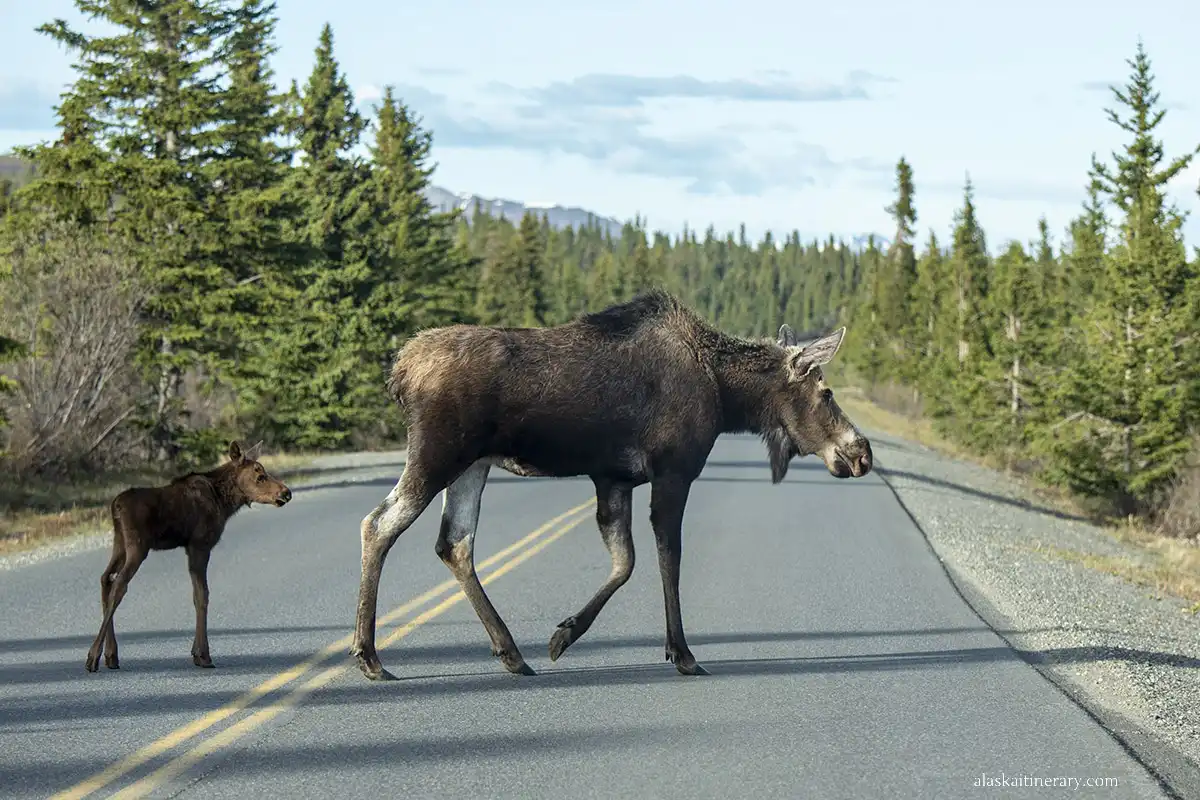
We’ve spotted moose along this stretch on several visits. Keep watching, but pull over only where safe and give animals space.
Parking at Savage River is limited. Arrive early or use the free Savage River Shuttle from the entrance area.

Narrated Tour or Transit Bus?
Both services stop for wildlife and scheduled restroom breaks. The main differences are interpretation, flexibility, destination, and price.
- Narrated tours: Best for travelers who want an organized journey with detailed commentary. You stay with your assigned group.
- Transit buses: Best for independent sightseeing or hiking. You can remain aboard for the round trip or get off to explore.
You don’t need to hike to enjoy a transit bus. Likewise, choosing a narrated tour doesn’t guarantee more wildlife.
If you leave a transit bus, allow time to catch another one. Reboarding depends on available seats.
Our Denali bus guide compares routes and top higlights, durations, prices, booking procedures, and boarding locations.


How Far Should You Go?
For a first visit, we recommend a longer journey if your schedule and comfort allow. Traveling farther reveals more of the park’s changing landscapes.
Toklat and Stony Hill offer access to open country and mountain scenery. Wonder Lake and Kantishna require a much longer day, but reach deeper into Denali.
Choose a destination you can enjoy without rushing. Families and travelers uncomfortable with long bus rides may prefer a shorter route.
Clouds can hide the mountain at any distance. The scenery, wildlife, and wilderness experience remain worthwhile reasons to travel along Park Road.
Free Shuttles and Camper Buses
Free shuttles serve the entrance area, sled dog demonstrations, and Savage River at Mile 15. They’re useful for short outings but don’t replace a bus journey farther into the park.
Camper buses transport eligible campers and their gear to campgrounds farther along Park Road. Coordinate your campsite and transportation reservations.
What About the Denali Road Lottery?
The Road Lottery remains suspended, with no announced return date. Full-road bus service resuming doesn’t mean visitors can drive the entire road themselves.
Plan your visit around the regular bus system and applicable vehicle-access rules, rather than a possible lottery opening.

Where Can You See the Mountain?
You don’t need to travel the entire Park Road to see Denali. Clear-weather views begin near Mile 9, with a viewpoint pullout at Mile 11.
Mountain Vista at Mile 13 offers another opportunity along its short loop trail. However, the Savage River valley at Mile 15 sits too low for a mountain view.
Farther inside the park, Stony Hill Overlook near Mile 62 provides a more expansive perspective of Denali and the Alaska Range. Choose a bus route that reaches this area if mountain scenery is a priority.
Wonder Lake and nearby Reflection Pond offer additional clear-weather views deeper inside the park. Reflection Pond is a separate location, so reaching Wonder Lake doesn’t automatically include a visit there.
Outside the national park, Denali State Park’s viewpoints and Talkeetna’s riverfront provide additional opportunities along your Alaska route.
Keep looking throughout your trip rather than relying on one scheduled stop. Clouds can hide the summit while nearby valleys remain sunny.
Our guide to the best Denali viewpoints covers all places inside and outside the national park, where you can see the highest peak in North America.

Step 6: Select Your Other Denali Activities
Build the rest of your visit around your main bus journey. Short walks and ranger programs fit partial days. Longer hikes and adventure tours deserve their own time.
Hiking: Choose a Trail That Fits Your Schedule
You don’t need to travel deep into the park for a rewarding hike. Several established trails start near the entrance / visitor center.
- Horseshoe Lake: Approximately two miles round trip from the trailhead; allow about two hours. Expect an uphill return from the lake.
- Mount Healy Overlook: Approximately 5.4 miles round trip from the visitor center; allow around four hours. Choose this for a strenuous climb into alpine terrain.
- Savage Alpine: Four miles one way between Mountain Vista and Savage River; allow approximately three hours plus shuttle time. Steep sections make this another demanding option.
For a shorter outing, Mountain Vista’s 0.6-mile loop takes about 30 minutes. It works well before departure or alongside entrance-area sightseeing.
Our best hikes in Denali guide compares routes, difficulty, access, hiking logistics and wildlife opportunities along each trail.
Off-Trail Hiking and Discovery Hikes
Denali allows off-trail hiking outside designated closures, giving prepared visitors opportunities to explore beyond maintained paths. Ask a ranger about suitable terrain and current conditions before choosing a route.
For a guided introduction, consider a ranger-led Discovery Hike. These outings explore unmarked terrain and require advance in-person registration. Allow a substantial part of the day for hiking and transportation.

Wildlife Watching
Keep binoculars accessible throughout your visit, including near the entrance. Moose, caribou, grizzly bears, Dall sheep, and wolves inhabit different parts of the park.
We’ve watched moose along the first 15 miles and enjoyed wildlife encounters during bus journeys. However, animals move freely, and sightings vary between outings.
Use our Denali wildlife-viewing guide to learn where sightings are more likely, which habitats to watch, and how to prepare.

Sled Dog Demonstrations and Ranger Programs
The free sled dog demonstration is an excellent addition for families and first-time visitors. Rangers explain how working dogs help protect the park during winter.
Peak-season demonstrations usually run at 10 a.m., 2 p.m., and 4 p.m., from June 1 through early September. Each program lasts approximately 30 minutes.
Free buses leave the visitor center 40 minutes before each demonstration. There’s no visitor parking at the kennels, so allow time for transportation. Early- and late-season schedules offer fewer demonstrations.
The visitor center’s exhibits and park film also fit well into an arrival afternoon. Check the daily ranger calendar for walks and talks.

Flightseeing, Glacier Landings, Rafting, and ATV Tours
Choose an excursion that adds a different perspective to your Park Road experience.
- Flightseeing and glacier landings: We’ve enjoyed scenic flights flights from Talkeetna with glacier landing and a helicopter glacier landing near Denali. Check the departure location carefully; these require different travel arrangements.
- Nenana River rafting: Choose a scenic float or a whitewater trip, depending on your comfort level and the operator’s requirements.
- ATV tours: Explore trails outside national park boundaries, with guided options near the entrance area.
Compare the complete excursion duration, including transfers and check-in. A flight may fit a partial day, while combining several outings can leave little breathing room.
Our best Denali guided tours article explains options beyond the park buses, we share our top experiences.

Cycling and Backpacking
Cycling Park Road offers independent exploration, but requires preparation for gravel, hills, weather, and wildlife encounters. Discuss bicycle transport with the bus operator if combining riding and transit.
Overnight backpacking requires a backcountry permit and additional preparation. Treat it as a separate part of your itinerary, with time for permitting, orientation, and transportation.
For more possibilities on how to plan your stay, explore our best things to do in Denali National Park.

Step 7: Make Your Reservations
Coordinate your accommodation, transportation, and main bus journey before booking smaller activities. These reservations determine how the rest of your visit fits together.
What to Book First
- Confirm your dates and transportation to Denali. Account for arrival and departure times, especially when traveling by train or motorcoach.
- Check lodging or campsite availability alongside bus availability. Make sure your preferred journey operates during your stay.
- Reserve your accommodation and Park Road bus trip. Keep a full day available for a longer journey.
- Book additional excursions. Fit flightseeing, rafting, or ATV tours around your park plans.
- Arrange necessary transfers. Car-free visitors should confirm hotel pickup and transportation to their bus departure.
If your visit centers on a particular campground or excursion, check its availability before committing to other nonrefundable bookings.
Book Park Buses and Campgrounds Through the Official Website
Use Reserve Denali, the official reservation website, for narrated tours, transit buses, and reservable NPS campsites.
Reservations for summer 2027 open December 1, 2026. Popular departures and limited campground sites can fill, so book early once your plans are firm.
For camping farther inside the park, arrange both your campsite and the transportation needed to reach it. A campsite reservation alone doesn’t reserve camper-bus seats.
Understand Which Reservations You Need
These are separate arrangements:
- Park entrance fee or pass: Covers admission, not your bus journey or campsite.
- Bus ticket: Reserves your selected service and departure. Check if the entrance fee is included.
- Campground reservation: Covers an established campsite, subject to that campground’s rules.
- Backcountry permit: Required for overnight wilderness trips outside established campgrounds. Arrange this through the park’s backcountry permitting process.
Free park shuttles and sled dog demonstrations don’t require reservations. Most independent day hikes also don’t require advance booking. Ranger-led Discovery Hikes have separate registration requirements.
Check the Details Before Paying
Review cancellation terms for accommodation, buses, and excursions separately. Pay particular attention to weather cancellations and changes to your own travel plans.
Confirm the meeting point, check-in time, and complete activity duration. For hotel transfers, verify that service covers your specific departure and return.
Save confirmations offline. Keep your bus details, accommodation address, and transfer arrangements accessible without cell service.
The Denali Visitor Center, railroad depot, and Denali Bus Depot are separate facilities. Follow your confirmation’s boarding instructions rather than assuming every bus leaves from the visitor center.

What Does a Denali Visit Cost?
Accommodation and your chosen bus journey usually account for the largest share of a Denali sightseeing budget. Camping and transit buses keep costs lower, while remote lodges and flightseeing increase them considerably.
Use these figures as a starting point. Travel estimates are planning allowances, not guaranteed booking prices.
| Expense | Cost or Suggested Allowance |
|---|---|
| Park entrance | $15 per adult, age 16 and older, valid for seven days. Children 15 and younger enter free. |
| Denali Annual Pass | $45, covering the passholder and up to three additional adults. Check eligibility before purchasing. |
| Transit bus | Allow approximately $50–$100 per adult, plus the entrance fee unless covered by a pass. |
| Narrated bus tour | Allow approximately $125–$350 per adult, depending on the tour. |
| NPS campground | Allow approximately $25–$50 per campsite per night, plus transportation where required. |
| Hotel or cabin near Denali | Allow approximately $200–$400 or more per room per night during summer. |
| Meals | Allow approximately $50–$90 per adult daily when eating mainly at restaurants. |
| Optional excursions | Budget separately for your selected activity. Rafting and ATV outings generally cost less than glacier-landing flights. |
Entrance and annual-pass charges are confirmed park fees. Denali charges admission per person, rather than per vehicle, and accepts card payments instead of cash.
The bus allowances reflect published advance pricing information. Final fares and inclusions should be checked when booking, particularly for the returning longer routes.
Avoid Paying the Entrance Fee Twice
Narrated tour prices generally include the park entrance fee; transit fares do not. If you hold a qualifying park pass, follow the booking instructions for having that fee waived or refunded.
Bring your pass and required identification. A pass covers eligible entrance charges, not bus tickets, campsites, or optional excursions.
Where You Can Save
You don’t need several paid activities to enjoy Denali. Combine one substantial bus journey with independent hiking, visitor center exhibits, and a free sled dog demonstration.
Pack lunch for your bus day, refill water before departure, and compare accommodation with kitchen facilities. Camping can reduce lodging costs, although rental equipment or an RV introduces other expenses.
Keep your transportation to Denali separate from this budget. Rental vehicles, fuel, train tickets, and motorcoach fares depend on your wider Alaska itinerary.

Where to Eat and Buy Supplies
Most dining options sit outside the park, along the Parks Highway and in Healy. Inside Denali, public food outlets are concentrated near the entrance. Prepare your lunch before heading farther along Park Road.
Restaurants Near the Entrance and in Healy
These options cover different meals and budgets:
- Prospector’s Pizzeria & Alehouse: Pizza with traditional and Alaska-inspired toppings, in the business area north of the park entrance. A convenient choice after hiking or a bus journey.
- The Black Bear: Coffee, breakfast, and café food along the entrance-area boardwalk. Its season generally runs from mid-May through mid-September.
- Alpenglow Restaurant: Dining at Grande Denali Lodge, with elevated views over the surrounding landscape. Consider it for a more leisurely meal.
- 49th State Brewing: A Healy option for burgers, fish and chips, and locally brewed beer. Account for transportation if staying near the park entrance. It’s located 12 miles north of Denali.
Many local restaurants operate seasonally. Check opening dates for May or September visits, plus kitchen closing times after a long excursion.

Groceries and Packed Lunches
Three Bears in Healy provides groceries, fuel, and other supplies. It’s useful for stocking a cabin kitchen, preparing camping meals, or assembling lunch for your bus day. Smaller shops near the Denali park entrance also sell basic groceries and snacks, but choices are more limited.
Some restaurants and hotels also offer boxed lunches. Order ahead if collection is required the evening before.
For an early bus departure, buy breakfast and lunch the previous day. Don’t assume cafés or your hotel breakfast service will open before you leave.
Food and Water Inside the Park
Near the entrance, you’ll find:
- Morino Grill: Beside the visitor center, serving hot food and grab-and-go options during summer.
- Riley Creek Mercantile: Sandwiches, packaged food, and camping supplies.
- Denali Bus Depot: Coffee and snacks before departure.
Water bottle filling stations are available at the visitor center and bus depot during summer.
Once your bus journey begins, there are no regular food shops along the route. Bring enough food and water for the complete outing. Check your tour’s inclusions, since a snack pack doesn’t replace lunch.
For picnics near the entrance, Riley Creek’s day-use area offers covered tables. Mountain Vista and Savage River also have picnic tables. Keep food attended and pack out your rubbish.

Practical Tips for a Smooth Denali Visit
Parking, Fuel, and Basic Facilities
The visitor center and bus depot have parking, including spaces for RVs. Savage River’s smaller parking areas fill more quickly.
Fuel is available outside the park along the Parks Highway, including in Healy and Cantwell. There are no public fuel stations farther along Park Road.
Use entrance-area restrooms before setting out. Sightseeing buses make scheduled restroom stops, but have no onboard toilets.
Riley Creek Mercantile has seasonal showers and laundry nearby, useful for campers and travelers between overnight stops. NPS campgrounds don’t provide RV hookups.
Pack for Changing Weather
Bring warm layers and waterproof outerwear, even during summer. Conditions can change between the entrance, higher viewpoints, and exposed trails.
Keep these essentials accessible:
- Rain jacket, insulating layer, hat, and gloves.
- Comfortable footwear with good traction.
- Binoculars and a camera.
- Water, food, and personal medication.
- Sun protection and insect repellent.
Our Alaska packing list includes a printable PDF checklist and detailed advice for different adventures.

Download Maps Before Leaving the Entrance Area
Cell service becomes unreliable beyond the entrance area. Download trail maps, reservation confirmations, and the Denali section of the NPS app beforehand.
For longer hikes, tell someone your route and expected return time. Don’t depend on your phone having a signal. Beyond cell coverage, report emergencies to a ranger, campground host, or bus driver.
Give Wildlife Space
Stay at least 300 yards from bears and 25 yards from other wildlife. These are Denali’s minimum distances; increase your distance if an animal changes its behavior.
Never approach wildlife for photographs or block its route. If an animal occupies a trail, wait at a safe distance.
Carry bear spray when hiking and learn how to use it before setting out. Follow temporary wildlife closures and ask rangers about current conditions.
Plan Around Your Family’s Needs
For children, consider the complete bus duration alongside their comfort with long periods aboard. Bring familiar snacks, extra layers, and quiet activities.
Short walks, visitor center exhibits, and sled dog demonstrations provide variety between longer outings. Ask about the Junior Ranger program at the visitor center.
Arrange Accessibility Requirements When Booking
Wheelchair-accessible tour and transit buses are available. Request the necessary arrangements when reserving, including space for your mobility device.
If bus accommodations cannot meet your disability-related needs, you may qualify for a special road travel permit. Apply through the park several weeks ahead; approval requires explaining why available bus accommodations are unsuitable.
For walks, compare surfaces, slopes, and distance. A short trail can still contain steep sections, roots, or uneven ground.
Make Arrangements for Pets
Pets aren’t allowed on park buses or most hiking trails. Arrange appropriate care before booking a full-day bus journey.
Leashed pets may use park roads, parking lots, and campground roads. The Roadside Hiking Trail and Roadside Bike Trail are exceptions to the general trail restriction. Leashes must be six feet or shorter.
Qualified service animals follow different rules. Contact the park ahead of a sled dog kennel visit with a service animal.

Final Thoughts
Give Denali a full sightseeing day beyond the time needed to reach it. That’s the most useful starting point when fitting the park into a larger Alaska trip.
For us, camping and hiking deeper inside Denali and watching the landscape change along Park Road have made return visits especially rewarding. You don’t need to follow the same approach. A comfortable hotel, one longer bus journey, and a few well-chosen walks can create an excellent first visit.
Once your main reservations are arranged, leave some time unassigned. You may want to linger beside a river, watch a moose from a safe distance, or enjoy an unexpected clear mountain view. A useful plan gets you where you want to go—and gives you time to appreciate being there.
Planning to include Denali in a longer Alaska road trip? Explore our 7-day Alaska itineraries, including two routes featuring Denali, or our 10-day Alaska itinerary connecting Denali, Talkeetna, Seward, and Homer.
Do You Like It? Pin It For Later!





Denali National Park would absolutely be on our travel agenda when we finally get to Alaska. I can certainly see why you have visited more than once. Good to know about changes coming for 2025. And to learn that even if we take a car we can’t explore it all by car. We might do a first visit by train and bus if we visit during high season. I am definitely keeping this guide as there are so many options to get around. And may think about putting our name in the lottery! What a great comprehensive post. Gets me excited to start putting this on our calendar!
great place to visit, thank u for creat this article
Denali National Park sounds like a wonderful place to visit, thanks for the detailed guide!
Returning more than ten times is pretty impressive. I can certainly appreciate the appeal of experiencing such incredible wilderness and having the opportunity to explore the wildlife. Sounds like a wonderful place to keep coming back to.
I didn’t realize how much planning a trip to Denali involves. This guide makes everything much clearer and easier to figure out. Thanks for all the helpful tips!
While I went to Alaska in September, there were so many things I didn’t see and do. Denali is one of them. Next time…
This is an incredibly detailed guide! 2-3 nights in late June sounds good- or early September as you recommend. Alaska is definitely on my wishlist!