Alaska Seasons Explained: Summer, Shoulder Season & Winter

Alaska seasons don’t follow the simple rules travelers expect. Here, timing controls daylight, access, and what is actually operating on the ground. A destination can be open on the map and still feel unavailable if services, roads, or tours are not running. This guide explains how Alaska seasons really work. We focus on summer, shoulder season, and winter, using clear definitions and real planning context. You’ll learn what changes between seasons, why availability shifts, and how daylight and operations shape travel more than temperature alone.
This article may contain affiliate / compensated links. For full information, please see our disclaimer here.
Our Experiences Exploring Alaska Across Seasons
We’ve explored Alaska for years, across very different seasons and conditions. Chris and I have traveled during peak summer, shoulder months, and winter, using rental cars, RVs, and independent road trips rather than guided packages.
What those trips taught us is simple. In Alaska, the season shapes everything. Long summer daylight allows flexible days and long drives. Shoulder season forces careful planning around limited services. Winter travel becomes slower, more regional, and dependent on daylight and weather.
This guide is based on those firsthand experiences. It focuses on how Alaska actually functions through the year, so you can plan with realistic expectations and choose the season that matches the kind of trip you want to take.
If you’re deciding which season fits your plans, this guide provides the framework. For a deeper dive, we break things down by priorities and timing in our Best Time to Visit Alaska for Different Travel Goals guide, and explain conditions in detail in Alaska Weather by Region: What to Expect.
Alaska is huge and divided into five regions, and each season looks different in each.
For everything beyond timing, from getting around to practical planning advice, visit our Alaska Travel Resources and Tips guide.

Alaska Travel Seasons at a Glance
This comparison summarizes how Alaska travel changes by season based on daylight, conditions, access, and operations. Details vary by region and year, but this reflects realistic statewide planning expectations.

The Three Drivers That Define Alaska Travel Seasons
Alaska travel seasons are not defined by temperature alone. They are shaped by daylight, access, and seasonal operations. These three factors determine what you can realistically do at different times of the year.
Daylight
Daylight changes more dramatically in Alaska than in most destinations. In summer, much of the state experiences 18 to nearly 24 hours of daylight, depending on latitude. This allows long driving days, late-evening sightseeing, and flexible schedules.
In winter, daylight drops sharply. In Southcentral Alaska, usable daylight can fall to around five hours per day near the winter solstice. Farther north, daylight becomes even more limited. This directly affects how far you can travel in a day and how many activities fit into your plans.
Access
Access in Alaska depends on road type, location, and season. Many major paved highways remain open year-round, but seasonal conditions still affect how practical and safe travel is.
At the same time, many gravel and remote roads are seasonal by design. These roads often open only from late May through mid-September, and some high-elevation or remote routes may not be reliably accessible until mid-summer. Outside that window, they can be closed, impassable, or unsuitable for regular vehicles.
Even when roads are officially open, conditions matter. Snow, ice, thawing permafrost, mud, and construction can slow travel or limit access to certain areas. Travel times in Alaska often change significantly by season, even on routes that remain open year-round.
Because of this, access in Alaska is not just about whether a road exists. It’s about when it is realistically usable and what type of vehicle and planning it requires.
Seasonal Operations
Seasonal operations often matter more than weather. Many tours, park shuttles, visitor centers, and lodges operate only during a defined window, usually from the second half of May through mid-September. Outside that period, services may run on reduced schedules or close entirely.
Together, these three elements define Alaska’s travel seasons. In Alaska, “open” does not always mean fully available. Understanding how daylight, access, and operations overlap is the key to choosing the right season and avoiding surprises while traveling.
Summer Season in Alaska: What the Season Really Means
Summer is Alaska’s most accessible travel season because daylight, access, and seasonal operations overlap, not because conditions are mild or predictable.
Summer is the period when Alaska offers the widest access statewide. Daylight is long, most roads are usable, and visitor services operate on their fullest schedules. This is when travelers can realistically combine multiple regions in one trip without constant contingency planning.
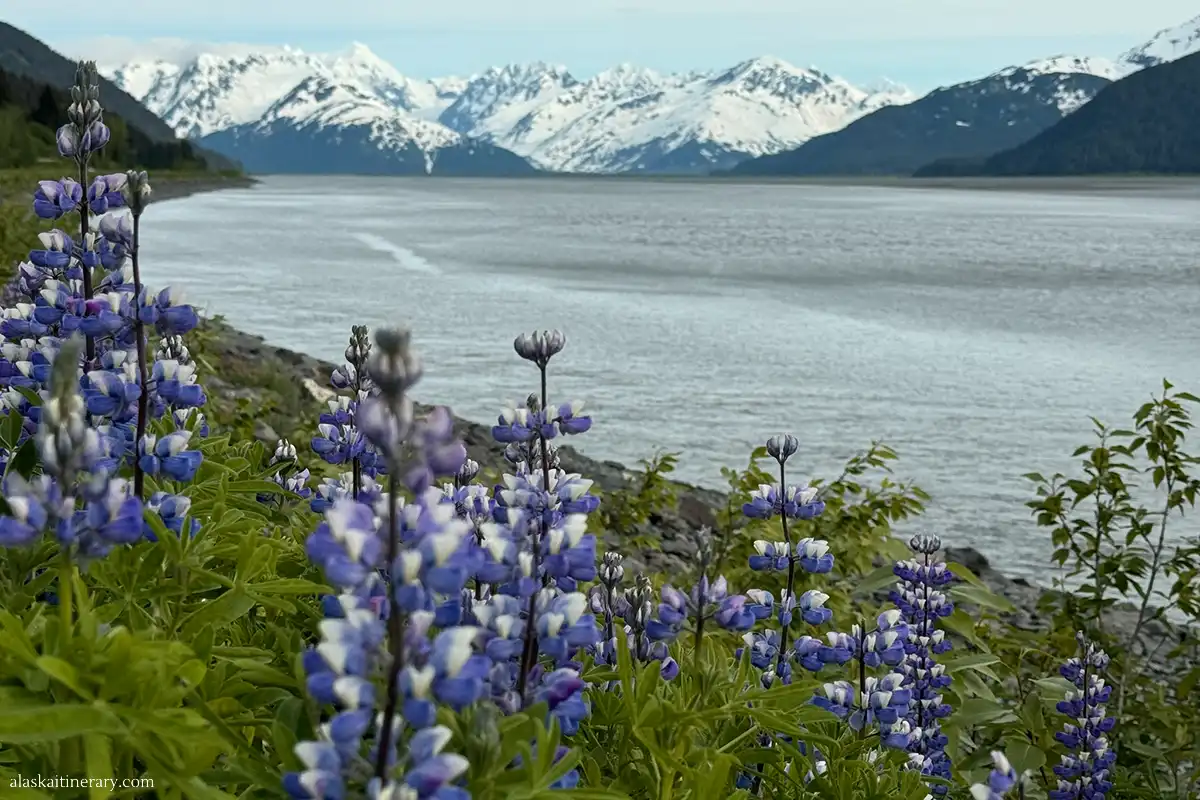
Daylight is the biggest advantage. Across much of Alaska, summer brings 18 to nearly 24 hours of daylight, depending on latitude. Long days make it possible to drive farther, hike later, and plan flexible itineraries without racing the clock.
Temperatures during summer are generally above freezing across most of the state, with daytime averages often ranging from the mid-50s to low-70s°F in many regions. However, cooler days and sudden weather changes are common, especially near the coast or at higher elevations. Summer in Alaska is defined by variability, not heat.
Precipitation in summer falls mostly as rain, not snow. Coastal and Southeast Alaska tend to see more frequent rainfall, while Interior Alaska is typically drier. Rain rarely shuts travel down completely, but it can affect visibility, hiking conditions, and marine activities.
Summer months align with Alaska’s peak cruise season, which makes them popular for travelers combining land trips with an Inside Passage cruise.
Summer Solstice Season and the Midnight Sun
Early summer includes Alaska’s solstice season, centered around the June solstice. During this period, daylight reaches its annual peak.
In parts of northern Alaska, the sun does not set at all, a phenomenon known as the Midnight Sun. In much of the rest of the state, the sun may dip briefly below the horizon but never fully darkens the sky. Even late at night, there is usable light for driving, sightseeing, and photography.
This extended daylight changes how travel feels. Days stretch long, sleep schedules can be disrupted, and it becomes easy to underestimate how much energy continuous daylight requires. For many travelers, solstice season is one of the most memorable aspects of an Alaska summer.
Access and Operations in Summer
Summer is the core season for full operations. Most tours, park shuttles, visitor centers, and seasonal lodges operate daily or near-daily schedules, typically from the second half of May through mid-September.
Road access is also at its best. Major highways are clear, and many seasonal gravel roads are open during this period, though exact dates vary by route, elevation, and year.
Tradeoffs of Summer Travel
Summer is also Alaska’s busiest and most expensive season. Popular destinations book early, wildlife-viewing areas can be crowded, and last-minute planning is harder. Still, for travelers who want the fewest logistical limits and the greatest flexibility, summer offers the most straightforward way to explore Alaska.
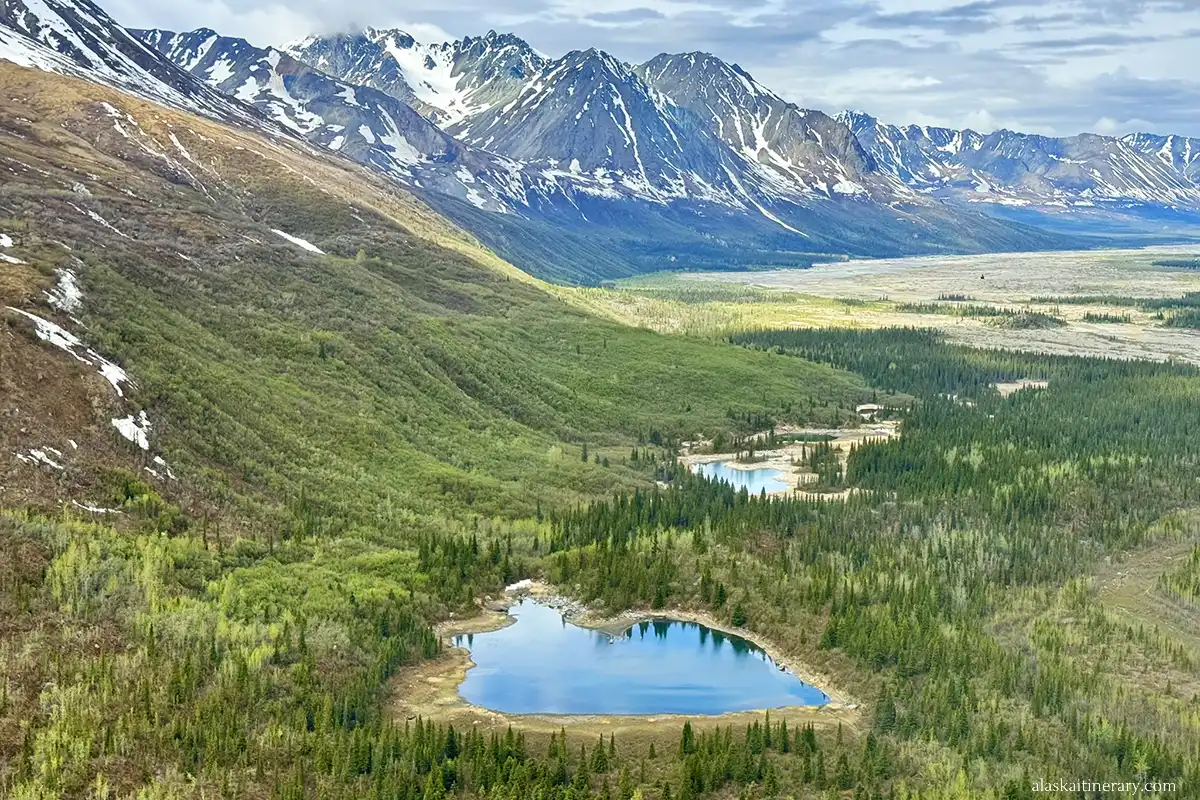
Shoulder Season in Alaska: What Changes and Why It Matters
In Alaska, shoulder season is the transition period between full summer operations and winter conditions. It is not defined by temperature alone. It’s defined by changing daylight, mixed weather, and reduced availability of services.
Alaska has two shoulder seasons:
- Spring shoulder season: April and May
- Fall shoulder season: September and October
These months sit between peak summer and winter, but they are not uniform. Conditions can shift quickly, and early and late parts of shoulder season feel very different.
- Late May often feels close to summer, especially at lower elevations and in road-accessible areas.
- Early September can still feel like summer, while late September and October move rapidly toward winter conditions.
There are no fixed start or end dates. Shoulder season timing varies by region, elevation, and year.
During shoulder season, daylight shifts at a noticeable pace. In April and May, daylight increases from roughly 12–13 hours to 16–18 hours per day, depending on location.
In September and October, daylight drops from about 13–14 hours down to 8–10 hours by late fall. This rapid change directly affects how long you can drive, hike, or sightsee in a single day. September also marks the start of Alaska’s Northern Lights season, as nights grow darker again.
Daytime temperatures during shoulder season commonly range from the upper 30s to mid-50s°F, while overnight temperatures often drop to or below freezing, particularly in Interior Alaska and at higher elevations.
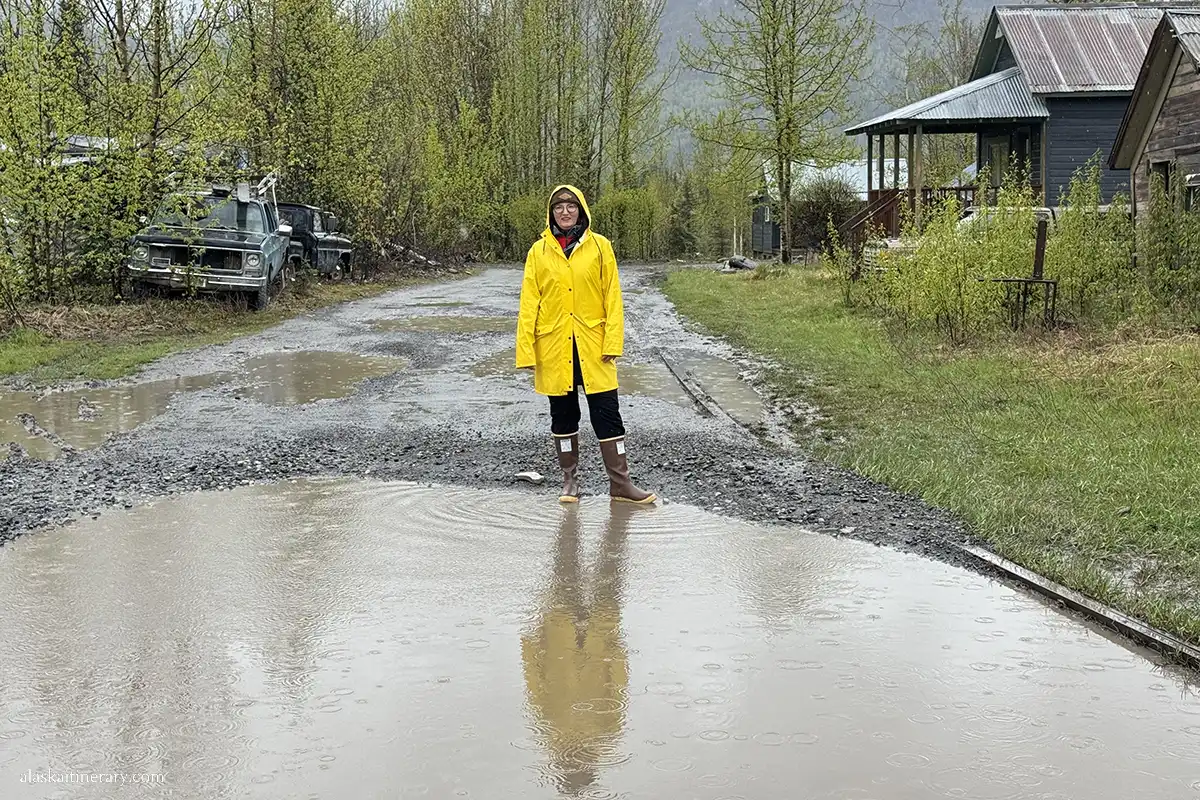
Unlike summer, when precipitation falls mostly as rain, shoulder season often brings a mix of rain and snow, sometimes within the same day. Snow may linger or return at elevation, while rain dominates lower coastal areas.
Freeze–thaw cycles are common. These can affect gravel roads, trail surfaces, and hiking access even when areas are technically open.
Access and Seasonal Operations
What truly defines shoulder season is reduced availability, not just weather.
Most tours, park shuttles, visitor centers, and seasonal lodges operate roughly from the second half of May through mid-September. During shoulder season, services may:
- run on limited schedules
- operate only on certain days
- close earlier than expected
- not operate at all in some regions
A destination may be open, but the experience can be very limited.

Winter Season in Alaska: What Travel Really Looks Like
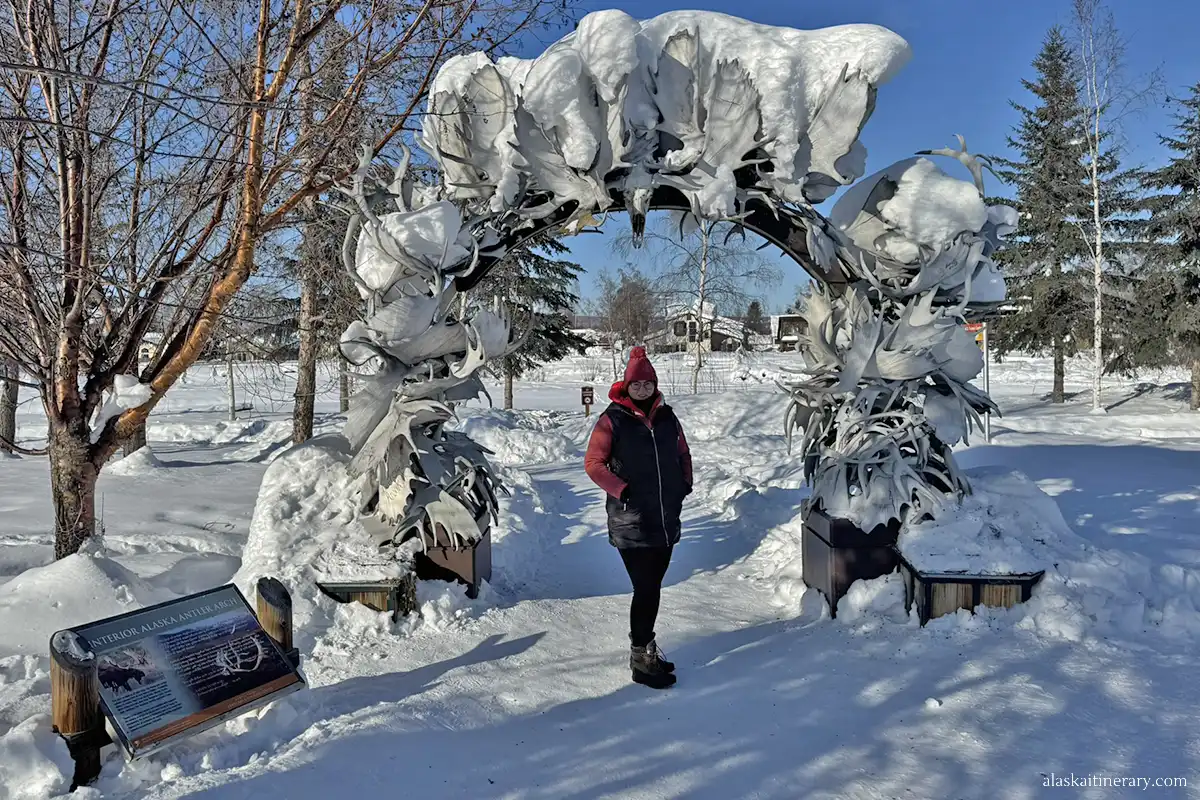
Winter in Alaska typically brings short daylight, cold temperatures, and snow-based conditions, which fundamentally change how travel works.
From late fall through winter, daylight drops sharply. In much of Alaska, winter days provide 4 to 6 hours of usable daylight, and farther north it can be even less. This limits how far you can drive and how many activities fit into a single day. Travel becomes slower and more deliberate.
Temperatures in winter are consistently cold. Many areas experience average daytime temperatures well below freezing, with Interior Alaska often much colder than coastal regions. Snow and ice are normal, not exceptional. Roads may remain open, but winter driving skills and flexibility are required.
Precipitation shifts almost entirely to snow, rather than rain. Snow cover affects trails, access to remote areas, and backcountry travel. At the same time, winter conditions create opportunities that do not exist in summer, such as snow-based activities and Northern Lights viewing.
The winter solstice, around December 21, marks the shortest day of the year in Alaska. In Southcentral Alaska, daylight drops to just a few hours, while farther north some areas experience little to no daylight at all.

Access and Operations in Winter
Many services do not operate in winter.
Most tours, park shuttles, visitor centers, and seasonal lodges close after mid-September and do not reopen until late spring. Travel becomes region-based, with visitors choosing one primary location rather than moving continuously across the state.
Winter-specific activities replace summer offerings, but they run on smaller scales and shorter schedules. Planning requires checking availability carefully rather than assuming access.
Seasonal operations are limited. Most summer tours, park shuttles, and visitor centers are closed. Winter travel focuses on specific regions and base locations, rather than long-distance road trips across the state.
Winter works best for travelers with clear goals and realistic expectations. It is not a general sightseeing season, but it offers a focused, quieter Alaska experience shaped by darkness, cold, and snow.
If you’re planning a winter trip, take a look at my posts Anchorage in winter and Fairbanks in winter, where I share the top things to do in each city along with helpful travel tips.

How to Choose the Right Alaska Season for Your Trip
Choosing the right time to visit Alaska starts with how you want to experience the state, not with weather alone. Seasons in Alaska shape access, pacing, and logistics just as much as activities.
Start With Your Top Priority
Alaska rewards focused planning. Decide what matters most for your trip.
If your goal is maximum access and flexibility, summer is the safest choice. This is when national parks, tours, and scenic roads are fully available, and you can combine multiple experiences in one itinerary. Pick June, July, or August if you want to hike, camp, fish, or photograph wildlife with minimal restrictions.
If your goal is fewer crowds and lower costs, shoulder season can work well. April–May and September–October offer quieter travel, but they require flexibility. Some services may be closed, weather can be mixed, and plans often need backup options.
If your goal is Northern Lights or winter-specific experiences, winter travel makes sense. Trips are built around darkness, snow, and region-based travel rather than long road itineraries.
Match the Season to Your Travel Style
How you like to travel matters as much as what you want to see.
Independent travelers with experience driving long distances and adapting plans on the fly often enjoy shoulder season. First-time visitors, families, and travelers on tight schedules usually find summer easier and more predictable.
Winter favors travelers who are comfortable with cold, limited daylight, and slower pacing. It is not a sightseeing season in the traditional sense, but it offers a very different Alaska.
Be Honest About Logistics
In Alaska, access defines the experience.
Summer allows continuous road travel and easy connections between regions. Outside of summer, travel becomes more location-focused, and distances matter more. A realistic itinerary matched to the season will always outperform an ambitious plan that ignores seasonal limits.
There Is No Single Best Season
There is no single best time to visit Alaska. The best season depends on your priorities, flexibility, and expectations. When you choose a season that fits your goals, Alaska works with you instead of against you.

Common Mistakes When Choosing an Alaska Travel Season
Many Alaska trips fall short not because of bad weather, but because expectations don’t match the season. These are the most common planning mistakes we see.
Assuming Summer Means Guaranteed Sunshine
Summer offers the best access, but it does not guarantee perfect weather. Rain is common in many regions, especially along the coast, and temperatures can shift quickly. Planning only for warm, dry days often leads to disappointment. Flexible itineraries and layered clothing matter more than chasing forecasts.
Treating Shoulder Season Like a Cheaper Summer
Shoulder season is often marketed as “summer without crowds,” but it works differently. Fewer tours run, some lodges close, and park services may be limited. Travelers who plan shoulder season trips like peak summer trips often discover fewer options on arrival.
Underestimating Daylight in Winter
Winter trips are frequently planned around activities, not daylight. Short days limit how far you can drive and how much you can fit into one day. Winter itineraries need fewer stops and shorter distances to work well.
Ignoring Regional Differences
Alaska does not behave as one climate zone. Coastal areas, the Interior, and the Arctic experience very different conditions in the same month. Planning based on statewide averages without considering location can lead to unrealistic expectations.
Overpacking the Itinerary
Distances in Alaska are long, and seasons amplify that reality. Summer allows longer days but still requires travel time. Outside of summer, slower pacing is essential. A lighter itinerary almost always leads to a better experience.
Choosing a Season Without a Clear Goal
The biggest mistake is not defining what you want from the trip. Alaska offers something in every season, but no season offers everything. Clear priorities lead to better timing decisions and smoother travel.

Final Thoughts
Alaska does not have a single travel season that works for everyone. Daylight, weather, access, and services change dramatically through the year, and those shifts shape what is realistic in each season.
Summer offers the widest access and the easiest logistics. Shoulder season rewards flexibility but requires careful expectations. Winter delivers a completely different Alaska, built around darkness, snow, and focused travel goals rather than broad sightseeing.
The key to a great Alaska trip is not choosing the “best” season, but choosing the right one for how you want to travel. When timing aligns with your priorities, Alaska becomes easier to plan, more rewarding to experience, and far more memorable.
If you’re deciding when to go next, this seasonal overview gives you the foundation. From here, the details matter—and those details depend entirely on the season you choose.
Do You Like It? Pin It For Later!