When is the Best Time to Visit Anchorage, Alaska?

Planning a trip but wondering when is the best time to visit Anchorage, Alaska? Let us guide you through the optimal months and seasons for an unforgettable Anchorage experience tailored to the adventures you seek. Whether your heart is set on hiking, biking, angling, soaking in the local culture through festivals, or marveling at wildlife and whales, our guide, rooted in personal experience, will steer you right.
This article may contain affiliate / compensated links. For full information, please see our disclaimer here.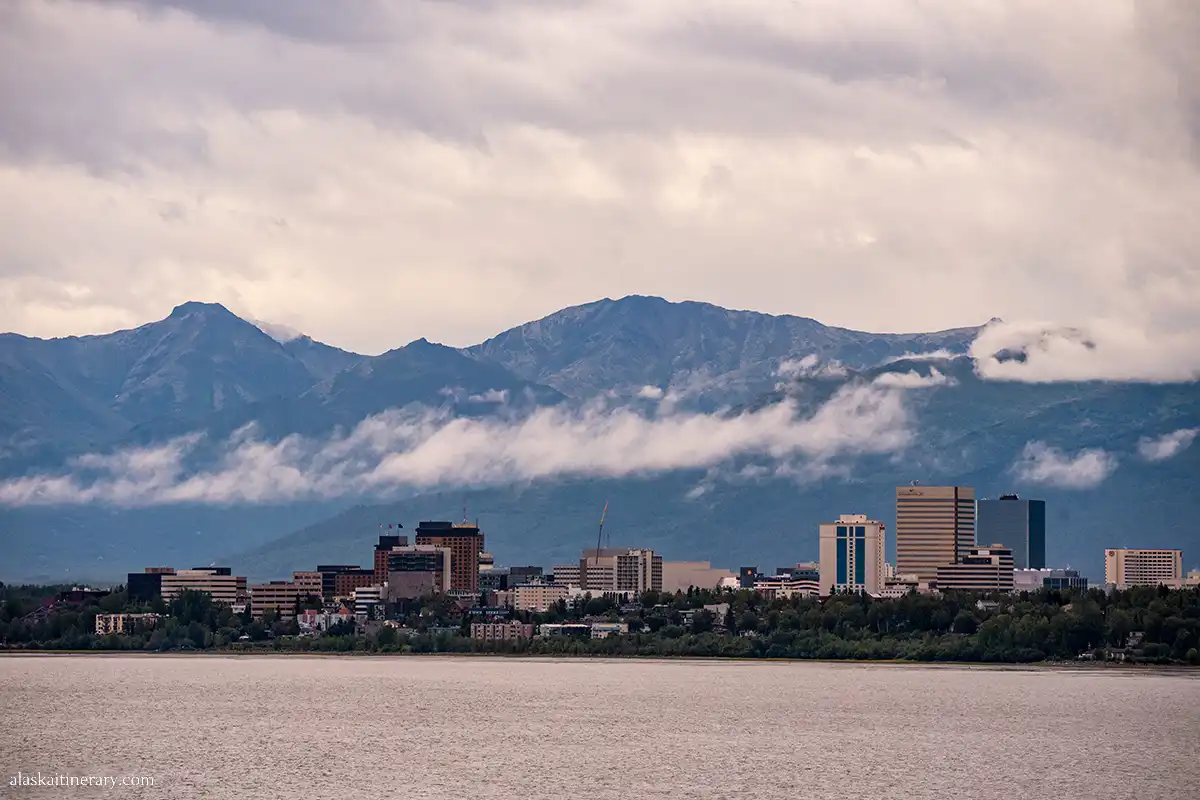
Best Time to Visit Anchorage: When to Go for What
The prime time to explore Anchorage spans from May to September. This period, especially from June to August, is the zenith of tourism, offering an array of activities in the welcoming embrace of summer.
Yet, the “best” time is subjective, hinging on your activity checklist. Are your sights set on glacier treks, wildlife encounters, fishing adventures, scenic explorations, or the awe-inspiring Northern Lights? Anchorage’s diverse seasons cater to different pursuits. This article will enlighten you on the best months and seasons for your specific Anchorage activities and adventures.
For a broader overview of what to see and how to organize your visit, explore my complete Anchorage city guide.
Anchorage Through Our Lens
Anchorage, a frequent destination in our Alaskan explorations, stands out with its excellent global connectivity, affordable accommodations, and car rentals. Thanks to its well-connected routes and strategic locale, it’s a fantastic launchpad for Alaskan road trips.
Moreover, you can set up many self-driven day trips from Anchorage or guided tours with transportation.
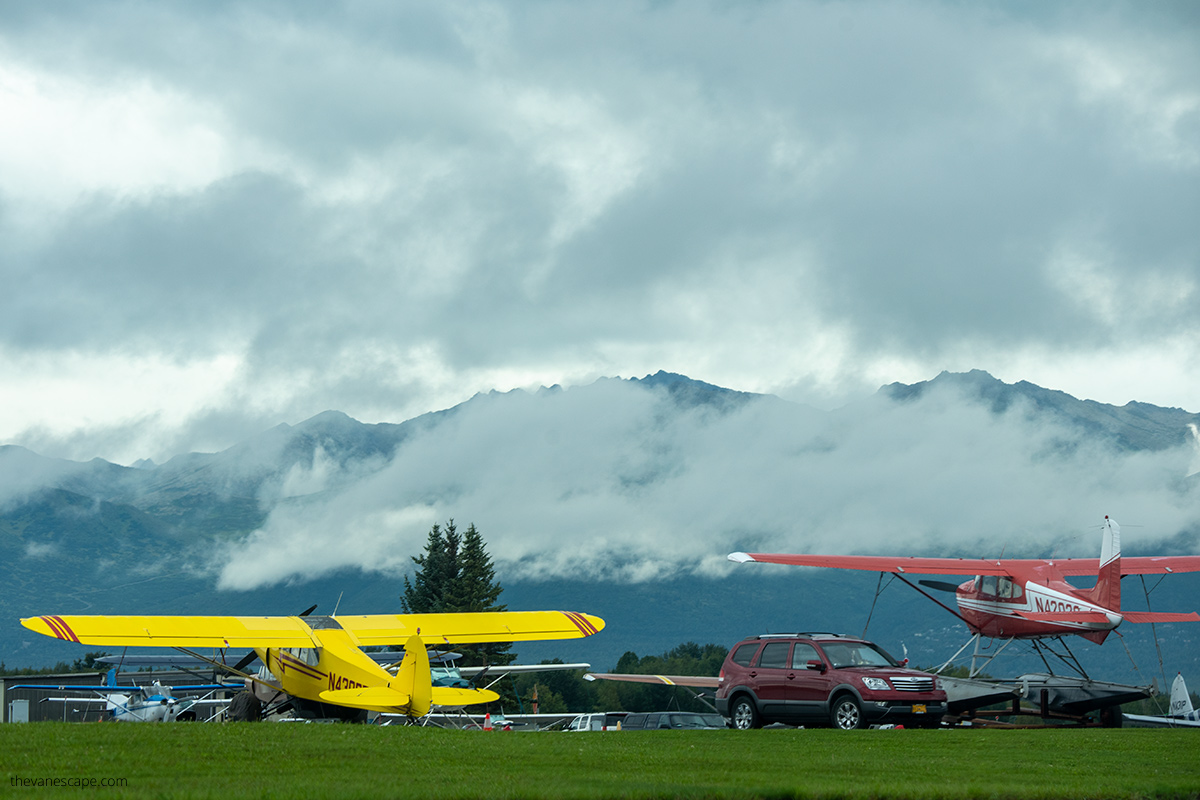

Chris and I have experienced Anchorage across various months and seasons, equipping us with firsthand insights and tips. We’re here to recommend the most fitting months for your Anchorage itinerary based on the activities you fancy.
After numerous visits, we’ve also pinpointed our favorite times for Anchorage trips, along with invaluable advice. As we visited this city several times, also check out our 2 days in Anchorage itinerary.


A crucial tip: brace for Alaska’s unpredictable weather. Whether in Anchorage or elsewhere in Alaska, prepare for all four seasons. Summer might surprise you with winter chills, storms, or fog. Gear up for wind, cold, rain, and mud, irrespective of the forecast. Don’t forget to check our essential packing list and tips for Alaska. Also, have a backup plan for your sightseeing agenda in case of sudden weather shifts.
Understanding Anchorage’s Weather Patterns
Anchorage is characterized by a subarctic climate, making its daily weather quite a wildcard. This unpredictability is a hallmark of Alaskan weather, often shifting dramatically within minutes. That’s why packing smartly for your Alaskan adventure, specially tailored to your planned activities, is essential.
Throughout the year, Anchorage’s temperatures typically range from a brisk 13°F to a mild 68°F. Extreme temperatures below -8°F or above 75°F are rare occurrences. Summers in Anchorage are brief, tending towards cooler temperatures and frequent cloud cover. Winters, on the other hand, are extensive, marked by icy conditions, consistent snowfall, and partial cloudiness.
Anchorage’s geographical position near the top of the globe significantly influences its daylight hours. Summers boast exceptionally long days, with the sun shining for up to 18 hours and 21 minutes at its peak. In contrast, winter days are much shorter, with the briefest day receiving only about 5 hours and 28 minutes of sunlight. This unique aspect of Anchorage’s climate adds an intriguing twist to any visit, regardless of the season.

Summer in Anchorage (June-August)
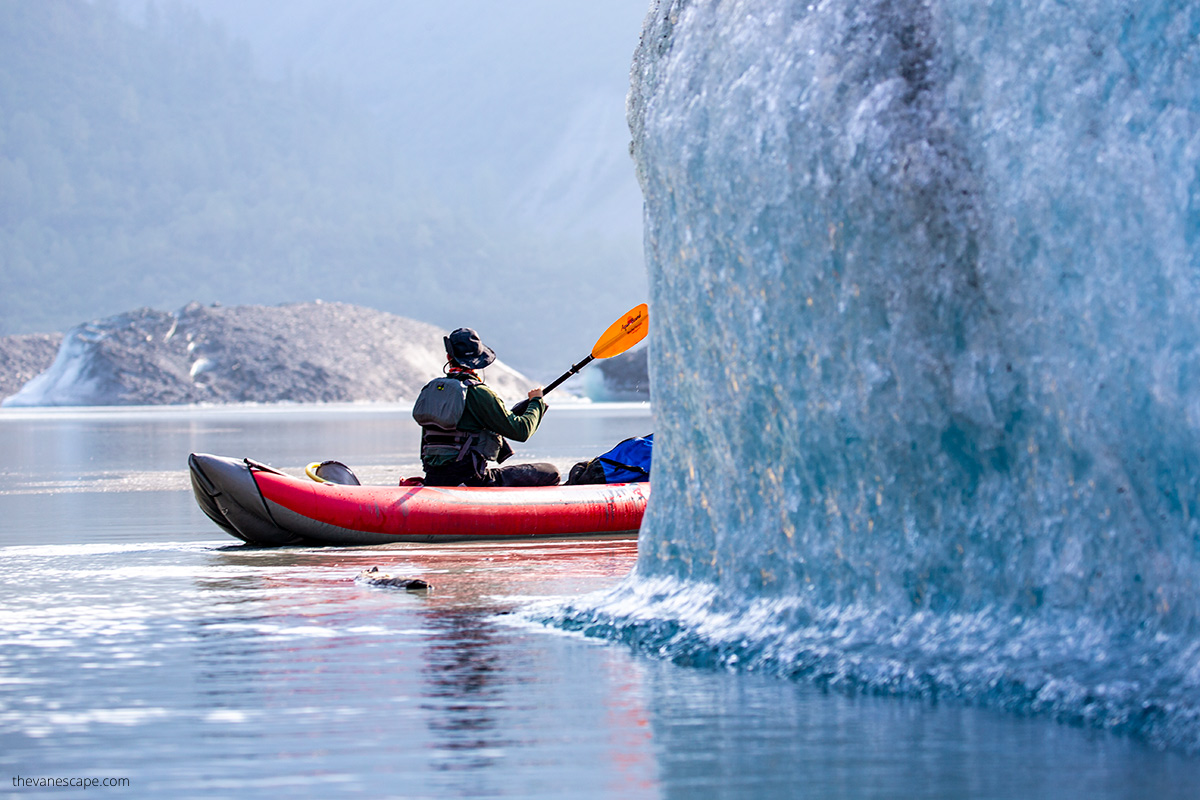
Perfect for: Wildlife Watching (especially bear-watching tours and birding in Anchorage), Trekking, Camping, Biking, Kayaking tours, Angling, and Experiencing the Midnight Sun.
Typical Summer Temperatures in Anchorage: Expect daytime highs around 65°F, seldom dipping below 56°F or above 75°F. Nighttime lows average around 51°F, rarely falling below 43°F or climbing over 59°F. Summers are generally cloudy, with an increasing chance of rain, starting at 20% early in the season and escalating to 35% by its end.
From June, Anchorage enjoys nearly 19 hours of daylight. The Midnight Sun period is a boon for outdoor enthusiasts, allowing for extended adventures and longer travel plans across Alaska.
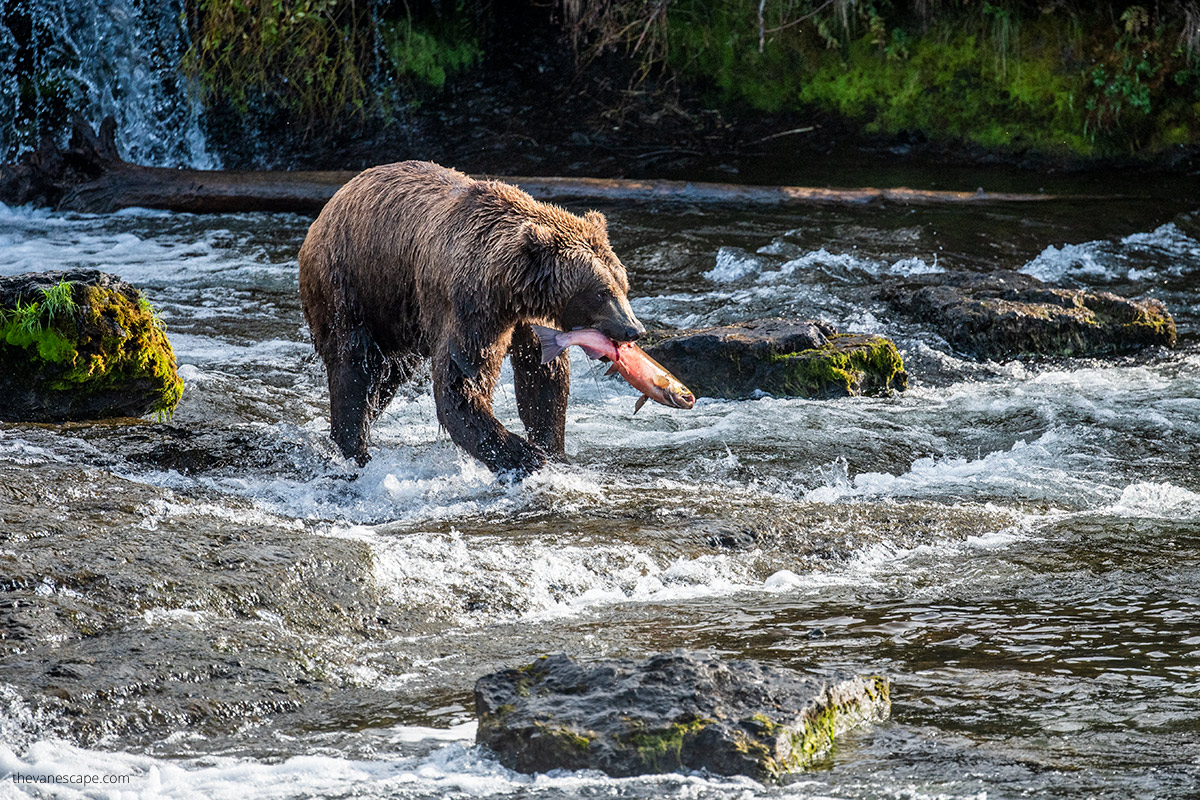
However, summer also marks the peak tourist season in Anchorage and its surroundings, leading to the highest prices. To snag the best deals on accommodations and tours, early booking is key – procrastination could lead to inflated costs.
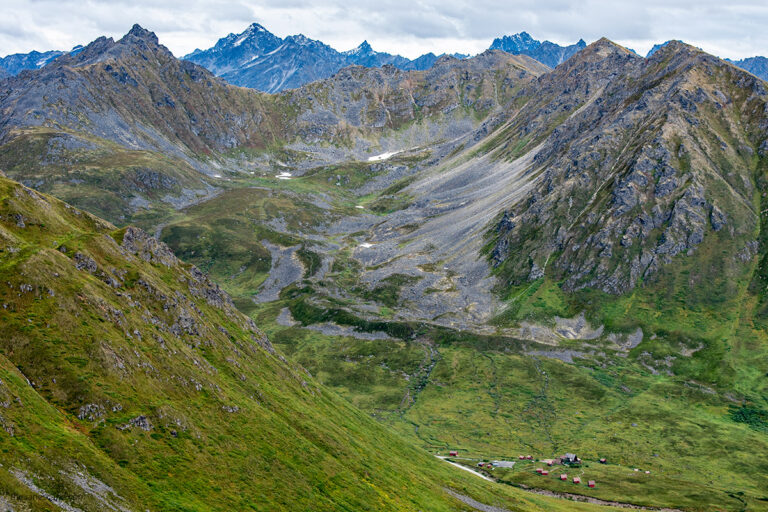
Summer in Anchorage is prime time for hiking, with exceptional trails at Hatcher Pass and Chugach State Park.
For fishing aficionados, summer offers the best opportunities. Prime salmon fishing rivers near Anchorage include the Kenai, Ninilchik, Moose, and Kasilof. Local favorite lakes such as Beach Lake, Campbell Point Lake, Cheney Lake, and DeLong Lake are also worth exploring. Don’t forget to obtain your fishing license.
Summer is the perfect time to explore Anchorage without a car, with public transportation, scenic trains, shuttle buses, and guided tours all in full operation!

Additionally, summer is the ideal season to explore Denali National Park. Look into the most convenient ways to travel from Anchorage to Denali to enjoy this majestic national treasure fully.
Summer, the prime season for an Alaskan cruise, often sees travelers enriching their cruise itineraries with a trip to Anchorage, conveniently accessible from the ports of Seward or Whittier, to further explore the wonders of Alaska.
Pros and Cons of Visiting Anchorage in Summer
Summer in Anchorage Pros
Summer in Anchorage Cons
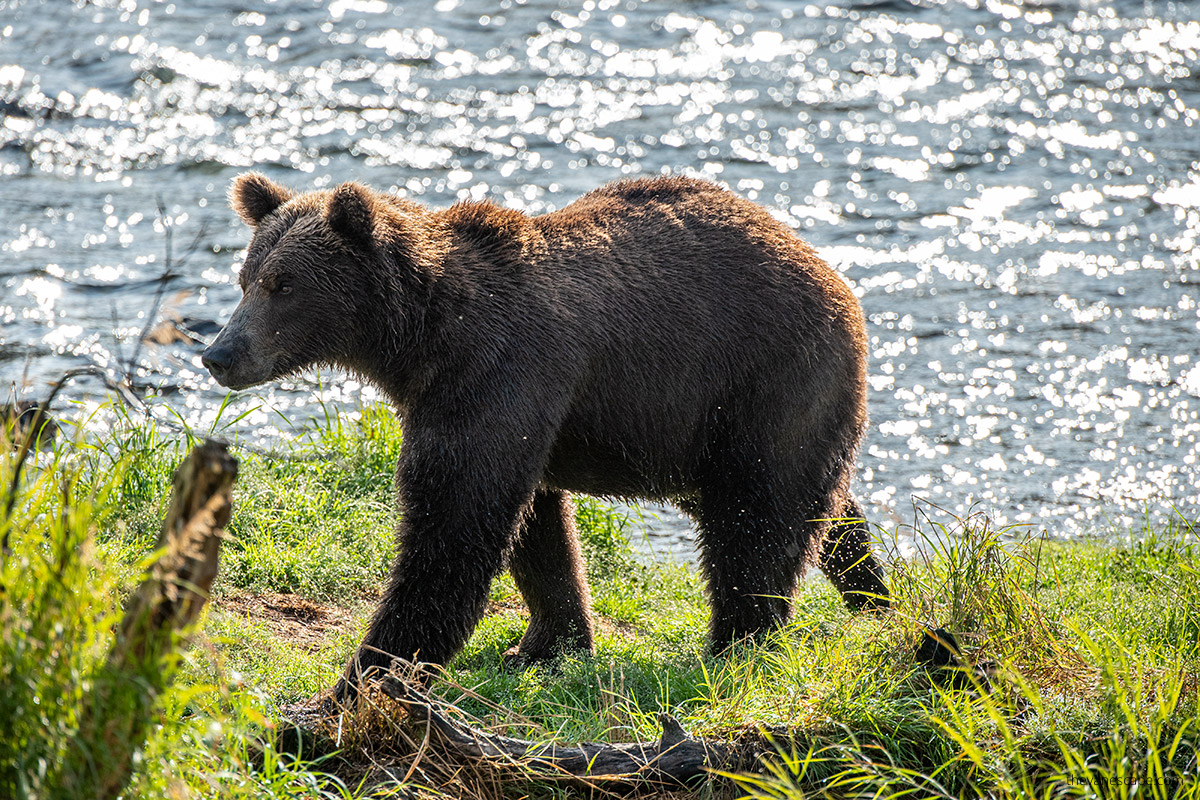
Fall Magic in Anchorage (September-November)
Ideal for: Autumn Foliage, Aurora Borealis Viewing, Hiking, Biking
Typical Fall Temperatures in Anchorage: Expect a noticeable drop in daily highs, from 62°F to a brisk 25°F. Nightly lows also decrease, from 49°F to 16°F. Extremely low temperatures below 0°F or highs above 53°F are uncommon. The likelihood of rain diminishes from 36% to 24% over the season.
Fall in Anchorage charmed us with its near-perfect weather. Less frequent rain compared to summer allowed us to appreciate the vibrant fall colors fully. Additionally, prices were more wallet-friendly than in the bustling summer months.
Autumn stands out as an excellent time for mountain hiking or cycling in Anchorage. While the Aurora Borealis, or Northern Lights, can be glimpsed in autumn, remember that your chances improve outside the city, preferably to the north of Anchorage.
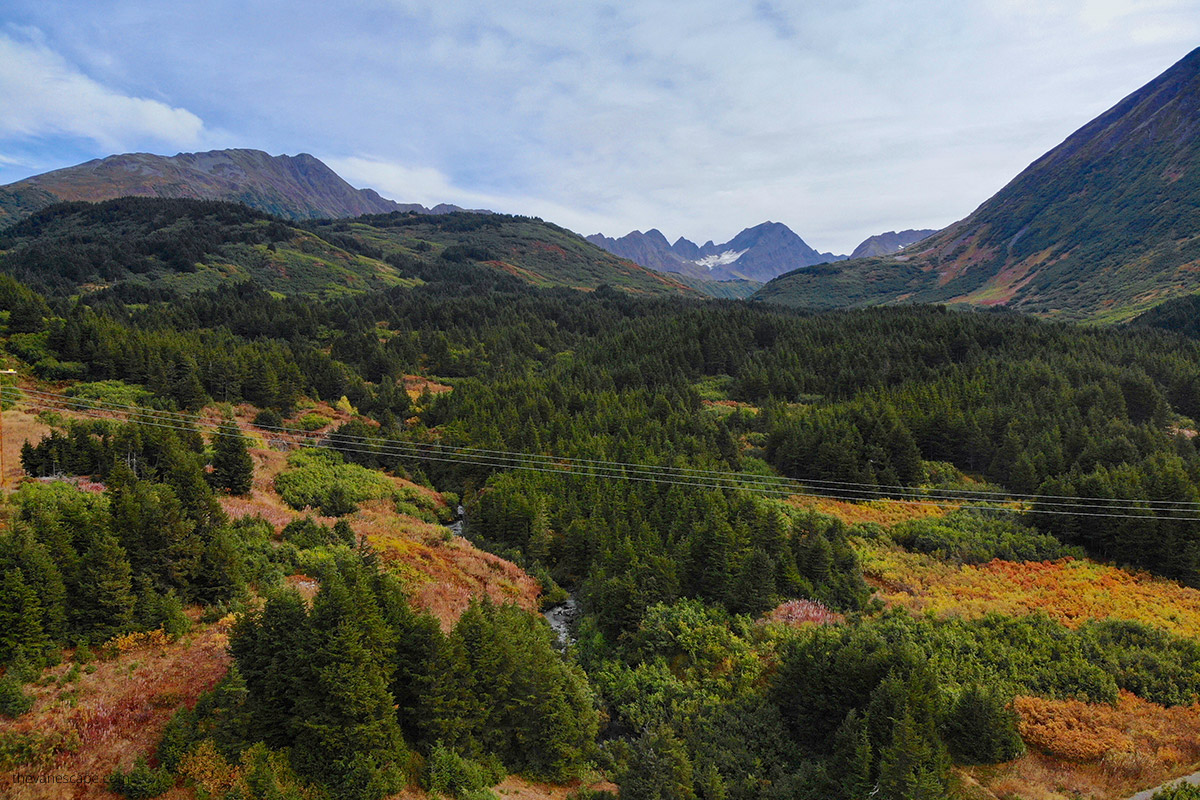
Our Tip: Our Tip: Don’t miss Anchorage’s extensive 135-mile bike path network. The crown jewel is the stunning Tony Knowles Coastal Trail. Starting from downtown, you can rent a bike and embark on an 11-mile scenic journey along the coast. This ride offers a unique way to experience the city’s fall splendor.
Pros and Cons of Visiting Anchorage in Fall
Fall in Anchorage Pros
Fall in Anchorage Cons
Winter in Anchorage (December-February)
Prime for: Aurora Borealis Viewing, Skiing, Snowshoeing, Dog Sledding, Snow Sculpture Gazing: Check out the best Northern Lights Tours from Anchorage,
and if you plan a winter trip, read the Alaska Winter Itinerary with tips and inspirations.
Average Winter Temperatures in Anchorage: Expect daytime highs to average between 25°F and 31°F, seldom dipping below 5°F or above 41°F. Nighttime lows hover around 15°F, rarely dropping below -8°F or climbing over 31°F.
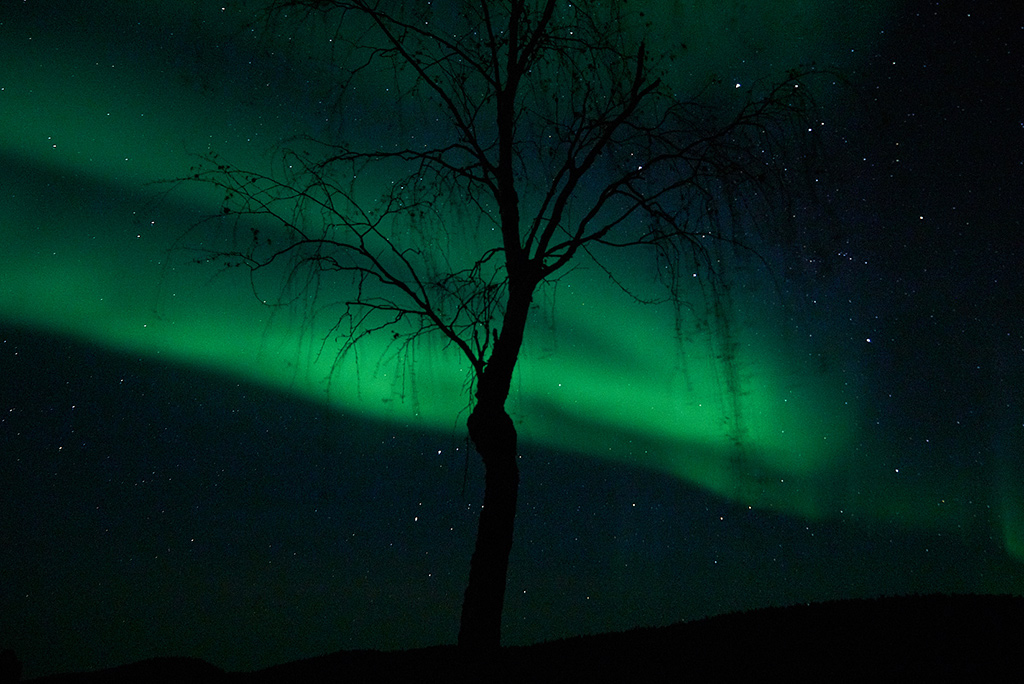
Winter in Anchorage presents a stark yet beautiful landscape, with short days and limited sunlight. This season offers the prime opportunity to witness the Northern Lights. While the best views are often further north, day trips from Fairbanks or destinations like the renowned Chena Hot Springs enhance your chances.
Anchorage, despite its urban illumination, can still offer glimpses of this celestial dance, though less dramatic compared to areas closer to the Arctic Circle.
For those who dream of gliding across snowy landscapes, winter in Anchorage is a dream come true. It’s an ideal time for dog sledding adventures, carving tracks on skis, or trekking through pristine snow with snowshoes. The city transforms into a playground for winter sports enthusiasts and those seeking the serene beauty of Alaska’s snowy season
Pros and Cons of Visiting Anchorage in Winter
Winter in Anchorage Pros
Winter in Anchorage Cons
Spring in Anchorage (March-May)
Ideal for: Whale Watching tours, Experiencing the Iditarod, Exploring Anchorage, Enjoying Wildflowers
Typical Spring Temperatures in Anchorage: Daytime temperatures gradually climb from 31°F to 62°F, occasionally dropping to 19°F or soaring up to 70°F. Nighttime temperatures range from 17°F to 47°F, with rare extremes below 1°F or above 52°F. The likelihood of rain increases as spring advances, starting at 16% and rising to 20% by the season’s end.
Spring in Anchorage, a quieter time with fewer visitors and lower prices, still retains a wintry feel, particularly in March. It’s an excellent period for witnessing the thrilling Iditarod Sled Dog Race at the season’s onset.
April marks the beginning of whale-watching season, with gray whales typically arriving first, followed by orcas in May and humpbacks in June. Opt for a day trip to Seward for an unforgettable whale-watching experience, with cruise prices more favorable in April and May.

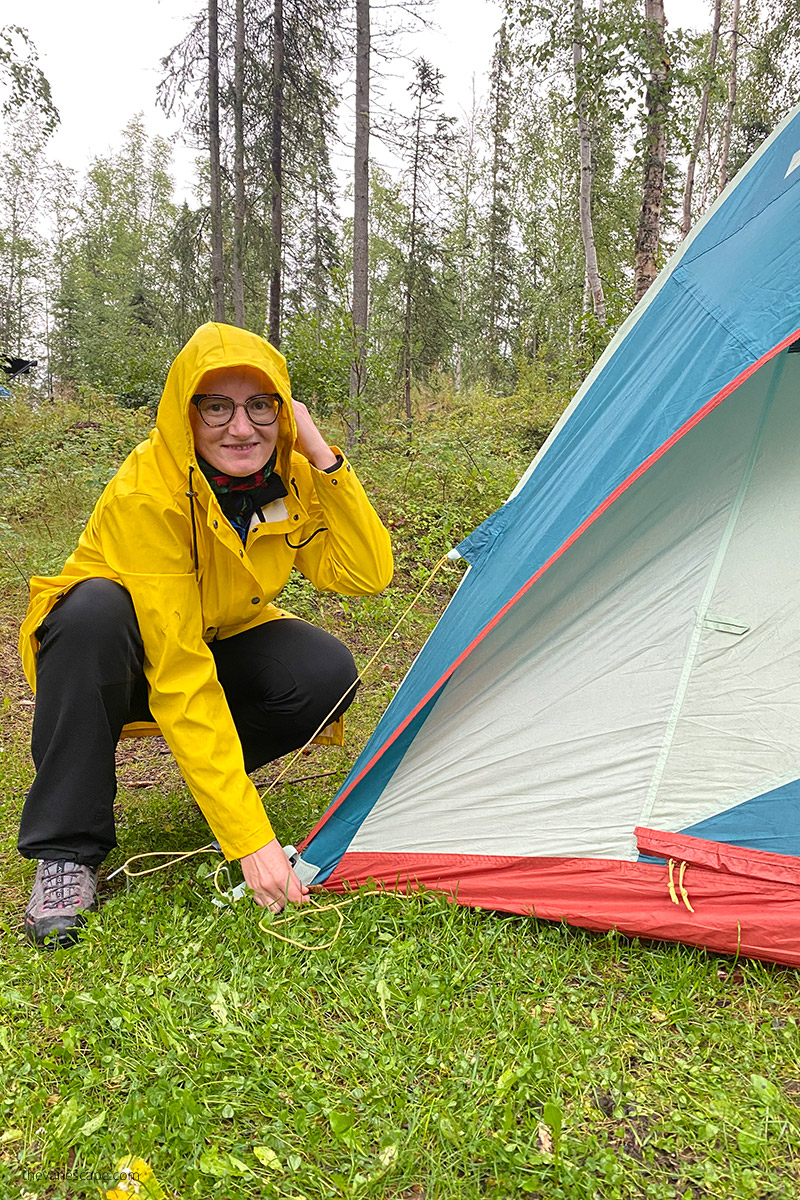
Towards late April and early May, Anchorage starts to bloom with the first wildflowers. Expect the city to be a bit muddy from melting snow, so packing rubber boots is a good idea.
This wetter, muddier spring is a great opportunity to explore indoor attractions like the Anchorage Museum or Alaska Native Heritage Center or discover the history of the Ulu knife at The ULU Factory. With longer days beginning in March, you’ll have more time to explore and experience the myriad of sights and activities Anchorage offers in spring.
Pros and Cons of Visiting Anchorage in Spring
Spring in Anchorage Pros
Spring in Anchorage Cons

Optimal Season for Wildlife Encounters in Anchorage
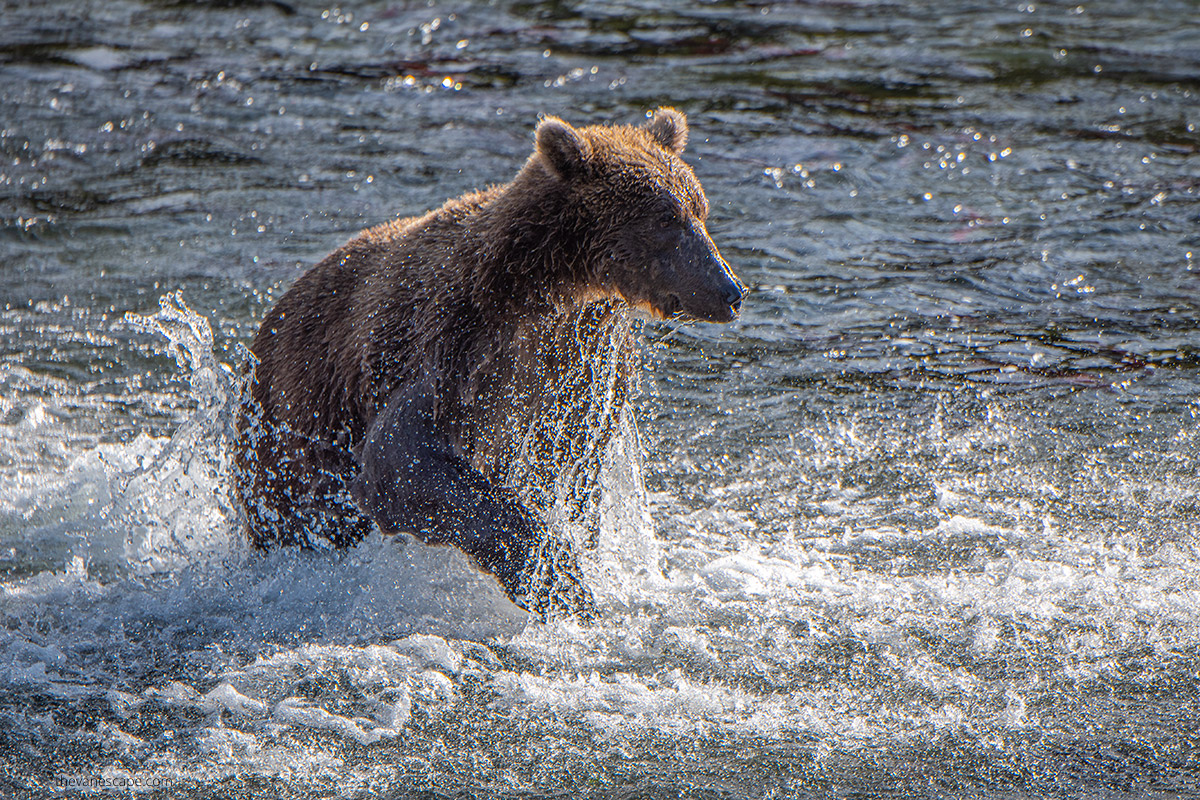
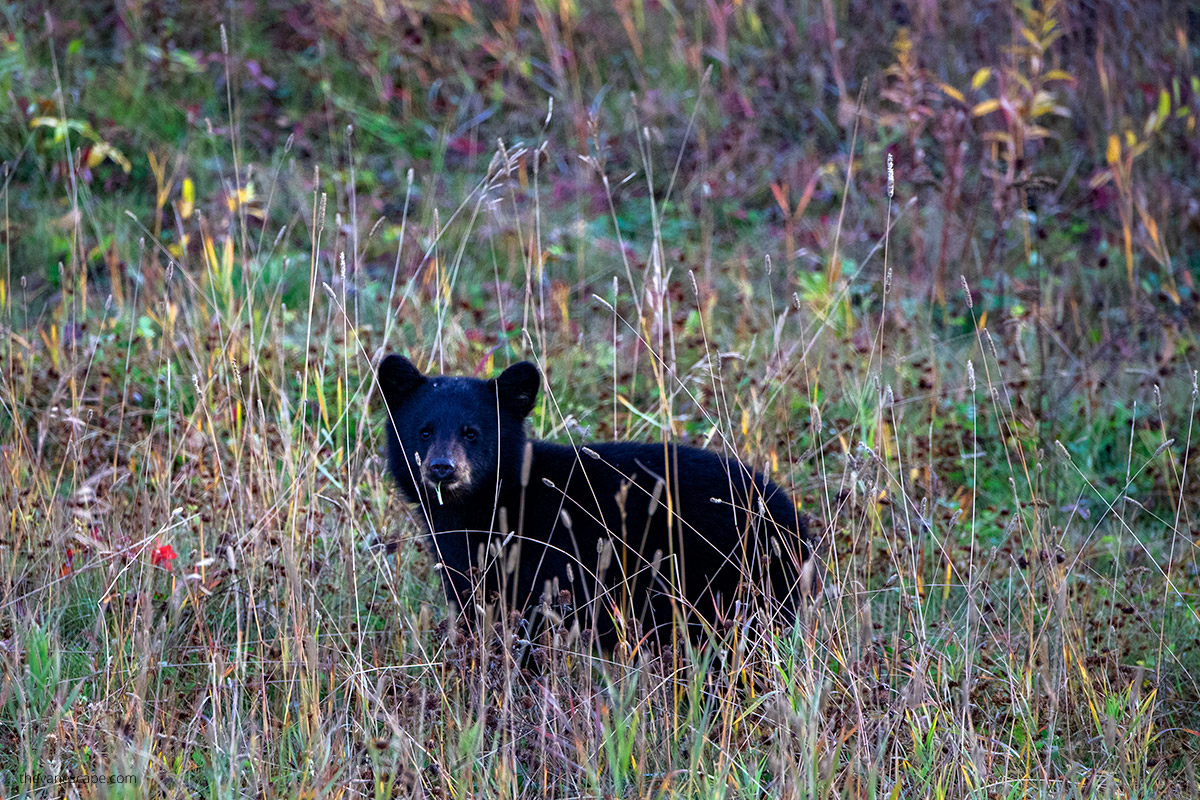
The summer months – June, July, and August – stand out as the ideal time for wildlife viewing in Anchorage and its area. It’s a perfect time for bear-watching in Alaska. These months offer the highest likelihood of witnessing a diverse array of wildlife in their natural settings.
Summer brings a plethora of species into view, including those emerging from hibernation. Expect to see an array of creatures such as bears (including brown, grizzly, and black bears), moose, elk, bald eagles, and an assortment of marine life like gray whales, humpbacks, and belugas. While whale watching in Alaska kicks off in April, the summer period is unparalleled for those eager to see a broader range of wildlife, particularly bears.
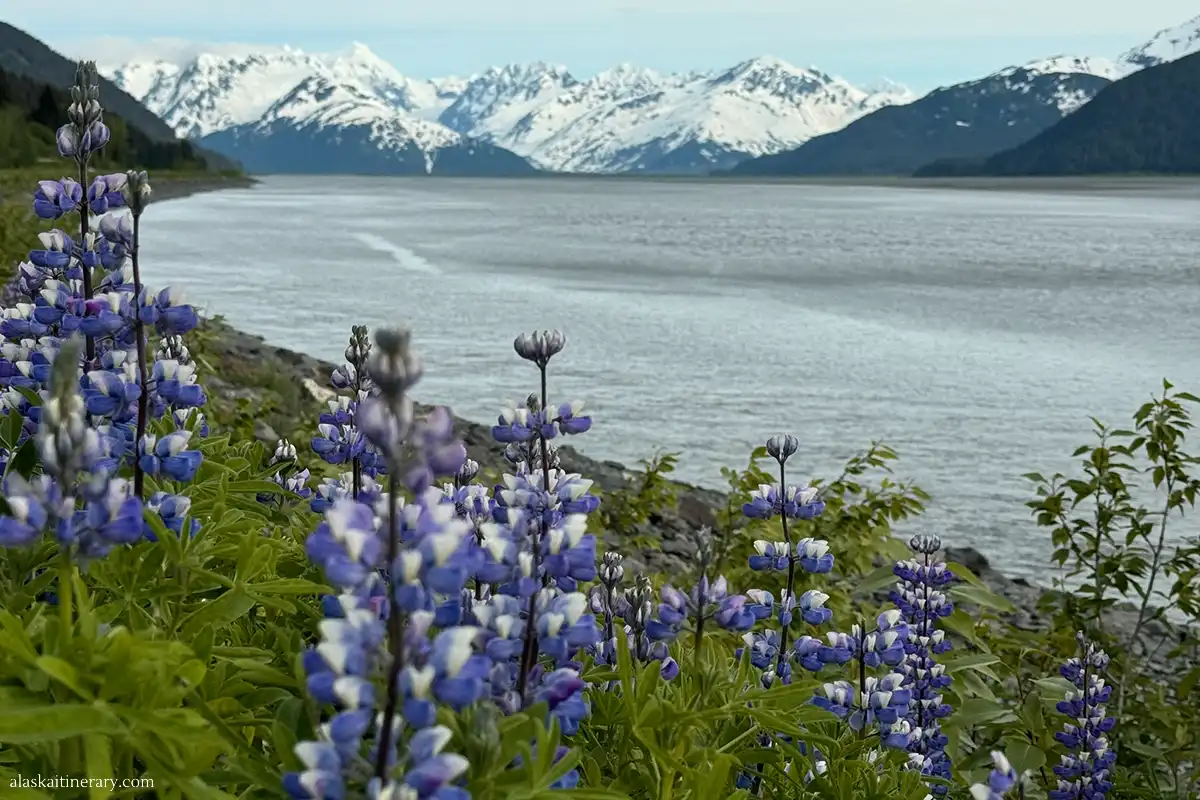
Despite Anchorage’s urban landscape, spotting moose and bears within the city’s roads and parks is not uncommon. But the real adventure lies in the wildlife viewing excursions accessible from Anchorage. You can easily journey from Anchorage to Seward or Whittier to embark on a whale-watching cruise.
For a more immersive experience, consider flying to Lake Clark National Park or Katmai National Park. These destinations offer a unique opportunity to observe bears in their wild habitat, making for an unforgettable addition to your Anchorage wildlife adventure.
Best Time to Visit Anchorage for National Parks Exploring
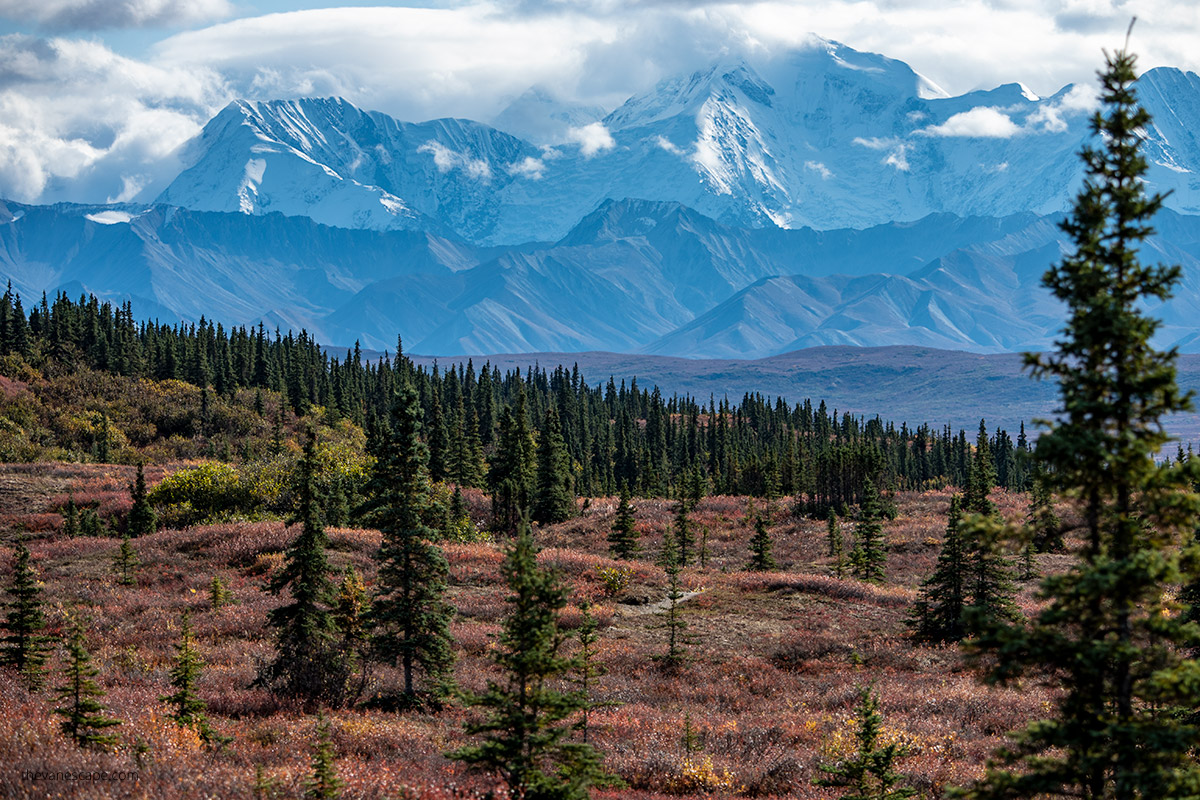
Did you know that Alaska has eight national parks? That’s the second-highest number after California, which has 9. However, access to Alaska’s national parks can be difficult due to challenging conditions and a lack of trails.
To make the most of your trip, plan to visit during the summer months, which are June through September. The weather is ideal for hiking and camping, and many services and tours are available from Anchorage during this time.
Also, most campgrounds are only open during the summer months, and Denali Road is only passable during this time. If you’re traveling from Anchorage to Denali, most connections to national parks are from June through September.
Budget-Friendly Times to Explore Anchorage
Exploring Alaska, including its largest city, Anchorage, often comes with a higher price tag due to the cost of attractions and excursions. However, savvy budget travelers can still experience the wonders of this destination without breaking the bank. So, when is the cheapest time to visit Anchorage?
Anchorage, being Alaska’s primary hub, offers more competitive rates for accommodations, dining, and attractions. To maximize savings, consider visiting during the winter months and shoulder seasons, which mark the transitions between the peak tourist periods.

May presents a sweet spot for budget travel, offering reduced prices just before the summer tourist rush. Most attractions are already open, providing access to a full range of experiences at a more affordable rate. Similarly, late season months like September and October see a dip in prices as the peak season winds down.
Winter months, particularly February, March, and November, typically offer the lowest prices in Anchorage. With fewer tourists and less demand for services, you’ll find significantly reduced rates, making it an ideal time for budget-conscious travelers to explore the city and its surroundings.
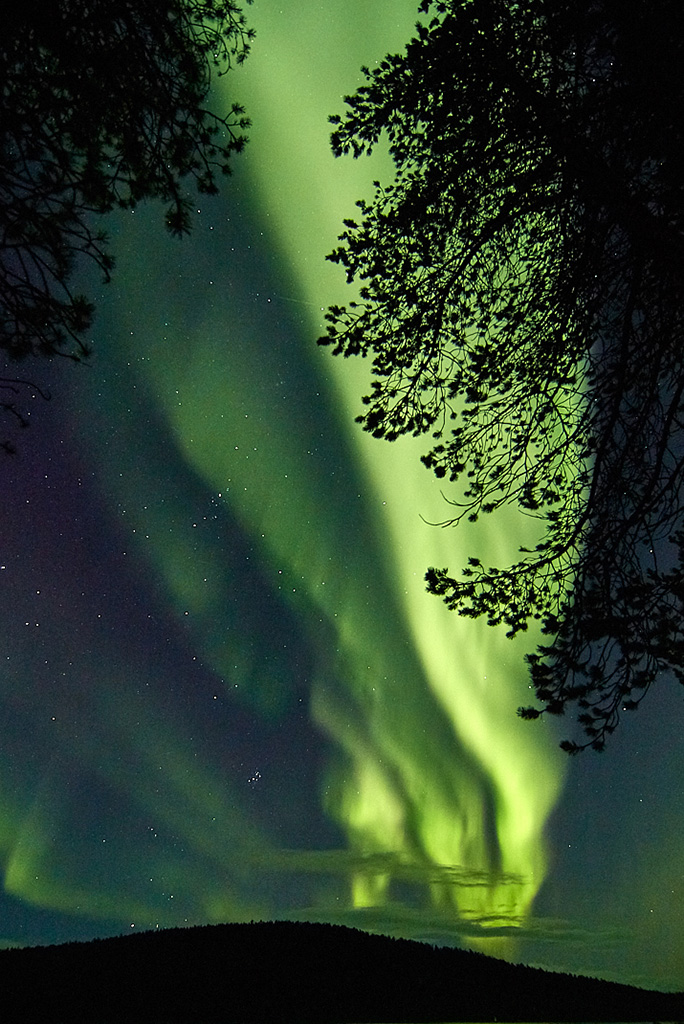
Best Time to See the Northern Lights in Anchorage
The best time to see the Northern Lights in Anchorage, Alaska, is from September to mid-April. Although, it’s highly recommended to venture outside the city for a better chance of spotting them. The best displays are usually observed during winter when the skies are darker and clear of clouds and moonlight if the Aurora forecast is favorable.
The best Northern Lights viewing spots near Anchorage are Downtown Viewpoint, Glen Alps Overlook, Point Woronzof, Skyline Drive, Hiland Road, Eklutna Lake Road, Reflections Lake, and Beluga Point.
Our Tip: You’ll most likely see the Northern Lights in the far north. Fairbanks is better for admiring Northern Lights than Anchorage. So, check out how to get from Anchorage to Fairbanks. Moreover, check out the best spots for Northern Lights near Fairbanks.
Prime Time for Winter Adventures in Anchorage
In Anchorage, the winter’s curtain typically rises with the first snowfall in October. However, the prime months for embracing winter activities truly begin in November. The winter season hits its stride from January to mid-March, offering a playground for activities like skiing, dog sledding, and hiking on glaciers or through mountainous terrains.
These winter months bring extreme conditions and very low temperatures, so it’s crucial to gear up appropriately for these adventures.
February and March are particularly ideal for visiting Anchorage in winter. These months not only promise longer days and increased daylight but also coincide with exciting local events such as the Fur Rondy festival and the iconic Iditarod sled dog race. These factors combine to make late winter an exceptional time for both outdoor activities and cultural experiences in Anchorage.

Best Time to Visit Anchorage for Festivals and Events
Anchorage is a lively city with many exciting events and festivals. However, book accommodation well in advance if you plan a visit during one of the famous events. Because even in winter, during the celebrations, prices can increase. By booking in advance, you take care of your budget.
Winter Festivals in Anchorage
Anchorage Folk Festival
Despite the harsh winter and freezing temperatures, Alaskans still know how to have a good time. If you’re a music fan, January – particularly the latter half of the month – is the perfect time to visit Anchorage. This is when the Annual Anchorage Folk Festival is held, filling the city with delightful sounds and festive cheer.
This event aims to promote Folk music and dance using performances and educational activities. This festival is open to the public and offers opportunities to attend workshops, jam sessions, and concerts or enjoy music.
Fur Rondy Festival
Fur Rondy is a renowned winter festival that has been held in Anchorage since 1935, showcasing the adventurous spirit of Alaskans and providing entertaining activities for people of all ages. This festival, also known as Fur Rendezvous or “Rondy” among locals, holds a significant place in the history and culture of Anchorage.
During the 1930s, Anchorage was a small town with a population of approximately 3,000, and there were no modern-day luxuries such as televisions, malls, video games, or computers. The original Fur Rondy event featured skiing, hockey, basketball, boxing, and a children’s sled dog race down Fourth Avenue.
The next Fur Rondy in Anchorage will take place from February 22 to March 3, 2024, and if you want to participate in numerous sporting, artistic, and cultural events, visit Anchorage during this time.
Iditarod Sled Dog Race
One of the most significant and breathtaking winter festivals in Anchorage is the Iditarod Sled Dog Race. It’s commonly known as the “Iditarod” and occurs every year in early March in the rugged and snowy Alaskan landscape.
Experienced mushers and their teams participate in the race, covering a distance of 938 miles. The Iditarod was started in 1973 as an endurance test for sled dog mushers and teams but has since evolved into a competitive race. It runs from Anchorage to Nome.
If you want to see one of the world’s most famous dog sled races, you should come to Anchorage in early March. The next Ceremonial Start of the Iditarod will take place on March 2, 2024, in Downtown Anchorage, so it is the best time to visit Anchorage if you want to experience this event.
Summer Festivals in Anchorage
Anchorage Market & Festival
The Anchorage Market and Festival runs every Friday, Saturday, and Sunday from mid-May through mid-September. It is located at the Dimond Center Mall on 88th Ave, and it’s a great place to shop for everything from clothes to artwork. Moreover, you can enjoy local food or purchase high-quality Alaskan Made items, gifts, and other souvenirs.
Spenard JazzFest
Even though jazz originated in New Orleans, this musical genre has admirers in Alaska. Visitors to Anchorage can enjoy jazz performances on the streets and in clubs. The Spenard JazzFest is an arts festival showcasing various music genres, but jazz takes center stage.
The festival takes place from late May to early June, making it the best time to visit Anchorage, Alaska, especially if you want to participate in outdoor activities. In addition to the main stage events, jazz music can be heard in various locations throughout Anchorage, such as on buses, during house concerts, and even on jazz hikes.

Anchorage Weather By Month
To make it even easier for you to decide which month is the best to visit Anchorage, we have prepared a simple infographic with the weather in Anchorage each month. We have shown the average high and low temperatures for each month, the number of sunny days in a given month, the number of rainy days in a given month, and the average snowfall in inches.

Summary of the Best Time to Visit Anchorage, Alaska
- Shoulder Season: March to May and August to November is the best time to visit Anchorage to beat the crowds and save some money.
- May is the best month to visit Alaska as the weather is mild; it’s still chilly but not snowing. Most activities, services, and tours are already open, but the prices are lower. There are no crowds. Nature and wild animals have awakened from their winter sleep, so it’s an excellent time for wildlife viewing, especially whale watching.
- Peak season from June to August is the best time to visit Anchorage, where most activities and tours are available. However, as it’s the high tourist season is worth booking lodging and activities, especially wildlife viewing tours advanced.
- Also, September is the best month to visit Anchorage, as there are lower tourists, the weather is mild, the days are still long, and it’s a perfect month for outdoor activities and a great time for wildlife viewing.
- The low Season from November to February is the best time to visit Anchorage if you like snow sports and winter activities. However, prepare a wall for a winter adventure in Anchorage due to freezing temperatures and short days. Prices are much lower. The chances of seeing the Northern Lights in Anchorage are the highest.
Do You Like It? Pin It For Later!