
Statistics and Facts about Ketchikan which is worth to know

Plan a trip to Ketchikan? So, let’s learn a bit about this fascinating town. In this article, we dive into the essential facts about Ketchikan, shedding light on its geographical wonders, historical milestones, demographic insights, and economic backbone. From its status as the “Salmon Capital of the World” to its dense, rainforest-covered landscapes, Ketchikan offers a unique blend of natural and cultural treasures. We’ll explore fun facts that make Ketchikan stand out, such as its renowned totem poles and vibrant local arts scene. Whether you’re a history buff, nature enthusiast, or cultural explorer, this guide provides a comprehensive overview of Ketchikan’s multifaceted identity. Join us as we uncover the facts that make Ketchikan, Alaska, a place worth knowing and visiting.
This article may contain affiliate / compensated links. For full information, please see our disclaimer here.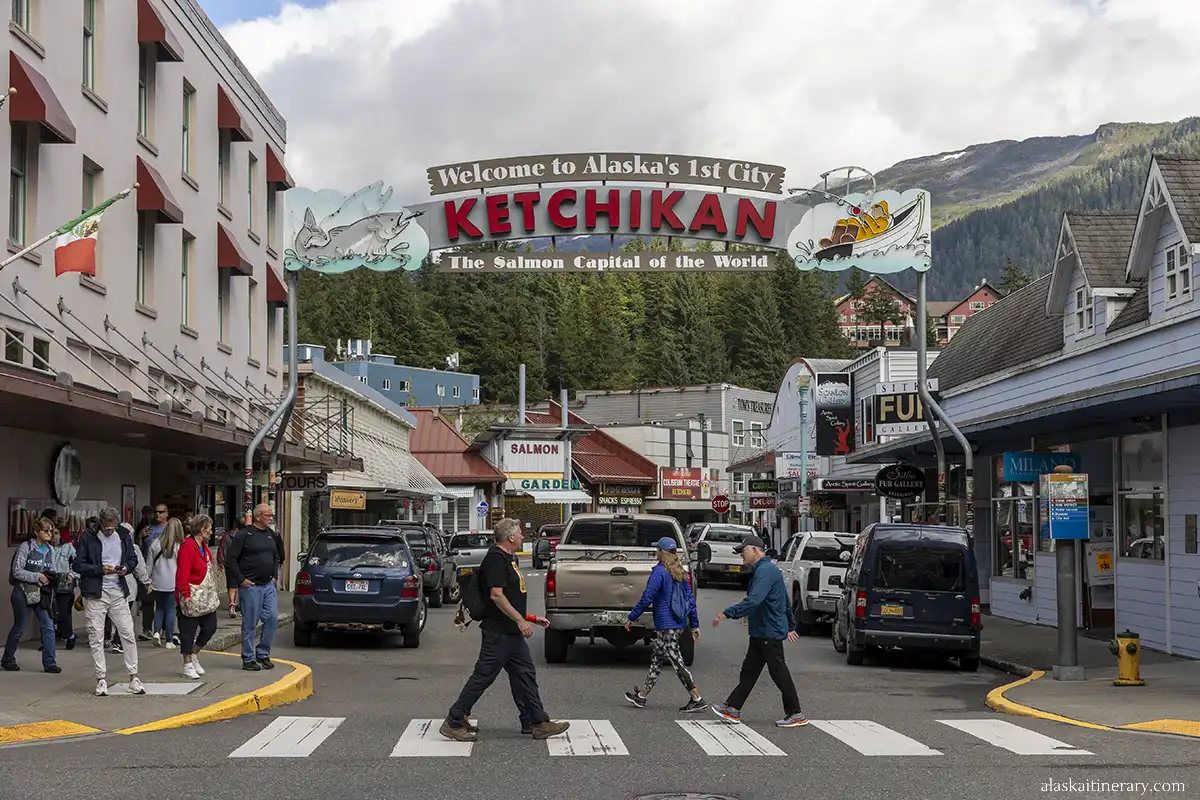
What Makes Ketchikan Unique?
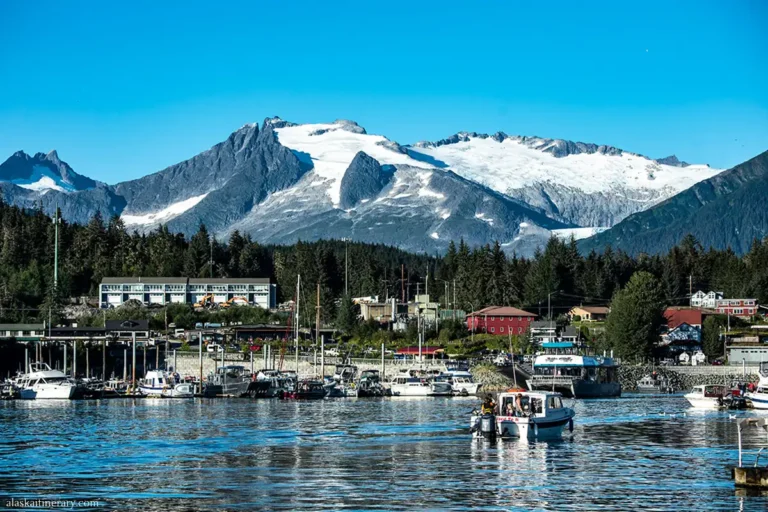
Known as the “Salmon Capital of the World,” Ketchikan is more than just a fishing paradise. It’s a gateway to Alaska’s rich history, culture, and breathtaking natural beauty. With a population of around 8,000 residents, Ketchikan stretches along the shores of the Inside Passage, offering stunning waterfront views and a cozy small-town feel.
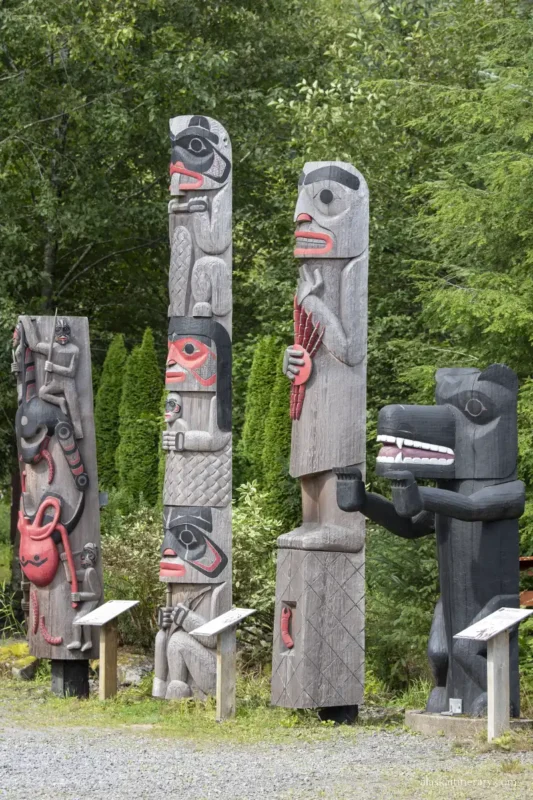
Ketchikan is also home to over 80 standing totem poles — the largest collection in the world. It’s the perfect place to explore Alaska Native art and learn about the rich cultural heritage carved into each Ketchikan totem pole.
Before diving into the facts and numbers about Ketchikan, we encourage you to check out some of our other articles. If you plan to visit Ketchikan, they will help you plan your stay.
- How To Spend One Day in Ketchikan?
- The Best Ketchikan Tours
- Review: Ketchikan Flightseeing over Misty Fjords
- Exploring Downtown Ketchikan
- Review: Is The Great Alaskan Lumberjack Show in Ketchikan worth it?
- Review: Bear Watching in Ketchikan: Is it worth it?
- Review: Rainforest Sanctuary in Ketchikan: Is it worth it?
- Admiring Ketchikan Creek Street: Photo Journey.
- How to Get to Ketchikan Besides Cruise Ships?

Geographical Facts About Ketchikan
Ketchikan, Alaska, is uniquely positioned at the southeastern tip of the state, making it the first stop for many travelers venturing into the Last Frontier via the Inside Passage. Here are the key geographical facts about this captivating city.
Location and Coordinates
Ketchikan lies at 55.3422° N latitude and 131.6461° W longitude, nestled on the western shore of Revillagigedo Island, facing the Tongass Narrows, a key channel of the Alaska Inside Passage.
Ketchikan stands as Alaska’s southeasternmost city, typically marking the first port of call for northbound cruises and the last for southbound cruises.

Area
The city spans approximately 5.9 square miles of land, with water bodies covering an additional 1.2 square miles. Despite its compact size, Ketchikan’s rugged terrain and dense forests make it a place of immense natural beauty and biodiversity.
Climate
Characterized by a maritime or oceanic climate, Ketchikan is known for its mild temperatures and high precipitation levels. The city receives an average annual rainfall of about 153 inches. So the city is one of the wettest places in North America. Snowfall averages around 37 inches per year, with temperatures ranging from an average low of 29°F in January to an average high of 65°F in July.
Natural Features
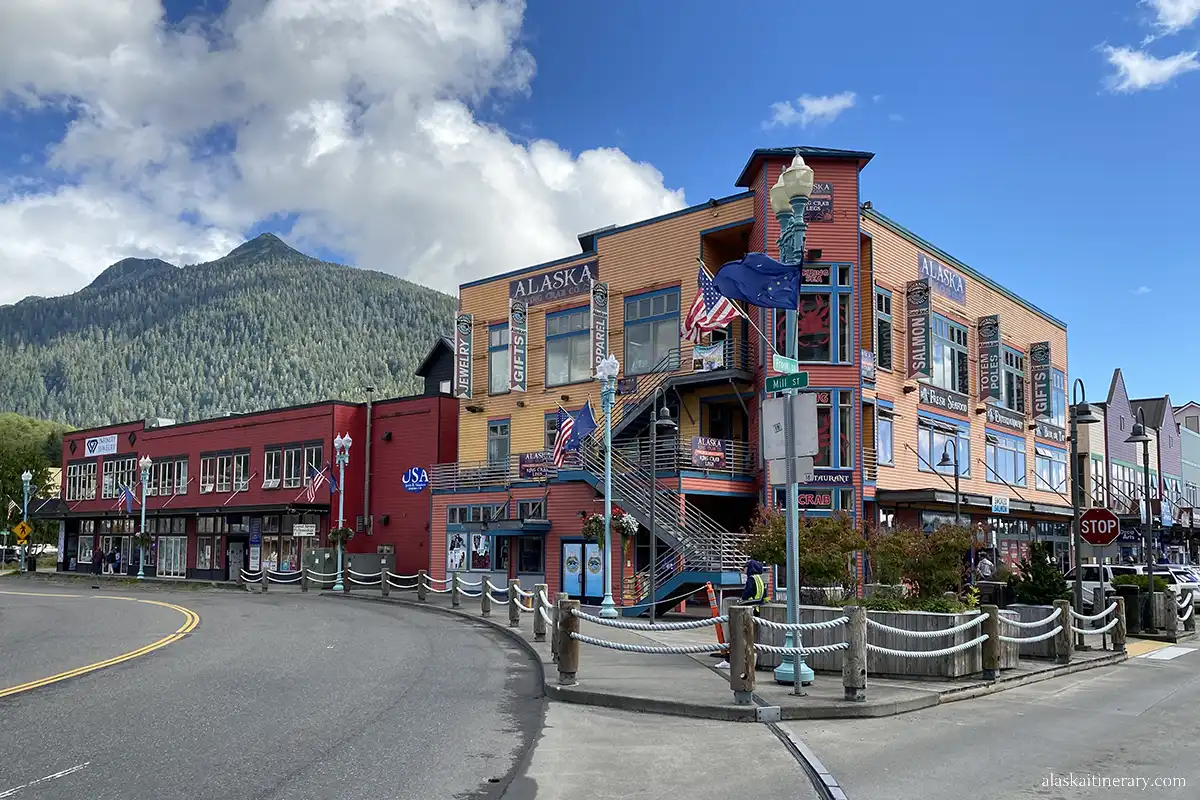
The vast and verdant Tongass National Forest, the largest national forest in the United States, surrounds Ketchikan. It covers about 16.7 million acres. The area is renowned for its dramatic landscapes, including the Misty Fjords National Monument, approximately 22 miles east of the city. This monument features deep fjords carved by glaciers, towering cliffs, and waterfalls cascading into the sea.

Wildlife
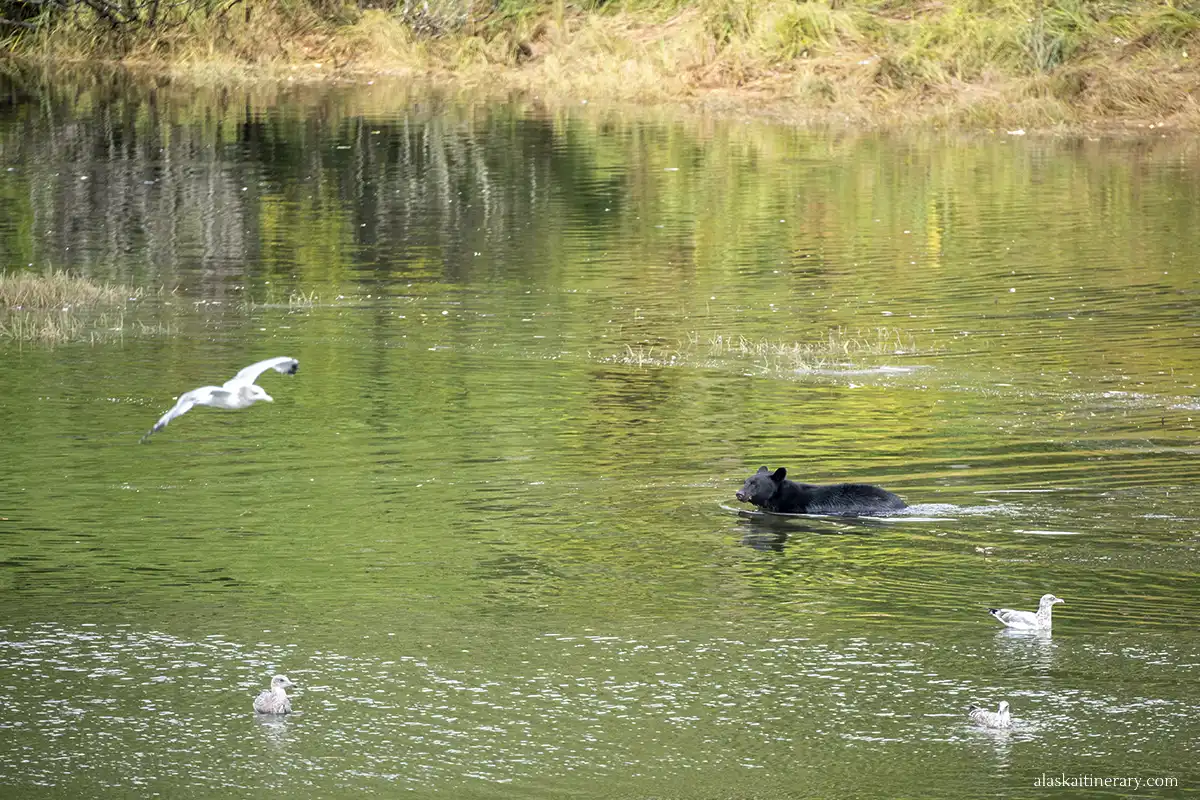
The region’s rich ecosystems support a diverse wildlife, including bald eagles, black bears, and orcas. The waters around Ketchikan teem with salmon, making it a prime location for commercial and sport fishing.
Accessibility
Ketchikan is accessible via the Alaska Marine Highway System, a network of ferries that connects the city to other parts of Alaska, and the Ketchikan International Airport, located on Gravina Island, across the Tongass Narrows from the city.
A notable feature is the lack of a road connection to the rest of North America, highlighting its remote and pristine nature. So you can’t drive to Ketchikan. You can get there by air or sea.
The headquarters of the Alaska Marine Highway, also known as the Alaska Ferry, is situated in Ketchikan. Ketchikan International Airport sits on an island, divided by a body of water from the main town, necessitating a brief five-minute ferry journey.
History Facts About Ketchikan
Ketchikan’s history is as rich and colorful as its landscapes. Here are key historical facts about this Alaskan city.
Founding and Early History
Ketchikan’s origins trace back to the indigenous Tlingit people, who have inhabited the region for thousands of years. The city’s name, “Ketchikan,” is derived from the Tlingit word “Kitschk-hin,” meaning “thundering wings of an eagle,” a reference to the sound of a nearby waterfall.
European Contact
The first significant European contact with the area occurred in 1885 when a salmon cannery was established, marking the beginning of Ketchikan’s development as a city. This was a critical moment, as the cannery’s establishment increased settlement and economic activity in the area.
Incorporation
Ketchikan was officially incorporated as a city on August 25, 1900. By this time, it had already established itself as a hub for the salmon fishing and canning industries, dominating its economy for decades.
Fishing Industry Boom
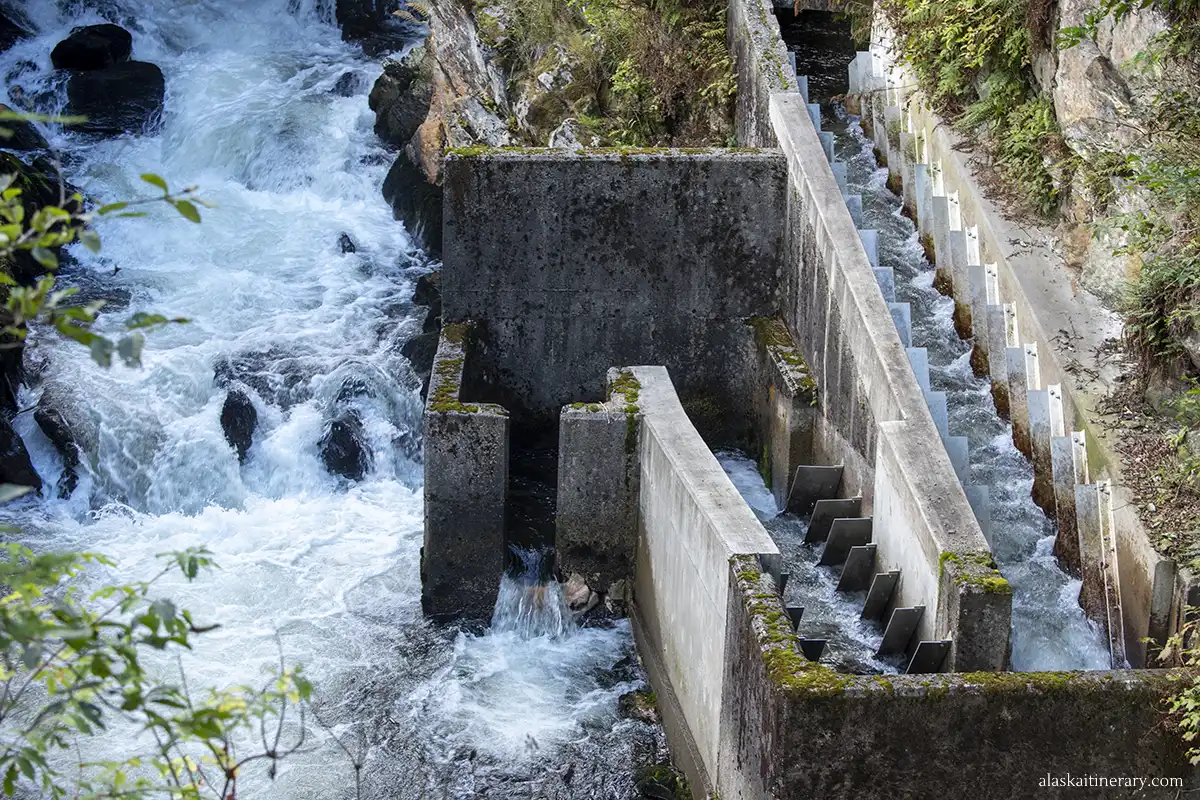
By the early 20th century, Ketchikan was known as the “Salmon Capital of the World.” The city’s economy thrived on salmon canning, and it became home to numerous canneries. At its peak, the fishing industry fueled local economic growth and attracted workers worldwide. In 1936, Ketchikan hosted seven active canneries, which collectively produced 1.5 million cases of salmon.

Logging Industry
Following World War II, the logging industry became a significant part of Ketchikan’s economy. The abundant timber resources in the surrounding Tongass National Forest led to a boom in logging activities. However, this industry declined in the late 20th century due to environmental regulations and a shift in the local economy towards tourism and other sectors.
To feel the spirit of the region’s logging history, it’s worth going to The Great Alaskan Lumberjack Show.


Tourism Development
In recent decades, Ketchikan has become a major tourist destination known for its rich indigenous culture, historical sites, and natural beauty. The city’s economy has diversified, with tourism playing a central role.
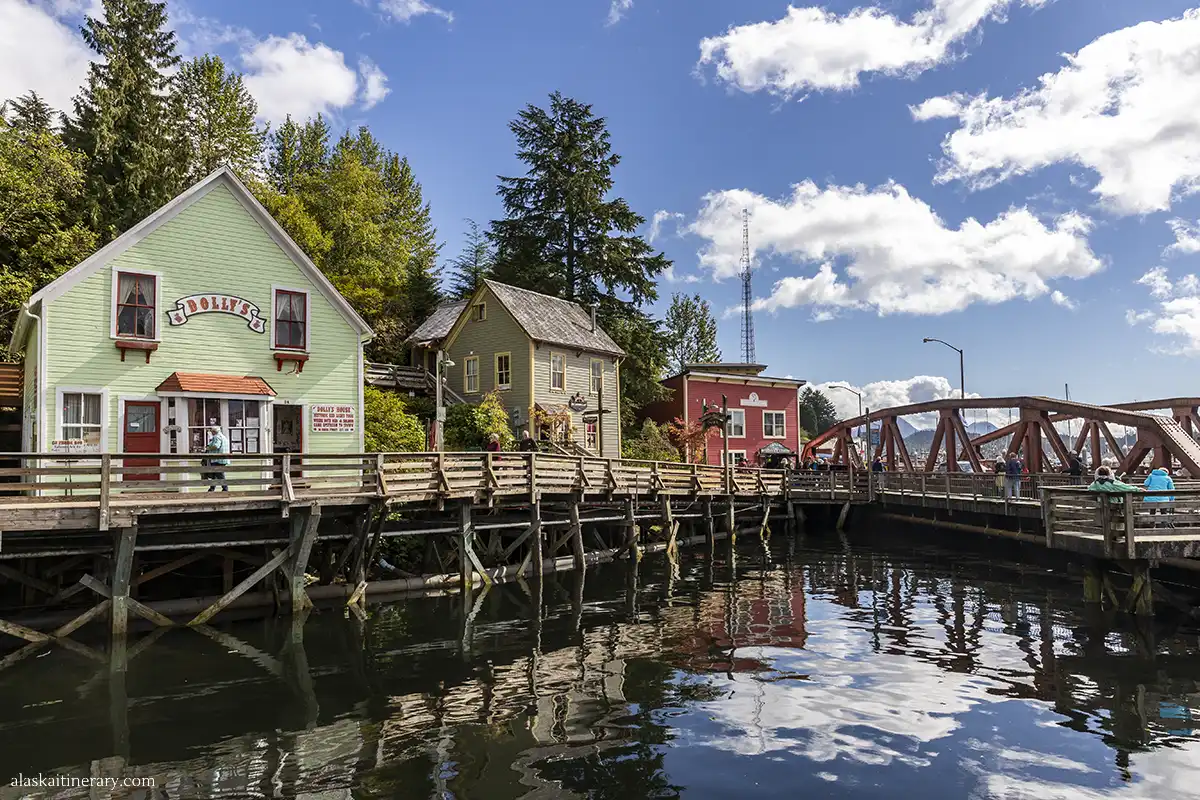
Attractions such as the Misty Fjords National Monument, the Totem Heritage Center, and Creek Street, with its historic boardwalk, draw visitors from around the globe. From 1903 to 1953, Ketchikan’s Creek Street was home to 30 brothels. It used to be a famous red lights district.
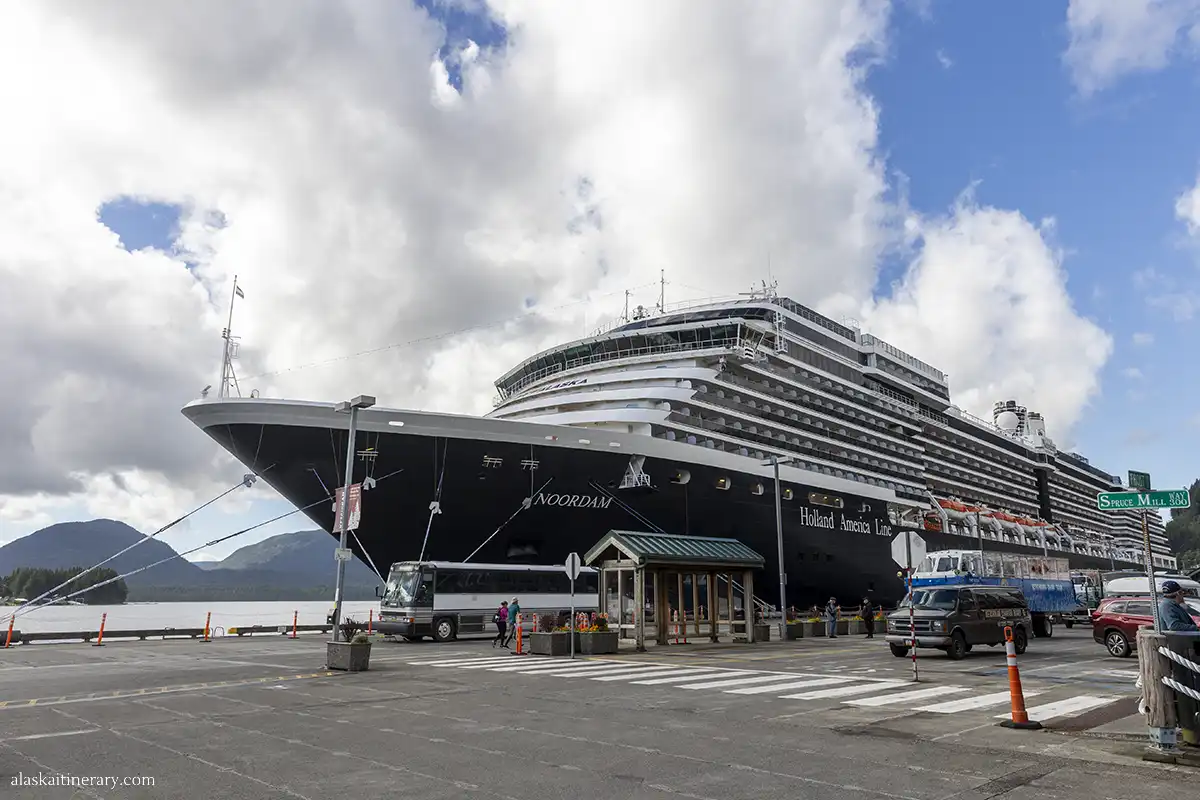
Ketchikan welcomes nearly 1 million guests annually, with the majority arriving aboard cruise ships.
Cultural Heritage
Ketchikan is renowned for its collection of totem poles, one of the largest in the world. These totem poles, found throughout the city and in nearby Totem Bight State Park, are a testament to the rich cultural heritage of the indigenous peoples of the Pacific Northwest Coast, particularly the Tlingit, Haida, and Tsimshian.
Population Growth
From its early days as a small settlement with 800 residents, Ketchikan has grown into a city with a population of over 8,000 residents.

Demographic Facts About Ketchikan
Ketchikan, a city rich in history and culture, also presents a diverse demographic landscape. Here are key demographic facts.
- Population Size. As of the latest data, Ketchikan has a population of approximately 8,000 residents. This number reflects the city’s status as a close-knit community with a small-town feel.
- Diversity. The city showcases a diverse cultural tapestry. Indigenous peoples, including the Tlingit, Haida, and Tsimshian, comprise a significant portion of the population. This diversity is a testament to Ketchikan’s deep-rooted indigenous heritage and evolution into a multicultural community.
- Age Distribution. The demographic spread in Ketchikan leans towards a younger population, with a median age of around the mid-30s.

Fun Facts About Ketchikan, Alaska
Here are some fun facts that highlight its distinctiveness.
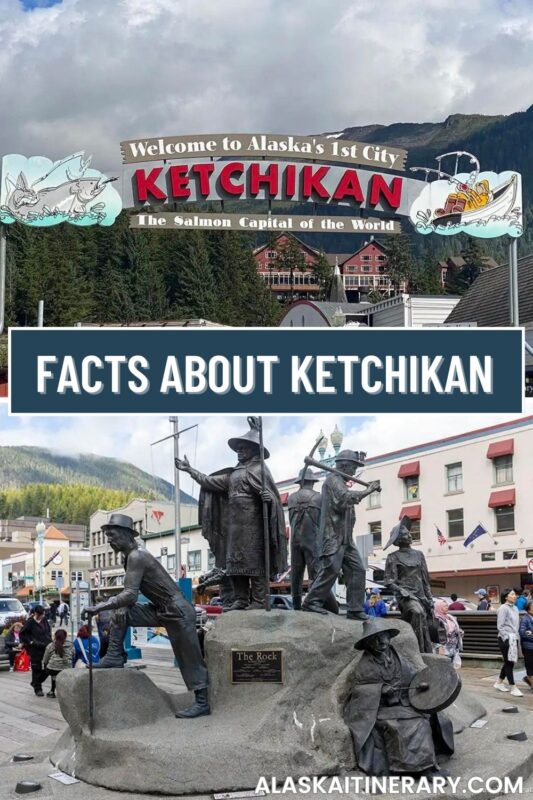
- First City: Ketchikan is “The First City” of Alaska. This nickname stems from its geographical location as the first major city visitors encounter as they travel northward into Alaska.
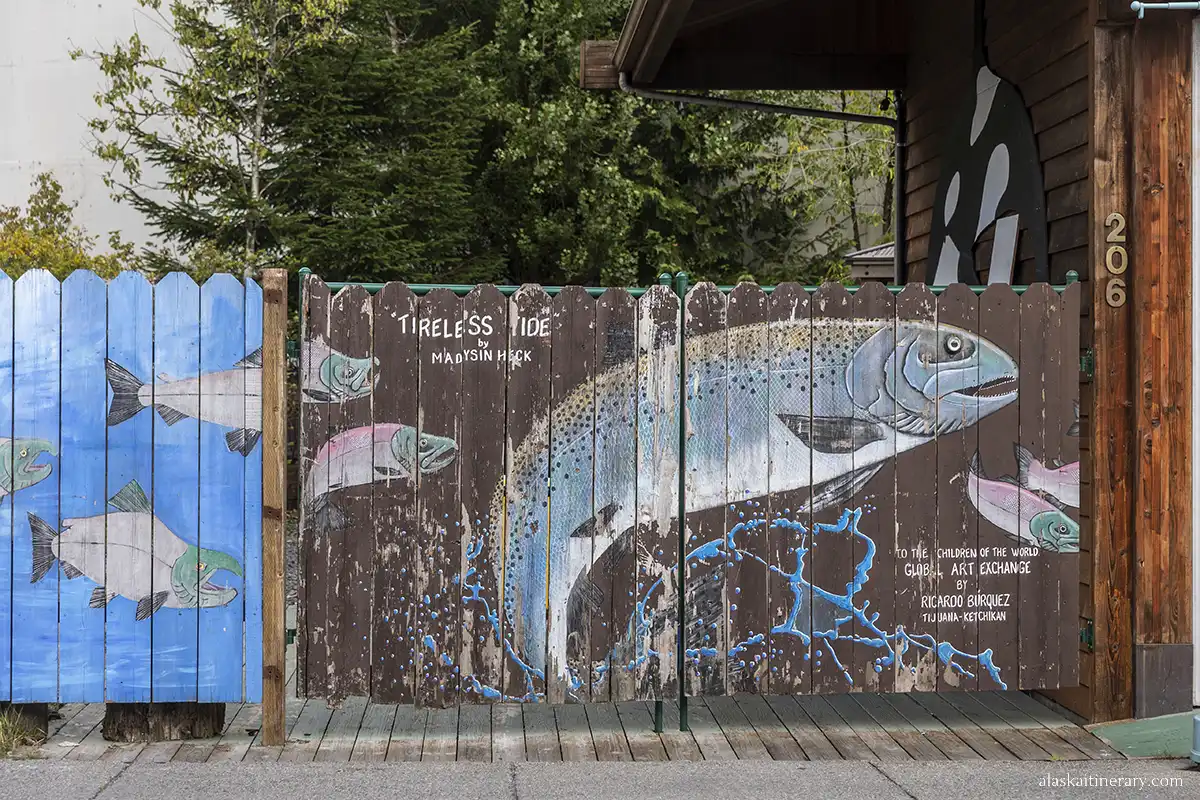
- Salmon Capital of the World: The city’s rich fishing waters have earned it the title “Salmon Capital of the World.”
- On May 18, 2013, Ketchikan set a new Guinness World Record for the biggest “rain boot race.” While Guinness might refer to them as “Wellies,” in Alaska, the term for rubber boots is Xtra Tufs. A total of 1,976 individuals clad in rain boots took part in the event.
- Rain Capital: Ketchikan is the “Rain Capital of the United States.” With an average annual rainfall of nearly 140 inches, it’s one of the wettest places in the country. This abundance of rain contributes to the lush, green landscapes that define the region.
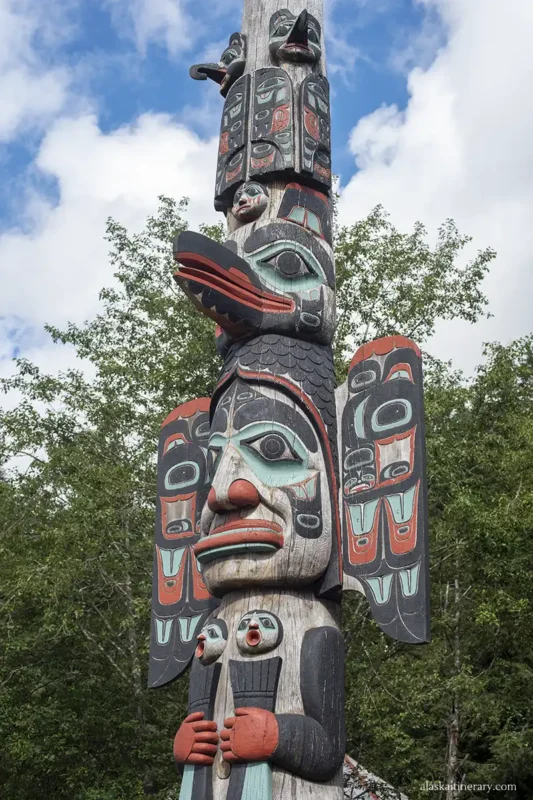
- Totem Pole Haven: This city boasts the world’s largest collection of totem poles. These include historic poles rescued from deserted Tlingit and Haida villages and newer poles carved by contemporary artists. The Totem Heritage Center, Saxman Totem Park, and Totem Bight State Park are must-visit locations. You can also find a fantastic collection of totem poles in Sitka National Historical Park.
- Creek Street: Once the red-light district of Ketchikan, Creek Street is now a charming boardwalk of shops, galleries, and restaurants.
- Dolly’s House Museum: Located on Creek Street, Dolly’s House Museum was once the home of Dolly Arthur, Ketchikan’s most famous madam. Today, it serves as a museum, offering a glimpse into the city’s colorful past during the early 20th century.
- Great Alaskan Lumberjack Show: This show is a popular attraction that showcases the skills and competitions of lumberjacks, echoing the region’s logging history. It’s a fun and educational experience for visitors of all ages.

Ketchikan Facts: Conclusion
Ketchikan, Alaska, is a special place. It’s known for its rich history, amazing wildlife, and beautiful nature. It’s called the “Salmon Capital of the World,” making it a great spot for fishing fans. The city is full of art, stories, and places to explore, like the Misty Fjords National Monument and the Tongass National Forest.
Ketchikan is often the first or last stop for travelers heading into Alaska, making it a key spot to visit. It’s also known for fun events and festivals that bring the community together.
In short, Ketchikan offers a bit of everything. Whether you’re into nature, fishing, or learning about local culture, there’s something here for you. It’s a place where you can see what makes Alaska so special.
If you like facts and numbers about Alaska cities, you might also be interested in our related articles:
- Facts about Juneau, Alaska’s Capital
- Facts about Sitka
- Facts about Skagway
- Facts about Icy Strait Point
- Facts about Alaska
- Fairbanks Facts
- Facts about Haines
Do You Like It? Pin It For Later!




Epic Cool. Would read again