
Anchorage Travel Guide: The Complete Guide to Visiting Alaska’s Largest City

Anchorage is Alaska’s largest city, yet it sits between mountains, tidal flats, and open wilderness. Snow-capped peaks rise behind neighborhoods. Moose move through wooded parks. Cook Inlet tides shift just minutes from downtown streets. Many travelers treat Anchorage as a brief stop. They land, collect a rental car, and head toward Denali or the Kenai Peninsula. But Anchorage is more than a gateway. It offers a rare balance of culture, wildlife, outdoor access, and practical convenience that few American cities can match. This Anchorage travel guide goes beyond a simple list of attractions. Inside, you’ll find detailed advice on where to stay, how many days to plan, realistic cost expectations, seasonal considerations, cruise logistics, transportation options, guided tours, wildlife viewing, and the best neighborhoods to explore. Whether you’re visiting for one day or building a longer Alaska itinerary, this guide will help you plan with clarity and confidence.
This article may contain affiliate / compensated links. For full information, please see our disclaimer here.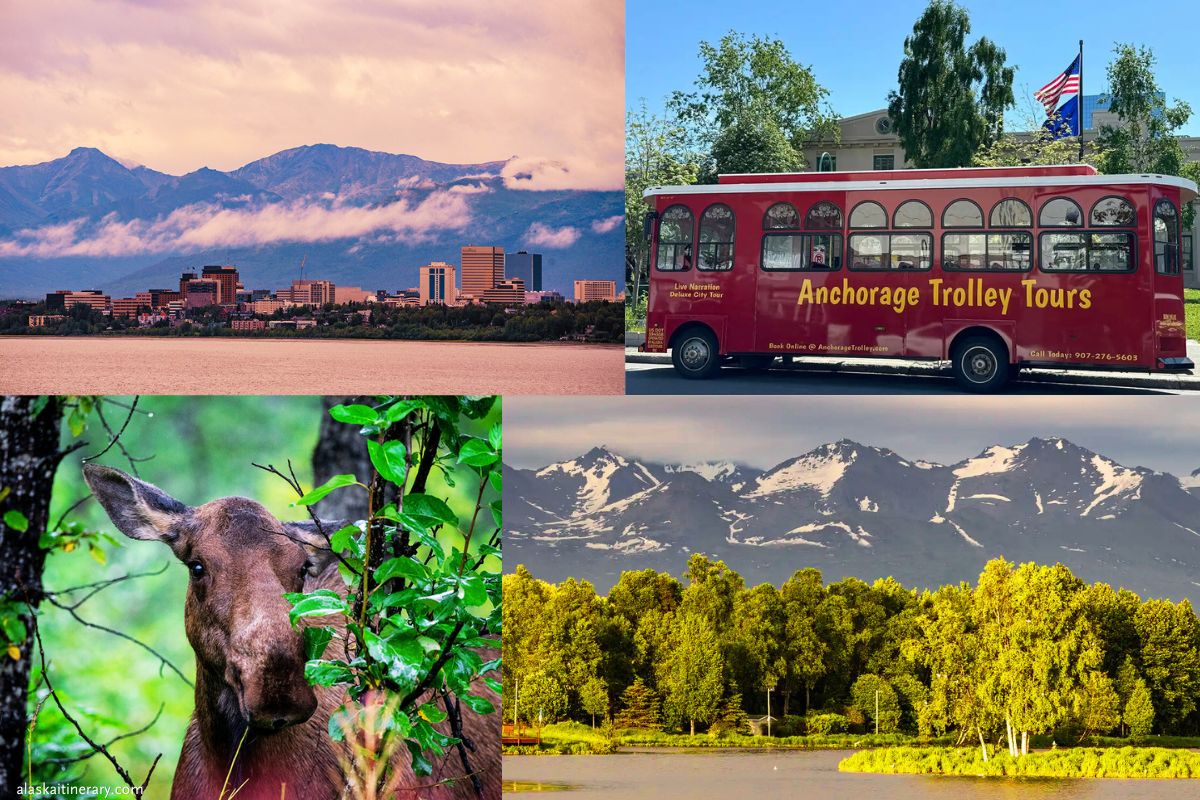
Our Experience in Anchorage
We’ve visited Anchorage many times in different seasons. While some trips began here as part of exploring other Alaska destinations, we’ve also spent entire weeks based in the city itself.
Anchorage is not just a starting point for us. It has been a place we returned to intentionally.
Over time, we explored Anchorage’s neighborhoods slowly and intentionally. Instead of rushing through the city, we spent weeks walking different areas, testing trail systems across Alaska seasons, and paying close attention to how daily life blends with wild surroundings.
As a result, we discovered just how much outdoor access exists within the city limits. In fact, Anchorage offers far more hiking, biking, wetlands, and scenic viewpoints than most visitors expect.
On summer days, biking the Tony Knowles Coastal Trail gave us wide mountain views across Cook Inlet. During migration season, sandhill cranes gathered at Westchester Lagoon, while moose grazed calmly near residential streets.
At the same time, museums provided important context about Alaska Native cultures and the state’s layered history.

We’ve also experienced Anchorage in winter. Instead of treating it as an off-season stop, we chose cozy stays during snowy months to experience winter activities and attend one of the most incredible sporting events in the world — the Iditarod Trail Sled Dog Race.
Watching the ceremonial start in downtown Anchorage is something completely different from a summer visit. The city feels festive, local, and deeply connected to Alaska’s traditions.
That balance is what makes it unique — and why we believe it deserves more than a quick overnight stop. That’s exactly why we created this Anchorage travel guide: to show you that this city truly deserves your time and to help you plan your visit step by step with clarity and confidence.

Where Is Anchorage Located? (And Why It Matters)
Anchorage sits in southcentral Alaska, along the shores of Cook Inlet, with the Chugach Mountains rising just east of the city. On a clear day, you can see snow-covered peaks from downtown sidewalks.
Within minutes, you can move from urban streets to mountain trails or coastal views. Location shapes everything about Anchorage.
To the south, the dramatic waters of Turnagain Arm stretch toward the Kenai Peninsula. To the north, the Parks Highway connects Anchorage to Denali and Interior Alaska. To the east, mountain valleys open into hiking trails, rivers, and quiet wilderness areas.
Anchorage is not isolated. It sits at the center of Alaska’s main road network. Three major highways begin or pass through the city:
- Seward Highway (toward Girdwood and Seward)
- Parks Highway (toward Talkeetna and Denali)
- Glenn Highway (toward Palmer and Wrangell–St. Elias)
This is one reason Anchorage feels active and accessible. It’s connected.
But geography also explains something else: why Anchorage offers such a rare mix of city life and nature. Within 15 to 20 minutes, you can move from a coffee shop downtown to a quiet trailhead. You can watch planes land at Lake Hood, then drive to a mountain overlook before sunset.
Anchorage sits where ocean tides, mountain weather, and urban life meet. That intersection gives the city its personality.
And it’s exactly why so many Alaska trips begin here — not just because it’s convenient, but because it truly connects you to the rest of the state while still offering plenty to experience on its own.
We’ve used Anchorage as a base many times, and it’s one of the easiest places to start exploring Alaska. If you’re deciding how to combine Anchorage with places like Seward or Talkeetna, our Alaska destinations guide helps you compare options and plan a realistic route.
Is Anchorage Worth Visiting?
Yes — but only if you understand what Anchorage is.
Anchorage is not a small, historic fishing village. It does not look like Seward or Sitka. It’s Alaska’s largest city, with shopping centers, neighborhoods, traffic lights, and everyday urban life.
If you arrive expecting a frontier town frozen in time, you may feel disappointed.
But if you’re looking for a city that blends culture, wildlife, and outdoor access, Anchorage works very well.
Anchorage is worth visiting if you:
- Enjoy easy access to hiking and scenic viewpoints
- Want a chance to see moose without flying into remote wilderness
- Appreciate museums and cultural experiences
- Prefer having restaurant options and hotel variety
- Are adding extra days before or after an Alaska cruise
- Are planning a longer Alaska road trip and want a convenient, well-connected starting point
- Want to spend active time outdoors without changing accommodations every night
It’s also an excellent destination for first-time visitors to Alaska. You can experience wildlife, mountains, coastal views, and Alaska Native culture without driving hundreds of miles.
That said, Anchorage may not be the right fit if you:
- Want complete wilderness isolation
- Prefer tiny harbor towns with colorful fishing boats
- Are looking for luxury wilderness lodges only
Anchorage feels real. It’s practical. It’s lived-in. But that realism is part of its strength. It gives you access — to trails, to culture, to wildlife, and to the rest of Alaska.
Approach it as a balanced destination, not as a postcard village, and it can absolutely be worth your time.

Why Anchorage Is Alaska’s Main Travel Hub
Anchorage is not only Alaska’s largest city — it is also the state’s primary transportation hub. That role shapes how many travelers experience Alaska.
Easy Access by Air
Ted Stevens Anchorage International Airport (ANC) is the largest and busiest airport in Alaska. It offers direct flights from many major U.S. cities, especially during the summer season.
For most visitors coming from the Lower 48, Anchorage is the simplest and often most affordable place to fly into.
The airport sits about 10 minutes from downtown, which makes arrival and departure easy.
Close to Major Alaska Cruise Ports
Anchorage is also the main gateway for cruise travelers starting or ending their Inside Passage cruises in Southcentral Alaska.
Two major cruise ports sit within driving distance:
Both ports connect easily to Anchorage by:
- Alaska Railroad scenic train service
- Scheduled motorcoach transfers
- Private shuttle services
- Rental cars (Seward)
Whittier is about a 1.5-hour drive, depending on tunnel timing. Seward is roughly a 3-hour drive along the scenic Seward Highway.
Because of this proximity, many travelers spend one or two nights in Anchorage before or after their cruise. It simplifies flight logistics and adds flexibility.
Rental Cars and RV Availability
Anchorage has the largest concentration of rental car agencies in Alaska. If you plan to explore beyond the city, this is usually the easiest place to secure a vehicle and starting a road trip.
RV rental companies are also primarily based here, making Anchorage the most practical starting point for longer RV trip.
Alaska Railroad Connections
Alaska Railroad operates scenic routes from Anchorage to Seward, Talkeetna, Denali, and Fairbanks.
The Anchorage Depot sits near downtown, making train travel convenient. For travelers who prefer not to drive, this rail network adds flexibility.
Road Network Access
Three major highways connect Anchorage to other regions:
- Seward Highway
- Parks Highway
- Glenn Highway
Because of this network, Anchorage naturally becomes the starting point for many Alaska trips.
But it’s important to remember: Anchorage is more than a starting line. You can spend meaningful time exploring the city — then use its excellent connections to expand your journey if you choose.

Things to Do in Anchorage
Anchorage offers more variety than many travelers expect. You can spend the morning inside a museum learning about Alaska Native cultures, then head out for a scenic walk along the coast in the afternoon.
The key is to combine both. Anchorage works best when you balance culture with outdoor time.
Cultural & Urban Attractions in Anchorage
Anchorage may feel modern, but it holds deep cultural and historical layers. If you want to understand Alaska beyond its landscapes, start here.
Anchorage also has a growing restaurant scene, especially downtown, ranging from fresh seafood to casual breweries.
Anchorage Museum
This is the largest museum in Alaska and one of the most important cultural institutions in the state.
Inside, you’ll find:
- Alaska Native art and artifacts
- Exhibits about Arctic exploration
- Interactive science displays
- Contemporary Alaska photography and storytelling
The museum does an excellent job explaining how Alaska’s Indigenous cultures, Russian influence, and modern development shaped the state. Plan at least two hours if you want to explore it properly.
Alaska Native Heritage Center
If you want a deeper understanding of Alaska Native cultures, this is one of the most meaningful stops in Anchorage.
The Native Heritage Center represents multiple Alaska Native groups, including Iñupiat, Yup’ik, Athabascan, Tlingit, Haida, and others. You can see traditional dwellings around a small lake, attend cultural demonstrations, and learn directly from community members.
This experience adds context to everything else you’ll see in Alaska.
Downtown Anchorage
Downtown is compact and easy to explore on foot. You’ll find:
- Local shops selling Alaska-made products
- Restaurants featuring seafood and regional dishes
- Public art and murals
- The small but interesting Anchorage Market (summer weekends)
Downtown Anchorage won’t feel like a large metropolitan center. It feels manageable and walkable. It’s a good place to spend a relaxed afternoon.
Lake Hood Seaplane Base
Lake Hood is the busiest seaplane base in the world. Watching small planes take off and land on the water is uniquely Alaskan.
You don’t need a tour. Just park nearby and walk along the shoreline. On a clear day, the mountains create a dramatic backdrop behind the floatplanes.
It’s a simple stop, but very memorable.

Outdoor Activities in Anchorage
One of the biggest surprises about Anchorage is how quickly you can escape into nature. You don’t need to drive hours. Many trails, lakes, and scenic areas sit right inside the city or just minutes away.
Whether you want an easy coastal walk or a more challenging hike, Anchorage gives you options.
Tony Knowles Coastal Trail
This is one of the best ways to experience Anchorage.
The paved trail stretches about 11 miles from downtown to Kincaid Park. You can walk, bike, or even rollerblade along the coastline. On clear days, you’ll see Denali across Cook Inlet in the distance.
We’ve biked this trail several times. It feels peaceful, even though you’re close to the city. Moose are often spotted along the route, especially near wooded sections.
If you only have a short visit, this is one outdoor experience I would prioritize.
Flattop Mountain Trail
Flattop is Anchorage’s most popular hike, and for good reason.
The 1.5-mile trail (each way) climbs steadily to panoramic views over the city, Cook Inlet, and surrounding mountains. The final section requires some scrambling, but many hikers manage it with care.
If you want a rewarding summit without leaving Anchorage, this is a strong choice.
Potter Marsh
Potter Marsh is one of the easiest places to enjoy Alaska wildlife, just 20 minutes drive south of Anxchorage.
A flat boardwalk crosses wetlands along Turnagain Arm. In summer, you may see salmon, ducks, swans, and sometimes moose feeding in the marsh.
It’s accessible and peaceful. Great for photography and birdwatching.
Eagle River Nature Center
Located about 40 minutes north of downtown, this area offers a quieter hiking experience.
You’ll find well-marked trails through forest and along the Eagle River Nature Center. Wildlife sightings are possible, including bears and moose, though not guaranteed.
It feels more remote than trails inside the city.
Eklutna Lake
Eklutna Lake sits about an hour from Anchorage and offers bright turquoise water framed by mountains.
You can:
- Kayak or paddleboard
- Bike along the lakeside trail
- Hike deeper into the valley
On a calm day, the reflections on the water are beautiful.
Thunderbird Falls
This short hike leads to a scenic waterfall and is manageable for most visitors.
The trail is under 2 miles round trip and works well if you want something moderate without a full-day commitment.

Wildlife in Anchorage
Many people assume you need to travel deep into Alaska’s wilderness to see wildlife. In Anchorage, that’s not always true.
Wild animals live surprisingly close to the city. Still, this is not a zoo. Sightings are never guaranteed. The key is knowing where and when to look.
Moose
Moose are the most commonly seen large animal in Anchorage. They wander through neighborhoods, browse along bike trails, and often appear near wooded parks. We’ve seen moose near the Tony Knowles Coastal Trail and even close to residential streets.
Fall and winter often increase visibility, when leaves drop and animals move more frequently. Always keep distance. Moose can be unpredictable, especially cows with calves.
Sandhill Cranes
In late spring and summer, sandhill cranes return to Anchorage’s wetlands. Westchester Lagoon is one of the best places to watch them. During migration and nesting season, you may see cranes walking through grassy areas or calling loudly near the water.
They add a seasonal rhythm to the city.
Bald Eagles
Bald eagles are common in Anchorage, especially near water.
You may spot them near Cook Inlet, along the Coastal Trail, or perched near lakes and rivers. Salmon runs attract eagles later in summer.
Keep your eyes on treetops and utility poles.
Salmon
In late summer, salmon move upstream in local creeks and rivers.
Watching salmon fight their way upstream is a classic Alaska moment. Some areas allow you to observe this from bridges and walkways. Timing depends on species and run cycles.
Beluga Whales
Beluga whales live in Cook Inlet year-round.
While sightings are not frequent from the city itself, you may see them along Turnagain Arm during certain tides. They appear as small white shapes in the water.
Timing matters, and patience helps.
Black Bears
Black bears live in surrounding forested areas, especially near the foothills of the Chugach Mountains.
Encounters inside the city are rare but possible. Trails farther from residential areas increase the chance of bear activity. Always follow posted bear safety guidelines.
Anchorage offers something unusual: real wildlife living alongside a functioning city.
It’s not dramatic wilderness like Katmai or Denali. But it’s accessible and authentic. And for many visitors, spotting a moose near a city trail becomes one of their most memorable Alaska moments.

Scenic Spots & Photography Locations in Anchorage
Anchorage may be a city, but it offers wide-open views in every direction. Snow-capped peaks, tidal mudflats, forests, and long summer sunsets create strong photography opportunities.
You don’t need to drive far to find beautiful scenery.
Earthquake Park
Earthquake Park sits along Cook Inlet and marks one of the most powerful earthquakes in North American history — the 1964 Good Friday Earthquake.
Today, it’s a quiet coastal park with forested trails and dramatic views across the water. On clear days, you may see Denali on the horizon.
Interpretive signs explain how the land dropped and shifted during the quake. It’s both scenic and educational.
Point Woronzof
Point Woronzof is one of the best sunset spots in Anchorage.
It overlooks Cook Inlet with mountain views and is also close to the airport. You may see planes taking off against a mountain backdrop. The combination of aviation and wilderness feels uniquely Alaskan.
It’s especially beautiful during long summer evenings.

Kincaid Park
Located at the western end of the Tony Knowles Coastal Trail, Kincaid Park offers forest trails and bluff views over Cook Inlet.
You’ll find quiet paths, wildlife viewing opportunities, and wide coastal panoramas. It feels removed from the city, even though it’s still within Anchorage limits.
Turnagain Arm
South of Anchorage, Turnagain Arm stretches between mountains and tidal flats.
The tides here are extreme, and the landscape changes dramatically throughout the day. You may see Dall sheep high on rocky slopes or beluga whales in the water.
Pullouts along the Seward Highway provide safe places to stop and enjoy the view. It’s one of the most scenic drives near Anchorage.
Westchester Lagoon
This small park in the heart of city is worth your time. In summer, it reflects green landscapes and mountain peaks. In fall, yellow foliage surrounds the water. In winter, it becomes a quiet, frozen scene with snow-covered trees.
It’s easy to access and surprisingly peaceful.
Anchorage rewards early mornings and late evenings. Summer daylight lasts long, giving you more time to explore. Clear weather brings mountain views into sharp focus.
Even short stops at these scenic spots can add depth to your Anchorage visit.

Best Day Trips from Anchorage
Anchorage offers plenty to see inside the city, but one of its biggest advantages is how many scenic destinations sit within easy reach by car.
If you have extra time, these nearby areas make excellent day trips. Each offers a different landscape and experience.
Under 1 Hour from Anchorage
Girdwood
About 40 miles south along the Seward Highway, Girdwood is surrounded by mountains and rainforest. You can visit Alyeska Resort, hike nearby trails, or simply enjoy the scenery along Turnagain Arm.
Palmer
Roughly 45 minutes northeast via the Glenn Highway, Palmer sits in the Matanuska Valley. It’s known for wide farmland views, mountain backdrops, and access to nearby glaciers.
1.5–2.5 Hours from Anchorage
Matanuska Glacier
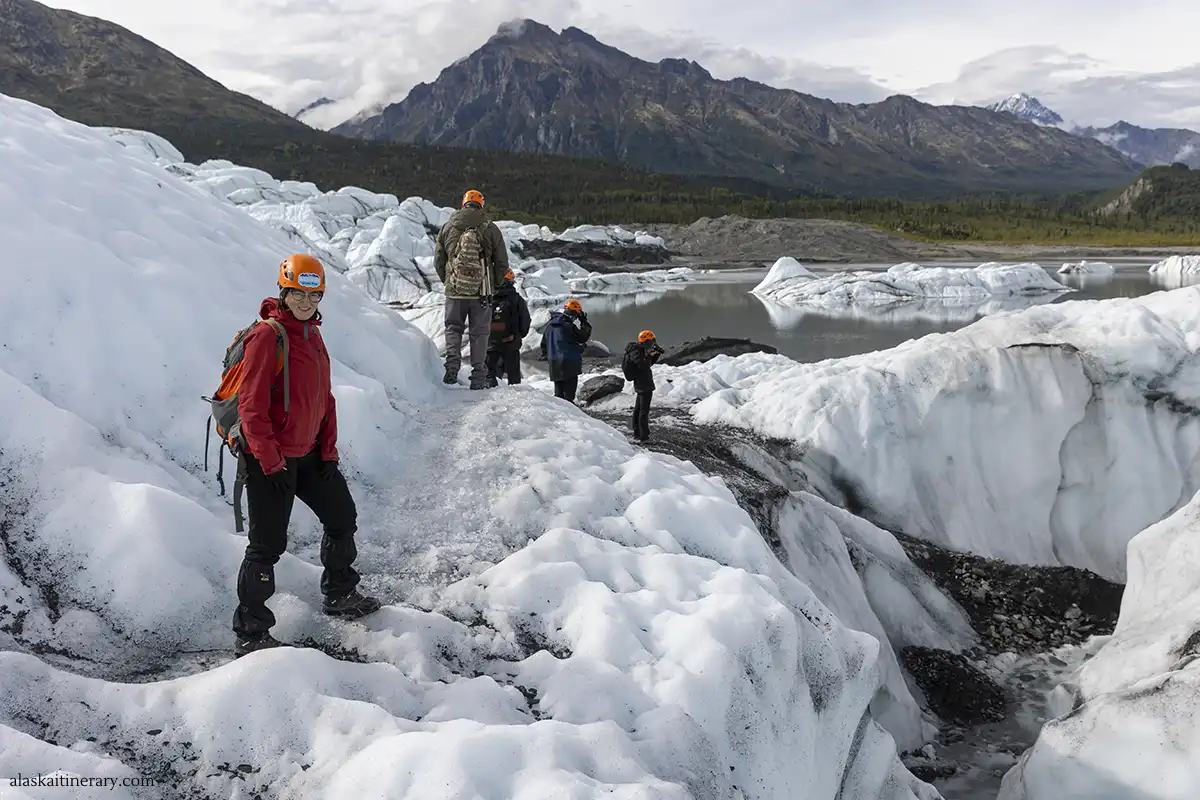
Around two hours from Anchorage, this is one of the few road-accessible glaciers in Alaska. Guided glacier walks allow you to step onto the ice safely.
Whittier
About 60 miles away, Whittier sits at the edge of Prince William Sound. Many visitors take glacier and wildlife cruises from here. It’s also a cruise departure port.
Full-Day Options (3+ Hours)
Seward
Approximately 127 miles south of Anchorage. Seward offers access to Kenai Fjords National Park, glacier cruises, and a scenic harbor town atmosphere.
Talkeetna
Located north along the Parks Highway, Talkeetna has a small-town feel and views of Denali on clear days.
Anchorage’s location makes these day trips realistic without needing to relocate hotels. That flexibility is one reason many travelers base themselves here for several nights.
Agnes’ Advice: If you want detailed driving tips, timing advice, more trip ideas and seasonal considerations, I’ve created a full guide dedicated to the best day trips from Anchorage.
Best Guided Tours from Anchorage
Anchorage offers more than self-guided exploration. If you prefer structured experiences or don’t want to drive long distances, guided tours make it easy to see glaciers, wildlife, and remote landscapes without planning every detail yourself.
Many tours depart directly from the city and include transportation.
Glacier Tours
One of the most popular options is a guided visit to Matanuska Glacier. These tours typically include transportation, safety equipment, and a certified guide who leads you safely onto the ice.
Glacier hikes offer a close look at crevasses, blue ice formations, and changing terrain without requiring backcountry skills.
Wildlife & Scenic Cruises
While major glacier cruises depart from Seward or Whittier, many operators offer transportation from Anchorage.
This allows you to experience places like Prince William Sound, Portage Lake or Kenai Fjords National Park without driving yourself.
Flightseeing and Bear Viewing Tours
Anchorage is also a departure point for flightseeing tours. Small aircraft provide aerial views of glaciers, mountain ranges, o bear viewing tours to Lake Clark or Katmai.
These tours offer a completely different perspective of Alaska’s scale.
Railroad-Based Excursions
The Alaska Railroad connects Anchorage to scenic destinations such as Seward and Denali. Some packages combine rail travel with guided activities upon arrival.
Guided tours are especially helpful if:
- You have limited time
- You prefer not to drive
- You want a structured experience
- You’re visiting before or after a cruise
Agnes’ Advice: For a detailed breakdown of tour types, seasonal timing, and pricing expectations, see my full guide to the best guided tours from Anchorage.

How Many Days Do You Need in Anchorage?
The right amount of time in Anchorage depends on how you plan to use it.
Some travelers treat Anchorage as a quick overnight stop. Others stay several days and use it as a base. Both approaches can work — it just depends on your goals.
Here’s a realistic breakdown.
1 Day in Anchorage
With just one full day, focus on balance.
You could:
- Explore downtown in the morning
- Visit the Anchorage Museum or Alaska Native Heritage Center
- Walk or bike part of the Tony Knowles Coastal Trail
- Stop at a scenic viewpoint like Earthquake Park
One day gives you a feel for the city, but it moves quickly.
2 Days in Anchorage
Two days feels much more comfortable.
You can:
- Combine cultural attractions with outdoor time
- Add a moderate hike like Flattop Mountain Trail
- Visit wetlands like Potter Marsh
- Enjoy a relaxed dinner downtown
Two days allows you to see both sides of Anchorage — urban and wild — without rushing.
3 Days or More
With three or more days, Anchorage starts to feel layered.
You can:
- Explore multiple hiking areas
- Spend time at cultural centers
- Add a day trip to nearby towns or glaciers
- Adjust plans around weather
If you enjoy outdoor activities, photography, or wildlife watching, extra time pays off.
Our Suggested Pace
For most visitors, two full days is a good balance.
It gives Anchorage space to feel intentional, not just transitional. You’ll understand the city better and still have flexibility to expand beyond it if you choose.
Agnes’ Advice: If you’re planning a detailed schedule, I’ve created a separate 2-day Anchorage itinerary that walks through how to organize your time efficiently.

Where to Stay in Anchorage
Anchorage is spread out, so the “best” place to stay depends on how you plan to spend your time. If you want to walk to restaurants and museums, stay downtown. If you want easy driving access and simpler parking, Midtown often works better. If your priority is a quick airport hop, the Spenard/Airport area is the most convenient.
One detail to keep in mind as you compare prices: Anchorage charges a 12% room tax on short-term lodging (hotels, vacation rentals, B&Bs, and more).
Agnes’ Advice: For a deeper breakdown of neighborhoods, hotel recommendations, and tips based on different travel styles and budgets, take a look at my detailed guide: Where to Stay in Anchorage.
Downtown Anchorage
Best for: first-time visitors, walkability, short stays, train travelers, cruise transfers
Downtown is the easiest area if you want to explore on foot. You’re close to restaurants, shops, the Anchorage Museum, and the Alaska Railroad Depot. It’s also a practical base if you’re combining Anchorage with a cruise transfer or a train trip.
Choose downtown if you want:
- A walkable stay with the most dining options nearby
- Easy access to museums and downtown attractions
- A simple base without driving everywhere
Midtown Anchorage
Best for: road-trippers, longer stays, easier parking, chain hotels
Midtown is more spread out than downtown, but it’s very practical. It’s also a common pick for travelers who want straightforward parking and quick access to main roads. Official visitor guidance often groups Anchorage lodging into key areas like Downtown and Midtown for this reason.
Choose midtown if you want:
- More hotel choice and often easier parking
- Convenient access to shopping and daily needs
- A practical base if you plan to drive most days
Spenard and Airport Area
Best for: early flights, late arrivals, one-night stays, quick airport access
If your top priority is being close to the airport, look around Spenard and the airport corridor. This area is known for quick airport access, and it can be a smart choice for a short overnight stay.
Helpful detail: Ted Stevens Anchorage International Airport is about 6 miles from downtown and often around a 15-minute drive, depending on traffic.
Choose this area if you want:
- The easiest logistics for early departures
- A simple one-night stop before heading out of town
- Hotel shuttles and quick rideshare trips
U-Med District
Best for: visits connected to the university or medical centers, quieter evenings
This area is less touristy than downtown, but it can be a good fit if you want a calmer base and you don’t mind driving to most attractions. It’s also commonly listed as one of Anchorage’s main lodging zones.
South Anchorage and Hillside
Best for: a quieter feel, residential setting, trail access
If you like a calmer, more residential vibe, South Anchorage and the Hillside can be a nice fit. You’ll usually trade walkability for quiet evenings and quick access toward some outdoor areas.
Staying Outside the City
Best for: mountain-town vibes or specific trip goals
If Anchorage is a base but you want a different atmosphere, you can also consider:
- Girdwood for a scenic mountain setting (especially if you plan to spend time along Turnagain Arm)
- Eagle River if you want easier access to trails north of the city
These are great options for the right trip style, but they’re not ideal if your goal is to walk downtown Anchorage.

Cost of Visiting Anchorage
Alaska is not a budget destination. Anchorage is usually one of the more affordable places in the state, but prices still run higher than most cities in the Lower 48.
Understanding typical costs helps you plan realistically. Here’s what to expect.
Hotel Prices
Hotel rates vary significantly by season.
Summer (June–August):
- Budget hotels: $180–$250 per night
- Mid-range hotels: $250–$450 per night
- Upscale properties: $450+ per night
Shoulder Season (May & September):
- Budget: $130–$200
- Mid-range: $200–$300
Winter (October–April, excluding holidays):
- Budget: $100–$170
- Mid-range: $170–$280
Downtown properties usually cost more. Midtown often offers slightly better value.
Rental Car Prices
Summer rental cars in Anchorage can be expensive due to demand.
Typical daily summer rates:
- Standard car: $120–$250 per day
- SUV: $180–$350 per day
Shoulder season and winter rates are often lower.
Booking early makes a big difference. Anchorage has the largest inventory in Alaska, which helps keep pricing more competitive than smaller towns.
RV Rental Costs
If you’re planning a road trip, Anchorage is the main RV rental hub in the state.
Summer daily rates often range:
- Small motorhome: $250–$350 per day
- Larger RV: $350–$500+ per day
Fuel costs are additional, and Alaska driving distances can add up.
Food & Dining
Restaurant prices are higher than the U.S. average, mainly due to shipping costs. Typical pricing:
- Casual meal: $18–$30 per person
- Mid-range dinner: $30–$50 per person
- Fresh seafood entrée: $35–$60
Groceries are also more expensive than most U.S. cities.
Tours & Activities
Tour pricing varies widely. Examples:
- Glacier day tours: $150–$300
- Wildlife cruises (from nearby ports): $150–$250
- Guided glacier hikes: $200–$300
Anchorage itself has many free outdoor activities, which helps balance overall trip costs.
Is Anchorage Expensive?
Compared to most U.S. cities, yes. Compared to remote Alaska towns or fly-in lodges, Anchorage can actually feel moderate. You can control costs by:
- Visiting in shoulder season
- Booking cars early
- Mixing paid tours with free outdoor activities
- Staying outside peak summer weekends
Anchorage may not be cheap, but with planning, it can be manageable.
Perfect. Now we move into seasonality — one of the most important decision-making factors for Anchorage.
Best Time to Visit Anchorage
Anchorage changes dramatically throughout the year. Daylight hours shift, wildlife activity varies, and pricing moves with the seasons.
The best time to visit Anchorage depends on what you want to experience.
Summer (June–August)
Summer is peak season in Anchorage.
Daylight stretches long — around the summer solstice in late June, Anchorage receives nearly 19 hours of daylight, with extended twilight beyond that. Days feel almost endless.
Temperatures typically range:
- 55°F to 70°F
- Occasionally warmer on sunny days
This is the best time for:
- Hiking and biking
- Wildlife viewing
- Day trips
- Cruise extensions
- Festivals and markets
Hotels and rental cars are most expensive during these months. Reservations fill early.
If you want maximum activity and long days, summer works very well.
Shoulder Season (May & September)
Shoulder season offers a balance between cost and access.
May:
- Snow is mostly gone in the city
- Trails begin reopening
- Wildlife activity increases
- Fewer crowds than summer
September:
- Fall colors appear
- Cooler temperatures (40s–60s °F)
- Fewer tourists
- Increasing chance of seeing Northern Lights on clear nights
September can be especially beautiful. The city feels calmer, and prices often drop compared to July.
Some tours begin closing by late September, so check schedules carefully.
Winter (October–April)
Winter transforms Anchorage completely.
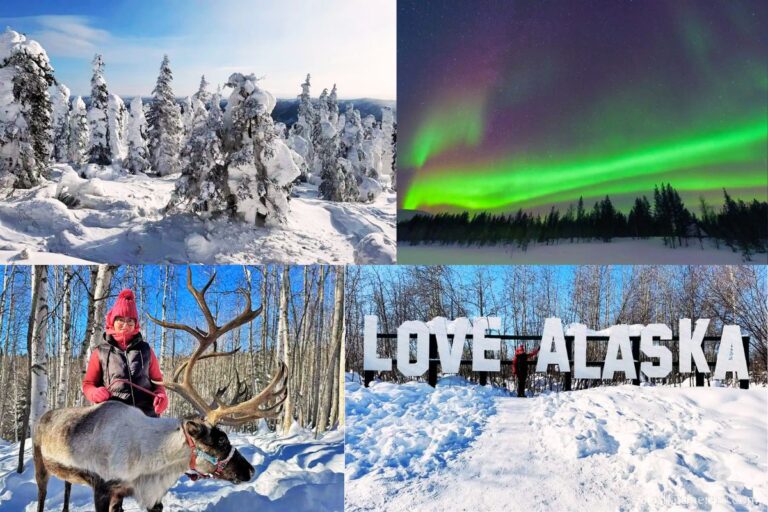
Snow covers trails. Mountains turn white. The city feels quieter.
Average winter temperatures range:
- 5°F to 30°F
Cold spells can dip lower.
Winter is best for:
- Snowshoeing and cross-country skiing
- Winter photography
- Holiday lights
- Possible Northern Lights viewing
Anchorage sits far enough north to occasionally see the Aurora Borealis during strong activity, especially on clear, dark nights. However, Fairbanks offers more consistent Northern Lights visibility due to clearer inland weather patterns.
Winter hotel rates are usually lower than summer, except around holidays and special events like Fur Rondy Festival or Iditarod.
Agnes’ Advice: If you’re planning a winter vacation, take a look at my article on Anchorage in winter with top activities and tips for travelers.

Best Choice for Most First-Timers
For most travelers visiting for the first time, June through early September offers the easiest and most flexible experience.
If you prefer fewer crowds and slightly lower prices, late May or September can be excellent choices.
If you enjoy winter landscapes and don’t mind cold temperatures, Anchorage in winter feels peaceful and authentic.
Anchorage works year-round — the experience simply changes with the season.

How to Get to Anchorage
Every Anchorage travel guide should start with one practical detail: getting here is easier than many people expect.
Anchorage is the main entry point to Alaska. Whether you arrive by air, rail, road, or cruise transfer, the city is well connected.
Flying into Anchorage
Ted Stevens Anchorage International Airport (ANC) is the largest airport in Alaska.
It offers direct seasonal and year-round flights from major U.S. cities, including Seattle, Denver, Chicago, Dallas, and others. Flight schedules expand during summer when demand increases.
The airport sits about 6 miles from downtown. In normal traffic, the drive takes around 10–15 minutes. Most travelers visiting Anchorage arrive here.
Arriving by Train
Alaska Railroad connects Anchorage with several major destinations:
- Seward
- Talkeetna
- Denali
- Fairbanks
The Anchorage Depot is located near downtown, making train travel convenient if you prefer not to drive. The train is not just transportation. It’s also a scenic experience, especially on routes along Turnagain Arm or toward Denali.
Driving to Anchorage
If you’re already in Alaska, Anchorage connects easily by highway.
- From Seward: about 127 miles (roughly 2.5 hours via the Seward Highway)
- From Whittier: about 60 miles (around 1.5 hours, depending on tunnel timing)
- From Fairbanks: about 360 miles (roughly 6–7 hours via the Parks Highway)
- From Tok: about 320 miles (roughly 6–7 hours via Glenn Highway)
Road conditions are generally good in summer. In winter, weather can affect driving times.
From Alaska Cruise Ports
Many Inside Passage cruises begin or end in Southcentral Alaska. Seward and Whittier are both within driving distance of Anchorage.
You can travel between these ports and Anchorage by:
- Alaska Railroad
- Scheduled motorcoach transfers
- Private shuttle services
- Rental car (Seward)
Anchorage is not remote in the way many people imagine Alaska to be. It’s accessible. It’s organized. It’s connected. That accessibility is one of the reasons Anchorage works well as both a destination and a gateway to explore more of the state.
Getting Around Anchorage
Anchorage is spread out. While parts of downtown are walkable, you’ll likely need transportation to explore the city fully.
The good news is that getting around is straightforward.
Do You Need a Rental Car?
For most visitors, yes.
Many outdoor areas, trailheads, and scenic viewpoints are not within walking distance of downtown. Places like Tony Knowles Coastal Trail are accessible from downtown, but spots such as Flattop Mountain Trail or Potter Marsh require a car.
If you plan to take day trips to Seward or Girdwood, a vehicle becomes essential.
Anchorage has the largest selection of rental cars in the state, which makes it the easiest place in Alaska to secure one.
Exploring Without a Car
It is possible to visit Anchorage without renting a car, especially for short stays.
Downtown is compact. You can walk to restaurants, museums, and the Alaska Railroad Depot. Rideshare services operate in the city, and some hotels offer airport shuttles.
You can also rent bikes to explore the Coastal Trail, which is one of the most enjoyable ways to experience Anchorage in summer.
If your plan focuses mainly on downtown attractions and organized tours with transportation included, you can manage without a vehicle.
Public Transportation
Anchorage has a public bus system operated by the municipality. Routes connect major neighborhoods, but service frequency is limited compared to larger U.S. cities.
For visitors on tight schedules, public transit is usually less convenient than renting a car.
Winter Driving Considerations
If you visit during winter, road conditions can change quickly. Snow and ice are common, and daylight hours are shorter.
Most main roads are maintained regularly, but extra caution is always wise. Rental companies typically equip vehicles appropriately for winter conditions.
Anchorage is not difficult to navigate. Distances inside the city are manageable, and traffic is light compared to most major U.S. cities.
For maximum flexibility, a rental car makes exploring easier. But if you prefer a slower pace and stay near downtown, it’s possible to keep things simple.
Anchorage for Cruise Travelers
If your Alaska cruise begins or ends in Southcentral Alaska, Anchorage often becomes part of your plan.
While most Inside Passage cruises sail from Seattle or Vancouver, many one-way Gulf of Alaska itineraries start or finish in Seward or Whittier.
Anchorage makes cruise logistics simple.
Distance to Cruise Ports
- Whittier is about 60 miles from Anchorage (around 1.5 hours by car, depending on tunnel timing).
- Seward is about 127 miles away (approximately 3 hours via the scenic Seward Highway).
Both routes are straightforward in summer and offer beautiful views along the way.
Transportation Options
You can travel between Anchorage and the cruise ports by:
- Alaska Railroad scenic train service
- Scheduled motorcoach transfers
- Private shuttle services
- Rental car (Seward or Anchorage only)
The train ride along Turnagain Arm toward Seward is especially scenic and adds a memorable experience before or after your cruise.
Should You Stay in Anchorage Before or After a Cruise?
In most cases, yes. Staying one or two nights before your cruise departure reduces stress if flights are delayed. It also gives you time to adjust and explore.
After your cruise, Anchorage works well for:
- A relaxed final evening before flying home
- Adding one or two extra sightseeing days
- Transitioning into a longer land trip
Because Ted Stevens Anchorage International Airport is only about 10–15 minutes from downtown, departure day logistics are usually simple.
Is Anchorage Worth Adding to a Cruise?
If you enjoy a mix of culture and outdoor scenery, Anchorage is a strong addition.
You can visit museums, walk coastal trails, look for wildlife, and experience a different side of Alaska beyond cruise ports.
For many travelers, spending even one or two nights in Anchorage makes the overall Alaska experience feel more complete.

When to Skip Anchorage
Anchorage works very well for many travelers — but not every Alaska trip needs time here.
If you have extremely limited time, you may choose to focus elsewhere. For example, if you only have a few days in Alaska and your priority is Denali National Park or Kenai Fjords National Park, you might prefer to head directly there instead of staying in the city.
Anchorage may also feel less appealing if you are looking for a small, historic harbor town with colorful fishing boats and a compact main street. Towns like Seward, Homer, or Talkeetna offer a different atmosphere.
If your goal is complete wilderness isolation, Anchorage will not provide that experience. It is a functioning city with neighborhoods, shopping areas, and busy roads. Remote lodges and fly-in destinations offer a quieter, more secluded setting.
That said, even travelers focused on national parks often find that one intentional day in Anchorage adds helpful context. Visiting a museum or learning about Alaska Native cultures can deepen your understanding of the landscapes you explore later.
Anchorage is easy to skip — but when approached with the right expectations, it rarely feels wasted.
Frequently Asked Questions About Visiting Anchorage
Is Anchorage worth visiting?
Yes, especially if you enjoy a mix of culture and outdoor scenery. Anchorage combines museums, coastal views, wildlife, and easy access to hiking trails. It may not feel like a small frontier town, but it offers balance and convenience that many travelers appreciate.
How many days do you need in Anchorage?
Most visitors benefit from two full days. That gives you time to explore downtown, visit at least one cultural attraction, and spend time outdoors. If you enjoy hiking or plan a nearby day trip, three days allows a more relaxed pace.
Is Anchorage walkable?
Downtown Anchorage is walkable. You can reach restaurants, shops, and the Anchorage Museum on foot. However, many scenic spots and trailheads sit outside downtown, so a car or organized transportation is helpful if you want to explore more fully.
Do you need a car in Anchorage?
For most travelers, yes. A rental car makes it easier to reach hiking trails, wetlands, scenic viewpoints, and nearby towns. If you plan to stay mostly downtown and join tours with transportation included, you can manage without one.
Can you see moose in Anchorage?
Yes. Moose live throughout Anchorage and are often seen near wooded areas, parks, and bike trails. Sightings are common but never guaranteed. Always keep a safe distance.
Can you see Northern Lights in Anchorage?
It is possible to see the Northern Lights in Anchorage during fall and winter on clear, dark nights with strong solar activity. However, inland areas like Fairbanks typically offer more consistent aurora viewing due to clearer skies and higher latitude.
Is Anchorage expensive?
Anchorage is generally more expensive than most U.S. cities. Summer hotel rates, rental cars, and tours can add up. Visiting in shoulder season and mixing paid activities with free outdoor experiences helps manage costs.
How far is Anchorage from Denali?
Denali National Park sits about 240 miles north of Anchorage. The drive usually takes 4.5 to 5 hours via the Parks Highway, depending on road conditions and stops.
Is Anchorage safe for visitors?
Anchorage is generally safe for visitors, especially in areas where most travelers stay, such as downtown, Midtown, and popular outdoor areas.
Like any city, it has neighborhoods with higher crime rates, and property crime (such as car break-ins) is more common than violent crime. Basic precautions help: lock your vehicle, avoid leaving valuables visible, and stay aware of your surroundings at night.
Outdoor safety is also important. Moose and bears live near the city, and wildlife encounters require distance and caution. Weather can also change quickly, especially on trails.
With normal city awareness and basic outdoor safety habits, most visitors experience Anchorage without problems.
Final Thoughts
Anchorage is often seen as a starting point, but it deserves to be more than that.
This Anchorage travel guide shows that the city offers real depth. You can explore Alaska Native culture in the morning, watch floatplanes take off in the afternoon, and look for moose near coastal trails before sunset. Few cities in the United States combine urban comfort with this level of wild access.
Anchorage works well for first-time visitors, cruise travelers adding extra days, and anyone who wants to experience Alaska without immediately heading into remote backcountry. It is practical, well connected, and surprisingly scenic.
If you approach Anchorage with clear expectations, it can be one of the most balanced and flexible destinations in the state.
Use this Anchorage travel guide to plan your time intentionally — whether you stay for one day or several.
Do You Like It? Pin It For Later!





Anchorage looks like a multi-faceted city with options for eclectic activities. Museums and cultural experiences help you know the city. Hiking and scenic views are for nature and workout lovers. There are varied food options for foodies and wildlife viewing too. Of course, convenient Alaskan cruises start from here. I would love to visit Anchorage and enjoy the activities for first time visitors here. Thanks for this comprehensive guide on what you can enjoy here.
If we wanted to stay in Anchorage long enough to explore the city, do day hikes, etc., how long would you recommend? We would then travel to other areas to explore more nature areas.
I am hoping I have time in Ancourage to visit some of these museums. I love museums because I think they really tell you about an area’s culture. You make a good point though, that if your time is limited, Denali should be your priority.
The flattop mountain trail looks like fun. I dont know much about Alaska but its on my bucketlist
Thanks for sharing such a helpful guide for first-time visitors to Anchorage. I love the fact that you can experience a little bit of everything right here – wildlife, mountains, coastal views, and Alaska Native culture.
I visited Anchorage on a quick stopover – looks like I should have made it a longer stopover with all the wonderful things to see and do.
Thanks for this helpful guide, love your blog! I’ll admit my dream trip to Alaska would involve complete wilderness isolation out in nature, but once I’m there, I definitely wouldn’t want to miss Anchorage either. This gave me some great ideas!
We can’t wait to plan a trip to Anchorage! We are still debating flying in, a long road trip from home or an extension from a cruise. Much to consider for all opinions. We definitely want to plan a longer stay with so much to see and do. We would definitely plan to visit when we can enjoy so much of the outdoor activities.