Top 7 Attractions in Deadhorse and Prudhoe Bay: A Traveler’s Guide

Curious about what there is to see in Deadhorse, Alaska? Wondering how to make the most of your visit to Prudhoe Bay, one of the northernmost destinations in North America? If you’re dreaming of dipping your toes in the Arctic Ocean or exploring the end of the legendary Dalton Highway, you’re in the right place. In this guide, we share our firsthand experiences, practical travel tips, and photos to help you discover the top 7 attractions in Deadhorse and Prudhoe Bay — a truly unforgettable corner of Alaska’s Arctic frontier.
This article may contain affiliate / compensated links. For full information, please see our disclaimer here.
Our Journey to the Far North: Prudhoe Bay and Deadhorse
After exploring Alaska many times over the years, our trip to Deadhorse in Prudhoe Bay still stands out as one of our most unforgettable adventures. Reaching this remote outpost requires driving the rugged 414-mile Dalton Highway — a route that’s as breathtaking as it is challenging.
Preparation is key for this journey. We came ready for long stretches without services, unpredictable weather, and plenty of gravel dust — all part of the experience. One of our goals? To dip our feet into the icy waters of the Arctic Ocean, marking the true end of our overland adventure through Alaska.
Is a visit to Prudhoe Bay worth it? Absolutely. From its unusual name to the logistics of accessing the Arctic Ocean, every moment here is an adventure in its own right.

A Visual Prelude to Your Journey
To get a sense of what awaits you, check out our short three-minute video capturing our drive up the Dalton Highway to Deadhorse and Prudhoe Bay.
It’s a glimpse of the rugged scenery, endless tundra, and unforgettable moments that define Alaska’s Far North.
Where Is Prudhoe Bay?
Prudhoe Bay sits on Alaska’s northernmost edge in the North Slope Borough, right on the frozen shores of the Arctic Ocean. It lies about 240 miles north of Coldfoot, roughly 300 miles beyond the Arctic Circle, 498 miles from Fairbanks, and over 1,000 miles from Homer.
This area is world-famous for its oil fields — the largest in both the United States and North America — which have played a major role in Alaska’s economy since the 1970s.
Deadhorse: The Industrial Heart of Prudhoe Bay
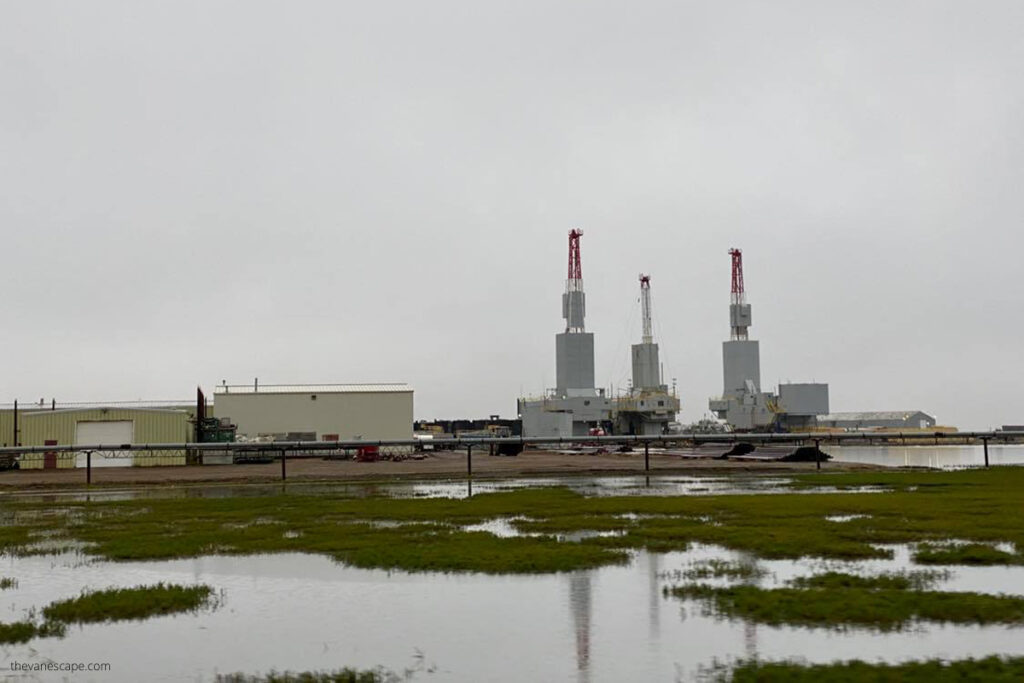
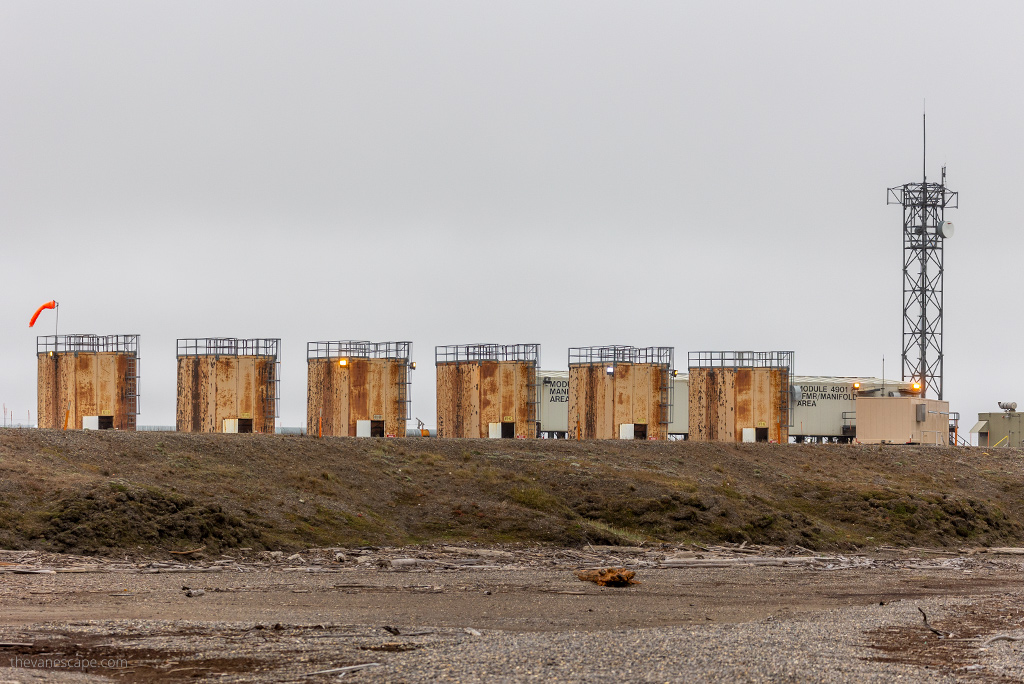
Deadhorse serves as the main access point for travelers reaching Prudhoe Bay and is located about 10 miles from the Arctic Ocean. Unlike scenic small towns like Talkeetna or Homer, Deadhorse has a distinctly industrial feel. It exists primarily to support oil field operations, housing the workers and companies that keep the Prudhoe Bay Oil Field running.
The town’s landscape is stark yet fascinating — a collection of modular buildings set on gravel pads across the tundra. These structures serve as offices, dorms, and supply centers for oilfield and pipeline operations. Deadhorse is also the official starting point of the Trans-Alaska Pipeline System (TAPS) — an 800-mile engineering marvel that carries oil from Prudhoe Bay all the way to Valdez on Alaska’s southern coast.

Navigating Your Way to Deadhorse and Prudhoe Bay
Access Restrictions to Prudhoe Bay and the Arctic Ocean
Before planning your visit, it’s important to understand that access to the Arctic Ocean and the Prudhoe Bay Oil Fields is restricted. Personal vehicles are not allowed beyond Deadhorse due to strict safety and security regulations related to ongoing industrial operations.
So, how do you actually reach the Arctic Ocean? The only way is to join an organized Arctic Ocean Shuttle Tour — the only authorized way for visitors to access the restricted area. These tours are available in Deadhorse and operate with special permits, providing safe and guided access all the way to the ocean’s edge.

Driving the Dalton Highway to Deadhorse
Reaching Deadhorse independently means taking on the legendary 414-mile Dalton Highway, one of the most remote and challenging roads in North America. This gravel route demands proper planning, reliable gear, and a well-equipped vehicle.
Most car rental companies prohibit driving on the Dalton, but we found one that does — Alaska Auto Rental in Fairbanks. Their vehicles are specifically prepared for this kind of rugged terrain. We share all the details in our Alaska Auto Rental Review, one of the few companies that allows travel on the Dalton Highway.
If you plan to drive this route, don’t miss our detailed guides — we spent more than ten days exploring the Dalton Highway and still can’t wait to return. Along the way, you’ll encounter incredible landscapes, friendly locals, and some of the wildest scenery in Alaska.
Recommended Reading for Dalton Highway Travelers:
- Dalton Highway Guide
- Safety Tips for Dalton Highway
- Dalton Highway Camping Guide
- 15 Best Things to Do in Coldfoot
- Discovering Wiseman
- The Best Arctic Circle Tour From Fairbanks
- Coyote Air Alaska Review
- Scenic Flight Over the Brooks Range
- Visiting the Arctic Interagency Visitor Center
- Visiting the Gates of the Arctic National Park
The drive is breathtaking but demanding, with potholes, sharp turns, and long stretches without services. You’ll cross the Yukon River, pass the Arctic Circle, climb through Atigun Pass, and travel beside the Trans-Alaska Pipeline as it winds its way through mountains and tundra.
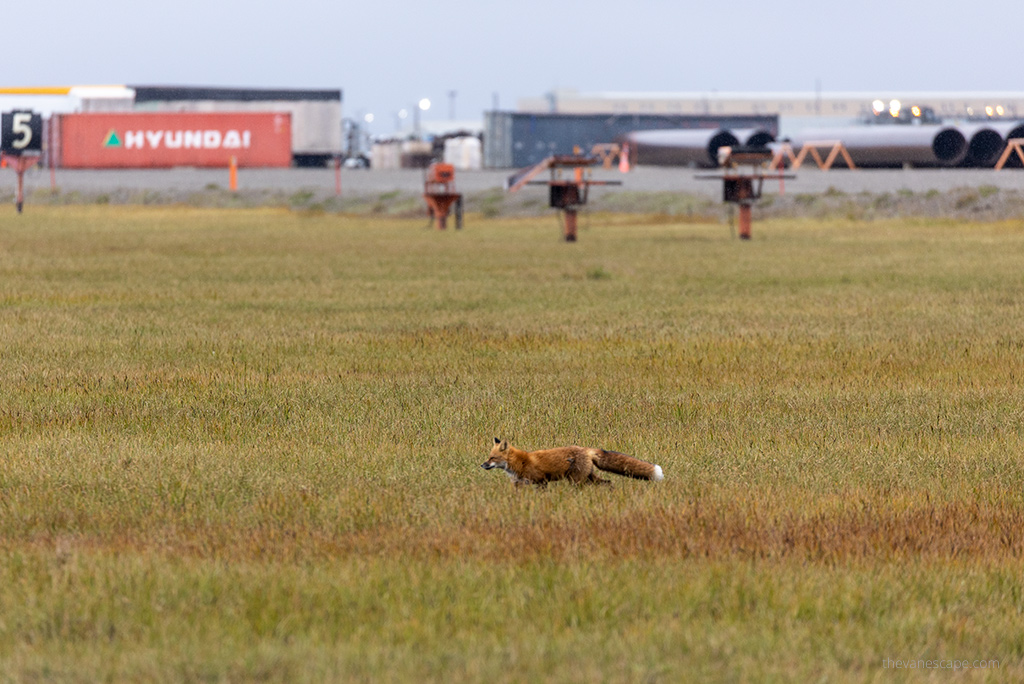
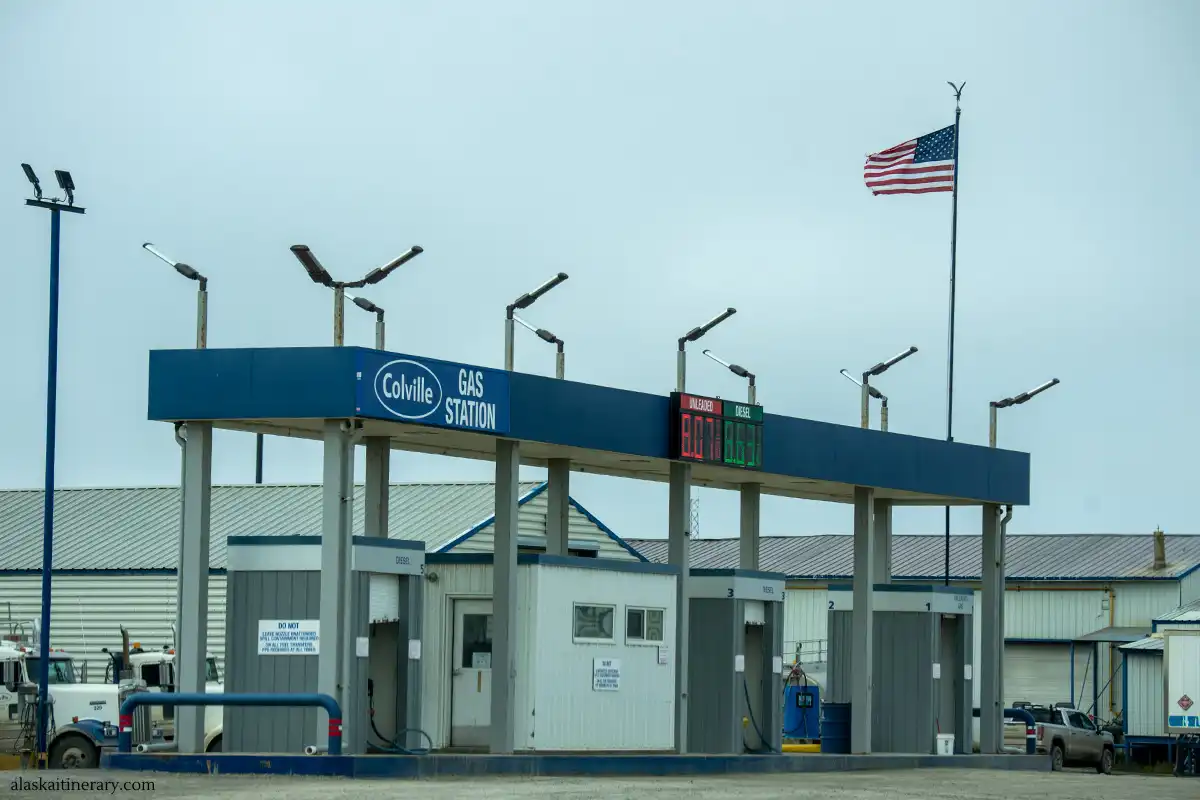
Wildlife sightings are common — keep an eye out for caribou, moose, grizzly bears, musk oxen, Arctic foxes, and over 200 bird species. And don’t forget to refuel when you reach Deadhorse — gas prices are steep, but it’s the last stop before turning back south.
Arctic Ocean Tours from Fairbanks
If you’re short on time or prefer not to drive, consider joining a guided Arctic Ocean tour from Fairbanks. These multi-day trips (usually three to four days) follow the Dalton Highway north to Deadhorse, with stops at key landmarks along the way.
You’ll get to visit Coldfoot Camp, the historic mining town of Wiseman, and other fascinating stops, learning about the region’s oil industry, gold rush history, and Arctic wildlife. Best of all, these tours include special access to the Arctic Ocean, so you can dip your toes in the icy water — a true bucket-list experience.

Flying to Deadhorse and Prudhoe Bay
The fastest way to reach Deadhorse is by air. Alaska Airlines offers regular flights from Anchorage and Fairbanks to Prudhoe Bay/Deadhorse Airport. Flights are reliable and operate year-round, though schedules can vary with weather conditions.
For a more private or flexible experience, you can also charter an Alaska air taxi. It’s a more expensive option, but it allows you to customize your itinerary and enjoy incredible aerial views of Alaska’s Arctic wilderness.
Top 7 Must-Experience Activities in Deadhorse and Prudhoe Bay
1. Take the Arctic Ocean Shuttle Tour
To reach the Arctic Ocean, you’ll need to join the official Arctic Ocean Shuttle offered by Deadhorse Camp. Tours operate from May 25 to September 15 and cost $89 per person.
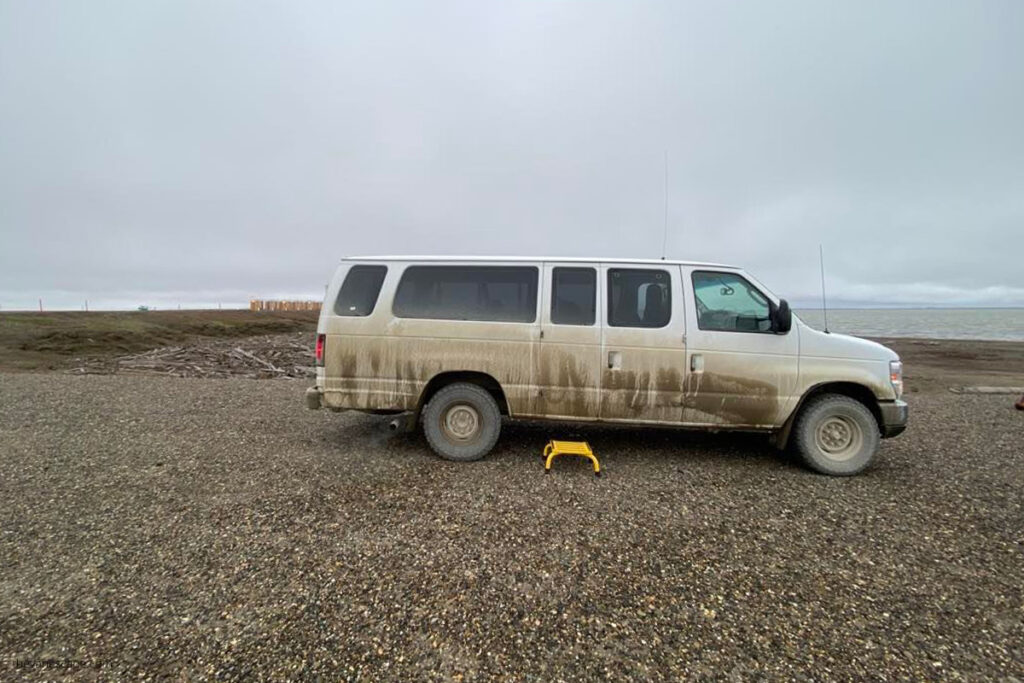

This two-hour excursion is the only way for visitors to access the ocean, as the area is restricted due to oilfield operations. The ride takes you from the end of the Dalton Highway to the icy shoreline — a surreal experience at the very top of the continent.
For us, it was a highlight of the trip. While Prudhoe Bay feels more industrial compared to Tuktoyaktuk in Canada’s Arctic, the chance to stand on the edge of the Arctic Ocean is equally unforgettable.

2. Brave a Polar Dip in the Arctic Ocean
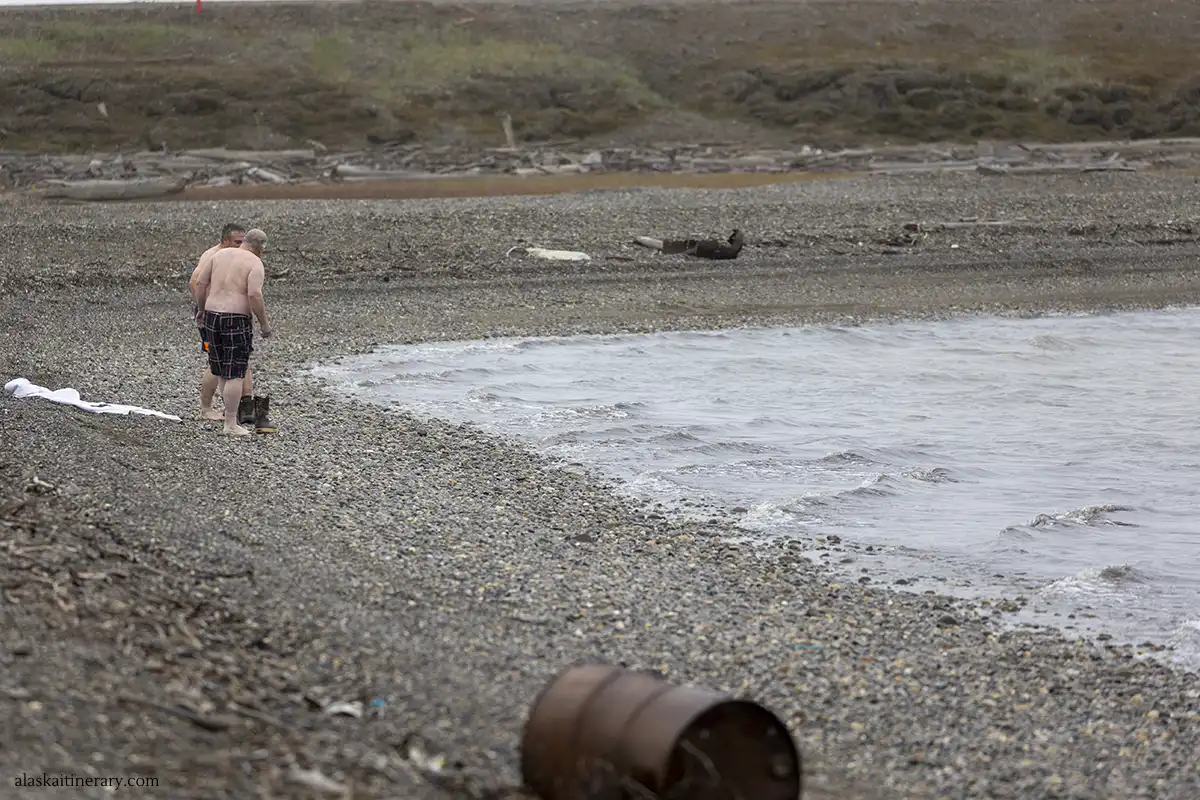
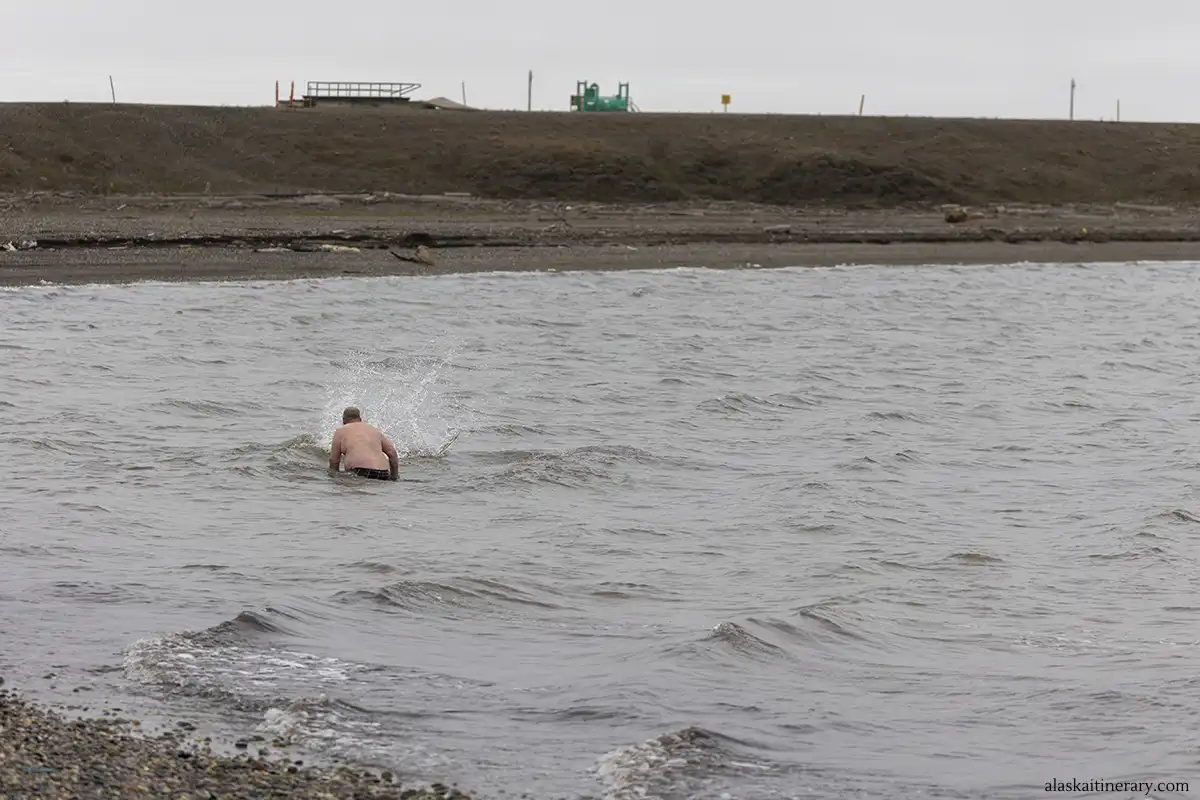
If you’re feeling bold, take a quick dip — or at least touch the frigid water. Some brave travelers in our group, including our guide, went all in for a true Arctic swim (you can see it in our video!).
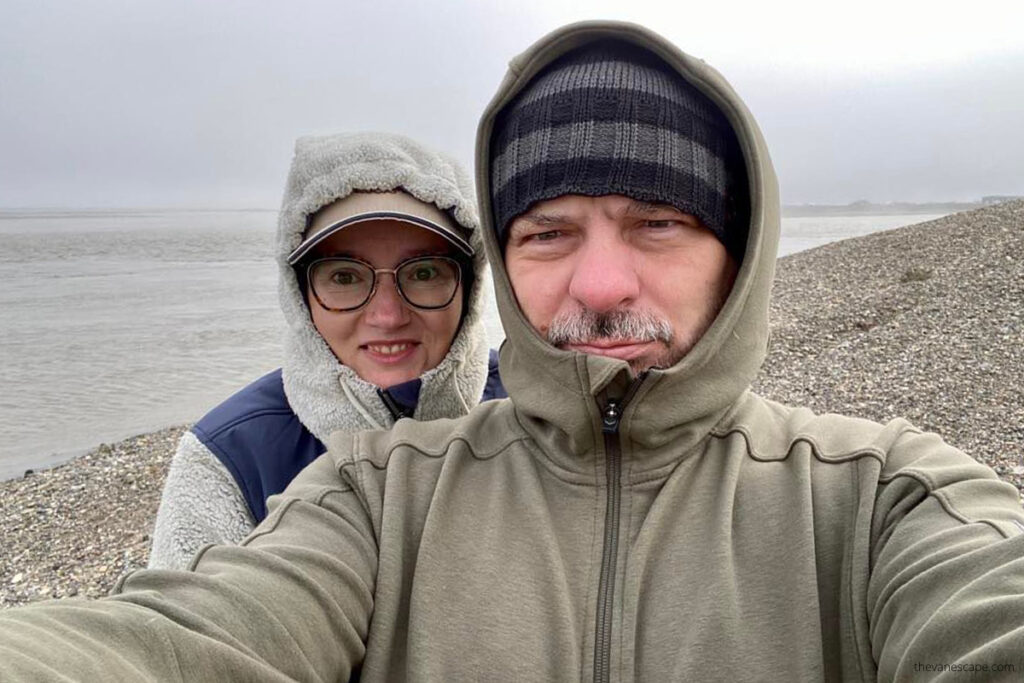
We settled for dipping our hands and feet — the air temperature was just 33.8°F in August, and that was enough! Still, the rush of cold and the thrill of the moment made it an experience we’ll never forget.
3. Visit the Prudhoe Bay Oil Fields
The Arctic Ocean Shuttle Tour also provides a closer look at Prudhoe Bay’s oil fields, the industrial engine that drives Alaska’s North Slope. Because of safety restrictions, access is limited, but even a brief glimpse reveals the scale of operations that helped shape modern Alaska.

4. Explore the Fragile Arctic Tundra
Step outside and you’ll find yourself surrounded by one of Earth’s most unique ecosystems — the Arctic tundra. With its frozen ground, short summers, and treeless expanse, this landscape is covered in mosses, lichens, dwarf shrubs, and grasses that survive extreme conditions.
Despite its harshness, the tundra bursts to life each summer. Long daylight hours spark a brief but intense growing season, attracting migratory birds such as swans, terns, loons, geese, and ducks that travel thousands of miles to breed here.
This region is vital for caribou migration and waterfowl nesting. While the nearby oil fields operate with environmental precautions, they still pose challenges to the fragile ecosystem. The balance between industrial activity and conservation is delicate — and crucial to maintaining this Arctic habitat.


5. Spot Wildlife in Prudhoe Bay
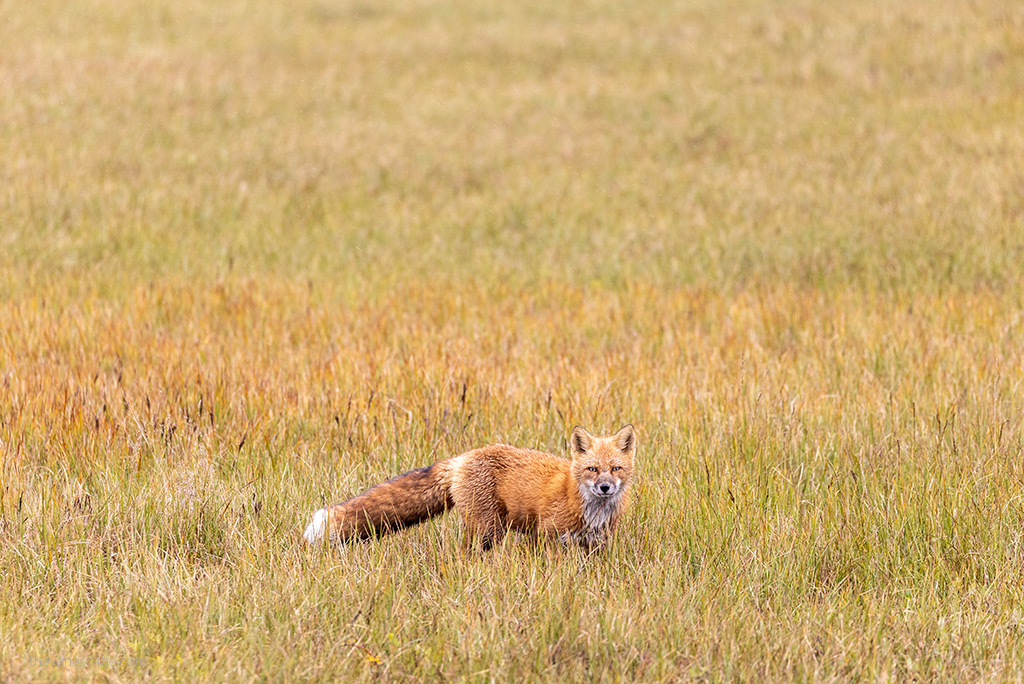
Even amid the industrial backdrop, wildlife thrives on the North Slope. During our visit, we saw caribou and red foxes wandering surprisingly close to the roads. Along the Dalton Highway, between Happy Valley and the Franklin Bluffs, keep your eyes peeled for muskoxen grazing near the tundra.
The abundance of wildlife here, despite the harsh environment, is a powerful reminder of nature’s resilience in Alaska’s Arctic.
6. Watch for Grizzly Bears Around Deadhorse Camp
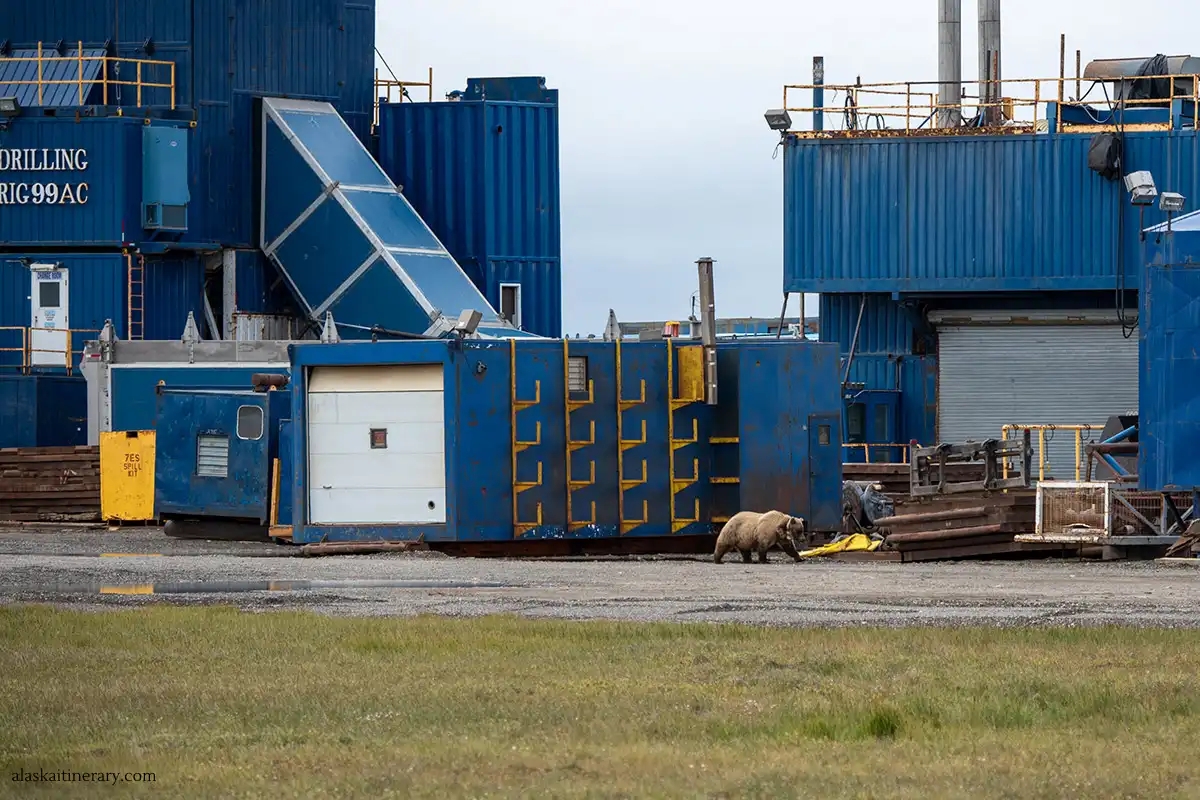
Seeing a grizzly bear near Deadhorse is both thrilling and intimidating. These powerful Arctic bears roam close to town and the surrounding tundra, often venturing near industrial areas in search of food.
The grizzlies here seemed even larger and wilder than the ones we’d encountered in other parts of Alaska — likely a result of their harsh environment and remote habitat. Workers in the area are always alert, and many carry bear protection for safety.
If you’re camping along the Dalton Highway, avoid pitching a tent this far north — the risk of bear encounters is real. Always practice strict bear safety: stay in your vehicle when photographing, use a telephoto lens, and keep a respectful distance. It ensures your safety and helps protect the bears, too.
7. Experience the Midnight Sun or Polar Night
In Deadhorse, the extremes of light and darkness define life above the Arctic Circle. From May 20 to July 22, the sun never sets — creating 24 hours of daylight known as the Midnight Sun. We loved exploring late into the night, with golden light glowing across the tundra.
In contrast, from November 24 to January 18, the Polar Night takes hold — 55 straight days without sunrise. The Arctic transforms into a still, moonlit world illuminated at times by the ethereal Northern Lights.
Whether bathed in endless daylight or wrapped in winter darkness, each season in Deadhorse reveals a different side of Alaska’s Arctic magic.

Lodging in Deadhorse
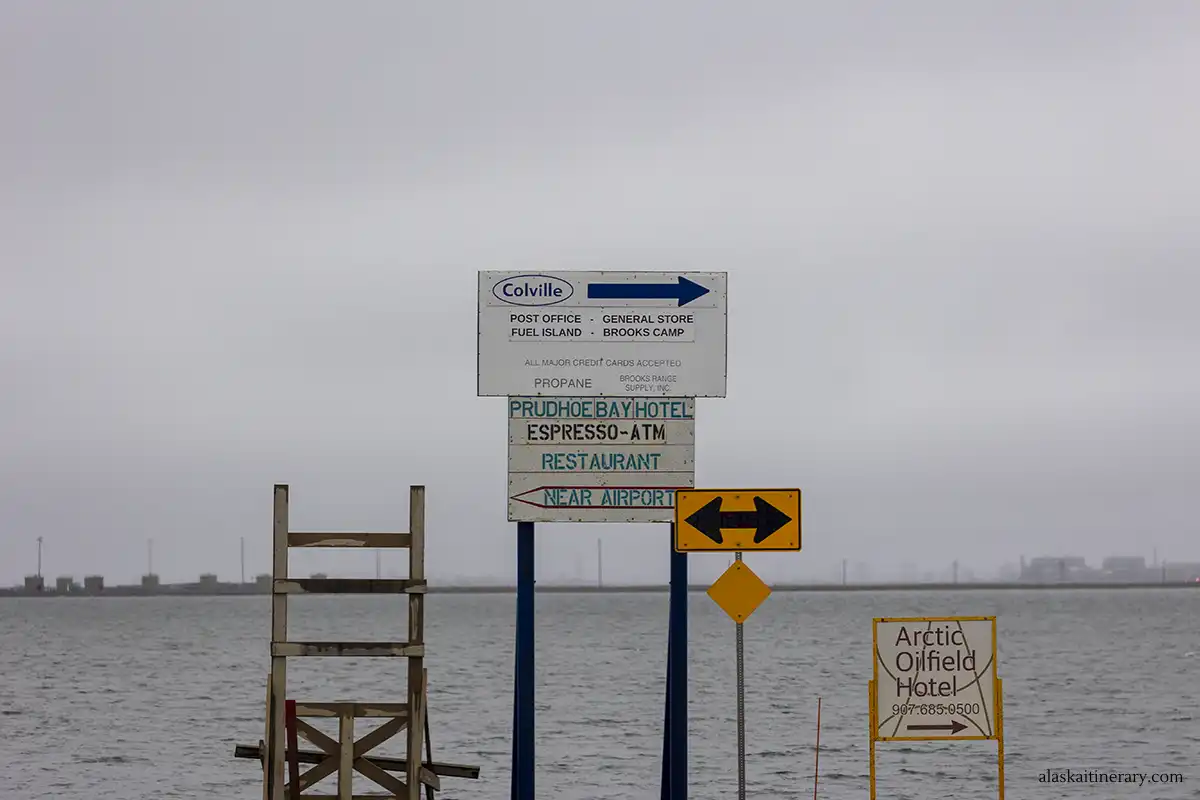
You must know that Deadhorse is not a place for a romantic getaway. The hotels are basic, with no comforts or modern amenities, but they are clean.
Apart from staff eateries in hotels, there are no elegant restaurants here. You can’t buy alcohol here, either. However, tourists can use this cafeteria-style dining at hotels.
When planning your stay, book accommodation in:

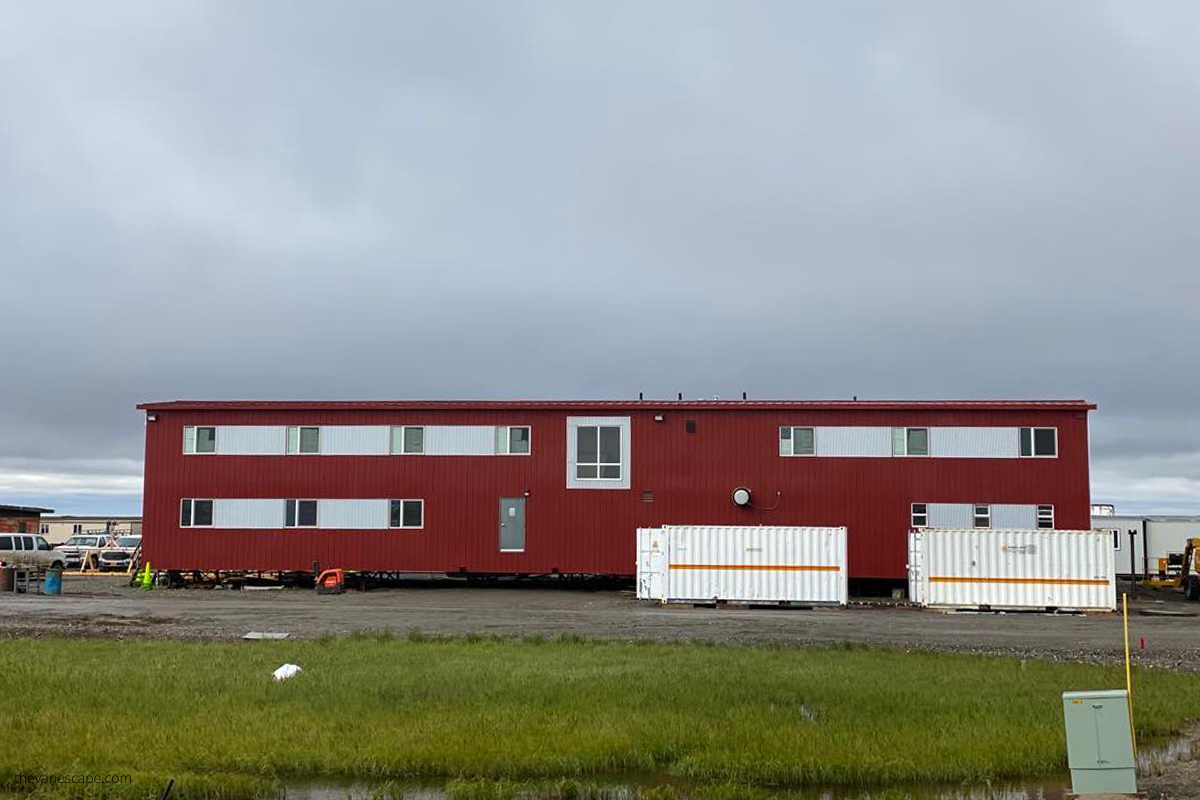
Is a Visit to Prudhoe Bay Worth It? Our Perspective
From our experience, visiting Prudhoe Bay is absolutely worth it — especially as part of a broader journey through Alaska’s far north. While Deadhorse and the Arctic Ocean alone might not justify a return trip, they play an important role in the full Dalton Highway adventure.
The area’s industrial setting and limited access are part of what makes it so fascinating — a true frontier where wilderness and human determination coexist. When combined with other unforgettable stops along the route — like Gates of the Arctic National Park, Coldfoot Camp, Wiseman, and a scenic flight over the Brooks Range with Coyote Air — Prudhoe Bay becomes a fitting finale to one of Alaska’s most epic road trips.
Seeing this region as a chapter in a larger Arctic story adds depth and meaning to the journey. The raw, remote beauty of Alaska’s North Slope offers a perspective few travelers ever experience — one that rewards every mile with a deeper appreciation for the vastness and resilience of the Last Frontier.

Do you like it? Pin it for later!