
Wiseman, Alaska: A Journey to a Remote Arctic Gem

Tucked deep beyond the Arctic Circle, just north of Coldfoot along the remote Dalton Highway, lies Wiseman, Alaska — a tiny settlement that feels suspended in time. Once a lively hub during the early 1900s gold rush, Wiseman is now home to only about a dozen residents who live surrounded by untouched wilderness and incredible quiet. This off-the-beaten-path village may be small, but it’s rich in history, stories, and Arctic charm. For Chris and me, Wiseman was one of those rare places that left a lasting impression. In this guide, we’ll share its fascinating past, what to see and do, and practical tips for reaching this hidden Arctic gem and finding a place to stay.
This article may contain affiliate / compensated links. For full information, please see our disclaimer here.
Locating Wiseman, Alaska
Wiseman sits quietly along the Middle Fork of the Koyukuk River in the heart of Alaska’s Brooks Range. This tiny settlement, part of the Yukon–Koyukuk Census Area, is located at Milepost 189 on the scenic Dalton Highway — about 270 miles north of Fairbanks and 230 miles south of Prudhoe Bay and Deadhorse. Its position makes it an ideal stopover and gateway to exploring Alaska’s remote Arctic wilderness.
Journey from Fairbanks to Wiseman
The trip from Fairbanks to Wiseman spans roughly 270 miles and usually takes about seven hours, depending on weather and road conditions. The Dalton Highway’s gravel surface begins about 84 miles north of Fairbanks, turning the drive into a true Arctic adventure.
Along the route, you’ll find remarkable stops like the Arctic Circle sign and the Coldfoot area, making it worth stretching your journey over two or even three days to fully experience this legendary northern road.
Travel Tip for Visiting Wiseman
A trip to Wiseman takes planning and preparation. Before you go, check out our detailed Dalton Highway Guide — this challenging gravel road winds through mountains and remote terrain, used daily by truckers heading to the Arctic. Knowing the rules and driving with caution is essential.
Since services are limited, plan your overnight stops in advance. Our Dalton Highway Camping Guide shares helpful details about where to stay along the route. When we explored this region for 10 days, we quickly learned that a well-equipped 4WD vehicle makes the journey much easier. We rented from Alaska Auto Rental in Fairbanks and had an excellent experience — their vehicles are built for this kind of rugged adventure.
For navigation, we highly recommend using The MILEPOST Alaska map. It’s the most reliable source for mile-by-mile details, services, and road updates.

From Coldfoot to Wiseman
The short drive from Coldfoot to Wiseman may only cover 16 miles, but it’s one of the most scenic stretches along the Dalton Highway. The journey takes about 30 minutes and gives you a sense of how quickly the landscape changes as you leave the highway bustle behind.
After passing Marion Creek Campground at Milepost 180, watch for the left turn toward Wiseman. Cross the Middle Fork Koyukuk Bridge #1, then follow the westward turnoff. From there, signs will guide you about three miles to the historic settlement.


From Wiseman to Deadhorse and Prudhoe Bay
If you continue north from Wiseman, the Dalton Highway stretches another 230 miles to Deadhorse and Prudhoe Bay — the very end of the road. It’s roughly a five-hour drive, but weather and road conditions often make it longer, especially at Atigun Pass.
This dramatic mountain pass rises to 4,739 feet (1,422 meters) and is known for its steep grades and unpredictable weather. When Chris and I drove through, we faced snow, slick roads, and dense fog — all part of the adventure, but a reminder to drive with patience and care.
How far is Wiseman from the Arctic Circle?
Wiseman is located about 75 miles north of the famous Arctic Circle sign. The drive typically takes around one hour and 50 minutes, though conditions on the Dalton Highway can easily extend travel time.
If you’re planning to visit the Arctic Circle itself, consider one of the guided Arctic Circle tours from Fairbanks. These tours often include scenic viewpoints, photo stops, and commentary about the region’s history and ecosystems — a great option if you’d rather sit back and enjoy the Arctic scenery.


Exploring the Rich History of Wiseman, Alaska
The Town’s Origins
Wiseman’s story began in 1908, when prospectors discovered gold along Wiseman Creek and nearby Nolan Creek. The settlement quickly became a small but lively mining camp, founded by miners who left the Slate Creek area — known today as Coldfoot — in search of better luck.
For a short time, Wiseman thrived as a center of frontier life deep in Alaska’s Brooks Range, with cabins, trading posts, and stories that still echo through the valley.
Robert “Bob” Marshall: A Key Figure in Wiseman’s History
One of the most remarkable chapters in Wiseman’s history is tied to Robert “Bob” Marshall — an American forester, writer, and passionate conservationist who helped shape modern wilderness protection.
In the early 1930s, Marshall spent 15 months living in Wiseman, immersing himself in the rugged Arctic lifestyle and documenting its people and landscape.
His experiences became the foundation for his acclaimed book Arctic Village: A 1930’s Portrait of Wiseman, Alaska, which brought the spirit of this tiny settlement to readers around the world. Marshall’s explorations in the Brooks Range later inspired the creation of Gates of the Arctic National Park and Preserve. He even donated his book royalties to the residents of Wiseman — a lasting gesture of respect and gratitude.
Marshall also authored Alaska Wilderness: Exploring the Central Brooks Range, a chronicle of his journeys through one of the wildest regions in North America, where he mapped previously uncharted areas.
Wiseman Today
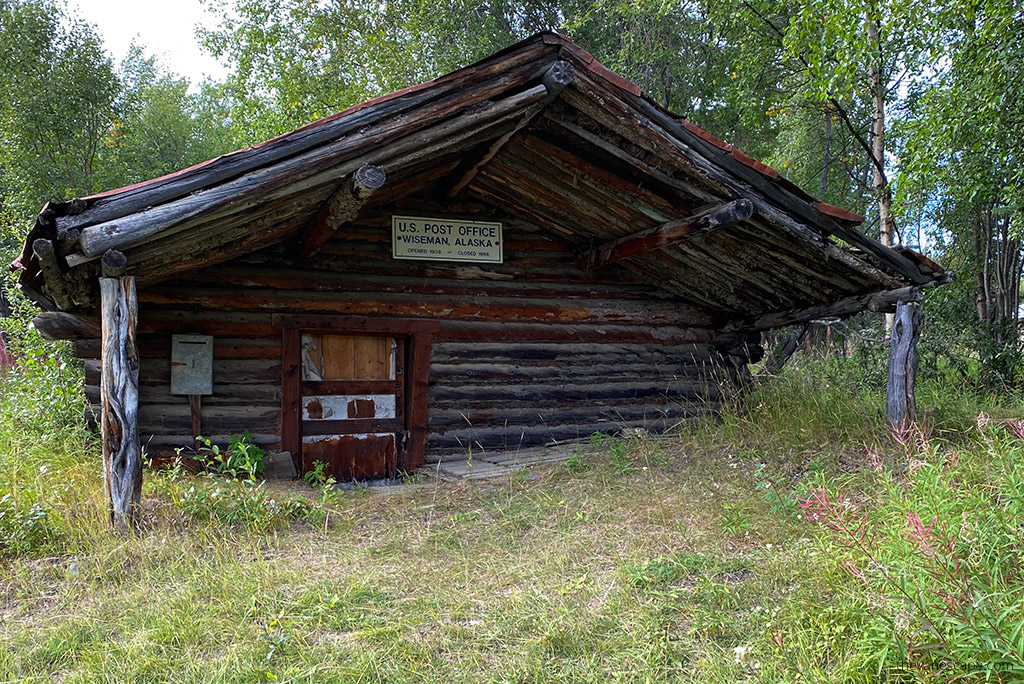
Today, Wiseman is home to only about a dozen year-round residents, yet its history remains vivid in every log cabin and conversation. Roughly 29 historic cabins still stand, dating from 1905 to 1950 — each one a glimpse into Alaska’s gold rush era. Visitors are welcome to stroll through this living museum and meet the locals, who are always generous with stories about life north of the Arctic Circle.
The community lives largely off the land, relying on gardening, hunting, and trapping. Among the residents is a talented artist whose Twisted Willow studio showcases jewelry and art made from natural materials — some crafted with bones from her husband’s hunts. Her work beautifully captures the spirit of Alaska’s wilderness.


Things to Do in Wiseman, Alaska: Adventures in the Arctic
Summer in Wiseman
Summer brings life to the Arctic, and Wiseman becomes a small but lively base for exploration. From hiking and fishing to river rafting, birding, and wildlife watching, there’s plenty to do here under the endless daylight. Below are some of the best summer experiences that made our visit unforgettable.
Explore the Historic Village
Set aside at least an hour or two to wander through Wiseman. This quiet settlement, dotted with over 20 preserved log buildings and a small museum, feels like stepping back a century.
One of the most interesting sites is the old chapel — a cabin built in 1915 and later converted into a place of worship in the 1990s. The village is small enough to explore on foot and perfect for photographers who enjoy rustic Alaska scenery.


Walk to the Old Wiseman Cemetery
Just before you reach the village, look for the wooden Wiseman signboard. A narrow trail leads uphill through the forest to the old cemetery — a five- to ten-minute walk that connects you with the town’s gold rush heritage.
Here rest many of Wiseman’s early pioneers, miners, and settlers. Time has softened the wooden crosses and weathered the inscriptions, but each grave tells part of the story of this Arctic community.
The setting is peaceful, shaded by spruce trees and filled with quiet reflection. Please explore respectfully, keeping in mind that this is both a historic site and a resting place for those who helped shape Alaska’s frontier history.


Meet the Locals
One of the highlights of visiting Wiseman is meeting the people who call it home. Conversations often turn into stories about survival, independence, and Arctic living.
We met a couple who live off the land — growing a garden, hunting, and creating beautiful jewelry from animal bones. Their artistry and resilience reflect the true spirit of Wiseman.


Visit the Arctic Interagency Visitor Center
Only a short drive south in Coldfoot, the Arctic Interagency Visitor Center is a must-stop for anyone exploring the Dalton Highway. The center features engaging exhibits on the Brooks Range, Arctic wildlife, geology, and Indigenous cultures, along with ranger talks and maps that help travelers plan further adventures.
Take a Scenic Flight Over the Brooks Range
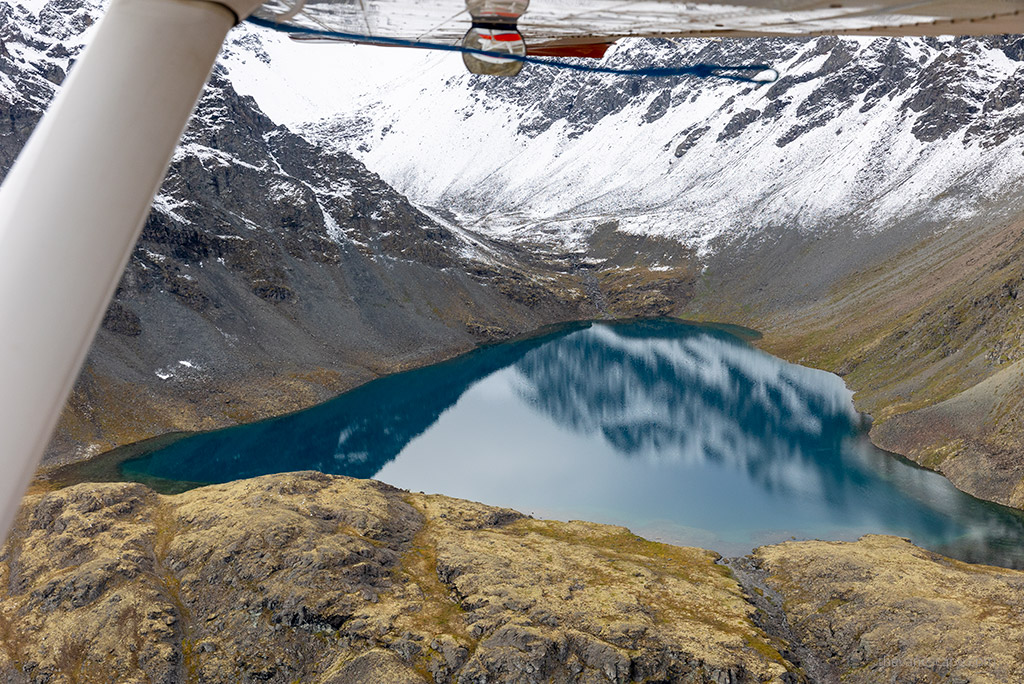
Our favorite experience near Wiseman was a scenic flight over the Brooks Range with Coyote Air from Coldfoot Airport. Flying above dramatic ridgelines, glacial valleys, and endless tundra was truly unforgettable.
The pilots are knowledgeable and passionate about this wilderness — you can read more about our experience in our detailed Coyote Air Alaska Review.
Venture into Gates of the Arctic National Park
Just west of Wiseman lies Gates of the Arctic National Park and Preserve — one of the most remote and untouched places in the United States. There are no roads, trails, or visitor centers inside the park, so it’s best suited for experienced adventurers.
Backpacking, pack rafting, and backcountry camping here promise solitude and raw beauty found nowhere else.
Explore the Arctic National Wildlife Refuge (ANWR)
East of Wiseman stretches the vast Arctic National Wildlife Refuge, located on traditional Gwich’in lands and spanning Alaska’s North Slope. It’s the largest wildlife refuge in the country and home to an incredible diversity of Arctic species — from caribou and moose to wolves, wolverines, grizzly bears, and even polar bears along the coast.
Visiting ANWR requires careful preparation and self-sufficiency, but it offers unmatched opportunities to experience true wilderness and wildlife photography in its purest form.
Winter in Wiseman
While we visited in summer, we dream of returning in winter. Imagine snow-covered cabins, frozen rivers, and the aurora dancing across the Arctic sky. In winter, Wiseman transforms into a wonderland perfect for dog sledding, cross-country skiing, snowshoeing, and scenic flights over a white wilderness.
If the Northern Lights are on your bucket list, this is one of the best places to see them. Check out our detailed Northern Lights Itinerary in Alaska for planning inspiration.


Wiseman Alaska Lodging
Cut off from the world and civilization, Wiesman has two lodging options to choose from. Despite the remoteness, it is worth booking accommodation in Wiesman advance because more and more people dream of cutting themselves off the hustle and resting in the wild.
So the place has become quite popular. We could not book a cabin in Wiesman while traveling on the Dalton Highway and stayed overnight at the nearby Marion Creek Campground.
Arctic Getaway Bed and Breakfast
If you want Alaska cabin rentals, consider cozy lodging in Wiesman. In Arctic Getaway Bed and Breakfast, you will rest from the hustle and bustle of the city, escape from worries, fall in love with the silence, and admire nature.


Boreal Lodging
Also, Boreal Lodge offers cozy and affordable accommodations in a wooded location near Wiseman Creek with beautiful Mountain views. They have four rooms in Boreal Lodge with a fully functional kitchen and day room. And also have separate fully functional Boreal Cabin and Polar Cabin.

Wiseman Alaska Weather
Wiseman has a subarctic climate. Summers are short and mild, with frequent rainy days. Winters are long and very cold. Make sure to pack properly for your Alaska trip, as the weather changes frequently along this route.
We traveled the Dalton Highway in August and experienced sun, wind, rain, snow, fog, and mud. The temperature range we experienced during the 10 days of summer travel via Dalton was from 30.2 °F (-1°C) to 68 °F (20 °C).
Winters can be extremely cold. Average high in January: −0.5 °F (−18.1°C). The record low temperature in January was −65°F (−54°C).


Life Below Zero
Wiseman and its residents are featured in the television series Life Below Zero, which shows the daily and seasonal activities of subsistence hunters in remote areas of Alaska. It was a series of shows on the National Geographic Channel.
The series shows the people who have to survive the winter in harsh Alaskan conditions. Wiesman residents who starred in the show are Erik and Martha Mae Salitan.

Final Thoughts
Wiseman is one of those rare Alaskan places that stays with you long after you leave. Reaching it along the Dalton Highway feels like a true Arctic adventure, where wilderness and history blend seamlessly. This remote village may be small, but it represents the heart of Alaska’s pioneering spirit — resilient, quiet, and deeply connected to the land.
Exploring Wiseman offered us a chance to slow down. You can meet people who live close to nature, and experience the solitude that defines the Far North. If you’re traveling the Dalton Highway, make time for this stop. It’s more than a waypoint — it’s a glimpse into the timeless soul of Alaska.
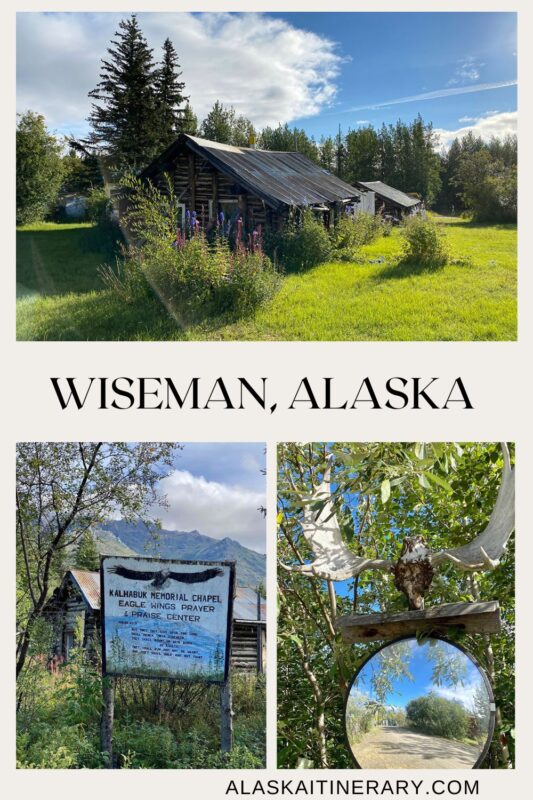
Do You Like It? Pin It For Later!



I can’t quite imagine living in a town with only a dozen year-round residents! What do they do in the winter?
It was fascinating reading this post. Everything sounds so different from what I’m used to see on a daily life. I guess visiting those traditional places would be very inspirational and mind-blowing!