
How to Visit Gates of the Arctic National Park: The Ultimate Planning Guide

Gates of the Arctic National Park is the most remote national park in the United States. There are no roads, no marked trails, and no visitor facilities inside the park. Visiting it requires serious planning and realistic expectations. This guide explains how to visit Gates of the Arctic National Park, based on our firsthand experience exploring Alaska’s most challenging landscapes. We cover where the park is located, how to get there, transportation options, costs, safety considerations, and what you can realistically do once you arrive. Whether you are planning a flightseeing trip, a guided tour, or a backcountry adventure, this article helps you understand what is possible—and what is not. Gates of the Arctic is not an easy destination, but with the right preparation, it can become one of the most unforgettable experiences in Alaska.
This article may contain affiliate / compensated links. For full information, please see our disclaimer here.
Visiting Gates of the Arctic National Park – Our Experiences
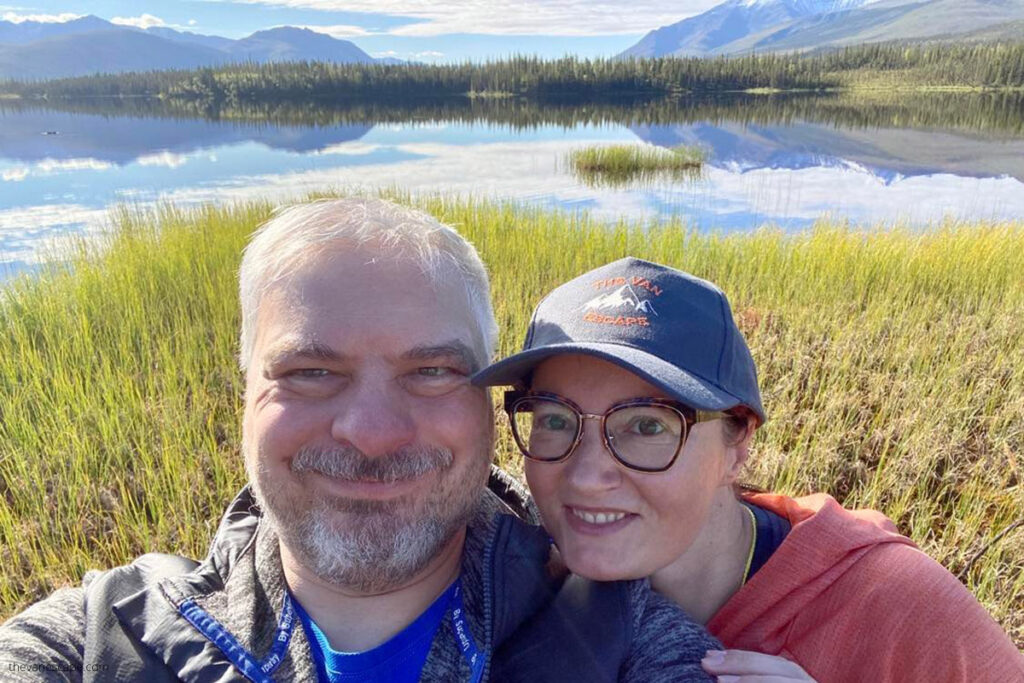
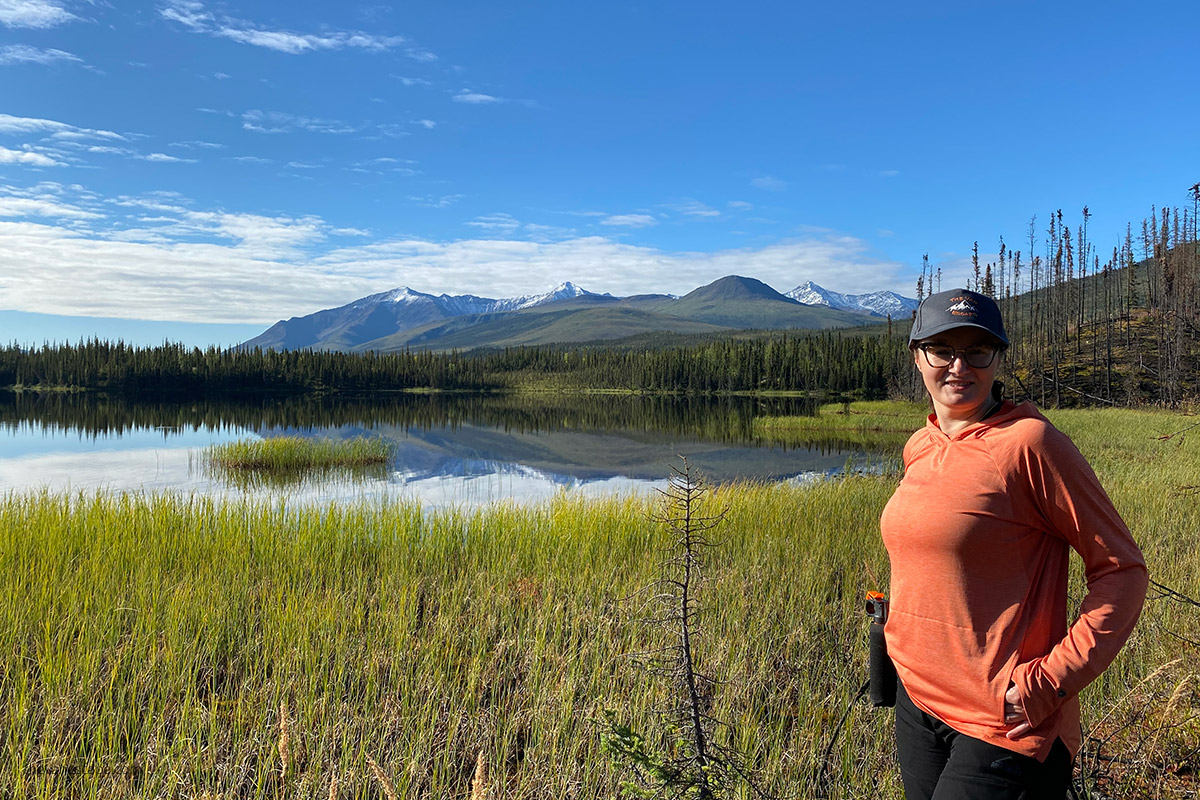
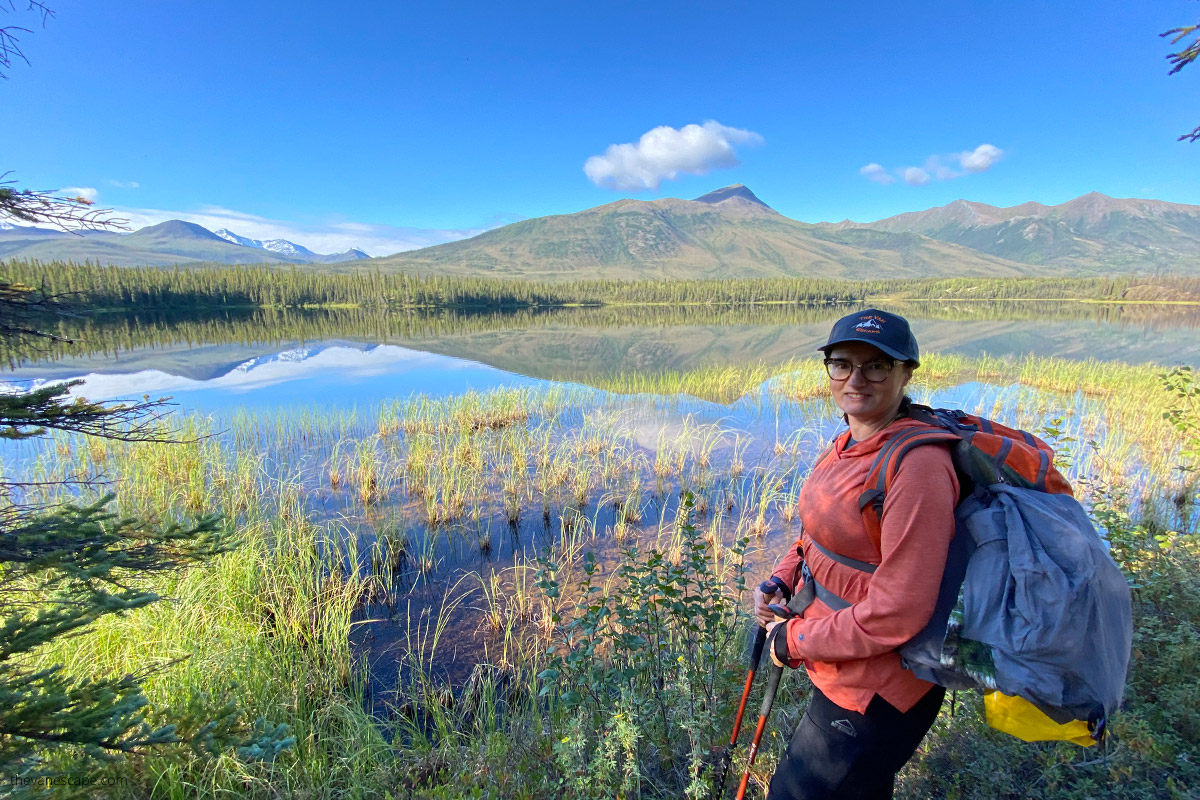
Chris and I have been fortunate to visit Gates of the Arctic National Park, one of the most remote and least visited national parks in Alaska and the entire United States. Reaching this park was challenging, demanding, and unforgettable. It remains one of the wildest places we have ever explored in Alaska.
Gates of the Arctic can be visited in very different ways, from scenic flights to multi-day wilderness expeditions. This guide covers all realistic ways to visit the park, not just backpacking trips. Whether you want a short experience or a deeper wilderness adventure, understanding your options is essential.
In 2024, Gates of the Arctic National Park welcomed just 11,907 visitors. For comparison, Grand Canyon National Park recorded over 4.9 million visitors, Zion nearly 5 million, and Yosemite more than 4.1 million in the same year. Those numbers alone explain how rare this experience truly is.
Our visit required extensive planning and research. We combined it with a long Alaska road trip that included driving the Dalton Highway and reaching Prudhoe Bay.
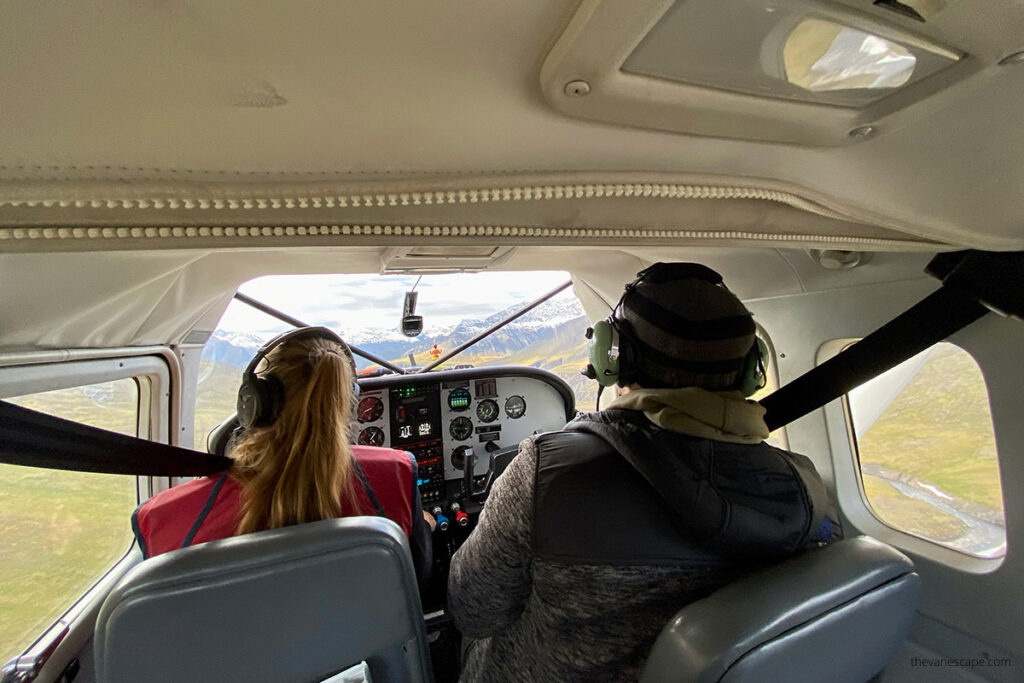
From Coldfoot Camp, we flew into the park by bush plane with Coyote Air, a well-known local operator experienced in accessing this remote region.

We believe in full transparency. In this guide, we share firsthand tips, logistics, and the real costs we encountered. As we actively plan a longer return trip to Gates of the Arctic, the information in this article reflects the most current and realistic planning considerations.
Agnes’ Advice: If you’re interested in specific planning scenarios, we also cover them in dedicated articles, including Best Things To Do in Gates of the Arctic, One Day in Gates of the Arctic and Best Time to Visit Gates of the Arctic National Park.
Where Is Gates of the Arctic National Park?
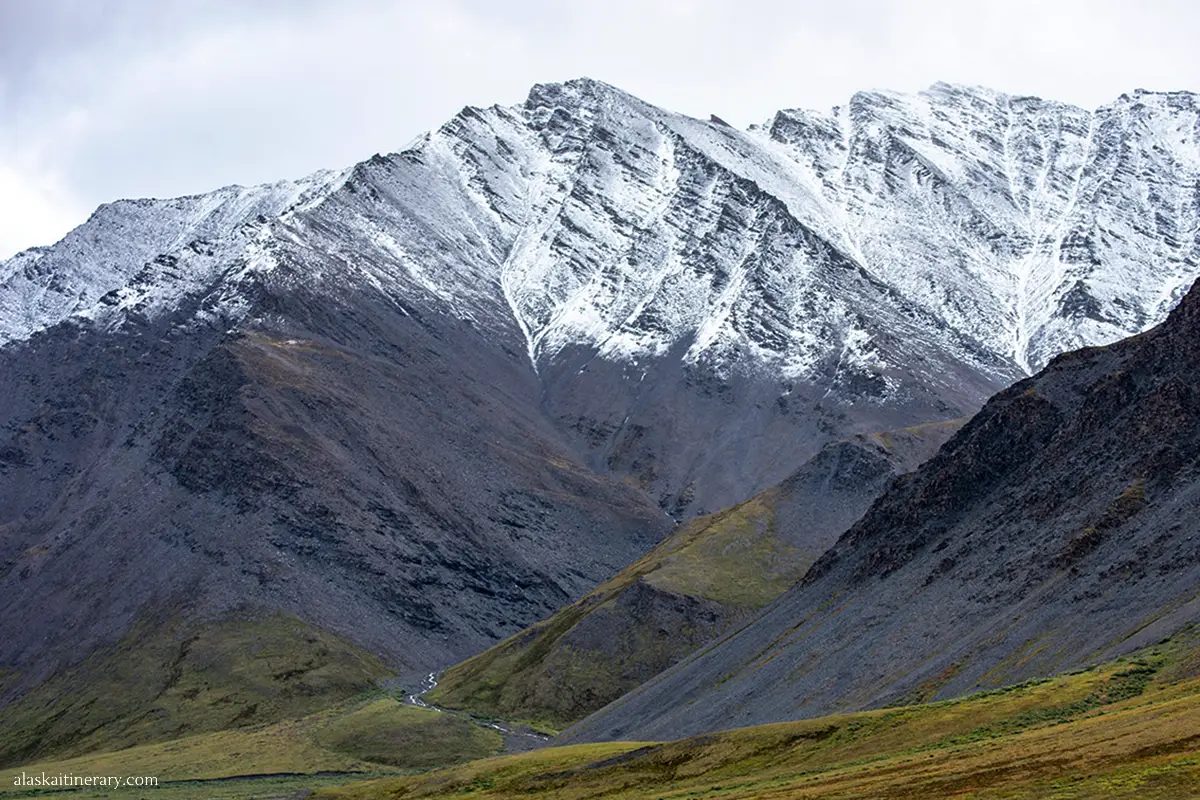
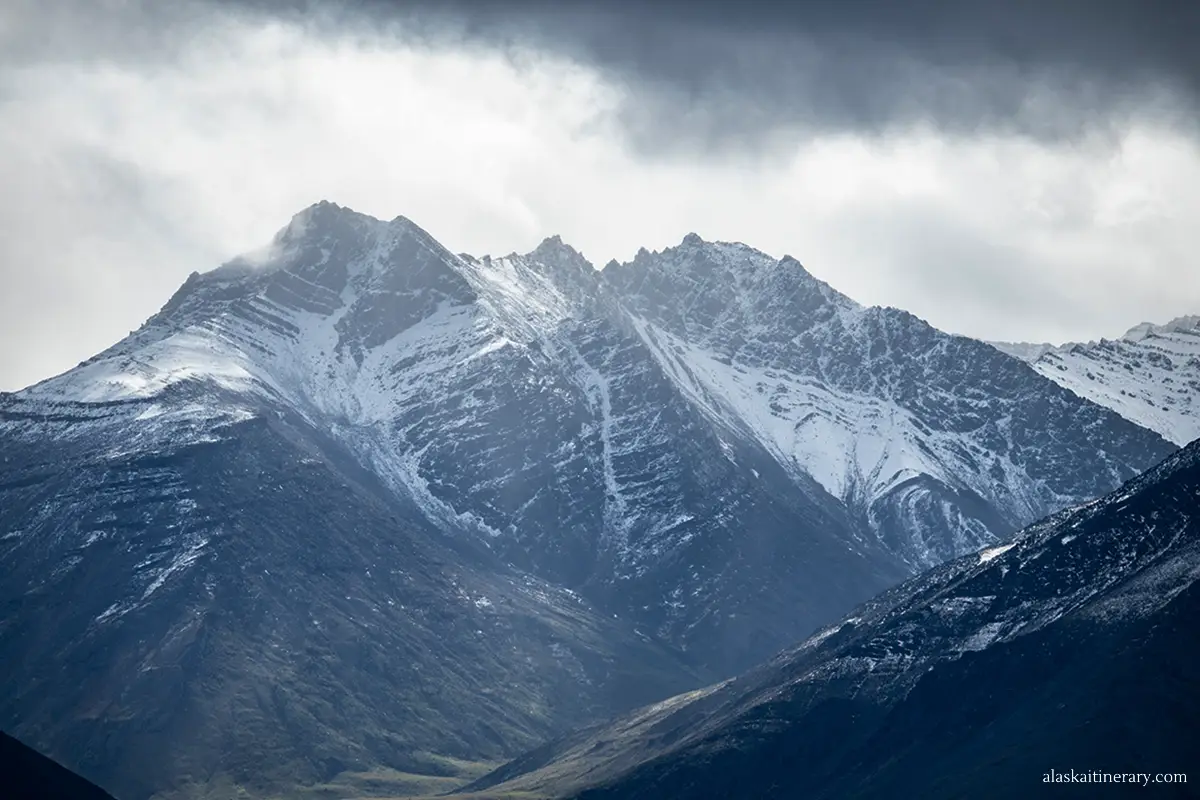
Gates of the Arctic National Park is located in northern Alaska, just north of the Arctic Circle. The park sits deep within the Brooks Range, one of the most remote and least disturbed mountain regions in North America.
The Brooks Range stretches for nearly 700 miles across northern Alaska and into Canada’s Yukon Territory. It covers an area of roughly 110,000 square miles and forms a natural barrier between Alaska’s interior and the Arctic coastal plain.
Within this vast mountain range, you’ll find several protected areas, including Gates of the Arctic National Park and Preserve and Kobuk Valley National Park. Gates of the Arctic is the northernmost national park in the United States.
What sets this park apart is its complete lack of infrastructure. There are no roads, no marked trails, and no developed facilities inside the park. You cannot simply drive in or follow a signed path. Every visit requires deliberate planning and self-reliance.
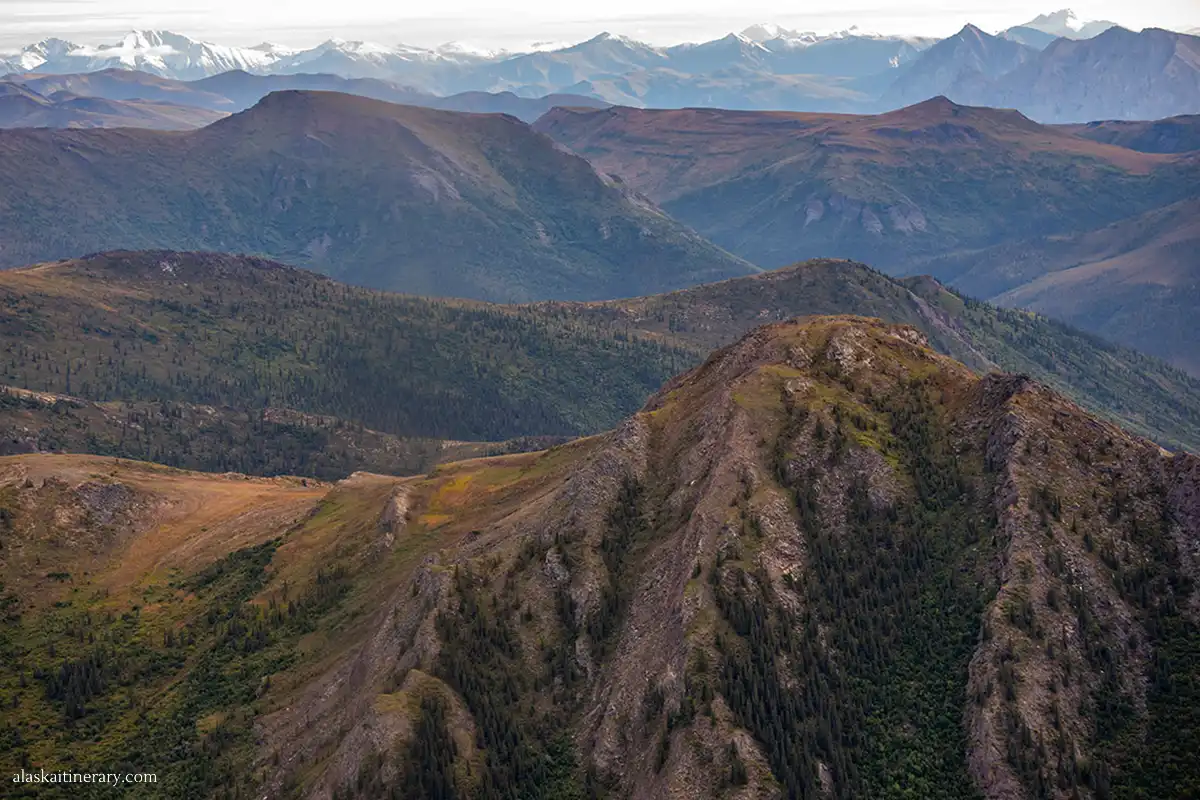
The landscape is defined by rugged mountains, broad tundra, and wild, free-flowing rivers. Human presence fades quickly once you enter the region. Solitude is part of the experience.
Gates of the Arctic is not a casual destination. Its location and terrain make it one of the most challenging national parks to visit. That remoteness is also what preserves its raw, untouched character.
How to Visit Gates of the Arctic National Park (Overview)
Visiting Gates of the Arctic National Park is very different from visiting most U.S. national parks. There are no roads, no marked trails, and no services inside the park. Every visit requires planning, experience, and flexibility.
There are several realistic ways to visit the park, depending on your goals, time, and comfort level.
- Many visitors reach the park by air taxi, using small bush planes equipped with tundra tires or floats. This is the most common and efficient way to access remote areas of the park. Once dropped off, travelers may hike, camp, or float one of the park’s wild rivers.
- Some experienced hikers choose to walk into the park from access points such as the Dalton Highway or nearby villages. This option requires strong navigation skills and comfort with unmarked terrain, river crossings, and changing weather.
- Another option is river travel, using pack rafts, inflatable canoes, or rafts. Several designated Wild and Scenic Rivers flow through the park, offering multi-day wilderness routes with no established campsites.
- For travelers who want to experience the park without extended backcountry travel, scenic flights provide a powerful introduction. These flights offer sweeping views of the Brooks Range and often include low passes through valleys and over rivers.
- Guided trips are also available. These range from day experiences to multi-day backpacking or rafting expeditions led by experienced Alaska guides.
Gates of the Arctic can be visited in many ways. This guide focuses on explaining all realistic options, not just backpacking trips. Later sections break down access points, transportation methods, and planning details to help you choose the approach that fits your experience and expectations.

Important to Know Before You Go
Visiting Gates of the Arctic National Park requires serious preparation. Whether you plan a short visit or a multi-day expedition, this is one of the most remote places in the United States.
There are no roads, no trails, and no services inside the park. Once you enter, you are completely on your own. You must be comfortable navigating unmarked terrain and adapting to rapidly changing conditions.
Weather can shift quickly. Rain, wind, and cold temperatures are possible even in summer. Dense vegetation, uneven ground, and frequent stream crossings slow travel and increase fatigue.
There is no cell service, no electricity, and no internet anywhere in the park. Emergency help is not readily available. Self-reliance is essential.
You must bring all supplies with you. This includes food, cooking gear, water treatment, shelter, and safety equipment. There are no stores or facilities inside the park. In some cases, air taxis can deliver additional supplies, but this must be arranged in advance.
A well-stocked first aid kit and basic wilderness emergency gear are critical. There are no medical facilities nearby. You should be prepared to manage injuries and delays on your own.
Before your trip, review all park rules and regulations. Follow Leave No Trace principles, respect wildlife, and minimize your impact on this fragile Arctic environment.
Gates of the Arctic offers a rare and rewarding wilderness experience. It also demands responsibility, awareness, and careful planning. You are unlikely to encounter other visitors, and that isolation is part of what makes this park unique.
Wildlife at Gates of the Arctic National Park
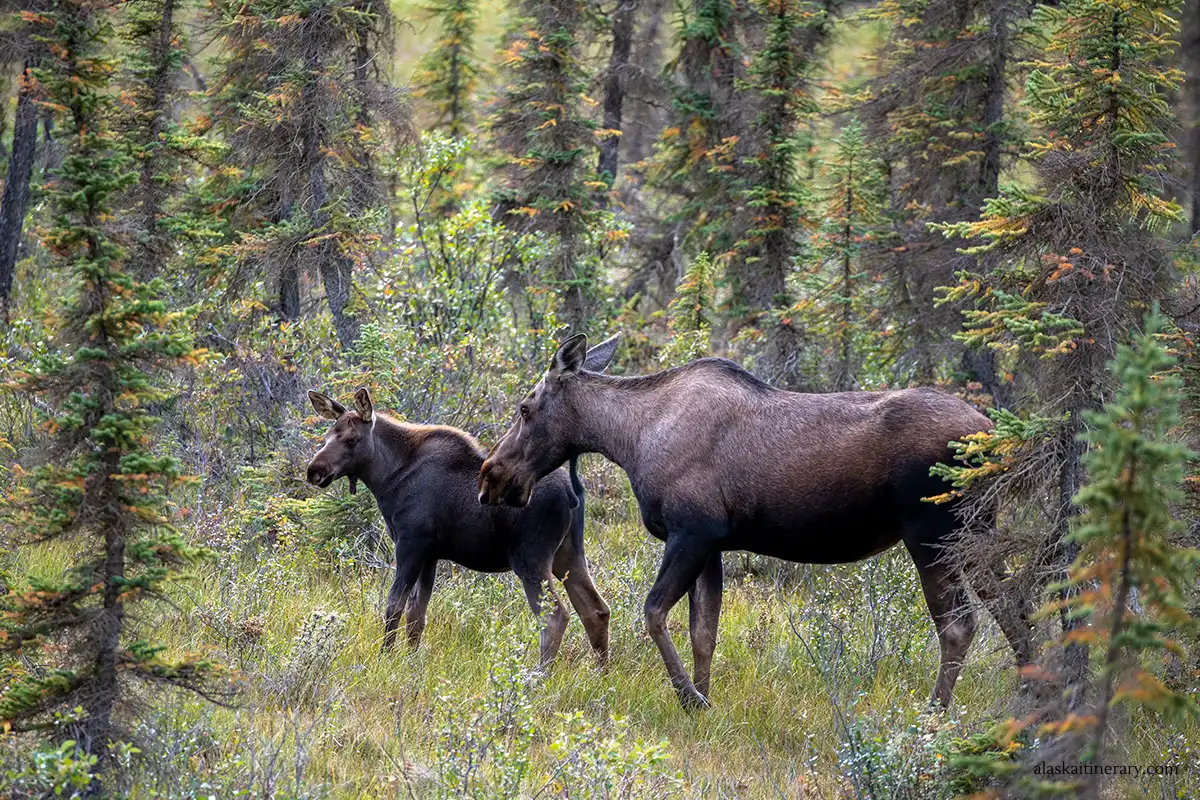
Gates of the Arctic National Park is home to a wide range of wildlife. Encounters are possible at any time, and visitors should be prepared to share the landscape with animals rather than expect to avoid them.
Species found in the park include grizzly and black bears, wolves, Dall’s sheep, muskoxen, caribou, moose, coyotes, and many smaller mammals. The park is also home to more than 140 bird species, especially active during the short Arctic summer.
Wildlife safety is critical. Always keep a safe distance and never approach or feed animals. This is not a place for close encounters or risky behavior.
Food storage matters. Secure all food and scented items using bear-resistant containers or bear-resistant food sacks. Even on a one-day visit, pack food in odor-proof bags to reduce the chance of attracting wildlife.
Stay aware of your surroundings while hiking. Make noise in low-visibility areas to avoid surprising animals. Carry bear spray and know how to use it before your trip.
Mosquitoes can be intense, especially near rivers, wetlands, and low-lying areas. Light, long-sleeved clothing helps reduce exposure. Insect repellent with DEET is effective, and a head net or portable mosquito net can make a huge difference. We found it to be one of the most useful items on our trip.
Wildlife sightings are part of what makes Gates of the Arctic so special. Respecting animals and giving them space keeps both visitors and wildlife safe in this fragile environment.

How Big Is Gates of the Arctic National Park?
Gates of the Arctic National Park covers approximately 8.4 million acres, making it the second-largest national park in the United States. Only Wrangell–St. Elias National Park and Preserve is larger.
To put that size into perspective, the park is roughly comparable to the entire country of Belgium. It is vast, remote, and impossible to explore in a single visit.
Most visitors see only a very small portion of the park. Even a multi-day trip represents just a glimpse of its enormous landscape. That scale is important to understand when planning a visit.
Because of its size, choosing where to go matters as much as deciding how to get there. Different regions of the park offer very different experiences, access points, and costs.
Before planning your trip, take time to learn about the park’s main areas and decide which region fits your goals and experience level. This will help you plan transportation, activities, and the length of your visit more realistically.
Gates of the Arctic is larger and more challenging to access than most U.S. national parks. Its scale is part of what makes it such a powerful and unforgettable wilderness destination.

Gates of the Arctic National Park Map
Gates of the Arctic National Park is a vast wilderness with very few named landmarks. Many areas have no official names at all. Reliable maps are essential for planning and navigation.
There are no maintained trails in the park. Any map you use is for orientation and planning, not for following marked routes.
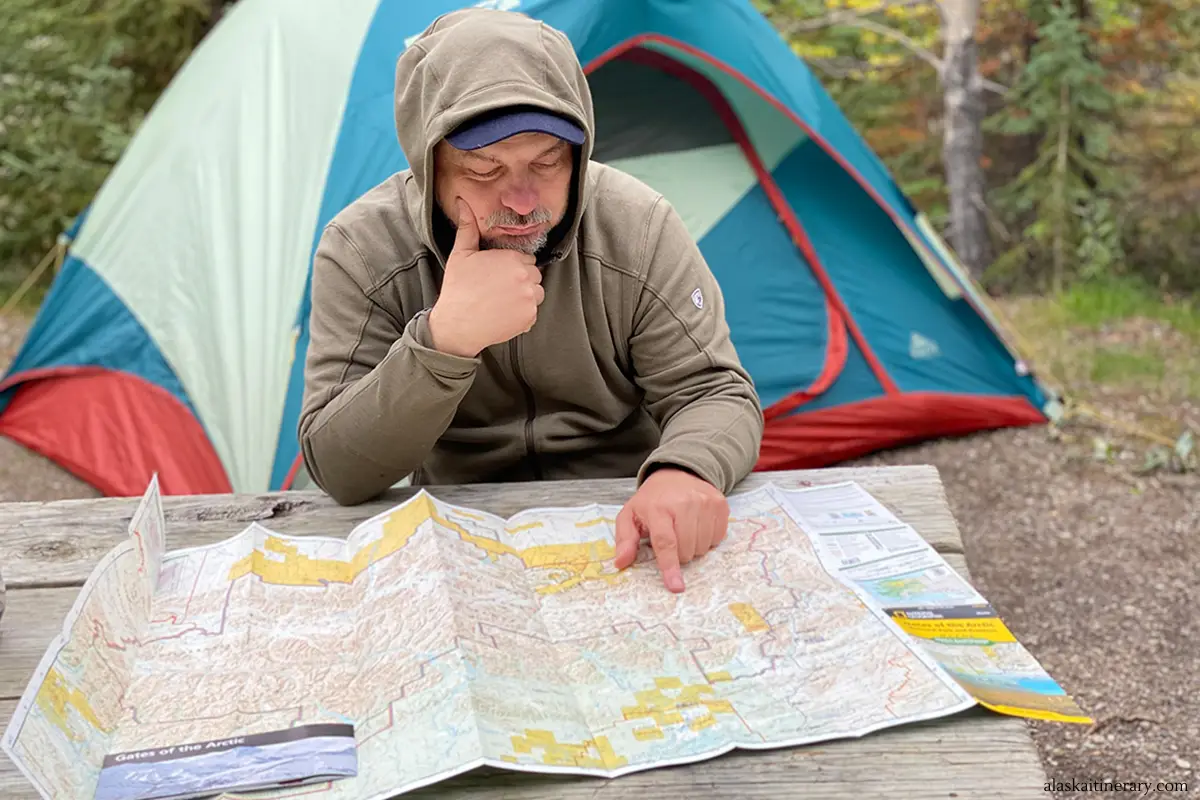
For trip preparation, we used the National Geographic Trails Illustrated map for the Gates of the Arctic region. While it does not show trails, it helps you understand the park’s scale, river systems, and major geographic features.
For actual travel inside the park, you must also carry detailed topographic maps of the specific area you plan to visit. These are critical for hiking, camping, and river travel.
Useful map resources include:
- USGS topographic maps, available online
- The NPS Geodiversity Atlas, which provides helpful geological context
If you plan to reach Coldfoot by road, the Milepost travel guide is very helpful for driving the Dalton Highway. It does not include maps of the park itself, but it is useful for planning services, distances, and stops along the route.
Never rely on a single map source. Carry both printed maps and navigation backups, and know how to use them before entering the park.
Can You Drive to Gates of the Arctic National Park?
No, you cannot drive directly to Gates of the Arctic National Park. There are no roads or highways that lead into the park. This lack of road access is intentional. It helps preserve the park’s wilderness character and keeps human impact to a minimum.
The closest road access is the Dalton Highway, which runs east of the park. From there, you can hike into the park or arrange air transportation. However, there are no signs, trailheads, or designated entry points. Because you cannot drive into the park, reaching it becomes part of the experience. Most visitors access Gates of the Arctic by air taxi, while others hike in from nearby locations or float in along rivers.
The absence of roads makes this park very different from most national parks in the United States. It also explains why visiting Gates of the Arctic requires more time, preparation, and expense than almost any other park.
How to get to the Gates of the Arctic?
Access to Gates of the Arctic National Park depends on where you enter from and which region of the park you want to visit. There is no single gateway or standard route. Fairbanks is the closest major city and the main logistics hub for trips to Gates of the Arctic, with access to Coldfoot, Bettles, and Anaktuvuk Pass.
Most trips rely on a combination of:
- a staging location outside the park
- air transportation, hiking, or river travel from that point
Common access hubs include Coldfoot, Bettles, and Anaktuvuk Pass. Each serves different parts of the park and supports different activities.
Coldfoot is the main access point along the Dalton Highway. It offers basic services and a small airstrip, making it a common staging area for flights into the park or for experienced hikers entering on foot.
Bettles is a traditional aviation hub for the southern Brooks Range. It hosts air taxi operators, lodges, and a visitor center, and it serves as a common starting point for river trips and backcountry expeditions.
Anaktuvuk Pass is a Nunamiut village located inside the Brooks Range. It provides direct access to central park regions but requires respect for local customs and careful coordination when traveling through or near village lands.
Which access point you choose affects:
- flight time and cost
- available operators
- activities possible in the park
- overall trip length
For this reason, deciding where you want to go inside the park should come before booking transportation. The following sections break down each access option in more detail.

Directions from Bettles
Bettles is one of the most common access points to Gates of the Arctic National Park, especially for trips into the southern Brooks Range.
There is no road access to Bettles for most of the year. Travelers reach the village by small aircraft from Fairbanks, making it a true bush aviation hub. Flights are frequent during the summer season.
Once in Bettles, you’ll find air taxi operators, lodges, and a National Park Service visitor center. This makes it a practical place to finalize trip details, receive current park information, and attend a backcountry orientation before entering the park.
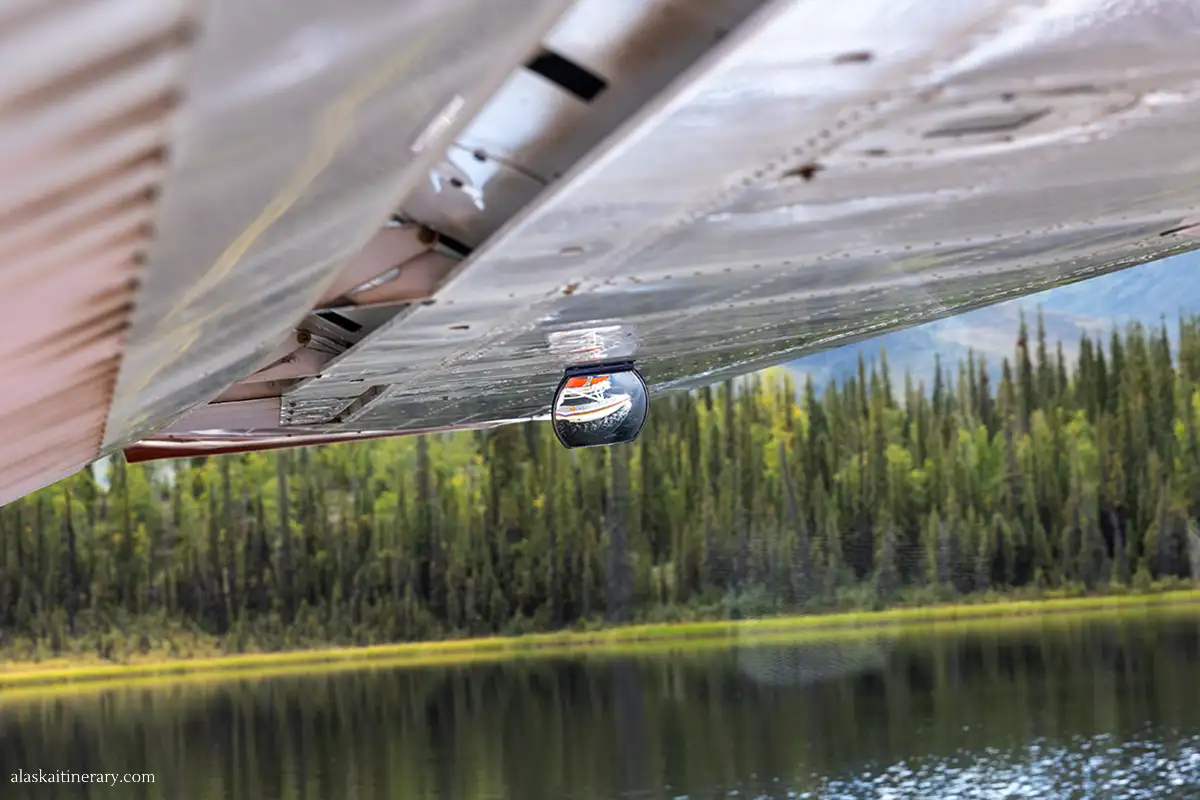
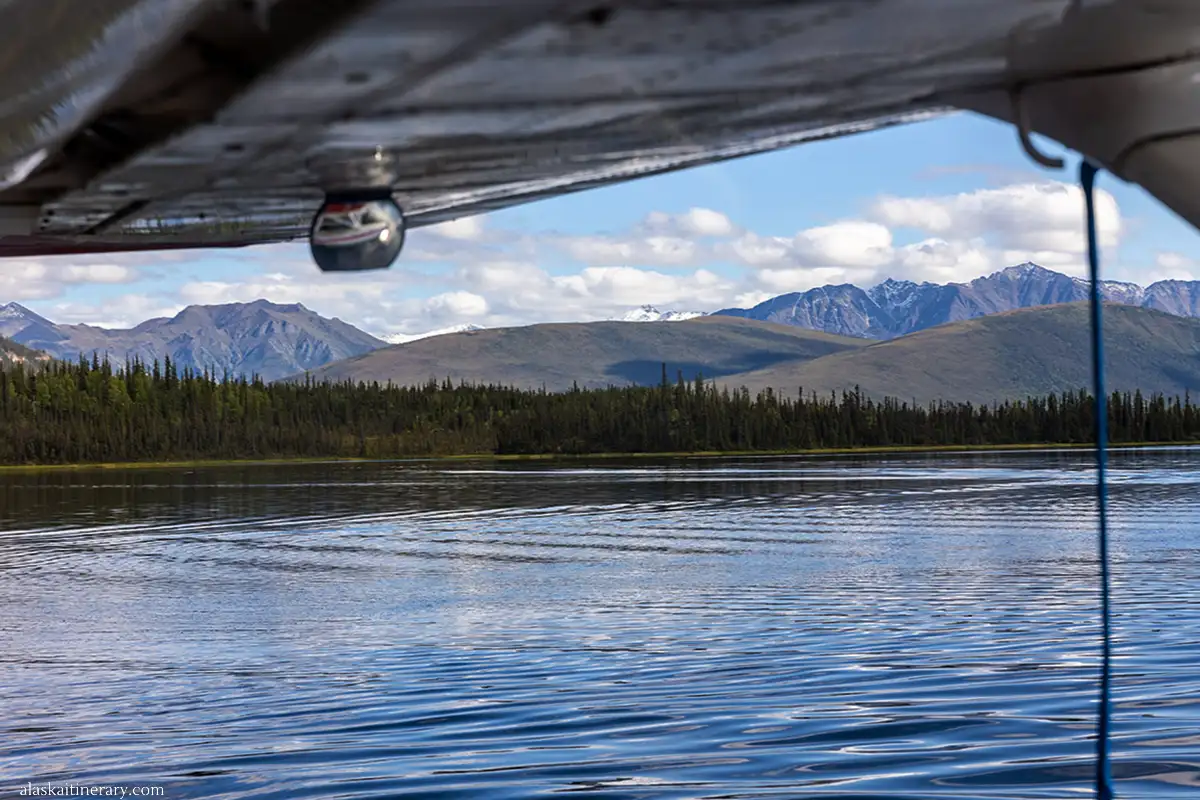
Bettles is also a popular starting point for river trips, including routes along the Alatna and Kobuk Rivers. Many air taxis operate from Bettles and specialize in transporting hikers, rafters, and climbers into different regions of the park.
Because Bettles serves specific areas of Gates of the Arctic, it’s important to confirm that your chosen air taxi operates in the region you plan to visit. Not all operators fly to all parts of the park.
Bettles works best for travelers planning multi-day backcountry trips or river expeditions rather than short visits. Its infrastructure and aviation services make it one of the most reliable staging points for deeper exploration of Gates of the Arctic.
Directions from Anaktuvuk Pass
Anaktuvuk Pass is a small Nunamiut village located within the Brooks Range, offering direct access to central areas of Gates of the Arctic National Park. Like Bettles, it has no road access and can only be reached by air.
Travelers reach Anaktuvuk Pass by small aircraft from Fairbanks. Flights are weather dependent, and schedules may change, so flexibility is essential.
Anaktuvuk Pass sits on Native land, and visitors must be respectful of local customs and daily life. If you plan to hike or camp near the village, always ask permission before crossing or camping on Native land.
During the summer season, National Park Service rangers are often available at the ranger station. They provide current conditions, safety advice, and guidance for trips starting from this area.
The village is also home to the Simon Paneak Memorial Museum, which offers insight into Nunamiut culture and the long history of life in the Brooks Range. Visiting the museum adds important context to any trip into the park.
Anaktuvuk Pass works best for experienced hikers planning point-to-point routes or extended backcountry trips. It is not suited for casual visits, but for those with the right skills and preparation, it offers a meaningful and direct connection to the heart of Gates of the Arctic.
Hiking Directions from Coldfoot
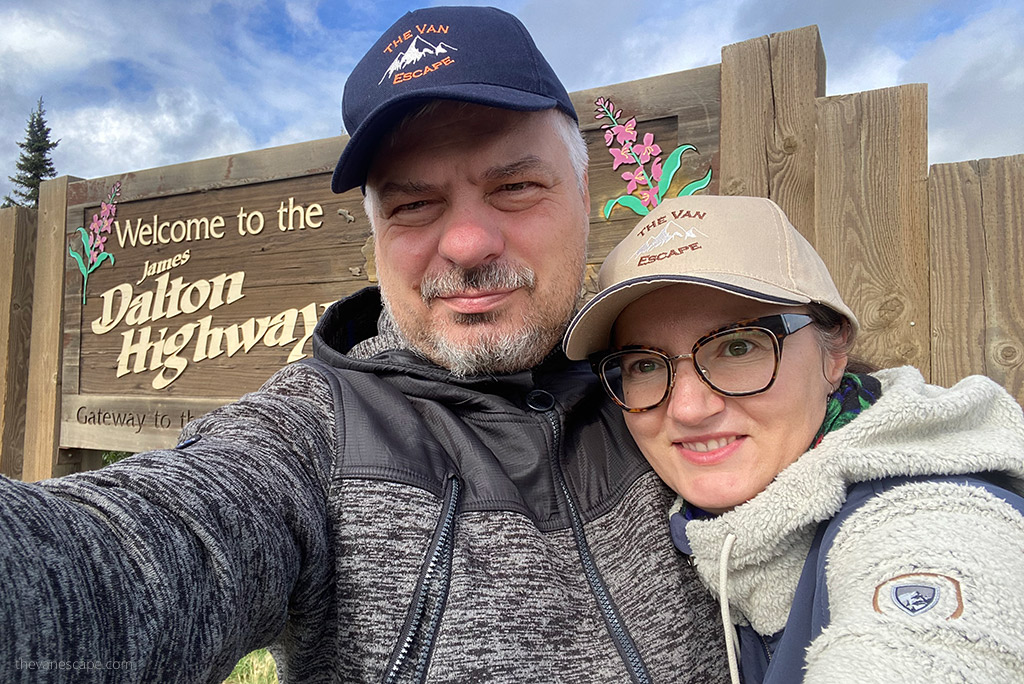
Coldfoot is one of the few places along the Dalton Highway where hikers can attempt to enter Gates of the Arctic National Park on foot. It is also one of the most challenging access options.
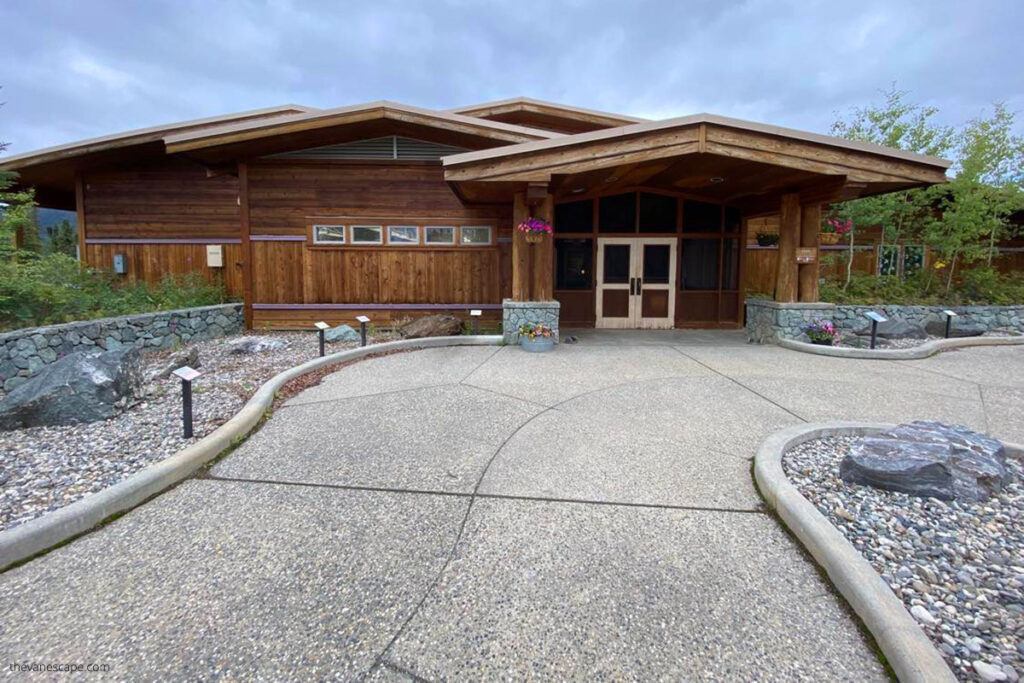
Coldfoot is home to the Arctic Interagency Visitor Center, which should be your first stop if you are considering this approach. The staff are experienced and provide up-to-date information on conditions, river levels, wildlife activity, and general safety.
There are no established trails leading from Coldfoot into the park. Route selection depends on current conditions, experience level, and the specific area you plan to reach. This makes navigation skills essential.
Hiking from Coldfoot requires crossing wet tundra, dense vegetation, and unbridged rivers. Travel is slow, physically demanding, and highly weather dependent. This option is only suitable for experienced backcountry hikers who are comfortable navigating remote Arctic terrain.
Because of these challenges, the visitor center staff cannot recommend a single “best route.” Instead, they help you assess whether this approach makes sense for your skill level and goals.
Hiking into Gates of the Arctic from Coldfoot is not common. It is demanding and unforgiving. For most visitors, flying into the park is a safer and more practical option.
Air Taxi to Gates of the Arctic National Park
For most visitors, air taxis are the primary way to reach Gates of the Arctic National Park. These small bush planes provide access to remote areas that cannot be reached by road or trail.
Air taxis operate with aircraft equipped with tundra tires or floats, allowing landings on gravel bars, lakes, rivers, or remote airstrips. Landing locations depend on weather, aircraft type, and the specific region you plan to visit.
Before contacting an air taxi operator, it’s important to know:
- which area of the park you want to visit
- how long you plan to stay
- what activities you plan to do
- the approximate weight of your gear
- whether you need food or equipment drops
Clear communication helps operators plan safe and efficient flights.
Below are authorized air taxi operators serving the Gates of the Arctic region. Availability and service areas vary, so always confirm that an operator flies to your intended destination.
- Coyote Air, This is the operator we personally used. We highly recommend Coyote Air for their professionalism, experience, and strong focus on safety. They operate from Coldfoot and offer both park access flights and scenic flights over the Brooks Range. Check their official website for current availability. Check their official website.
- Birchwood Aircraft Services from Bettles
- Brooks Range Aviation from Bettles Field
- Arctic Backcountry Flying Service
- Golden Eagle Outfitters
- Arrowhead Outfitters
- Wright Air Service
Weather delays are common in this region. Always plan extra time in your schedule in case flights are postponed or canceled due to conditions.
Choosing the right air taxi is one of the most important decisions when planning a trip to Gates of the Arctic. Experience, safety standards, and regional knowledge matter far more than price.
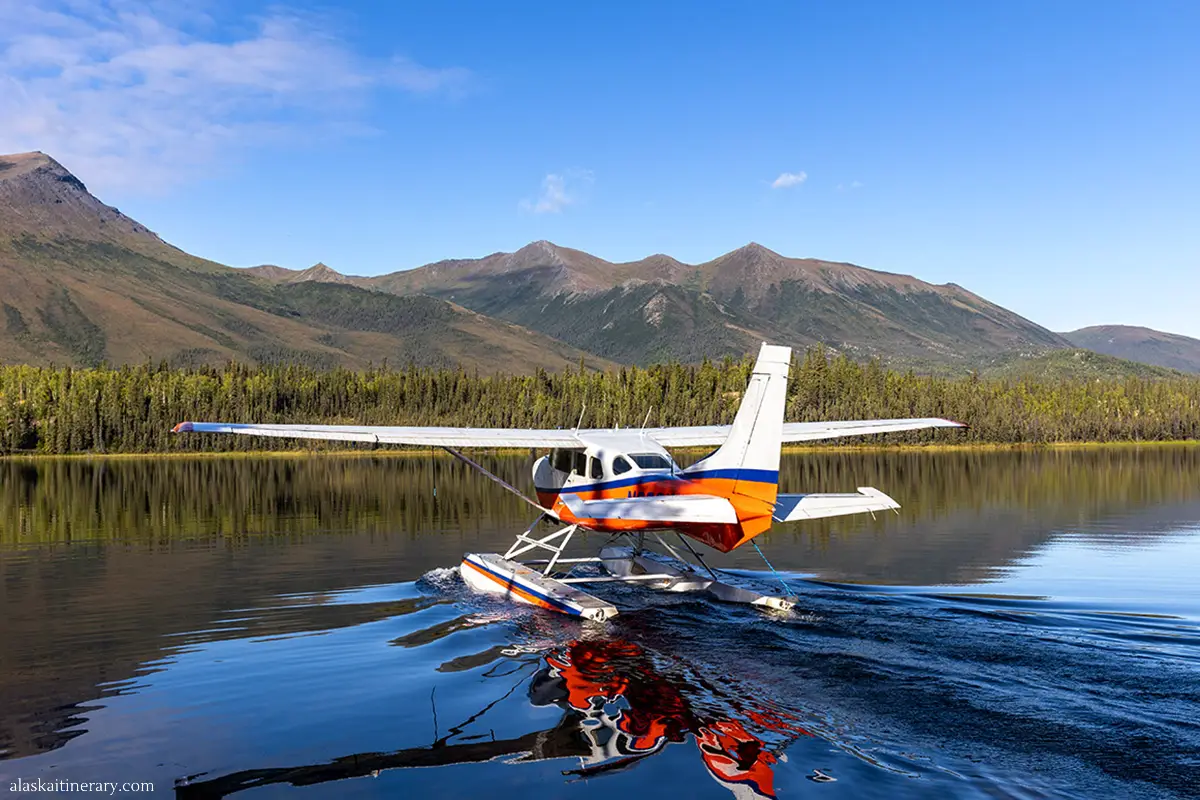

Gates of the Arctic Flightseeing
Flightseeing is one of the most accessible ways to experience Gates of the Arctic National Park. It allows you to see the scale and remoteness of the Brooks Range without committing to a multi-day backcountry trip.
Most flightseeing tours operate in small bush planes and focus on low passes through mountain valleys, wide tundra views, and winding river corridors. Weather and visibility play a major role, so routes may vary on the day of your flight.
Some operators offer overflights only, while others combine flightseeing with a short landing inside or near the park. Landing options depend on aircraft type and conditions.
We took a scenic flight over the Brooks Range, and the perspective from the air was unforgettable. The lack of roads, trails, and development becomes very clear once you see the landscape from above.
Flightseeing is a strong option if:
- you have limited time
- you want a first impression of the park
- you are not planning a backcountry trip
It is also a good way to assess whether a longer visit makes sense for a future trip.
Flightseeing does not replace time on the ground, but it offers a powerful introduction to one of Alaska’s wildest landscapes.
Gates of the Arctic Tours
Guided tours are another way to experience Gates of the Arctic National Park, especially for travelers who are not planning a fully independent backcountry trip.
Most guided trips are organized through operators based in Fairbanks, which serves as the main logistics hub for northern Alaska. From there, tours typically use air taxis to access different regions of the park.
Guided options range from day experiences to multi-day expeditions. Activities may include backpacking, hiking, rafting, or a combination of these, depending on the operator and itinerary.
Choosing a guided tour can make sense if:
- you lack remote wilderness experience
- you prefer expert leadership and logistics support
- you want added safety in a challenging environment
When selecting a tour operator, focus on experience, group size, safety practices, and familiarity with the specific region you want to visit. Not all operators serve the same areas of the park.
Well-known operators offering trips to Gates of the Arctic include:

How much does it cost to get to Gates of the Arctic National Park?
There is no entrance fee to visit Gates of the Arctic National Park. However, reaching the park is expensive and requires careful budgeting.
Costs depend on several factors:
- how long you plan to stay
- how you access the park
- whether you travel independently or with a guide
- whether you need additional supply drops
A short visit from Coldfoot, including an air taxi flight plus landing on the ground, typically costs around $1,000 + per person. Prices vary based on flight distance, landing location, and weather conditions.
A scenic, short flight (2 hours) over the park usually costs around $600 + per person, depending on the operator and route.
Multi-day trips quickly become more expensive. A week or longer expedition can cost $5,000–$10,000 per person, especially if it includes guided backpacking, rafting, or multiple air taxi flights.
These prices may seem high, but they reflect the reality of operating in an extremely remote Arctic environment. Aircraft, fuel, logistics, and safety planning all add to the cost.
Gates of the Arctic is not a budget destination. Still, for many travelers, the experience justifies the expense.
Our Experiences: Below is a short video from our trip to Gates of the Arctic.
Places to Go in Gates of the Arctic National Park
Gates of the Arctic National Park is enormous. Choosing where to go is one of the most important planning decisions you will make.
Most visitors explore only one small area of the park during a trip. Different regions offer very different landscapes, access options, and activities. Air taxi availability also varies by region, which directly affects logistics and cost.
Before planning your itinerary, decide:
- which region you want to visit
- how many days you have
- what type of activities you want to focus on
Below are some of the most common and well-known access areas within Gates of the Arctic National Park.
Bettles
Let’s start from most popular place. Bettles Field, located near the village of Evansville along the Koyukuk River, is a major access point to the southern boundary of Gates of the Arctic National Park and Preserve.
Bettles is reached by air from Fairbanks for most of the year. During winter, an ice road may connect the area to the Dalton Highway, but this option is seasonal and weather dependent.
The area has a long history as an Arctic aviation and travel hub. It also hosts a National Park Service visitor center, where travelers can attend backcountry orientations, get current conditions, and borrow bear-resistant food containers.
Bettles is commonly used as:
- a base for southern Brooks Range expeditions
- a starting point for air taxi access
- a takeout location for river trips


Anaktuvuk Pass
Anaktuvuk Pass is a Nunamiut village located within the Brooks Range and provides direct access to central areas of Gates of the Arctic National Park.
The village is reached by air from Fairbanks. There is no road access. Visitors must respect local customs and obtain permission before traveling or camping on Native land.
Anaktuvuk Pass is home to the Simon Paneak Memorial Museum, which offers valuable insight into Nunamiut history and culture. A ranger station often operates during the summer season, providing trip advice and safety information.
This access point works best for experienced hikers planning extended backcountry routes rather than short visits.


Arrigetch Peaks
The Arrigetch Peaks rise dramatically from the central Brooks Range and form one of the most striking mountain landscapes in northern Alaska.
These granite spires were shaped by glaciers and erosion and cover roughly 38,000 acres. The area includes cirque glaciers, sharp ridgelines, and rugged valleys.
The Arrigetch Peaks are designated a National Natural Landmark and are best suited for experienced climbers and mountaineers. Access typically requires a flight into nearby valleys, followed by technical travel on foot.
This area is not recommended for casual hikers or first-time visitors to the park.
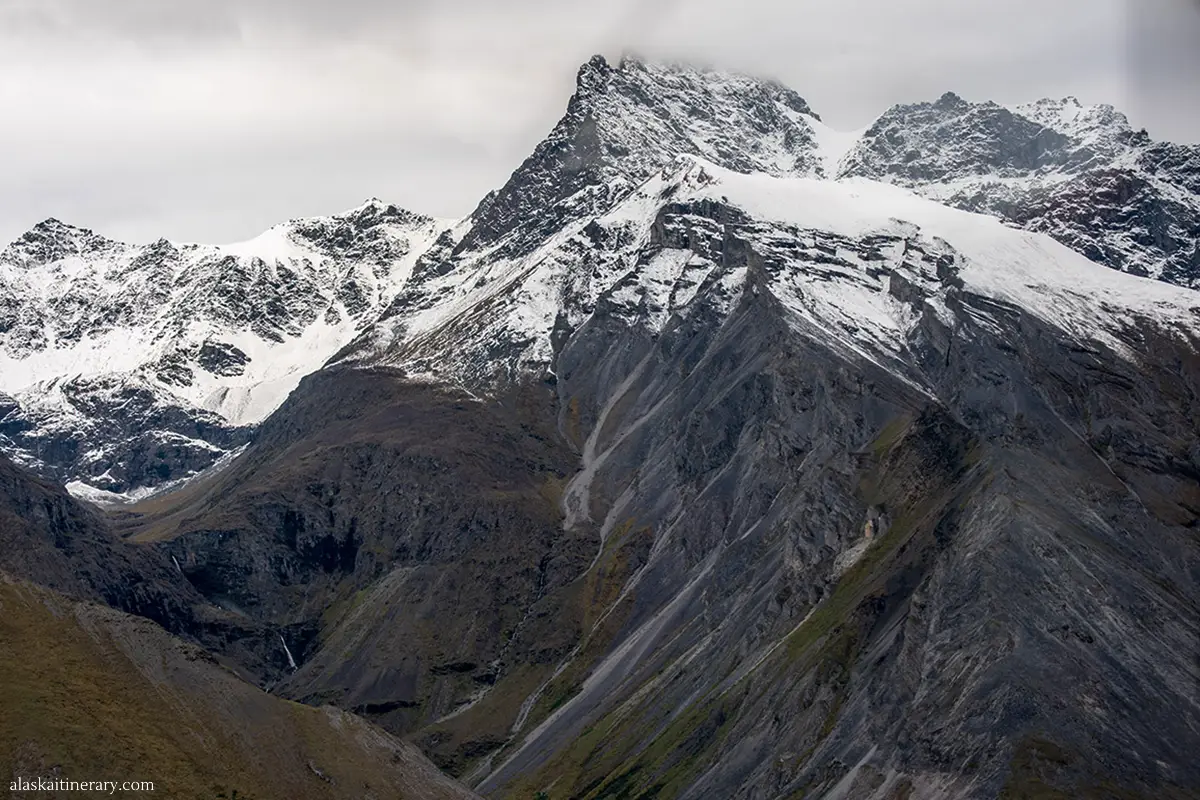
Wild Rivers in Gates of the Arctic National Park
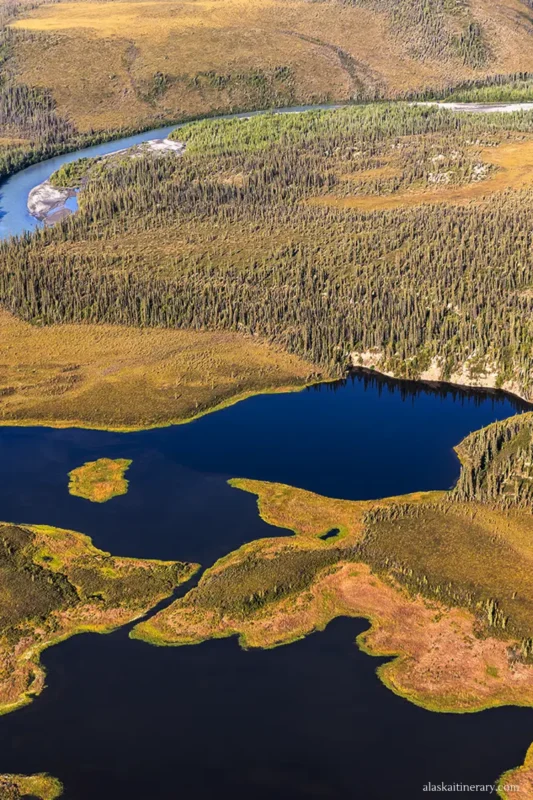
Gates of the Arctic National Park is home to six designated Wild and Scenic Rivers. These rivers play a major role in shaping the park’s landscape and offer some of the most immersive ways to explore this remote wilderness.
River travel allows access to vast areas of the park that would be difficult to reach on foot. Floating also provides excellent opportunities for wildlife viewing and long-distance travel through untouched terrain.
The six designated rivers are:
- North Fork of the Koyukuk River
- Tinayguk River
- John River
- Alatna River
- Noatak River
- Kobuk River
Most river trips use rafts, pack rafts, inflatable canoes, or collapsible boats. Air transport is usually the most practical way to reach put-in points.
River conditions vary widely. Many stretches are Class I–II, but some sections can reach Class III or higher, depending on water levels. Cold water, sudden weather changes, logjams, and fluctuating river levels add to the challenge.
Spring breakup and heavy rain can dramatically raise water levels. Northern rivers respond quickly to precipitation, and conditions can change within hours. Rivers usually become ice-free by mid-June, but timing varies by year.
River travel in Gates of the Arctic requires experience, flexibility, and respect for the environment. Proper planning is essential.

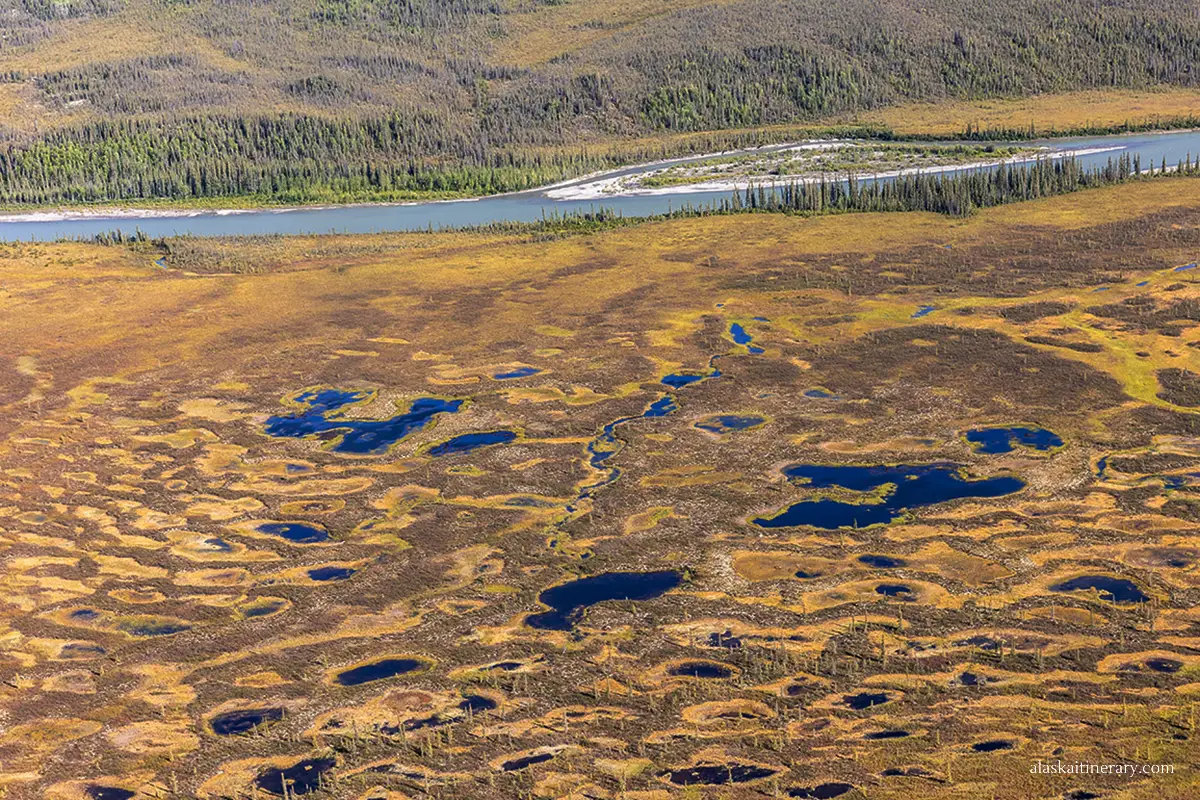
North Fork of the Koyukuk River
The North Fork of the Koyukuk River is one of the most popular river corridors in Gates of the Arctic National Park. It flows for about 100 miles through the dramatic Endicott Mountains in the central Brooks Range.
This river offers a strong mix of floating and hiking opportunities, especially in the upper sections of the watershed. Travel here feels remote but manageable for experienced wilderness travelers.
The scenery is exceptional. Along the route, you pass iconic landmarks such as Frigid Crags and Boreal Mountain, often described as the “Gates to the Arctic.” The river eventually joins the Middle Fork of the Koyukuk River, allowing trips to continue toward Bettles Field.
This area is well suited for multi-day backpacking combined with river travel. The North Fork also provides access to the Tinayguk River, creating route options that link different parts of the park.
We explored this region during our visit and were struck by its scale and sense of isolation. It is a place where distances feel larger, travel slows down, and the wilderness truly takes over.

Tinayguk River
The Tinayguk River flows for roughly 45 miles from the Endicott Mountains before joining the North Fork of the Koyukuk River. It is the longest tributary of the North Fork and lies entirely within Gates of the Arctic National Park.
The river begins as a small stream high in the mountains and travels through broad valleys shaped by glaciers. Steep ridges, open tundra, and a strong sense of isolation define this area.
Reaching the Tinayguk River requires effort. There are no suitable landing areas for fixed-wing aircraft near the river. Most travelers access it by hiking in from Anaktuvuk Pass or from the North Fork of the Koyukuk River using pack rafts.
Because of the difficult access, the Tinayguk River sees far fewer visitors than other river corridors. This makes it an excellent option for those seeking deep solitude and extended backcountry travel.
The area offers strong opportunities for hiking, backpacking, and route finding. It is best suited for experienced wilderness travelers who are comfortable navigating without trails or established camps.
John River
The John River stretches for about 136 miles, flowing from the Endicott Mountains to the Koyukuk River. Its headwaters begin near Soakpak Mountain, one of the most striking peaks in the Brooks Range.
The river passes through Anaktuvuk Pass before turning south and cutting a narrow corridor through alpine tundra and forested valleys. This creates a strong sense of travel through changing landscapes rather than a single environment.
Floating conditions vary. The upper sections can offer Class II to Class III+ rapids when water levels are high. Downstream, the river becomes calmer and more suitable for longer, less technical trips.
The John River works well for travelers who want a mix of rafting and hiking. The upper valley provides excellent hiking routes with wide views and fewer obstacles than some other parts of the park.
This river is often chosen by visitors seeking a balanced wilderness experience without the extreme technical challenges found in more remote drainages.
Alatna River
The Alatna River flows for about 145 miles from the Endicott Mountains to the Koyukuk River. It is one of the most scenic rivers in Gates of the Arctic National Park and offers a classic Arctic wilderness experience.
Access to the Alatna River is usually by floatplane or bush plane from Bettles. This makes it a popular choice for longer float trips combined with hiking and exploration.
The upper section of the river moves quickly and requires experience. As the river widens downstream, conditions become calmer and more forgiving. This stretch works well for extended rafting trips.
The Alatna River provides access to several excellent hiking areas. Side valleys and mountain ridges offer wide views and relatively open terrain compared to other parts of the park.
This river is also the main access route to the Arrigetch Peaks, making it a favorite among climbers and experienced backpackers. Wildlife sightings are common, and the sense of isolation is strong throughout the route.
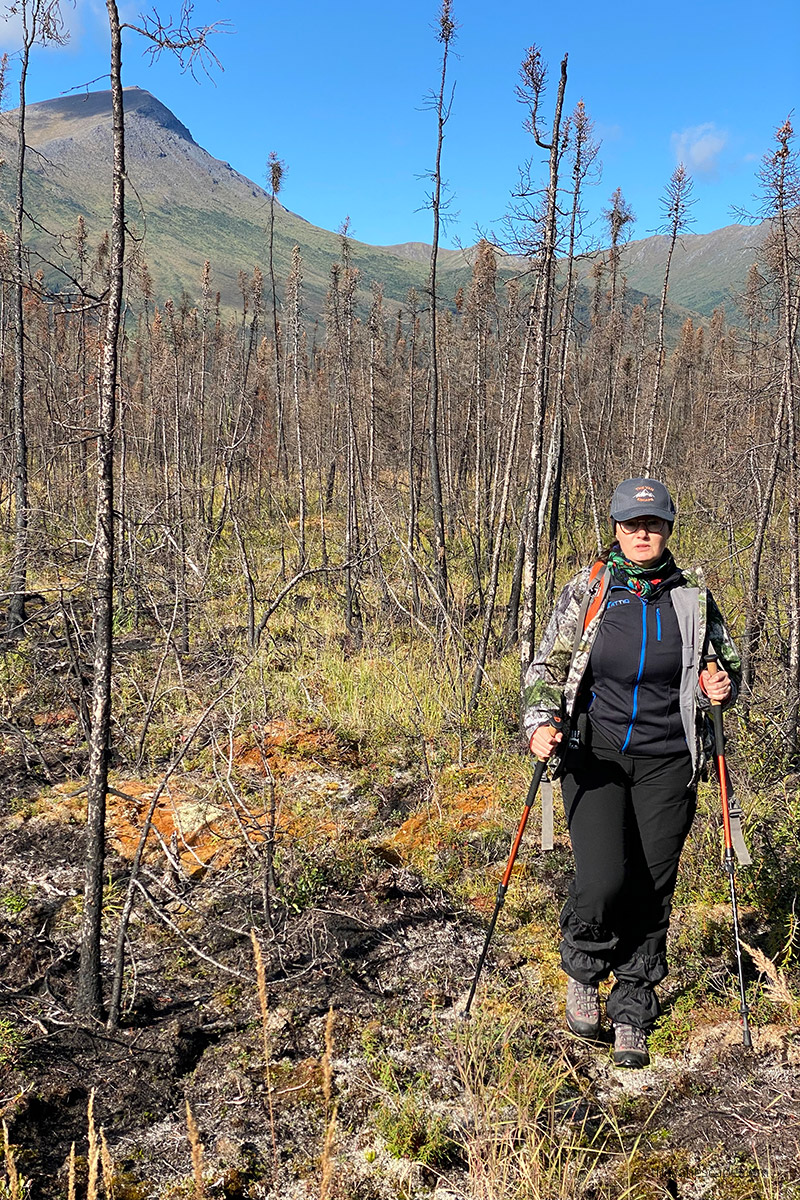
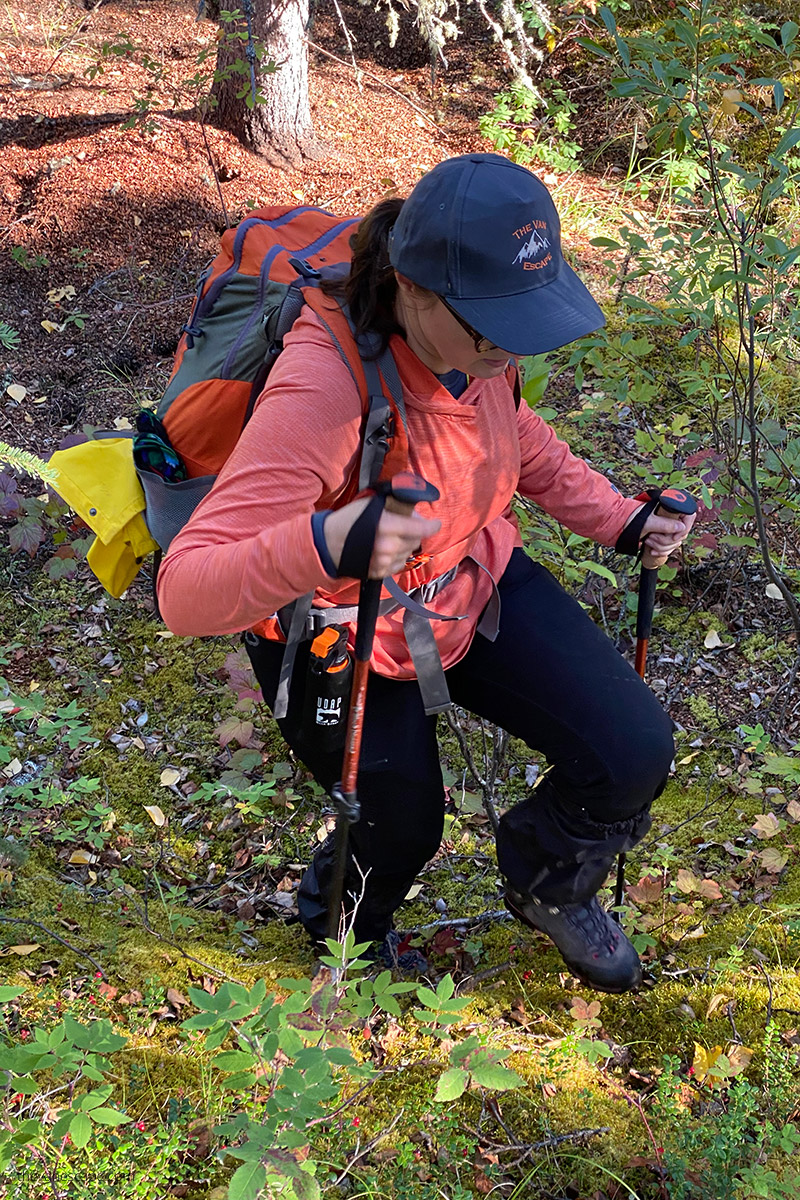
Noatak River
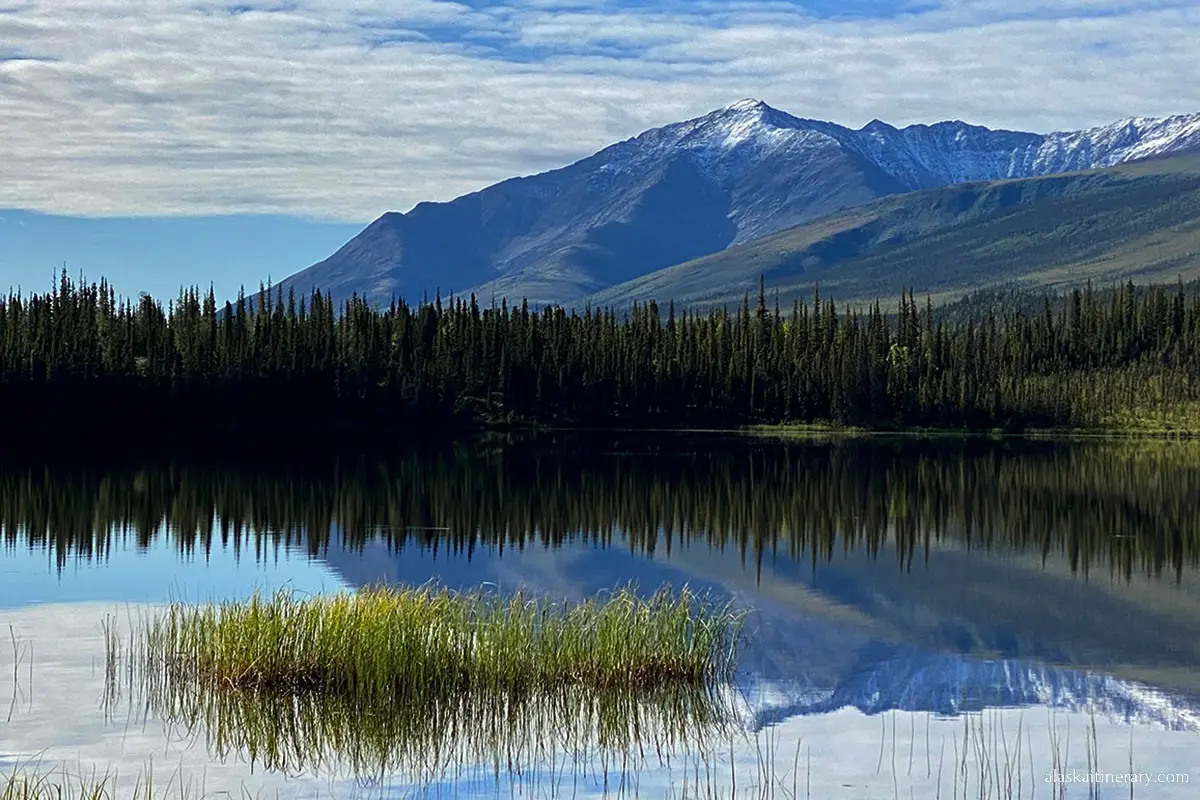
The Noatak River is one of Alaska’s longest designated Wild and Scenic Rivers. It flows entirely above the Arctic Circle and cuts across some of the most remote landscapes in northern Alaska.
Within Gates of the Arctic National Park, the river runs for about 65 miles. Beyond the park, it continues for another 265 miles through Noatak National Preserve before reaching Kotzebue Sound.
Floating the Noatak takes you through wide glacial valleys, steep mountain walls, open tundra, and deep canyons. The scenery changes constantly, and wildlife sightings are common along the route.
The river generally offers easy to moderate floating conditions, making it suitable for longer wilderness trips. However, distance, weather, and logistics still require careful planning.
The Noatak River basin is the largest mountain-ringed river basin in the United States. Its scale and isolation make it one of the most impressive river journeys in Arctic Alaska.
Kobuk River
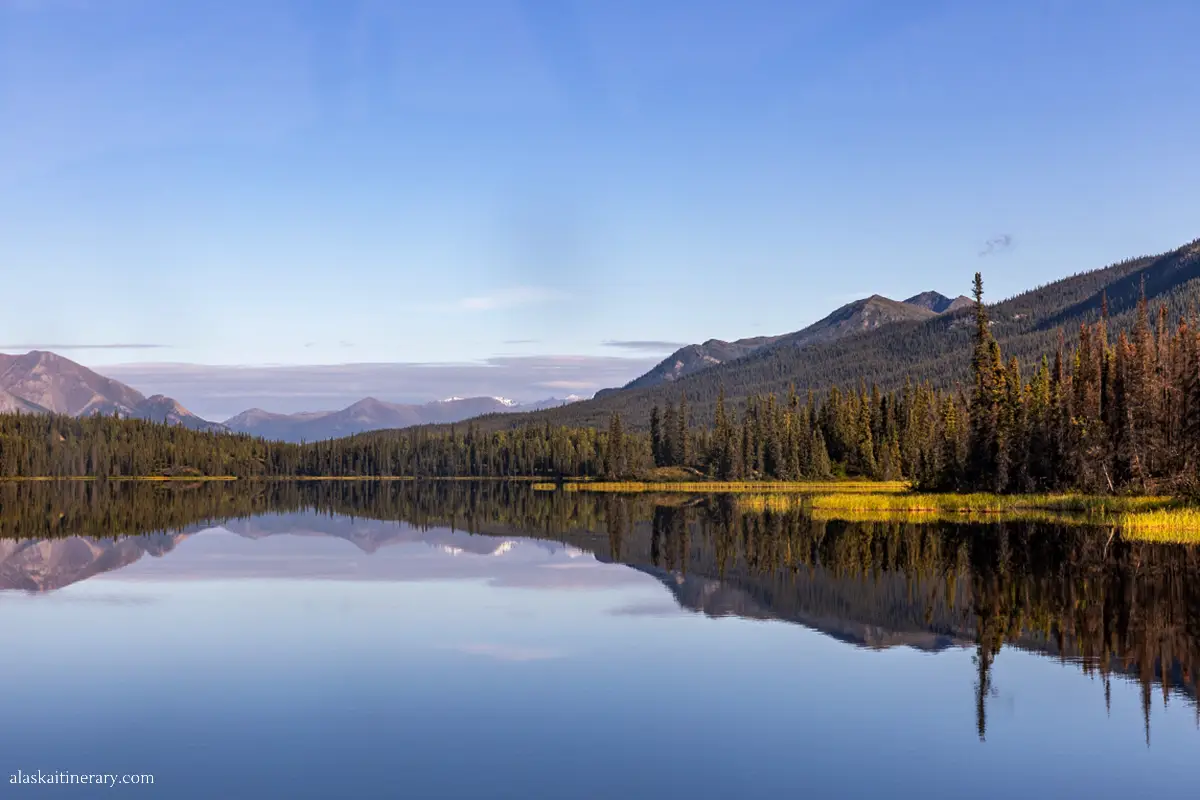
The Kobuk River stretches for about 380 miles, flowing from the Endicott Mountains of the Brooks Range west to Kotzebue Sound. Within Gates of the Arctic National Park and Preserve, roughly 110 miles of the river pass through protected wilderness.
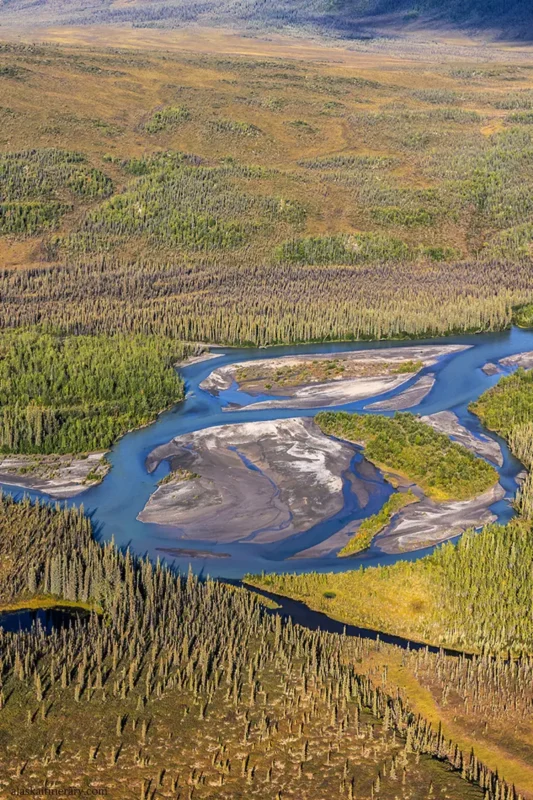
This river flows through one of the largest continuous forested areas in the park. The landscape feels different here, with wider valleys, boreal forest, and open gravel bars.
The Kobuk River offers excellent opportunities for long float trips, especially in its upper sections. Access is usually by bush plane or floatplane, often from Bettles.
While some stretches below Walker Lake include challenging rapids that can reach Class V, many sections are suitable for experienced rafters seeking a remote wilderness experience.
The river corridor supports hiking, wildlife viewing, fishing, and sport hunting (in the preserve only). Anglers visit the Kobuk River for species such as chum salmon, Arctic grayling, and whitefish.
The Kobuk River combines scale, solitude, and variety, making it one of the most rewarding river journeys in northern Alaska.
Things to do in Gates of the Arctic
Gates of the Arctic offers a limited but powerful set of activities focused on true wilderness travel. There are no developed attractions. Every experience requires planning, skill, and self-reliance.
The most common activities include:
- Backpacking and route hiking across tundra, valleys, and mountain passes
- Wilderness camping with no designated campsites
- Scenic flights over the Brooks Range and remote river valleys
- Rafting and pack rafting on Wild and Scenic Rivers
- Wildlife viewing, including caribou, bears, wolves, and Dall sheep
- Photography, especially landscapes and Arctic light
- Fishing and hunting (permit-based, preserve areas only)
Each activity requires different skills, access points, and timing. Some are realistic for short visits. Others require multi-day expeditions.
We cover all of these experiences in detail in our dedicated guide: Best Things to Do in Gates of the Arctic National Park.

Gates of the Arctic National Park Lodging
There are no lodges, hotels, or established campgrounds inside Gates of the Arctic National Park. Anyone staying overnight in the park must be fully self-sufficient and prepared for backcountry camping.
Most visitors combine remote camping inside the park with lodging outside the park at access points used for flights or hikes.
Camping Inside the Park
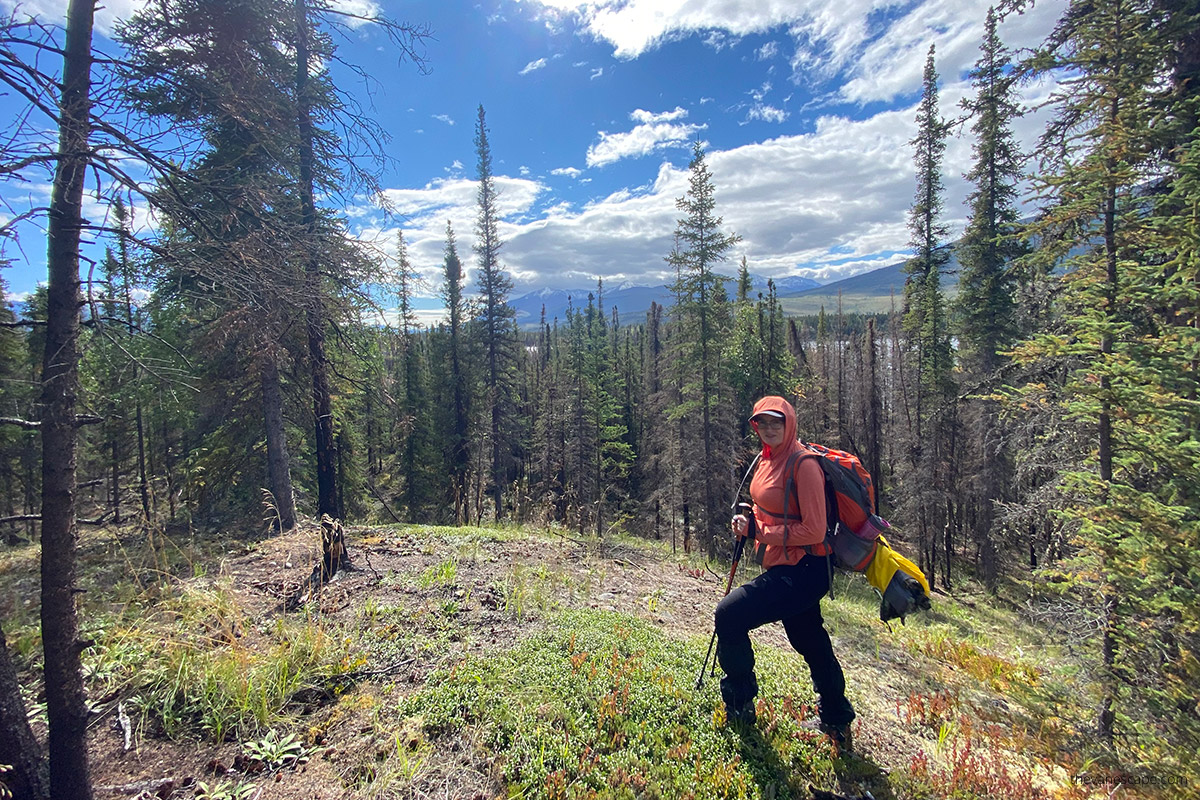
Camping is allowed throughout Gates of the Arctic, but there are no designated campsites. Travelers choose durable surfaces such as gravel bars, tundra, or riverbanks, depending on conditions.
You must carry:
- all food and water filtration
- shelter and cold-weather gear
- bear-resistant food storage
There are no services, ranger stations, or emergency facilities inside the park.
Bettles Area Lodging
Bettles is one of the most common access points to Gates of the Arctic. It has a full-service wilderness lodge that offers lodging, meals, and trip support.
Many visitors stay in Bettles:
- before flying into the park
- after completing river or backpacking trips
- while waiting on weather delays
Bettles also hosts a National Park Service visitor center, making it a practical base for trip planning and orientation.
Coldfoot and Wiseman Lodging (Dalton Highway)
The Coldfoot area provides basic lodging and services, and camping along the Dalton Highway. This is a common staging point for visitors accessing the park by air taxi or hiking in from the highway.
Nearby Wiseman, a small historic village, offers a few small lodges and guesthouses with limited availability. These options are rustic but useful for travelers driving the Dalton Highway.
Coldfoot and Wiseman are often used:
- before or after bush plane flights
- as a base for Dalton Highway travel
- for short stays while monitoring weather conditions
Anaktuvuk Pass Lodging
Anaktuvuk Pass is a remote Nunamiut village located within the Brooks Range. It has very limited lodging options (Nunamiut Corporation Hotel, VRV Enterprises), typically small guesthouses or local accommodations.
Services are minimal. Availability can change, and advance planning is essential. Visitors must also respect local customs and land use rules.
Anaktuvuk Pass works best for travelers:
- flying directly into the village
- planning multi-day hikes into the park
- seeking cultural context alongside wilderness travel
Arrigetch Peaks and Remote Areas
There are no lodges or shelters near the Arrigetch Peaks or other remote interior areas of the park. Access to these regions requires bush plane flights and full backcountry camping.
Mountaineers and backpackers exploring these areas must plan for:
- extended isolation
- self-rescue
- rapidly changing weather
Iniakuk Lake Wilderness Lodge (Fly-In Wilderness Lodge)
Iniakuk Lake Wilderness Lodge is a remote fly-in lodge located near the southern boundary of Gates of the Arctic National Park, but outside the park itself.
The lodge offers an all-inclusive wilderness experience, including lodging, meals, guided hiking, canoeing, wildlife viewing, and scenic flights. Guests typically fly in from Fairbanks and remain based at the lodge rather than traveling independently through the park.
Iniakuk Lake Lodge works best for travelers who:
- want a remote Arctic experience without full self-supported camping
- prefer guided activities and a fixed base
- are not planning multi-day backcountry routes.

When Is the Best Time to Visit Gates of the Arctic National Park?
The best time to visit Gates of the Arctic National Park is summer, from June through August. This short window offers the most reliable access and workable conditions.
During summer:
- rivers are usually ice-free by mid-June
- daylight lasts nearly 24 hours
- temperatures are more manageable for travel
Daytime highs often range from the 50s to low 70s Fahrenheit, but colder temperatures are common, especially at night and in higher elevations. Snow can linger year-round in shaded or mountainous areas.
Weather remains unpredictable. Flights may be delayed for days due to fog, wind, or storms. Build flexibility into your itinerary.
Visitor Centers in the Gates of the Arctic Area
Before entering Gates of the Arctic National Park, it’s highly recommended to speak with National Park Service staff. They provide current conditions, safety guidance, and local knowledge that can be critical in such a remote environment.
Helpful visitor centers include:
- Bettles Ranger Station and Visitor Center
- Anaktuvuk Pass Ranger Station
- Arctic Interagency Visitor Center (Coldfoot)
- Fairbanks Alaska Public Lands Information Center
Rangers can assist with:
- trip planning and route considerations
- weather and river conditions
- wildlife safety and regulations
- bear-resistant food container loans
In Gates of the Arctic, good information can be as important as good gear.

Final Thoughts
Visiting Gates of the Arctic National Park is not a casual trip. It demands preparation, patience, and respect for the land. This is one of the most remote and least visited national parks in the United States, and that is exactly what makes it special.
Every decision matters here. You must choose your region carefully, understand access options, and plan for weather delays and logistical challenges. There are no trails, no roads, and no services inside the park. Once you enter, you rely on your skills and judgment.
The effort is significant, and the costs are real. Still, the reward is rare. Few places in the U.S. offer this level of solitude, scale, and wilderness.
We are already planning a longer return trip. Our first visit showed us only a small part of what this park holds. If you decide to go, plan well, stay flexible, and take the time to prepare. Gates of the Arctic is not forgiving, but it is unforgettable.
We wish you a safe and meaningful adventure.
Do You Like It? Pin It For Later!



I doubt if I will ever make it to Alaska, so I’m enjoying visiting it vicariously through your blog!
You have an encyclopedic knowledge of this park! Thank you for the detailed review!
Wow! I hadn’t heard of Gates of the Arctic National Park, and I was at first excited to go. But then I read on. It said, “You were on your own” – I knew it wasn’t for me. I have limited mobility, and that would be a difficult one, with few services.
Wow! Reading your article was like watching an adventure movie: no roads, no marked trails, and no facilities. Find your way in and find your way out. I don’t think I can do this, but it will be interesting to watch a YT of adventures in Gates of the Arctic National Park.