
A Traveler’s Guide to Indigenous Peoples’ Day in Alaska

A trip to Alaska is a journey through ancient Native homelands. Indigenous cultures are the living foundation of the Last Frontier, from the coastal rainforests of the south to the tundra of the far north. For any visitor, understanding this is key to truly experiencing the state. While the second Monday in October is officially Indigenous Peoples’ Day, the principle of honoring this heritage is a year-round responsibility. It is an opportunity for a deeper, more meaningful travel experience. This guide provides practical ways for travelers to do just that. We will cover how to engage with Native cultures respectfully. We will also show you where to find authentic experiences and how to support local communities, making your visit to Alaska more impactful.
This article may contain affiliate / compensated links. For full information, please see our disclaimer here.
Understanding Indigenous Peoples’ Day in Alaska
Indigenous Peoples’ Day is an official state holiday in Alaska. It is celebrated every year on the second Monday of October. The day serves to honor the rich and diverse cultures of Alaska’s First Peoples. It is a time to recognize their histories, their resilience, and their vital contributions to the state.
This holiday officially replaced Columbus Day. This was a deliberate and meaningful change. It sets aside the outdated idea of “discovery.” It rightfully acknowledges that Alaska Native peoples have called this land home for more than 10,000 years.
In 2017, Governor Bill Walker signed a law that permanently established Indigenous Peoples’ Day in Alaska. This made Alaska one of the first states in the country to take this important step. The change reflects a commitment to acknowledging a more complete and accurate history of the land and its people.
Cultural awareness, including events like Indigenous Peoples’ Day, should be part of planning Alaska travel responsibly.
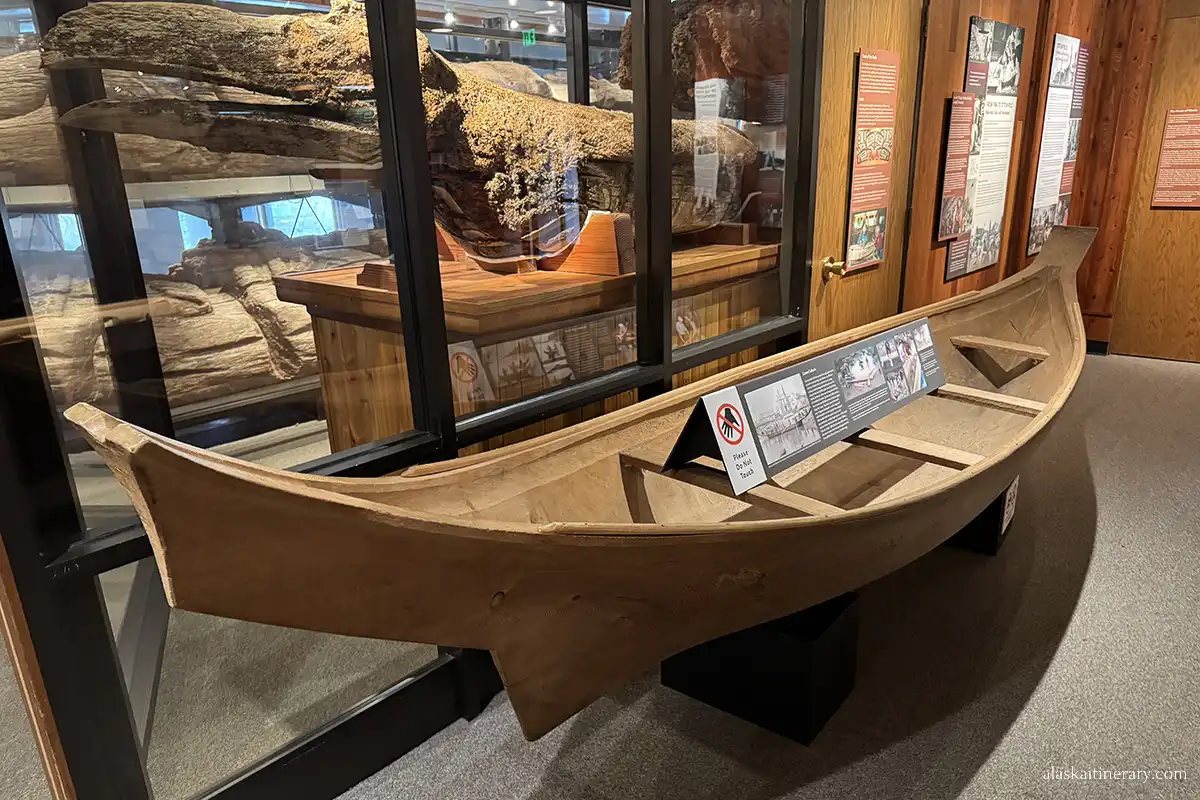
More Than a Holiday: Why Honoring Indigenous Peoples’ Day in Alaska
The official holiday is a meaningful gesture. But its true importance lies in fostering respect every day of the year. This is especially true for anyone traveling in Alaska. The state’s identity is shaped by its Indigenous peoples and their enduring Native heritage.
First, it helps to understand the incredible diversity here. The scale of this heritage is immense. Alaska is home to 229 federally recognized tribes. The state also has 20 official Indigenous languages alongside English.
There is no single “Alaska Native” culture. The state is home to many distinct groups. These include the Iñupiaq, St. Lawrence Island Yupik, Yup’ik, Cup’ik, Unangax̂ (Aleut), Alutiiq (Sugpiaq), Athabascan, Eyak, Tlingit, Haida, and Tsimshian peoples. Each has its own unique language, traditions, and history.
These cultures are not relics of the past. They are vibrant, living, and are a core part of modern Alaska. People practice ancient traditions. Artists create stunning works. Communities are working to preserve and revitalize their languages.
For travelers, engaging with this reality offers a powerful opportunity. It adds deep context to the landscapes you see and creates a more profound connection to the places you visit.

Our Guide to Respectfully Engaging with Alaska Native Cultures
Showing respect often comes down to simple, thoughtful actions. It starts with your mindset as a guest. We have learned that a few key practices can make a very positive difference during your travels. Here are our suggestions.
Listen and Learn First
We always approach our travels in Alaska as students. We recommend visiting a cultural center or museum at the start of your trip. This provides valuable context for everything else you will see.
When you attend a cultural demonstration or event, make listening your top priority. By being a quiet and respectful observer, you allow the experience to unfold as intended.
Support Native-Owned Businesses Authentically
Where you spend your money has a direct impact. Supporting Native-owned businesses helps keep local economies and cultures strong. You can seek out tour operators, lodges, and restaurants that are Native-owned.
When buying arts or crafts, ask the shop owner if the artist is an Alaska Native. Look for items with the silver hand “Authentic Native Art” tag. This ensures your purchase is genuine and directly supports the artist.
Be Mindful When Taking Photographs
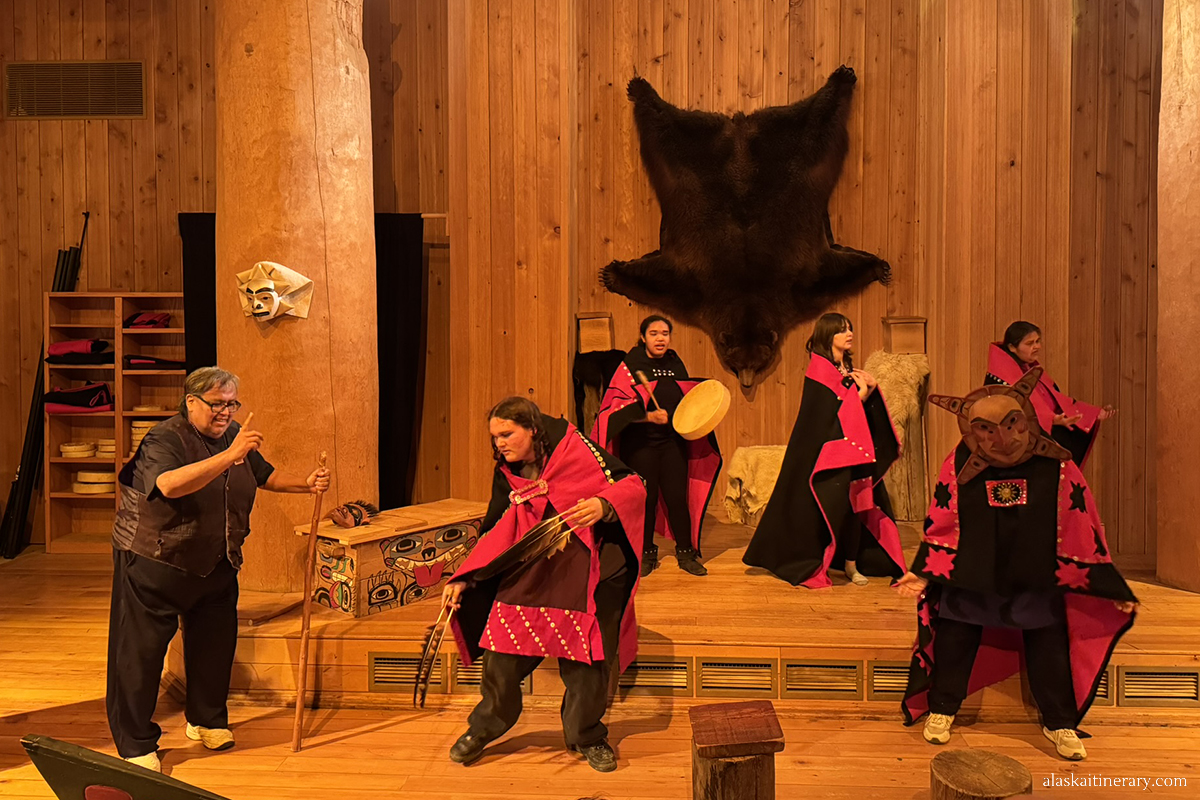
Cultural events are meaningful experiences, not just photo opportunities. We follow one simple but critical rule. Always ask for permission before taking a close-up photograph of a person. This includes performers in regalia.
If you are at a public event like a tribal dance performance, look for any posted rules about photography. If none are visible and you feel unsure, it is best to simply put your camera away and enjoy the moment.
Acknowledge You Are on Native Land
The stunning parks and cities you visit are also the traditional homelands of Alaska Native peoples. A simple way to show respect is to learn whose land you are on. For example, the Anchorage area is the homeland of the Dena’ina Athabascan people.
The land around Denali National Park is the traditional territory of five Athabascan groups. A quick search online or a visit to a local museum can help you learn the names and histories of the land you are exploring. This small act of acknowledgement changes your perspective.

The history of the great mountain’s name is a powerful lesson in respect. In January 2025, the official name was controversially changed back from Denali to Mt. McKinley. However, its traditional Koyukon Athabascan name is Denali. For Alaska Native peoples and many locals, the mountain has always been and will always be Denali.
As a traveler, you have a choice. Choosing to call the mountain Denali is a significant way to show respect. It honors the true heritage of the land over official politics. This small act of acknowledgement changes your perspective.
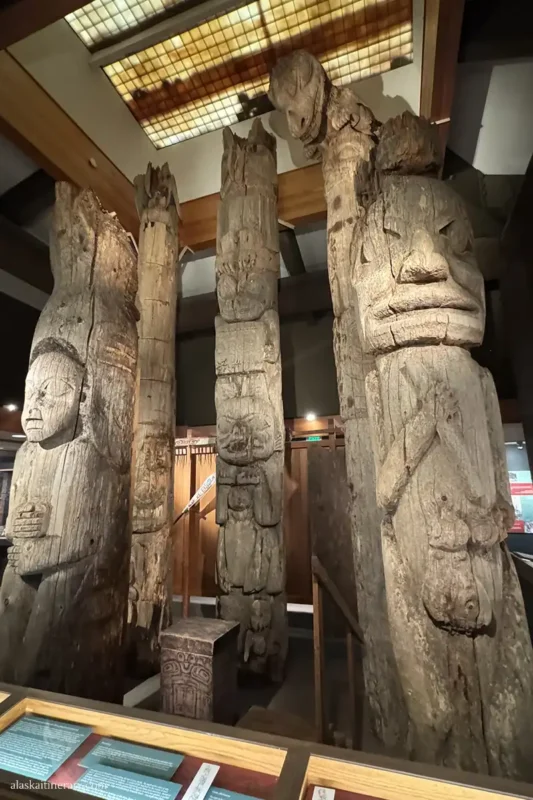

Where You Can Experience Alaska Native Cultures
Alaska offers many wonderful places to learn about its Indigenous heritage. These cultural centers, tours, and galleries welcome respectful visitors. They provide an opportunity to learn directly from the people and their stories.
Must-Visit Cultural Centers and Museums
We believe a visit to a cultural center is essential for any trip. They offer incredible insight and context. Here are some of the best in the state.
- The Alaska Native Heritage Center in Anchorage is a perfect starting point. It features life-sized traditional dwellings and hosts daily cultural performances.
- The Anchorage Museum is another great resource. It has a world-class collection of Native art and historical objects.
- In Fairbanks, visit the Morris Thompson Cultural and Visitors Center. You can explore exhibits on the Athabascan cultures of the Interior.
- The Sealaska Heritage Institute in Juneau is a stunning facility. It focuses on the Tlingit, Haida, and Tsimshian cultures of Southeast Alaska.
- In Ketchikan, explore the Totem Heritage Center. It cares for a world-renowned collection of original 19th-century totem poles.
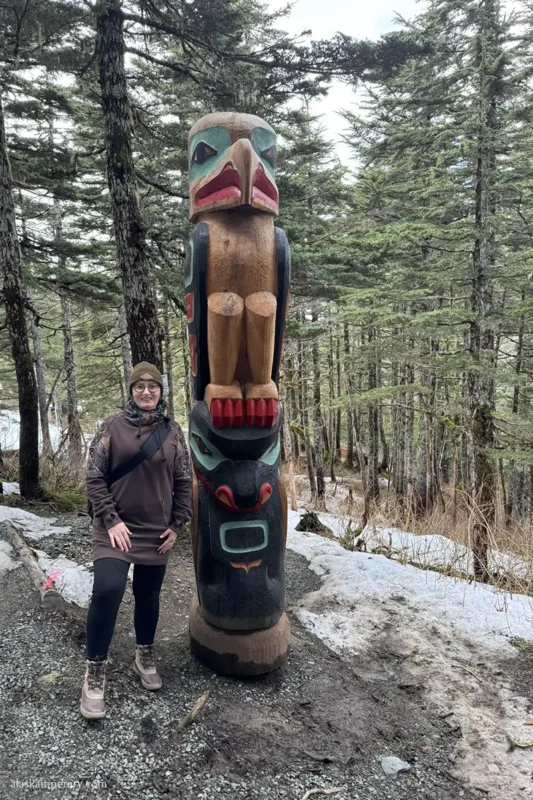
- Sitka National Historical Park offers a powerful experience. You can walk a coastal trail lined with magnificent Tlingit and Haida totem poles.
- If you travel to Kodiak, the Alutiiq Museum provides a deep look into the history and living culture of the Alutiiq (Sugpiaq) people.

Ethical Tours and Local Experiences
Choosing the right tour can greatly enrich your visit. We suggest looking for tour companies that are Native-owned and operated. These guides often share a unique cultural perspective on the wildlife, history, and landscapes you are seeing.
You might find experiences like a boat tour with a local Tlingit guide in Sitka or a visit to a recreated Athabascan fish camp near Fairbanks. Always check a company’s website to see if they highlight their local guides and community connections.
Buying Authentic Native Art
Taking home a piece of authentic art is a wonderful way to support an artist directly. You can find beautiful carvings, baskets, beadwork, and jewelry. The safest places to buy are reputable galleries, museum shops, and cultural center gift stores.
When you are shopping, look for the silver hand tag that certifies the work as “Authentic Native Art.” We also encourage you to ask about the artist. Learning the story behind the piece makes it even more special.

A Practical Note for Traveling on the Holiday Itself
If you are traveling in Alaska on the second Monday of October, you might wonder about business hours. Here is some practical information to help you plan.
Indigenous Peoples’ Day is an official state holiday. This means state and local government offices will be closed. Public schools, universities, and libraries will also be closed for the day. You should expect banks and post offices to be closed as well.
However, most businesses that cater to travelers generally remain open. Restaurants, grocery stores, and retail shops typically operate on their normal schedules. Most tour operators and private attractions also stay open.
Still, we always think it is a good idea to check the hours of a specific business online or by phone, especially if you are in a smaller town. Many museums and cultural centers hold special events for the holiday, so be sure to check their websites for unique opportunities.
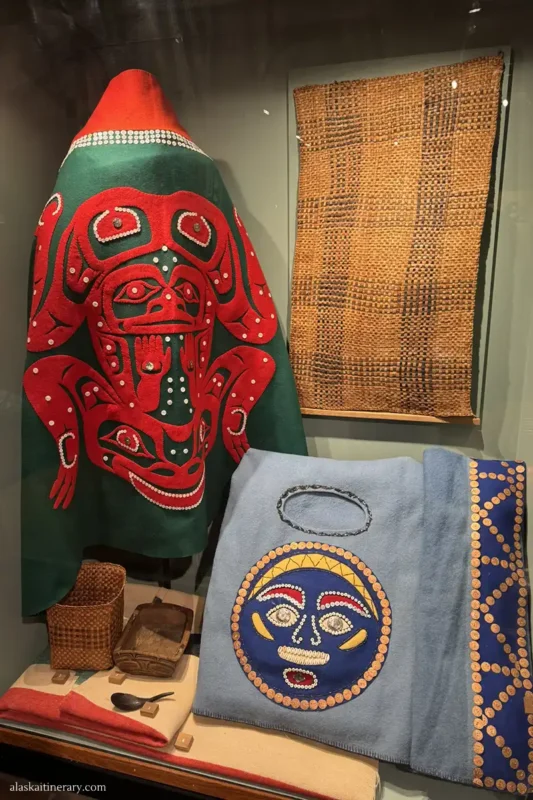
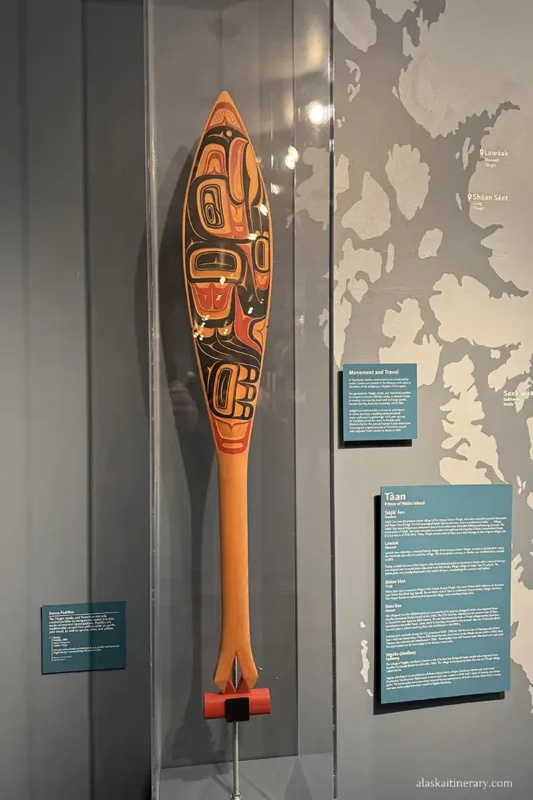
Indigenous Peoples’ Day in Alaska – Final Thoughts
For us, Indigenous Peoples’ Day in Alaska is much more than a holiday. It serves as an important reminder of the state’s true heart. While the glaciers and mountains are breathtaking, the most memorable parts of our travels come from connecting with Alaska’s human story.
This approach has changed how we experience Alaska. It encourages us to slow down, to listen, and to learn. It transforms a simple vacation into a much deeper and more rewarding journey. By engaging with Native cultures respectfully, you move beyond being just a tourist. You become a more thoughtful guest.
We hope this guide helps you find a more meaningful connection to the real Alaska. By traveling with an open mind and a respectful heart, you will not only see this incredible place. You will also feel its true spirit.
Do You Like It? Pin It For Later!


Thank you for educating me on Indigenous People’s Day in Alaska. I think it’s wonderful that it’s a public holiday and that the native people are getting the recognition and respect they deserve. I’ve never been to this part of America and but if I ever do I will be sure to call the mountain Denali! That is so respectful to the people.
What an amazing way of understanding this important day of such cultural significance