
Visiting Denali in Winter: What’s Open, Things to Do, and Planning Tips

Denali National Park is open year-round, but visiting in winter is completely different from exploring it during the busy summer season. Park Road access is limited, most businesses near the entrance are closed, and you will not find the usual buses, tours, or visitor services. However, winter reveals a quieter side of Denali. Snow covers the park, crowds disappear, and the entrance area becomes a peaceful place for snowshoeing, cross-country skiing, winter photography, and short hikes. In this guide, we explain what is open and closed in Denali during winter, how far you can drive, what activities are possible, and where to find food, fuel, and lodging. We also share practical tips based on our own winter visits to help you decide whether Denali is worth adding to your Alaska winter road trip.
This article may contain affiliate / compensated links. For full information, please see our disclaimer here.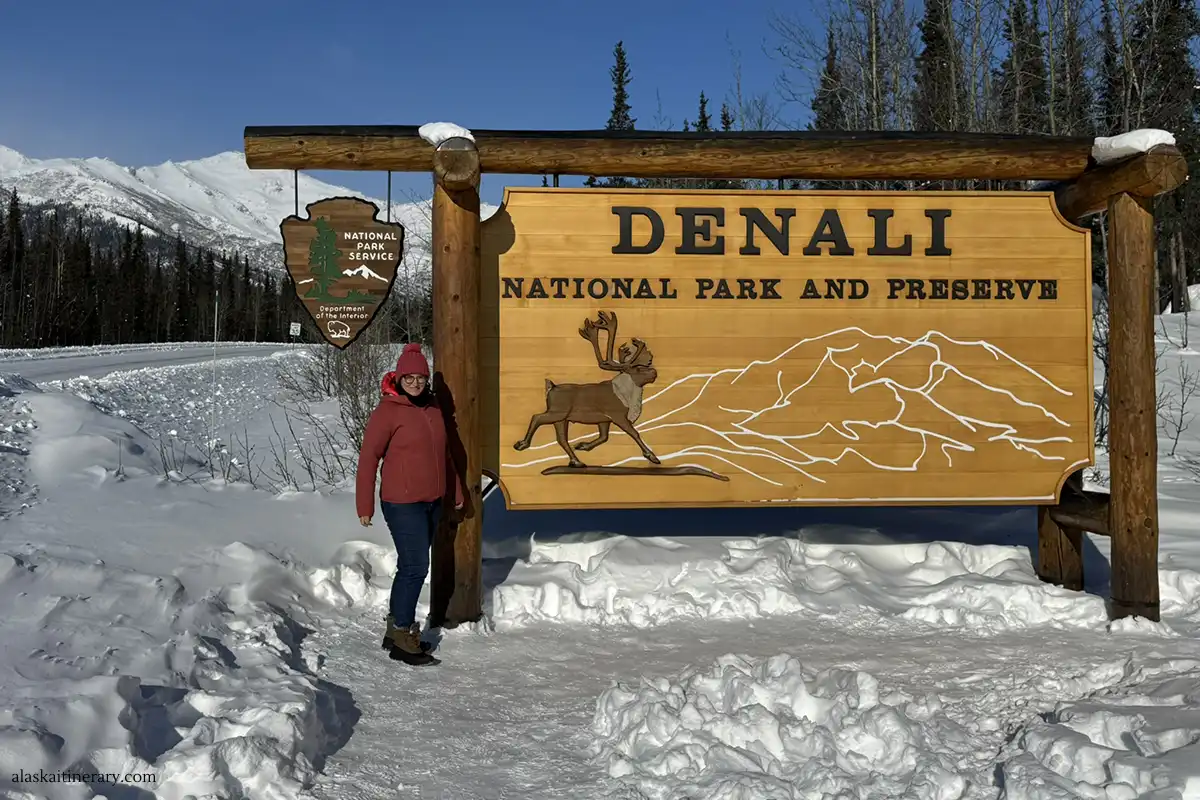
Our Experience Visiting Denali in Winter
We have explored Denali National Park many times across different seasons, including winter visits during our Alaska road trips. Winter gave us a much better understanding of how limited access, changing road conditions, and closed services affect trip planning.
The park entrance area felt almost empty compared with summer. Snow covered the roads and trails, businesses near the entrance were closed, and there were very few visitors. That quiet atmosphere was one of the best parts of the experience.
We used the open section of Denali Park Road, explored the entrance area, and enjoyed the winter scenery at a much slower pace. Depending on snow conditions, this area works well for short winter hikes, snowshoeing, cross-country skiing, and photography.
Denali also made a convenient stop while traveling between Talkeetna and Fairbanks. However, we had to plan carefully because there were no regular visitor services near the park entrance. We carried food, water, warm drinks, and extra winter gear in the car.
Based on our experience, Denali in winter is not a replacement for a summer visit. You cannot travel deep into the park or use the bus system. Still, it is a worthwhile stop if you understand the limitations and want to see a quiet, snow-covered side of Alaska’s most famous national park.
If you’re planning an Alaska winter vacation, this guide will help you decide whether Denali National Park deserves a place on your itinerary and what you can realistically expect from a winter visit.
Is Denali National Park Worth Visiting in Winter?
Yes—but only if you know what to expect. Denali National Park is worth visiting in winter if you’re looking for peaceful snowy landscapes, winter recreation, and a chance to experience Alaska’s most famous national park without the summer crowds. However, it’s important to understand that a winter visit is very different from the classic summer experience.
Instead of sightseeing buses and full access to Denali Park Road, you’ll find a quiet park with limited road access, very few visitors, and only basic services. Most hotels, restaurants, and tour operators near the park entrance close for the season.
Despite these limitations, winter offers its own rewards. You can go snowshoeing, cross-country skiing, enjoy winter photography, look for wildlife, and, depending on conditions, drive partway into the park. The snow-covered landscapes and peaceful atmosphere make Denali feel completely different from the busy summer months.
From our experience, Denali works best as a half-day or full-day stop if you’re driving the Parks Highway between Anchorage (or Talkeetna) and Fairbanks. If your goal is to experience a quiet winter wilderness rather than the full summer park experience, it’s well worth adding to your itinerary.
Keep your expectations realistic. Winter in Denali is about enjoying the scenery, the silence, and outdoor recreation—not accessing the entire park. Understanding that before you arrive will make your visit much more enjoyable.
What Is Open in Denali National Park in Winter?
Although Denali National Park remains open throughout the year, only a small part of the park operates during the winter season. After the summer bus season ends in late September, the park transitions into winter operations. Most visitor facilities, restaurants, hotels, and tour companies near the entrance close until the summer season begins again in mid-May.
Even with these limitations, there are still several places and activities that make Denali worth visiting in winter.
Murie Science and Learning Center
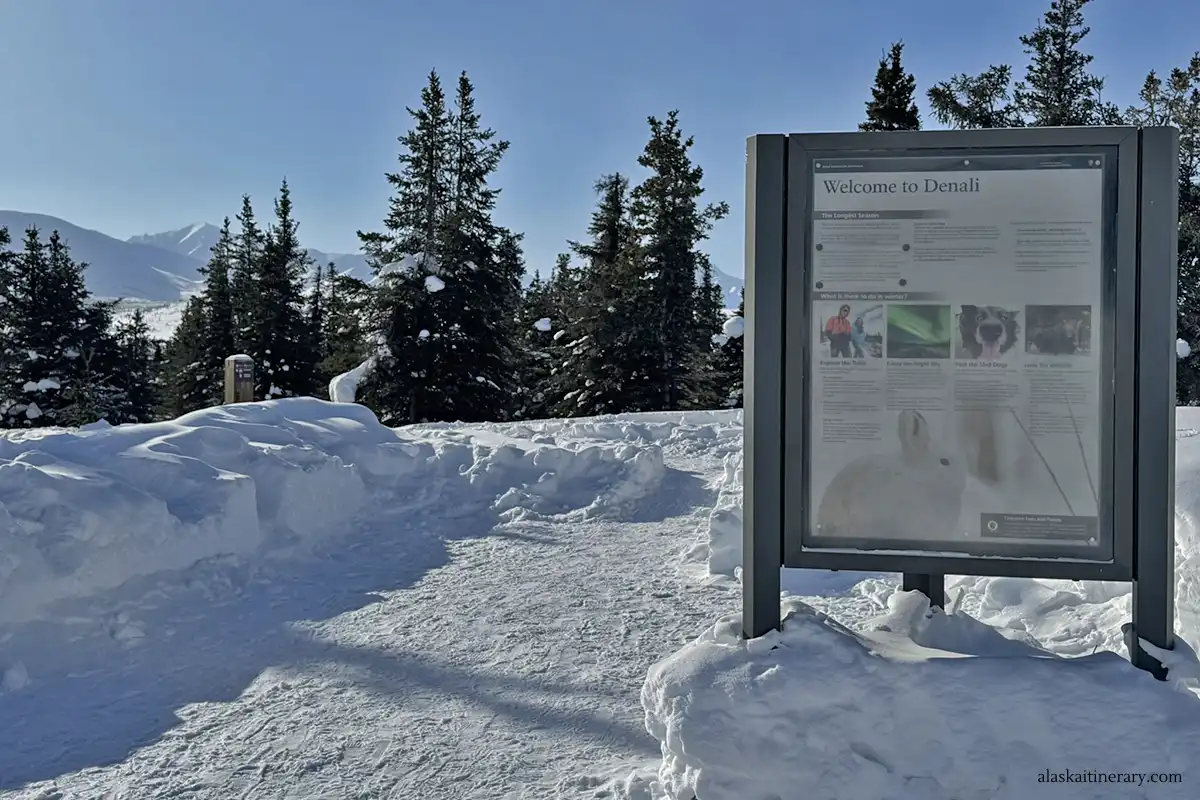
The Murie Science and Learning Center serves as Denali’s winter visitor center. We recommend making this your first stop, as you can get the latest information on road conditions, weather, trail conditions, wildlife sightings, and winter safety before heading into the park.
You can also pick up maps, speak with park rangers, and learn about current winter recreation opportunities.
Agnes’ Advice: Check the official National Park Service website for current opening hours before your visit, as they may change throughout the season.

Denali Park Road
Road access is one of the biggest differences between visiting Denali in summer and winter.
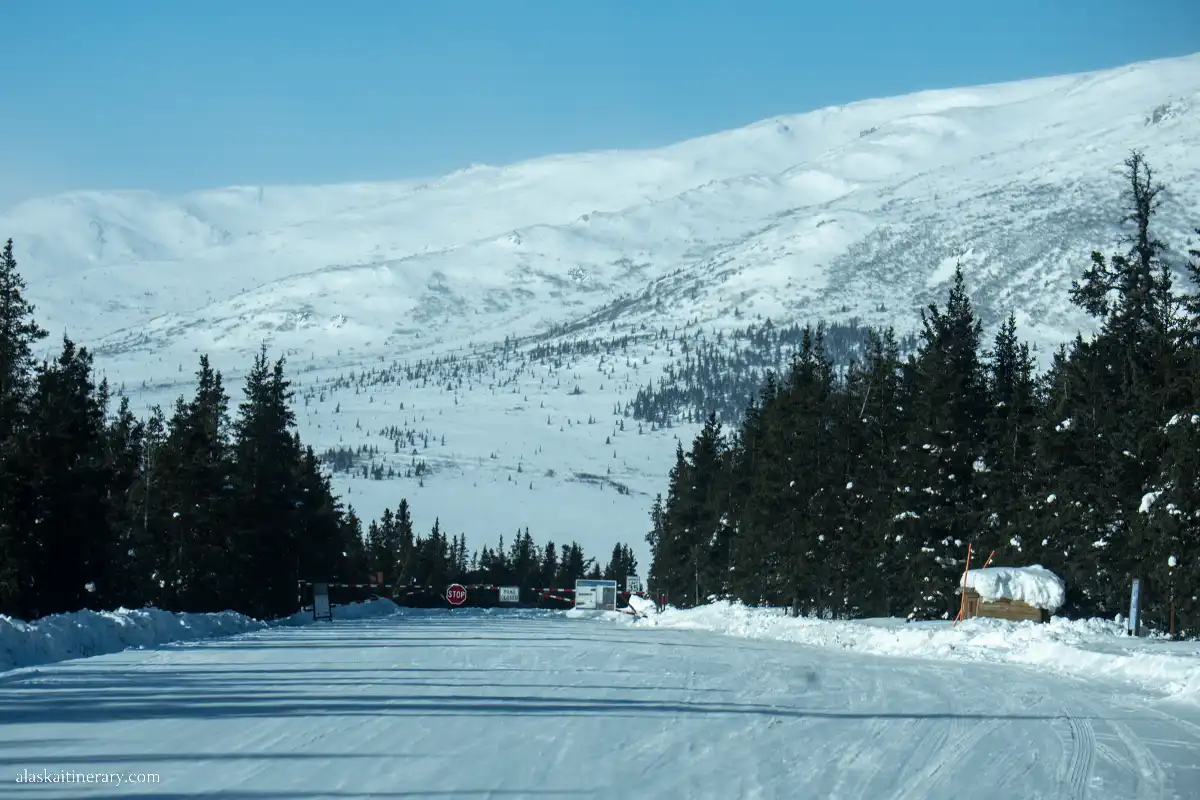
After the summer season ends in late September, vehicle access becomes much more limited. From October through about mid-February, visitors can usually drive only as far as Park Headquarters (around Mile 3).
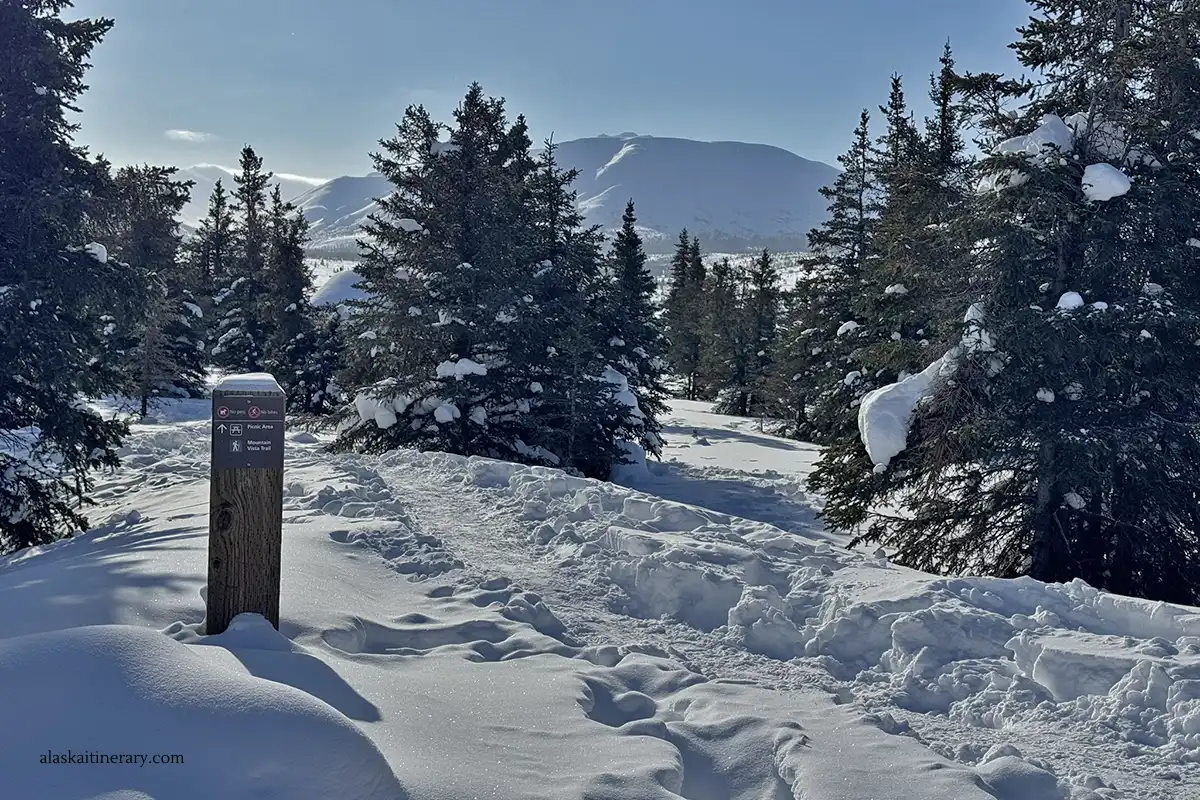
Beginning around mid-February, the National Park Service typically extends road access to Mountain Vista (around Mile 12–13), where it generally remains through the rest of the late-winter season, weather permitting.
Although you can’t drive deep into the park like you can in summer, even this short section offers beautiful winter scenery, opportunities to spot wildlife, and access to several winter recreation areas.
Agnes’ Advice: Road access depends entirely on weather and snow conditions. Always check the official National Park Service website before your visit for current road status.
Winter Recreation
Winter is one of the best times to enjoy quiet outdoor recreation in Denali.
Popular winter activities include:
- snowshoeing
- cross-country skiing
- winter hiking
- fat tire biking on designated routes
- winter photography
With very little vehicle traffic beyond the plowed section of the park road, the entrance area becomes a peaceful place to explore on foot, skis, or snowshoes.
Denali Sled Dog Kennels
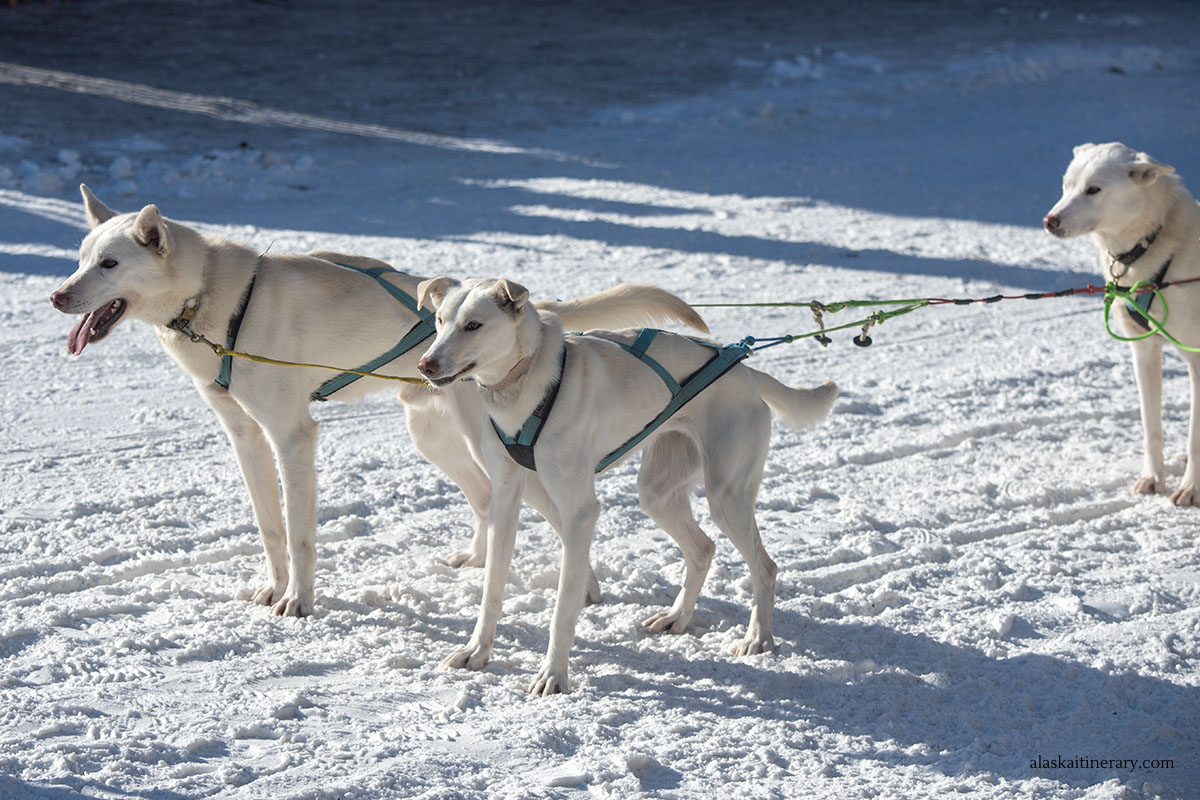
Denali is home to the only working sled dog kennel in the U.S. National Park System. During winter, the dogs continue to patrol the park and assist rangers, making this one of Denali’s most unique attractions.
Unlike summer, there are no scheduled sled dog demonstrations during winter. However, depending on kennel operations, you may be able to visit the kennel area and watch the dogs training or preparing for patrol (usually on weekends).
Ask at the Murie Science and Learning Center for the latest information before heading to the kennels.
Riley Creek Campground
For experienced winter campers, one loop of Riley Creek Campground remains open throughout the winter.
Camping is free, but facilities are very basic. There are no campground services, electricity, or running water, so visitors should arrive fully prepared for winter conditions.
What’s Closed in Denali National Park in Winter?
After the summer bus season ends in late September, most visitor facilities near the park entrance close until mid-May, when the main summer season begins again.
During winter, you should not expect:
- The Denali Visitor Center (closed for the season)
- Transit and narrated bus tours along Denali Park Road
- Access to the full 92-mile Denali Park Road
- Most campgrounds (only one loop of Riley Creek Campground remains open)
- Restaurants, cafés, and gift shops inside the park
- Ranger-led summer programs and activities
- Most hotels, lodges, and tour operators near the park entrance
The nearby Denali Park commercial area (often called Denali Village) becomes very quiet during winter, with most businesses closed until the summer visitor season.
Where to Find Food, Fuel, and Lodging
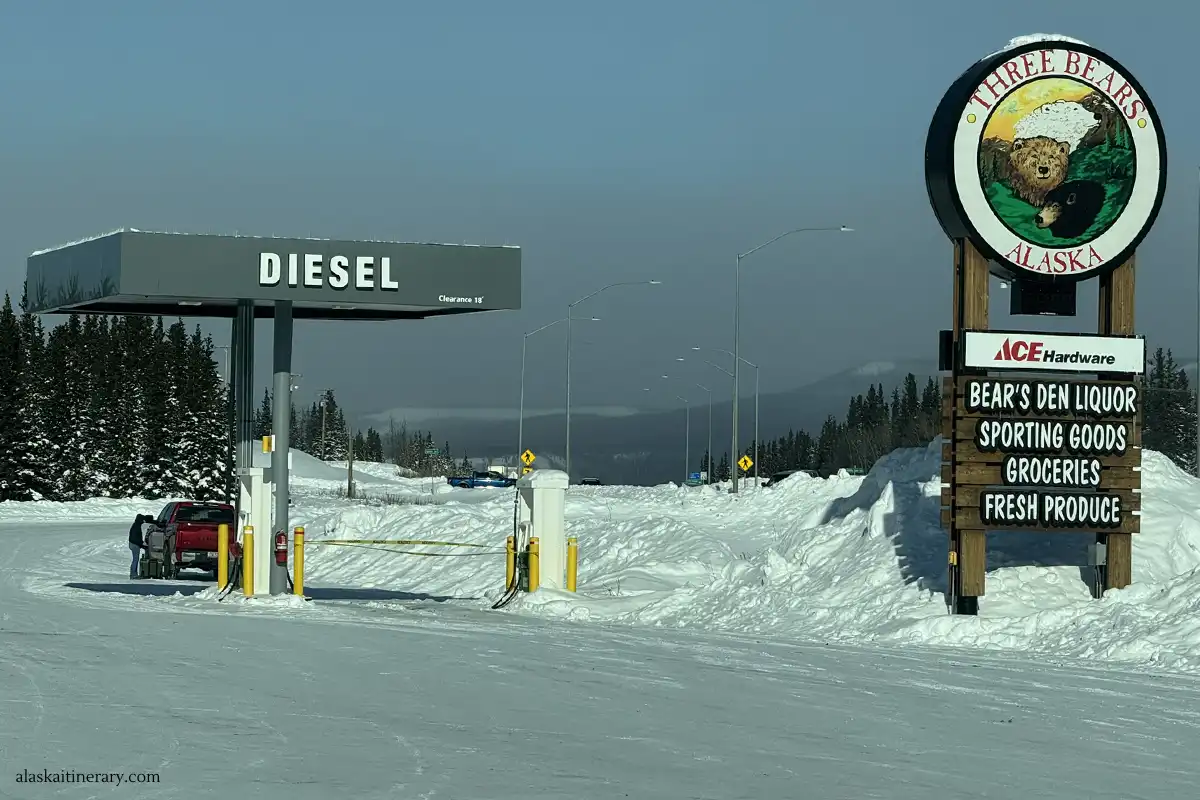
Although services near the park entrance are extremely limited, you’ll still find year-round businesses in the surrounding communities.
Healy, about 12 miles north of the park entrance, is the most convenient place to find:
- grocery stores
- gas stations
- several restaurants
- year-round lodging
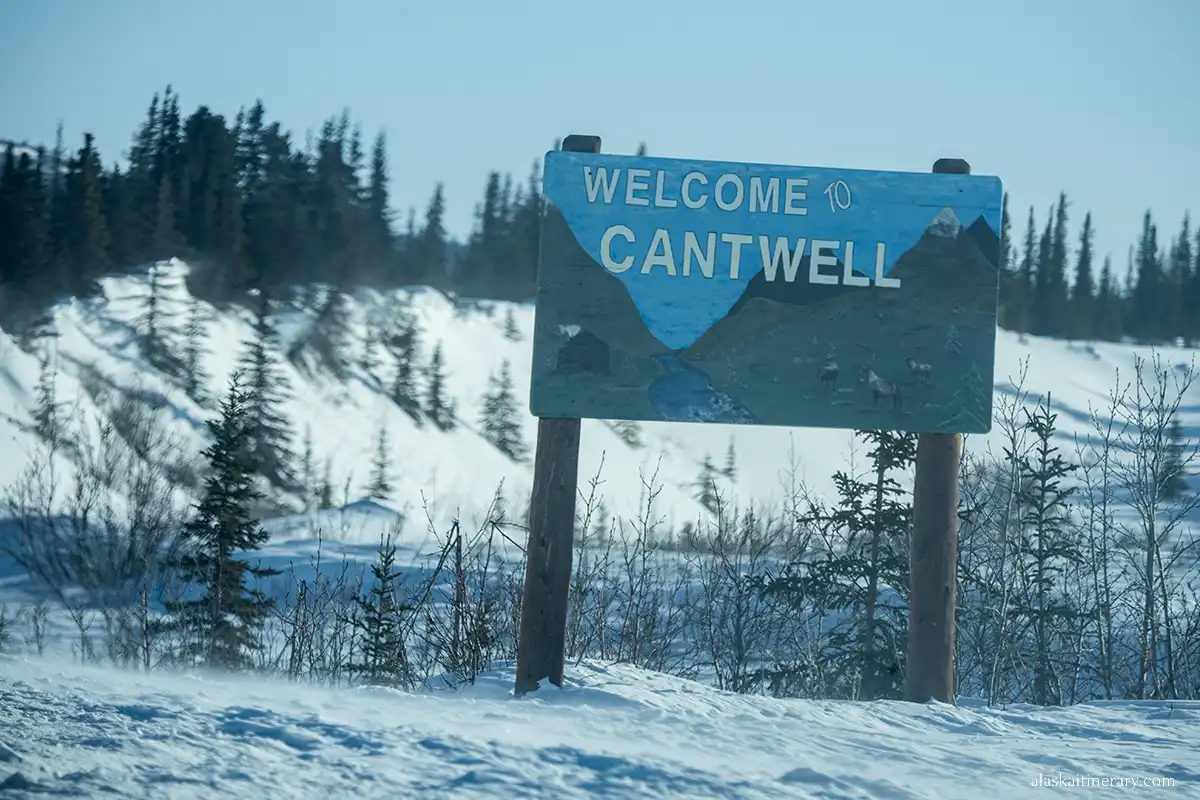
If you’re approaching from the south, Cantwell, about 30 miles south of the entrance, also offers limited fuel, food, and accommodation.
Agnes’ Advice: Fill your gas tank before arriving at the park and bring snacks, water, or a packed lunch. Winter services are very limited, and you shouldn’t expect to find places to eat once you reach the park entrance.
Best Things to Do in Denali National Park in Winter
Although winter access is limited, there are still plenty of ways to enjoy Denali National Park. Instead of sightseeing buses and long drives into the park, winter is all about quiet landscapes, outdoor recreation, and experiencing Alaska’s wilderness without the crowds.
Here are the best things to do in Denali in winter.
1. Go Snowshoeing
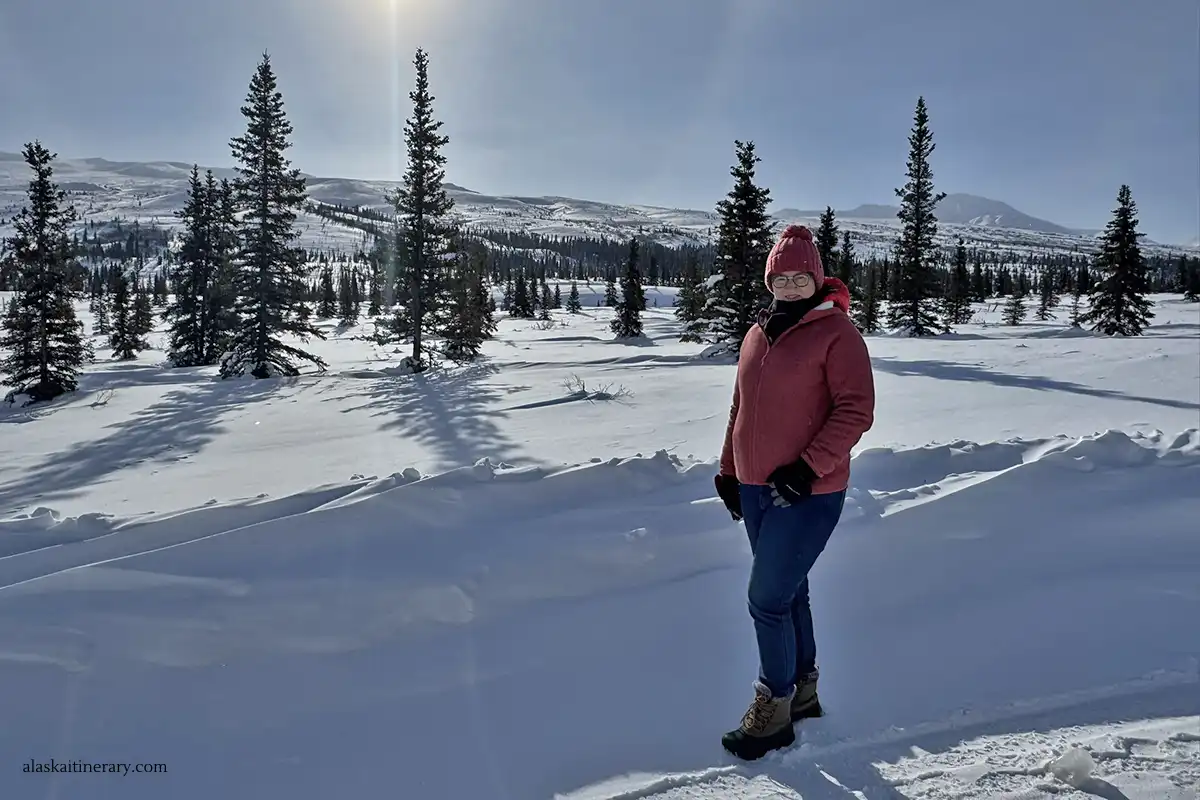
Snowshoeing is one of the easiest and most rewarding ways to experience Denali in winter. Once snow covers the ground, many of the park’s summer trails and open areas become excellent places to explore on snowshoes.
One of the most popular places to snowshoe is the Denali Park Road, which becomes a quiet winter route beyond the plowed section. You can also explore trails near the park entrance at your own pace while enjoying the peaceful winter scenery.
If you’re new to snowshoeing, don’t worry. The terrain around the entrance area is suitable for beginners, and you can choose a short walk or spend several hours exploring.
Depending on snow conditions, the Murie Science and Learning Center may offer free snowshoe rentals for visitors. Availability varies throughout the winter, so it’s worth checking before your visit.
Agnes’ Advice: Waterproof winter boots, gaiters, and trekking poles make snowshoeing much more comfortable, especially after fresh snowfall. If you’re visiting after a storm, expect deeper snow and allow extra time for your walk.
2. Go Cross-Country Skiing
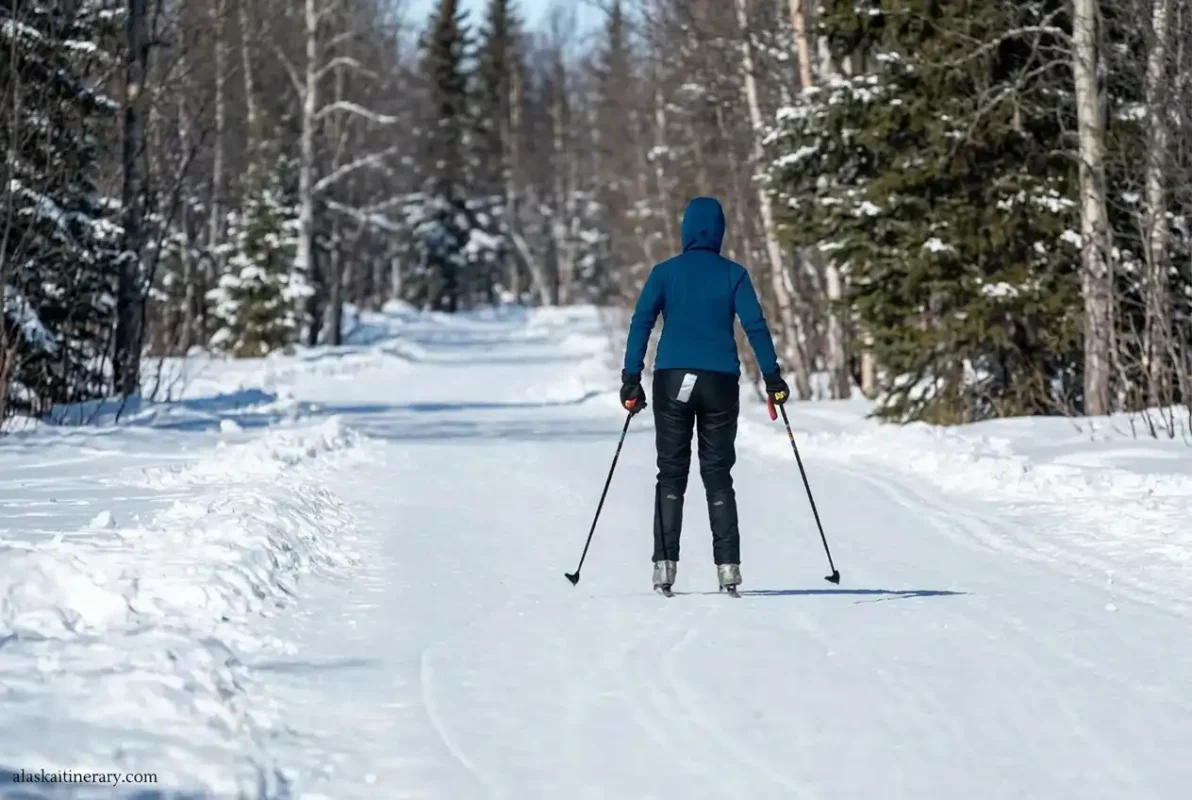
Cross-country skiing is one of the most popular winter activities in Denali National Park. With snow-covered landscapes, very few visitors, and no summer traffic, the park offers a peaceful setting for skiers of all skill levels.
Many visitors ski along the Denali Park Road, while others explore trails near the park entrance. The open section of the park road is relatively gentle, making it a good option for beginners looking for a scenic outing.
Unlike ski resorts, Denali has no groomed trails, ski rentals, or other winter recreation facilities. You’ll need to bring your own equipment or rent it before arriving at the park.
3. Visit the Denali Sled Dog Kennels
The Denali Sled Dog Kennels are one of the park’s most unique attractions and the only working sled dog kennels in the U.S. National Park System. During winter, these dogs continue to help rangers patrol the park’s wilderness, carrying on a tradition that has existed for more than a century.
The kennels are typically open to visitors on Saturdays and Sundays from 1:00 p.m. to 4:00 p.m. throughout the winter season (mid-September through mid-May), except on major holidays. During your visit, you may see the dogs training, preparing for patrol, or returning from a run, although many of the dogs are often out working in the park.
Before driving to the kennels, stop at the Murie Science and Learning Center or check the official National Park Service website to confirm current opening hours and access, as schedules and operations can change depending on park conditions.
4. Enjoy Winter Photography
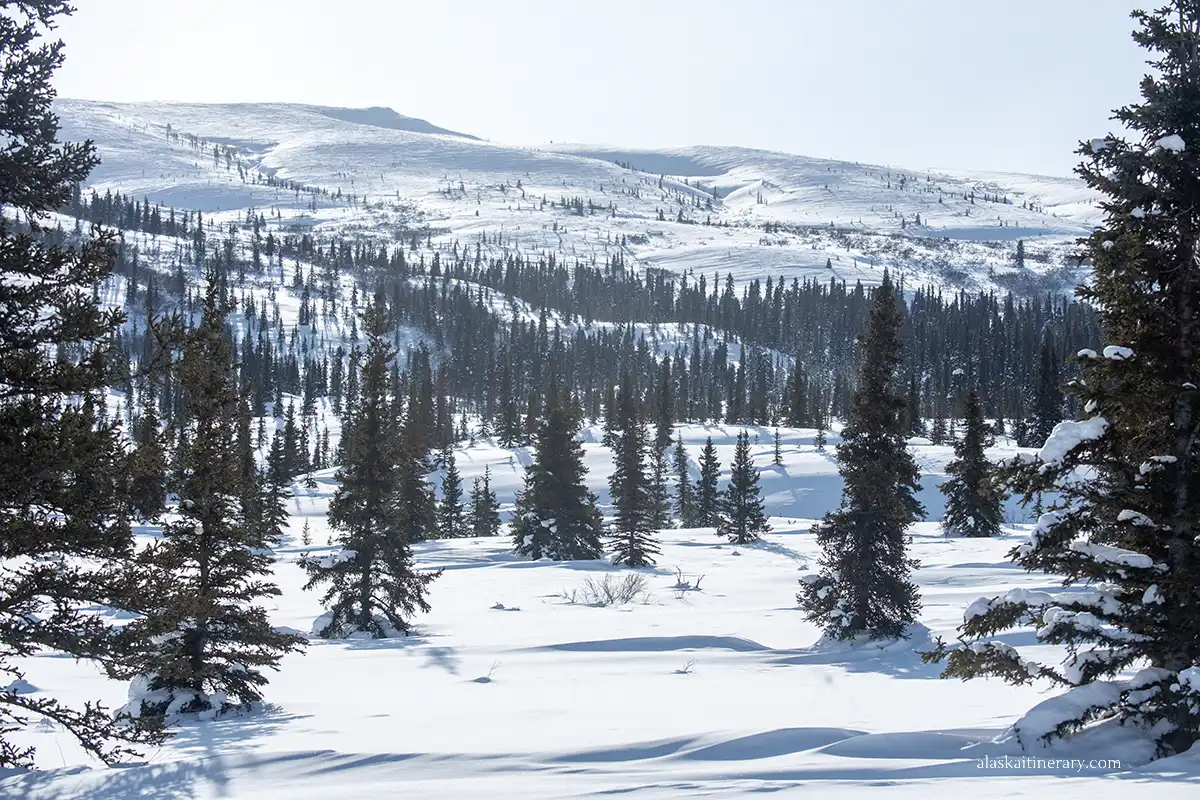
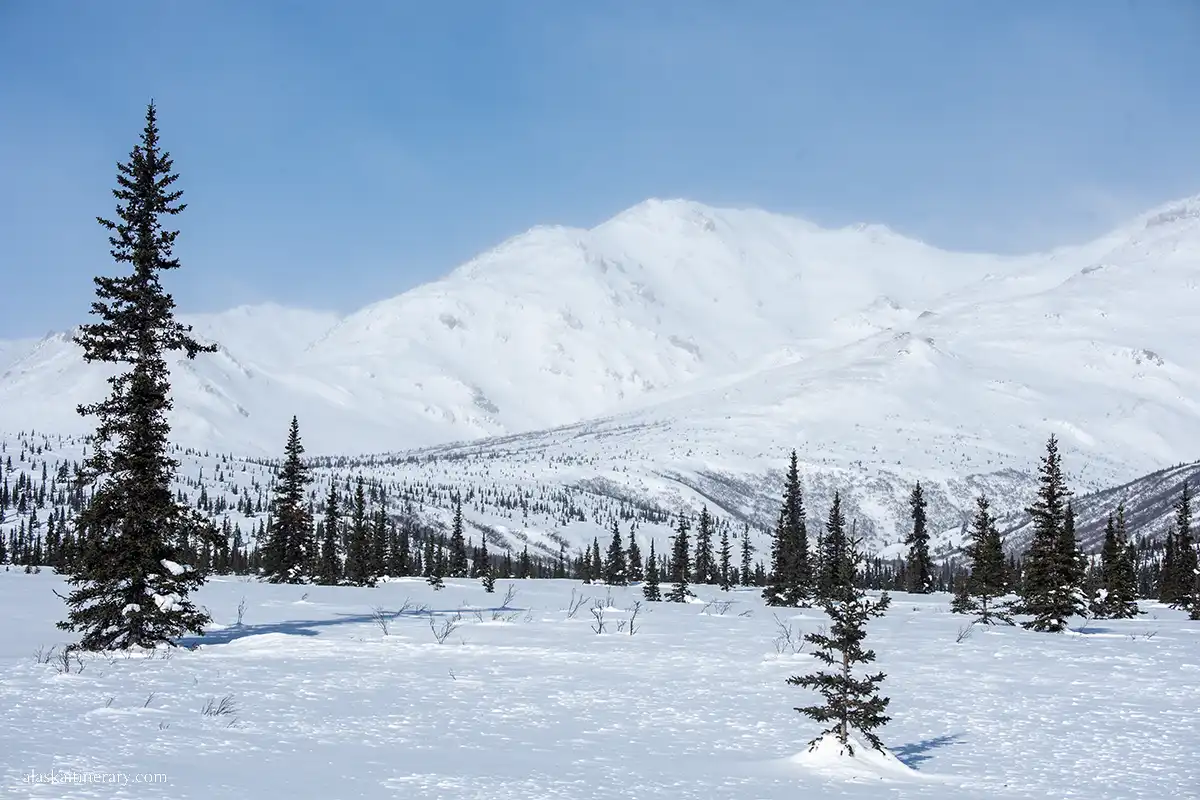
Winter transforms Denali into a completely different landscape. Snow-covered forests, frozen rivers, and the Alaska Range create beautiful scenery, while the lack of crowds makes it easy to enjoy the park at your own pace.
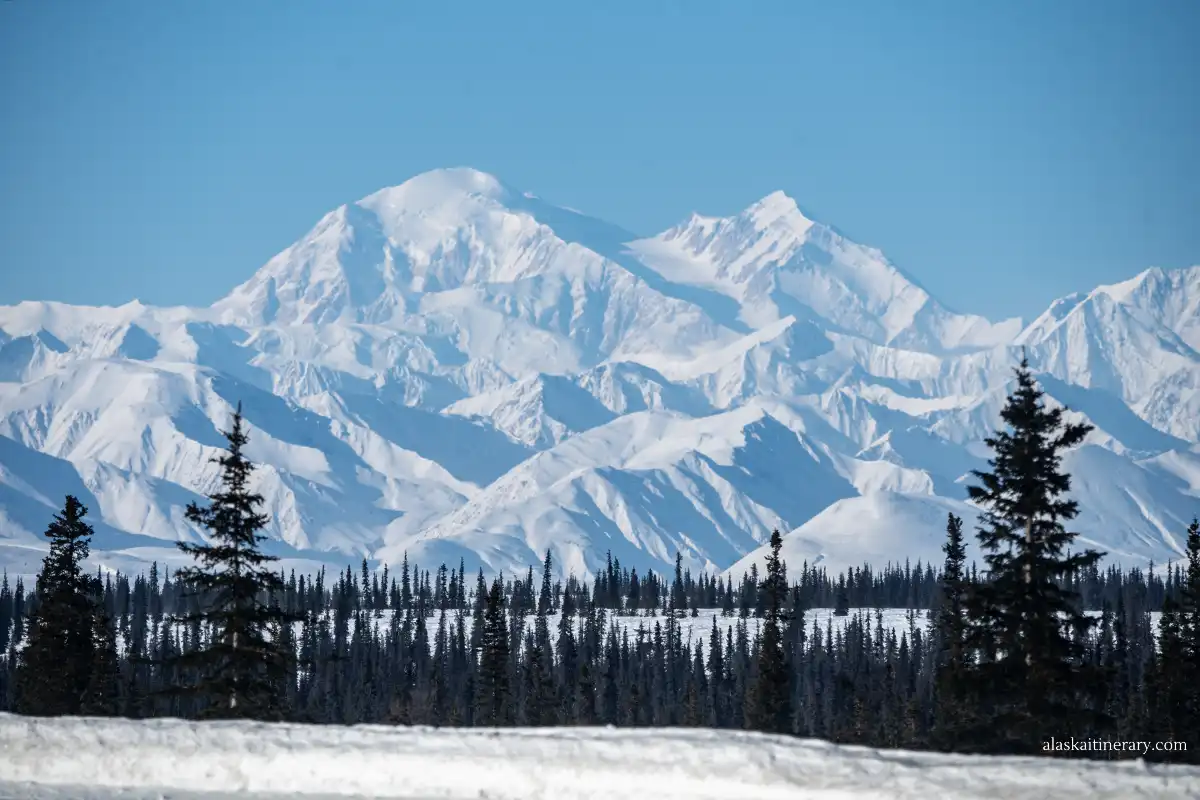
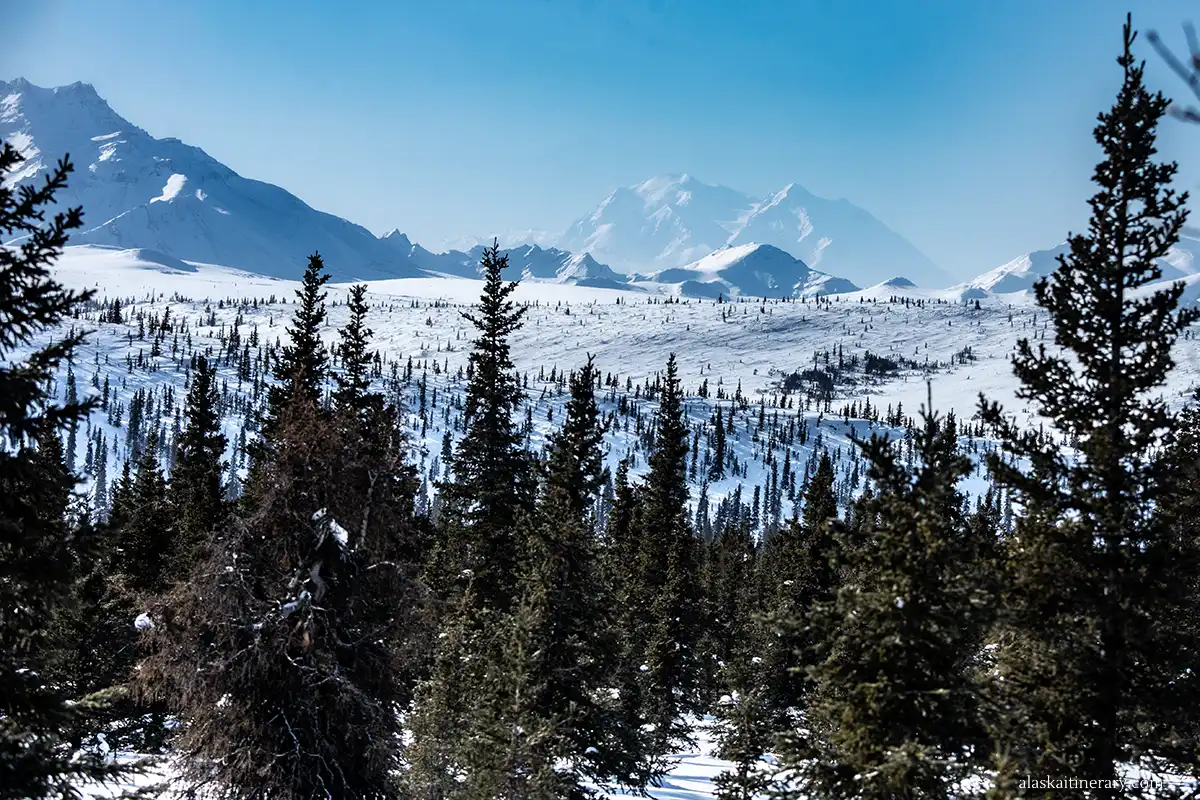
One of the biggest advantages of visiting Denali in winter is the chance for clear views of Denali. Although the mountain is never guaranteed to be visible, cold winter weather often brings clearer skies than during the summer months, improving your chances of seeing North America’s tallest peak.
If you’re visiting in late February or March, you’ll also benefit from longer daylight hours and soft winter light, making it one of the best times of year for landscape photography.
Agnes’ Advice: Bring extra camera batteries and keep spare batteries in an inside pocket. Cold temperatures can drain batteries much faster than in summer.
5. Look for Wildlife
Winter is a great time to spot wildlife in Denali National Park. Although you won’t see the same variety of animals as during the summer bus season, many species remain active throughout the winter.
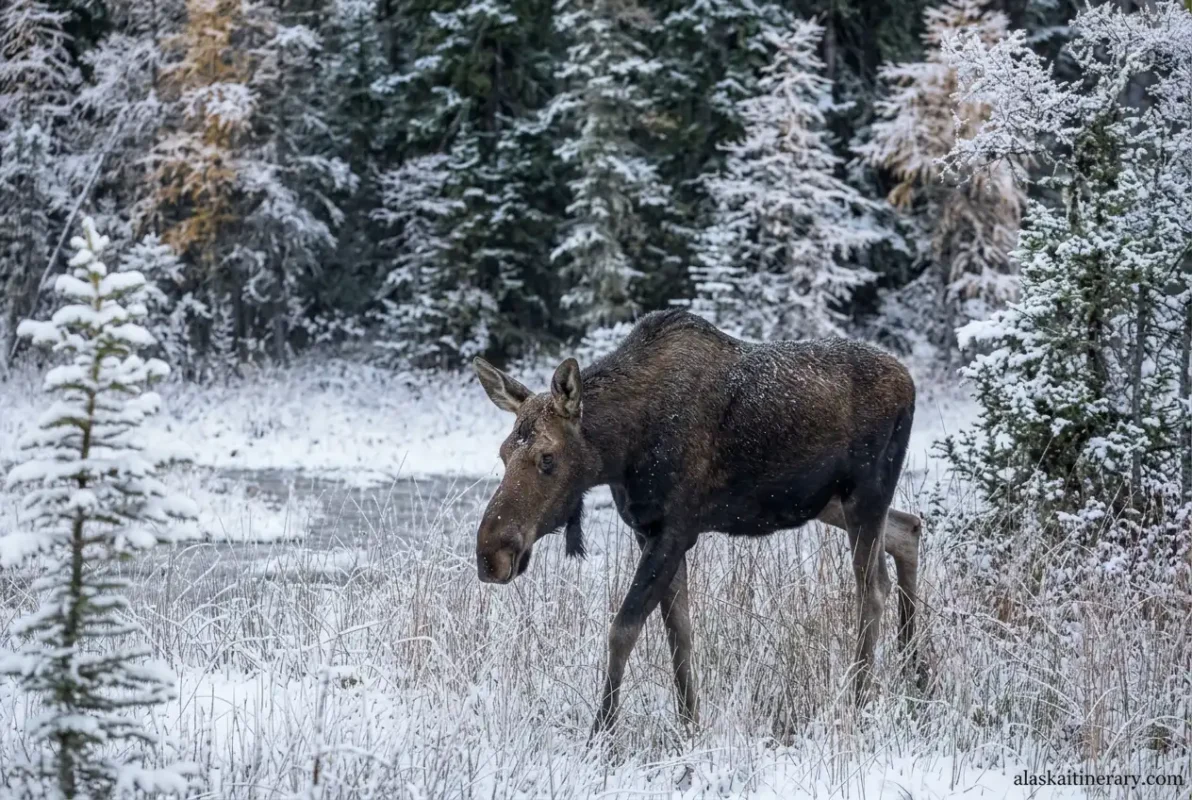
Keep an eye out for moose, caribou, red foxes, snowshoe hares, and ptarmigan, Alaska’s state bird. If you’re lucky, you may also spot a wolf crossing the snowy landscape, although sightings are rare.
Because the park road is closed beyond the plowed section, wildlife viewing is mostly limited to the entrance area and the open portion of Denali Park Road. Bring binoculars or a telephoto lens if you’re hoping to photograph animals from a safe distance.
Agnes’ Advice: Drive slowly and stay alert, especially early in the morning and late in the afternoon, when wildlife is often more active. Never approach or feed wild animals, even if they seem comfortable around people.
6. Take a Scenic Winter Drive Along Denali Park Road
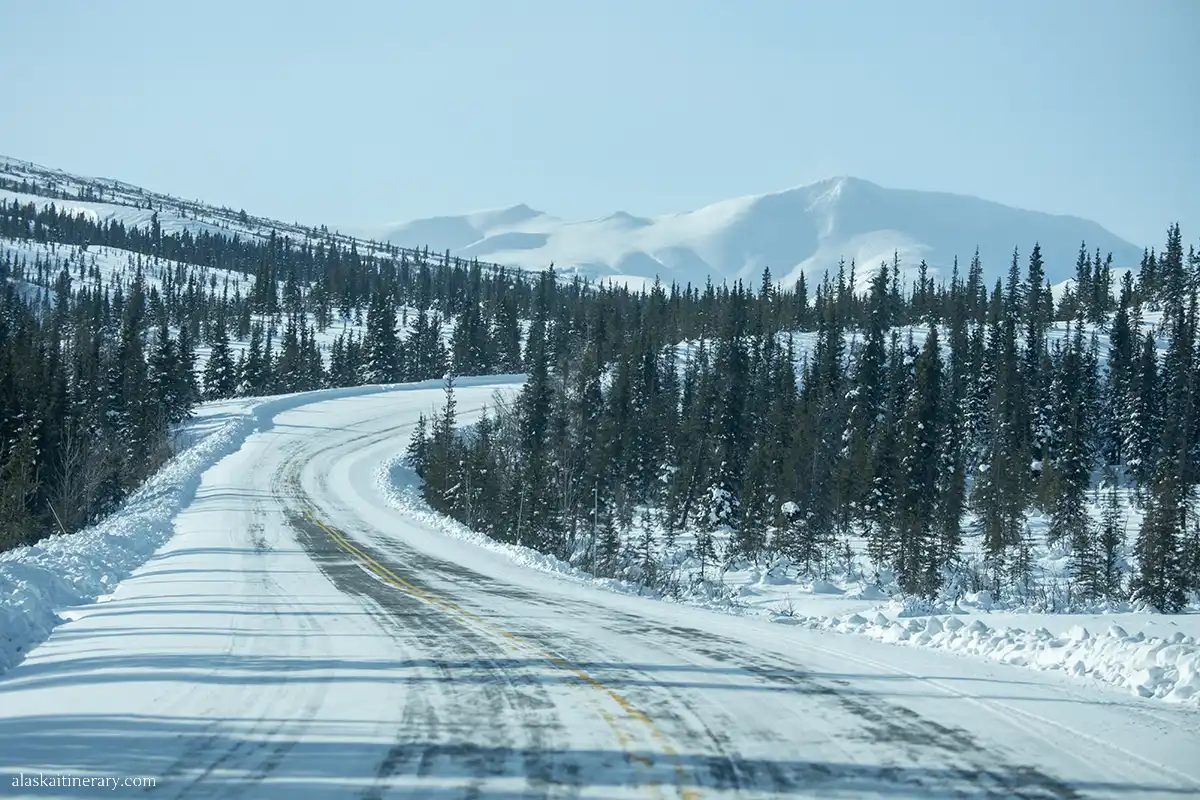
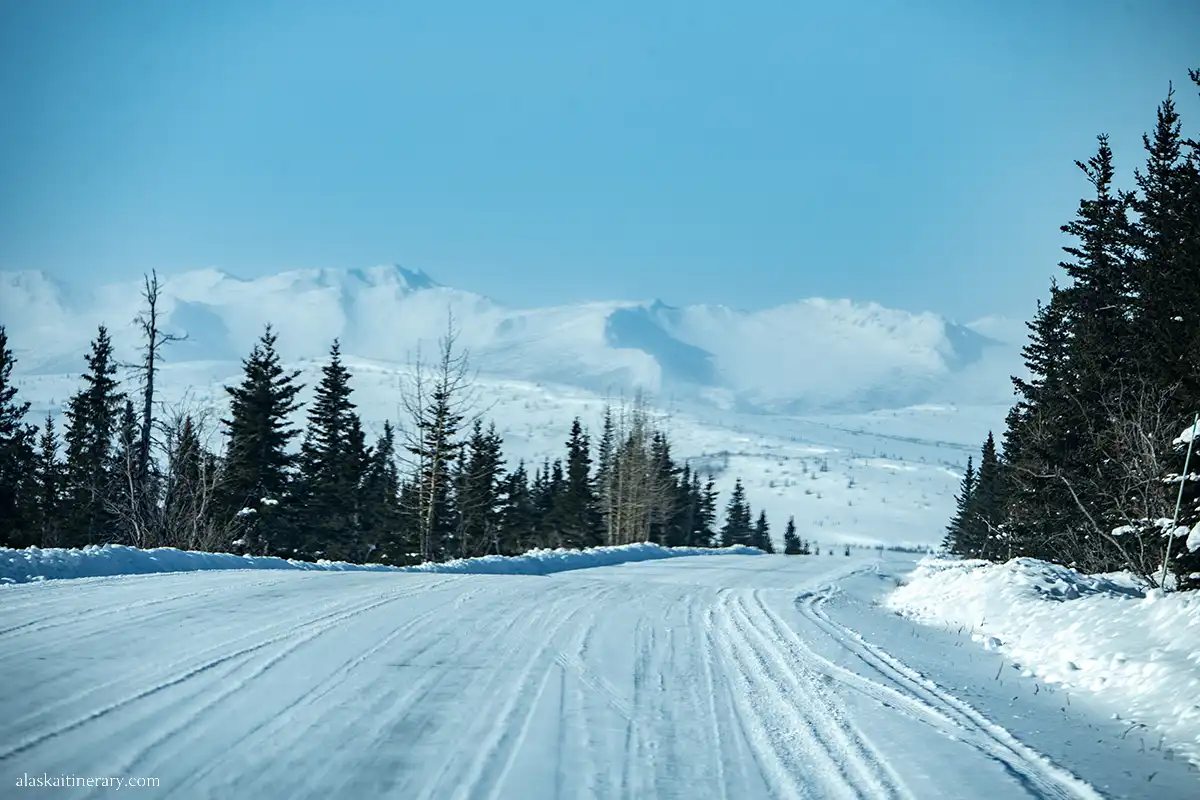
Although you can’t drive deep into the park during winter, the open section of Denali Park Road is still well worth exploring. Snow-covered forests, mountain views, and the peaceful atmosphere make this one of the most scenic winter drives in Interior Alaska.
From October through about mid-February, the road is usually open only to Park Headquarters (around Mile 3). Beginning around mid-February, visitors can often drive as far as Mountain Vista (around Mile 12–13), depending on weather and road conditions.
Along the way, you’ll find several places to stop for photos, short walks, and wildlife viewing. On clear days, this section of the park also offers some of the best opportunities to see Denali rising above the Alaska Range.
7. Go Winter Hiking
Although many of Denali’s summer hiking trails are covered with snow, winter is still a great time to explore the park on foot. Depending on snow conditions, you can enjoy short hikes around the entrance area or walk along the snow-covered Denali Park Road.
Keep in mind that winter trails are not groomed or maintained for winter hiking. After fresh snowfall, deep snow can make walking difficult, so snowshoes or traction devices may be necessary.
Agnes’ Advice: Dress in warm layers, carry extra water and snacks, and let someone know your plans if you’re heading out for a longer hike. Winter weather and trail conditions can change quickly, especially after heavy snowfall. Check out official winter trails website.
8. See the Northern Lights
If you’re visiting Denali between late August and mid-April, you may have a chance to see the northern lights. Thanks to the park’s remote location and minimal light pollution, Denali offers excellent dark skies for aurora viewing.
That said, Fairbanks remains a much better destination if seeing the aurora is your main goal. It has more clear nights, a longer aurora tourism season, and a higher probability of good viewing conditions.
If you’re staying overnight near Denali and the aurora forecast looks promising, find a safe location away from artificial lights, dress warmly, and be prepared to wait. Like anywhere in Alaska, aurora viewing depends on clear skies and solar activity.
Agnes’ Advice: If you’re planning your trip primarily around the northern lights, spend several nights in Fairbanks and consider Denali as a scenic stop along your winter road trip rather than your main aurora destination. Check out: Best Northern Lights Viewing Spots in Alaska.

9. Attend Denali Winterfest
If you’re visiting in late February, you may have the chance to experience Denali Winterfest, one of the largest winter celebrations in the Denali area. The annual event brings together local communities around the park with a weekend of winter activities and family-friendly events.
The program changes each year but often includes guided snowshoe hikes, cross-country skiing, sled dog demonstrations, educational programs, live music, and community events. It’s a great opportunity to experience the local side of an Alaska winter beyond the national park itself.
Agnes’ Advice: Winterfest dates and activities vary each year, so check the official event schedule before planning your visit. If you visit in late February, you can also enjoy two of Alaska’s most popular winter festivals—Fur Rondy in Anchorage and the World Ice Art Championships (Ice Alaska) in Fairbanks.
10. Join a Guided Winter Tour
Although most visitors explore Denali independently during winter, a few local operators offer guided experiences that let you enjoy the snowy landscapes without planning everything yourself.
If you’d like to try dog sledding in Alaska, we recommend Squid Acres Kennel in Cantwell, about 30 miles south of Denali National Park. Winter tours operate from December through mid-April and include the chance to meet experienced mushers, learn about the sport, and ride through the beautiful Alaska wilderness.
For a completely different adventure, consider a tour with Denali Fat Truck Tours in Healy. Their climate-controlled SHERP vehicles travel across snow-covered terrain that ordinary vehicles can’t reach, offering a unique way to explore the Denali area during winter. They also offer a full-day winter tour from Fairbanks, which includes transportation to the Denali area.
11. Go Snowmobiling
Snowmobiling is allowed in designated areas of Denali National Park during winter, but only when there is enough snow and conditions permit. Access varies from year to year, so check the National Park Service website before your visit for current regulations and area closures.
If snowmobiling is one of your priorities, you’ll find many more snowmobile guided tours and reliable riding opportunities in Healy, Cantwell, and Fairbanks.
12. Go Winter Camping
For experienced adventurers, winter camping is another unique way to experience Denali National Park. However, this is a true wilderness experience with extreme winter conditions, no services, and no immediate assistance if something goes wrong.
You’ll need to be completely self-sufficient, carry all necessary winter camping gear, and obtain a free backcountry permit from the National Park Service before your trip. Winter camping in Denali is recommended only for experienced backcountry campers with the skills and equipment to safely travel and camp in extreme cold.
How to Get to Denali National Park in Winter
The easiest way to visit Denali National Park in winter is by car. The park is located along the Parks Highway (AK-3), making it an easy stop on a winter road trip between Anchorage and Fairbanks.
Approximate driving times are:
- Fairbanks to Denali National Park: about 2.5 hours (120 miles / 193 km)
- Talkeetna to Denali National Park: about 2.5–3 hours (150 miles / 240 km)
- Anchorage to Denali National Park: about 4.5–5 hours (240 miles / 386 km)
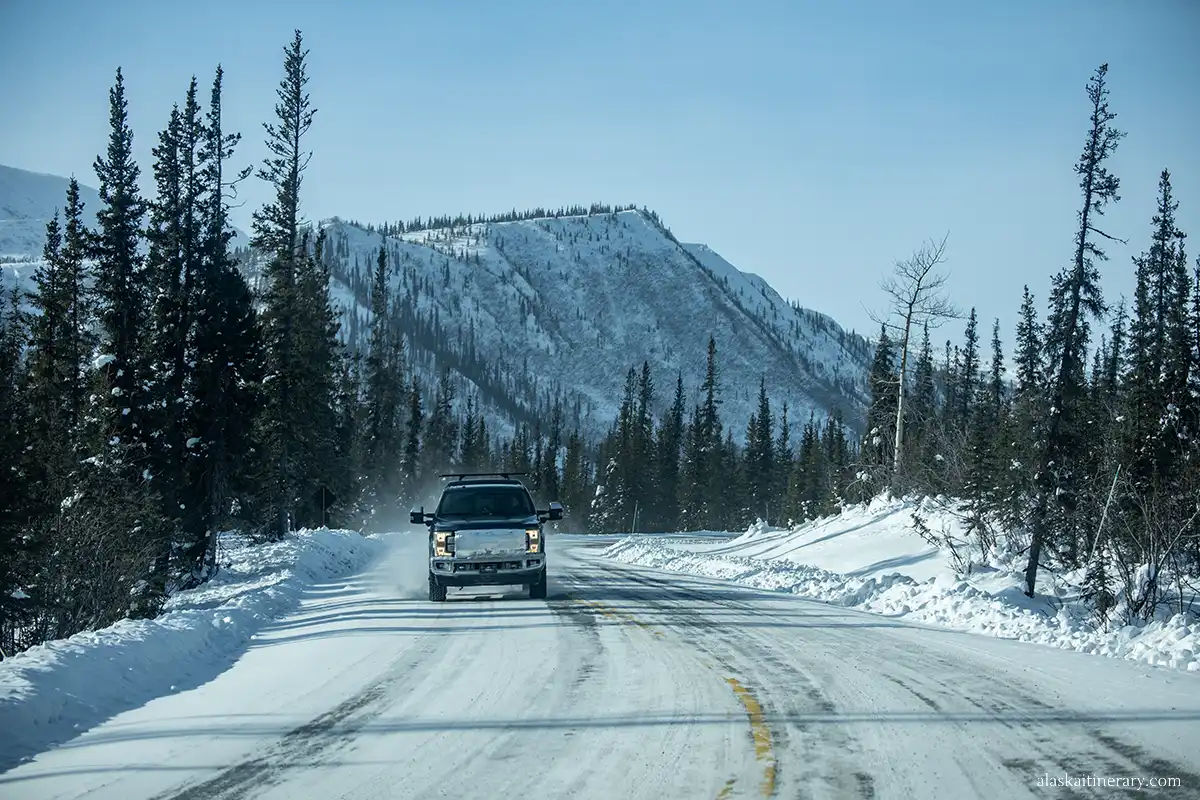
If you’re driving in winter, allow extra travel time. Snow, ice, wildlife, and changing weather can all affect road conditions.
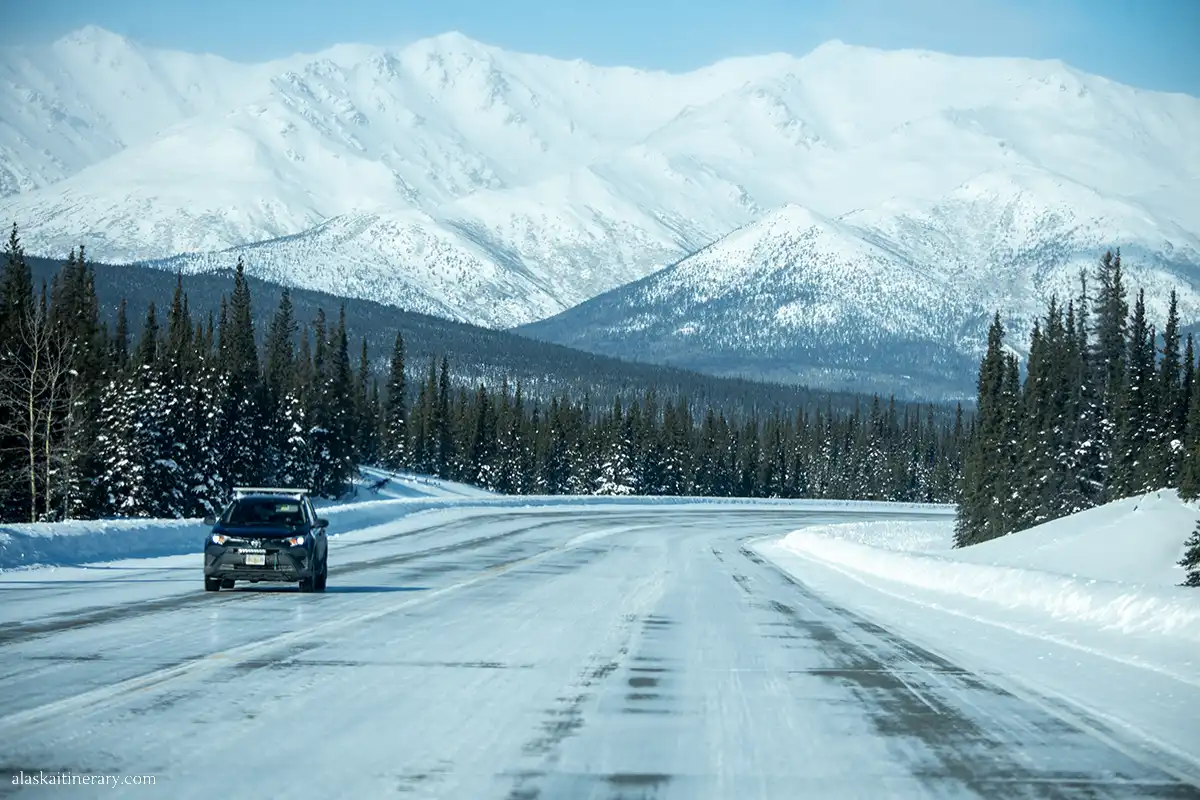
If you don’t feel comfortable driving in winter conditions, you can also visit Denali on a guided day tour from Fairbanks, where transportation is included. This allows you to enjoy the scenery without worrying about winter driving.
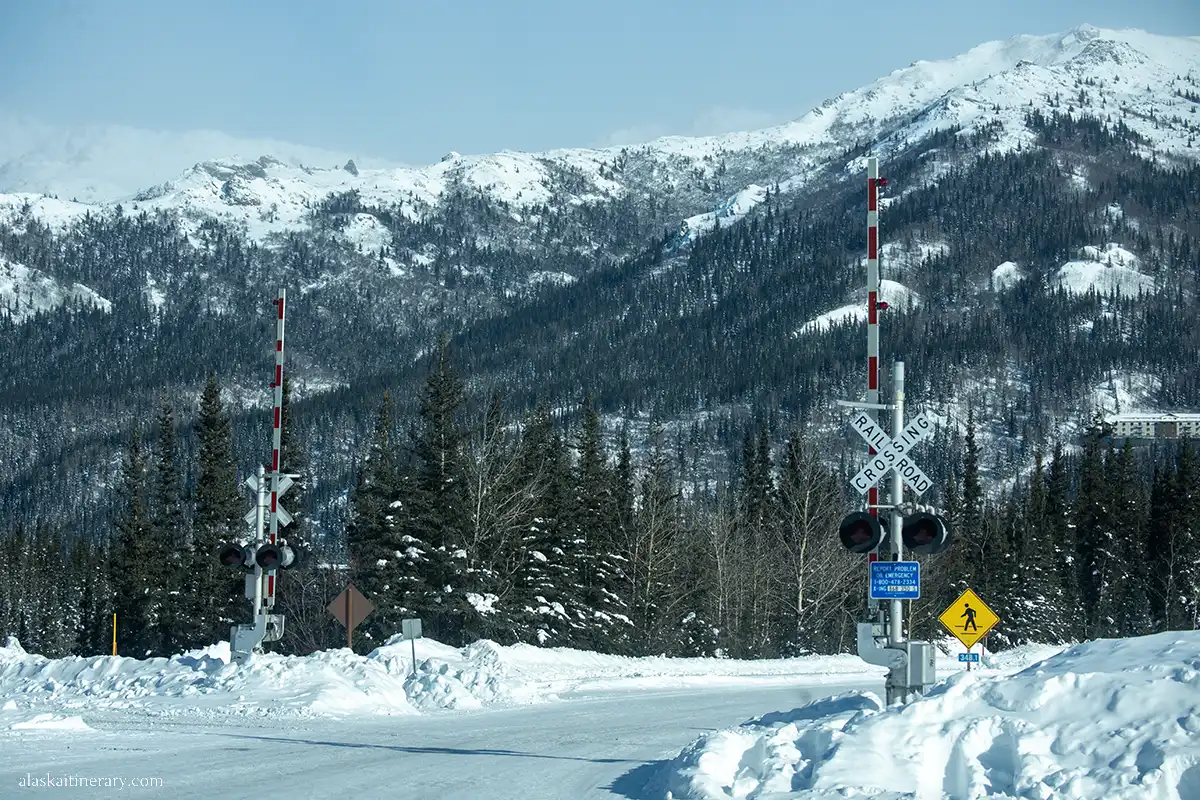
Another option is the Aurora Winter Train, which operates between Anchorage and Fairbanks on weekends during the winter season, with a stop in Denali. Alaska Railroad may also offer additional midweek departures on select dates, so be sure to check the official website for the latest schedule and availability before planning your trip.
Keep in mind that you’ll need to arrange transportation and accommodation if you plan to spend time in the park, as there is no shuttle service from the station during winter.
Before setting out, check both the Alaska 511 road conditions and the National Park Service road status. Winter weather can change quickly, and road access inside the park may vary depending on snow conditions.
Agnes’ Advice: If you’re planning an Alaska winter road trip, be sure to check out our detailed 10-Day Alaska Winter Itinerary and Alaska Northern Lights Itinerary. Both include Denali National Park and are packed with practical planning tips, route suggestions, and travel advice.
How Long Do You Need in Denali National Park in Winter?
For most travelers, 3 to 5 hours is enough to experience Denali National Park in winter. This gives you time to stop at the Murie Science and Learning Center, drive the open section of Denali Park Road, enjoy a short snowshoe or winter hike, visit the sled dog kennels (if they’re open), and take plenty of photos.
If you’re interested in cross-country skiing, snowshoeing, or winter photography, consider spending a full day in the park. This gives you more flexibility to explore at a relaxed pace and enjoy the peaceful winter scenery.
An overnight stay is usually not necessary for most visitors. From our experience, Denali works best as a stop while driving the Parks Highway between Anchorage (or Talkeetna) and Fairbanks.
However, staying overnight may be worth considering if you:
- prefer a slower pace during your winter road trip
- plan a longer day of snowshoeing or cross-country skiing
- want to photograph Denali in different lighting conditions
- hope to see the northern lights
Where to Stay Near Denali National Park in Winter
Unlike the summer season, most hotels and lodges near the Denali National Park entrance close after the bus season ends in late September. If you’re planning a winter visit, don’t assume your favorite summer accommodation will still be open.
For most travelers, Healy is the best place to stay. Located about 12 miles north of the park entrance, it offers the widest selection of year-round lodging, along with restaurants, grocery stores, and gas stations. It’s also the most convenient base for exploring Denali in winter.
If you’re traveling from Anchorage, you can also stay in Cantwell, about 30 miles south of the park entrance. The town has a few year-round accommodations and limited services, making it a convenient overnight stop before continuing north.
Fairbanks is another excellent base for visiting Denali in winter. Located about 120 miles north of the park, it makes an easy day trip while also offering some of Alaska’s best northern lights viewing and winter activities. Also Talkeetna is great base to stay. Last time we stayed in Talkeetna Alaskan Lodge.
From our experience, most visitors don’t need to stay overnight near Denali in winter. The park is best visited as a half-day or full-day stop while driving between Talkeetna (or Anchorage) and Fairbanks.
Agnes’ Advice: For our favorite hotels and a detailed area guide, check out our article on where to stay near Denali National Park.

What to Wear in Denali National Park in Winter
Dressing properly is essential when visiting Denali in winter. Temperatures can drop well below freezing, and conditions may change quickly, especially if you’re spending several hours outdoors.
We recommend dressing in warm layers so you can easily adjust to changing temperatures and activity levels.
Your winter clothing should include:
- thermal base layers
- a warm insulated jacket
- insulated winter pants
- waterproof insulated boots
- warm hat and neck gaiter
- insulated gloves or mittens
- wool socks
- hand and foot warmers for extra comfort
If you plan to go snowshoeing, cross-country skiing, or winter hiking, gaiters are also helpful for keeping snow out of your boots.
Even if you’re only planning a short visit, bring extra warm clothing, water, and snacks in your vehicle. Winter weather can change quickly, and you’ll spend much more time outside than you might expect.
Agnes’ Advice: For a complete packing guide, including our printable PDF checklist, take a look at our detailed Alaska Winter Packing List.
Best Time to Visit Denali National Park in Winter
The practical winter season in Denali begins in late September, after the summer bus service ends, and lasts until mid-May, when the park transitions back to full summer operations.
From our experience, late February and March are the best months to visit. You’ll still enjoy true winter conditions and reliable snow, but with much longer daylight hours than in December or January. This gives you more time for snowshoeing, cross-country skiing, winter hiking, and photography.
Earlier in the winter, especially December and January, temperatures are colder and daylight is very limited. These months are ideal if you want a true Arctic winter experience, but you’ll spend much less time outdoors each day.
| Month | Average High / Low | What to Expect |
|---|---|---|
| October | 36°F / 25°F (2°C / -4°C) | Early winter. Summer services have ended, but snow conditions can vary. |
| November–January | 21–24°F / 9–13°F (-6 to -4°C / -13 to -11°C) | Deep winter with short days, reliable snow, and the coldest temperatures of the year. |
| Late February–March | 24–31°F / 11–15°F (-4 to -1°C / -12 to -9°C) | Best overall time to visit. Longer daylight, excellent snow conditions, and the best balance for winter activities. |
| April–Mid-May | 42–54°F / 26–39°F (6–12°C / -3–4°C) | Winter gradually transitions to spring. Days are much longer, and road access may increase depending on conditions. |
Travel Tips for Visiting Denali in Winter
A little planning goes a long way when visiting Denali in winter. Keep these practical tips in mind before you go:
- Check current road conditions. Vehicle access on Denali Park Road changes throughout the winter depending on snow and weather. Always check the official National Park Service website before your visit.
- Start your visit at the Murie Science and Learning Center. It’s the best place to get up-to-date information on road conditions, trail conditions, weather, and winter activities.
- Bring your own food and drinks. There are no restaurants, grocery stores, or gas stations inside the park, and most businesses near the entrance close for the winter. Stock up in Healy or Cantwell before arriving.
- Dress for Arctic conditions. Even if you’re only planning a short visit, wear warm layers and insulated winter boots. Weather can change quickly, especially if you’re spending time outdoors.
- Allow extra driving time. Winter road conditions on the Parks Highway can vary throughout the day. Don’t rush, and be prepared for snow- or ice-covered roads.
- Keep your expectations realistic. Denali in winter is a completely different experience from summer. You’re visiting for the peaceful scenery, winter recreation, and solitude—not for bus tours or deep access into the park.
- Plan your visit around daylight. Days are very short in December and January. If possible, visit in late February or March, when you’ll have much more daylight while still enjoying excellent winter conditions.
FAQ
Is Denali National Park open in winter?
Yes. Denali National Park remains open year-round, but only limited facilities and a portion of Denali Park Road are accessible during winter.
How far can you drive into Denali in winter?
From October through about mid-February, visitors can usually drive to Park Headquarters (around Mile 3). Beginning around mid-February, road access is often extended to Mountain Vista (around Mile 12–13), depending on snow and road conditions.
Can you visit Denali without a tour in winter?
Yes. Unlike summer, winter visits are primarily self-guided. You can drive the open section of the park road, go snowshoeing or cross-country skiing, and explore the entrance area on your own.
Is Denali worth visiting in winter?
Yes, if you’re looking for quiet winter scenery, outdoor recreation, and a peaceful national park experience. Just remember that access and visitor services are much more limited than in summer.
Can you see Denali Mountain in winter?
Yes. On clear days, winter often offers excellent visibility of Denali. However, like any time of year, mountain views depend entirely on the weather.
When is the best time to visit Denali in winter?
From our experience, late February and March offer the best balance of snowy landscapes, longer daylight hours, and opportunities for winter recreation.
Final Thoughts
Denali National Park may not be the highlight of every Alaska winter itinerary—but for the right traveler, it’s absolutely worth the stop.
If you enjoy quiet landscapes, winter photography, snowshoeing, or simply experiencing Alaska beyond the typical tourist season, Denali offers something unique. While you won’t be able to travel deep into the park, the peaceful atmosphere, snow-covered scenery, and lack of crowds make it a memorable addition to a winter road trip.
Go with realistic expectations, plan ahead, and treat Denali as a half-day or full-day stop between Anchorage and Fairbanks. From our experience, that’s the best way to enjoy everything the park has to offer in winter.
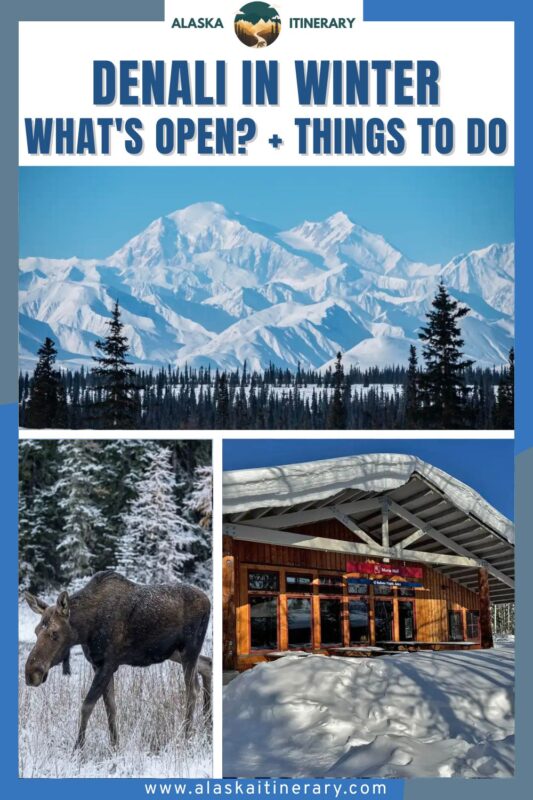
Do You Like It? Pin It For Later!


We never used to travel for winter fun. And then Antarctica, Yukon and Norway winter visits changed that. So we might now be open to visiting Denali in winter. Good to be aware of what is open or closed. And to be careful about winter driving conditions. A good reminder about the short winter daylight hours which will impact our planning for things to do.
I won’t be able to make it to Denali on my fall trip to Alaska. I definitely prefer to go in the summer rather than winter.
I had never considered visiting Denali in winter, but love the sound of cross country skiing, winter hiking, or fat biking here. Seeing moose in winter I always a wonderful experience too.
Have always wanted to go to Denali, and will someday, but now I need to think if I could do it in the winter. Sounds like an incredible experience.