
Best Things to Do in Gates of the Arctic National Park

Gates of the Arctic National Park is unlike any other park in the United States. There are no roads, no trails, and no viewpoints you can reach by car. Every experience here requires effort, planning, and realistic expectations. When people search for the “best things to do” in Gates of the Arctic, they often expect a typical national park list. This park works differently. Activities depend on how you access the park, how much time you have, and your comfort level in true wilderness. Some experiences are possible in a single day. Others require multi-day expeditions. Many travelers only see a small portion of the park, and that is completely normal. In this guide, we focus on what is actually possible, from scenic flights to backcountry travel. Just real options for exploring one of Alaska’s most remote national parks.
This article may contain affiliate / compensated links. For full information, please see our disclaimer here.
Our Experiences in Gates of the Arctic National Park
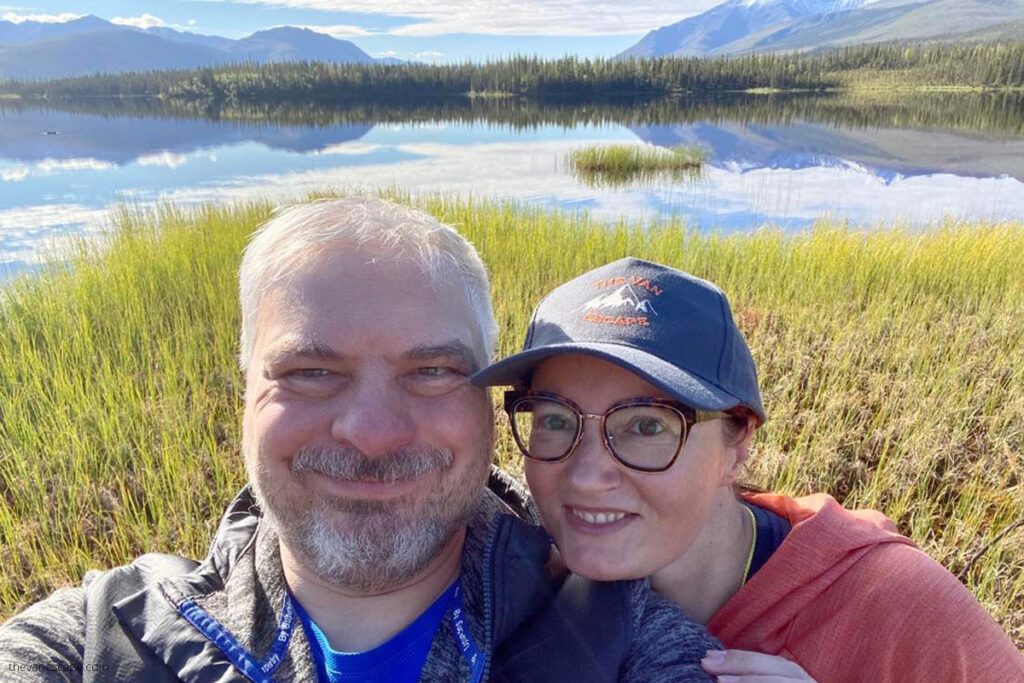
Chris and I visited Gates of the Arctic knowing we would only see a tiny piece of it. That mindset made the experience even more meaningful.
Gates of the Arctic is the least visited of all eight Alaska national parks—and the least visited national park in the entire U.S. system, which makes us feel especially lucky to have experienced such a remote and untouched wilderness.
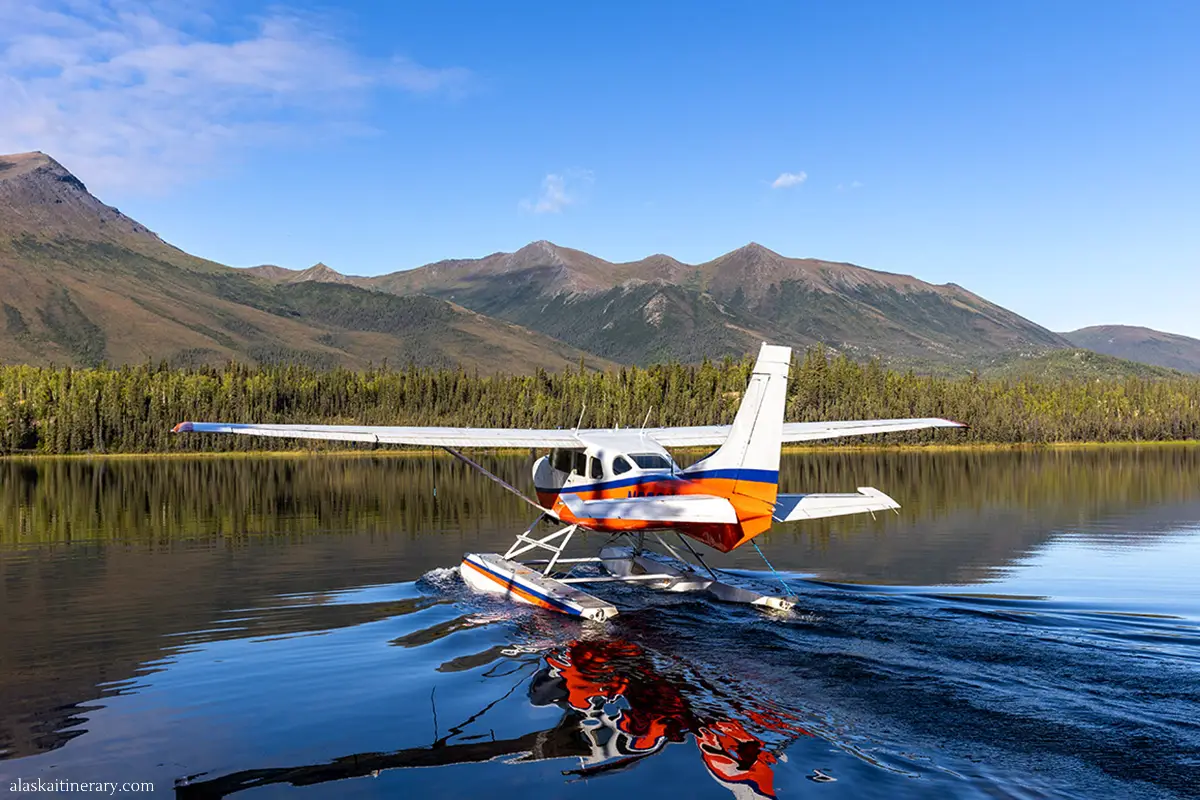
We reached the park by bush plane from Coldfoot, flying with Coyote Air. The flight itself was unforgettable. Seeing the Brooks Range from the air gave us a true sense of scale and isolation.
The day before our flight, we stopped at the Arctic Interagency Visitor Center in Coldfoot. We spoke with staff about weather conditions, landing areas, and ground conditions where we planned to explore. They also shared safety advice and navigation tips, which helped us feel better prepared for traveling in true wilderness.

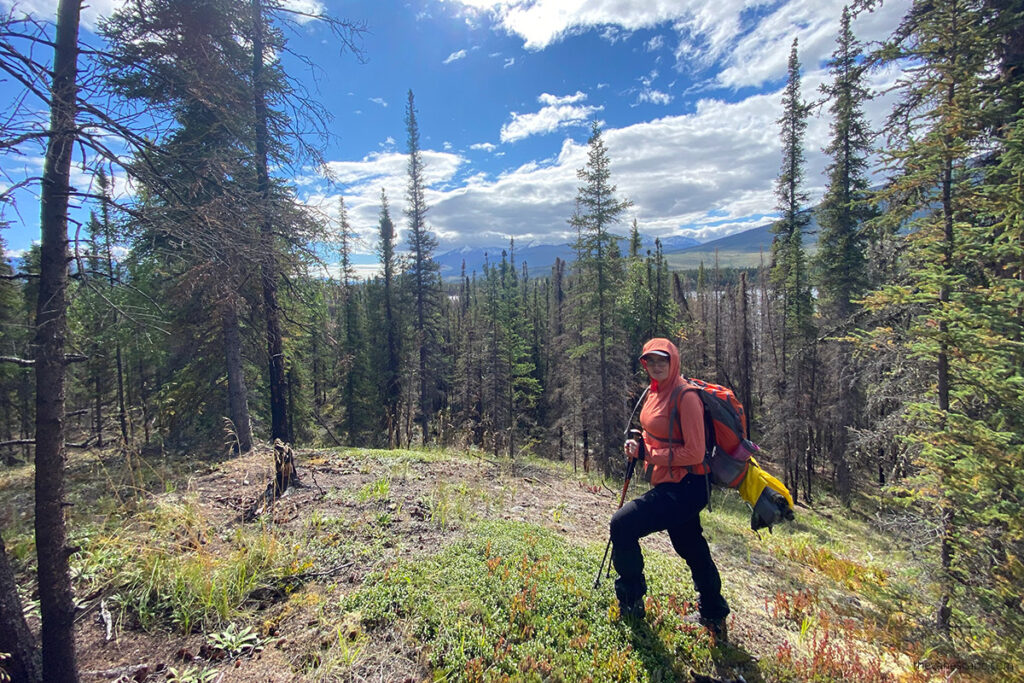
After landing, we explored the area on foot. There were no trails. We navigated by terrain, lake, and landmarks. Progress was slow, but that is part of the experience here.
We also spent time near a remote lake and took a canoe trip. The silence was striking. No engines. No people, just two of us. Just wind, water, distant mountains and pure wilderness.
We later took a scenic flight over the Brooks Range, which offered a completely different perspective. From the air, you see how vast and untouched this park really is.
Our visit showed us something important. You do not need to “do everything” here. Even a short experience in Gates of the Arctic feels significant. This park is about presence, not checklists.
Agnes’ Advice: If you’re starting to plan your trip, read our detailed guide on how to visit Gates of the Arctic National Park, where we cover logistics, regions, air taxis, and essential planning details.
Best Things to Do in Gates of the Arctic National Park – realistic activities explained
Activities in Gates of the Arctic National Park look very different from those in most U.S. national parks. What you can do here depends on access, experience level, budget and time.
Some options work for a single day. Others require serious planning and commitment.
1. Take a Scenic Flight Over the Brooks Range
A scenic flight is one of the best and most realistic ways to experience Gates of the Arctic National Park. It is also the most accessible option for travelers who are short on time or not prepared for a backcountry expedition.
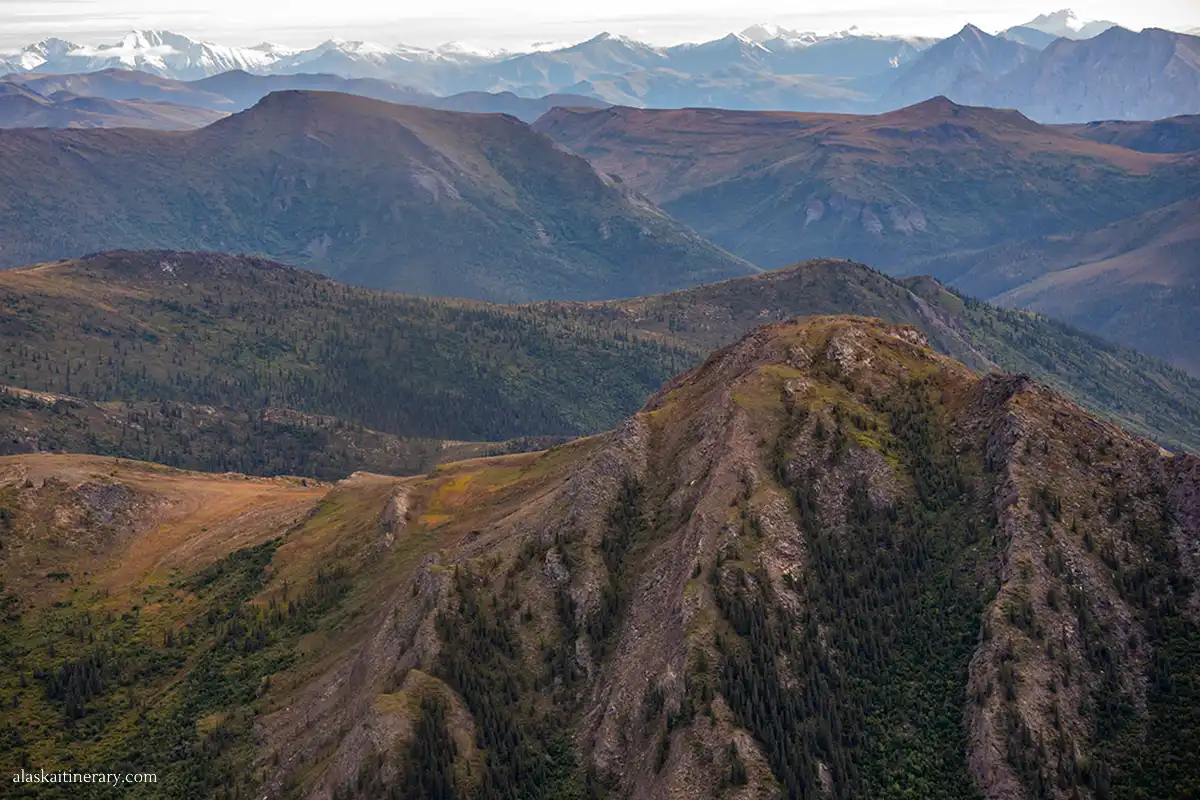
From the air, you see what makes this park unique. Endless mountain ridges. Broad river valleys. No roads. No signs of development. The scale becomes clear only when you leave the ground.
Scenic flights usually depart from Coldfoot, Bettles, or Fairbanks, depending on the operator and route. Flights may include a simple overflight or a short landing in a remote area of the park. Not every flight lands inside the park, so it is important to ask in advance.
This option works well if:
- you want to experience the park without hiking or camping
- weather limits ground access
- you only have one day available
A scenic flight does not replace time on the ground. Still, it provides context that is hard to gain any other way. Seeing the Brooks Range from above helps you understand why Gates of the Arctic feels so remote and untouched.
For many visitors, this is their first and only experience inside the park. And for some, it becomes the reason to return for a longer trip later.

2. Land in the Park and Explore on Foot
Landing inside Gates of the Arctic and exploring on foot is a powerful experience. It also requires preparation and confidence in remote terrain.
There are no marked trails in the park. Movement depends on reading the landscape, choosing routes through tundra and river valleys, and adjusting plans as conditions change. Even short distances can take hours.
Most landings happen by bush plane on gravel bars, tundra, or near lakes. From there, exploration usually stays close to the landing area unless you are on a multi-day trip.
This option works best for travelers who:
- have strong navigation skills
- are comfortable hiking without trails
- understand Arctic weather risks
Even a few hours on foot can be rewarding. You experience silence, open space, and complete separation from modern infrastructure. The pace slows naturally. Every decision feels intentional.
Landing and exploring on foot is often combined with a scenic flight or a short overnight stay. It offers a deeper connection to the park without committing to a long expedition.

3. Backpacking and Route Hiking
Backpacking in Gates of the Arctic National Park is for experienced wilderness travelers. This is not trail hiking. Every route is your own. There are no designated campsites.
Daily distances are short. Thick tundra, uneven ground, wetlands, and river crossings slow progress. Many experienced hikers consider 5 to 6 miles a full day here, sometimes less.
Navigation relies on maps, terrain reading, and constant decision-making. Weather can change quickly, and plans often shift on the ground. Flexibility matters more than mileage goals.
This type of travel works best if you:
- have strong backcountry navigation skills
- are comfortable with river crossings
- understand Arctic weather and safety risks
Backpacking rewards patience. You gain access to valleys, passes, and viewpoints that few people ever see. Solitude is constant. Encounters with wildlife are possible and must be handled with care.
Most backpacking trips last several days to multiple weeks. For first-time visitors, shorter routes near air taxi drop-off points are often the safest choice.
Guided backpacking trips in Gates of the Arctic are offered by experienced operators such as Arctic Wild, Alaska Alpine Adventures, and Expeditions Alaska, who specialize in remote, off-trail Arctic travel. These trips focus on route finding, safety, and multi-day wilderness logistics.

4. Rafting and Pack Rafting on Wild Rivers
Rivers are natural travel corridors in Gates of the Arctic National Park. Rafting and pack rafting allow you to cover long distances through terrain that is difficult to cross on foot.
Several rivers in the park are designated Wild and Scenic Rivers. Conditions vary by river, season, and weather. Many stretches are calm, but water levels can rise quickly after rain or snowmelt.
This activity is best suited for travelers who:
- have prior rafting or pack rafting experience
- understand cold-water safety
- are comfortable with remote logistics
River trips often combine floating with hiking. Gravel bars provide natural campsites, and valleys offer wide views of the surrounding mountains.
Pack rafting is especially popular because equipment can be flown in by bush plane and carried on foot when needed. This flexibility allows route changes if conditions shift.
Rafting in Gates of the Arctic is not about whitewater thrills. It is about distance, isolation, and moving through untouched Arctic landscapes at a slow, steady pace.
Some of the same experienced operators that organize backpacking trips in Gates of the Arctic also lead guided rafting and pack-rafting expeditions on the park’s Wild and Scenic Rivers. These trips combine river travel with backcountry camping and are designed for true Arctic conditions.

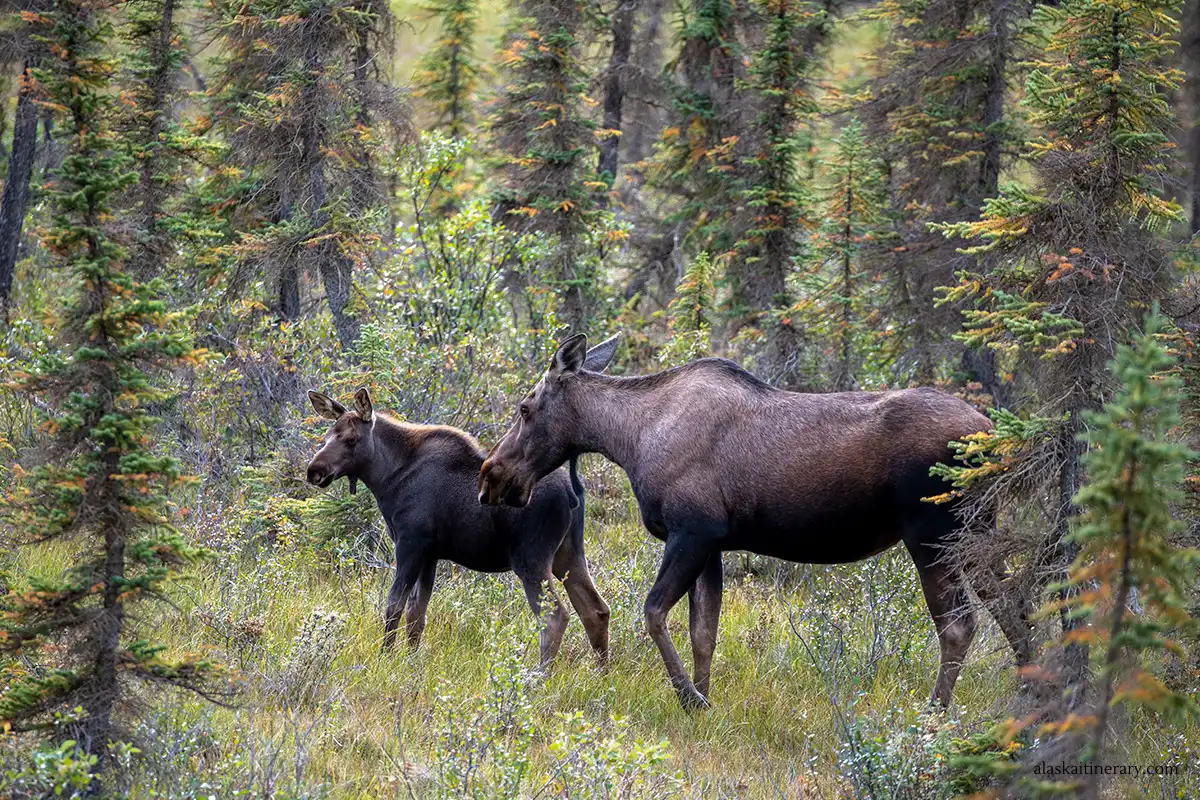
6. Wildlife Viewing in Gates of the Arctic National Park
Wildlife viewing in Gates of the Arctic feels very different from other national parks. There are no viewing platforms, no guided overlooks, and no predictable encounters.
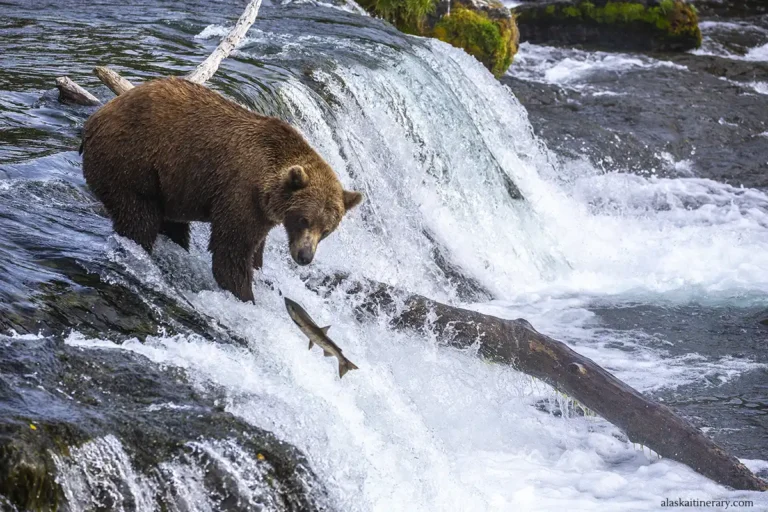
The park is home to grizzly and black bears, caribou, wolves, moose, Dall sheep, and many smaller mammals. More than 140 bird species also inhabit the area during the short Arctic summer.
Encounters happen on the animals’ terms. You may see wildlife daily or not at all. Distance is common, and that is how it should be.
This experience suits travelers who:
- understand wildlife safety
- are comfortable carrying bear spray
- respect distance and unpredictability
Food storage is critical. Even on short visits, use bear-resistant containers or approved food sacks. Odors travel far in open tundra. Check out: bear safety tips.
Wildlife viewing here is quiet and respectful. Watching animals move through vast landscapes, without crowds or noise, often becomes one of the most memorable parts of the trip.
7. Photography in Gates of the Arctic National Park
Gates of the Arctic is a dream destination for landscape photography. Wide valleys, sharp ridgelines, braided rivers, and Arctic light create powerful compositions.
Wildlife photography is possible, but it requires patience and distance. Animals often appear far away, and close encounters are rare. Long lenses help, but safety always comes first.
Light changes quickly in the Arctic. During summer, long daylight hours allow flexible shooting times. Overcast skies can add mood and depth to mountain scenes.
Photography here works best if you:
- prioritize landscapes over close wildlife shots
- travel light and protect gear from weather
- accept changing conditions
Drones are not allowed in national parks. All aerial images must come from approved flights.
For us, photography in Gates of the Arctic was less about perfect shots and more about capturing scale and atmosphere. Sometimes the best image is the one that reminds you how small you felt standing there.

8. Fishing and Hunting in Gates of the Arctic National Park
Fishing and hunting are allowed in Gates of the Arctic National Park, but strict rules apply. Regulations differ between park and preserve lands, and permits are required.
Fishing opportunities include species such as Arctic grayling, char, and salmon, depending on location and season. Alaska fishing regulations apply, and licenses are mandatory.
Sport hunting is allowed only in the preserve areas, not within the national park boundaries. Hunters must follow Alaska state regulations and respect subsistence use by local communities.
These activities are best suited for experienced travelers who understand remote logistics, wildlife safety, and legal requirements. Always confirm current rules before planning a trip.
9. Mountaineering and Technical Climbing
Gates of the Arctic National Park is home to some of the most remote climbing terrain in North America. This is a destination for experienced mountaineers only.
The most famous climbing area is the Arrigetch Peaks, a group of sharp granite spires in the central Brooks Range. Other notable objectives include Mount Igikpak, the park’s highest peak at 8,510 feet, and Mount Doonerak.
Access requires bush plane flights, often followed by long approaches on foot. There are no established routes, no fixed anchors, and no rescue infrastructure. Climbers must be fully self-sufficient.
Weather changes quickly. Rock quality varies. Retreat options are limited.
This activity is suitable only for climbers with:
- strong technical skills
- experience in remote alpine environments
- advanced route-finding ability
For most visitors, mountaineering will remain an inspiration rather than a goal. Still, its presence is part of what defines Gates of the Arctic as a true wilderness park.

What You Can’t Do in Gates of the Arctic National Park
Gates of the Arctic is not a typical national park. Many things people expect simply do not exist here.
You cannot:
- drive through the park
- follow marked hiking trails
- visit scenic viewpoints by car
- rely on visitor facilities inside the park
- expect cell service, signage, or rescue infrastructure
There are no campgrounds, no lodges, and no developed attractions within the park. Every experience requires planning, access by air or foot, and self-sufficiency.
This park does not work for casual sightseeing. It rewards travelers who value wilderness over convenience and preparation over spontaneity.
Understanding these limits is essential. When expectations match reality, Gates of the Arctic becomes an extraordinary experience rather than a frustrating one.
Is Gates of the Arctic Right for You?
Gates of the Arctic National Park is not for everyone. That is not a drawback. It is part of what makes the park special.
This park may be right for you if:
- you value solitude over convenience
- you enjoy planning and problem-solving
- you are comfortable without trails, signs, or facilities
- you respect unpredictable weather and changing conditions
- you are prepared for physical and mental challenges
You do not need to be an extreme adventurer to visit. Scenic flights and short on-foot experiences make the park accessible in limited ways. Still, every visit requires realistic expectations and flexibility.
Gates of the Arctic may not be the right choice if:
- you prefer developed trails and viewpoints
- you want easy access and nearby services
- you are uncomfortable in remote wilderness
- you expect guaranteed wildlife sightings
This park rewards patience and preparation. If you approach it with the right mindset, even a brief experience can feel profound. If you expect a typical national park visit, you may leave disappointed.
Choosing this park is about intent, not endurance.

Final Thoughts
Gates of the Arctic National Park offers experiences found nowhere else in the United States. There are no shortcuts here. Every visit requires intention, preparation, and respect for the environment.
The best things to do in this park are not about checking boxes. They are about slowing down, adapting to conditions, and accepting uncertainty. Whether you experience the park from the air, explore a small area on foot, or commit to a longer expedition, the impact can be lasting.
This is not a place for casual sightseeing. It is a place for travelers who value wilderness in its purest form. Even limited access can feel meaningful when expectations match reality.
If you decide to go, plan carefully, stay flexible, and approach the park with humility. Gates of the Arctic does not try to impress. It simply exists on its own terms.
Do You Like It? Pin It For Later!



I love your articles! They are always well-written and rich in details and information. This one is no exception.
That is a true adventure I will definitely do one day. The photos are beautiful.
Loved this! Gates of the Arctic National Park sounds so beautiful. We are hoping to explore Alaska one day soon. This will have to be on our must check out list 😍
Hello! The place looks like a truly wild natural spot. It suits more for experienced travellers, doesn’t it?
Wow it looks like such a beautiful and untouched place! I would love to do the scenic flight! Great post! 🙂
I really love your raw and unembellished coverage of this place! it’s really important for people to set realistic expectations and more importantly, know what to expect – and i think your perspective is really helpful to that!
The Gates of the Arctic National Park looks incredible. I’d love to go wildlife viewing there, but I think would want to use one of the guides you recommend.
I think this is the best line, and something we all should remember generally, when traveling. “This park is about presence, not checklists.”
Wondering why you say prioritize scenery over wildlife photography? Is it because you need more patience? I love waiting for the right image.