Tips for Hiking the Portage Pass Trail in Whittier

The Portage Pass Trail in Whittier, Alaska, offers hikers breathtaking views of Portage Glacier, Portage Lake, and the surrounding mountains. This trail is a must-visit for anyone looking to experience Alaska’s natural beauty. In this guide, we’ll provide detailed tips for hiking the Portage Pass Trail, ensuring you have a safe and memorable adventure.
This article may contain affiliate / compensated links. For full information, please see our disclaimer here.
Hiking The Portage Pass Trail in Whittier: Our Experiences
One of the best activities in Whittier is hiking, thanks to its breathtaking scenery. However, the weather in Whittier can be extremely unpredictable.
Chris and I have visited this city many times and attempted to hike the Portage Pass Trail on three different occasions. Unfortunately, our first two attempts were thwarted by the weather. The first time, relentless rain kept us off the trail for days. A thick fog rolled in during our next visit, so dense that we could barely see our feet. It felt like walking through a sea of milk with no port in sight.
Thankfully, our persistence paid off during our latest visit. We arrived in Whittier at the beginning of the season, in mid-May. The mountains were still blanketed in fresh, fluffy snow. We booked a camping in Whittier for a few nights, determined to finally complete our hike.
However, this hike can also be done as a day trip from Anchorage, so you don’t need to stay overnight in Whittier.


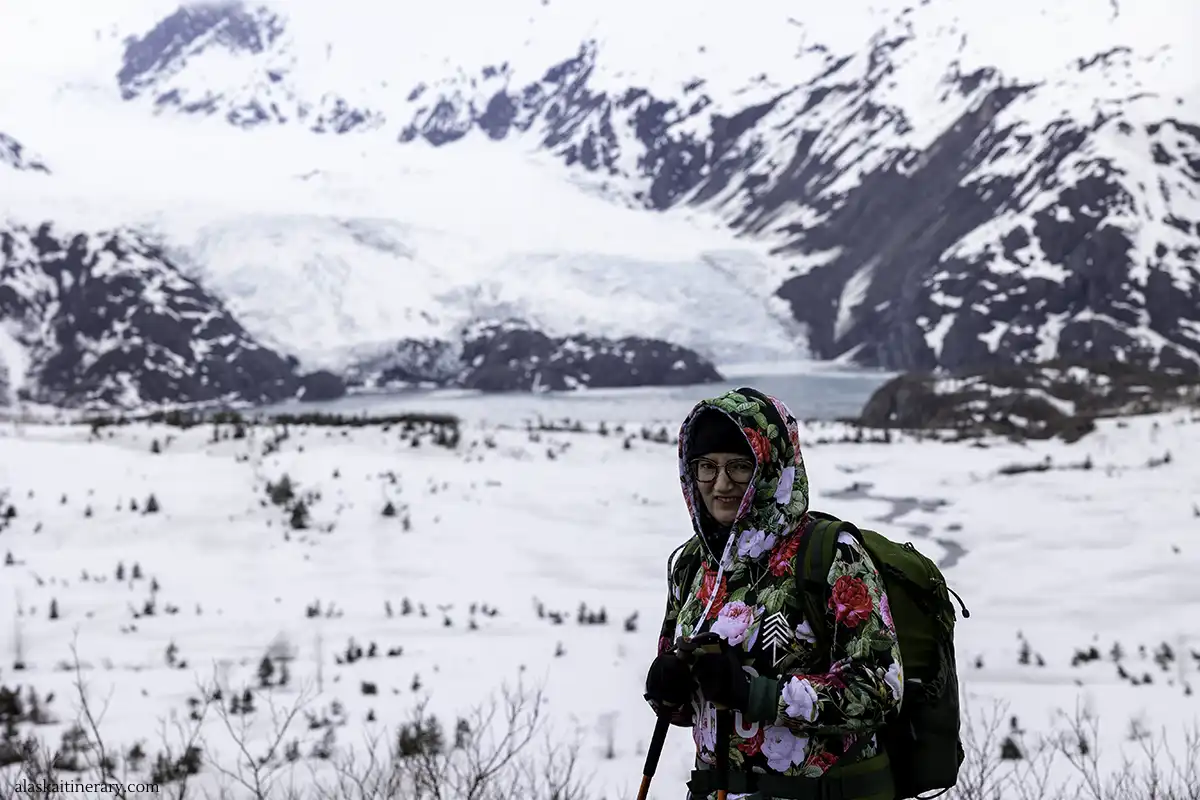
This time, luck was on our side. Despite the cold, the sun was shining brightly. We embarked on the Portage Pass hike, trudging through deep snow, which made the journey quite exhausting. But the stunning views more than made up for the effort. In the summer, when the snow has melted, this trail is much easier to navigate.
Below, we share our firsthand tips, observations, and photos from the Portage Pass Trail. Our experiences will help you plan your hike, ensuring you make the most of this beautiful trail. If you’re planning your trip, take a look at our Whitttier travel guide for a full overview of the best places and experiences.
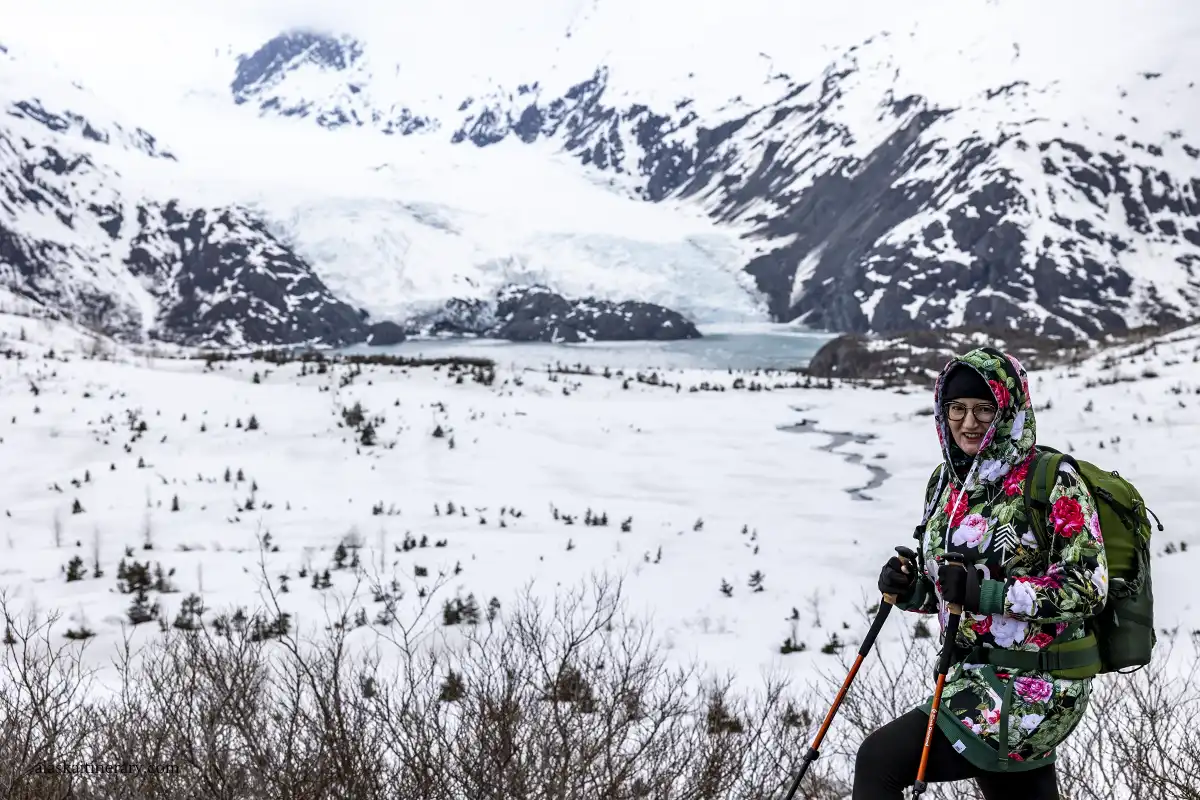
Portage Pass Trail Overview
- Trail Length and Difficulty Level: The Portage Pass Trail is an out-and-back hike of approximately 4.2 miles with an elevation gain of about 800 feet. It’s considered moderate due to the steep initial ascent.
- Elevation Gain and Terrain Description: The trail begins with a steep climb to Portage Pass, offering rocky and uneven terrain. The descent towards Portage Lake is less steep and more gradual. The elevation gain is about 800 feet.
- Time Required: 4 – 5 hours (go and back)
- Key Landmarks and Viewpoints: Notable viewpoints include the first lookout at Portage Pass and the shores of Portage Lake, providing stunning views of Portage Glacier and surrounding peaks.
- Fee Required: There is no parking or hiking fee, but a fee for driving the Whittier tunnel ($13 go and back for a regular car).
Where is the Portage Pass Trailhead Located?
The Portage Pass Trailhead is located in Whittier, Alaska. To reach the trailhead, you’ll travel through the Anton Anderson Memorial Tunnel, a one-way tunnel that alternates directions every half-hour. Trailhead is on right when coming from Anchorage side of tunnel.
After exiting the tunnel in Whittier, make an immediate right turn across the railroad tracks and follow the signs for forest and trail access. If you find yourself in downtown Whittier, you’ve missed the turn and need to backtrack. You can check the details on Google Maps below. Or use AllTrails.

Parking at the trailhead is limited. There isn’t a designated parking lot, so you may need to park at the Portage Pass Overflow Parking, which is 1/4 mile further, just before Whittier downtown, on the other side of the highway.
Another option is leaving your car at the Whittier Bay Campground, which adds an additional 1.4 miles to your hike. Be aware that the road to the trailhead can be rough, with large potholes, so drive with caution.
By following these directions, you can easily find the Portage Pass Trailhead and begin your hike, ready to explore the stunning landscapes that await.
Agnes’ Advice: You might be interested in details on how to get from Anchorage in Whittier. The Portage Pass hike is a great idea as aday trip from Anchorage, as it’s only 60 miles and 1.5 hours of driving. If you like glacier hiking consider also Matanuska Glacier hike.

Detailed Trail Description
Starting the Hike
The Portage Pass Trail begins at the trailhead in Whittier. It’s located in Chugach National Forest. From the moment you start, be ready for a workout. The trail starts with a steep ascent, climbing about 800 feet in the first 0.8 miles.
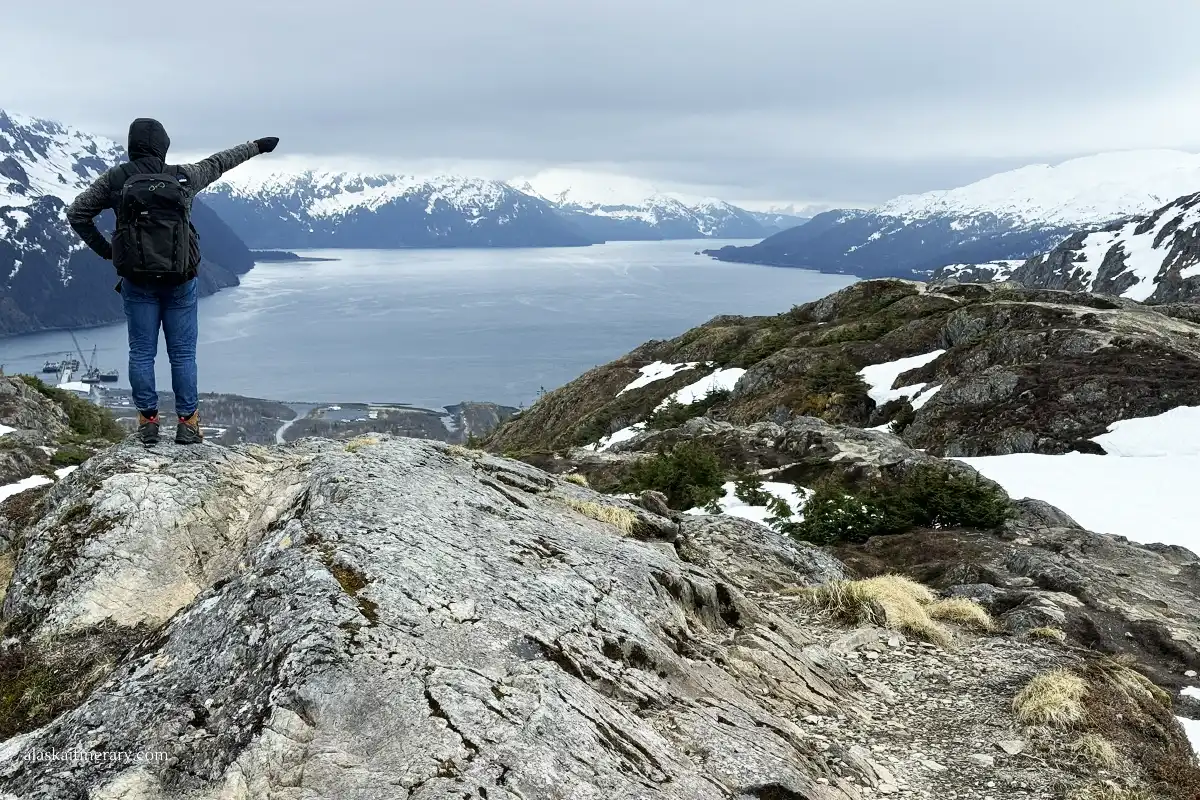
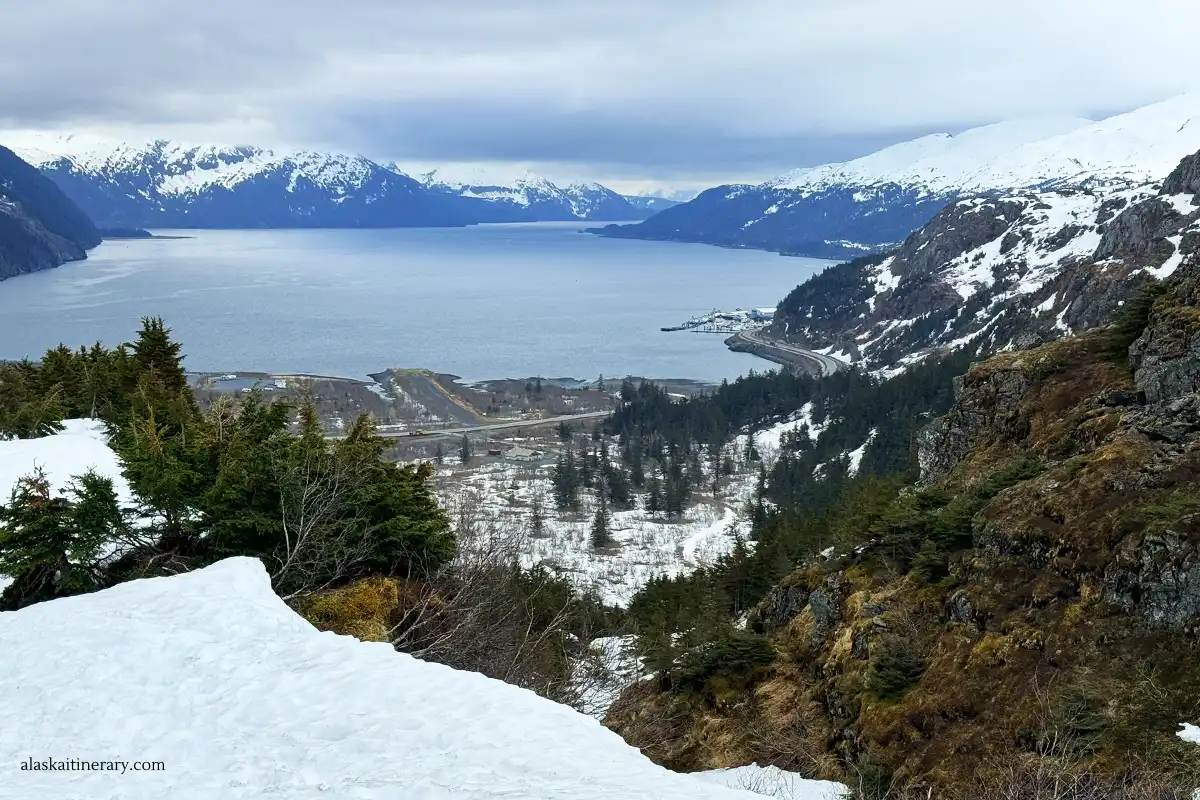
This part is rocky and can be challenging, but it offers stunning views of Passage Canal as you climb higher. Don’t forget to stop and take in the scenery as you catch your breath.
Reaching Portage Pass
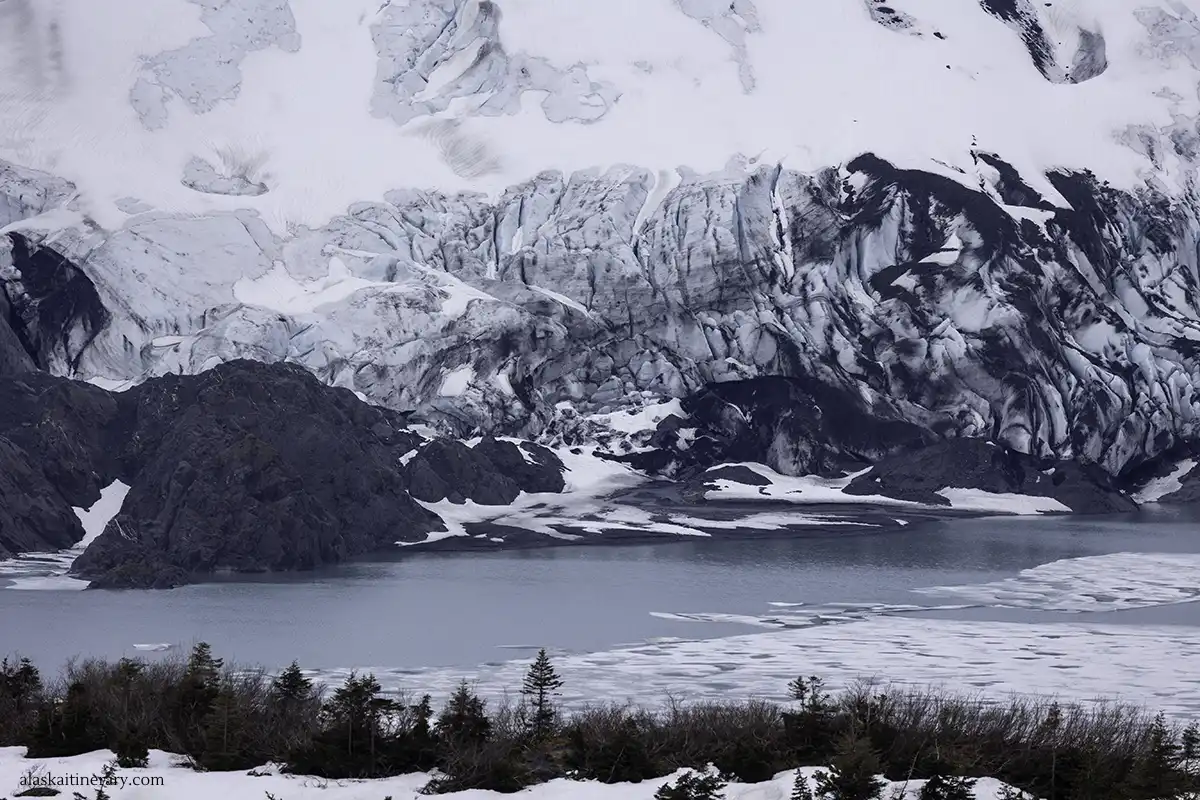
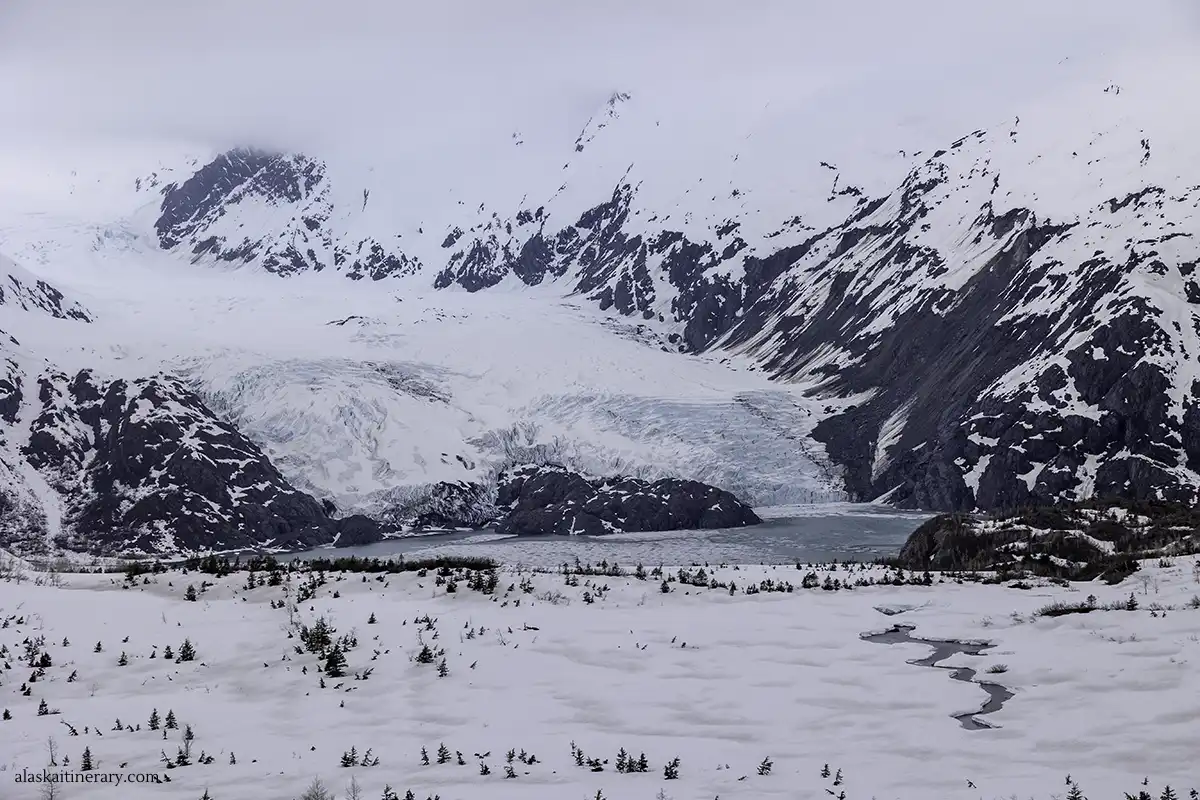
At the top of the initial climb, you’ll reach Portage Pass. This spot offers an incredible view of Portage Glacier and the surrounding mountains. It’s a perfect place for a break and some photos.
The glacier’s blue ice and the lake below are breathtaking, especially on a clear day when you can see for miles. This viewpoint makes the climb well worth the effort.
Continuing to Portage Lake
From Portage Pass, you can continue hiking down to the shores of Portage Lake. This section of the trail is about 1.5 miles long and descends gradually.
The trail here is easier and less rocky, winding through alpine meadows and patches of wildflowers in the summer. You’ll also pass by Divide Lake, a small but picturesque lake along the way.
At the Shore of Portage Lake
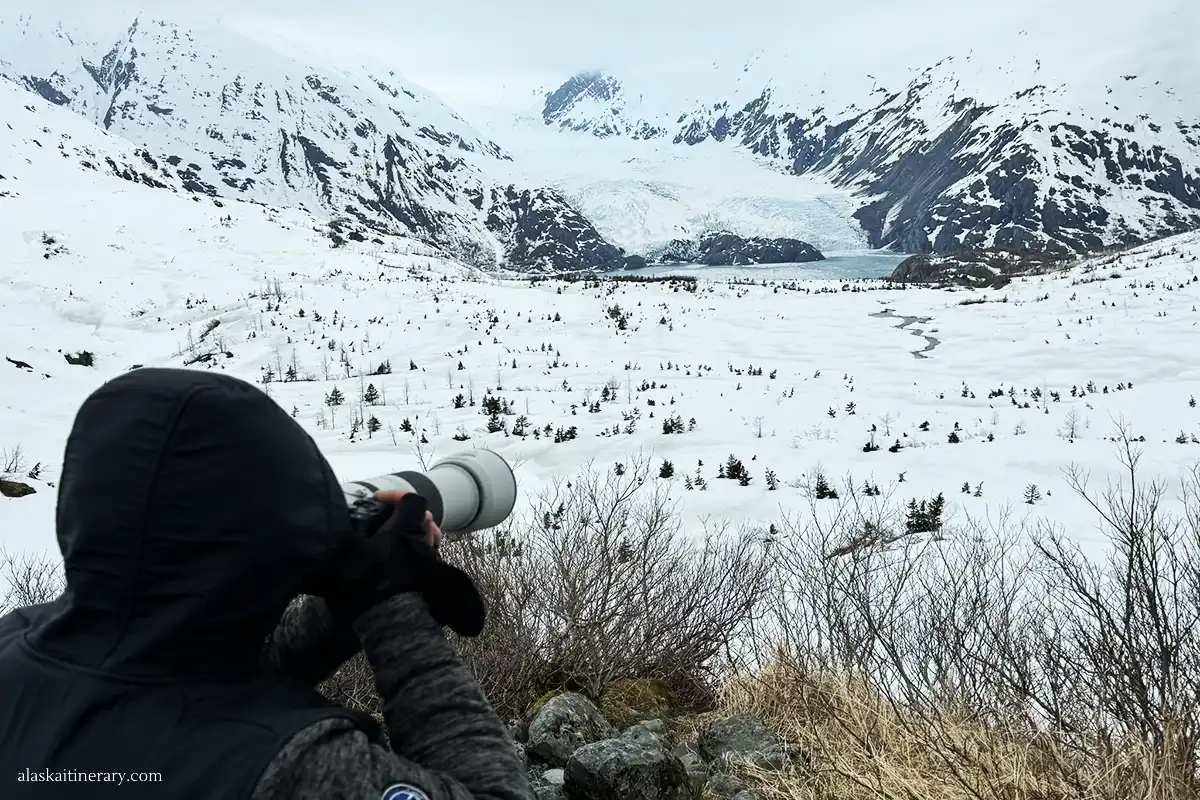
Reaching the shore of Portage Lake is the highlight of the hike. You can walk right up to the water’s edge and marvel at the glacier from a different perspective. The lake, formed by the melting glacier, is serene and offers another great photo opportunity. This spot is ideal for a picnic or just relaxing and enjoying the view.

Returning to the Trailhead
After soaking in the views and perhaps having a picnic by the lake, you’ll retrace your steps back up to Portage Pass and then descend the steep trail back to the trailhead.
The return hike is quicker since you’re going downhill, but remember to watch your footing on the rocky terrain. The descent can be tough on the knees, so take your time and enjoy the changing views as you go.
What to Bring
- Essential Gear and Clothing: Wear sturdy hiking boots, layered clothing, and a waterproof jacket. Bring a hat, gloves, and sunglasses for sun protection.
- Recommended Hiking Equipment: A daypack, and trekking poles are useful. Carry a bear spray for safety. Don’t forget your camera or binoculars.
- Water and Snacks: Bring at least a gallon of water and high-energy snacks like trail mix, fruits, and protein bars.
- Safety Items: A first aid kit, whistle, and headlamp are essential. Make sure your phone is fully charged, though service may be limited.
Agnes’ Advice: Check out our detailed article What to Pack for Your Alaskan Adventure based on our years of exploring Alaska.
When to Hike the Portage Pass Trail?
- Best Seasons and Times of Day: The ideal time to hike the Portage Pass Trail is during the summer and early fall, from June to September. During this period, the trail is typically snow-free and accessible.
- Weather Considerations: Check the weather forecast before you go. The weather can change rapidly, so be prepared for rain, wind, and cooler temperatures. It’s also advisable to check the FAA webcam for real-time conditions.
- Hiking in Spring: We hiked the Portage Pass Trail in mid-May when the snow was still deep, making the journey a bit challenging but definitely doable. The trail, blanketed in fresh, fluffy snow, added an extra layer of difficulty as we trudged through, but it also made for a picturesque and serene experience. Despite the cold, the sun was shining brightly, illuminating the stunning views of Portage Glacier and the surrounding mountains. For anyone planning a spring hike, it’s essential to be well-prepared for snowy conditions and potentially unpredictable weather.
Safety Tips
- Wildlife Awareness: Be aware of bears and moose. Keep a safe distance and make noise to avoid surprising wildlife.
- Weather and Trail Conditions: The weather can be unpredictable. Dress in layers and be prepared for sudden changes.
- Navigation and Trail Markings: The trail is well-marked, but having a map or GPS can be helpful, especially if visibility is poor.
- Hiking Etiquette and Leave No Trace Principles: Follow Leave No Trace principles. Stay on the trail, pack out all trash, and respect wildlife.
Hiking with Pets
- Rules and Recommendations for Dogs on the Trail: Dogs are allowed but must be kept on a leash. Clean up after your pet and ensure they do not disturb wildlife.
- Pet Safety Tips: Bring extra water for your dog, and keep them on a leash to prevent encounters with wildlife.
History of the Portage Pass Trail
As a huge fan of Whittier’s history, I would like to share with you some of the existing information about this trail’s history. It’s a unique trail. Here is why:
The Portage Pass Trail is one of the oldest sections of the Iditarod National Historic Trail, steeped in a rich history that highlights its importance to various cultures and activities over the centuries.
Indigenous Use and Early Exploration
For centuries, Alaskan Native cultures, particularly the Alutiiq people (Sugpiaq), utilized the Portage Pass to access Passage Canal. This trail was crucial for trade and communication, linking coastal and interior regions and facilitating cultural exchanges.
Russian Traders and Exploration
In the 18th and early 19th centuries, Russian traders explored and used the Portage Pass. It served as a vital route for transporting goods and furs between settlements, integral to the Russian-American trade system. The trail’s strategic location made it essential for the economic activities of the time.

Gold Rush Era and Settlement
In the late 1800s, Portage Glacier still covered what is now Portage Lake. During this period, prospectors and settlers crossed the glacier ice to reach Turnagain Arm, driven by the promise of gold and new opportunities. The Portage Pass became a significant route during the gold rush, aiding in the movement of people and supplies.
Modern Development
The early 20th century saw significant changes with the construction of the Anton Anderson Memorial Tunnel by the U.S. Army. Completed in 1943, this tunnel connected Whittier to the Seward Highway and Anchorage, enhancing public access to the trail. Whittier’s development as a strategic military port during World War II further underscored the trail’s importance.
Today, the trail is maintained for recreational use, offering hikers a glimpse into Alaska’s rich natural and cultural history. The stunning views of Portage Glacier, Portage Lake, and the surrounding mountains continue to attract visitors from around the world.
Meaning of Portage
The term “portage” refers to the practice of carrying watercraft or cargo overland between two bodies of water, originating from the French word “porter,” meaning “to carry.”
In the context of Portage Pass, the name reflects its historical use as a passageway where traders and travelers carried their goods across land to continue their journey by water.
Your Whittier Resources
If you plan a trip to Whittier, you might be interested in our related articles. We spent a lot of time in this charming city and its area, so we shared personal experiences and lots of tips.
- Best things to do in Whittier
- How to spend one day in Whittier? Itinerary for cruise passengers
- Review: 26 Glacier Cruise through Prince William Sound
- How to get from Anchorage to Whittier
- Alaska cruise from Whittier? Tips before booking your cruise
- Whittier facts and history
- Staying at a campground in Whittier
- How to visit Portage Glacier?
- Driving Whittier Tunnel – tips before you go.
Conclusion
Hiking the Portage Pass Trail in Whittier, Alaska, offers an extraordinary blend of breathtaking scenery and rich historical significance. This trail, one of the oldest sections of the Iditarod National Historic Trail, has served as a vital route for Alaska Native cultures, Russian traders, and Gold Rush prospectors. Today, it remains a testament to the enduring human spirit of exploration and adventure.
Preparation is key for a successful hike. Ensure you have the proper gear, check the weather conditions, and be ready for the ever-changing Alaskan environment. Remember to respect the natural beauty by following Leave No Trace principles, preserving this historic trail for future generations.
Do You Like It? Pin It For Later!