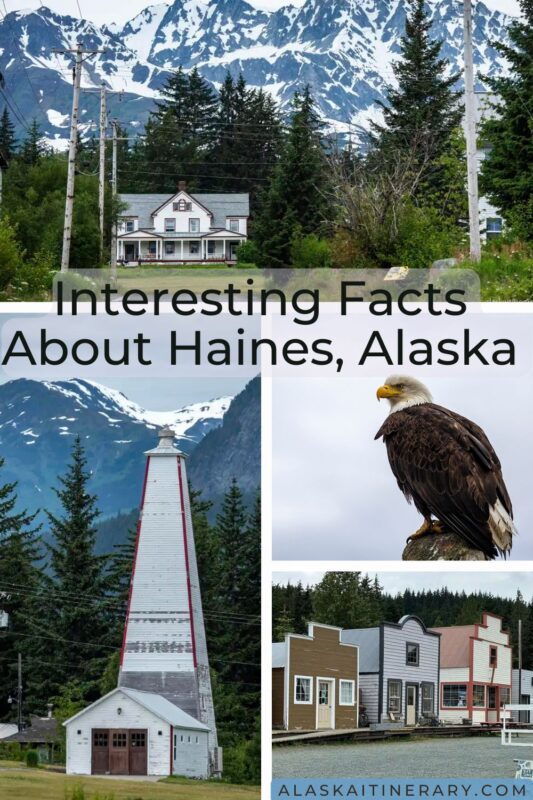
Interesting Facts and Numbers About Haines, Alaska

Haines, Alaska, is a small town, but it holds a significant place in the heart of Southeast Alaska. Known for its stunning landscapes, rich Tlingit heritage, and the largest concentration of bald eagles in the world, Haines offers both locals and visitors a glimpse into authentic Alaskan life. In this article, we’ll take a deep dive into the facts and statistics that define Haines—from its population numbers and economic figures to the wildlife population and tourism statistics.
This article may contain affiliate / compensated links. For full information, please see our disclaimer here.
Haines Facts: Our Experiences
Chris and I love exploring Alaskan towns and cities by diving deep into their stories. Before each visit, we make it a point to research thoroughly, and once we arrive, we often take guided local tours to learn even more about the area’s unique history and character.
Haines truly amazed us with its beauty and culture, so we decided to go beyond the surface and analyze the statistics and facts that shape this town. Here’s what we uncovered, and we’re excited to share these insights with you!
Whether you’re planning a visit or just curious about this unique town, you’ll find all the important data and insights right here. Let’s explore the numbers and facts that make Haines such a fascinating place to live and visit.


Your Haines Resources
If you plan to visit Haines, make sure to have a look at:
- Best things to do in Haines, including budget-friendly activities
- How to get to Haines? (plane, ferry, road, cruise)
- How to spend one day in Haines? (itinerary for cruise passengers)
- Top Haines Shore Excursions
- Visiting the Hammer Museum
- Where to stay in Haines: top hotels and campgrounds
- Exploring downtown Haines
- The History and Legacy of Fort William H. Seward
- Haines vs. Skagway – which one should you choose for your Alaska cruise itinerary?
Facts About Haines Geography and Climate
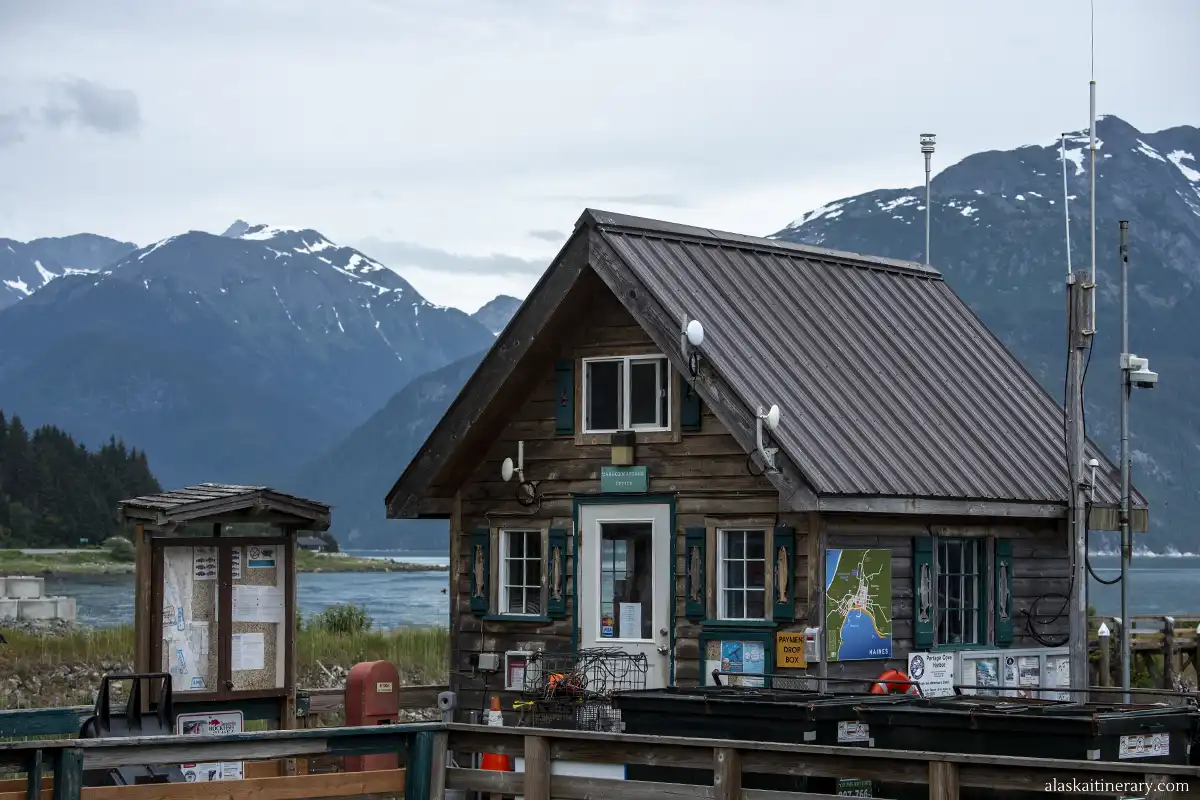
Let’s start with the geography of Haines, as the town’s location between the Chilkat River and the Lynn Canal has shaped its development and culture. Surrounded by towering mountains and natural waterways, Haines’ landscape is central to its identity, influencing everything from local industries to tourism. It’s one of the best Alaskan ports of call.
Location
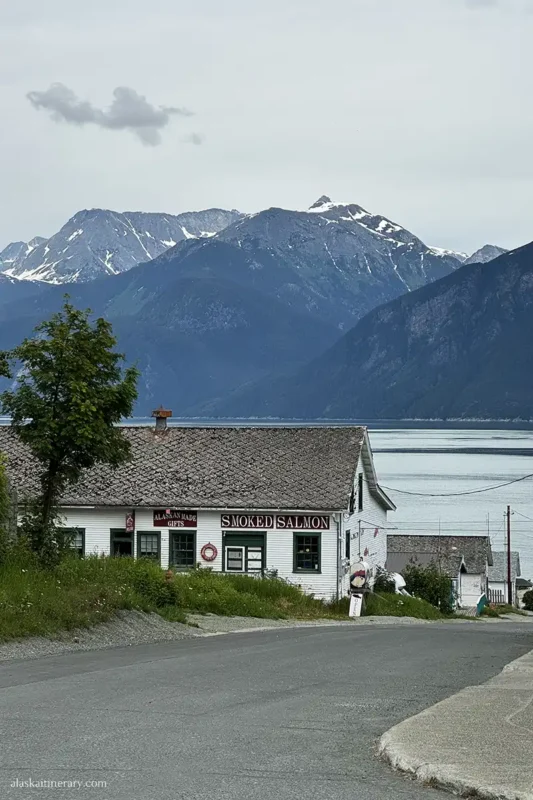
Haines is located on the Chilkat Peninsula, nestled between the Chilkat River and Lynn Canal, offering stunning views of mountains, glaciers, and waterways.
The town is situated about 90 miles north of Juneau, Alaska’s capital, and 17 miles south of Skagway by sea. The fact is that Skagway is a more popular port among cruise passengers along the Inside Passage route.
Although Skagway is relatively close, road access is only possible through Canada, so many travelers opt for the Alaska Marine Highway ferry or the seasonal Haines-Skagway Fast Ferry to travel between the two towns. This short ferry ride offers beautiful views of the Lynn Canal and is a popular way to explore both towns without the long drive.

Proximity to Natural Landmarks
Natural wonders like the Chilkat Bald Eagle Preserve and the Takshanuk Mountains border Haines. This location makes it a hub for outdoor activities like hiking, fishing, and wildlife viewing. The Lynn Canal, one of the longest fjords in the world, offers opportunities for marine wildlife sightings, including whales and sea lions.
Climate Overview
Haines experiences a humid continental climate. The town has milder winters than interior Alaska due to its coastal location. Summer temperatures typically range from 50°F to 65°F (10°C to 18°C), making it ideal for hiking and sightseeing. Winters are colder, with temperatures often falling below freezing, perfect for skiing and snowboarding. The town receives 50 to 80 inches of annual precipitation, with the most rainfall occurring in late summer and early fall.
Precipitation and Snowfall
The town’s rainy season peaks in August and September. Haines also experiences significant snowfall, especially at higher elevations, making it a popular destination for winter sports enthusiasts. Snow can accumulate heavily in the mountains, creating perfect conditions for skiing, snowshoeing, and heli-skiing during winter months.
Weather Variability
Due to its coastal location, Haines’ weather can change quickly. Visitors should always be prepared for sudden shifts, including unexpected rain or colder temperatures. Despite this, the diverse weather patterns allow for a variety of outdoor adventures year-round, from summer hiking to winter heli-skiing.
Haines Population Statistics
Haines is a small but vibrant community with an estimated population of 1,770 residents as of 2024. Over the past decade, the population has remained relatively stable, though it experiences slight seasonal fluctuations due to tourism and temporary workers during the summer months.
The town is home to a diverse community, including a large number of people with Tlingit heritage, along with other Native Alaskans and non-Hispanic white residents. Around 24% of the population identifies as Alaska Native, with the Tlingit people being the largest group.
Haines Wildlife and Conservation Facts
Haines is rich in wildlife, and conservation plays a crucial role in maintaining the natural balance. Here are some key numbers and facts about wildlife in the area:
Bald Eagle Population
- The Chilkat Bald Eagle Preserve spans 48,000 acres and is home to the world’s largest gathering of bald eagles.
- During the peak season, more than 3,000 eagles gather to feed along the Chilkat River, particularly during the fall salmon run from October through December.
- All -year, there are around 400 bald eagles in Haines.
- Each November, Haines celebrates the Alaska Bald Eagle Festival, which draws wildlife enthusiasts for guided eagle viewing, educational tours, and photography workshops focused on the largest gathering of bald eagles in the world. This festival offers a unique chance to learn about these majestic birds through the American Bald Eagle Foundation.

Bear Sightings
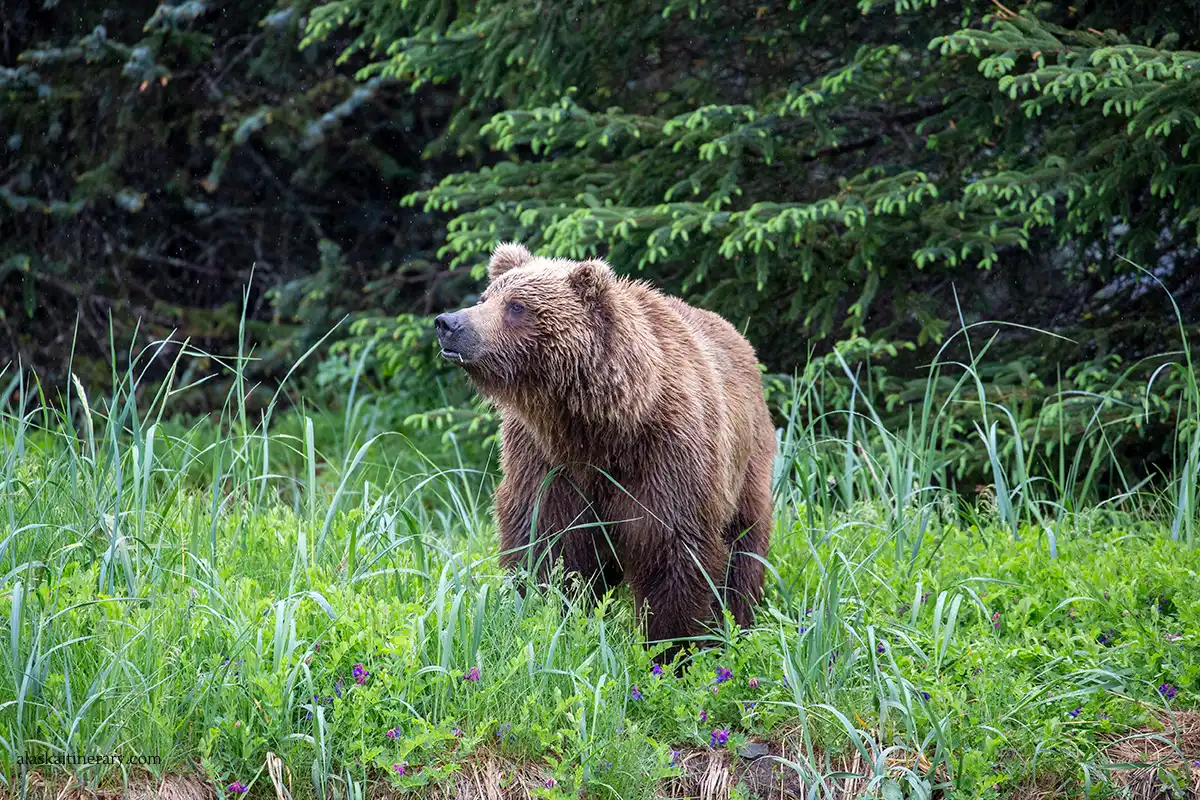
- Haines is known for its brown bear and black bear populations. The best time to see bears is during the salmon runs, particularly in areas like Chilkoot Lake State Park.
- The likelihood of seeing bears increases from early August through late September, when salmon are abundant.
Other Wildlife
- Beyond eagles and bears, Haines is home to moose, mountain goats, wolves, and various bird species. These animals are commonly seen in areas like Chilkat State Park and the surrounding forests.
Conservation Efforts
- Established in 1982, the Chilkat Bald Eagle Preserve was created to protect the eagle population and its habitat along the river.
- Haines is also adjacent to the Tongass National Forest, the largest national forest in the U.S., which supports a vast range of biodiversity.
Historical and Cultural Facts About Haines
Haines, Alaska, has a rich history and deep cultural roots that date back thousands of years. The area has been home to the Tlingit people for over 10,000 years, long before European explorers arrived. The Tlingit continues to have a significant presence in Haines today, with the nearby village of Klukwan serving as a cultural hub.
Tlingit Heritage
- Klukwan Village is one of the oldest Tlingit settlements in Alaska and is located just 22 miles from Haines. It’s home to the Jilkaat Kwaan Heritage Center, where visitors can learn about the Tlingit people’s history and view preserved totem poles and traditional art.
- The Tlingit people were renowned for their seafaring skills and trading routes, which stretched as far as British Columbia and the Pacific Northwest.

Fort William H. Seward
- Built in 1904, Fort William H. Seward was the first permanent U.S. Army post in Alaska. It was constructed during the Klondike Gold Rush to maintain order along the border between Alaska and Canada.
- At its height, the fort housed over 400 soldiers. It was decommissioned in 1947 and eventually sold to private owners who converted the buildings into homes, galleries, and businesses.

The Klondike Gold Rush
- Haines played a significant role during the Klondike Gold Rush in the late 1890s. The Dalton Trail, a trading route used by the Tlingit, became a major path for prospectors heading to the Yukon goldfields.
- Haines became a supply center for miners, with an estimated 30,000 gold seekers passing through during the peak of the gold rush.
Cultural Preservation
- Haines is also known for its focus on Native Alaskan arts. Institutions like Alaska Indian Arts, located in Fort William H. Seward, continue to preserve and promote traditional Tlingit art, including totem pole carving and Native dances.
- The Southeast Alaska State Fair, held annually in Haines, celebrates local culture, with exhibitions showcasing traditional crafts, art, and agricultural achievements.
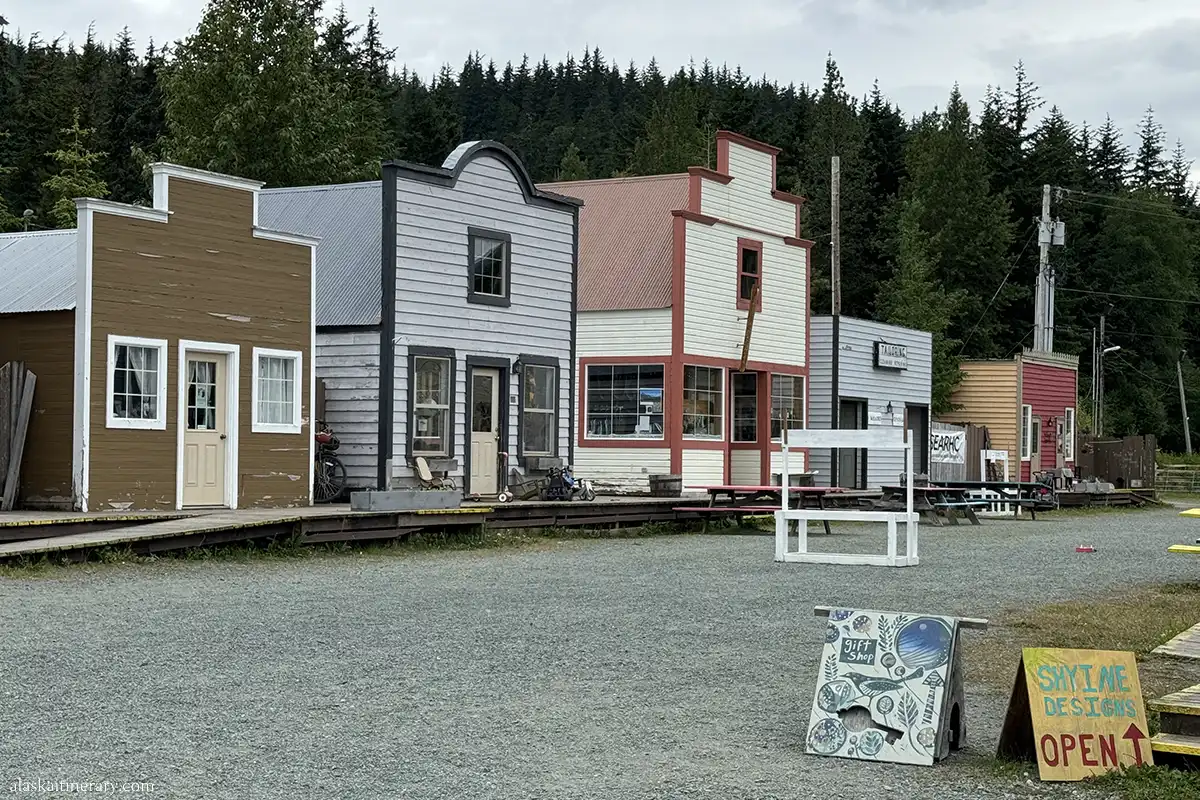
- The Disney movie White Fang, released in 1991, was filmed entirely in Haines, making it one of the best movies filmed in Alaska. The town’s rugged landscapes and remote wilderness served as the perfect backdrop for the film’s setting during the Klondike Gold Rush. Visitors can still explore some of the sites where the movie was filmed, particularly at Dalton City. It’s a recreated frontier town originally built for the film at the Southeast Alaska State Fairgrounds.
Economy and Employment
Here are some facts about the economic situation in Haines.
- Haines welcomes around 50,000 visitors annually, many of whom arrive by cruise ship or ferry.
- Although Haines is less frequented than other major cruise ports like Juneau or Skagway, it still receives an estimated 30,000 cruise ship passengers each year. The town’s quieter atmosphere and unique attractions make it an appealing stop for those looking to escape the busier ports.
- Approximately 30% of jobs in Haines are related to tourism, and seasonal employment peaks during the summer.
- Commercial fishing also plays an important role in the local economy. The surrounding waters are rich in salmon and halibut, with many local families relying on fishing for their livelihoods. Haines is home to several commercial fishing operations and seafood processing facilities.
- Government services, including local government, education, and healthcare, are another significant source of employment.
- The median household income in Haines is approximately $69,612, which is slightly below the state average but above the national average. This figure reflects the blend of seasonal tourism work and more stable government employment.
Due to its isolated location, Haines faces challenges common to remote Alaskan towns, including a limited year-round economy, seasonal fluctuations in employment, and high costs for goods and services.
Facts About Haines, Alaska: Final Thoughts
Haines is a small town with a big story to tell. Its natural beauty, rich wildlife, and deep-rooted history make it a standout destination in Alaska. The town’s economy thrives on tourism, fishing, and local services, while its population stays connected to its Native heritage and love for the outdoors.
Whether you’re exploring the Chilkat Bald Eagle Preserve or enjoying the local culture, Haines has something special to offer. By understanding the facts and numbers behind Haines, you can appreciate why this town remains a must-visit spot in Alaska.
If you are interested in facts, numbers, and statistics check out our related articles:
- Discovering the Last Frontier: Number And Facts About Alaska
- Fascinating Figures and Facts About Juneau, Alaska’s Capital
- Facts about Icy Strait Point
- Statistics and Facts about Ketchikan which is worth to know
- Discovering Facts About Sitka, Alaska
- Discovering Skagway Facts
- Facts About Fairbanks, Alaska: History, Geography, and More
Do You Like It? Pin It For Later!