Facts about Icy Strait Point

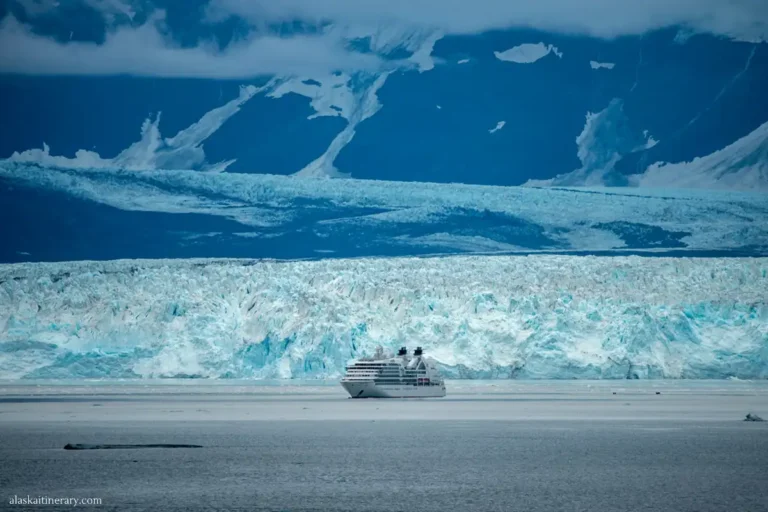
Did you know that Icy Strait Point is one of the best whale-watching spots in Alaska? This location is famed for its marine life, rich Tlingit culture, and breathtaking natural scenery. Our article contains more exciting facts about Icy Strait Point. Discover why this destination is a must-visit for nature lovers and cultural explorers. Join us to learn the fascinating details that make Icy Strait Point a unique and captivating place.
This article may contain affiliate / compensated links. For full information, please see our disclaimer here.
Your Icy Strait Point Resources
This article focuses on the intriguing facts of Icy Strait Point, covering historical, geographical, and cultural aspects. However, this is just a glimpse of what we offer. For those visiting this magnificent Alaskan port of call, we recommend our related posts, which will help you plan your trip:
- One Day in Icy Strait Point: Itinerary for Cruise Passengers: Maximize your visit with our tailored itinerary.
- Free Things to Do in Icy Strait Point: Explore without breaking the bank with our guide to free activities.
- Whale Watching in Icy Strait Point: Tour Review: Get insights into the best whale-watching experiences.
- The Best Icy Strait Point Shore Excursions: Discover top-rated tours and activities for your trip.
- Is the Skyglider Gondola at Icy Strait Point Worth the Ride?
- Tribal Dance & Cultural Legends at Icy Strait Point: Is It Worth It?
Ensure you check out these detailed articles to fully prepare for your stop at Icy Strait Point during your Alaskan cruise adventure. But now, let’s dive deeper into this port’s facts.
What is Icy Strait Point, Alaska, known for?
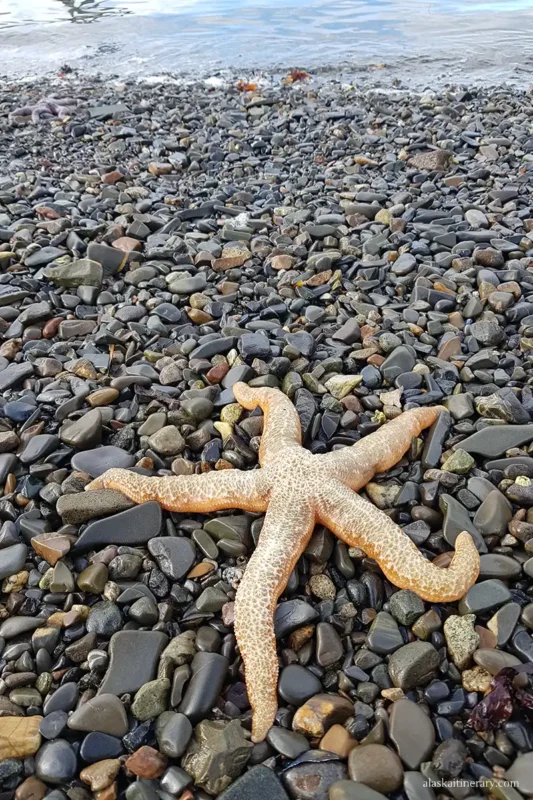
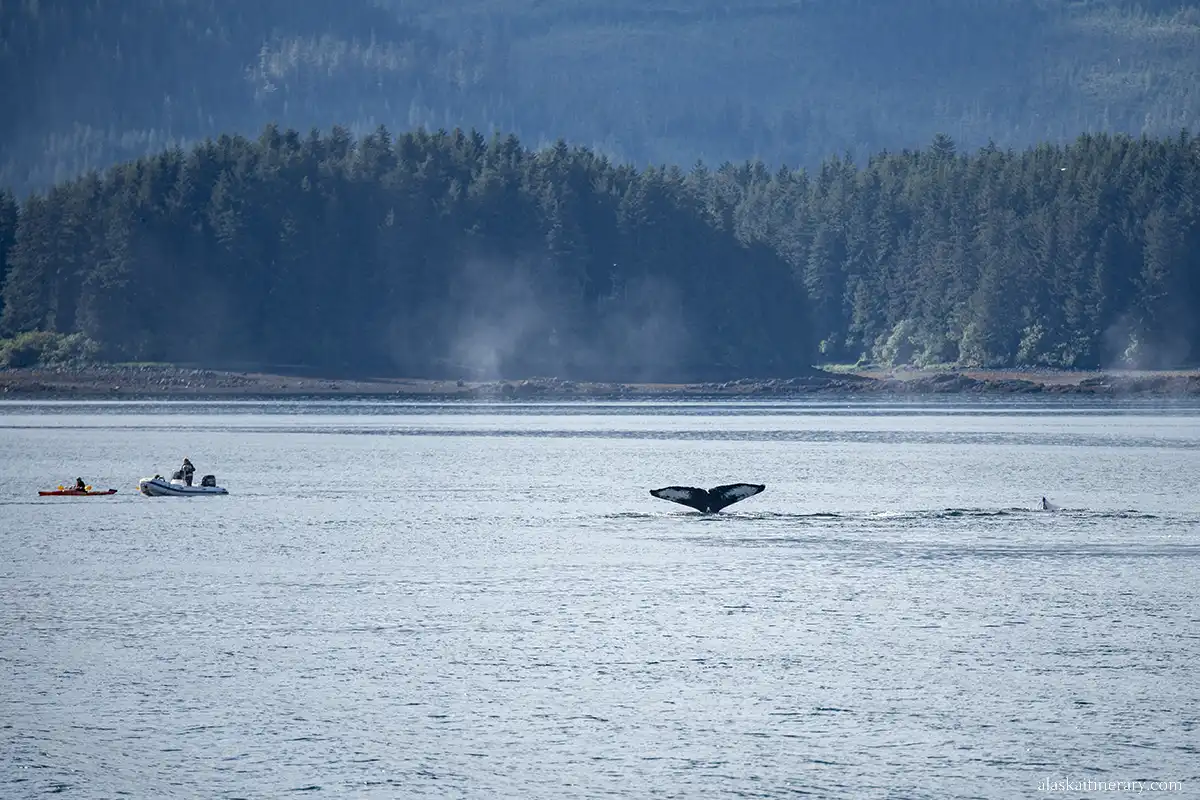
Icy Strait Point is famed for its exceptional wildlife viewing, particularly orca and humpback whale watching. This Alaskan spot is a haven for whale watching, offering some of the best sightings in the world.
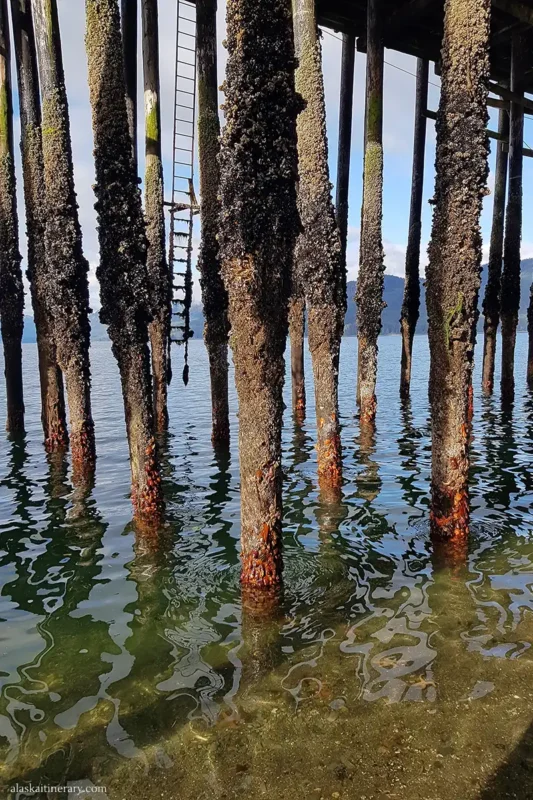
But whales aren’t the only attraction. The area is also known for its cultural richness, being home to the Tlingit people. To dive deep into local history and traditions, you can explore the historic cannery, now a museum.
The world’s largest ZipRider offers thrilling views over the pristine wilderness, making it a must-try adventure. With its blend of natural beauty and cultural experiences, Icy Strait Point stands out as a premier cruise destination in Alaska.
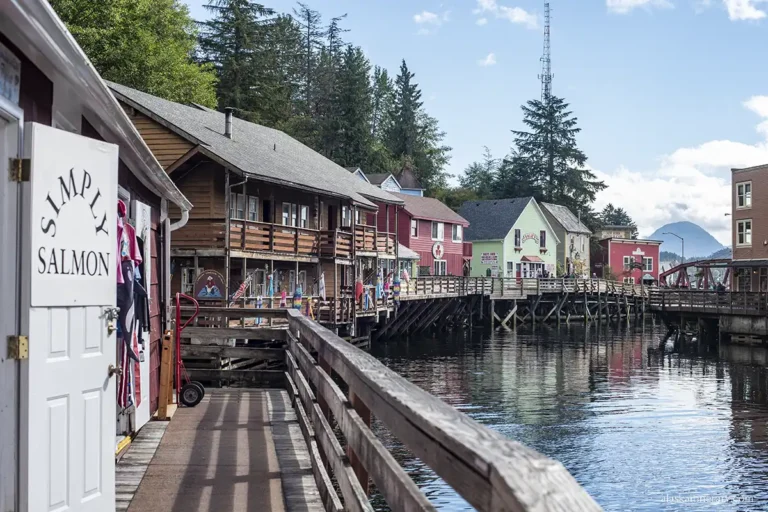
Icy Strait Point has an entirely different character than the typical Alaskan towns in Inside Passage. You won’t find historic buildings or typical downtown here like in Skagway, Ketchikan, Juneau, or Sitka.
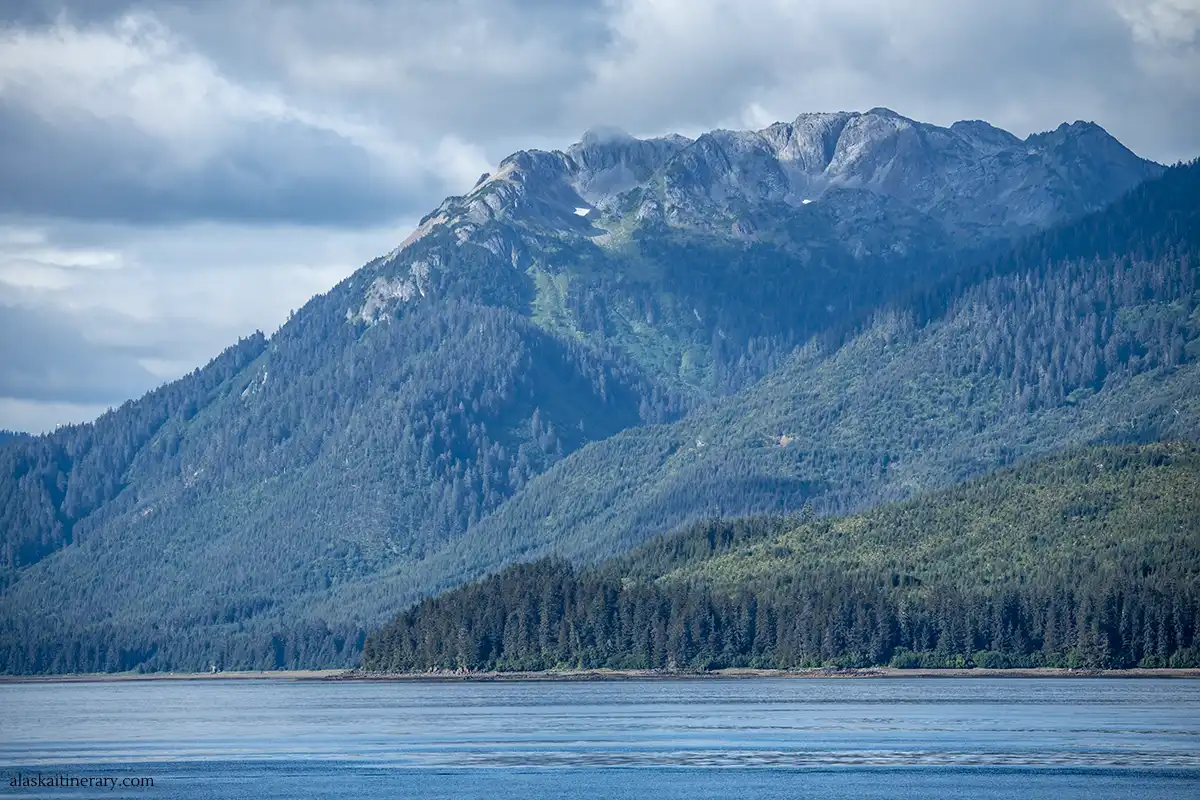
Icy Strait Point is a port built for cruise tourism and is somewhat of an amusement park. But it charmed us. Its location among pristine Alaskan nature makes this place unique.

Geography and Demographics: Facts about Icy Strait Point
What is Icy Strait Point?
Icy Strait Point is a privately owned port and tourist destination in Alaska. It’s known for its natural beauty, wildlife viewing, and cultural experiences related to the Tlingit people. It is the only privately owned cruise destination in Alaska.
It’s located in Southeast Alaska, near the village of Hoonah on Chichagoff Island, close to Glacier Bay National Park.
Developed as a cruise port, it features attractions like the world’s largest ZipRider, wildlife tours, and a restored historic cannery.

Is Icy Strait Point the same place as Hoonah?
No, Icy Strait Point is not the same as Hoonah. It is a cruise port. It is close to Hoonah, just 1.5 miles away, which is the largest Tlingit village in Alaska and serves as the gateway to Icy Strait Point. Check out: Things to do in Hoonah.
How many people live in Icy Strait Point?
Icy Strait Point doesn’t have a permanent population; it’s primarily a seasonal tourism hub. The port is open only during Alaska cruise season. In contrast, Hoonah, the nearby town, has a population of approximately 760 residents, many of whom work in the tourism industry supporting Icy Strait Point.
Who built Icy Strait Point?
The Huna Totem Corporation, representing local Tlingit interests, developed Icy Strait Point. It was created to boost local tourism and provide economic opportunities while showcasing the area’s natural beauty and Tlingit culture.
This initiative started in the late 1990s with the vision of transforming the old Hoonah Packing Company cannery into a cultural and tourist center. The project aimed to benefit the local community economically and preserve its cultural heritage. Icy Strait Point was first opened for cruise ships in 2004.
The corporation worked closely with cruise lines to develop Icy Strait Point as a unique destination for cruise ship passengers. The corporation partnered with major cruise lines, such as Royal Caribbean, Celebrity Cruises, Norwegian Cruise Line, Holland America, and Regent Seven Seas Cruises.
They tailored the site to offer an authentic Alaskan experience, showcasing the region’s wildlife, pristine natural landscapes, and the rich history and culture of the Tlingit people. This development has made Icy Strait Point a model for sustainable tourism, balancing economic growth with cultural integrity and environmental conservation.
The collaboration with major cruise lines has been crucial in promoting Icy Strait Point as a key stop on Alaskan cruise routes. It’s boosting the local economy and providing employment opportunities for the residents of Hoonah.

Historical Facts about Icy Strait Point
Icy Strait Point and Hoonah share a rich history and cultural connection, making their story fascinating. Here are some key facts highlighting their intertwined past and present:
- Connected Histories. The closely linked histories of Icy Strait Point and Hoonah are deeply rooted in both places in Tlingit heritage and the evolution of the local economy.
- Tlingit Homeland. The Huna Tlingit have inhabited this region for centuries. They originally lived in Glacier Bay before relocating to what is now Hoonah due to glacial movements.
- Economic Beginnings. Establishing the Northwest Trading Company’s first store in 1880 marked the start of Hoonah’s development as a trading and economic center.
- Cannery Era. In 1912, the Hoonah Packing Company opened a cannery north of Hoonah, laying the groundwork for what would become Icy Strait Point. The cannery closed in 1953.
- Community Resilience. Following a catastrophic fire in 1944, the cannery became a shelter for Hoonah’s residents, illustrating the community’s resilience and the cannery’s central role in local life.
- Tourism Transformation. In the 1990s, the Huna Totem Corporation purchased the cannery and transformed it into Icy Strait Point, a major tourist destination celebrating the region’s natural beauty and Tlingit culture.
- Local Employment. Over 80% of Icy Strait Point’s staff are from Hoonah, showcasing the strong employment ties and economic impact on the local community.

Final Thoughts
Icy Strait Point, the facts speak for themselves – the place was created to develop cruise tourism in the area and thus economically support local communities, especially Hoonah.
However, its location and attractions are beautiful, which is why it is worth choosing a cruise itinerary with this port on the list. We liked it so much that we went there twice and we are considering visiting it again. So, check out our Icy Strait Point itinerary and enjoy your time in this port!
If you like facts about the destination that you plan to visit, discover more in our related articles:
- The most exciting Alaska facts
- Juneau Facts
- Ketchikan Facts
- Facts about Skagway
- Sitka Facts
- Fairbanks Facts
- Facts about Haines
- Facts about Fairbanks
Do You Like It? Pin It For Later!