
December 2, 1980: How ANILCA Reshaped Alaska Forever

December 2, 1980 stands as one of the most important dates in Alaska’s history. On this day, President Jimmy Carter signed the Alaska National Interest Lands Conservation Act (ANILCA), a landmark decision that protected more than 100 million acres of wilderness. No other law in the United States has ever safeguarded so much land at once. ANILCA reshaped the map of Alaska. It created new national parks, expanded existing ones, established wildlife refuges, and secured vast stretches of public land for future generations. Many of the places we explore today—including some of Alaska’s most iconic national parks—exist because of this single act. This article breaks down what happened on December 2, 1980, why the act was necessary, and how ANILCA continues to influence every traveler who visits Alaska today.
This article may contain affiliate / compensated links. For full information, please see our disclaimer here.
Our Experiences
Understanding ANILCA helps explain why Alaska travel works the way it does today, from access and infrastructure to land use, conservation, and travel limitations that affect trip planning.
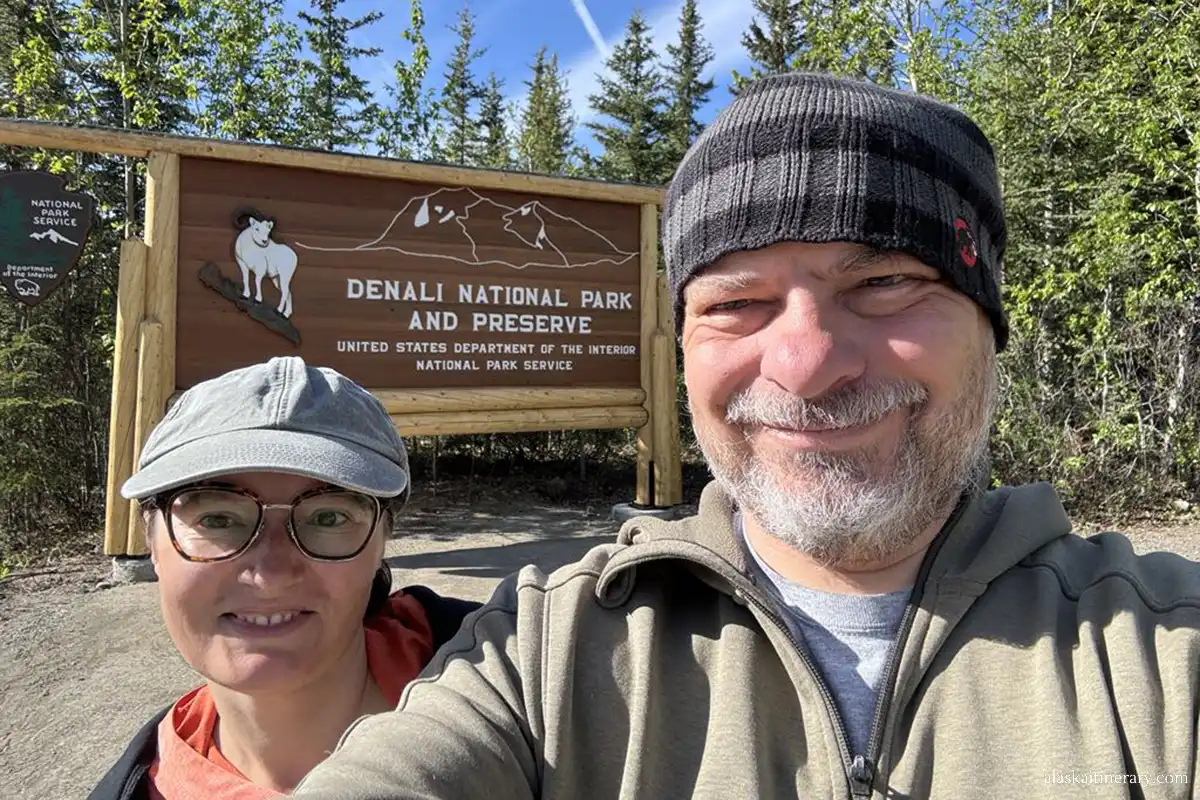
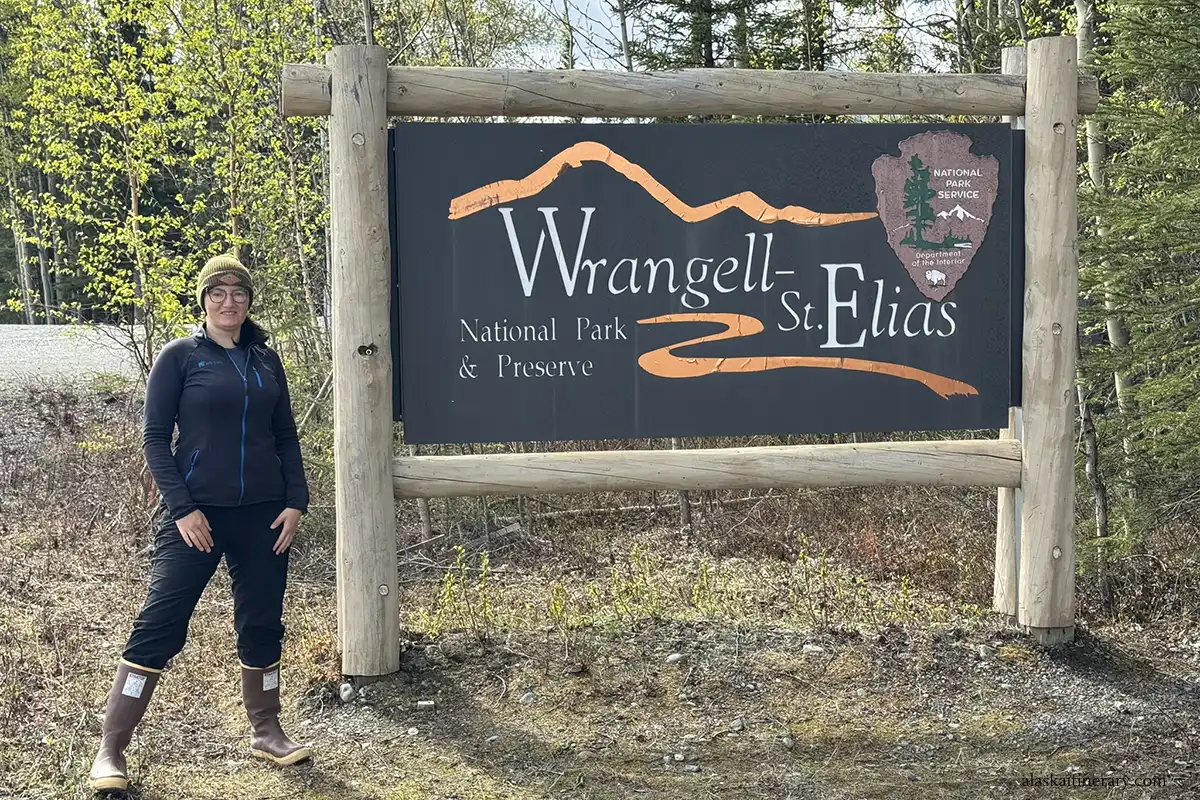
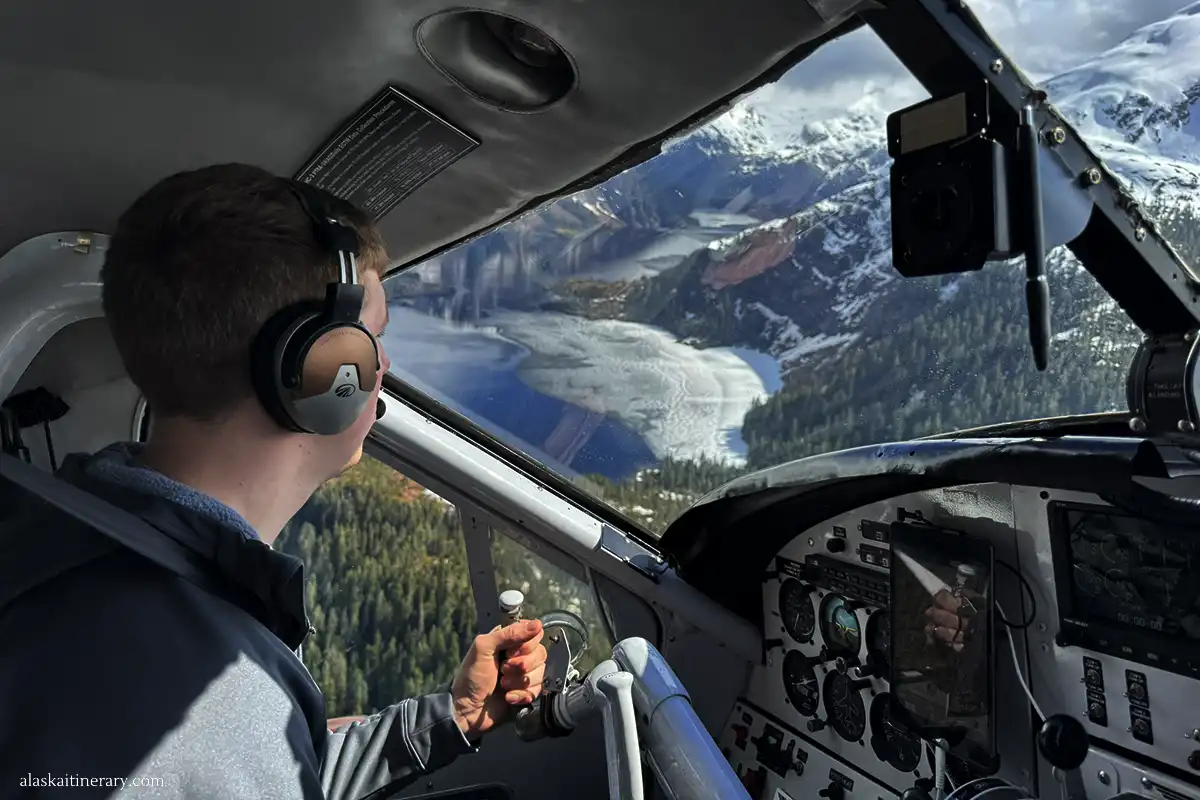
Over the years, Chris and I have explored many of the places protected or expanded by ANILCA. We’ve stood in the quiet valleys of Gates of the Arctic, watched brown bears catching salmon in Katmai, admired whales in Kenai Fjords, cruised past the towering ice walls of Glacier Bay, and hiked across the vast wilderness of Wrangell–St. Elias.
So far, we’ve had the chance to explore seven of the eight Alaska national parks created or expanded by ANILCA, along with many other protected units across the state.
Each visit reminds us that these landscapes remain wild and accessible because of the protection granted on December 2, 1980.
ANILCA isn’t just a historical milestone for us. It shaped the national parks and public lands we return to again and again. When we look back at our travels—from glacier fjords to remote mountain basins—we see how this single act continues to influence every Alaska adventure we take.
What Is ANILCA?
The Alaska National Interest Lands Conservation Act, known as ANILCA, is the largest land-protection law in American history. President Jimmy Carter signed it on December 2, 1980, after years of debate about how Alaska’s public lands should be managed following the Alaska Native Claims Settlement Act of 1971 (ANCSA).
ANILCA protected more than 100 million acres across Alaska. The act expanded the National Park System, created new national parks, designated new wildlife refuges, established wilderness areas, and secured important rivers through the Wild and Scenic Rivers System.
The goal was clear: protect Alaska’s most valuable natural, cultural, and ecological resources while still allowing for responsible access and traditional uses. This balance remains at the heart of ANILCA today.

Why December 2, 1980 Matters
December 2, 1980 became a turning point in Alaska’s history. After years of political debate, public hearings, and tension between conservation groups, Alaska residents, and the federal government, President Jimmy Carter signed ANILCA and settled one of the most complex land-management questions in the United States.
This date matters because it finalized decisions that had been unresolved since Alaska became a state in 1959. It determined which lands would be protected long-term and which would remain open for development. It also secured permanent protections for many places that had only been temporarily safeguarded under Carter’s emergency designations in 1978.
For Alaska, December 2, 1980 marked the moment when millions of acres received clear legal status. The signing ended a decade of uncertainty and set the foundation for how Alaska’s public lands would be managed, accessed, and preserved for generations.

What ANILCA Created
ANILCA reshaped Alaska’s map. It expanded several existing parks, created new ones, and permanently protected many lands that had been under temporary status. The scope of these changes remains the largest in U.S. conservation history.
New National Parks Created by ANILCA
ANILCA added or expanded a group of national parks and preserves that define modern Alaska travel. Each unit protects an entire ecosystem, from Arctic mountains to coastal fjords.
• Wrangell–St. Elias National Park and Preserve
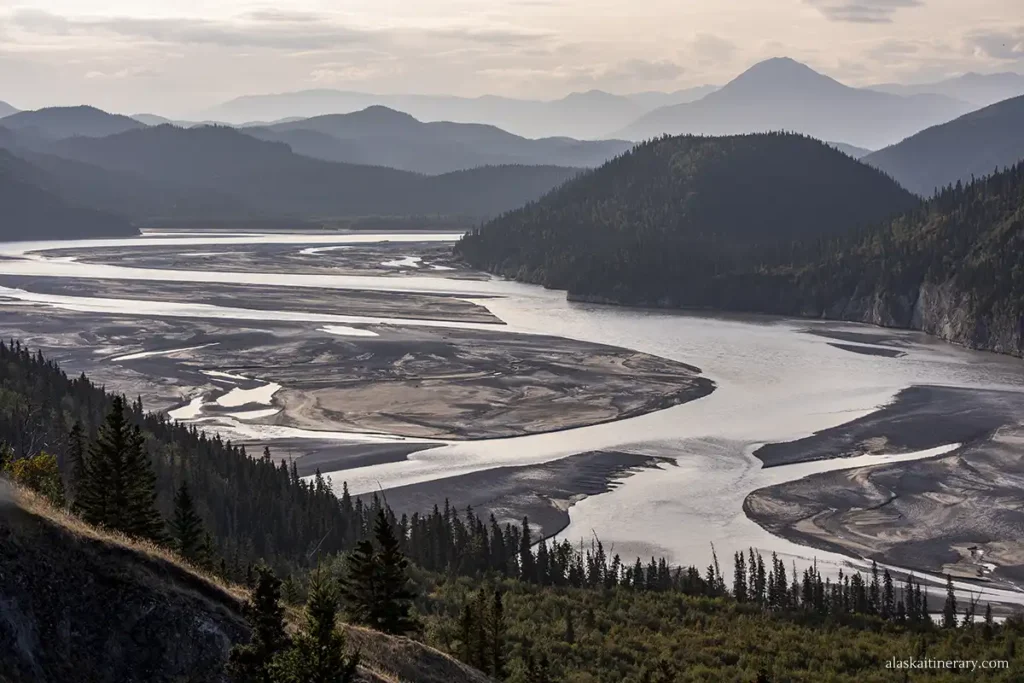
This is the largest national park in the United States, covering 13.2 million acres. It protects huge volcanoes, active glaciers, and important historic sites such as the Kennecott Mines.
• Gates of the Arctic National Park and Preserve
This park protects a completely roadless Arctic wilderness. It includes major portions of the Brooks Range and preserves critical habitat for the Western Arctic Caribou Herd.
• Kenai Fjords National Park
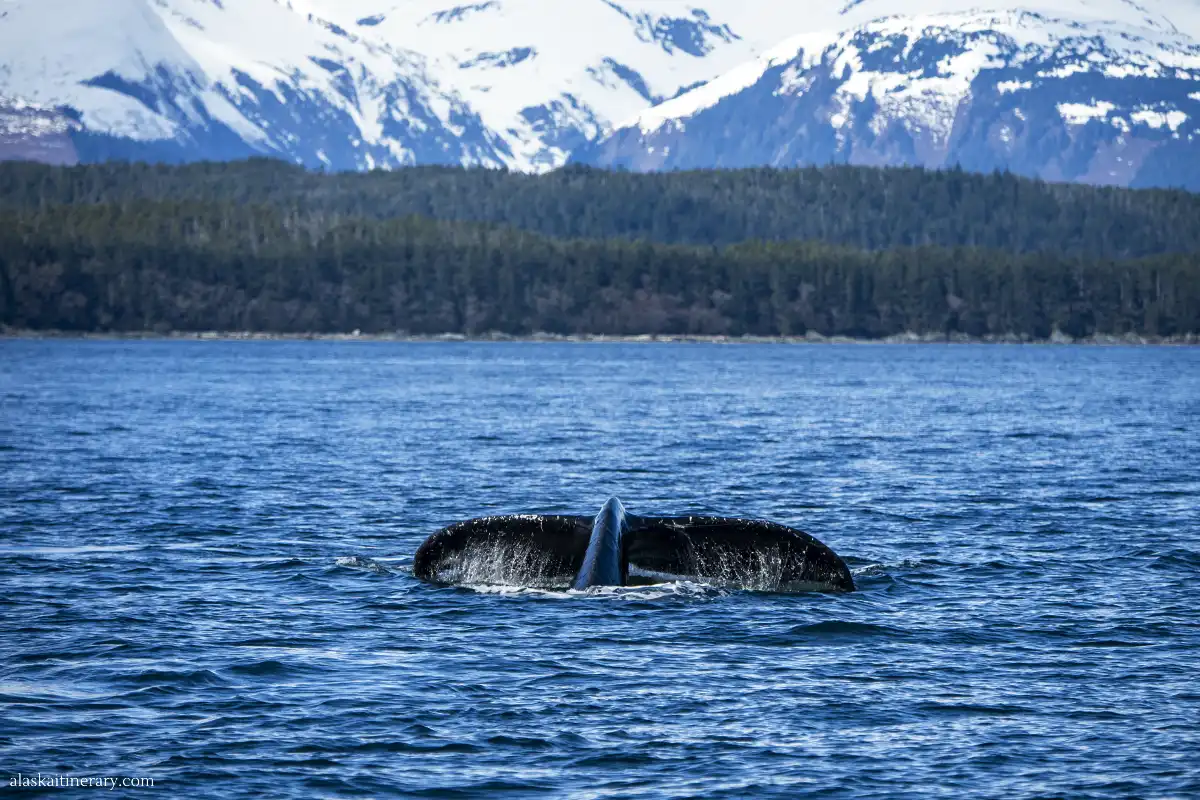
The park protects the Harding Icefield, one of the largest icefields in the United States. It also safeguards rich marine waters that support whales, sea otters, seals, and seabird colonies, which can be admired during glacier and wildlife cruises.


• Kobuk Valley National Park
This park protects the Great Kobuk Sand Dunes, the largest active Arctic dune field. It also safeguards part of the caribou migration route used by the Western Arctic Caribou Herd.
• Lake Clark National Park and Preserve
The park protects salmon-rich rivers that support Bristol Bay’s world-class salmon fishery. Lake Clark also includes volcanoes, glaciers, and important brown bear habitat.
• Katmai National Park and Preserve (redesignated and expanded from Katmai National Monument)
The park preserves the Valley of Ten Thousand Smokes, created by the 1912 Novarupta eruption. It also protects world-famous brown bear feeding areas along Brooks River at Brooks Falls.


• Glacier Bay National Park and Preserve (redesignated and expanded from Glacier Bay National Monument)
Glacier Bay protects tidewater glaciers, deep fjords, and productive marine ecosystems. It is also a UNESCO World Heritage Site, recognized for its dramatic glacial landscape.
• Denali National Park and Preserve (redesignated from Mount McKinley National Park)
ANILCA expanded the park to its current 6.1 million acres. Denali National Park protects the Alaska Range, wide tundra valleys, and habitat for Dall sheep, wolves, moose, and grizzly bears.

National Monuments Established or Confirmed by ANILCA
ANILCA also established or confirmed several national monuments across Alaska. These monuments were first proclaimed by President Jimmy Carter in 1978 to prevent resource development on sensitive lands.
ANILCA made their status permanent, clarified their boundaries, and placed them under long-term federal protection. Each monument protects unique geological features, cultural sites, or entire ecosystems.
• Aniakchak National Monument
This monument protects the 6-mile-wide Aniakchak Caldera, one of the most dramatic volcanic landscapes in Alaska. It also preserves remote tundra, rivers, and habitat for brown bears and caribou.
• Cape Krusenstern National Monument
This area contains one of the richest archaeological districts in Alaska. It protects more than 5,000 years of human history documented in beach ridges, ancient dwellings, and cultural sites along the Chukchi Sea coast.

• Admiralty Island National Monument
This monument protects old-growth temperate rainforest and one of the highest densities of brown bears in the world. It also safeguards important Tlingit cultural sites and the productive waters around Seymour Canal.
• Misty Fjords National Monument
Misty Fjords protects steep glacier-carved cliffs, narrow fjords, and old-growth forest in Southeast Alaska. Its sheer rock walls rise thousands of feet above the ocean and support rich marine and bird life.
These monuments add another layer to ANILCA’s conservation legacy. They protect landscapes and cultural resources that fall outside typical park boundaries but remain essential to Alaska’s history and ecology.

National Wildlife Refuges
ANILCA created or expanded nine national wildlife refuges. These areas protect key habitats for caribou, brown bears, migratory birds, and marine wildlife. In total, ANILCA added more than 50 million acres to the refuge system in Alaska.
The most prominent refuges include:
- Arctic National Wildlife Refuge, now more than 19 million acres
- Yukon Delta National Wildlife Refuge, one of the world’s largest river-delta refuges
- Yukon Flats National Wildlife Refuge, a vital wetland for millions of migratory birds
Wilderness Areas
The act designated more than 56 million acres as federal Wilderness, making Alaska home to the largest continuous wilderness network in the United States. These areas offer the highest level of protection.
Some of the largest Wilderness units include:
• Gates of the Arctic Wilderness, which protects vast Arctic valleys and peaks
• Wrangell–St. Elias Wilderness, the largest designated Wilderness in the country
• Denali Wilderness, which surrounds the Denali Park Road corridor
Large Wilderness areas also exist inside several national wildlife refuges, preserving remote tundra, rivers, and mountains.
Wild and Scenic Rivers
ANILCA added 26 rivers to the National Wild and Scenic Rivers System. These designations keep river corridors free from dams and major development.
Important protected rivers include the Alatna River, the Charley River, and the Noatak River system. These rivers offer some of the most remote raft and float opportunities in the country.

Other Protected Lands
ANILCA strengthened protection for several national monuments by converting them into permanent park units. Examples include Glacier Bay National Monument and Katmai National Monument. These conversions secured long-term protection for tidewater glaciers, volcanic landscapes, salmon streams, and key wildlife habitat.
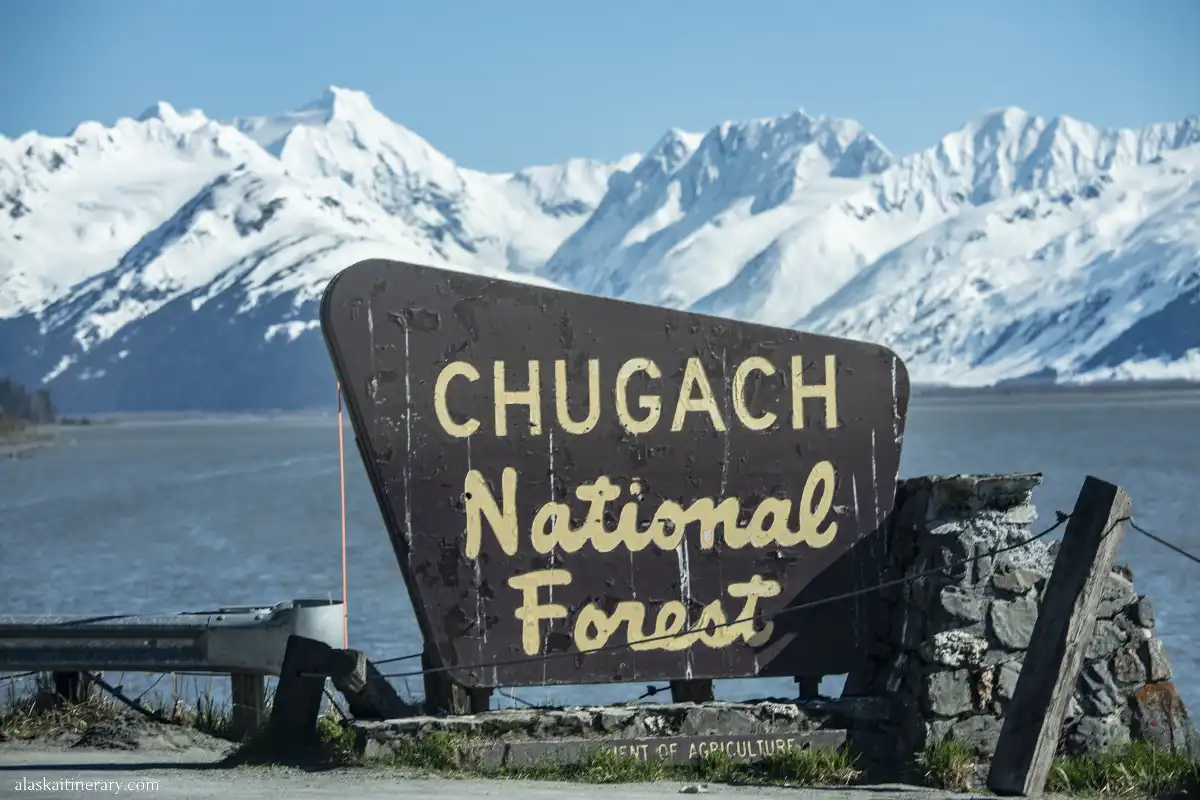
The act also created new conservation system units within Alaska’s two national forests: the Tongass and the Chugach. These forests play a major role in Alaska’s ecology and travel experience.
• Tongass National Forest is the largest national forest in the United States, covering about 16.7 million acres. It protects the coastal temperate rainforest of Southeast Alaska, including old-growth forests, fjords, salmon rivers, and habitats for brown bears, Sitka black-tailed deer, and bald eagles.
• Chugach National Forest covers roughly 6.9 million acres. It protects steep mountains, glaciers, and coastal habitats across Prince William Sound and the Kenai Peninsula. It also supports important recreation areas near Anchorage, Whittier, Seward, and Valdez.
ANILCA also set clear management rules for millions of acres of BLM lands. These rules define access, recreation, subsistence, and conservation standards and shape how people travel through backcountry regions across Alaska. By establishing permanent protections and clear guidelines, ANILCA created the structure for modern public land management throughout the state.
ANILCA and Alaska Native Culture
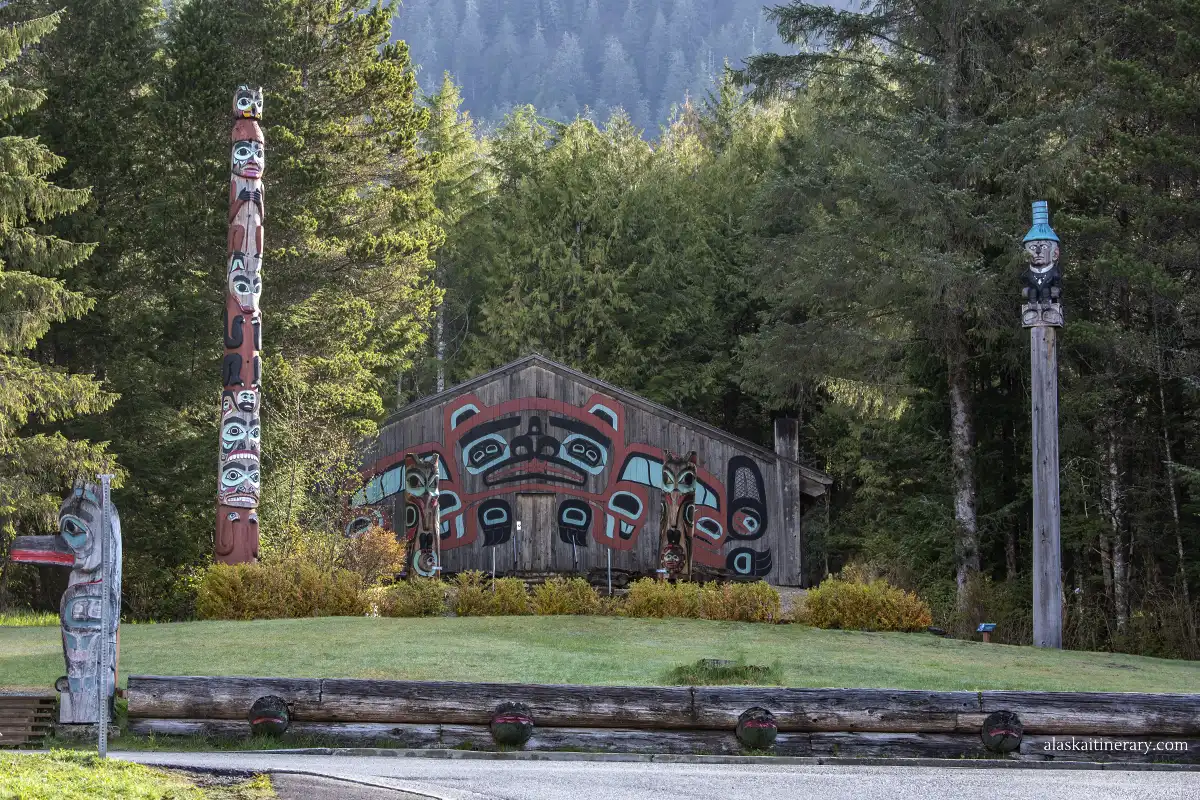
ANILCA plays a major role in supporting and preserving Alaska Native culture. The act protects rural subsistence rights on federal public lands. This ensures that people living in rural communities can continue traditional hunting, fishing, and gathering practices. These activities remain a vital part of daily life, culture, and food security in many villages.
The law also safeguards access to traditional lands that Alaska Native families have used for generations. By protecting large landscapes—mountains, rivers, and coastal areas—ANILCA helps preserve the cultural and spiritual connections tied to these places.
This protection remains essential for communities that depend on wild resources and long-standing traditions.
ANILCA and Alaska’s Economy
ANILCA also supports Alaska’s modern economy. The act protects major landscapes that drive the state’s tourism industry. Visitors come to see glaciers, fjords, brown bears, and Arctic wilderness. These experiences support local guides, lodge owners, pilots, captains, outfitters, and many seasonal workers.
The law also protects salmon habitat in places like Lake Clark and Glacier Bay. Healthy salmon systems support commercial, subsistence, and sport fishing—major economic pillars in Alaska. By creating stable, long-term land management, ANILCA gives communities, businesses, and visitors clear rules and predictable access.
These economic benefits continue to shape how people live, work, and travel across Alaska today.
The Name Change: From Mount McKinley National Park to Denali National Park
ANILCA didn’t just create new parks. It also transformed one of Alaska’s oldest. The act officially redesignated Mount McKinley National Park as Denali National Park and Preserve, restoring the traditional Koyukon Athabascan name used for thousands of years.
The Early History
Mount McKinley National Park was created on February 26, 1917. Congress established it to protect the Dall sheep that lived in the Alaska Range. At the time, the park covered about 2 million acres. Its boundaries sat south of the mountain, and large areas of today’s park were not included.
What Changed on December 2, 1980
ANILCA expanded the park dramatically. It added more than 4 million acres of land around the original unit and created a new preserve on the north and southwest sides. The expansion brought the park to its current size of roughly 6.1 million acres.
With ANILCA, the park also gained its modern structure:
• A National Park, where hunting is not allowed
• A National Preserve, where hunting and trapping follow specific regulations
This structure still exists today.
ANILCA changed the name of the park from Mount McKinley National Park to Denali National Park and Preserve. The act recognized the Athabascan name “Denali,” meaning “the high one,” which local Alaska Native communities had always used to describe the mountain and the region.

Why ANILCA Is Still Important Today
ANILCA continues to shape how Alaskans, visitors, and federal agencies use and protect public land. The act set clear rules for access, conservation, and traditional activities. These rules still guide management decisions across more than 100 million acres.
Protecting Entire Ecosystems
ANILCA protected large, unbroken landscapes. These areas support wide-ranging species such as caribou, brown bears, wolves, and migratory birds. The act kept ecosystems intact by safeguarding mountains, rivers, coastlines, and tundra under one management framework.
Ensuring Subsistence Rights
One of ANILCA’s most important features is the protection of rural subsistence. The law guarantees that people living in rural Alaska can continue traditional hunting, fishing, and gathering on federal public lands. These rights help support local cultures and food security in communities that rely on wild resources.
Balancing Access and Conservation
ANILCA set rules that balance public access with resource protection. It allows reasonable access for recreation, research, and transportation while maintaining strong conservation standards. Examples include access corridors, backcountry camping rules, and flightseeing guidelines near sensitive habitats.
Clear Management Structure
The act created a framework that still guides agencies such as the National Park Service, U.S. Fish and Wildlife Service, U.S. Forest Service, and Bureau of Land Management. Each unit received its own management plan. These plans define how people can travel, hunt, fish, and recreate in different parts of Alaska.
Long-Term Protection
ANILCA permanently protected millions of acres that had only been under temporary status in the 1970s. This stability prevents large-scale development that could fragment wildlife habitat or block migration routes. It also ensures that these areas remain open for scientific research and wilderness recreation.
ANILCA’s influence reaches every corner of Alaska. From the trails in Denali to the remote valleys of Wrangell–St. Elias, the act continues to shape how we travel, explore, and understand the state today.
How ANILCA Affects Travelers Exploring Alaska Today
ANILCA shapes almost every modern Alaska trip, even if travelers don’t realize it. The national parks, preserves, refuges, and wilderness areas created on December 2, 1980 define where we hike, camp, paddle, and view wildlife today. These decisions still influence road access, visitor services, and the experiences travelers find across the state.
More National Parks Than Any Other State
Thanks to ANILCA, Alaska now has eight major national parks. Several of them—Wrangell–St. Elias, Gates of the Arctic, Kobuk Valley, and Lake Clark—exist because ANILCA created or expanded them.
These parks offer some of the wildest landscapes in North America and set Alaska apart as a world-class adventure destination. Only California has more national parks, with nine units, compared to Alaska’s eight.
Iconic Travel Experiences
Many of Alaska’s most iconic experiences trace directly back to the protections set in 1980.
• Glacier Bay’s fjords and tidewater glaciers remain untouched and strictly managed.
• Kenai Fjords protects healthy marine ecosystems that support whales, sea otters, seals, and seabirds.
• Denali’s boundaries and road corridor follow the structure created after the park’s expansion.
• Wrangell–St. Elias holds the largest single protected wilderness area in the U.S.
These landscapes stay wild because ANILCA placed strong protections around them.
Better Wildlife Viewing
Large protected areas give animals room to roam. Caribou migrations, bears feeding along rivers, and seabird colonies on remote cliffs all benefit from the act’s safeguards. Travelers enjoy more opportunities for wildlife encounters because habitats remain intact.
Clear Rules and Access
ANILCA also set the framework for how agencies manage recreation. This includes:
• backcountry permits in places like Denali
• camping rules near wildlife habitat
• flightseeing guidelines near glaciers
• access corridors for river float trips
These rules protect natural resources while keeping public lands open for responsible travel.
Unique Wilderness Opportunities
ANILCA designated more than 56 million acres as Wilderness. These areas offer deep backcountry experiences not found in most U.S. parks. Travelers can backpack, raft, climb, or fly into remote valleys where landscapes remain unchanged for centuries.
ANILCA affects every national park map, every wilderness boundary, and every major travel decision in Alaska. Anyone visiting the state today benefits from the protections put in place on December 2, 1980.
Final Thoughts
December 2, 1980 reshaped Alaska in a way no other single act ever has. ANILCA protected entire ecosystems, created new national parks, expanded older ones, and secured millions of acres for future generations. These decisions still define how we travel through Alaska today.
Every glacier cruise in Kenai Fjords, every backcountry hike in Wrangell–St. Elias, every bear-viewing trip in Katmai, and every scenic flight over Gates of the Arctic exists within a framework created on that day. ANILCA preserved the landscapes that make Alaska one of the most remarkable places on Earth.
Understanding what happened on December 2, 1980 helps travelers appreciate the wild places they explore. It also highlights how important strong protections are for the future of Alaska’s lands, wildlife, and communities.
Do You Like It? Pin It For Later!


Such an interesting read. I had no idea and I am so thankful to Jimmy Carter for signing this.
Such an eye-opening overview of how much ANILCA changed Alaska. It’s incredible to realize how many of the places we visit today exist because of this one act. Thanks for breaking down the history so clearly!
Hello! I haven’t even realized before how many national parks and protected areas in Alaska are! It is one of the few places of pure wilderness remained.
I had no idea Alaska had so much protected wilderness or that it extended to protecting local villages. ANILCA seems to have been of major benefit to the area.
It is nice to hear that this act made such a difference back in 1980. I wish there were more land protections like this and that there were more efforts made to do the same. This is such a nice thing to read about since it seems like we have done so much damage to the planet.
I never knew anything about ANILCA before reading this very thorough post. Great to have created so many amazing outdoor spots to explore. Protection like this is definitely needed. A great collection of parks and national monuments for us to explore. I can see we will need more than one trip to enjoy all this majesty!