
Tips for Renting a Car in Alaska

Planning a trip to Alaska and wondering if renting a car in Alaska is the best way to explore? In our opinion: YES! In this guide, you’ll find everything you need to make an informed decision. We’ll walk you through when to rent, what type of vehicle is best for different roads, tips for saving money, and how to navigate Alaska’s unique driving challenges. Whether you’re sticking to the main highways or heading off the beaten path, this article will give you all the details to ensure your Alaskan road trip is safe, smooth, and unforgettable.
This article may contain affiliate / compensated links. For full information, please see our disclaimer here.
Why Renting a Car in Alaska is Essential?
Renting a car is one of the most important decisions when planning Alaska travel, as distances, road conditions, and regional access vary widely across the state.
Renting a car in Alaska can make all the difference in your trip. Alaska is huge—it’s twice the size of Texas. A rental car is your best option if you want to explore beyond the famous spots. Renting a car is also the best option if you like the freedom of driving, enjoying views, and making photo stops along the way.
Whether you’re planning to drive from Anchorage to Denali, explore Denali National Park, or venture to remote areas like McCarthy, having a car allows you to go at your own pace.
But renting a car in Alaska is not the same as renting one in the Lower 48. There are a few unique challenges here—remote roads, wildlife crossings, and higher rental costs, just to name a few. Don’t worry though, this guide will cover everything you need to know.
From when to rent a car, to what type of vehicle is best, to insider tips for saving money—we’ve got you covered. We’ll share practical advice from locals and seasoned Alaska travelers, so you can make the most of your journey. It will help you plan your trip to Alaska.
Our Experiences with Renting Cars in Alaska
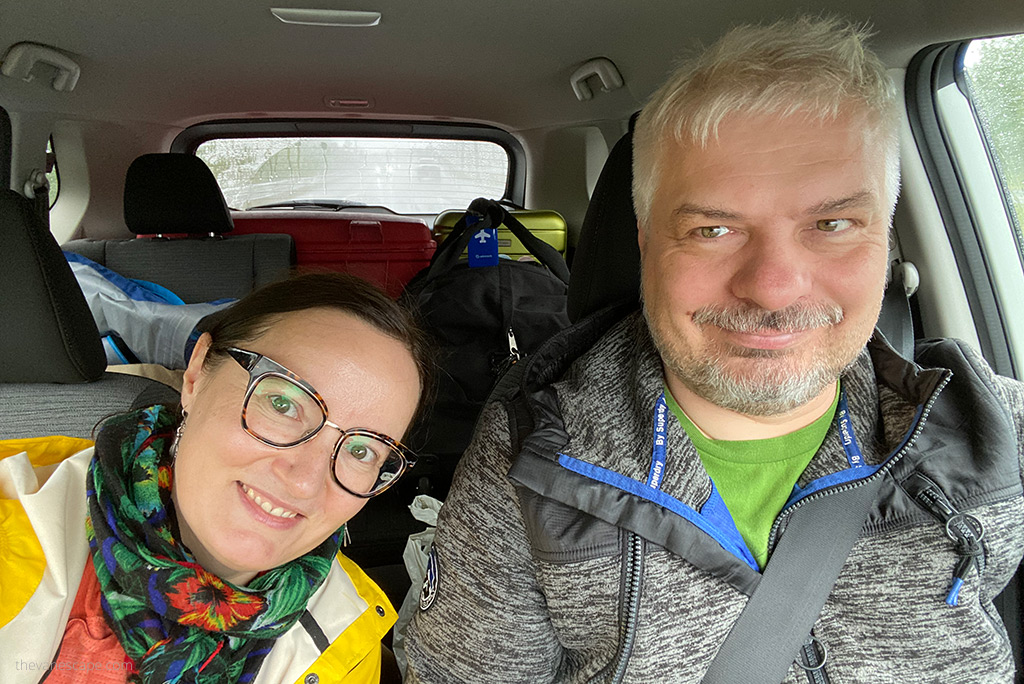
Chris and I have years of firsthand experience renting cars in Alaska. We’ve done it all—from regular sedans for the most popular road trips to rugged 4WD vehicles for more challenging terrains. We’ve rented for everything, including long stretches of paved highways and remote, off-the-beaten-path adventures.
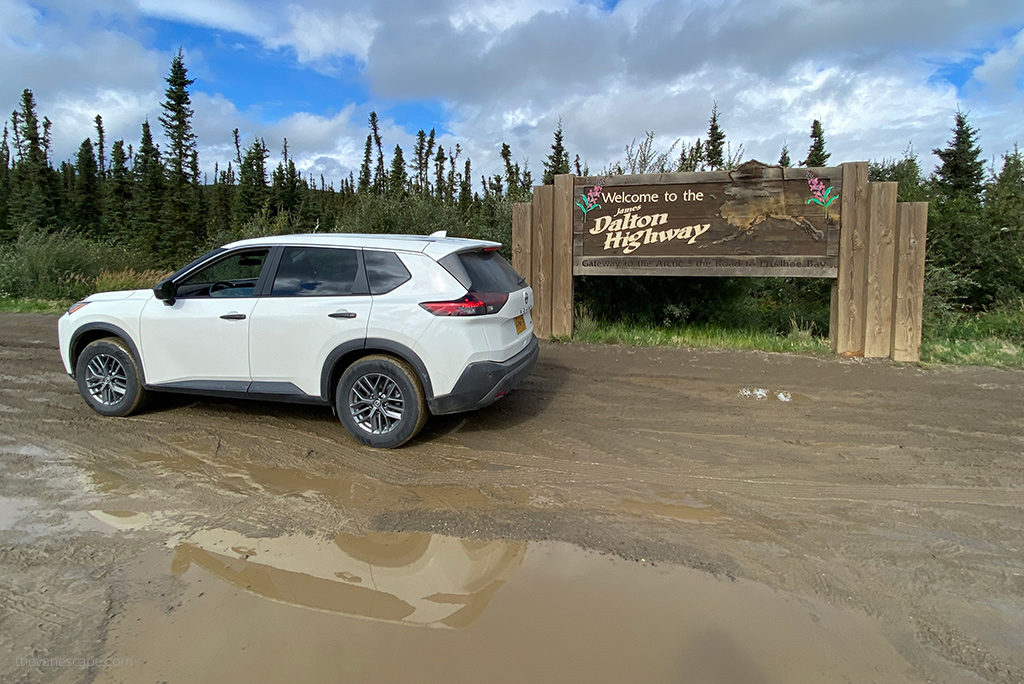
One of the more demanding experiences we’ve had was renting a vehicle specifically for the Dalton Highway. This road requires special preparation and isn’t for the faint-hearted. Not all rental companies allow regular cars to be driven on such rugged roads, and preparation is key to tackling it safely. You need the right vehicle and proper planning. We had a great experience with Alaska Auto Rental for this adventure.

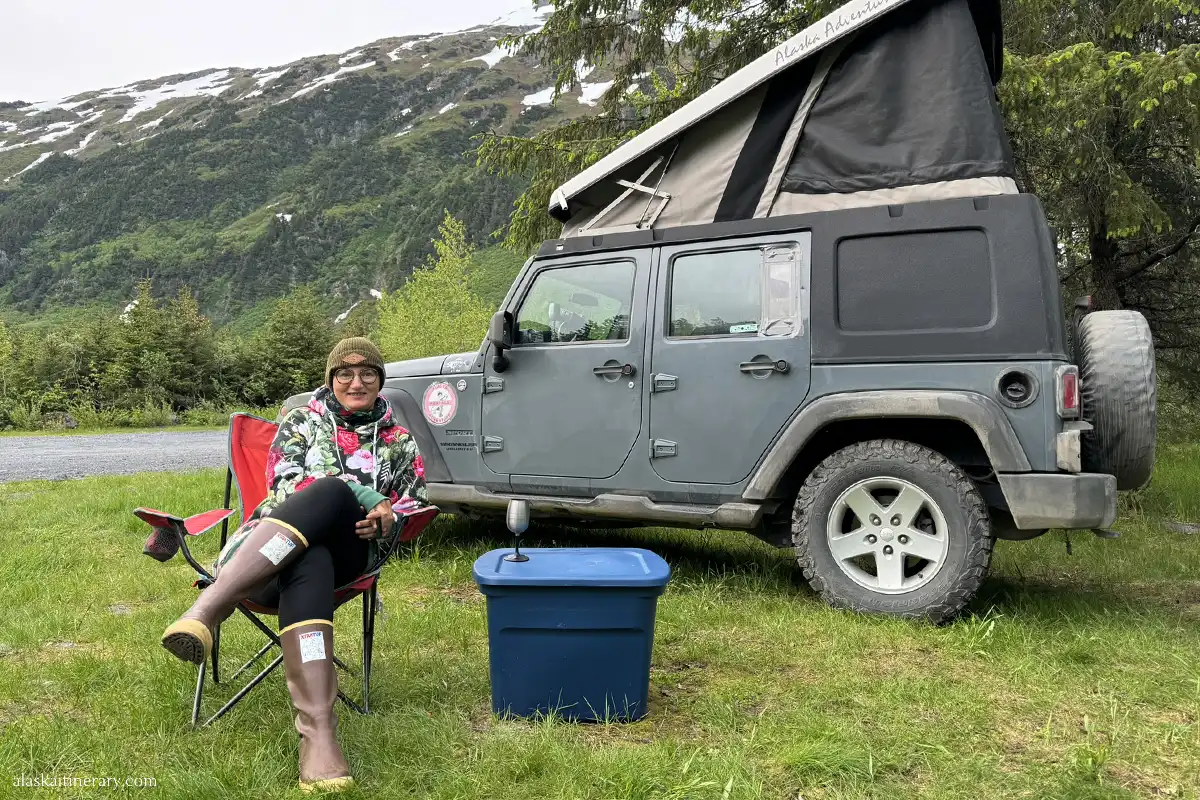
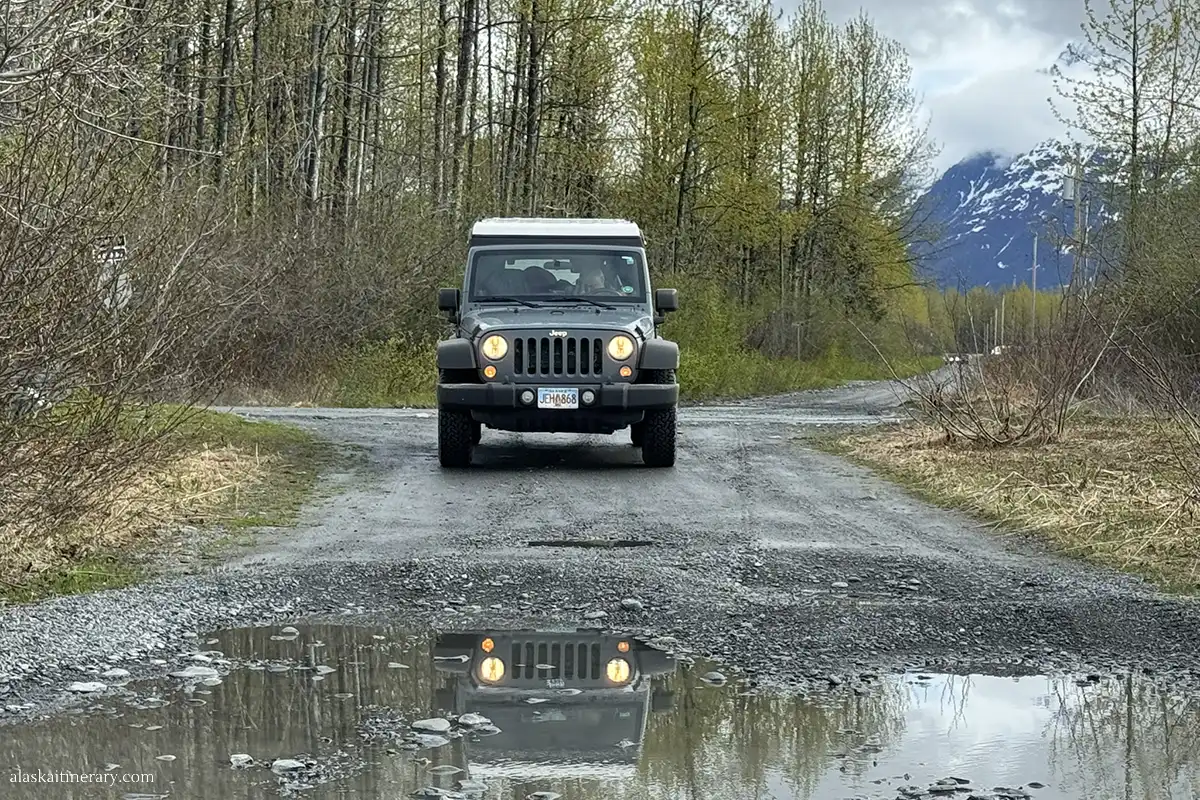
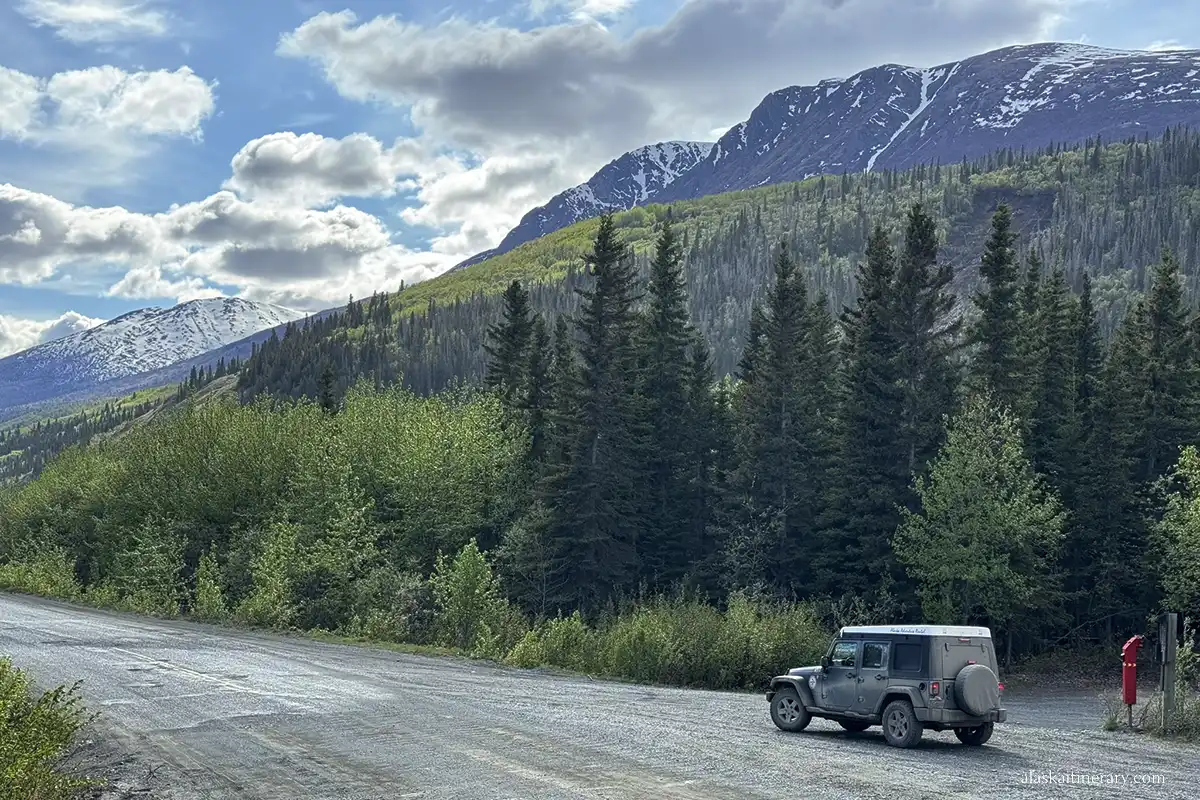
On our last over-a-month-long road trip, we opted for something even more adventurous—a Jeep Wrangler with a rooftop tent from Alaska Adventure Car and Camper Van Rental. It was a perfect choice for exploring remote areas and camping under Alaska’s vast skies.
But that’s not where our rental experiences stop. We’ve also rented RVs on several occasions, adding a different dynamic to our travels. And we also explored Alaska in our own car, including our own camper truck.

However, in this article, we’ll focus solely on renting cars, sharing tips that cover everything from basic road trips to the most adventurous drives Alaska has to offer.
If you are considering an RV trip, read our article: Guide to Renting an RV in Alaska: Tips for a Perfect Adventure, as we also have first-hand experience in this topic.

Before You Rent a Car: Focus on Your Alaska Road Trip Itinerary
When planning a road trip in Alaska, your route should determine the type of car you rent. With vast distances and diverse terrain, knowing exactly where you’ll be driving is essential. Here’s how to break it down.
Agnes’ Advice: We’re excited to help you create the perfect Alaska adventure! Check out our Alaska Custom Itinerary Service for personalized road trip plans that match your travel style and interests. Let’s make your dream trip a reality!
Or check out our detailed and ready-to-go itineraries:
7 days in Alaska itinerary
10 days in Alaska itinerary
14 days Alaska RV itinerary
Map Out Your Major Stops
Start by identifying the key destinations and activities in your Alaska itinerary. If you’re visiting popular spots like Denali National Park, Anchorage, Fairbanks, Talkeetna, Seward, Homer or Whittier, you’ll likely be on paved highways that don’t require anything more than a standard car or SUV. For these routes, a basic rental vehicle will suffice.
Consider Off-the-Beaten-Path Adventures
If you’re planning to explore remote areas, such as McCarthy Road to Wrangell-St. Elias National Park, or the Denali Highway, you’ll need something more rugged. These roads are often gravel and can be challenging to navigate in a standard car.
Make sure to check with your rental company if they allow driving on gravel roads, as many don’t. A 4WD or high-clearance vehicle is often a must for these routes.
Watch for Restricted Roads
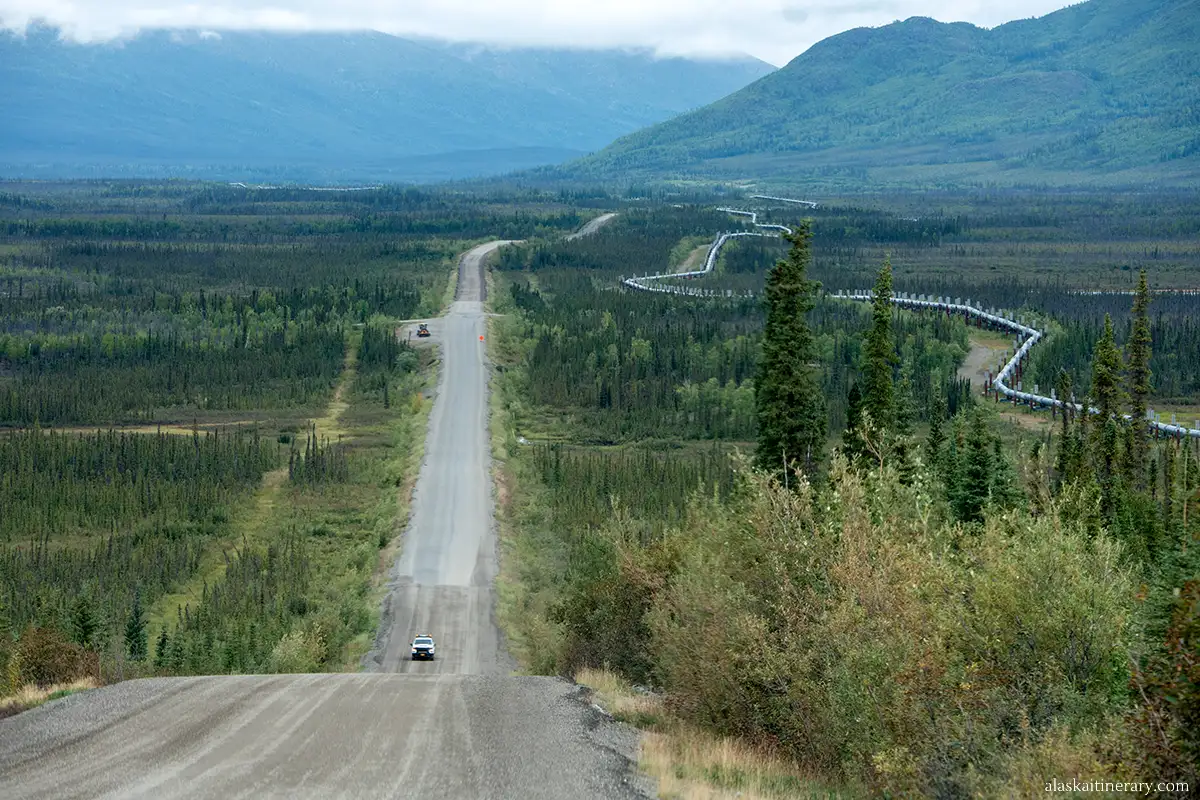
Some roads in Alaska are off-limits to regular rentals. One example is the Dalton Highway, which leads to the Arctic. This road requires a specially prepared vehicle and is not covered by standard rental agreements. If this type of adventure is on your list, make sure to ask the rental company about specific vehicle restrictions and extra preparation needed.
Our Tip: Check out our safety tips for driving the Dalton Highway.
Think About Vehicle Features for Your Itinerary
Consider the features you need based on your route. For long stretches, especially in remote areas, comfort matters. Think about opting for an SUV for added space, especially if you’re traveling with family or gear. If you’re planning on camping, vehicles like a Jeep Wrangler with a rooftop tent can be a great way to combine driving and sleeping arrangements.
Know Your Route and Driving Conditions
The weather in Alaska can change quickly, and some roads become impassable due to snow or rain. Make sure your rental car is equipped for the season. In winter, for example, you’ll need winter tires and possibly chains. Always check local road conditions before setting out, and give yourself extra time for unexpected delays.
Taking the time to align your rental car choice with your itinerary will save you headaches later. You’ll not only avoid additional fees but also ensure a safe and smooth journey through Alaska’s breathtaking landscapes.


Is Renting a Car in Alaska Safe?
Yes, renting a car in Alaska is generally safe, but it requires some extra precautions due to the unique challenges of driving in this vast and rugged state. The key is understanding the conditions, preparing properly, and following a few essential safety tips.
Alaska’s major highways like: Seward Highway (AK-1), Glenn Highway (AK-1), Parks Highway (AK-3), Richardson Highway (AK-4), or Sterling Highway (AK-1), are well-maintained, with smooth road surfaces and gentle grades that make for easy driving. Sharp turns are rare, and the roads are typically clear of snow. These paved highways are open year-round, providing easy access to Alaska’s main attractions.
Along these routes, you’ll find plenty of services including gas stations, rest stops, lodging, and other facilities, making it convenient for travelers. Cell phone coverage is reliable in most areas, with major providers like AT&T, Verizon, Sprint, T-Mobile, and GCI offering good service. Even if your network doesn’t have coverage in some remote spots, 911 calls can be made from any provider.
Towing and emergency services are available along these highways, and in the rare case you break down without cell service, it’s common for other drivers to stop and offer help.

Here’s what you need to know to ensure a safe driving experience in Alaska:
Road Conditions
As mentioned above, Alaska’s roads are well-maintained, especially in the more populated areas and along major highways like the Seward Highway and Parks Highway.
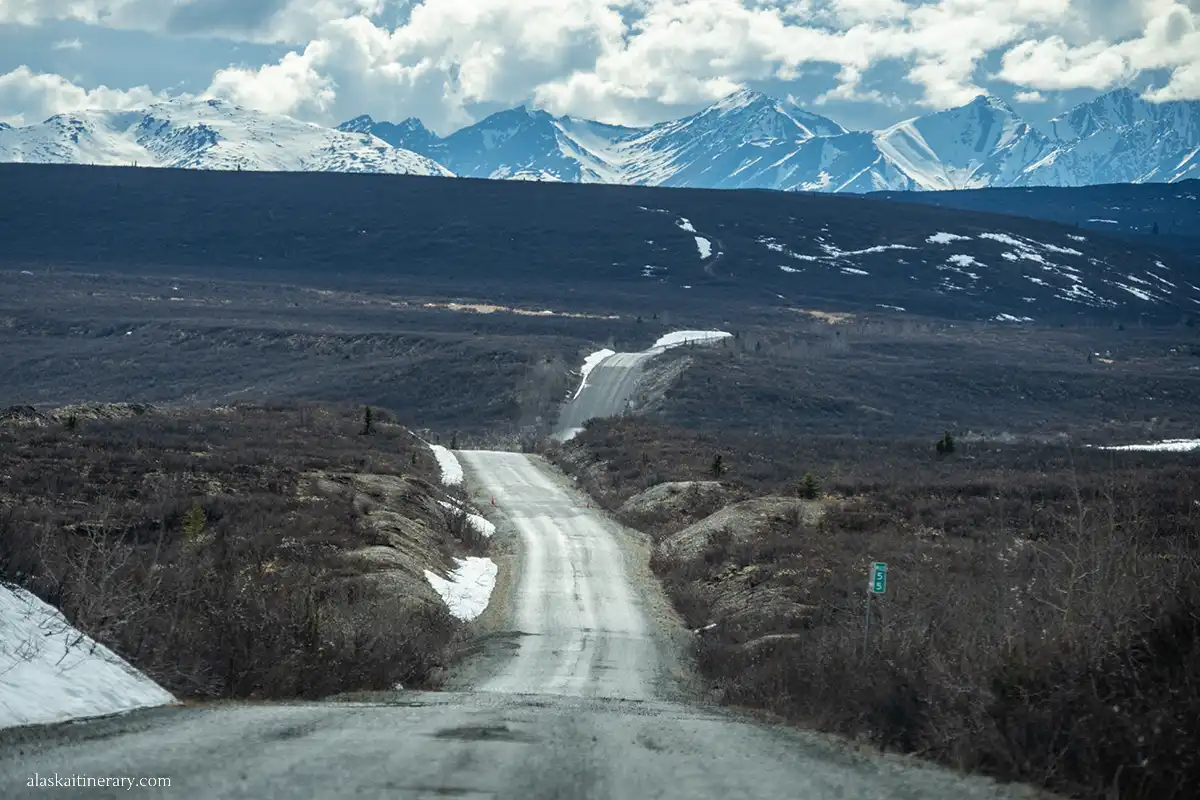
However, many scenic and remote roads, such as the Denali Highway or McCarthy Road, are gravel or dirt, and can be rough to navigate, especially for regular vehicles. It’s essential to check the condition of these roads and whether your rental agreement allows you to drive on them.
In winter (October to April), many roads become icy, and snowstorms can create hazardous driving conditions. If you plan to visit in winter, ensure your rental vehicle has winter tires or chains, and always check road conditions before setting out. Some roads are closed for winter.
Wildlife Hazards
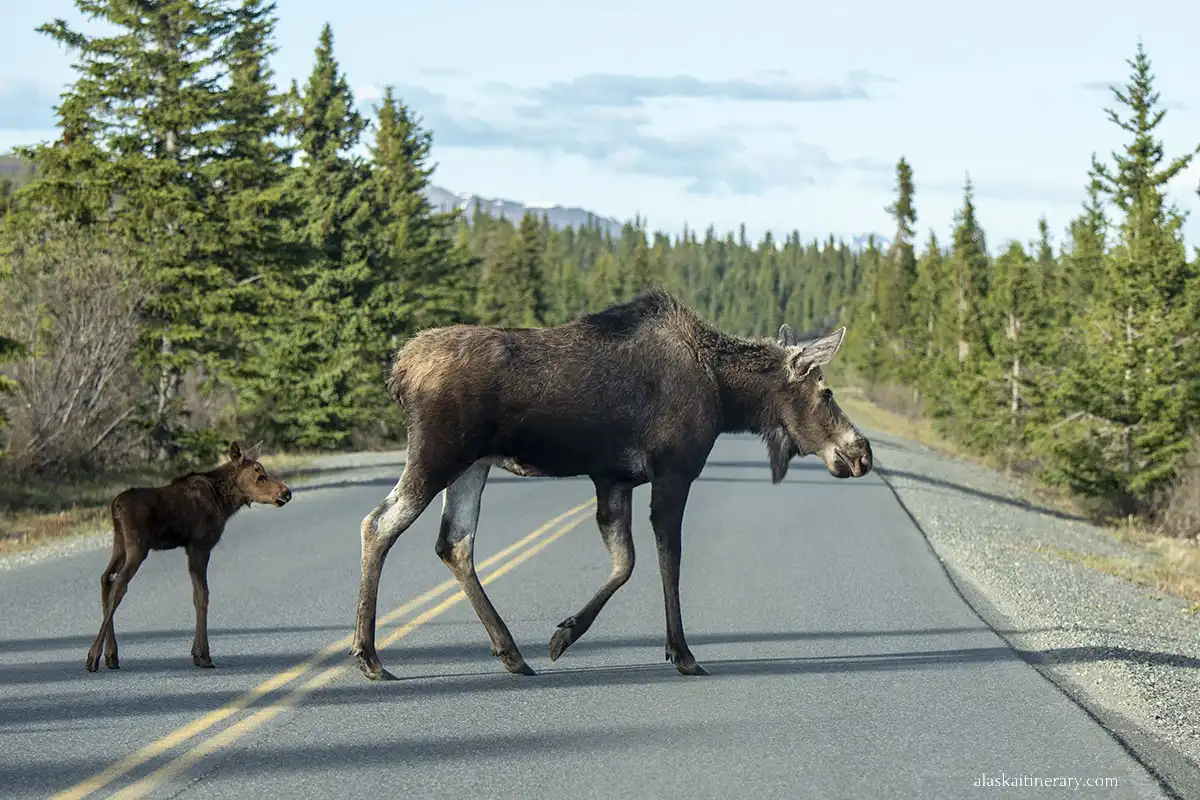
One of the biggest concerns when driving in Alaska is wildlife. Animals like moose, bears, and caribou frequently cross roads, especially in more remote areas. Moose, in particular, can be difficult to spot at night, and collisions can be dangerous. Drive slowly and stay alert, especially at dawn and dusk when animals are more active.
Remote Driving
If you’re heading off the beaten path, it’s important to be prepared. Alaska is vast, and in many areas, you’ll be far from services like gas stations, repair shops, or even cell phone reception.
Bring along emergency supplies, including extra food, water, a first aid kit, and a spare tire. On remote highways like the Dalton Highway, it’s crucial to be self-sufficient, as help may be hours away.
Weather Challenges
Alaska’s weather can change rapidly. Rain, snow, fog, and even landslides can impact road conditions. If you’re traveling in the winter, short daylight hours and icy roads make driving more challenging. Always check the weather forecast and give yourself plenty of time to reach your destination.
In summer, heavy rains can lead to washed-out roads, especially on gravel highways, so it’s essential to stay informed about local road conditions.

Rental Car Safety Features
Most rental companies in Alaska provide vehicles equipped for the state’s conditions. If you’re venturing into more remote or rugged areas, opt for a 4WD vehicle to handle uneven terrain or gravel roads. Also, make sure your vehicle has a spare tire and the necessary tools for changing it, especially if you’re exploring areas far from towns or cities.
Navigation and Emergency Contacts
Cell phone service can be limited in remote areas, on gravel highways, so it’s wise to bring along a paper map or download offline maps on your phone. Consider renting a satellite phone if you plan on exploring extremely remote regions like the Dalton Highway or areas near the Arctic Circle. Always inform someone of your travel plans when driving in these remote areas, just in case of emergencies.

When to Rent a Car in Alaska?
Timing your car rental is essential for getting the best value and ensuring a smooth trip in Alaska. The season you visit greatly impacts car availability, costs, road conditions, and overall experience. Here’s a detailed breakdown of when to rent a car in Alaska, including the pros and cons of each season.
Peak Season: June to August
In peak season, Alaska is at its busiest, and rental cars are in high demand. Expect rental prices to range from $150 to $250 per day, especially for SUVs or 4WDs.
Pros:
- All roads are open: This is the best time to access scenic routes like the Denali Highway and Hatcher Pass, which are impassable in other seasons.
- All national parks and attractions are fully open: Denali, Kenai Fjords, and others are accessible.
- Long daylight hours: You can drive longer distances without worrying about sunset.
Cons:
- Higher costs: Prices for rental cars, accommodations, and attractions are at their highest.
- Crowds: Popular spots are busier, which means more traffic and fewer chances of last-minute bookings.
Shoulder Season: May and September
Shoulder seasons offer a sweet spot between price and accessibility. Rental costs drop to $100 to $150 per day, and crowds thin out.
Pros:
- Cheaper rentals and fewer crowds: You’ll enjoy lower prices and more peaceful travel experiences.
- Cooler temperatures and changing landscapes: September is ideal for seeing fall colors and, with a bit of luck, the Northern Lights (check out: the best Alaska Northern Lights tours, if you plan your trip in September). May is perfect for watching wildlife and wildflowers. May is the perfect month to observe moose with their calf, bears with their cubs, and countless birds.
Cons:
- Some scenic roads may be closed: Denali Highway, Hatcher Pass, and other high-elevation routes might remain closed due to snow in May or close early in late September/October.
- Limited services and attractions: Many tourist services shut down, and fewer restaurants and hotels are available.
Off-Season: October to April (Winter)
Winter in Alaska brings unique challenges, but it can be a rewarding time to visit if you’re prepared. Rental prices drop to $75 to $125 per day, but there are key considerations when driving in winter.
Our Tip: Check out our detailed 10-day Winter Alaska Itinerary and 7-night Northern Lights road trip.
Pros:
- Significantly lower costs: This is the most affordable time for car rentals and accommodations.
- Aurora Borealis: Winter is the best time for Northern Lights viewing, especially in places like Fairbanks.
- Less traffic and peaceful solitude: Roads are quieter, and you’ll have more room to explore at your own pace.
Cons:
- Road conditions can be hazardous: Snow, ice, and limited daylight make driving more difficult. You’ll need to ensure your rental car is equipped with winter tires, and sometimes chains may be required.
- Many roads and attractions are closed: Popular routes like Hatcher Pass and the Denali Highway are impassable. Many national parks and tourist spots have limited services.
- Short daylight hours: Depending on when you visit, you may only have a few hours of sunlight, especially in the far north.
Booking Tips for Winter Rentals
- Ensure the vehicle is winter-ready: Make sure your rental car has winter tires and, if necessary, inquire about chains. Not all rental companies automatically include them.
- Plan for shorter trips: Due to limited daylight, plan your driving accordingly and consider exploring towns or areas closer to each other.
- Check road conditions daily: Winter weather in Alaska can change rapidly, so keep an eye on local weather and road updates before heading out.
Booking Tips for All Seasons
- Book early: The closer you get to your travel date, the higher the rental rates, especially in peak season. Booking in advance ensures better prices and availability.
- Consider vehicle needs: For summer, a regular car may suffice, but for remote areas or winter travel, a 4WD or AWD vehicle is essential.
- Compare prices. Use Rentalcars.com or DiscoverCars to compare prices and rental agreements.

Where to Rent a Car in Alaska?
Renting a car in Alaska is straightforward, but knowing where to rent from can make a significant difference in your experience. Here’s a breakdown of the best locations and companies to consider, along with tips on how to save money by choosing the right place.
Anchorage: The Main Hub for Rentals
Anchorage is the most popular spot to rent a car because it serves as the gateway to much of Alaska. All major rental companies, including Hertz, Avis, Budget, Enterprise, and Alamo, are available here. The Ted Stevens Anchorage International Airport has rental counters, but keep in mind that airport rentals often come with additional fees.
Our Tip: To avoid airport surcharges, consider renting from a city location instead. Many rental companies in Anchorage offer free shuttles from the airport to their downtown offices, where you can save significantly on daily rates.
Fairbanks: Gateway to the Arctic
Fairbanks is another common starting point for road trips, particularly for travelers heading to Denali National Park or those chasing the Northern Lights. Many of the same big-name rental companies operate in Fairbanks, offering a variety of vehicles, including SUVs and 4WDs. Some local companies like Alaska Auto Rental offer specialized vehicles for winter driving or remote destinations.
Our Tip: If you plan on venturing further north, especially on roads like the Dalton Highway, make sure your rental agreement allows it, as some companies restrict travel on unpaved or remote roads.
Seward and Whittier: Renting After a Cruise
If you’re disembarking from a cruise ship in Seward or cruising from Whittier and plan to continue your Alaskan adventure by road, it’s essential to know your options. Seward has more rental car choices, but Whittier—a much smaller town—has very limited rental options.
In Whittier, car rentals are scarce, and you’ll need to factor in the Whittier Tunnel—a single-lane tunnel that opens periodically to allow traffic through. The limited options make it more challenging to find a rental car directly in town, and if you do, prices can be high. Therefore, the best option for travelers arriving in Whittier is to take the scenic train or a bus shuttle from Whittier to Anchorage. At just 60 miles away, Anchorage offers a wider range of rental companies and much more affordable rates.
Local and Specialty Rental Companies in Alaska
In addition to national chains, Alaska has several local rental companies that cater to adventurous travelers. These companies often provide vehicles specially equipped for Alaska’s rugged roads, including gravel or off-road routes.
- Alaska Auto Rental: Known for flexible options, including one-way rentals and vehicles prepared for the Dalton Highway and other remote routes. Check out the official website.
- Alaska Overlander: Offers vehicles equipped with rooftop tents and camping gear for extended road trips. Check out the official website.
- Alaska 4×4 Rentals: Specializes in renting vehicles for backcountry driving, including 4WD and high-clearance options. Check out the official website.

One-Way Rentals: A Smart Option for Alaska
When planning your Alaskan road trip, one-way rentals are worth considering—even with the added cost. Distances between major cities like Anchorage, Fairbanks, and Seward are long, and driving between them can take hours. If you’re on a tight schedule, a one-way rental can save you valuable time for exploring instead of being stuck on the road.
We’ve often rented a car in Anchorage and dropped it off in Fairbanks, and vice versa. This flexibility allowed us to maximize our time visiting key attractions like Denali National Park, rather than spending full days driving back and forth. The extra fee for a one-way rental, which can range from $100 to $300 per day, is often well worth it if it means you can see more of Alaska without rushing.
Popular one-way routes include:
- Anchorage to Fairbanks: Great for exploring Denali in between.
- Seward to Anchorage (or vice versa): Ideal for cruise passengers wanting to extend their trip with a scenic drive along the Seward Highway.
While the extra cost may seem steep, the convenience and time saved make it a fantastic option, especially if you have limited vacation time. You’ll have more time to enjoy Alaska’s sights instead of spending long hours on the road.

Navigating Alaska’s Gravel Highways with a Rental Car
Driving on Alaska’s gravel highways can be one of the most rewarding—and challenging—experiences of your trip. Roads like the Denali Highway, McCarthy Road, and the infamous Dalton Highway offer stunning views and access to remote areas, but they’re not for the faint-hearted or unprepared. Many rental companies have strict policies about taking their cars on these rough roads, so it’s important to know what you’re getting into.
Check Your Rental Agreement for Gravel Road Restrictions
Before you hit the gravel, double-check your rental agreement. Many rental companies prohibit driving on certain gravel roads like the Dalton Highway or Denali Highway due to the rough conditions and high risk of damage.
Ignoring these rules could void your insurance or leave you with hefty repair bills. Some local rental companies, however, specialize in vehicles that can handle these challenging routes, so it’s worth considering them if your adventure takes you off the beaten path.
Choose the Right Vehicle
If gravel roads are on your itinerary, consider renting a 4WD or high-clearance vehicle. Regular sedans may struggle with the uneven surfaces, sharp rocks, and potential washouts common on these roads. A more robust vehicle like a Jeep Wrangler or an SUV with good off-road capabilities will give you peace of mind, especially when tackling long gravel stretches.
Prepare for Rough Conditions
Gravel highways in Alaska aren’t just bumpy—they can be unpredictable. Be ready for slow driving, loose gravel, and the possibility of tire damage. Carrying a spare tire and basic emergency supplies is essential. It’s also a good idea to keep an eye on the weather, as rain can turn some gravel roads into mud, making driving more treacherous.
Consider Special Insurance
If your rental company allows gravel road driving, consider adding extra insurance coverage. Regular rental agreements often don’t cover damage from gravel, and costs can quickly add up if you hit a rock or get a flat tire in a remote area.
Companies Allowing Driving on the Denali Highway
- Alaska 4×4 Rentals – Specializes in 4WD vehicles, allowing travel on the Denali Highway, offering SUVs, trucks, and Jeeps designed for off-road driving.
- Alaska Auto Rental – This company allows travel on the Denali Highway and offers vehicles that are equipped for gravel road conditions, with proper insurance and coverage options.
- GoNorth Alaska – Offers rentals specifically for rugged highways like the Denali Highway, including high-clearance 4WD vehicles and specialized insurances for off-road driving.
- Alaska Adventure Car and Camper Van Rental (Anchorage) – This company allows vehicles to be driven on the Denali Highway, with an additional small fee required for access.
Companies Allowing Driving on the Dalton Highway
Check out our detailed article: Safty tips for driving a Dalton Highway before you hit this road. Rentals wich allowing driving this strenuous road are:
- Arctic Outfitters – Specializes in rentals for the Dalton Highway, offering vehicles specifically equipped for remote and rough conditions, including satellite phones and extra spare tires.
- Alaska 4×4 Rentals – Allows travel on the Dalton Highway with vehicles prepared for the rough, isolated conditions of this road, including extra equipment for safety.
- GoNorth Alaska – Another reliable choice for Dalton Highway travel, with vehicles built for extreme off-road conditions and proper coverage for this remote route.
- Alaska Auto Rental – Permits travel on the Dalton Highway with 4WD vehicles equipped for the challenging conditions, offering additional gear like spare tires and emergency supplies.

Smart Ways to Save on Your Alaska Car Rental
Visiting Alaska might be expensive. Also, renting a car in Alaska can be pricey, especially during peak season, but with a few smart strategies, you can reduce costs significantly. Here are some tips to help you save on your Alaska car rental:
Book Early and Lock in Lower Rates
Rental prices in Alaska often increase as your travel date gets closer, especially in the busy summer months. Booking your rental months in advance gives you the best chance of securing lower rates. Most rental companies also offer free cancellations, so you can always rebook if you find a better deal later.
Avoid Airport Pickups
Renting a car from the airport typically comes with extra fees. Instead, consider taking a shuttle or taxi to a downtown rental location. In places like Anchorage, you can save up to 10-15% by picking up your car from a city office instead of the airport.
Opt for Off-Season or Shoulder Season Rentals
Traveling in the shoulder seasons (May or September) can save you a significant amount on rental costs. During these months, prices are lower, and you can still enjoy great weather. Winter rentals (October to April) are even cheaper, but make sure your vehicle is equipped for Alaska’s winter road conditions.
Check for Discounts and Promo Codes
Many rental companies offer promo codes or discounts through airline programs, credit card rewards, or membership services like AAA. Some airlines, like Alaska Airlines, offer miles or discounts if you book your rental through their website. Be sure to check for corporate or membership discounts before booking.
Use a Credit Card with Rental Car Coverage
Many credit cards provide rental car insurance, so you can skip the costly insurance add-ons from the rental agency. Check the terms of your credit card to make sure it offers primary or secondary coverage for rental cars.
Stick to the Same Pickup and Drop-off Location
While one-way rentals are convenient, they usually come with hefty fees. If your itinerary allows, return the car to the same location to avoid these additional charges. In Alaska, popular routes like Anchorage to Seward or Fairbanks may offer one-way options, but they can cost an extra $100 to $300 per day.
Choose a Smaller Vehicle
Unless you plan on driving remote or unpaved roads, you may not need a 4WD or SUV. Compact or economy cars are usually much cheaper to rent and more fuel-efficient, saving you money on gas, especially with long driving distances in Alaska.
Refuel Before Returning the Car
Rental companies charge significantly higher rates for gas if you return the car without a full tank. Always refuel before returning your rental to avoid these extra charges.
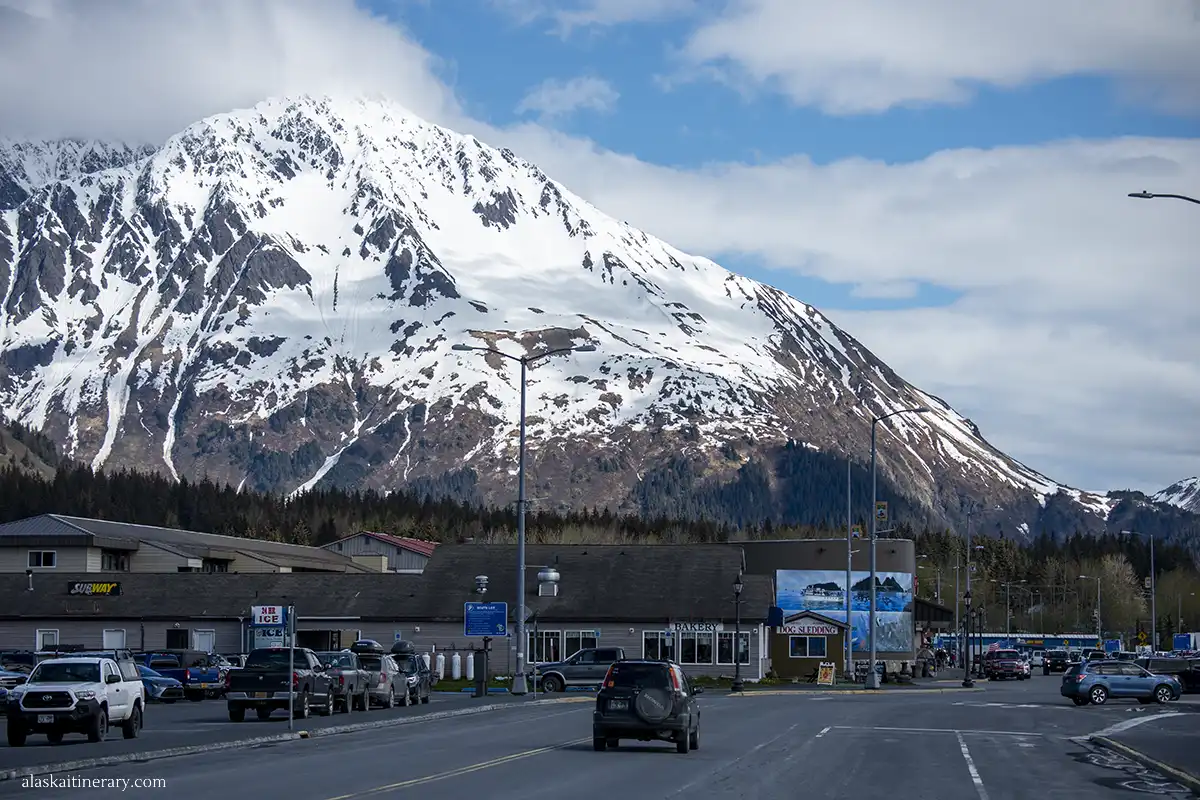
Tips For Renting a Car in Alaska: Final Thoughts
Renting a car in Alaska is one of the best ways to experience the state’s breathtaking landscapes at your own pace. With the right planning, you can navigate Alaska’s highways and scenic routes with confidence.
Whether you’re sticking to paved roads or venturing onto rugged gravel highways, having a rental car gives you the freedom to explore beyond the tourist hotspots.
Remember to book early, choose the right vehicle for your itinerary, and prepare for Alaska’s unique driving conditions. With these tips in hand, your Alaskan road trip will be both safe and unforgettable. Safe travels!
Do You Like It? Pin It For Later!


We always thought we would drive up to Alaska and explore. But this post made me think about renting a car instead. The unique challenges of driving in Alaska does make it a different car rental experience. Good to be reminded that some roads in Alaska have special requirements. Good tip about renting a satellite phone for remote locations and taking a paper map – some things we rarely consider! A great post I will be keeping.