
Fairbanks Travel Guide: The Complete Guide to Alaska’s Aurora Capital & Arctic Gateway

Fairbanks sits deep in the heart of Interior Alaska. It feels different from the moment you arrive. The landscape is wide. The sky feels bigger. In winter, darkness stretches for hours. In summer, daylight barely fades. Many travelers know Fairbanks as the Northern Lights capital of Alaska. That reputation is well earned. But this city is more than an aurora destination. It is a base for Arctic Circle drives, a hub for Interior road trips, and a place where gold rush history still shapes the culture. This Fairbanks travel guide goes beyond a simple list of attractions. Inside, you’ll find detailed advice on Northern Lights viewing, Arctic road adventures, cultural highlights, seasonal realities, where to stay, how many days to plan, and what it truly costs to visit Interior Alaska. Whether you’re chasing the aurora, enjoying the city or preparing for an Arctic journey, this guide will help you plan with clarity and confidence.
This article may contain affiliate / compensated links. For full information, please see our disclaimer here.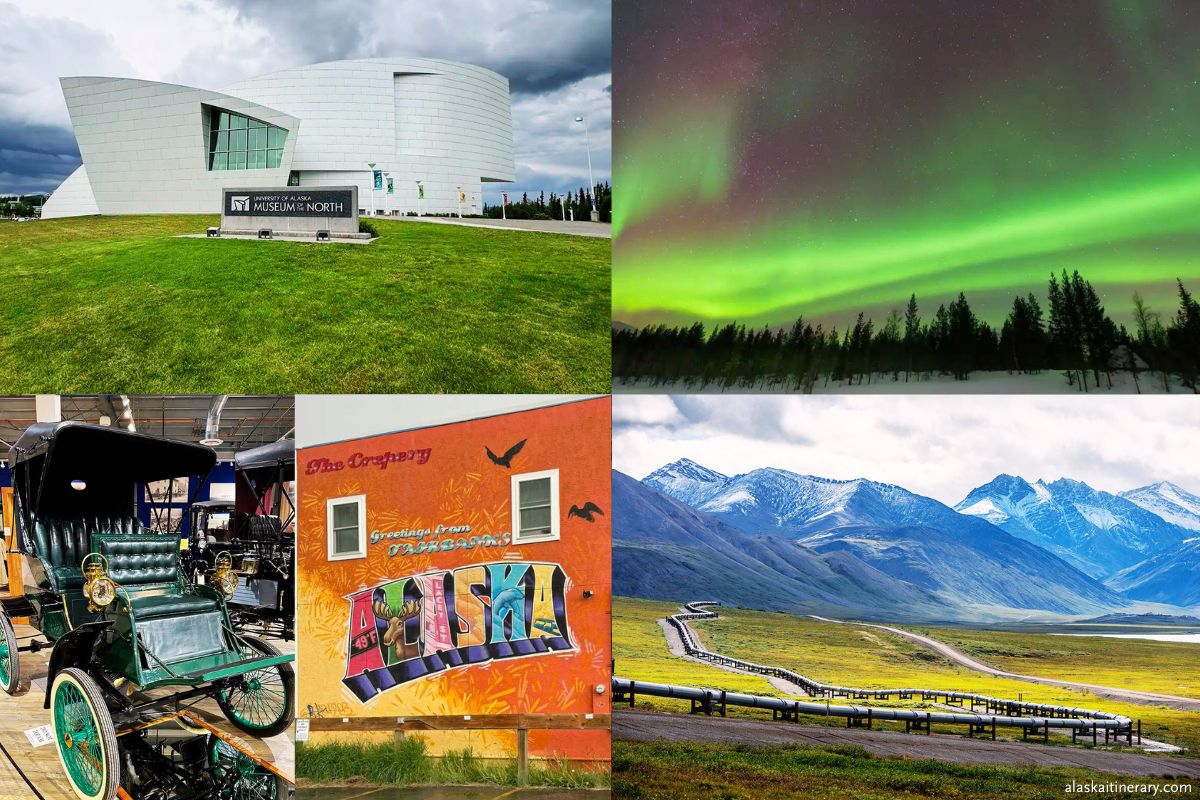
Our Experience in Fairbanks
We have visited Fairbanks in different seasons, and each time it felt like a completely different Alaska destination.
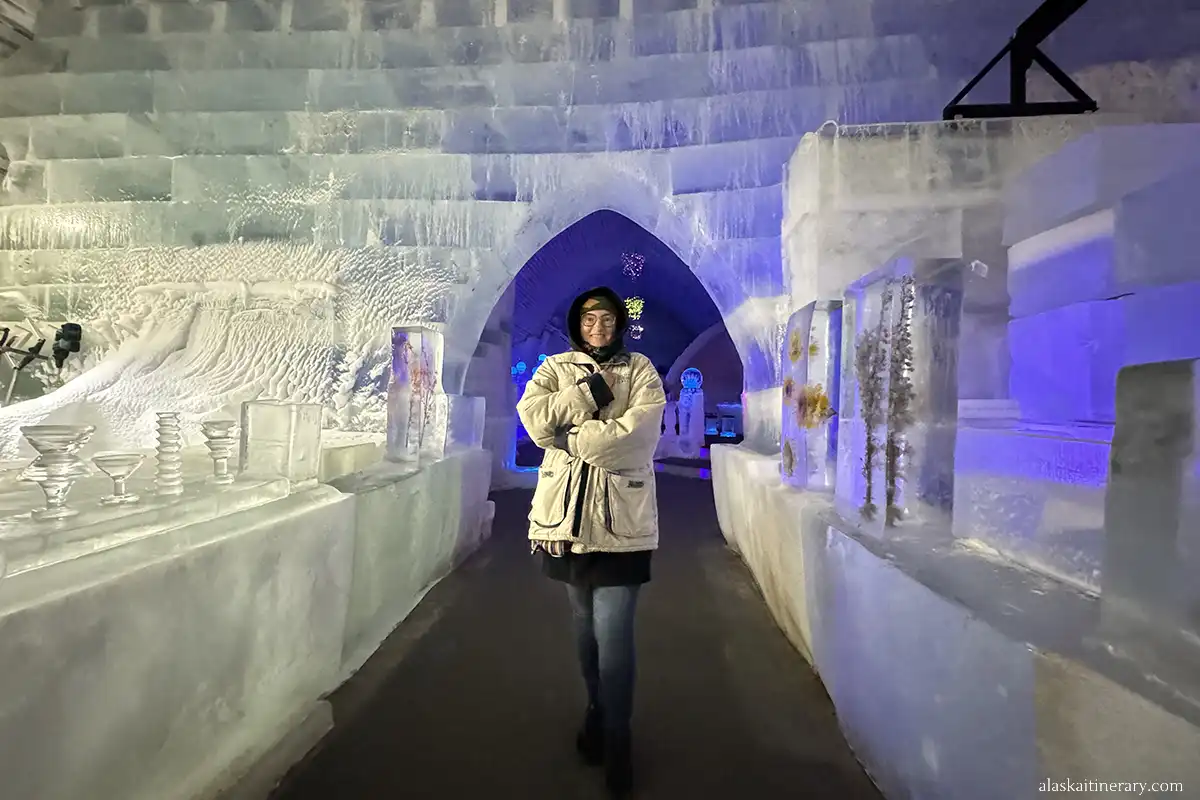
Our first trip focused on winter and the Northern Lights. To improve our chances for clear skies, we stayed just outside town. Long nights, extreme cold, and quiet roads defined that visit — raw, intense, and unforgettable. During the day, despite the cold, we admired ice sculptures created during the World Ice Art Championships and went on trips and hikes, including the phenomenal Castner Glacier Ice Cave.
During later trips, summer revealed a completely different side of the Interior. The contrast surprised us. Instead of darkness and snow, there was endless daylight, open highways, and easy access to places like the Arctic Circle and Chena Hot Springs. Remote stretches of road suddenly felt approachable. Museums, gold rush history, and local neighborhoods became easier to explore at a slower pace.

We have also used Fairbanks as a base for Arctic adventures more than once. Driving the Dalton Highway toward the Arctic Ocean showed us how important Fairbanks is for Interior Alaska travel. Fairbanks is not just a stop — it is a logistical anchor for reaching some of the most remote corners of the state.
What stands out most to me is how often Fairbanks is underrated. I frequently see travelers advised to skip it entirely. That pushed me to look deeper and share what we have actually experienced. Fairbanks is not polished or picturesque like some Alaska destinations, but it feels authentic, resilient, and deeply connected to its landscape.
That is exactly why I created this Fairbanks travel guide — to show that, when planned intentionally, Fairbanks is absolutely worth visiting.


Where Is Fairbanks Located? (And Why It Matters)
Fairbanks sits in Interior Alaska, about 360 miles north of Anchorage and roughly 200 miles south of the Arctic Circle. Unlike coastal cities shaped by fjords and ocean weather, Fairbanks lies inland along the Chena River, surrounded by boreal forest and wide river valleys.
That inland position changes everything.
Because Fairbanks is far from the Gulf of Alaska and Pacific storm systems, it has a continental subarctic climate. Winters are colder and drier than in Southcentral or Southeast Alaska, with temperatures frequently dropping below zero from December through February. At the same time, Interior Alaska often experiences clearer skies than coastal regions, which is one reason Fairbanks is considered one of the best places in the United States to view the Northern Lights.
Summer brings the opposite extreme. Daytime highs in June and July commonly reach the 70s°F, and the city receives nearly 22 hours of daylight around the solstice. That combination creates ideal conditions for long road trips and extended outdoor exploration.
Fairbanks’ geography and history have shaped its role as a transportation crossroads in Interior Alaska. The Dalton Highway begins just north of town. The Richardson Highway connects south toward Valdez. The Parks Highway links Fairbanks with Denali and Anchorage. From here, travelers can also access routes leading toward the Yukon.
Location is not just a map detail — it shapes the weather, the light, the road access, and the overall rhythm of travel. Any comprehensive Fairbanks travel guide must begin with geography, because understanding where the city sits explains why the experience here feels so different from coastal Alaska.
Fairbanks feels very different from Southcentral Alaska, especially in winter. If you’re unsure how it fits into a broader trip, our guide to Alaska destinations breaks down where it makes sense to include Fairbanks in your itinerary.

Why Fairbanks Is Alaska’s Aurora Capital
Fairbanks is widely known as the best place in Alaska to see the Northern Lights. That reputation is not marketing. It is based on geography, climate, and accessibility.
Position Under the Aurora Oval
Fairbanks sits directly beneath the Aurora Oval, a band of geomagnetic activity where auroras occur most frequently. Because of this location, aurora displays are stronger and more consistent here than in most other populated parts of the state.
When solar activity increases, Interior Alaska often sees visible movement, color, and structure in the sky — not just faint glows near the horizon. If you plan to capture the experience, reviewing basic aurora photography tips before your trip can make a significant difference.
For real-time data, many travelers also monitor aurora forecasts published by the Geophysical Institute at the University of Alaska Fairbanks (UAF), which specializes in Arctic and auroral research.
Clearer Interior Skies
Geography gives Fairbanks another advantage.
Unlike coastal cities influenced by Pacific storms, Fairbanks has a continental subarctic climate. Winter temperatures are colder, but cloud cover is often less persistent than in places like Anchorage or Southeast Alaska. Clear skies do not happen every night, yet statistically the Interior offers more reliable viewing windows during aurora season.
Before heading out, checking reliable aurora tracking apps for solar activity and cloud cover can help you time your viewing attempts more effectively.
Cold does not guarantee clear conditions — but inland positioning improves your odds.
The True Aurora Season
Northern Lights viewing in Fairbanks typically runs from late August through mid-April, which marks the core of Alaska’s Northern Lights season. Darkness is the key requirement. During summer, the midnight sun makes aurora viewing impossible, even when solar activity is high.
Winter brings the longest nights and therefore the largest viewing windows. However, it also brings extreme cold. From December through February, temperatures below zero are common. Planning proper winter clothing and realistic expectations is essential.
Infrastructure Makes It Accessible
One reason Fairbanks stands out is convenience.
Unlike remote Arctic villages, Fairbanks has a major airport, year-round hotels, paved roads, and professional tour operators. Travelers can choose guided aurora borealis tours that monitor forecasts and drive to clearer skies, heated viewing cabins outside town, or independent viewing in darker areas beyond city lights.
Because auroras are never guaranteed on a single night, staying at least three nights significantly improves your chances. Fairbanks makes that realistic and comfortable, even in mid-winter.
Fairbanks combines location, climate, and infrastructure in a way few destinations can. If your primary goal is to see the Northern Lights, this city offers one of the strongest setups in North America.

Arctic & Highway Adventures from Fairbanks
Fairbanks is not only Alaska’s aurora capital. It is also the primary gateway to the Arctic and some of the most remote road systems in North America.
From the edge of the city, paved highways gradually give way to long stretches of wilderness. Services become limited. Distances expand. The landscape shifts from Interior forest to open tundra. That transition begins just outside town.
Driving to the Arctic Circle
One of the most sought-after experiences from Fairbanks is reaching the Arctic Circle. The official Arctic Circle marker sits about 200 miles north of the city along the Dalton Highway.
Some travelers drive independently. Others join guided Arctic Circle tours from Fairbanks that handle fuel planning, road conditions, and safety logistics. While the drive can be completed in a long day, preparation is essential. Weather changes quickly, and services are sparse.
Fairbanks works as a launch point because it provides the last major supply hub before heading north.
The Dalton Highway
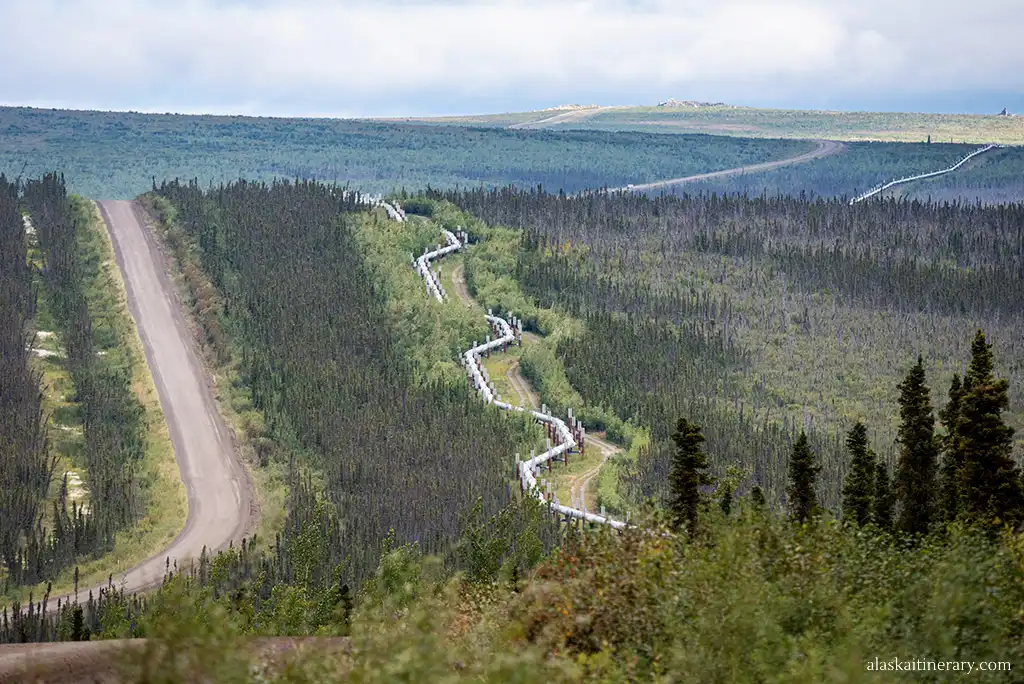
The Dalton Highway begins just north of Fairbanks and stretches more than 400 miles to Deadhorse near the Arctic Ocean. Built to support the Trans-Alaska Pipeline, it is now one of the most remote public highways in the United States.
Driving the Dalton — often called the Haul Road — requires serious preparation. Before you go, review essential Dalton Highway safety tips to understand road conditions, fuel planning, and what to expect.
Driving the Dalton is not casual sightseeing. Fuel stops are limited. Cell service disappears. Gravel sections and construction zones are common. However, for travelers seeking vast tundra landscapes, pipeline viewpoints, and true Arctic isolation, it delivers an experience unlike anywhere else.
Fairbanks is where those journeys begin — whether you are self-driving or booking an Arctic expedition.
Gateway to Remote Arctic National Parks
Fairbanks also serves as the primary departure point for fly-in access to Gates of the Arctic National Park and Preserve and Kobuk Valley National Park.
Neither park has road access. Visiting typically requires small aircraft arranged from Fairbanks or nearby Interior communities. These landscapes remain undeveloped and are among the least visited in the entire U.S. national park system.
Most travelers will not venture this far, but the proximity of such wilderness reinforces Fairbanks’ identity as Alaska’s Arctic gateway.
Taylor Highway & Remote Interior Routes
South of Fairbanks, the Taylor Highway offers another remote route through Alaska’s Interior. This scenic and lightly traveled road connects to Chicken, a historic gold mining settlement with a distinctly frontier feel.
From Chicken, adventurous travelers can continue toward the Top of the World Highway and cross into Dawson City in Canada’s Yukon Territory. This international connection transforms Fairbanks into more than an Arctic base — it becomes a hub for extended northern road journeys.
These highways are not polished tourist corridors. They require fuel awareness, flexible planning, and comfort with long distances between services. Yet they provide something rare: space, solitude, and the feeling of traveling through landscapes that still feel wild.
This is why Arctic access is central to any serious Fairbanks travel guide. The city is not just a destination. It is a staging ground for some of the most remote and rewarding road adventures in Alaska.

Things to Do in Fairbanks (Organized by Theme)
Fairbanks is not a city of dramatic fjords or cruise docks. Instead, it offers layered experiences shaped by gold rush history, Interior culture, extreme seasons, and access to wide-open landscapes. If you prefer a straightforward list format, explore my guide to the best things to do in Fairbanks.
Rather than listing random attractions here, this Fairbanks travel guide organizes them by theme so you can plan based on your interests.
Gold Rush & River Heritage
Fairbanks was built on gold, and that history still defines much of the visitor experience.
The Riverboat Discovery introduces travelers to life along the Chena River, combining river travel with demonstrations of bush flying and Alaska Native traditions. It is a strong introduction to Interior life.
At Gold Dredge 8, you step directly into the mining past. The experience explains how early prospectors worked these lands and why Fairbanks grew so quickly in the early 1900s.
Nearby, the small community of Ester preserves its gold camp character. Wooden buildings, mining relics, and a quiet setting make it feel like stepping back in time.
Together, these experiences provide context. They explain why Fairbanks exists — not just what to see today.

Cultural & Historical Attractions
Interior Alaska culture runs deeper than many travelers expect.
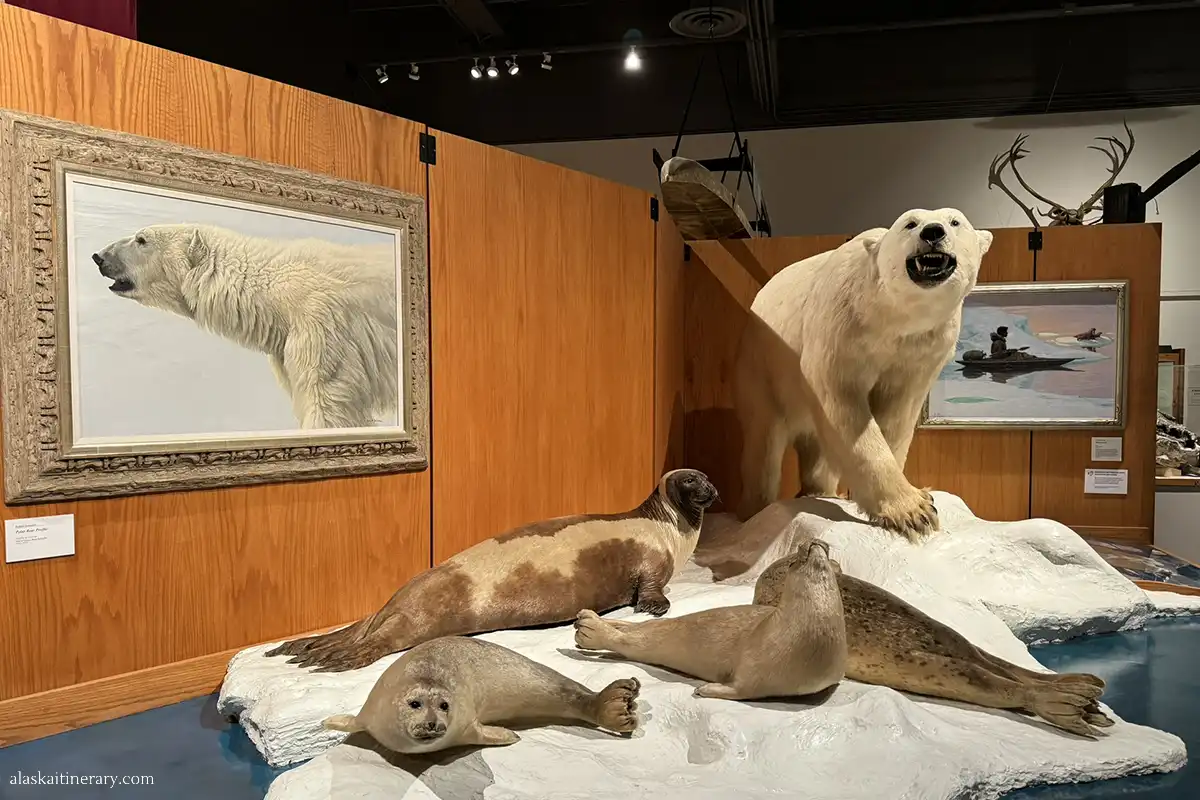
The University of Alaska Museum of the North offers one of the most comprehensive overviews of Alaska’s natural history, Indigenous cultures, and Arctic research. It is modern, well-curated, and essential for understanding the region. The museum is also home to the original Magic Bus 142, made famous by the story of Christopher McCandless.
The Morris Thompson Cultural and Visitors Center provides additional insight into Interior Alaska Native heritage and local ecosystems. It serves as both an educational stop and a practical orientation point.
For something unexpected, the Fountainhead Antique Auto Museum combines vintage automobiles with Alaska frontier stories. Meanwhile, Pioneer Park preserves early Fairbanks architecture and small exhibits tied to the city’s development.
These stops add depth to a visit and balance the outdoor focus.
Summer in Fairbanks
Summer transforms the city.
From late May through July, daylight stretches nearly around the clock. The midnight sun creates long evenings ideal for hiking, fishing, and road trips. Interior temperatures often climb higher than coastal Alaska, making it one of the warmer regions in the state during peak season.
Creamer’s Field becomes a wildlife and birdwatching hotspot, particularly during migration periods. Riverside trails along the Chena River offer easy walks with wide-open sky views. The Tanana Valley Sandhill Crane Festival highlights another seasonal spectacle unique to this part of Alaska.
Summer in Fairbanks feels open, bright, and surprisingly relaxed. Summer is also ideal for strolling through downtown Fairbanks, walking along the Chena River, and enjoying local cafés and small restaurants at a relaxed pace.
For a closer look at specific highlights, explore my detailed guide to downtown Fairbanks.

Winter in Fairbanks (Beyond the Aurora)
While Northern Lights viewing draws many visitors, winter activities in Fairbanks extend well beyond aurora chasing.
Dog sledding tours provide an authentic look at mushing culture. Snowmobile outings, cross-country skiing, and snowshoeing allow visitors to experience Interior terrain firsthand.
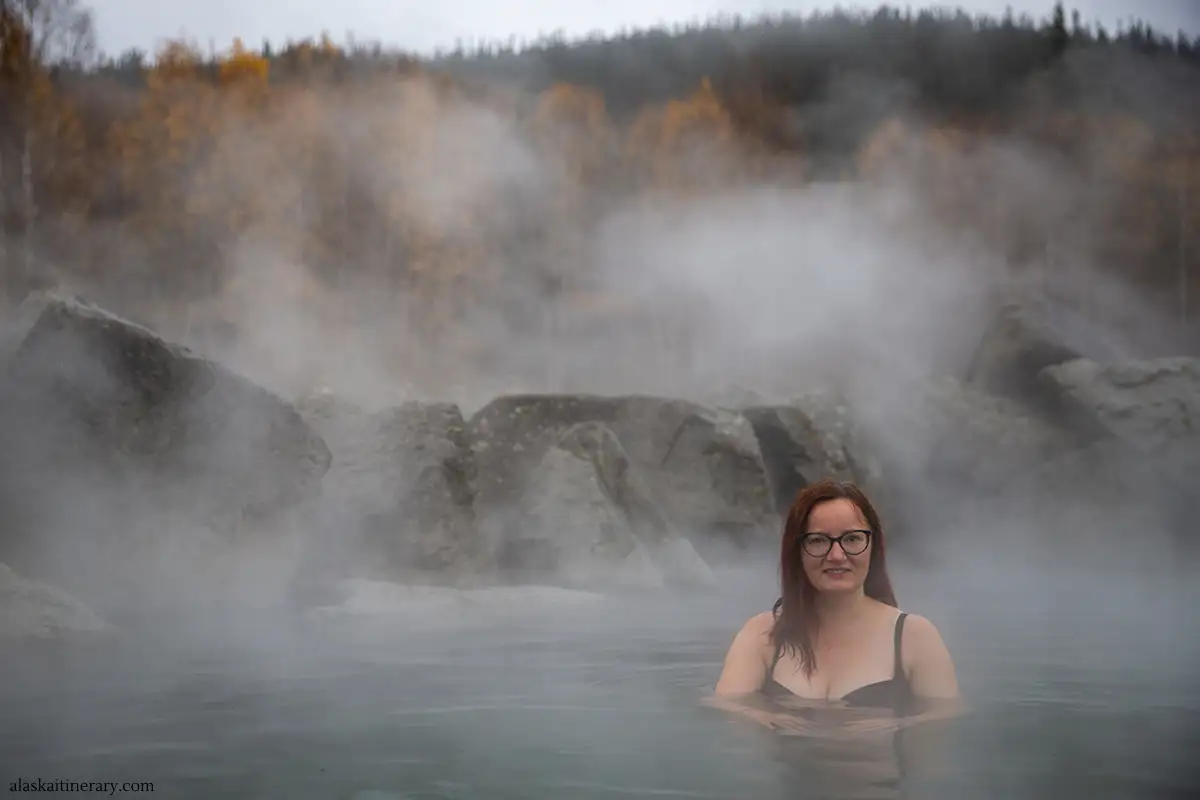
A short drive east leads to Chena Hot Springs, where geothermal pools remain open year-round. Soaking in hot water while surrounded by snow captures the contrast that defines Interior Alaska.
Another perfect winter experience is walking with reindeer. Fairbanks offers several options, which we compare in our detailed guide to the best reindeer tours and experiences in Alaska.
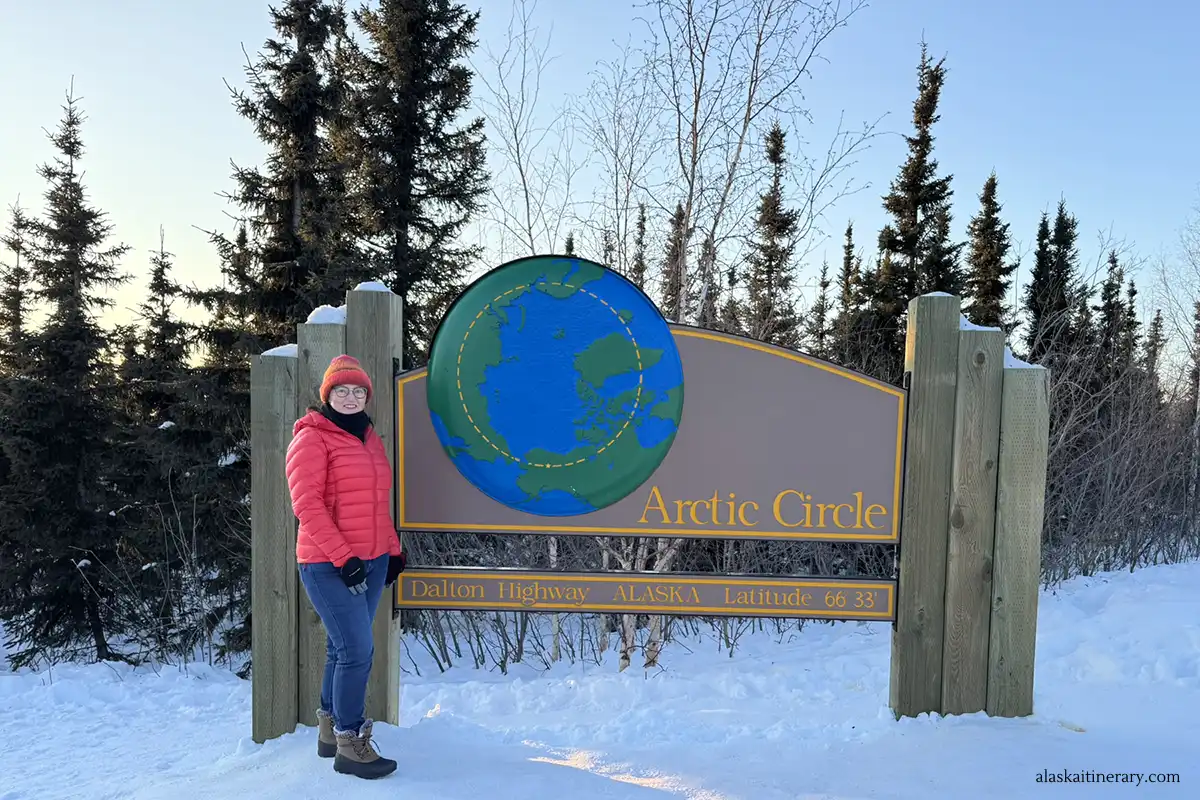

Winter in Fairbanks is not mild. It is intense, cold, and deeply seasonal — but it offers experiences that are difficult to replicate anywhere else.
Fairbanks may not overwhelm you with attractions at first glance. Instead, it reveals itself through history, seasonality, and access to the vast Interior landscape. Approached intentionally, it becomes one of the most distinctive destinations in Alaska.
Best Day Trips from Fairbanks
Fairbanks works well as a base for exploring Interior Alaska. While the city itself offers enough to fill several days, a few nearby destinations add variety without requiring a full relocation.
Most of these trips are realistic in a half-day or full-day timeframe, depending on weather and season.
Chena Hot Springs
Located about 60 miles northeast of Fairbanks, Chena Hot Springs Resort is one of the most popular excursions from the city.
The drive takes roughly 1.5 hours and passes through scenic Interior forest. Visitors come to soak in the outdoor geothermal rock lake, visit the Aurora Ice Museum, or simply enjoy a change of scenery. In winter, it’s a favorite pairing with Northern Lights viewing. In summer, it provides a relaxing contrast to long road days.
Chena is one of the easiest and most rewarding day trips from Fairbanks.
North Pole, Alaska
About 20 minutes southeast of Fairbanks sits the small community of North Pole.
Yes — it is exactly what it sounds like.
The town embraces its holiday-themed identity year-round, and the Santa Claus House remains the main attraction. While it’s a quick stop, it’s a fun addition, especially for families or travelers looking for a lighthearted break between longer drives.
Nenana
Located about 55 miles southwest along the Parks Highway, Nenana offers a quieter look at Interior Alaska life.
The town is best known for the Nenana Ice Classic, an annual guessing contest predicting when the Tanana River ice will break up in spring. While small, Nenana provides scenic river views and a slower pace compared to Fairbanks.
Denali (Long Day Option)
Denali National Park sits roughly two hours south of Fairbanks by car. While most travelers choose to stay overnight near the park entrance, it is possible to visit as a long day trip if you plan carefully.
This option works best in summer, when daylight hours are extended.
Fairbanks is not surrounded by tightly packed attractions. Instead, its day trips reflect the scale of Interior Alaska — open highways, small communities, and long distances between destinations.
That spaciousness is part of the experience.

How Many Days Do You Need in Fairbanks?
The right amount of time in Fairbanks depends on your goals.
Some travelers come primarily for the Northern Lights. Others use the city as a base for Arctic highways. A few focus on museums and gold rush history. The experience changes dramatically by season.
Here’s a realistic breakdown.
2 Days in Fairbanks
Two full days can work if your schedule is tight.
In winter, this allows at least two nights for aurora viewing. Because sightings are never guaranteed on a single evening, multiple attempts significantly improve your odds.
In summer, two days gives you time to explore downtown, visit a major museum, and add a short excursion such as Chena Hot Springs.
This timeframe works best for focused trips with one primary goal.
3–4 Days in Fairbanks
Three to four days feels more balanced.
You can:
- Dedicate multiple nights to aurora viewing
- Visit cultural and historical attractions
- Add a full day trip
- Begin exploring remote highways
This is the ideal range for most first-time visitors. If you’d like a detailed breakdown of how to organize your time, take a look at my 3 Days in Fairbanks itinerary, which walks through a realistic daily plan for both summer and winter visits.
5+ Days in Fairbanks
Longer stays make sense if you plan to:
- Drive to the Arctic Circle
- Begin the Dalton Highway
- Combine aurora viewing with extended winter activities
- Add Denali or other Interior routes
Fairbanks functions well as a base for deeper exploration. The more ambitious your road plans, the more valuable extra time becomes.
For most travelers, three to four days offers the best balance between city attractions, seasonal experiences, and Arctic access.

Where to Stay in Fairbanks
Fairbanks offers a range of accommodations, but location matters more here than in larger cities. Because the area is spread out and many activities require driving, choosing the right base depends on your priorities.
For a full breakdown of neighborhoods, lodging types, and detailed recommendations, see my separate guide on where to stay in Fairbanks. Below is a practical overview to help you decide quickly.
Downtown Fairbanks
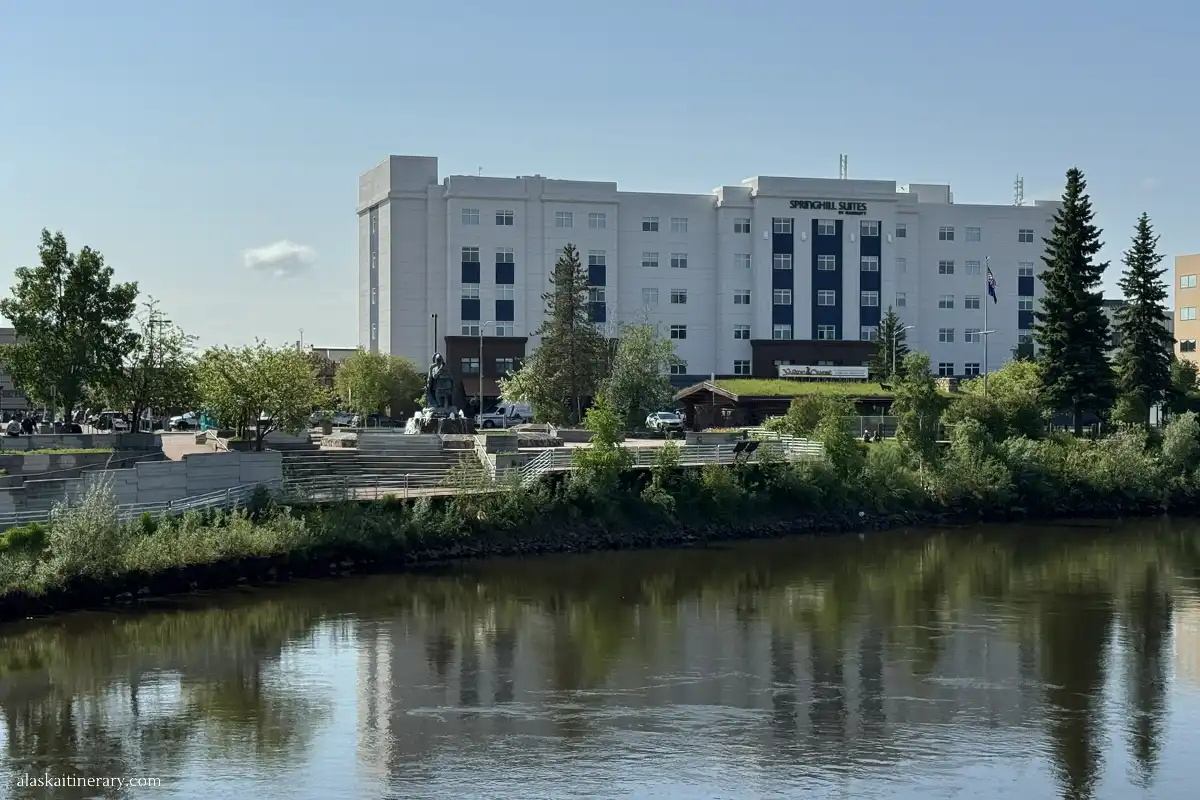
Downtown works well if you want walkable access to restaurants, museums, and riverfront paths. Several mid-range hotels and smaller properties are clustered here.
This area is convenient for short stays focused on cultural attractions and aurora tours that provide transportation. Parking is generally easy, and most services are close by.
Near the Airport
Fairbanks International Airport sits only a few miles from downtown. Staying near the airport can be convenient for early departures or late arrivals.
Many chain hotels operate in this area, and rental car agencies are nearby. While it is less scenic than downtown, it is practical.
Aurora Lodges & Cabins Outside Town
If Northern Lights viewing is your top priority, consider staying outside city limits. Several cabins and lodges sit in darker areas north and east of Fairbanks, offering reduced light pollution and, in some cases, wake-up calls when aurora activity begins.
These properties often provide a quieter setting but require a rental car for flexibility.
Budget & Seasonal Considerations
Prices fluctuate significantly by season. Winter aurora season and peak summer months tend to be the most expensive periods. Shoulder seasons may offer better availability and lower nightly rates.
Because Fairbanks serves as an Arctic gateway, accommodations can fill quickly during popular aurora months. Booking early is strongly recommended if you plan to visit between September and March.
Fairbanks does not have luxury resort clusters like some coastal destinations. Instead, lodging here focuses on practicality, comfort, and seasonal access.
Choosing the right location depends on whether you prioritize walkability, aurora viewing, or road-trip convenience.
Cost of Visiting Fairbanks
Fairbanks can be moderately priced or surprisingly expensive depending on season and travel style. Winter aurora trips and peak summer visits typically cost more than shoulder-season travel.
Here’s what you can realistically expect.
Accommodation Costs
Hotel rates in Fairbanks fluctuate sharply by season.
During peak aurora months (September through March) and peak summer (June and July), mid-range hotels commonly fall in the $180–$300+ per night range, depending on demand and availability. Aurora lodges or private cabins outside town often cost more, especially during high solar activity periods or holiday weeks.
In shoulder seasons (late April–May and late August), prices may drop closer to the $130–$180 per night range, though availability varies.
Booking early is strongly recommended if you plan to visit during peak aurora season.
Northern Lights Tours
Guided aurora tours in Fairbanks typically range between $100 and $350 per person, depending on:
- Duration
- Transportation included
- Heated lodge access
- Photography services
Private tours and small-group experiences can exceed $300 per person.
Because auroras are never guaranteed on a single night, many travelers book two or three consecutive tours, which can significantly increase total trip cost.
Arctic Circle & Dalton Highway Tours
Full-day Arctic Circle tours from Fairbanks generally range from $250 to $300+ per person.
Multi-day Dalton Highway or Arctic Ocean expeditions cost substantially more, often starting around $900–$1,500+ per person, depending on length and inclusions.
Driving independently may reduce tour costs, but fuel, vehicle wear, gravel road conditions, and limited services should be factored into your planning.
Rental Cars
Rental car prices vary widely by season.
In summer and during peak aurora months, daily rental rates often range between $90 and $180+ per day, depending on vehicle type and demand. SUVs and winter-equipped vehicles cost more.
Because Fairbanks is spread out and many attractions require driving, renting a car from local rental is strongly recommended unless you plan to rely entirely on guided transportation.
Food & Daily Expenses
Dining prices in Fairbanks are similar to many small American cities.
- Casual meals typically range from $15 to $35 per person
- Sit-down restaurants often range from $25 to $45 per person
- Groceries and fuel are slightly higher than in the Lower 48 due to transportation costs
Overall, Fairbanks can be planned as a mid-range destination. However, aurora tours, Arctic excursions, and seasonal lodging demand can raise costs quickly.
Building a realistic budget in advance allows you to prioritize what matters most — whether that’s maximizing aurora nights, exploring remote highways, or focusing on cultural attractions.

Best Time to Visit Fairbanks
The best time to visit Fairbanks depends entirely on what you want to experience. Interior Alaska does not have mild transitions. It moves between extremes.
Start with one question: Are you coming for the Northern Lights, the midnight sun, or Arctic road travel?
Winter (September Through March) – Aurora Season
Winter is the most popular time to visit Fairbanks because of the Northern Lights.
Dark skies return in late August, and aurora viewing typically runs through mid-April. The longest nights occur between November and February, when Fairbanks receives fewer than 4 hours of daylight near the winter solstice.
Cold is serious here.
From December through February, average daytime highs range between 0°F and 10°F (-18°C to -12°C). Overnight temperatures commonly drop to -15°F to -25°F (-26°C to -32°C). During cold snaps, temperatures can fall below -40°F, especially in January.
Proper winter clothing is not optional. Layering, insulated boots, and face protection are essential.
Winter works best for travelers who prioritize aurora viewing and are comfortable planning around extreme cold.
Summer (Late May Through July) – Midnight Sun & Road Trips
Summer brings the opposite extreme.
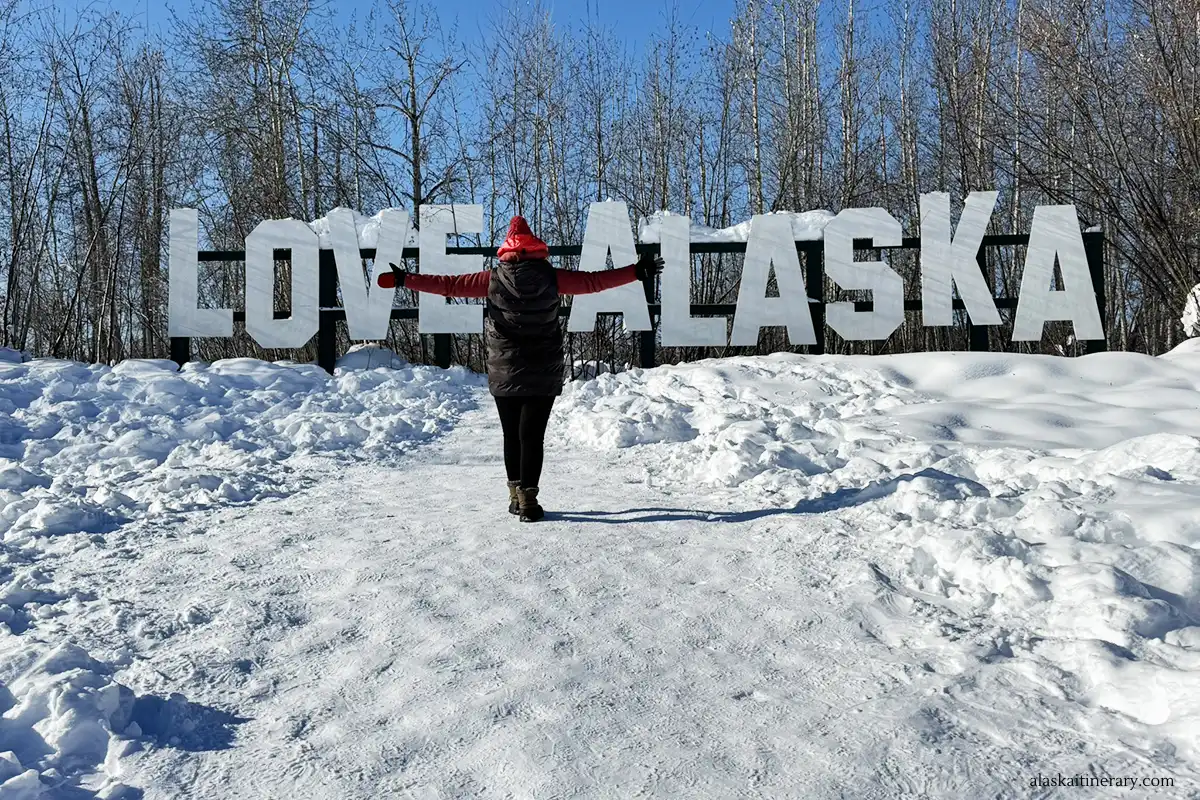
Around the June solstice, Fairbanks receives approximately 21–22 hours of daylight, with only a brief period of civil twilight. True darkness disappears, which makes Northern Lights viewing impossible, even during strong solar activity.
Interior Alaska also runs warmer than coastal regions. Average daytime highs in June and July typically range between 70°F and 75°F, and occasional heat waves push temperatures into the 80s°F.
This is the best season for:
- Driving the Dalton or Taylor Highways
- Visiting Denali from the north
- Long hiking days
- Extended road travel
Summer favors mobility and exploration.
Shoulder Seasons (April–May & Late August)
Shoulder seasons bring transitional conditions.
In late August, darkness begins returning, allowing early aurora sightings while roads remain fully accessible. April and early May offer increasing daylight but may include snowmelt and muddy conditions.
Temperatures during these periods can vary widely, often ranging from 30°F to 60°F, depending on the month.
These months work best for flexible travelers who can adapt to changing weather.
Fairbanks does not have one “perfect” season. Instead, it offers two distinct peak experiences: winter aurora and summer midnight sun.
Choosing the right season shapes everything — from clothing to road access to daily rhythm.
For a detailed month-by-month breakdown, you can explore the full seasonal planning guide separately.
How to Get to Fairbanks
Despite its remote location in Interior Alaska, Fairbanks is surprisingly accessible. Whether you are arriving by air, rail, or road, the city functions as a major transportation hub for the northern half of the state.
Understanding your options helps you build a smoother itinerary.
By Air
Most visitors arrive through Fairbanks International Airport (FAI).
The airport sits about 5 miles southwest of downtown and offers year-round connections to Anchorage and seasonal or direct flights to several major U.S. cities. During peak summer, additional routes often operate from hubs such as Seattle.
Because Fairbanks serves as a gateway to Arctic destinations, flight schedules may be more limited than Anchorage. Booking early is recommended, especially for winter aurora season and summer travel.
Rental car agencies operate directly at the airport, making arrivals straightforward.
By Road
Driving to Fairbanks is common for travelers exploring Alaska by car or RV.
From Anchorage, the drive takes approximately 6 to 7 hours via the Parks Highway (about 360 miles). The route is fully paved and passes near Denali National Park, making it easy to combine both destinations. If you are starting your trip in Anchorage, explore my complete Anchorage travel guide for planning tips and local recommendations.
From the south, the Richardson Highway connects Fairbanks to Valdez. From the north, the Dalton Highway begins just outside the city and continues toward the Arctic Ocean.
Long distances are normal in Interior Alaska. Fuel planning and seasonal road conditions should always be considered.
By Train
The Alaska Railroad offers year-round service between Anchorage and Fairbanks, but schedules vary by season.
In summer (roughly mid-May through mid-September), trains run on a more frequent schedule designed for peak travel demand.
In winter (roughly mid-September through mid-May), travelers can still ride the rails via the Aurora Winter Train, which typically operates weekend service between Anchorage and Fairbanks, with some additional midweek departures during parts of the season.
Train travel is slower than driving, but it’s scenic and relaxing. It also works well if you want to combine Fairbanks with Denali without doing the full drive yourself.
Getting Around Fairbanks
Fairbanks is not a compact, walkable city in the way many downtown-focused destinations are. Attractions are spread out, and several key experiences — including aurora viewing and Arctic highways — require transportation.
Planning how you will move around is essential.
Renting a Car
For most visitors, renting a car is the simplest and most flexible option.
Many attractions sit outside downtown, including Chena Hot Springs, the start of the Dalton Highway, and several aurora lodges. Even within the city, museums and neighborhoods are spaced apart.
In winter, renting a vehicle equipped for cold conditions is especially important. Roads are maintained, but snow and ice are common between October and April.
If you plan to explore beyond city limits, a car is strongly recommended.
Public Transportation & Rideshare
Fairbanks does have a local bus system, but service is limited compared to Anchorage. Routes primarily serve residential and commercial corridors rather than tourist-focused stops.
Rideshare availability may vary by season and time of day.
Public transportation can work for simple point-to-point travel, but it is not ideal for sightseeing or remote excursions.
Relying on Tours
If you do not want to drive, guided tours are a practical alternative.
Most Northern Lights tours include transportation. Arctic Circle and Dalton Highway excursions also depart directly from Fairbanks and handle all logistics.
This approach works well for short stays focused on specific experiences. However, it limits flexibility for independent exploration.
Fairbanks functions best when you approach it with mobility in mind. Whether you choose a rental car or guided tours, having a clear transportation plan will shape your overall experience.

Frequently Asked Questions About Visiting Fairbanks
Is Fairbanks the best place in Alaska to see the Northern Lights?
Fairbanks is widely considered one of the best places in Alaska — and in the United States — to see the Northern Lights. Its location under the Aurora Oval and its inland climate provide more consistent viewing opportunities than many coastal areas.
However, auroras are never guaranteed on a single night. Staying at least three nights significantly improves your chances.
How cold does Fairbanks get in winter?
Winter temperatures in Fairbanks are serious.
From December through February, average daytime highs typically range between 0°F and 10°F. Overnight temperatures commonly drop to -15°F or colder. During strong cold snaps, temperatures can fall below -40°F.
Proper winter gear is essential if you visit during peak aurora season.
Can you drive to the Arctic Circle from Fairbanks?
Yes, you can.
The Arctic Circle lies about 200 miles north of Fairbanks along the Dalton Highway. It is possible to drive independently in a long day, but preparation is critical. Road conditions, fuel stops, and weather should always be checked in advance.
Guided Arctic Circle tours are also widely available.
Is Fairbanks worth visiting in summer?
Yes — but for different reasons than winter.
Summer brings nearly 22 hours of daylight around the June solstice, warmer temperatures, and better conditions for long road trips. It is the best time for driving the Dalton or Taylor Highways and for exploring Denali from the north.
Northern Lights are not visible in summer due to continuous daylight.
How far is Fairbanks from Denali National Park?
Denali National Park sits about 120 miles south of Fairbanks. The drive typically takes around two hours via the Parks Highway, depending on road conditions.
While many travelers stay overnight near the park entrance, Denali can be visited as a long day trip during summer months.
Is Fairbanks safe for visitors?
Fairbanks is generally safe for travelers, especially in areas commonly visited by tourists.
Like any city, it has neighborhoods with higher crime rates, and normal precautions should be taken. Wildlife awareness is also important, particularly when hiking or driving outside town.
Most visitors experience Fairbanks without safety issues when using standard travel awareness.
Final Thoughts: Fairbanks Travel Guide
Fairbanks is not Alaska’s most polished destination. It does not offer cruise docks, dramatic fjords, or postcard harbor views. What it offers instead is something deeper — access to the Interior, the Arctic, and some of the most extreme seasonal contrasts in North America.
Here, winter means real darkness and real cold. Summer means endless daylight and wide-open highways. The city exists in rhythm with those extremes.
For some travelers, Fairbanks will feel raw and practical. For others, it becomes the most memorable part of their Alaska journey. It depends entirely on expectations and planning.
That is why this Fairbanks travel guide focuses on clarity. From aurora viewing and Arctic road access to realistic budgeting and seasonal timing, every decision here shapes your experience more than in many other Alaska destinations.
If you approach Fairbanks intentionally — choosing the right season, allowing enough time, and understanding its geography — it rewards you with experiences that are difficult to replicate anywhere else in the state.
Fairbanks is not just a stop on the map. It is Alaska’s Interior in its most honest form. I hope this Fairbanks travel guide gives you the clarity and confidence to plan an amazing trip.
Do You Like It? Pin It for Later!


Fairbanks looks fascinating, thanks for the comprehensive guide!
Wow I need to visit, Fairbank sounds amazing! Thank you for such a detailed guide
I definitely want to visit Gates of the Arctic, Kobuk Valley, and swim in the Arctic Ocean, so I’m saving this for later to reference when I’m ready to do all those things! Thanks for sharing these tips.
You are my resident Alaska expert and I cannot wait to visit Fairbanks. Seeing the Aurora is still on my bucket list!
We have been to Alaska on a cruise, but would love to visit so much more of the area. It just seemed to be a taste of Alaska on a cruise.
After reading this article, especially about Fairbanks being Alaska’s Aurora Capital, I checked where my friend lives in Alaska because she likes to post pictures of the aurora from her yard. Well, she lives in Delta Junction, less than two hours southeast of Fairbanks, per Google Maps. No wonder. I think you drove through the town when you went to Chicken.
I was in Fairbanks once, a long, long time ago. It looks like I missed a lot of cool things, but I did get to see the cranes. Thanks for this inspirational guide!
I can’t believe it actually drops to 40 degrees below zero sometimes! I can’t even begin to imagine what that would be like. I have a difficult time dealing with 40 degrees above zero~
This article offers some surprising insights. For example, the Sandhill Cranes that far north were shocking to me. Also, surprised about the proximity to the Arctic Circle and that you can drive there.