
Discovering the Last Frontier: Number And Facts About Alaska

Did you know Alaska has the largest population of bald eagles in the USA? This article explores its exciting geography, rich history, and fascinating facts about Alaska. This guide is perfect for those curious about Alaska’s grandeur, numbers, and secrets. Dive into the heart of the Arctic wilderness, where every fact tells a story of nature’s power and human endurance. Ready to explore? Let’s uncover the wonders of Alaska through the most interesting facts and numbers.
This article may contain affiliate / compensated links. For full information, please see our disclaimer here.
Alaska Facts: Introduction
Did you know that Alaska has over 3 million lakes, and its coastline extends over 34,000 miles, longer than all other U.S. states combined? Or that it’s the only place in the U.S. where you can witness the Northern Lights and the midnight sun? These are just glimpses into Alaska’s wonders.
Our regular readers and newsletter subscribers know that Chris and I have a profound connection with Alaska. Our passion extends beyond exploring Alaska’s breathtaking landscapes through travel and photography. We are equally fascinated by the intriguing numbers and facts that offer a comprehensive view of the USA’s largest state.
Our daily routine includes checking into Alaskan news and happenings, ensuring we’re always connected to its pulse, even from afar. Our bookshelves are full of Alaskan literature, from detailed maps to comprehensive guides, fueling our passion for this majestic land.
In this article, we’ve compiled the most fascinating and vital facts about Alaska. Whether you’re a fellow Alaskan enthusiast or someone dreaming of venturing into this spectacular state, these insights are curated just for you.
Alaska’s size, distances, and population patterns help explain why Alaska travel requires more planning than most destinations.
Alaska Geography Facts
Land Area
Alaska covers over 663,000 square miles, making it the largest state in the U.S., about twice the size of Texas.
Mountain Peaks
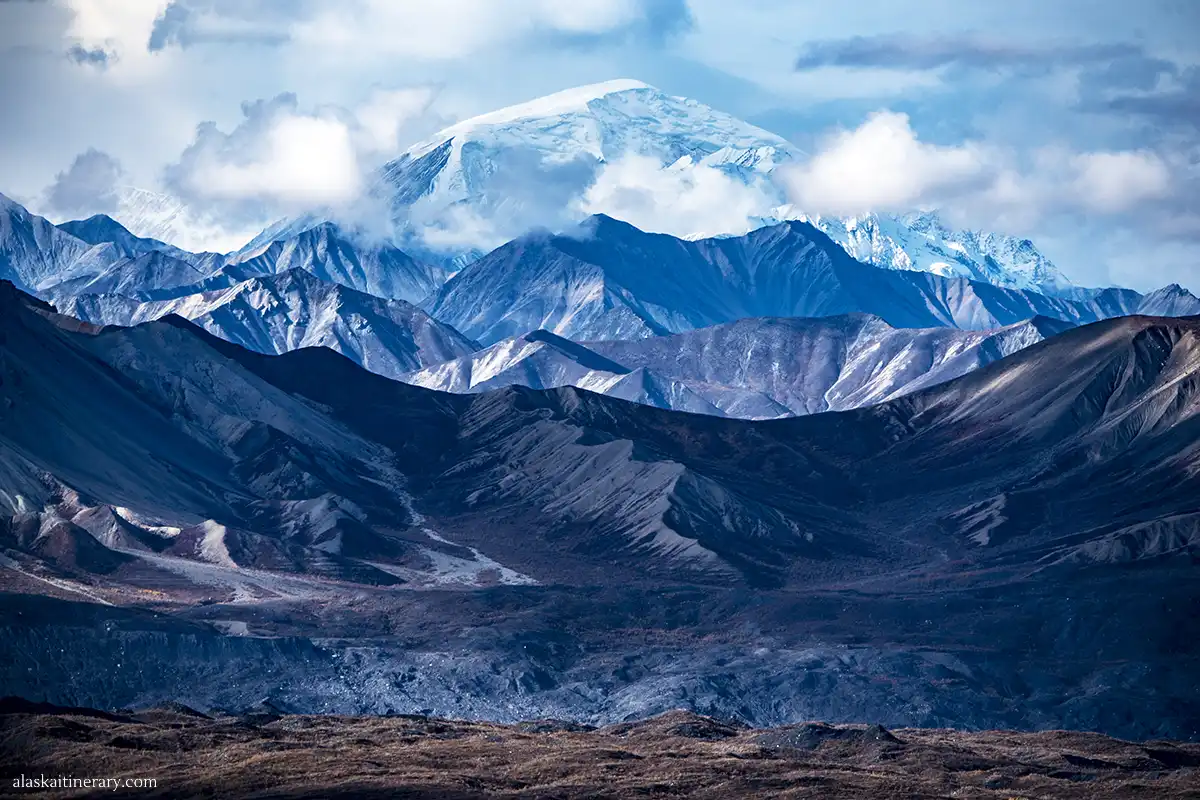
Alaska is home to Denali, North America’s highest peak at 20,310 feet, among its 17 of the 20 highest U.S. peaks. The five highest peaks in the U.S. which are all located in Alaska:
- Denali (used to be known as Mount McKinley) is the tallest peak in Alaska and the highest point in North America. It is located in the Alaska Range, in Denali National Park. At 20,310 feet (6,190 meters), it is also the highest point in North America.
- Mount Saint Elias, at 18,009 feet (5,489 meters), is part of the Saint Elias Mountains, located on the border between Alaska and Canada.
- Mount Foraker. At 17,400 feet (5,304 meters), Mount Foraker is the third highest peak in the U.S. It is situated in the Alaska Range, near Denali.
- Mount Bona. Located in the Saint Elias Mountains, Mount Bona is 16,550 feet (5,044 Meters).
- Mount Blackburn. At 16,390 feet (4,996 meters), Mount Blackburn is part of the Wrangell Mountains in Alaska.
Northern Lights
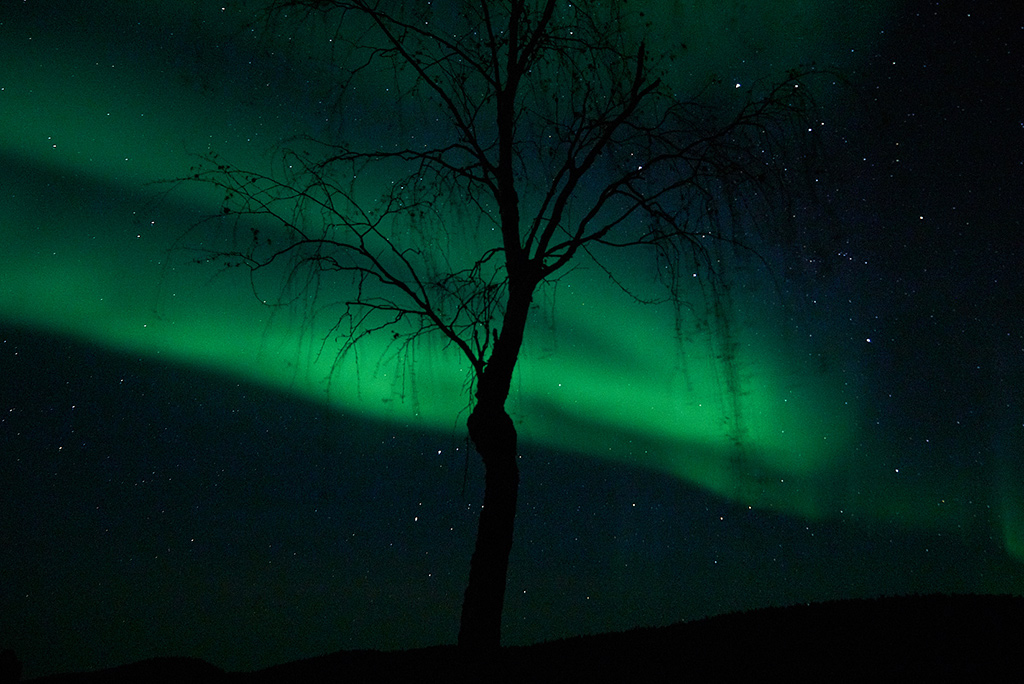
Alaska is one of the best places in the world to chase the Northern Lights, thanks to its location directly under the auroral oval, where auroral activity is most frequent. In prime locations like the Arctic Circle and the Fairbanks area, it’s possible to see the Northern Lights up to 243 nights per year, especially during the peak season from late August to mid-April.
The long, dark nights of winter combined with clear skies make Alaska a top destination for aurora viewing, offering one of the highest chances globally to witness this breathtaking natural phenomenon.
Check out The Best Northern Lights Tours in Alaska and the 8-day Alaska Northern Lights Viewing Itinerary.
Lakes and Rivers
Alaska boasts over 3 million lakes and thousands of rivers, including the famous Yukon River. The largest lake is Lake Iliamna, which spans over 1,000 square miles. The longest river is the Yukon River, which extends approximately 1,980 miles from its source in British Columbia, Canada, through Alaska, and into the Bering Sea.
Coastline Length
With over 34,000 miles of tidal shoreline, Alaska has the longest coastline of any U.S. state.
Island Count
Over 2,600 named islands are part of Alaska, creating a vast and diverse archipelago environment. The three largest islands in Alaska are:
- Kodiak Island: Spanning nearly 3,600 square miles, it is the largest island in Alaska and the second-largest in the United States, after Hawaii’s Big Island.
- Prince of Wales Island: This island, part of the Alexander Archipelago in southeastern Alaska, covers about 2,577 square miles, making it the fourth-largest island in the U.S.
- Revillagigedo Island: Also part of the Alexander Archipelago, it measures around 1,145 square miles and is known for its rich history and Alaska’s first city, Ketchikan.
Most Exciting Facts About Alaska’s History
Russian Exploration to U.S. Acquisition
Russia explored and claimed Alaska in the 18th century, with the first permanent Russian settlement established in 1784 on Kodiak Island. The United States purchased Alaska from Russia on March 30, 1867, for $7.2 million, which was formalized with the Alaska Purchase Treaty. An event is known as “Seward’s Folly.” The official transfer ceremony took place in Sitka on October 18, 1867.
Statehood and Capital
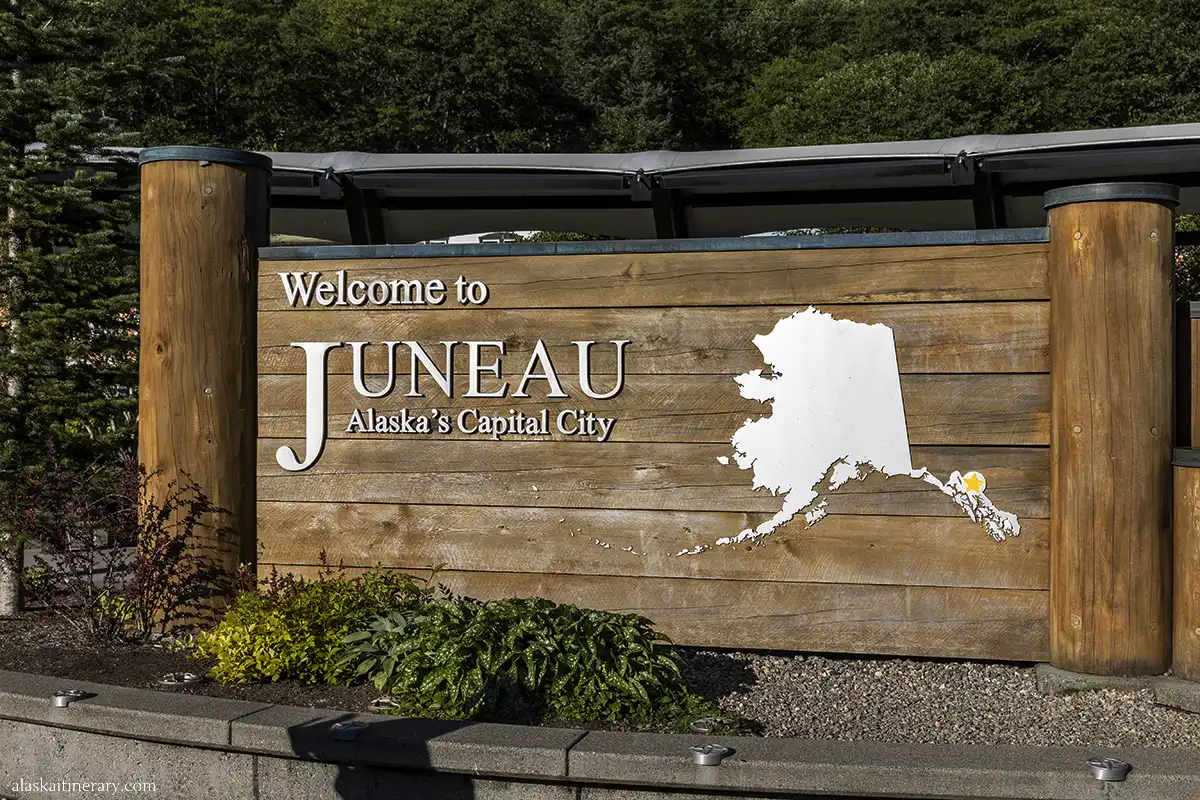
Alaska was admitted to the Union as the 49th state on January 3, 1959. Juneau, located in southeastern Alaska, became the capital when Alaska was still a district in 1906. Juneau has remained Alaska’s capital since statehood.

Population Growth
Alaska’s population has grown from a mere few thousand at the time of the U.S. purchase to over 730,000 today, with significant increases during gold rushes and pipeline construction periods.
Significant Events
- Gold Rushes. The late 1800s and early 1900s gold rushes, especially the Klondike Gold Rush, dramatically increased Alaska’s population and economic activity.
- World War II and the Cold War. The Aleutian Islands Campaign during WWII and Alaska’s strategic importance during the Cold War highlighted its military significance.
- 1964 Earthquake. The Good Friday Earthquake in 1964, the strongest in U.S. history, significantly impacted southern Alaska, leading to changes in infrastructure and disaster preparedness.
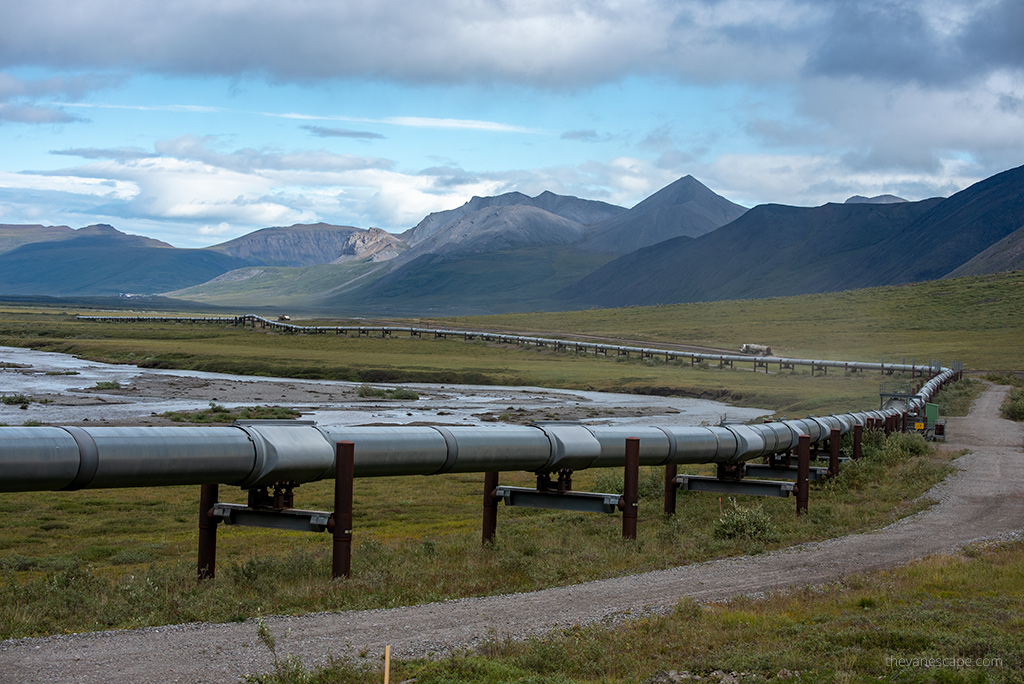
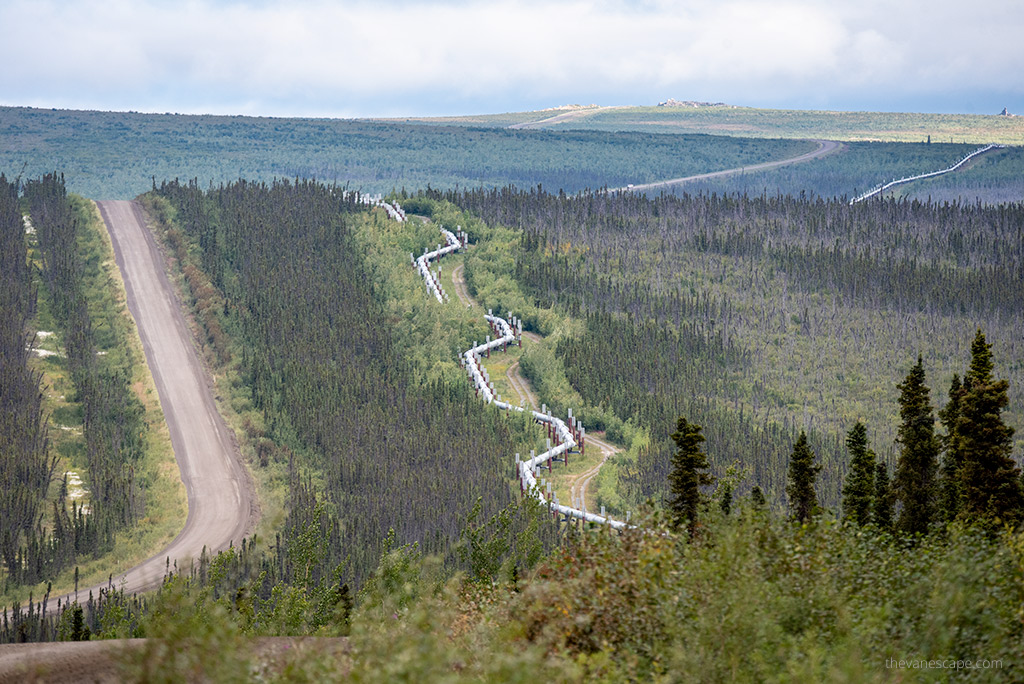
- Oil Discovery. In 1968, oil was discovered at Prudhoe Bay, and the Trans-Alaska Pipeline System was constructed, along the Dalton Highway, transforming the state’s economy and infrastructure.


Alaska Demographic Facts
Population Density and Distribution
With a population of 730,000, Alaska is the least densely populated U.S. state, with about one person per square mile. Nearly half of the state’s population resides in the Anchorage metropolitan area. Most of the state’s area is remote and sparsely populated, reflecting its vast wilderness and challenging living conditions.
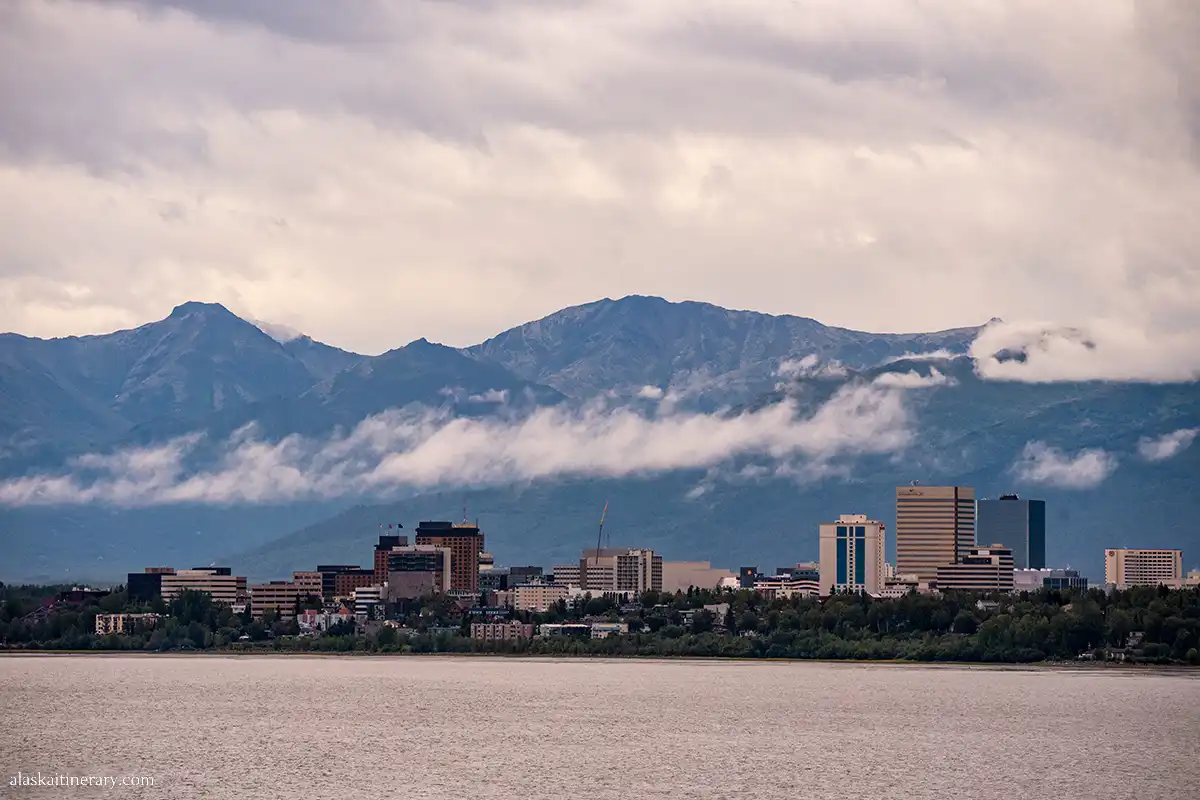
- Anchorage: The largest city, Anchorage, has a population of approximately 287,145 and is the state’s economic and cultural hub.
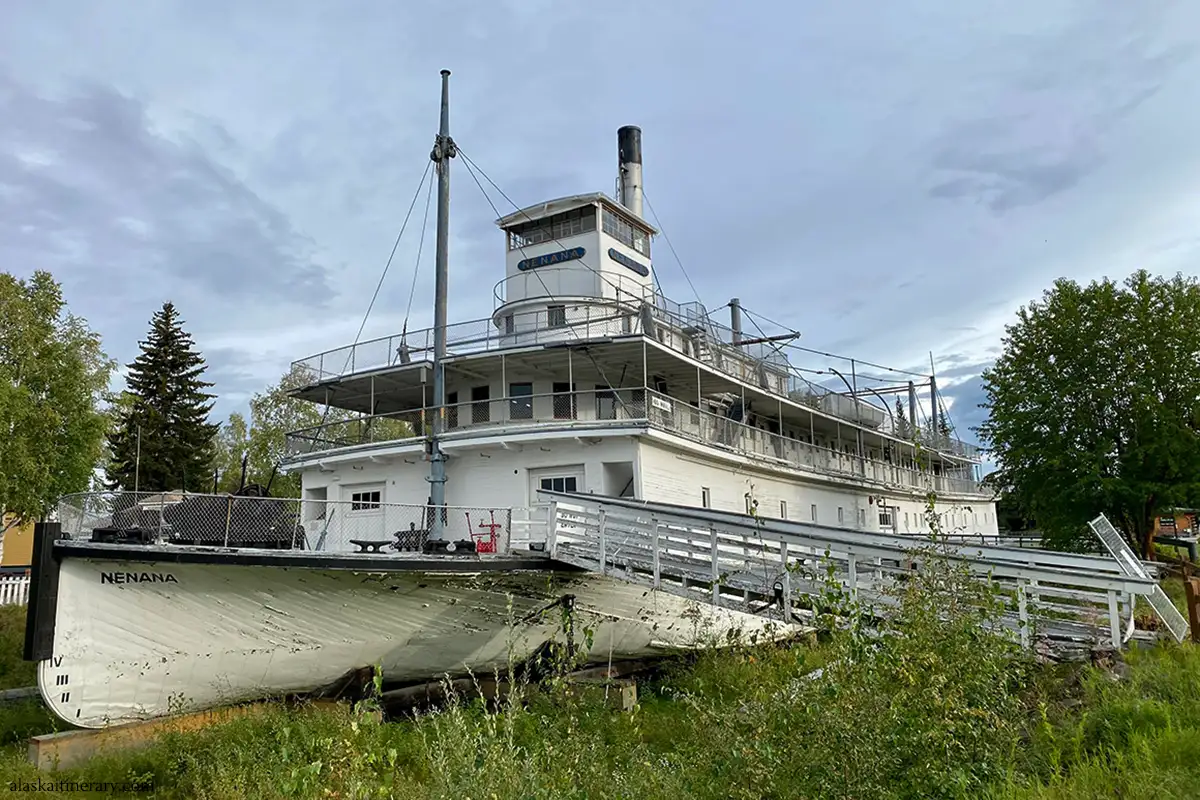
- Fairbanks: With a population of about 32,107, Fairbanks serves as a central service and commerce point for the interior regions of Alaska. [read more facts about Fairbanks]
- Juneau: The state capital, Juneau, has around 31,685 residents. It is unique as it can only be accessed via air or sea, highlighting Alaska’s rugged and isolated terrain.
Native Populations in Alaska
Alaska is rich in indigenous culture, with Native people making up about 15% of the state’s population. These communities belong to various groups, including the Inupiat, Yupik, Aleut, Eyak, Tlingit, Haida, and Tsimshian, each with their own distinct languages, traditions, and histories. They reside throughout Alaska, from the southeastern rainforests to the northern Arctic regions.
The Native populations have a profound connection to the land, with traditions deeply rooted in fishing, hunting, and gathering, reflecting their subsistence lifestyle and cultural Native heritage. The Alaska Native Claims Settlement Act (ANCSA) of 1971 significantly impacted these communities, altering land ownership and creating Native corporations to manage these assets.
Today, these corporations play a crucial role in Alaska’s economy, participating actively in various sectors, including oil and gas, fishing, and tourism.
Alaska’s Natural Wonders and Environmental Facts
National Parks
Alaska has eight national parks, most of them created by ANILCA, on December 2, 1980. Denali, Wrangell St.-Elias, Katmai, Lake Clark, Gates of the Arctic, Kobuk Valley, and Glacier Bay. Wrangell St.-Elias is the largest national park in the United States, and the Gates of the Arctic is the least visited national park.

Climate Extremes
Alaska’s climate ranges from the rainforests of the Southeast to the Arctic tundra. Record temperatures have swung from -80°F (-62°C) at Prospect Creek in 1971 to 100°F (38°C) in Fort Yukon in 1915. Daylight varies dramatically, from 24 hours in the Arctic Circle during summer to just a few hours in winter.
Biodiversity
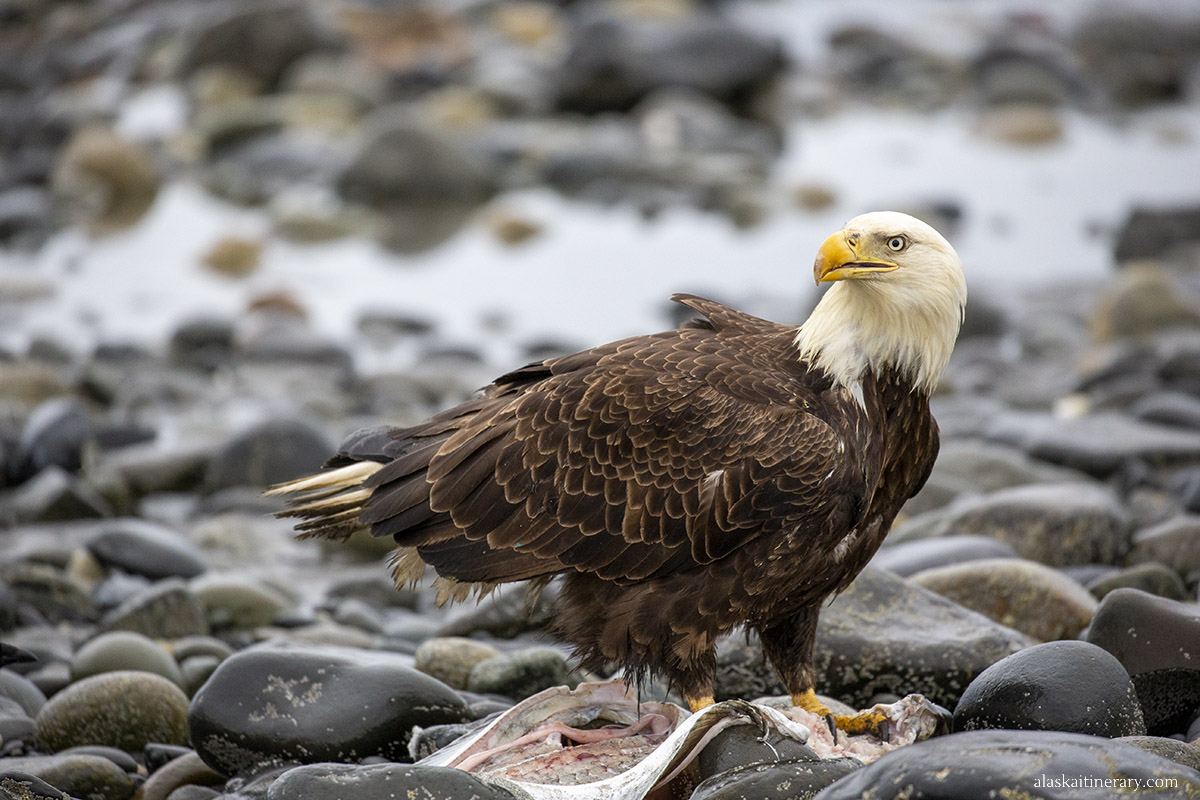
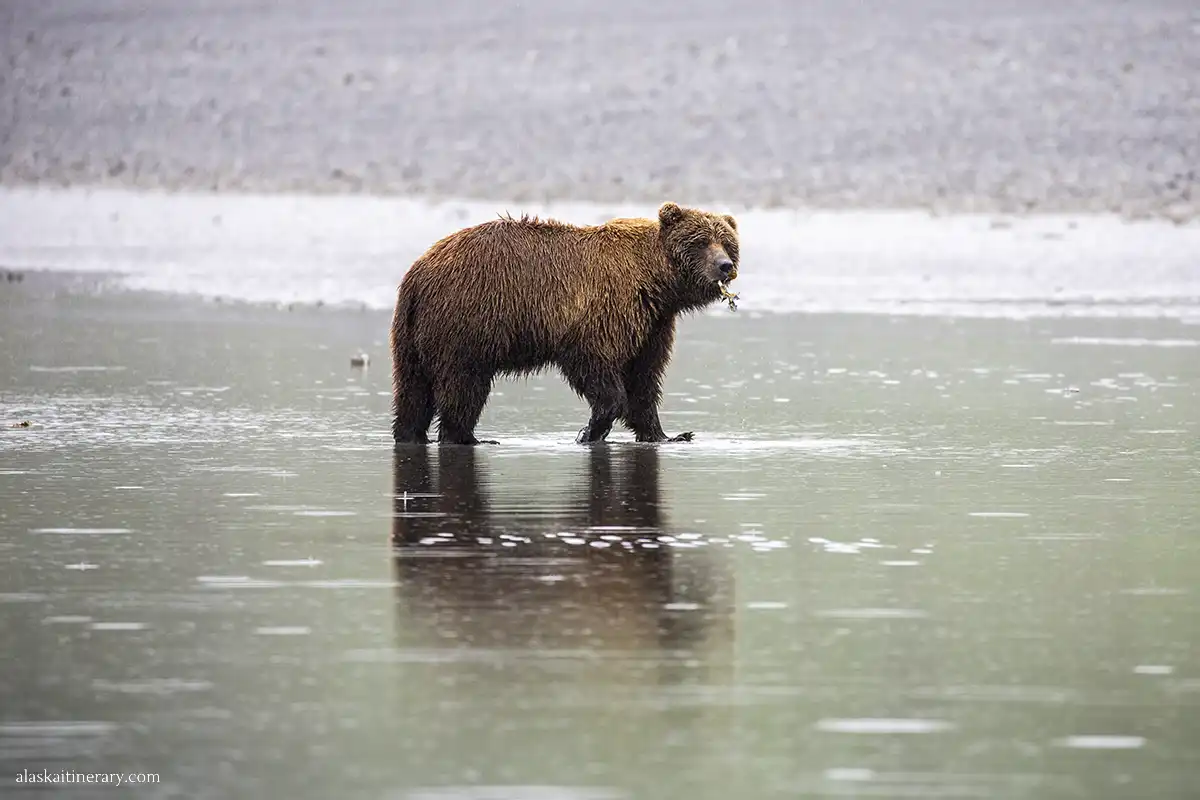
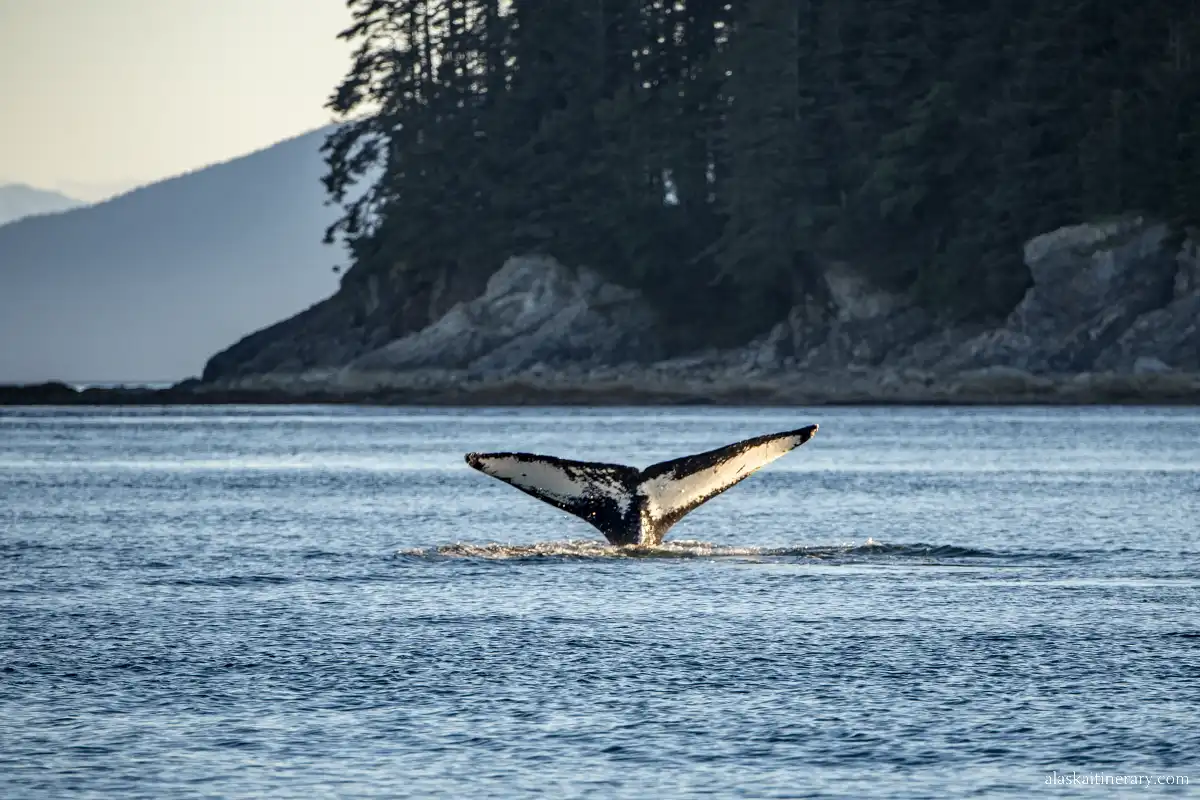
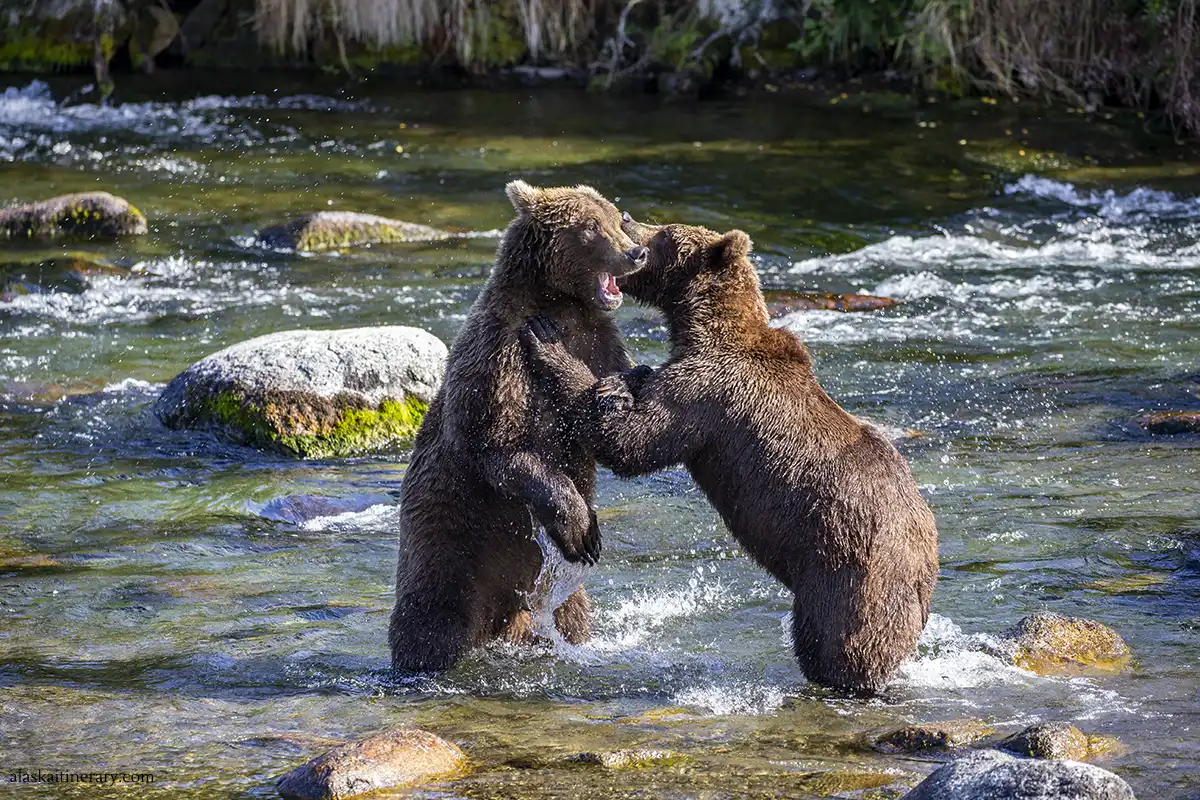
Alaska’s vast wilderness supports a unique array of life, with over 430 species of birds, 90 mammal species on land, and many more in its waters, including salmon, polar bears, and thousands of humpback whales. Alaska has the largest population of bald eagles in the USA, is home to about 30,000 bald eagles.
Moreover, Alaska is renowned for its bear population, with an estimated 30,000 brown bears, 100,000 black bears, and about 4,500 polar bears. The state’s isolation and varied habitats create a haven for endemic species and migratory wildlife alike.
Glaciers
Alaska has over 100,000 glaciers, covering 5% of the state and about 29,000 square miles of its landscape. The Malaspina Glacier in southeastern Alaska is the largest piedmont glacier in North America. It’s located primarily within Wrangell-St. Elias National Park.
The Bering Glacier complex is the largest glacier in North America, spanning over 2,000 square miles. Glaciers support a variety of wildlife and contribute to global sea levels, going beyond mere frozen water.
The most popular among tourists and easily accessible are Matanuska Glacier, Knik Glacier, Mendenhall Glacier, and Exit Glacier.

Volcanoes
Alaska’s position on the Pacific Ring of Fire makes it a hotspot for volcanic activity, with over 130 volcanoes and volcanic fields. The Aleutian Islands, extending from the southwestern tip of Alaska, are particularly known for their active volcanoes, such as Mount Redoubt and Mount Katmai.
The 1912 eruption of Novarupta in the Katmai region was one of the 20th century’s largest, significantly altering the landscape. These volcanic regions are monitored closely due to their potential impact on air travel and local communities.
Lesser Known and Fun Facts About Alaska
- Forget-me-not is Alaska’s state flower.
- The state bird is the willow ptarmigan.
- Jade stands as Alaska’s state gem.
- The king salmon, renowned as the state fish, represents the aquatic bounty.
- Record-breaking, the largest salmon was caught in Alaska.
- Kodiak bears, the world’s largest, roam Alaska.
- The Alaskan Malamute, one of the oldest dog breeds, serves as the state dog.
- Deeply rooted in indigenous history, dog mushing is Alaska’s state sport.
- Over 10,000 active pilots navigate Alaska’s skies, where flying is often essential.
- Juneau, Alaska’s capital, cannot be reached by road.
- A 14-year-old Alaskan boy, Benny Benson, designed the state flag in 1927.
- Alaska is a mere 50 miles from Russia at its closest point.
- The Battle of Attu, the only WWII battle on U.S. soil, occurred in Alaska.
- Public lands make up a higher percentage of Alaska than any other U.S. state.
- The Chugach and Tongass are the largest U.S. national forests found in Alaska.
- The Trans-Alaska Pipeline, extending 800 miles, traverses challenging terrains from Valdez to Prudhoe Bay.
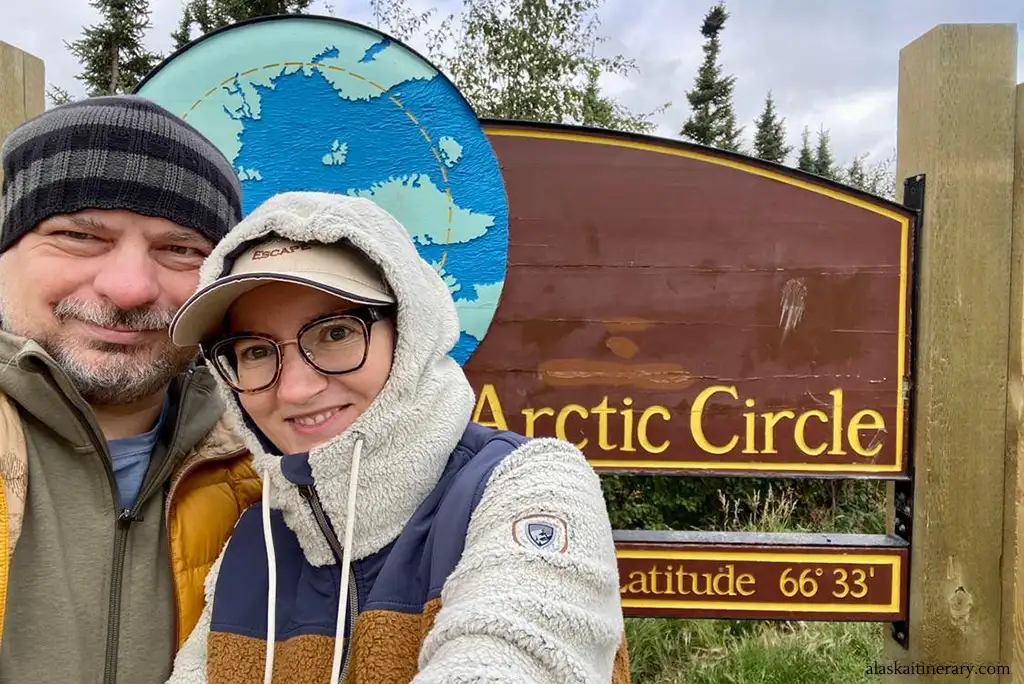
- Nearly one-third of Alaska lies within the Arctic Circle.
Facts about Alaska’s Natural Deposits
Oil and Gas
Alaska is a key player in the U.S. oil industry, with the North Slope containing the largest oil fields. As of 2022, the state’s crude oil production, predominantly from the North Slope, averaged around 483,000 barrels per day.
Alaska’s proven natural gas reserves are about 100 trillion cubic feet, ranking third among U.S. states. Instead of marketing a significant portion of its natural gas, Alaska reinjects it to enhance oil production.
Minerals
The mineral industry in Alaska contributes substantially to its economy, with significant production of gold, zinc, copper, and lead. Alaska leads in zinc production in the U.S. and is a major gold producer. In 2020, reports valued Alaska’s mineral industry at $3.2 billion, highlighting its substantial economic contribution to the state.
Coal
Alaska has recoverable coal reserves estimated at 2.8 billion tons, including bituminous, sub-bituminous, and lignite coal varieties. The Usibelli mine, the only operating coal mine in Alaska, produces about 1 million tons of coal annually. While historically exporting coal, Alaska now primarily uses it domestically for power generation.
Fishing Industry
Alaska’s waters are home to some of the world’s most important fish stocks, including salmon, halibut, and crab. The seafood industry is one of the state’s largest employers and annually contributes billions of dollars to the Alaskan economy.

Innovations and Infrastructure Facts about Alaska
Transportation Innovation
Alaska’s vast and rugged terrain has led to unique transportation solutions, most notably in aviation. With over 200 rural communities accessible only by air or sea, Alaska has six times more pilots per capita than the rest of the U.S. The state’s aviation infrastructure includes a vast network of airports and airstrips, crucial for transportation, delivery of goods, and emergency services.
Energy Development
Harnessing its natural resources, Alaska has been a leader in innovative energy solutions, particularly in remote and off-grid areas. The state has invested in renewable energy projects, including hydroelectric, wind, and geothermal power, to reduce reliance on imported fuels. Alaska’s microgrid technology, serving remote communities, is among the most advanced in the world, often integrating multiple energy sources for reliability and efficiency.
Telecommunications
Given its remote geography, Alaska has made significant strides in telecommunications to connect its widespread population. The state has implemented advanced satellite and fiber-optic technology to provide internet and communication services across vast distances, overcoming the challenges of its extreme and isolated environment.
Engineering Marvels
Projects like the Trans-Alaska Pipeline System (TAPS), an engineering feat running 800 miles from Prudhoe Bay to Valdez, exemplify Alaska’s innovative spirit in overcoming environmental and logistical challenges. The pipeline’s design addresses permafrost, seismic activity, and remote terrain, maintaining Alaska’s position in the global energy market.
Cold Climate Research
Alaska’s universities and research institutions are at the forefront of cold climate science and engineering, studying everything from permafrost dynamics to Arctic marine biology. This research has global implications, especially in understanding climate change and its effects on polar regions.
Conclusion
There are many more facts and figures about Alaska. We have selected the most interesting ones for you. As the largest U.S. state, Alaska’s extremes — from towering mountains to expansive tundra — underscore its unique position in the world.
Strategically, Alaska’s location and resources are crucial in global geopolitical and environmental discussions concerning Arctic policy and climate change.
Economically, Alaska is a cornerstone in sectors like oil, fishing, and tourism, affecting national and international markets. Its breathtaking landscapes and abundant wildlife continue to attract global attention, drawing explorers and nature enthusiasts to its remote beauty.
Culturally, Alaska combines a narrative of indigenous heritage with modern influences.
In the realm of science and innovation, Alaska’s contributions, especially in cold climate research and sustainable energy, echo its broader global significance.
Alaska’s spectacular nature, cultural depth, economic vitality, and innovative spirit define its place on the global stage.
Do You Like It? Pin It For Later!


